
An Introduction to Grímsey Island
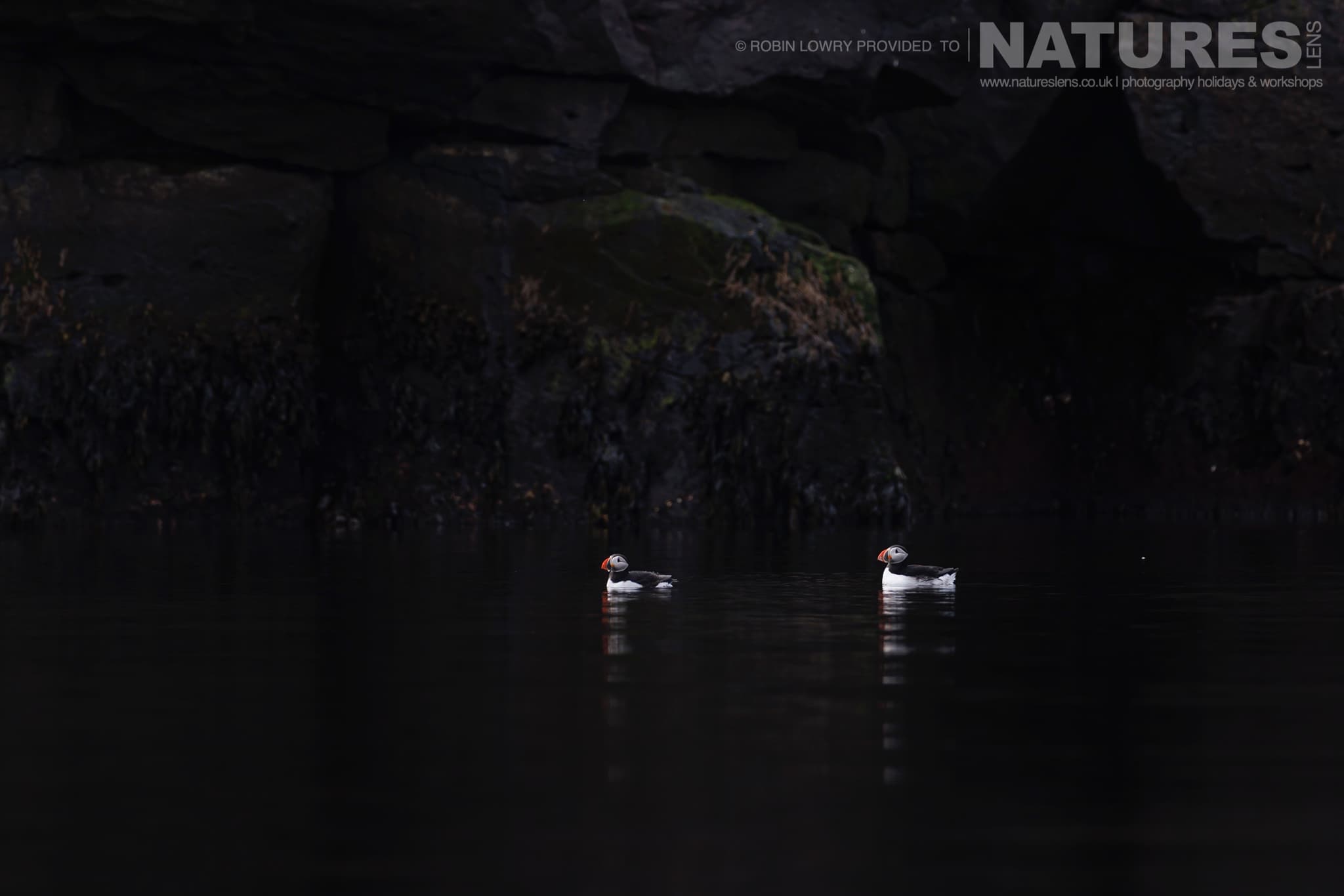
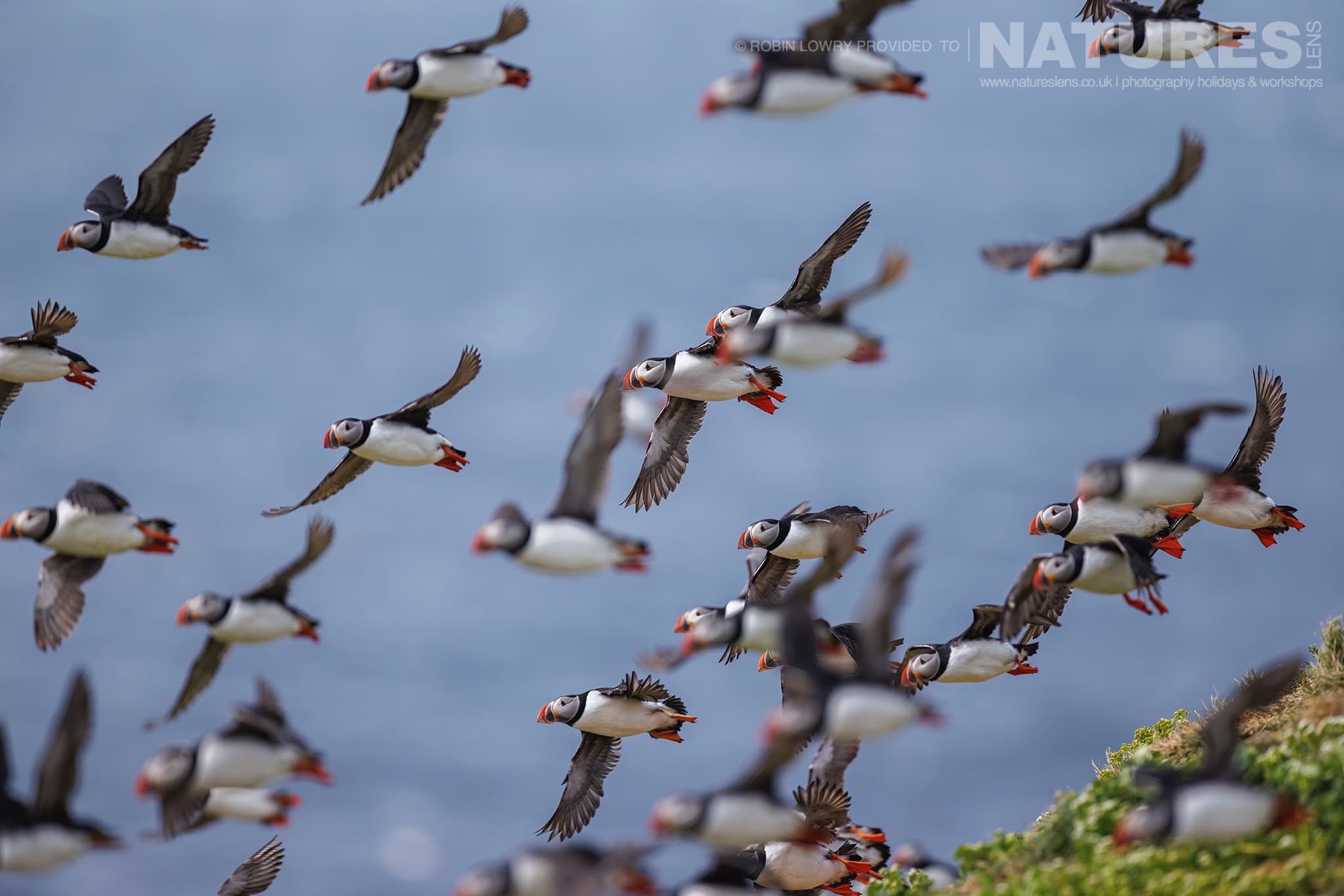
Iceland has several puffin colonies, but Grímsey Island — sitting right on the Arctic Circle, 40km off the north coast — is the most productive for photography. The colony is large, the birds are confiding, & the island’s position means extended daylight through June & July.
-
Grímsey Island is the Puffin Colony
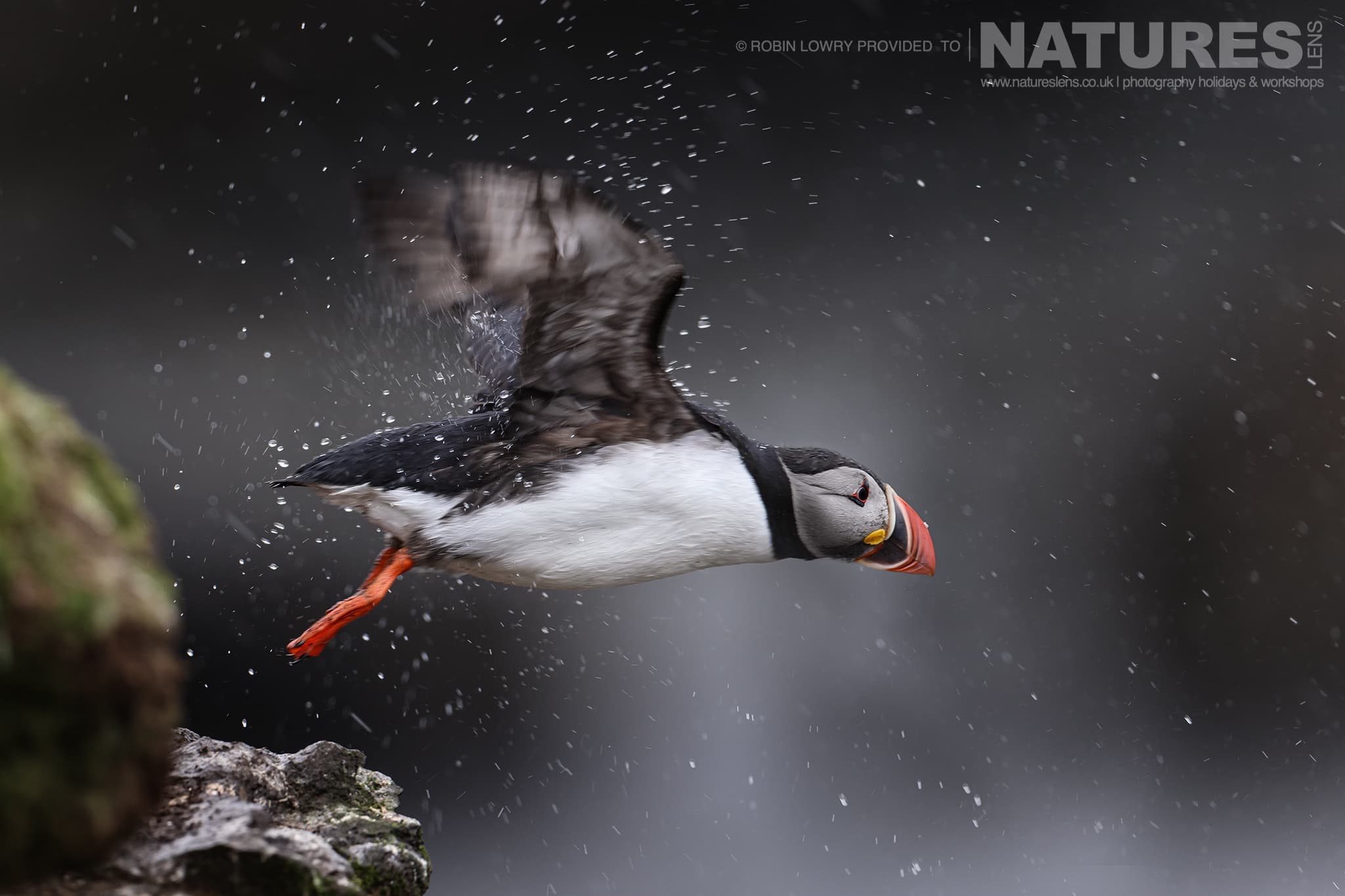
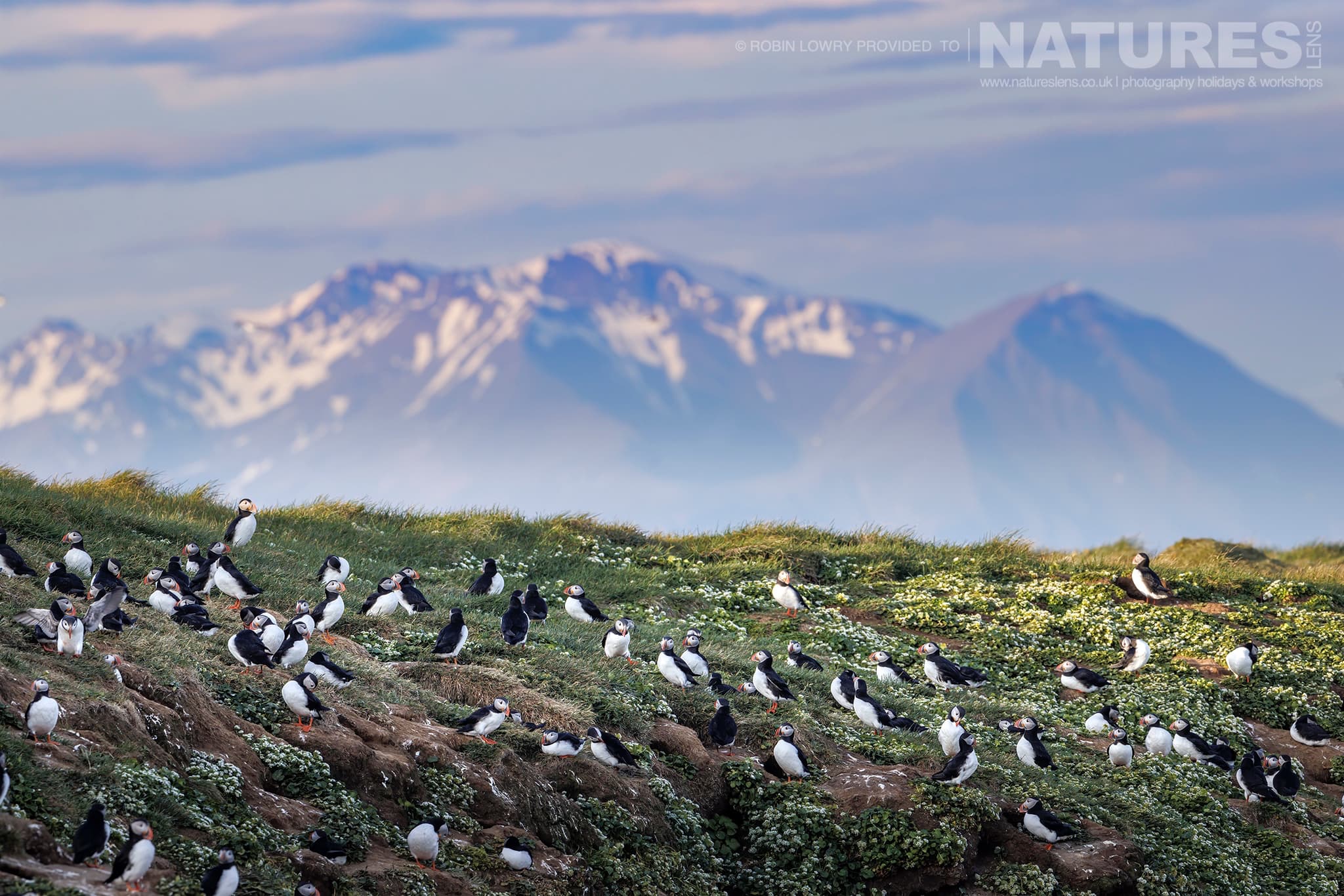
The island supports around 10,000 breeding pairs. The birds nest in burrows along the cliff edges & grassy slopes, & are approachable enough for close-range work with a 100–400mm lens.
-
Unspoiled Natural Beauty
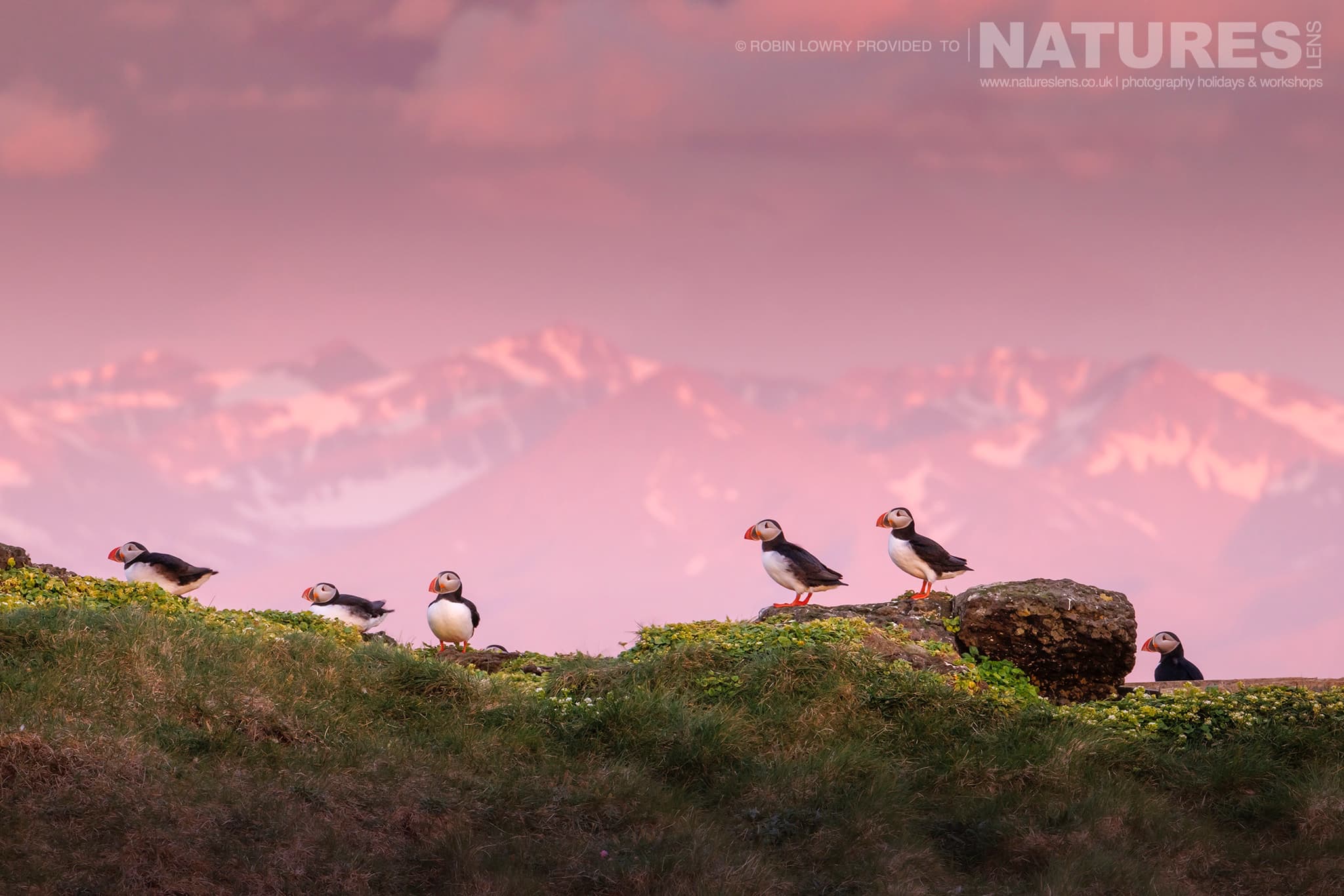
The island’s landscape gives good variety for backgrounds: dark sea cliffs, green grass slopes, & open Atlantic views. Puffins against blue sea or green turf photograph well without needing to do much post-processing.

-
Accessibility & Photography Tours
While Grímsey Island may seem remote, it is surprisingly accessible. Regular ferry services run between the mainland & the island, allowing photographers & nature enthusiasts to visit easily. Additionally, photography tours are available, providing valuable insights into the puffins’ behaviour & habitat & ensuring that visitors have the best chance of capturing notable photographs. Our experienced guides know the best spots to find the puffins & understand how to approach them without causing disruptions.
-
Puffin Interaction
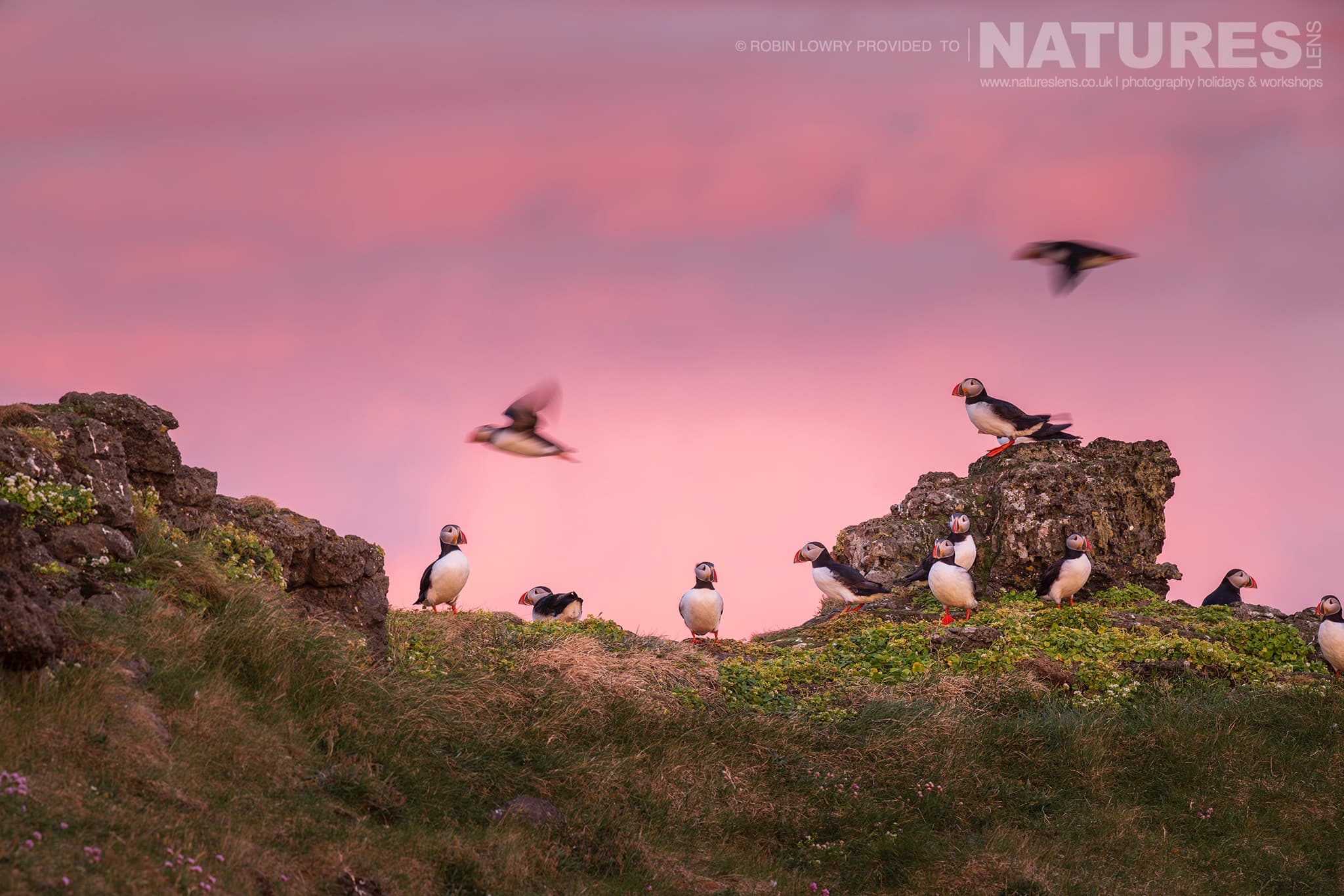
The puffins on Grímsey tolerate photographers at close range provided you sit quietly & let them come to you. This proximity allows tight portraits showing bill detail, feather texture, & eye colour, as well as behavioural shots — bill-fencing, fish delivery, & burrow maintenance.
-
Grímsey Island Offers a Unique Experience
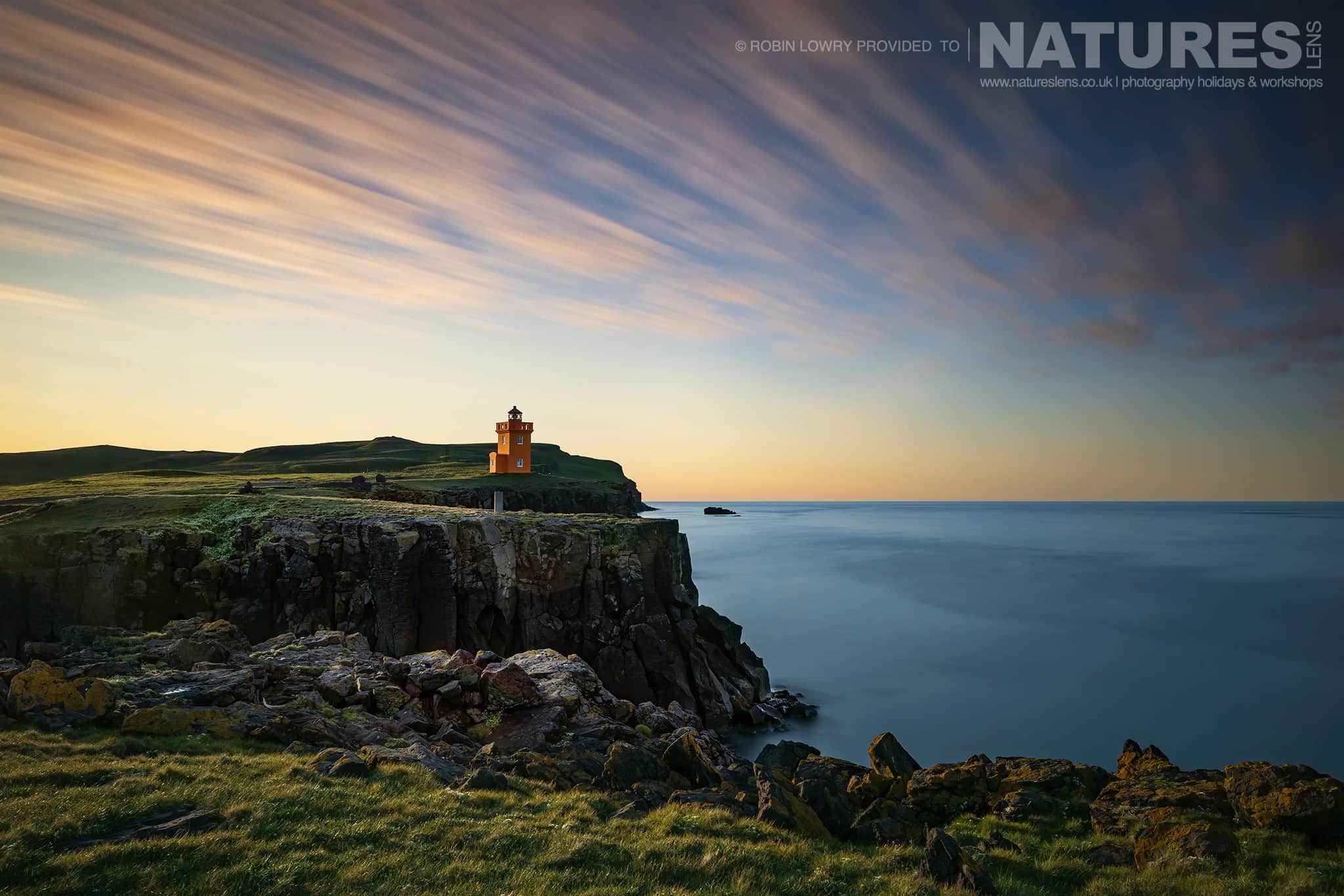
Beyond the puffins, the island has Arctic terns, fulmars, guillemots, & razorbills. The rock formations & coastal views are worth photographing in their own right, particularly in the long evening light.
Can you stay on Grímsey Island?
Grímsey Island is an isolated & unique destination that offers a unique opportunity for visitors to get away from it all. Although technically part of the Icelandic municipality of Akureyri, the island is only accessible by air or sea from Iceland & is home to only around 80 people. Staying overnight on the island is possible, with two guesthouses offering accommodations for visitors. While the island is remote, visitors can enjoy notable natural scenery, including cliffs, glaciers, lagoons, & birdlife. There are also some interesting cultural attractions, such as the tiny chapel & a restored lighthouse. For those looking for a real sense of adventure & serenity, staying overnight extends your time with the colony & avoids the ferry schedule limiting your sessions.

Who lives on Grimsey Island?
Grimsey Island is home to around 80 people who are all members of the same small fishing community. Many islanders have lived on Grimsey for generations, & the population comprises people from all walks of life – including fishermen, farmers, entrepreneurs, & those simply looking to get away from the hustle & bustle of city life. The island is a remote & peaceful place, & offers some of the world’s best puffin photography & stargazing opportunities. It is a quiet, remote community with a strong fishing tradition.
Conclusion
Grímsey is one of the most reliable & accessible puffin photography locations in the North Atlantic. The combination of a large colony, confiding birds, good light, & varied backgrounds makes it worth the journey.
Which Photography Tours Does NaturesLens Schedule for Photographing the Atlantic Puffins of Grímsey Island?
NaturesLens offers an annual Grímsey Island photography holiday; the tour is designed to allow photographers of all levels to add images of the Icelandic Atlantic Puffins to their portfolio. This trip is conducted in June or July when the Icelandic wildlife is most active.
Our photography holidays allow photographers to capture strong images of the Atlantic Puffin & many other Icelandic species. During our trips, photographers will also have the opportunity to photograph an array of other wildlife, including a vast selection of species of seabird that call the island home.
Our trips are led by experienced wildlife photographers who know the island, the colony, & the best positions for different light conditions.