What Is The Picturesque Magic of Dalmatian Pelican Photography on Lake Kerkini?
Lake Kerkini in northern Greece is among the best locations in Europe for photographing Dalmatian pelicans at close range. The lake’s network of canals, wetlands, & rivers creates varied backgrounds for working with these birds.
The pelicans are the main draw. They hunt, fly, & rest around the lake throughout the winter months, & the population is large enough that you are rarely short of subjects. The birds are habituated to boats & photographers, which allows close working distances.
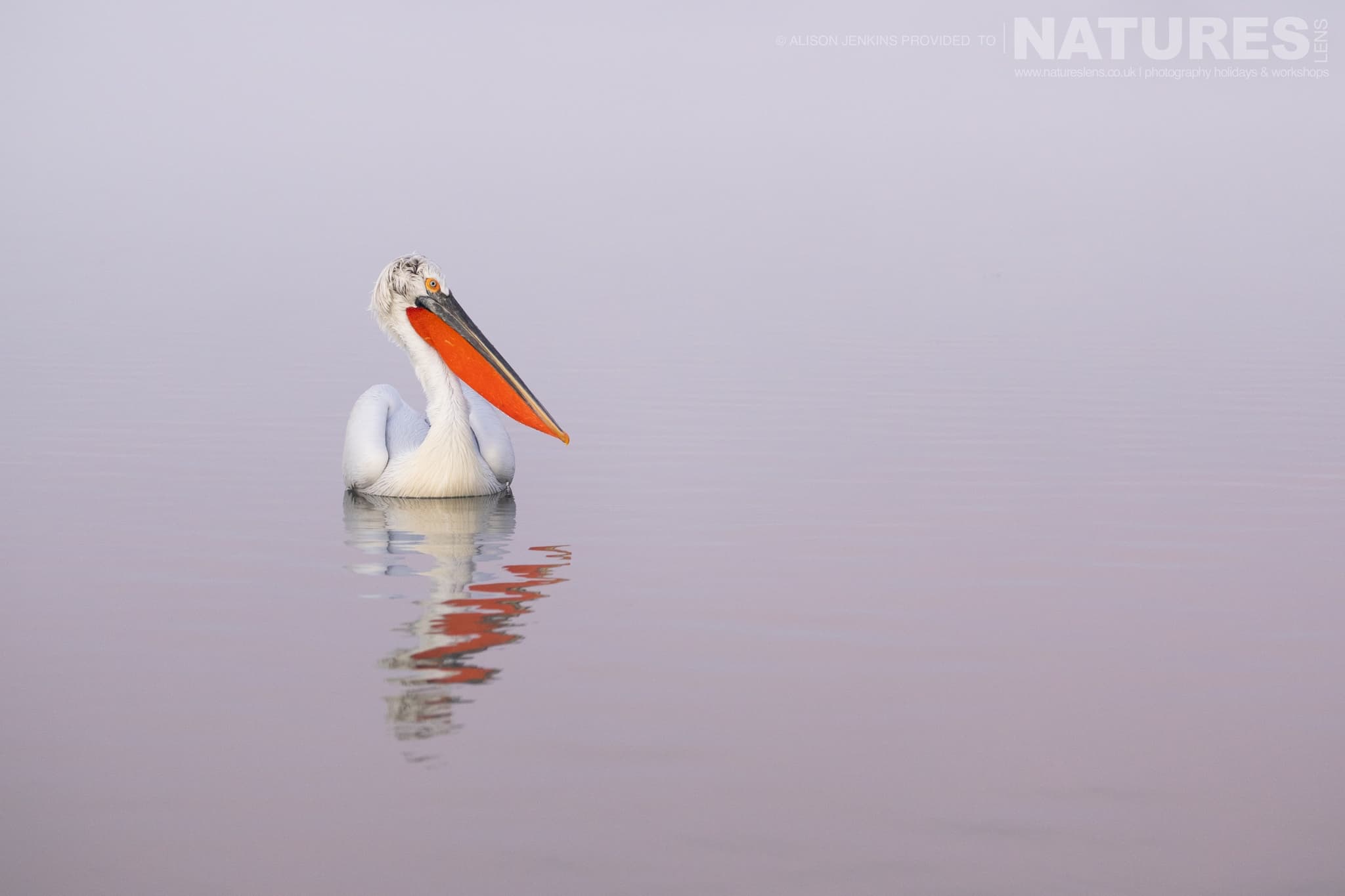
From the stillness of the lake at sunrise to the perfect reflections of the Pelicans in the water at dusk, the almost surreal beauty of Lake Kerkini is distinctive. Join us in this article as we explore the charm of Dalmatian Pelican Photography at Lake Kerkini & uncover its notably picturesque magic.
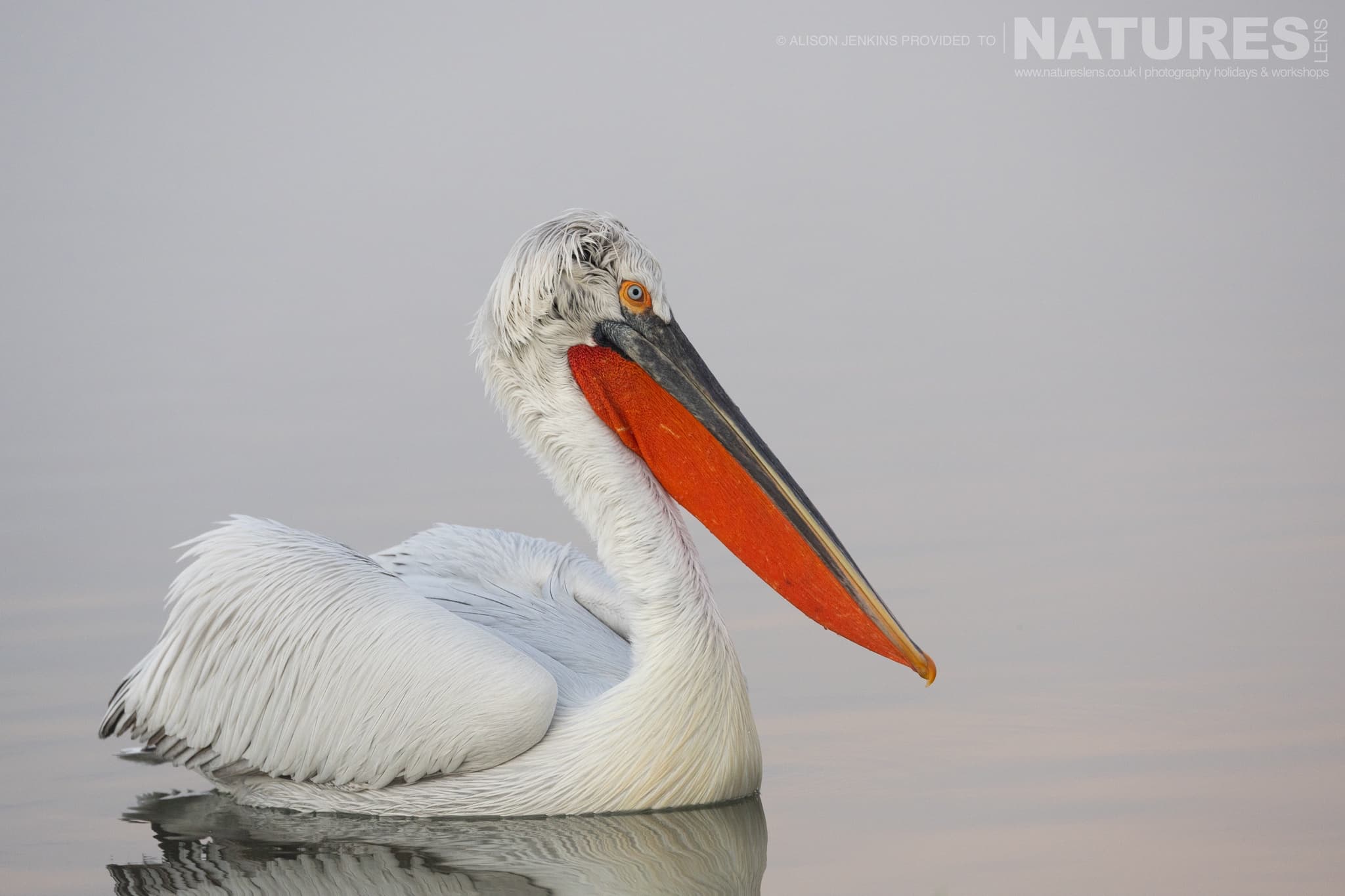
Overview of Lake Kerkini
Lake Kerkini is a reserve nestled in Northern Greece. It supports a range of wetland species. The reserve covers an area of approximately 72 square kilometres & is home to a diverse range of flora & fauna. One of Lake Kerkini’s main attractions is its Dalmatian Pelican population. These fine birds are known for their striking black & white plumage & impressive wingspan.
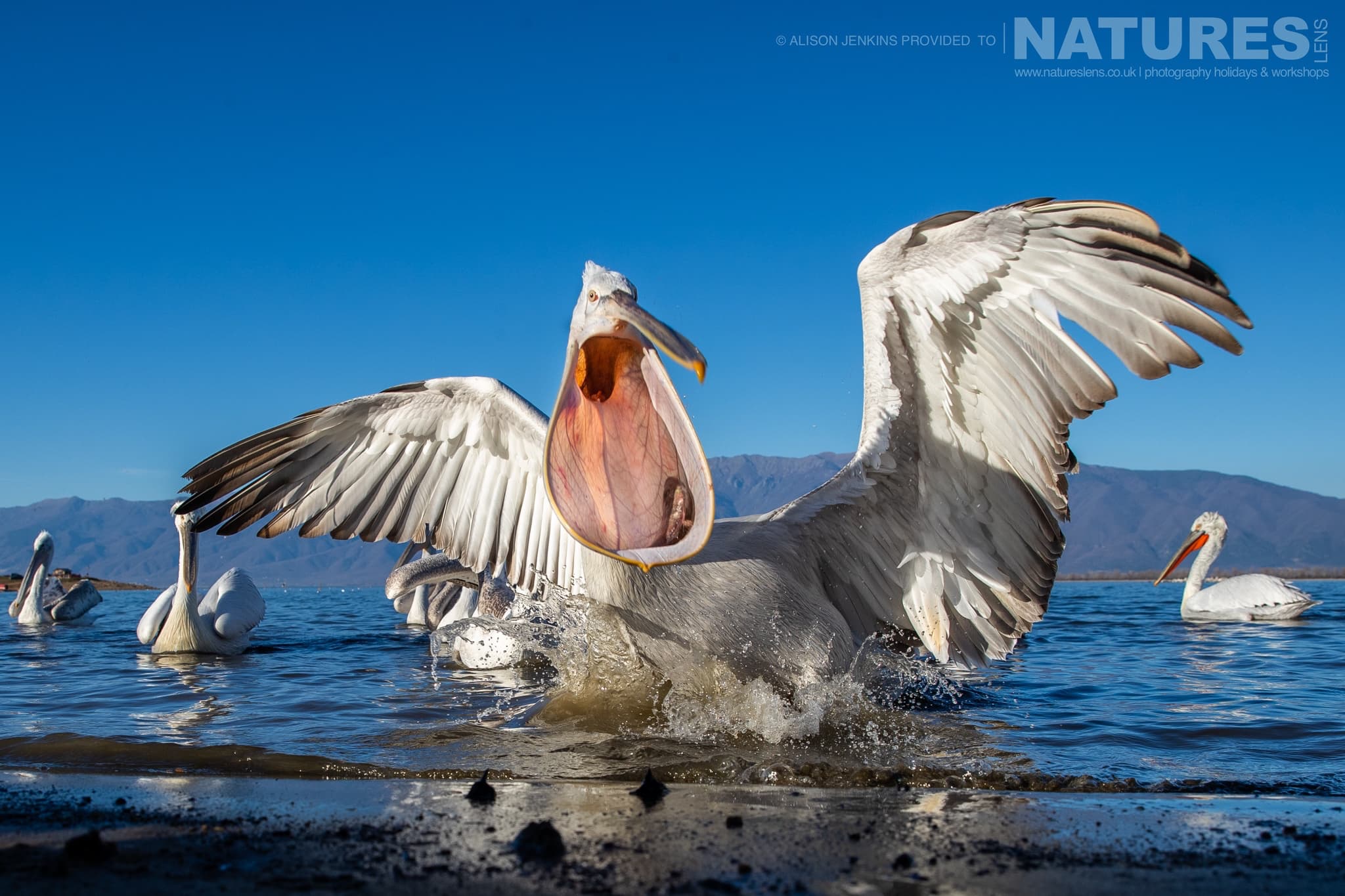
The shallow water & reliable fish stocks keep the pelicans on the lake year-round. Boat-based sessions are the main method for photography — the boats can position within metres of the birds without disturbing them.
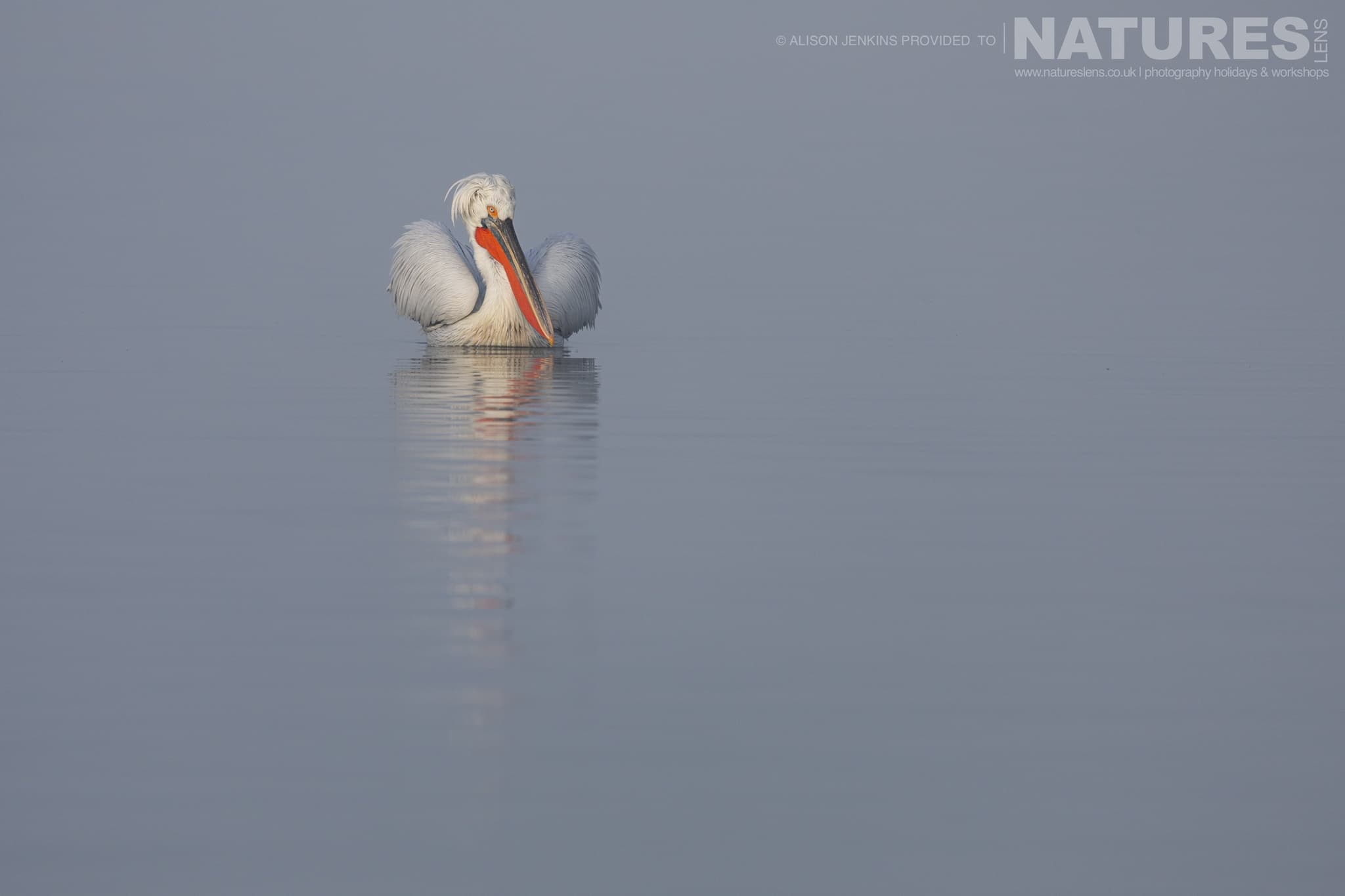
What to Expect When Visiting Lake Kerkini for Dalmatian Pelican Photography?
When visiting Lake Kerkini, you can expect to be greeted by strong scenery at every turn. The lake is surrounded by picturesque mountains, creating a dramatic backdrop for photography adventures. As you explore the reserve, you will encounter other bird species, such as herons, cormorants, & egrets. The best time to visit Lake Kerkini for Dalmatian Pelican photography is during the winter when these birds gather in large numbers.
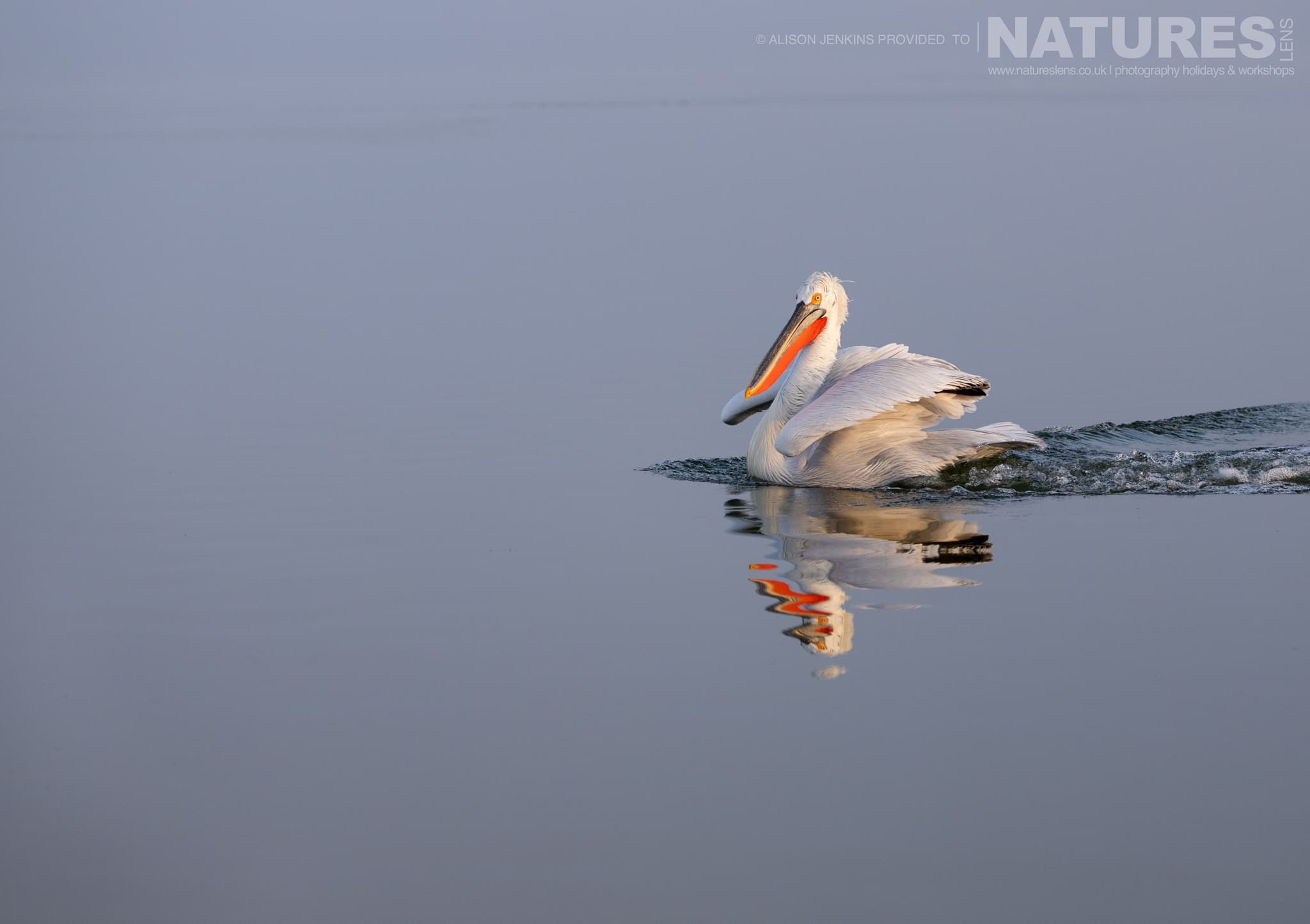
During this time, you can witness their courtship rituals & capture notable shots of them in flight or perched on tree branches. In addition to bird photography opportunities, Lake Kerkini offers plenty of other activities for nature lovers.
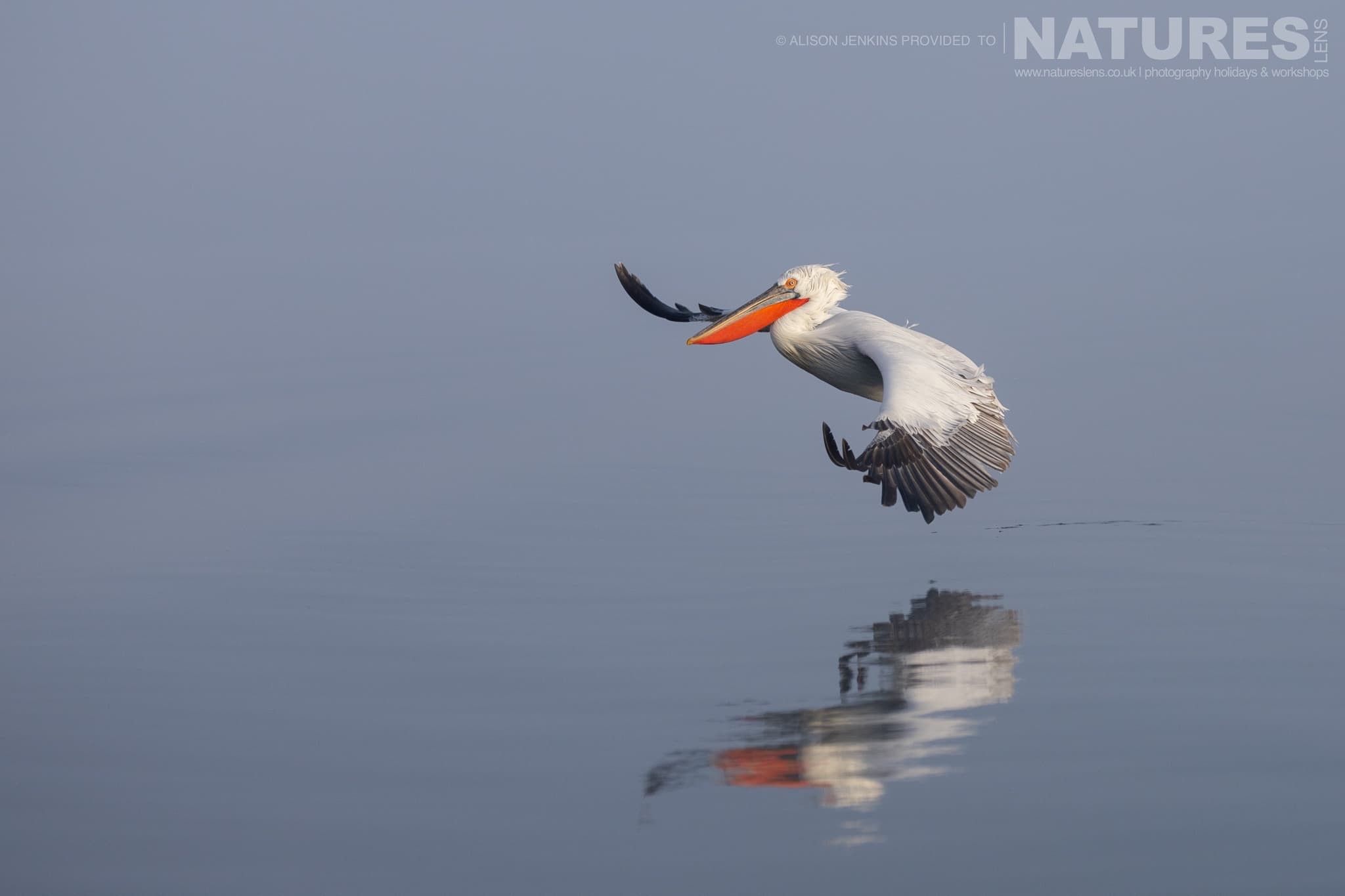
Details on the Dalmatian Pelican
The Dalmatian Pelican is one of the largest pelicans in the world. It can reach a height of up to 6 feet & has a wingspan of over 9 feet. These birds are known for their distinctive appearance, with their white feathers & black markings. Dalmatian Pelicans are primarily fish-eaters & use their large beaks to catch prey. They are skilled divers & can plunge into the water from great heights to catch fish.
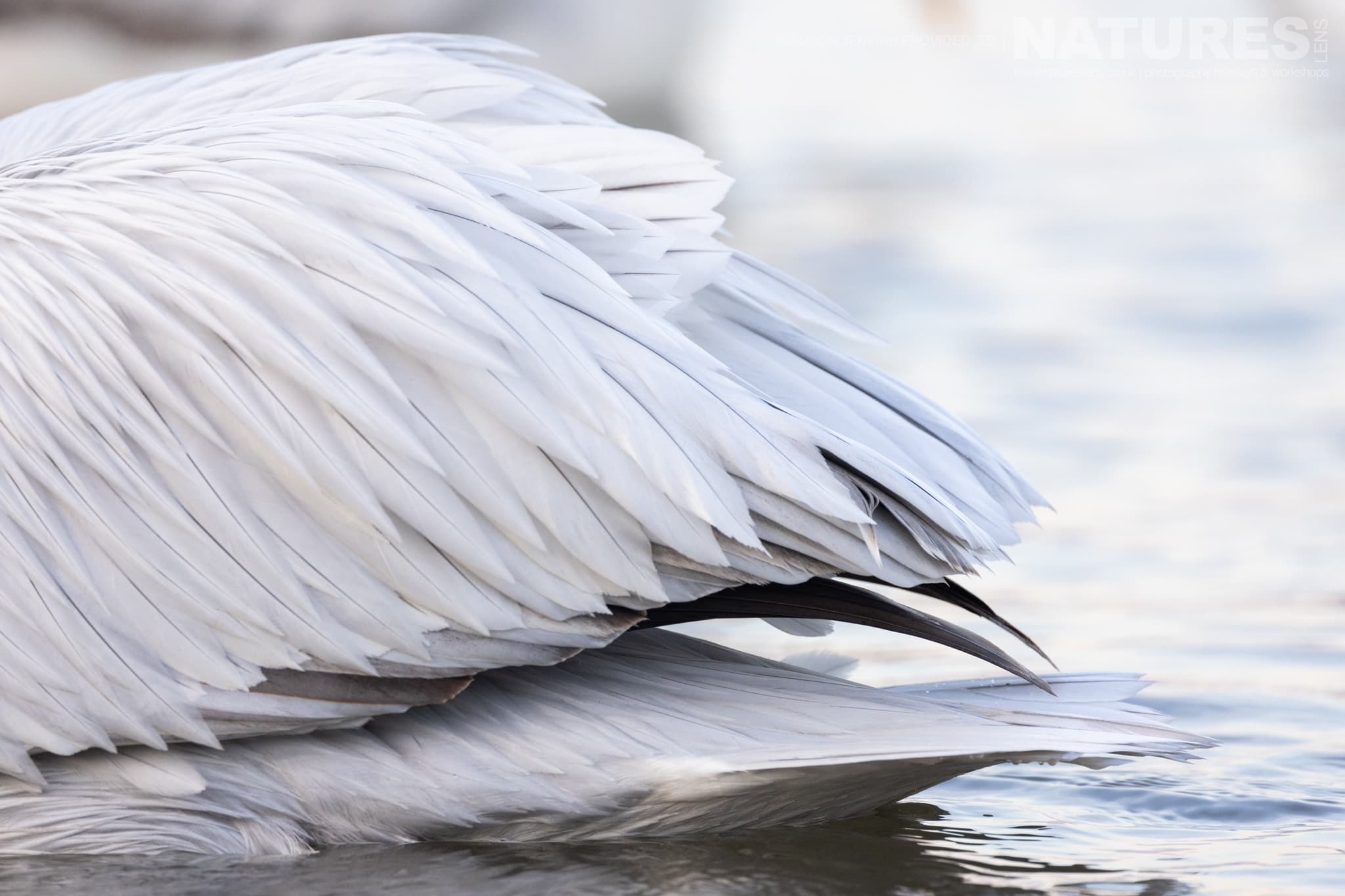
Watching them dive & hunt provides good opportunities for action sequences.
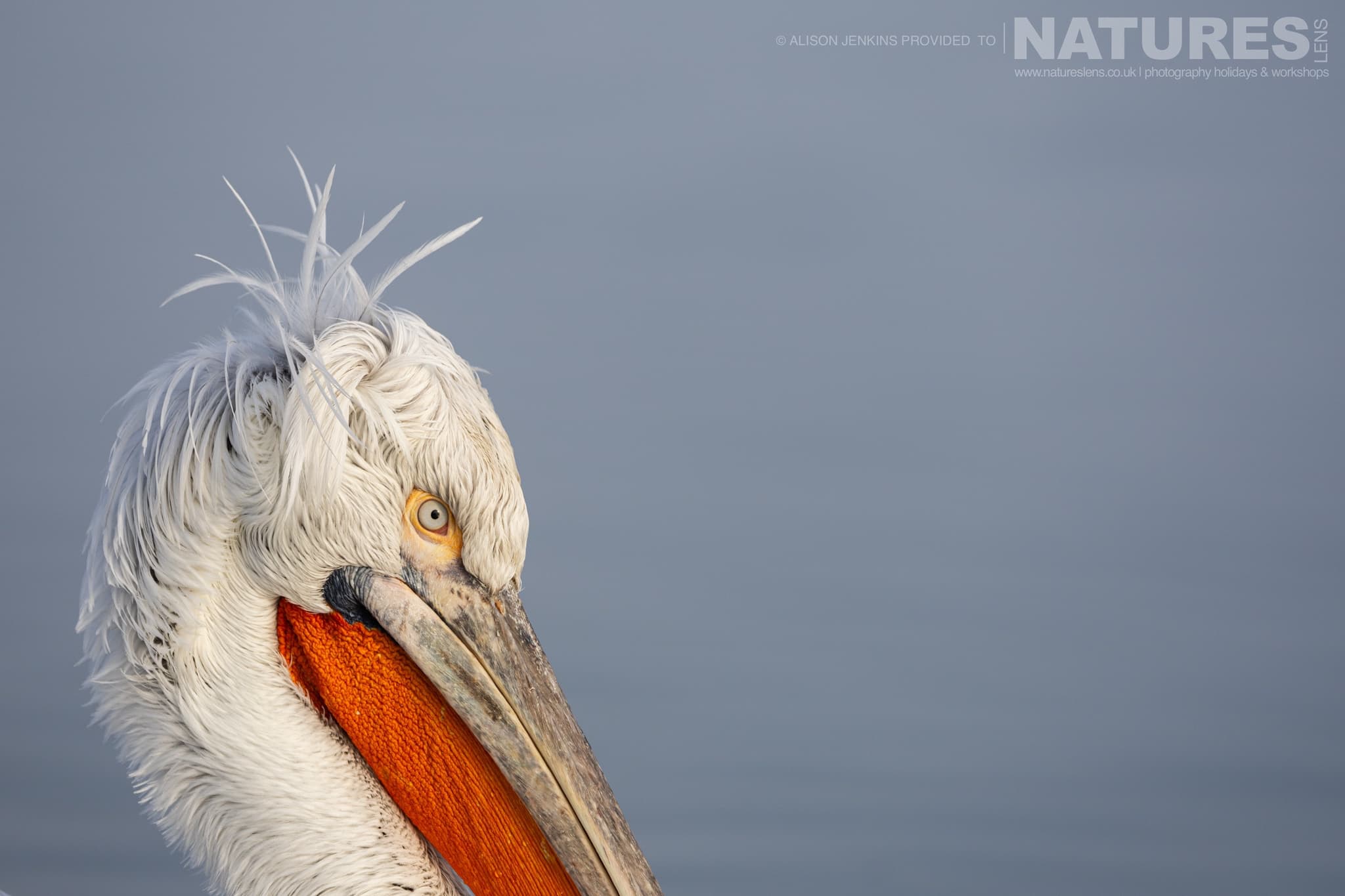
During the breeding season, which typically occurs between January & April, Dalmatian Pelicans display elaborate courtship rituals.
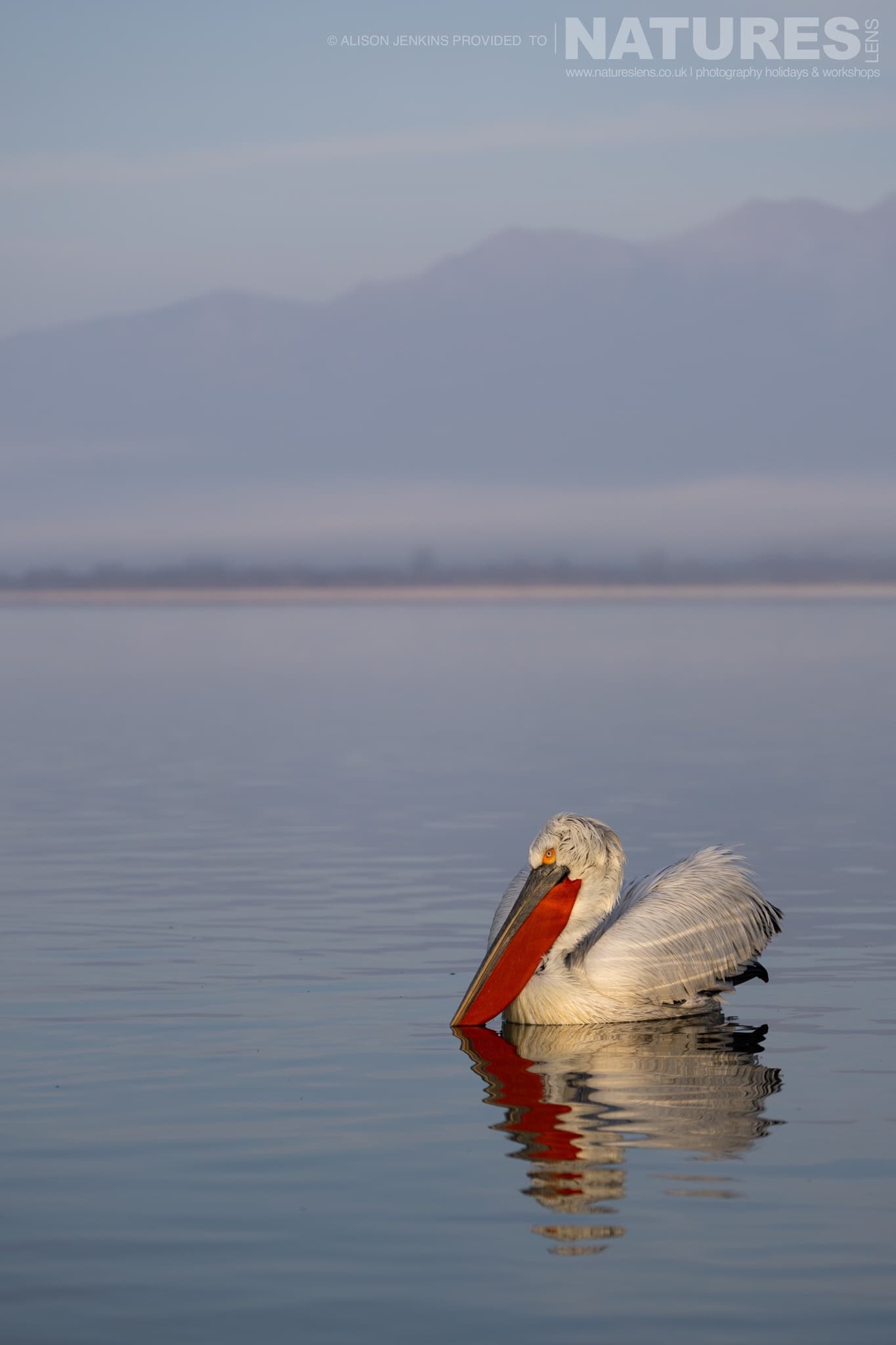
Males perform head-shaking, bill-clattering, & wing-flapping to attract females. This is another notable moment for photographers to capture.
Challenges of Photographing the Dalmatian Pelican
While photographing Dalmatian Pelicans at Lake Kerkini is a gratifying experience, it comes with challenges. One of the main challenges is capturing these birds in flight. Their large size & wingspan make it difficult to frame them properly within the camera’s viewfinder.
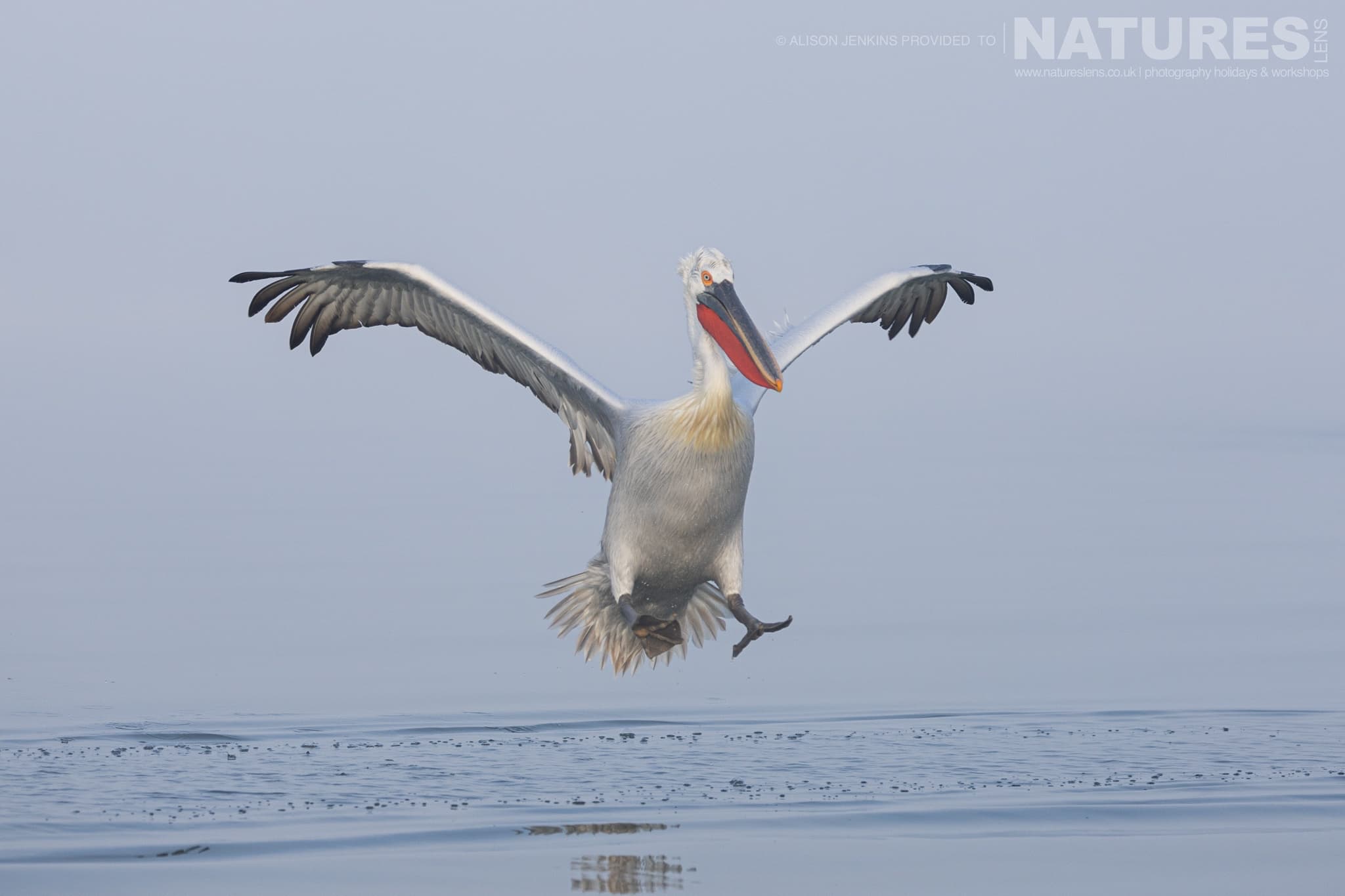
Another challenge is finding unique angles & perspectives to photograph the pelicans. With so many photographers visiting Lake Kerkini, creating images that stand out from the rest can be challenging. However, with patience & creativity, it is possible to capture genuinely notable shots.
Finding the Perfect Angle
To find unique angles for your Dalmatian Pelican photography, exploring different vantage points around the lake is essential. This may involve hiking to higher ground or renting a boat to get closer to the birds. By experimenting with different angles, you can capture images that showcase the pelicans’ grace & beauty.
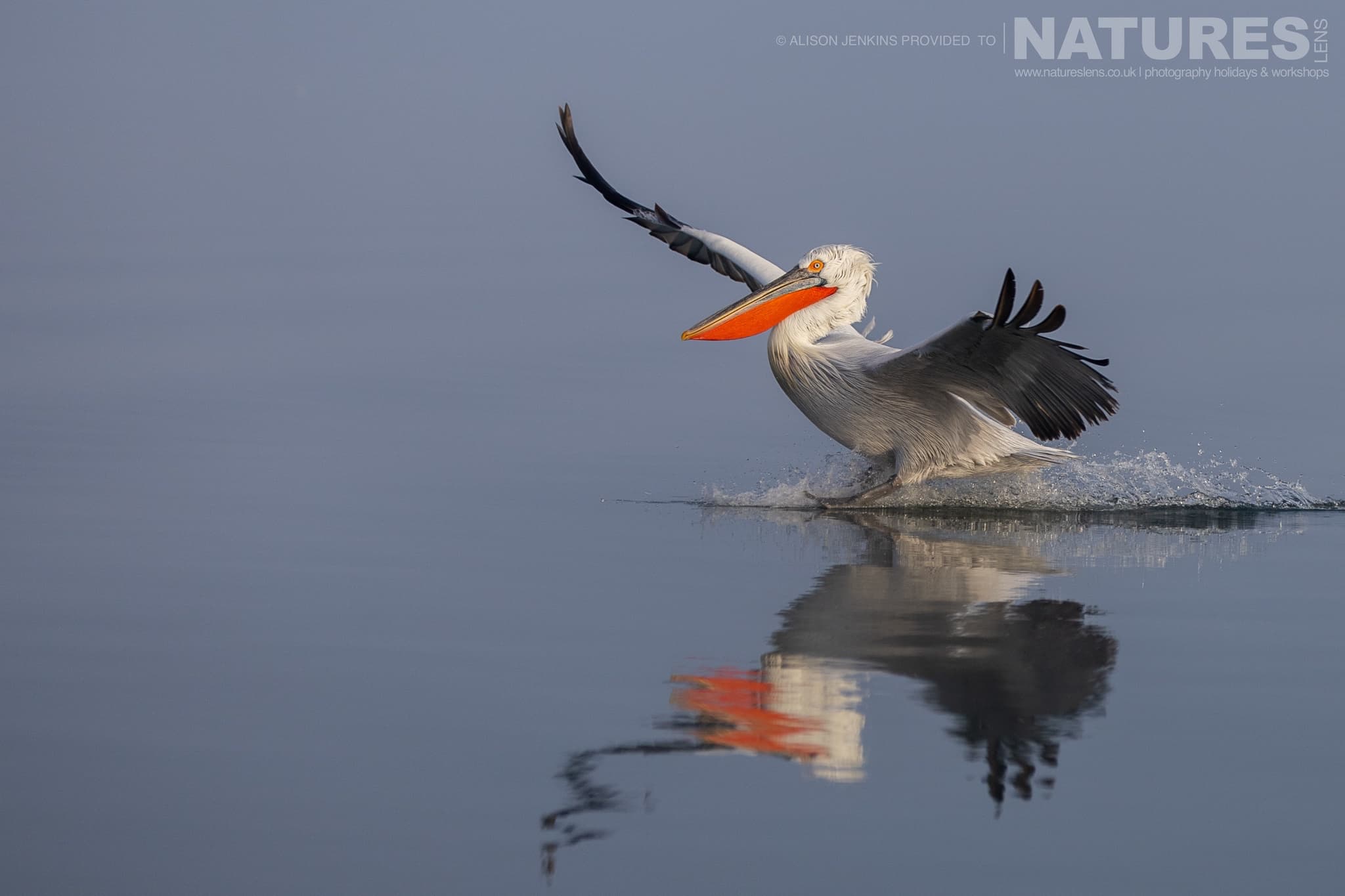
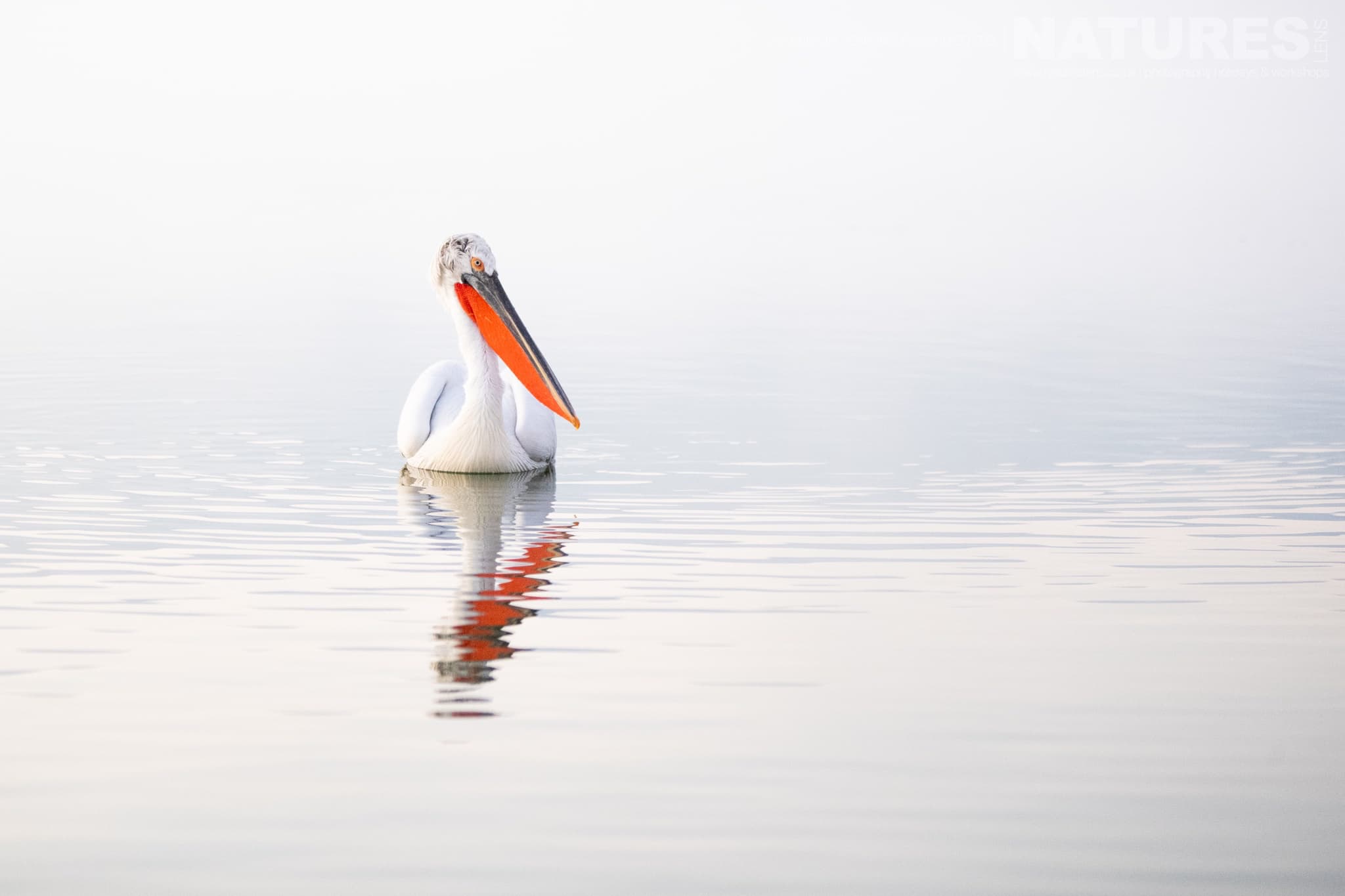
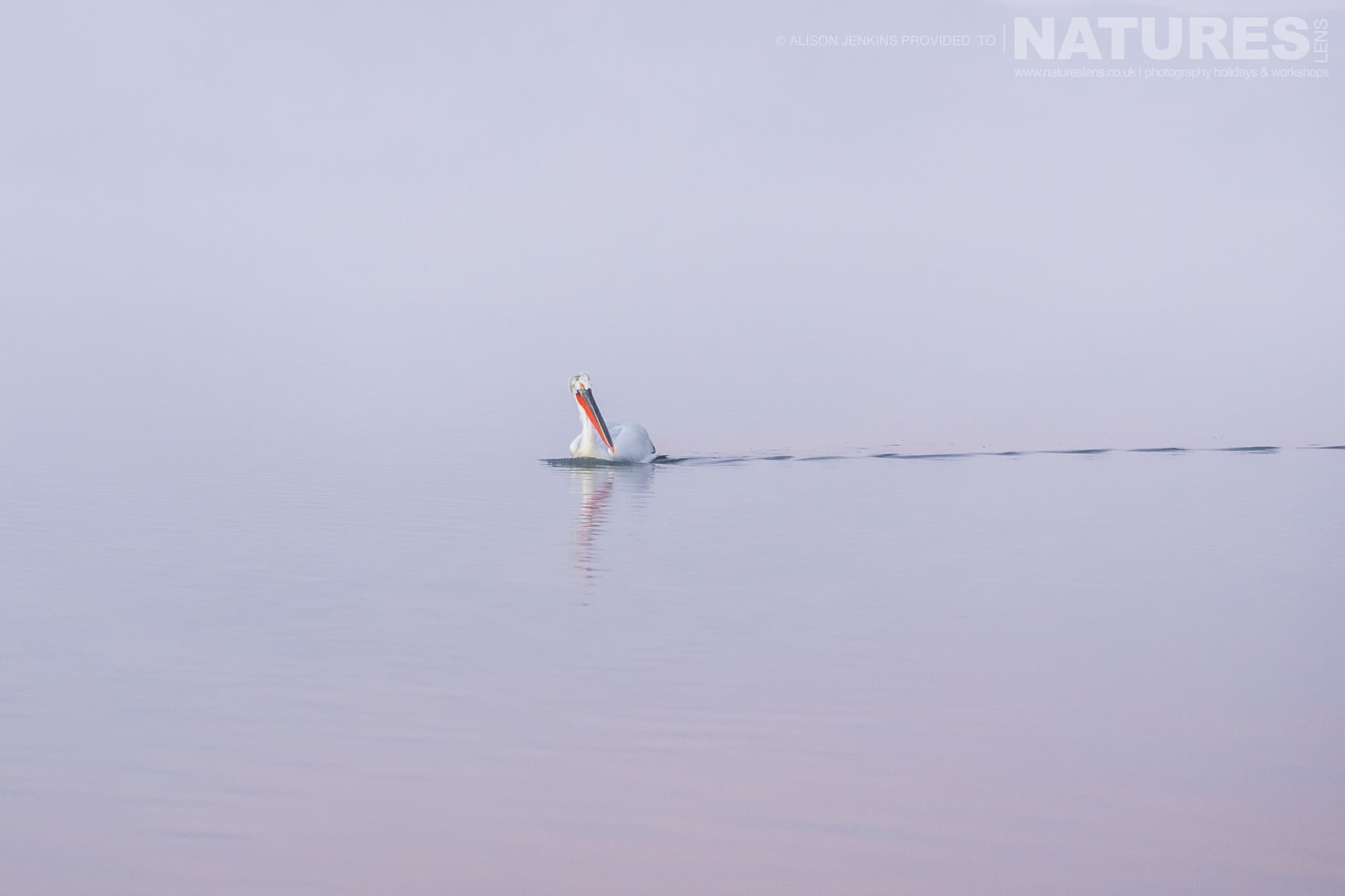
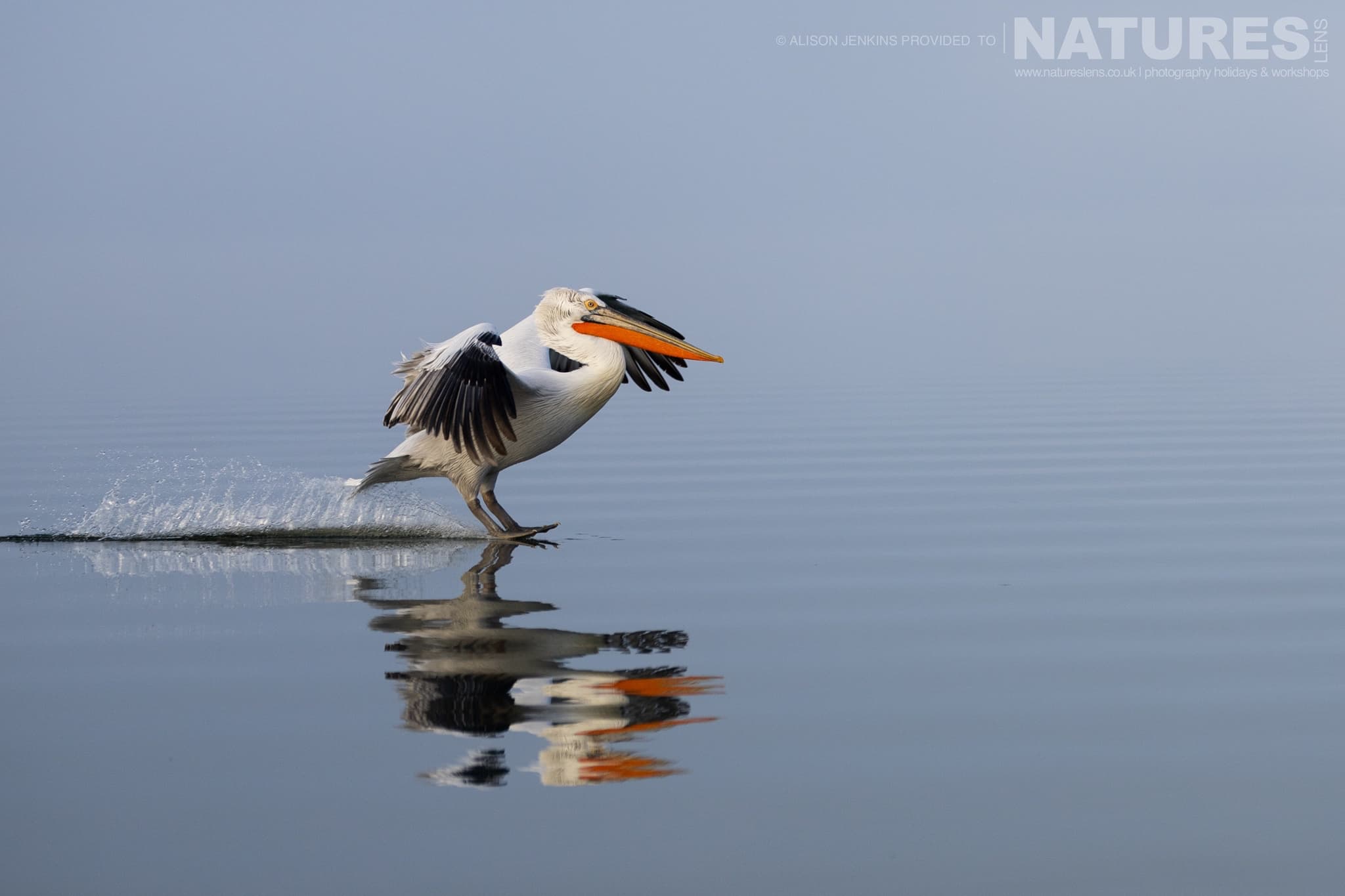
Another technique to consider is capturing reflections of the pelicans in the water. The stillness of Lake Kerkini during sunrise or sunset provides the perfect opportunity for strong reflection shots. Look for calm areas of the lake where the water acts as a mirror, creating a absorbing effect.
Tips & Techniques for Capturing the Best Images of the Pelicans of Lake Kerkini
Before visiting Lake Kerkini, it helps to understand the pelicans’ habits, feeding patterns, & preferred locations. Our guides know the lake well & will position the boat to make the most of the conditions on each session.
To capture the fine details & beauty of these fine birds, investing in the right equipment is essential. A telephoto lens with a focal length of at least 300mm is recommended to get close-up shots without disturbing the birds. A wide angle would also be useful for capturing the snowy mountain backdrop. Additionally, a tripod would be useful in low-light conditions or when using slower shutter speeds.
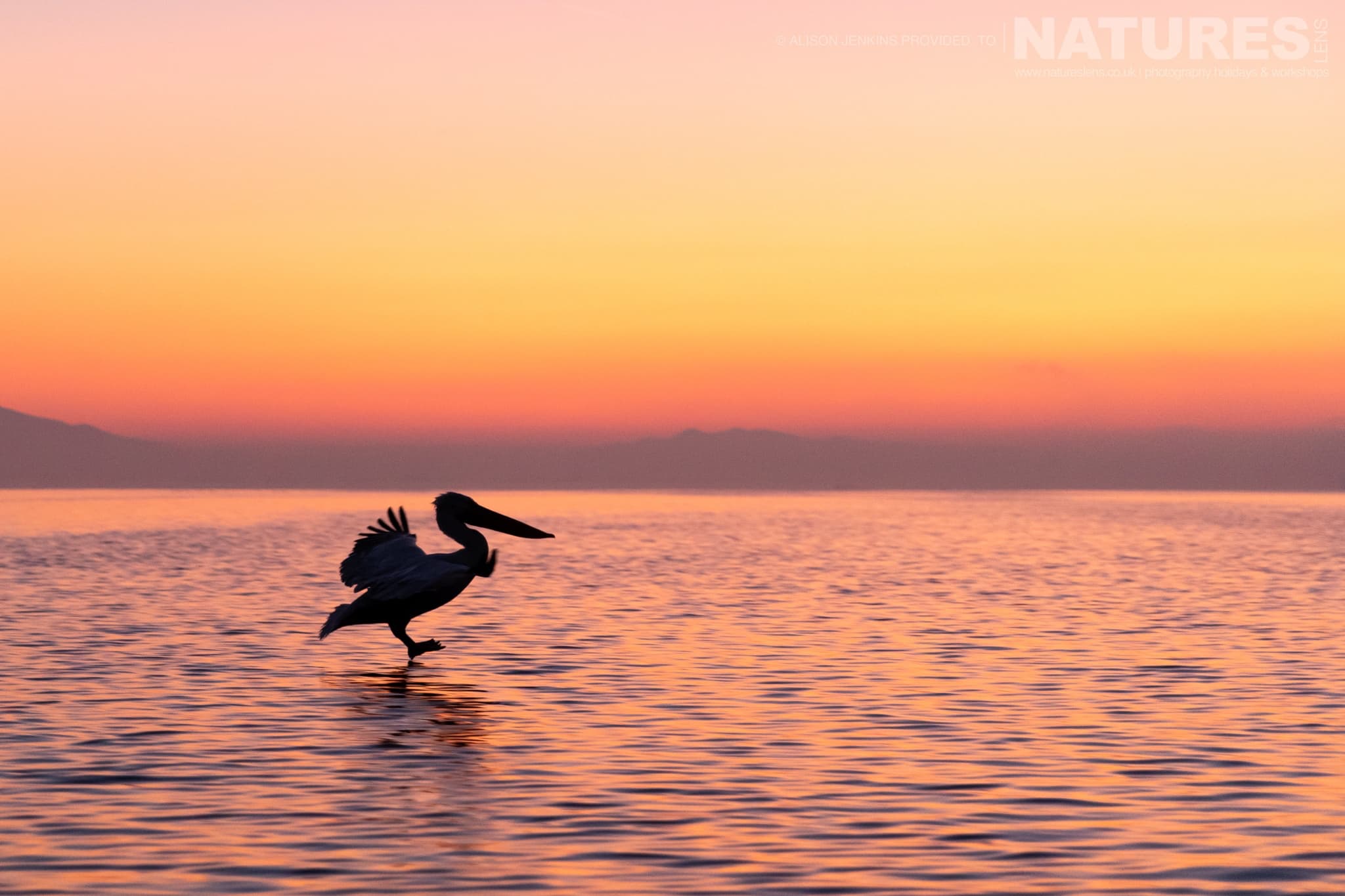
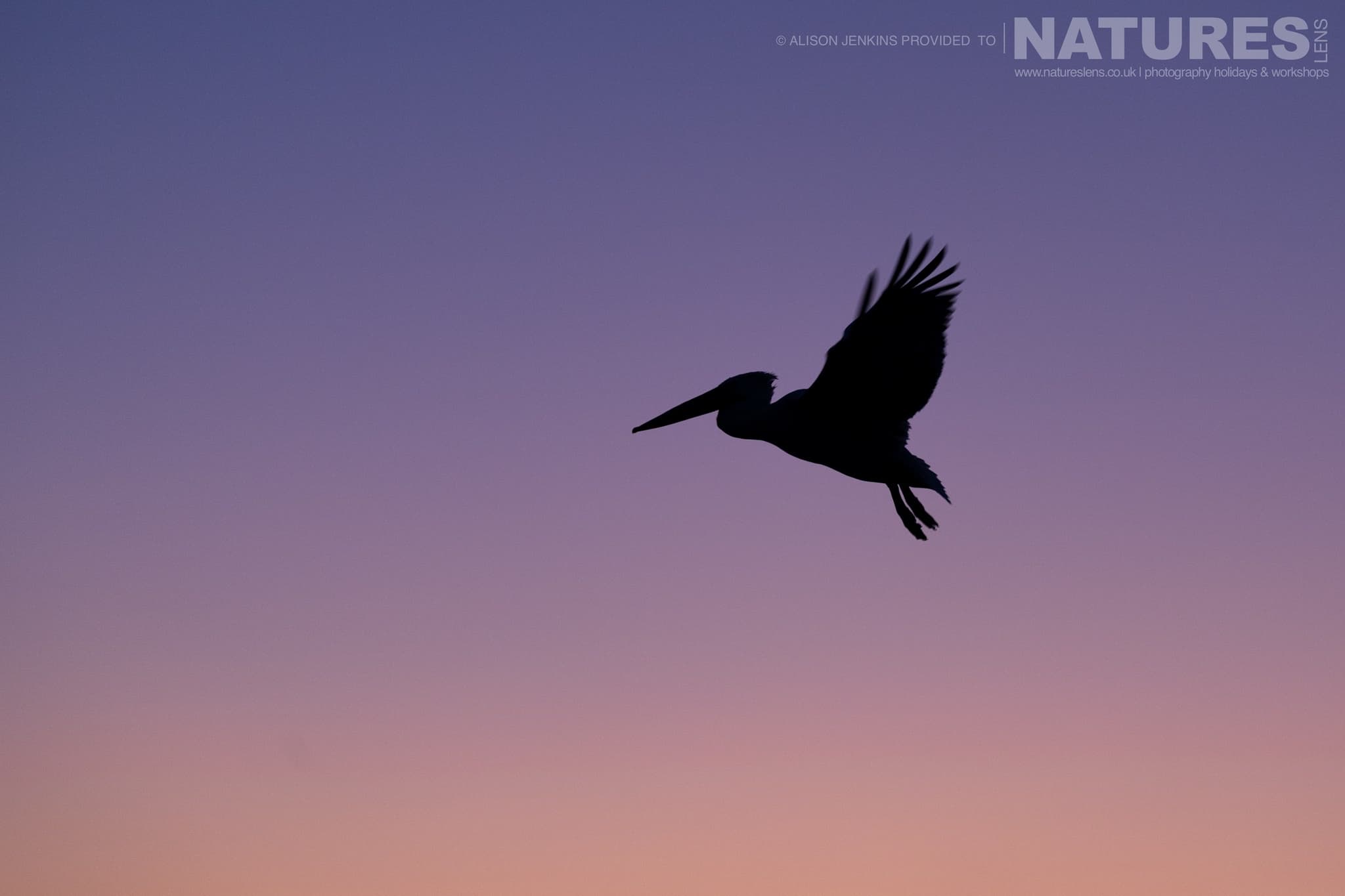
Lighting plays a crucial role in photography, & it’s no different when capturing images of Dalmatian Pelicans. Early mornings & late afternoons offer the best lighting conditions, with warm, soft light that enhances the colors & textures of the birds. Avoid harsh midday sunlight, as it can create harsh shadows & wash out the colors. Experiment with different angles & positions to make the most of the available light.
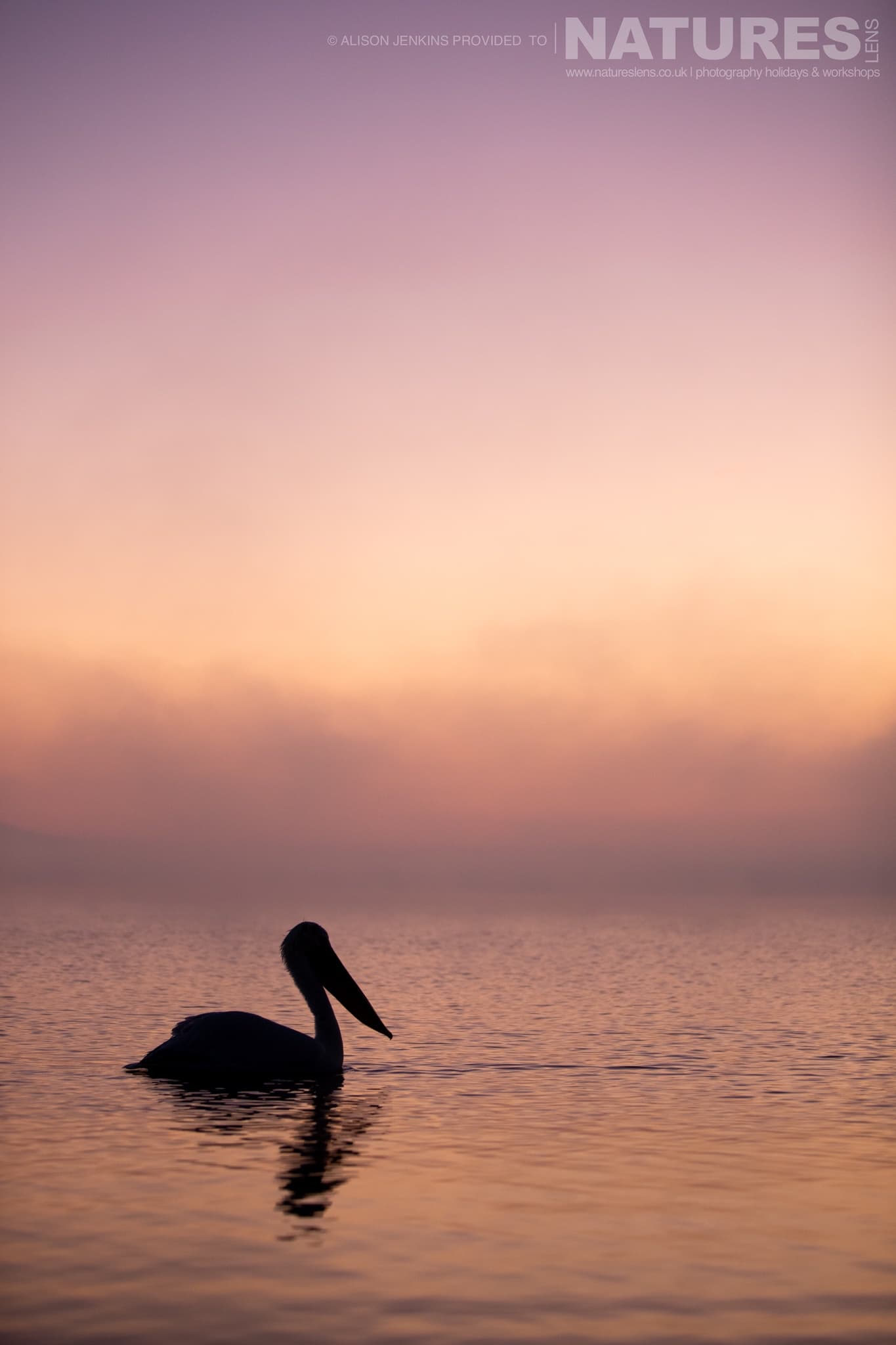
The eyes of the Dalmatian Pelicans are compelling, & they can add a sense of connection & emotion to your images. Ensure the eyes are sharp & in focus, as they will draw the viewer’s attention & create a powerful impact. Use autofocus or manual focus techniques to achieve crisp, well-defined eyes in your photographs.
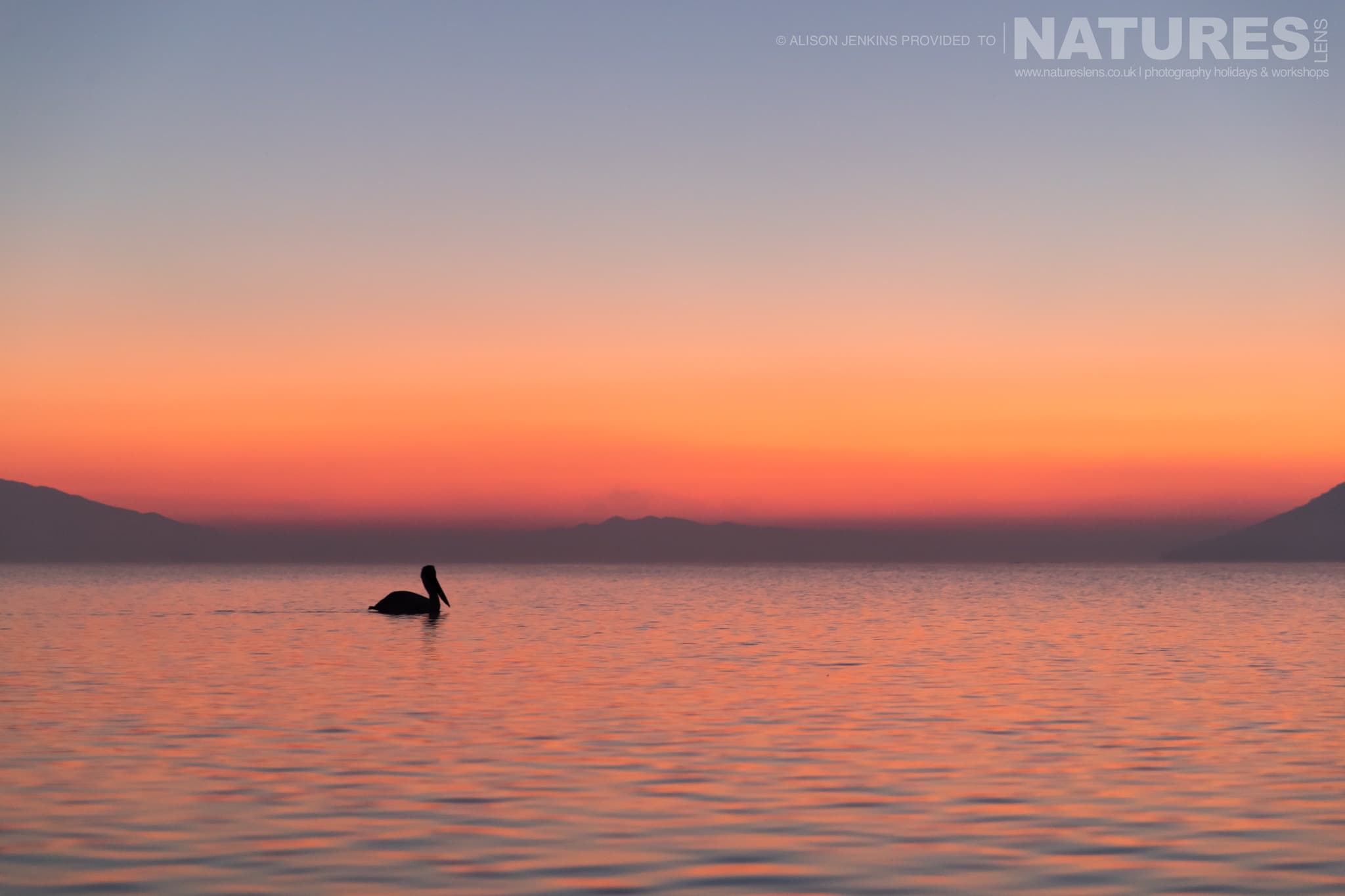
Dalmatian Pelicans exhibit a range of interesting behaviors, from feeding & preening to courtship rituals & social interactions. Don’t just focus on capturing static portraits; try to photograph these behaviors to tell a story & showcase the natural dynamics of the species. Be patient & observe their behavior to anticipate the perfect moments.
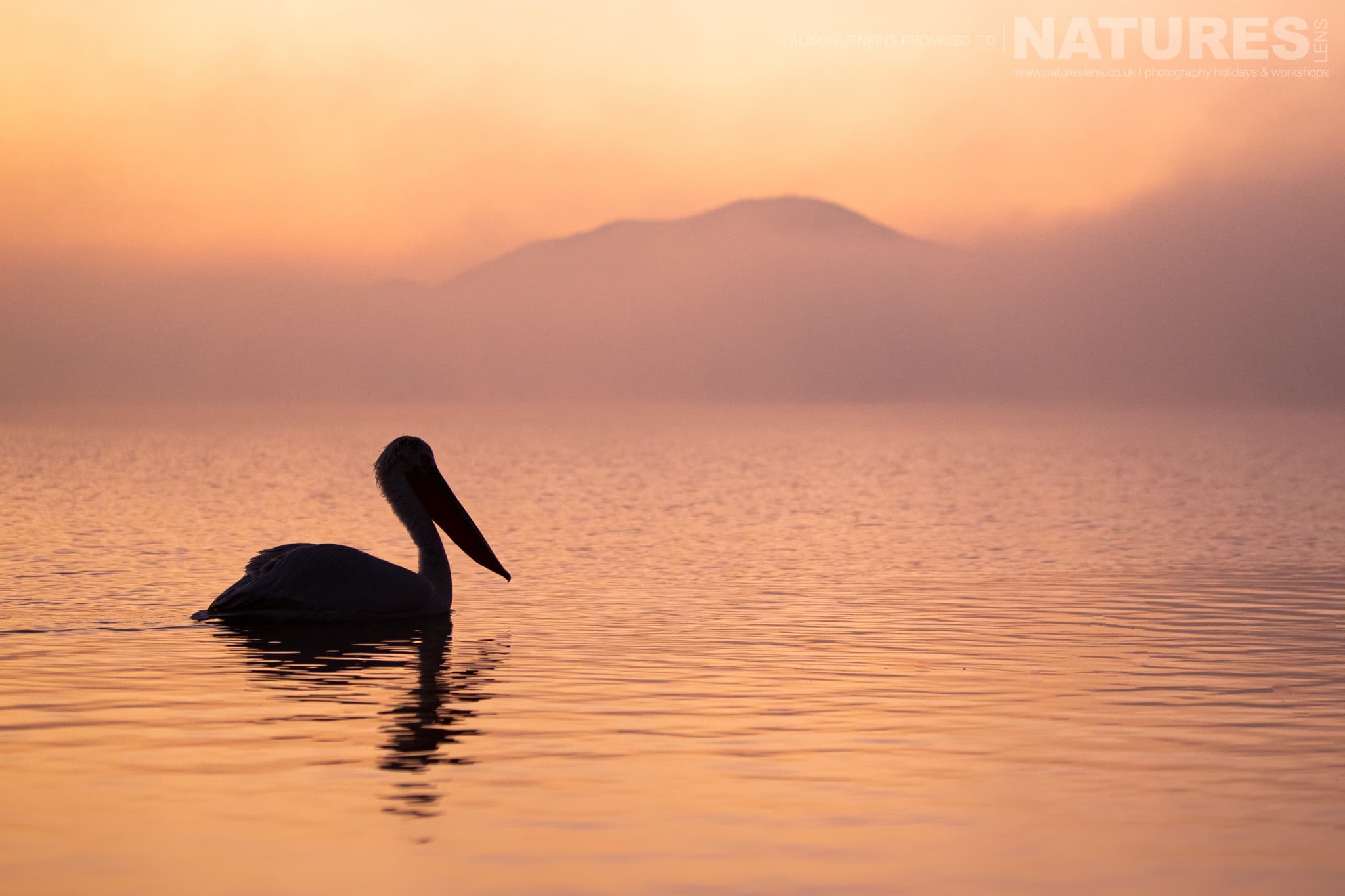
Composition is key to creating visually pleasing & impactful images. Use the rule of thirds or other compositional techniques to create a balanced & harmonious frame. Experiment with different angles, perspectives, & focal lengths to add variety & interest to your photographs. Include elements of the surrounding environment, such as the serene lake or the distant mountains, to provide context & enhance the overall composition.
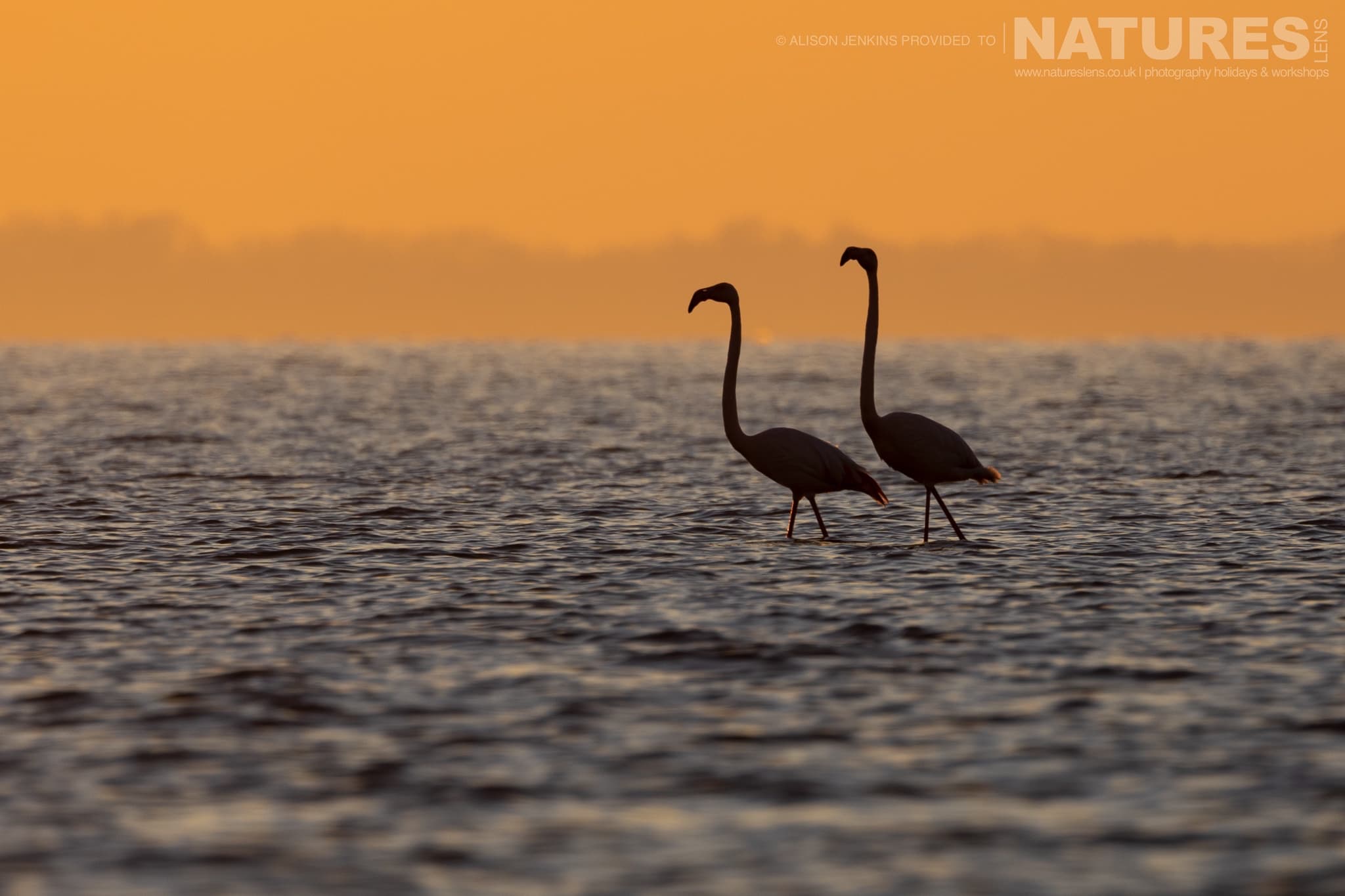
While the Dalmatian Pelicans are the main subjects, paying attention to the background is equally important. Look for clean & uncluttered backgrounds that don’t distract from the birds. Avoid busy or distracting elements that may take away from the focus of the image. A shallow depth of field can help blur the background & isolate the subject, adding a sense of depth & focus.
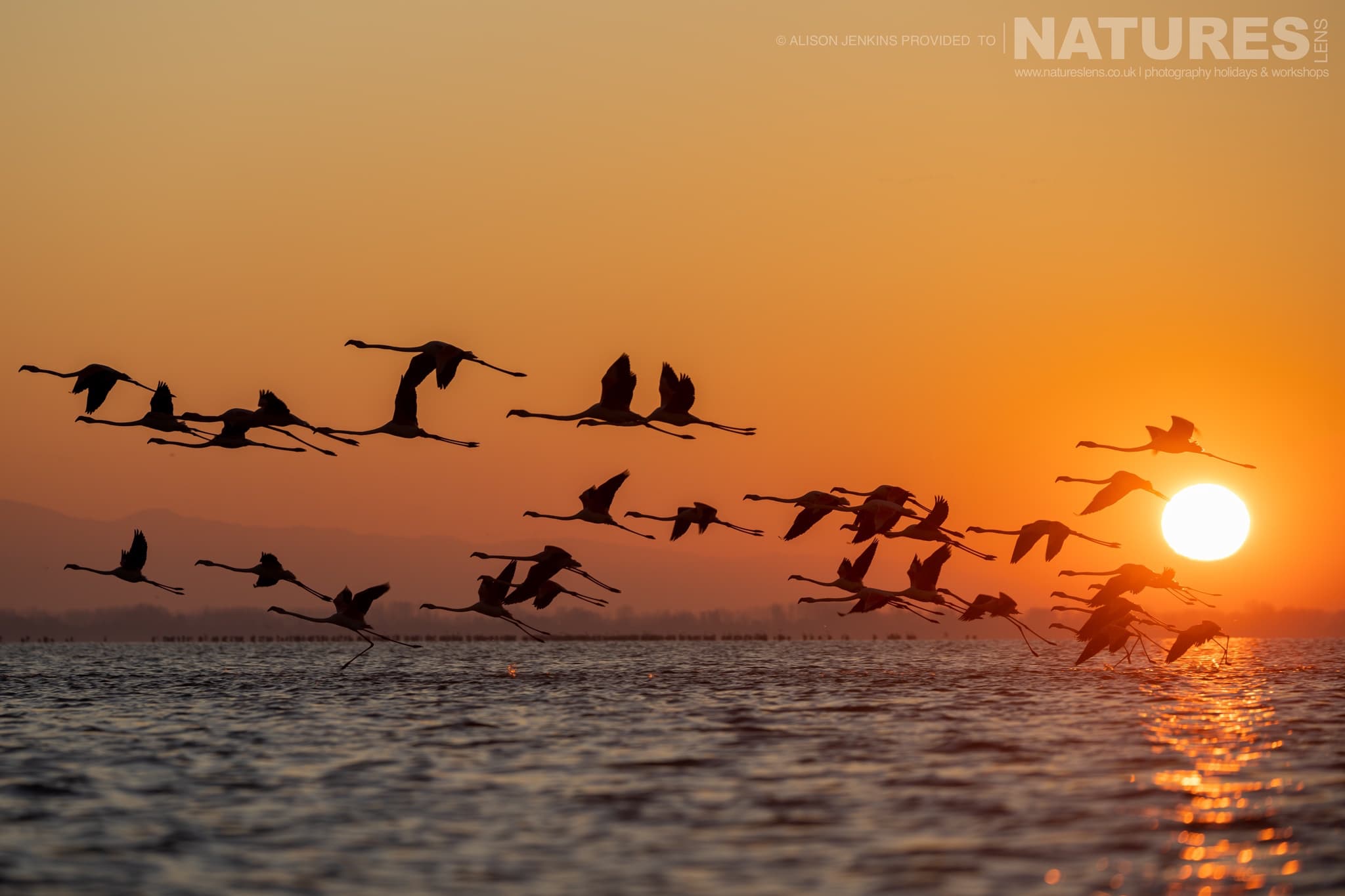
Good pelican images come from understanding the light, positioning the boat well, & reading the birds’ behaviour so you can anticipate the moment. Our guides handle the positioning; you concentrate on the photography.
Which Photography Tours Does NaturesLens Schedule for Dalmatian Pelican Photography?
NaturesLens offers a range of Dalmatian Pelicans photography holidays designed to allow photographers of all levels to add images of the fine Dalmatian Pelicans to their portfolio. Our Dalmatian Pelicans Photography Workshop dates are generally in January when the Dalmatian Pelicans are most active.
Our photography holidays & workshops allow photographers to capture strong images of the Dalmatian Pelicans as well as many other species of wildlife found on & around Lake Kerkini.
Our trips are led by experienced wildlife photographers who know Lake Kerkini well & can advise on settings, lens choice, & composition throughout each session.
- NaturesLens wildlife photography holidays are structured around photographic opportunity — every schedule decision is made around light, behaviour, & access.
- Small groups of 4–8 photographers ensure unhurried positions & individual guidance.
- Single occupancy accommodation is included as standard across the majority of our trips.