What to Check Before Booking a Wildlife Photography Holiday?
When I look at a wildlife photography trip, whether it is one we are designing for NaturesLens or somewhere I am considering photographing myself, I tend to ignore the glossy description at first. Almost every destination can be made to sound wonderful, but what matters is whether the trip has been built around photography rather than simply around travel. There are four things I always come back to: whether the dates match the wildlife, whether the group is genuinely small enough for the photographic situations involved, what the price really includes, & whether I will have a room of my own at the end of a long day in the field. None sounds particularly glamorous, but together they tell you far more about the photographs you are likely to make than a brochure full of superlatives ever will.
Why does the wildlife calendar matter more than the tourist calendar?
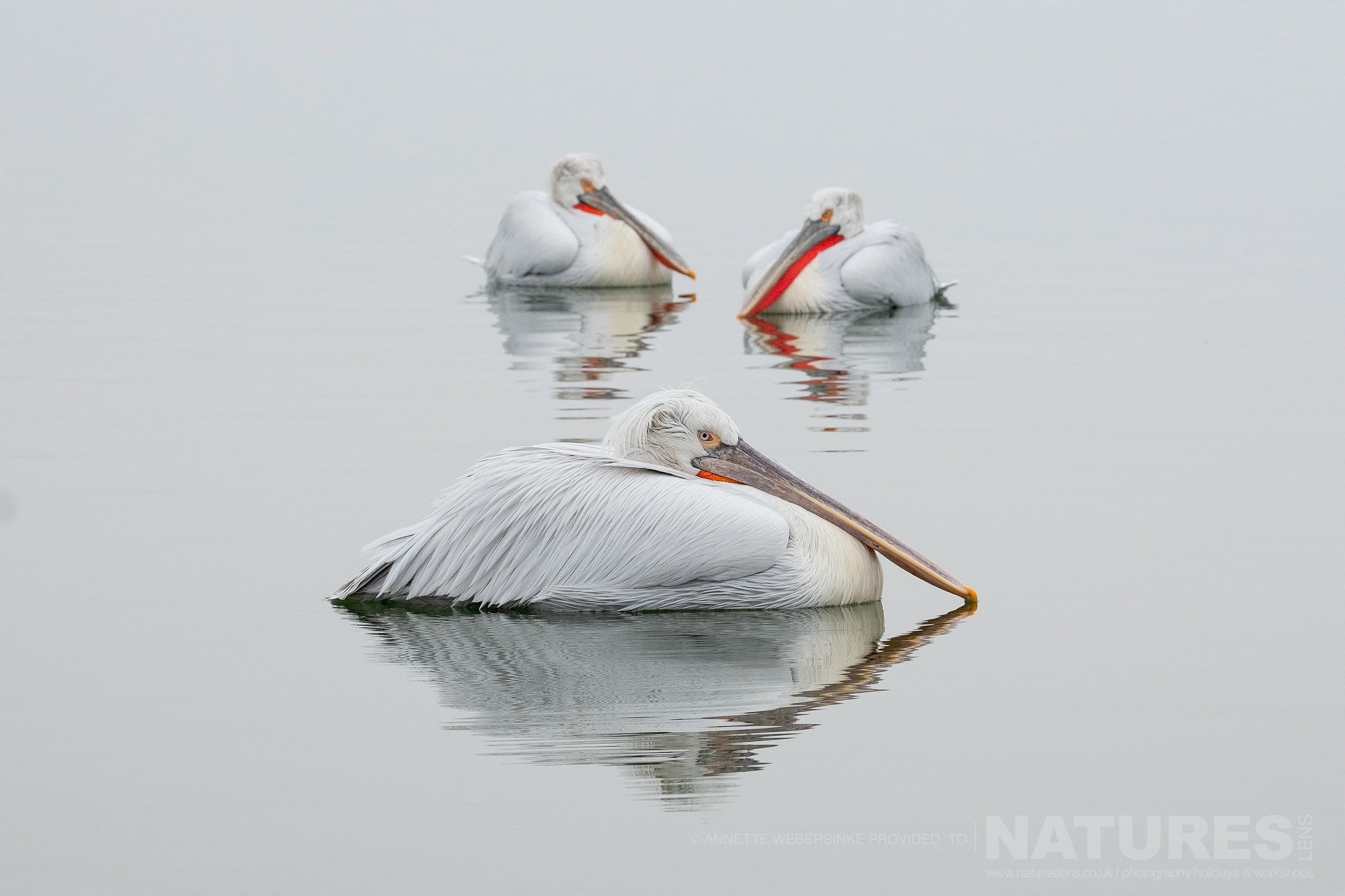
The first thing I check is timing, because wildlife photography has its own calendar & it often bears little relationship to the months a conventional traveller would choose. The nicest weather is not necessarily the most productive weather, & a destination at its most comfortable is not automatically at its most photographically interesting. We schedule our winter pelican photography at Lake Kerkini in Greece in January because that is when the Dalmatian Pelicans are in their wonderful winter plumage, with the red-orange pouch, silver-grey feathers & the possibility of cold, atmospheric conditions on the lake. That is the window we want photographically.
The same thinking takes us to Grímsey Island in late June & early July, when Atlantic Puffins are nesting around the cliff edges & the Arctic summer gives us extraordinarily long periods of usable light. On our Puffins of Iceland photography tour, being based on the island means we can work with the rhythms of the birds & the light rather than making a brief visit at whatever hour transport dictates. A bright evening can become a flight session, while softer light draws us towards birds among the cliff-top vegetation.
Before I become interested in the hotel or even the flight, I want to know why those dates have been chosen. If the answer is mainly that the weather is pleasant, I start asking more questions.
How much difference does group size really make to wildlife photography?
Group size matters enormously, although the number on its own is only part of the story. What I really want to understand is how many photographers will be trying to use the same hide opening, vehicle side, boat position or patch of ground when the opportunity happens. Six people spread between two well-designed photographic vehicles can work beautifully; six people trying to photograph through two narrow windows can be a completely different experience.
We have learned this repeatedly while operating NaturesLens trips because positioning becomes increasingly important as photographers become more experienced. A metre to the left or right can transform a background, remove an intrusive branch, lower the apparent horizon or put clean water behind a bird instead of reeds. On a boat, repositioning can change the angle of the light; in a hide, having room to move can be the difference between reacting instinctively to behaviour & missing it while everyone shuffles.
That is why I look at the guide-to-guest ratio rather than accepting “small group” as a meaningful description on its own. By the second day, I want our guides to know who needs help with a particular setting, who prefers environmental images & who is comfortable working independently. Good field guidance is usually about small decisions made quickly, not delivering general advice to a crowd.
What should “all-inclusive” actually mean on a photography holiday?
“All-inclusive” sounds reassuring until you discover that different operators mean very different things by it. I am less interested in the label than in the detail, because omitted items are often where the cost of a wildlife trip begins to creep upwards. Park fees, permits, internal transfers, boat sessions, meals & specialist local arrangements can add significant amounts, particularly where photography depends on repeated access rather than a single excursion.
Our approach at NaturesLens is to make the core cost as clear as possible, with accommodation, most meals, transport during the trip, relevant entrance or permit fees & our photography-led guidance included unless the individual trip page says otherwise. International flights are normally separate, as are insurance, gratuities, personal expenses & anything else specifically identified before booking.
For me, this is not simply about budgeting; it also tells me how the itinerary has been designed. If a boat session is optional, I want to know whether it is genuinely optional or actually the best photographic session of the trip. The Pelicans of Lake Kerkini photography holiday is built around the access needed to photograph the birds properly, rather than treating productive sessions as decorative additions to sightseeing. Ask any operator to spell out the inclusions before you commit, because the answer reveals a great deal about what the trip is actually built to do.
Why is single occupancy more important than it first appears?
Single occupancy can sound like an accommodation preference rather than a photographic consideration, but after years of running trips I think it matters more than that. Wildlife photography days are often long & equipment-heavy. You may be out before sunrise, return after dark, then spend the evening backing up files, cleaning equipment, charging batteries & preparing for another early start. Having your own room gives you space to do that at your own pace & then properly switch off.
It matters particularly because so many wildlife photographers travel alone. They may simply have a partner who does not share the same desire to spend hours waiting for a puffin to land on precisely the right patch of cliff. I have never thought that travelling alone should mean either sharing a bedroom with somebody you met at the airport or paying a punitive supplement merely to have normal privacy. Our default at NaturesLens is therefore to build single occupancy into the trip wherever the accommodation allows it, & to make any genuine exception clear from the outset.
There is a social benefit too. People can photograph together all day, compare results over dinner, then retreat to their own space. Most of our guests join independently, yet groups often gel remarkably quickly because nobody has to sacrifice privacy to be part of the shared experience.
How can you tell whether an itinerary is genuinely photography-led?
This is where the four checks join together, because timing, group size, inclusions & accommodation all reveal whether photography is driving the itinerary or merely being fitted around it. A conventional birding trip may quite reasonably measure success by species encountered, while a general wildlife safari may try to cover a large area. Neither approach is wrong, but it is not how I want to construct a dedicated photography holiday.
Photography needs repetition, patience & the willingness to stay with something productive. If we have a Dalmatian Pelican working close to the boat in good light, I am not interested in leaving simply because another species can be ticked off ten minutes away. If a pride of lions in the Maasai Mara is resting, waiting can be worthwhile because behaviour can change as the afternoon develops. Our African Wildlife of the Maasai Mara photography safari is built around extended field time for precisely that reason: the photograph often comes from staying with a subject long enough for something to happen.
The same applies to backgrounds, perches & light. A birding guide may be delighted that everyone has seen the bird; a photography guide is still looking at where it is sitting, what lies behind it, where the light is coming from & whether patience might produce a cleaner opportunity. That difference in mindset is difficult to reduce to a line in an itinerary, but a trip’s structure usually gives it away.
Why do these four checks matter before you commit to a wildlife photography trip?
These four checks matter because wildlife photography holidays are expensive in both money & time, & neither can compensate for an itinerary designed around the wrong priorities. The destination may be spectacular, yet the photography can still be compromised if the timing is weak, the group is too large, essential sessions sit outside the quoted price or everyone ends a long field day without somewhere private to reset.
When we build a NaturesLens itinerary, I try to look at those practical details through the photographs I hope people will make. Are we there when the plumage, behaviour or seasonal concentration is at its most interesting? Can everyone get a usable angle when something happens? Do we have enough time with productive subjects to move beyond the obvious image & explore behaviour, wider compositions, cleaner backgrounds or different light?
That, for me, is the useful test. Book the wildlife calendar rather than the tourist calendar, understand how many photographers will actually share each shooting position, make the operator explain what the price covers, & establish what the room arrangements really are. If those four answers are good, you are already a long way towards knowing whether the trip has been designed by people who understand what wildlife photographers actually need in the field.