Sony’s wildlife lens range has suddenly become much more interesting, because choosing a long lens is no longer simply a question of deciding how much weight you are prepared to carry in exchange for focal length & aperture. The new FE 600mm F6.3 GM OSS gives us a native 600mm lens weighing just 995g, while the new FE 100 – 400mm F4.5 GM OSS offers a constant f/4.5 aperture throughout a genuinely useful wildlife zoom range. Between them sits the excellent FE 300mm F2.8 GM OSS, which remains remarkably light for an f/2.8 prime & becomes either a 420mm f/4 or 600mm f/5.6 with teleconverters.
Pui Hang & I also come at this from a slightly different position, because we both own Sony’s FE 400mm F2.8 GM OSS. Neither of us has any intention of giving those lenses up. That perhaps says more about how I view these new options than simply comparing specifications, because wildlife photography is rarely about identifying one universally “best” lens. It is about deciding which compromises best suit the way you actually photograph.
What has changed in Sony’s wildlife photography lens range?
The biggest change is that Sony is giving us genuinely different ways of reaching the focal lengths wildlife photographers use most often, rather than forcing us along a predictable progression from zoom to increasingly large prime. The differences between the new lenses are now as much about how you work as they are about what focal length appears on the barrel.
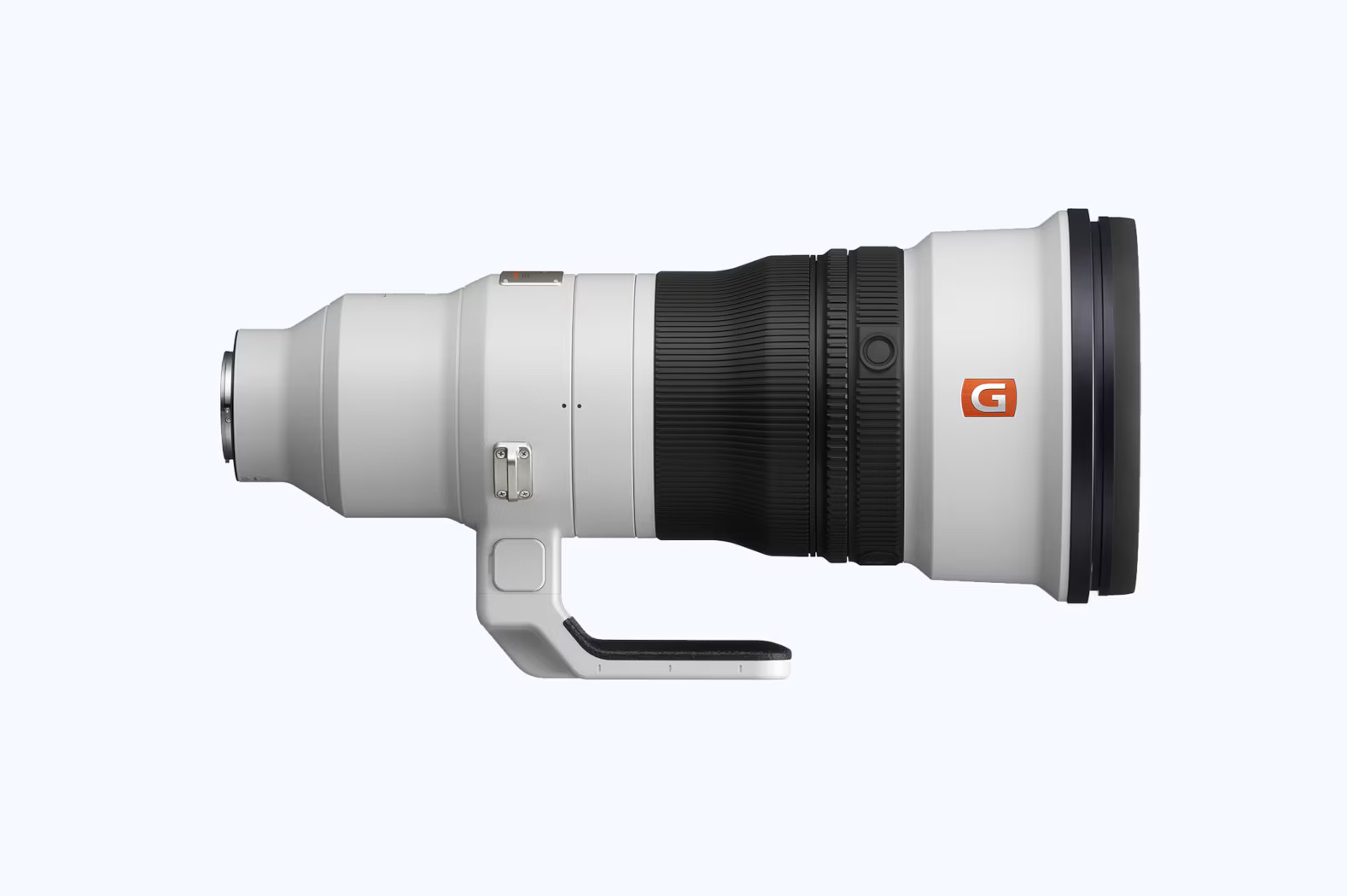
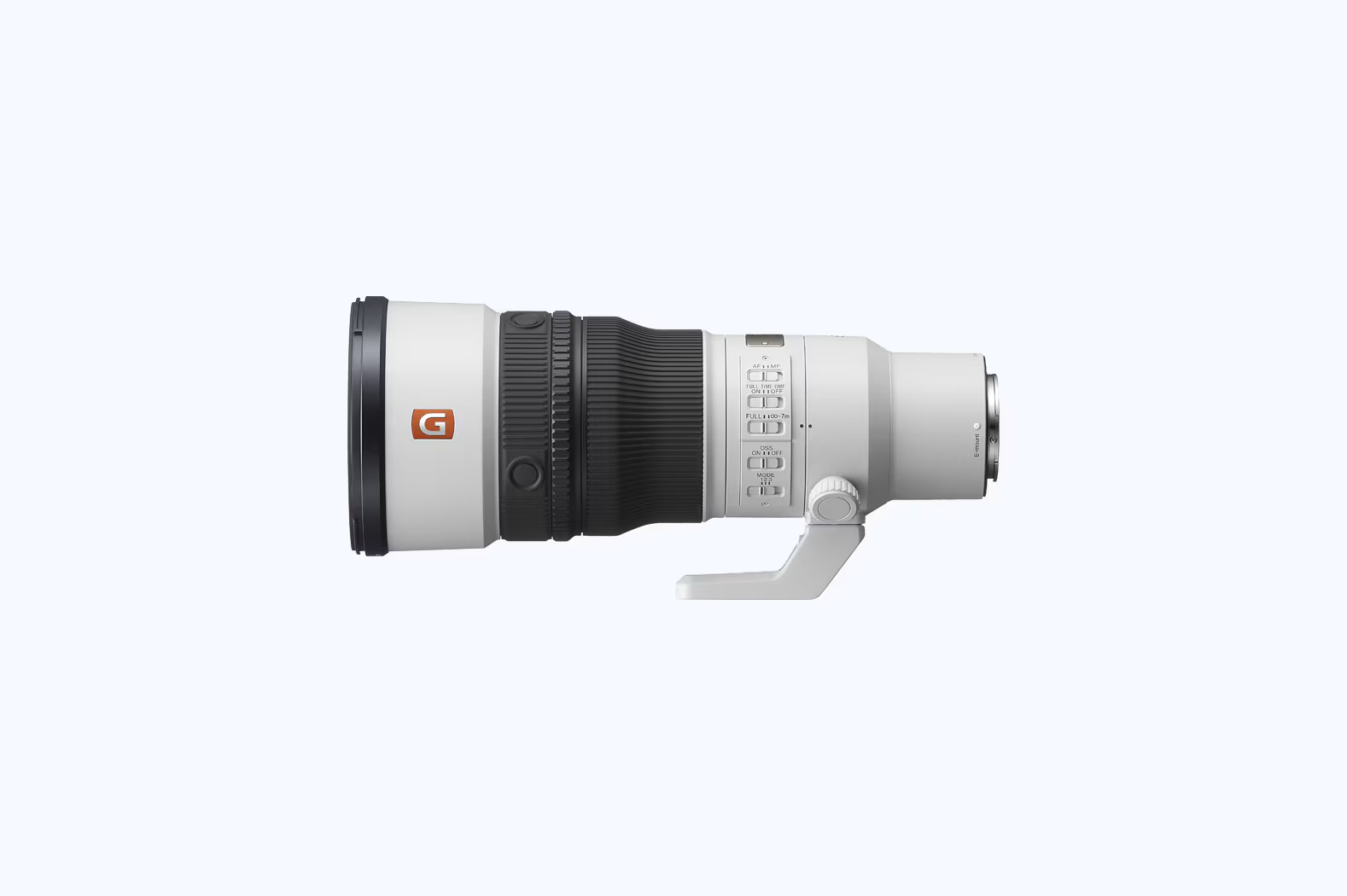
Sony’s FE 300mm F2.8 GM OSS weighs 1,470g & measures 265mm long, figures that remain astonishing for an f/2.8 super-telephoto. Add the 1.4x teleconverter & it becomes a 420mm f/4; use the 2x & you have 600mm f/5.6.
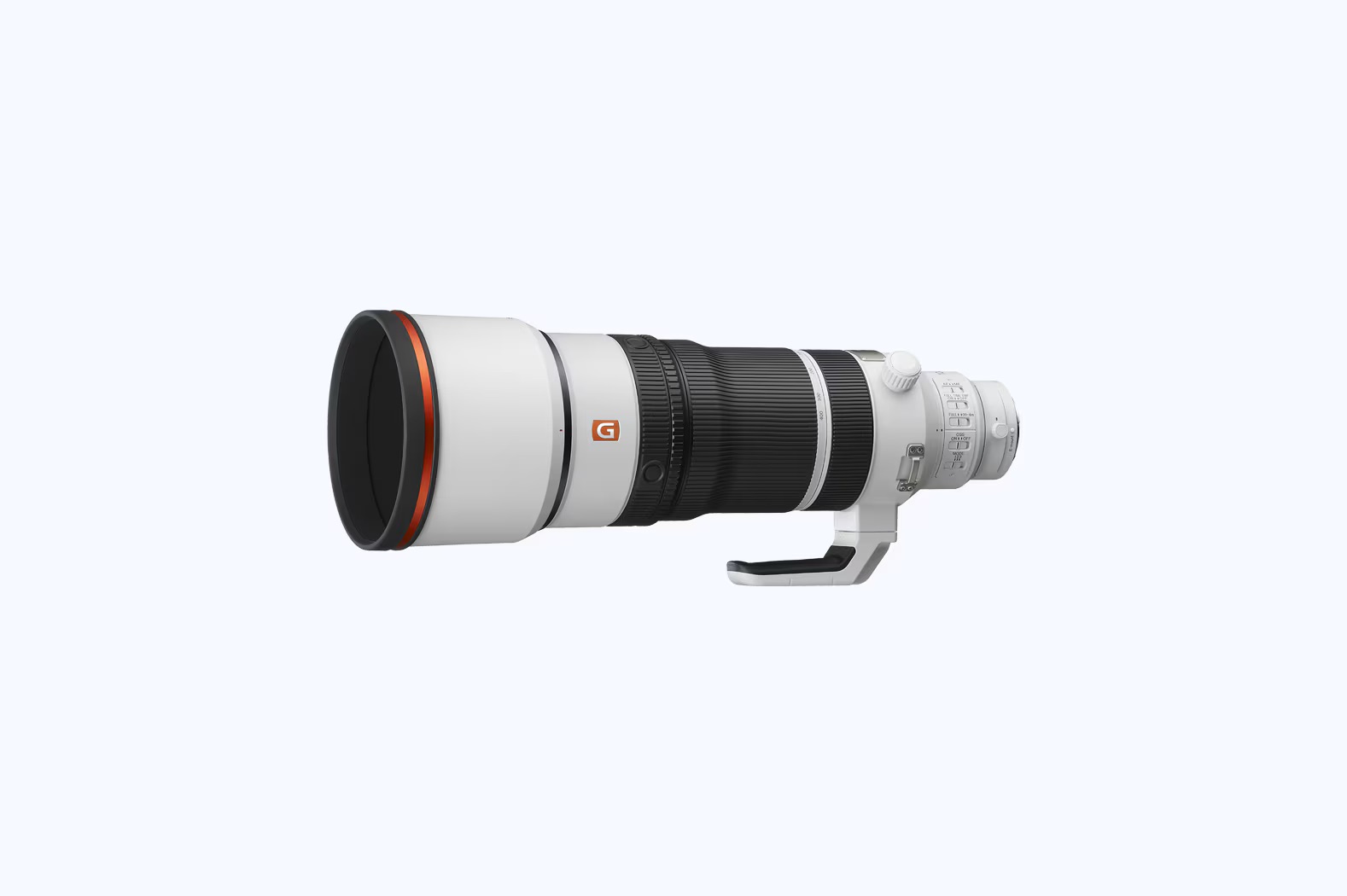
The new FE 600mm F6.3 GM OSS takes almost the opposite approach. It is 263mm long, virtually identical in length to the 300mm, yet weighs only 995g without its tripod foot. Sony has deliberately moved the centre of gravity towards the camera body, creating a 600mm prime intended to be carried & photographed handheld rather than treated as a piece of equipment that needs its own support system.
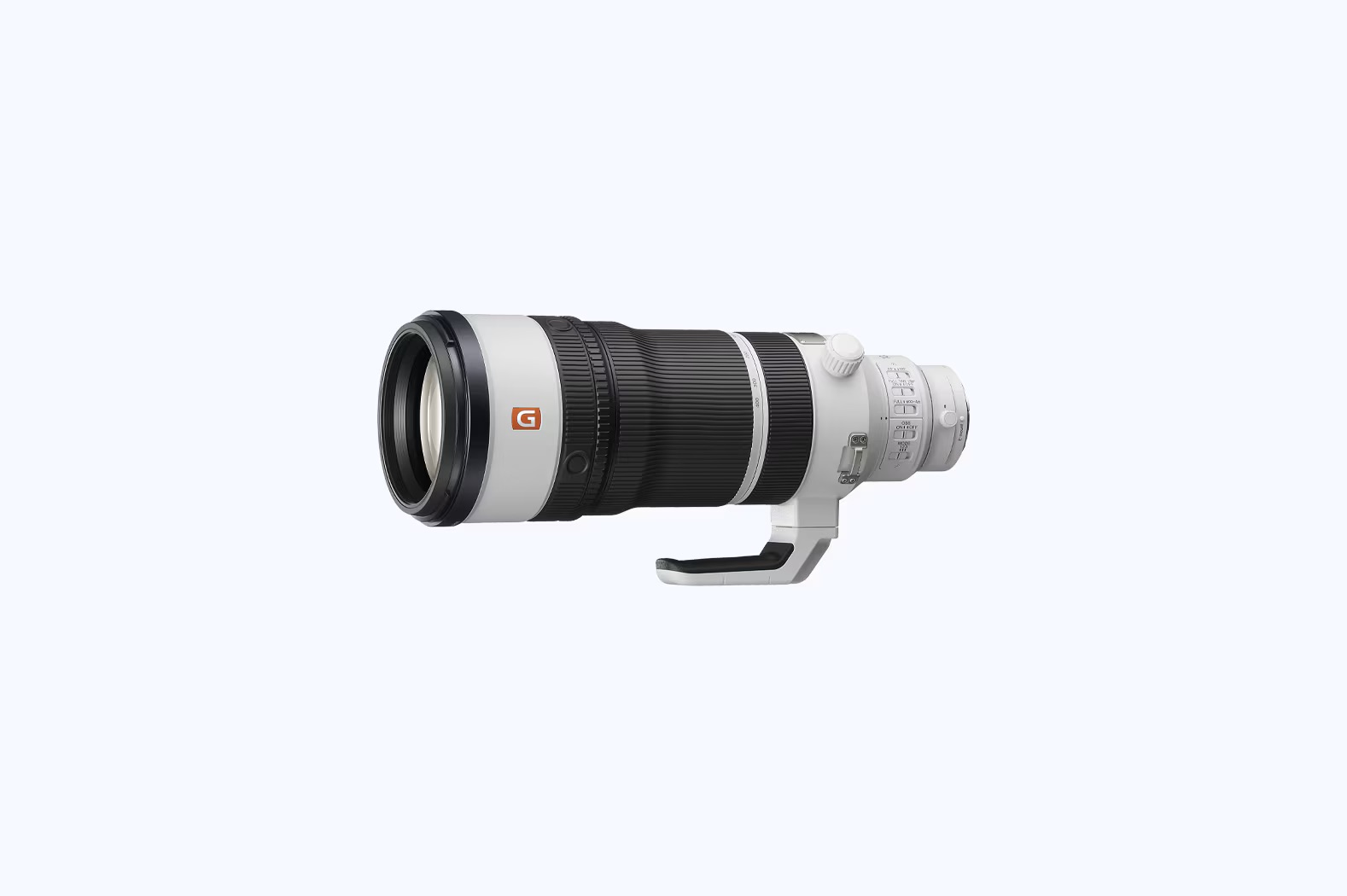
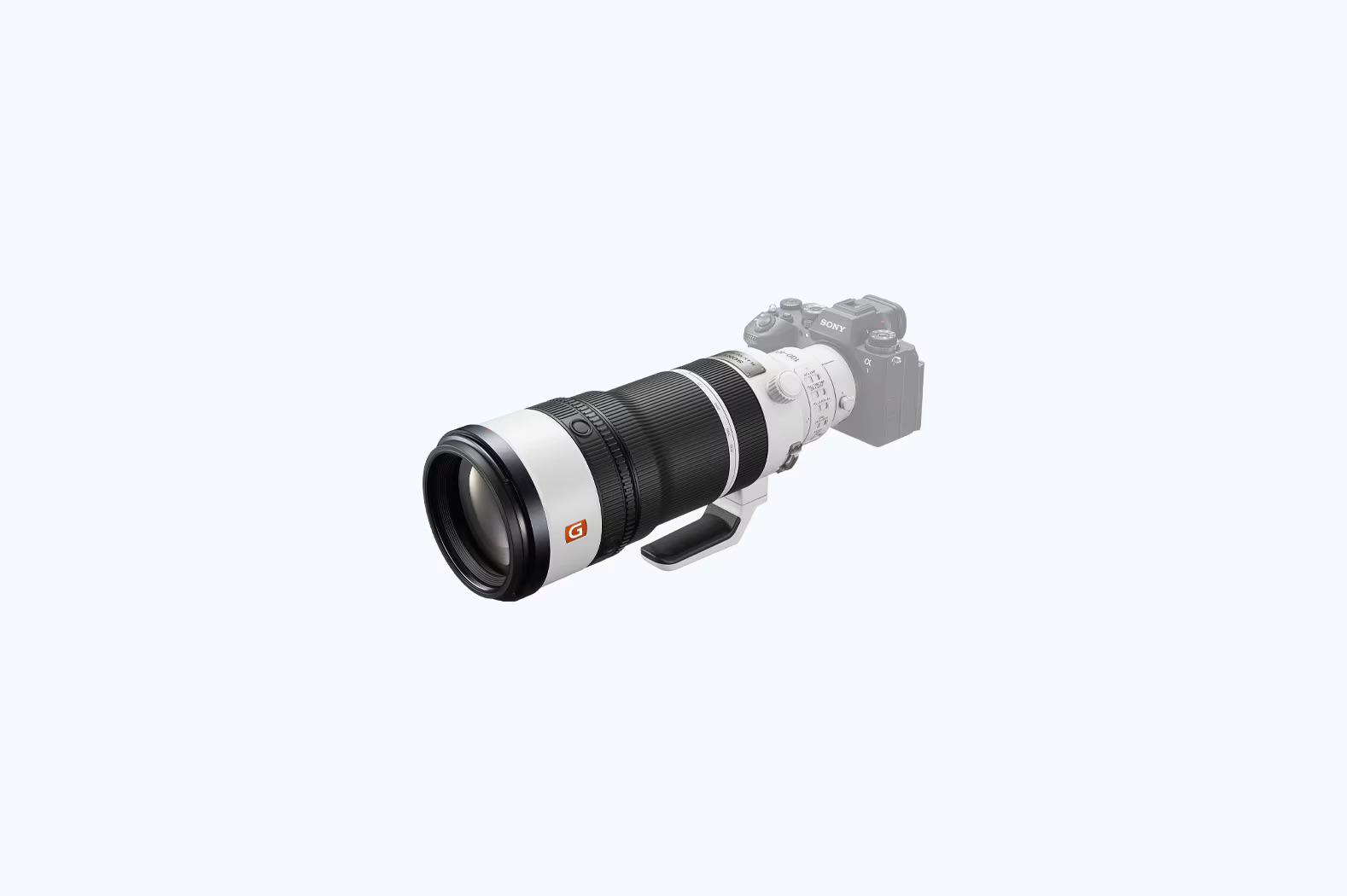
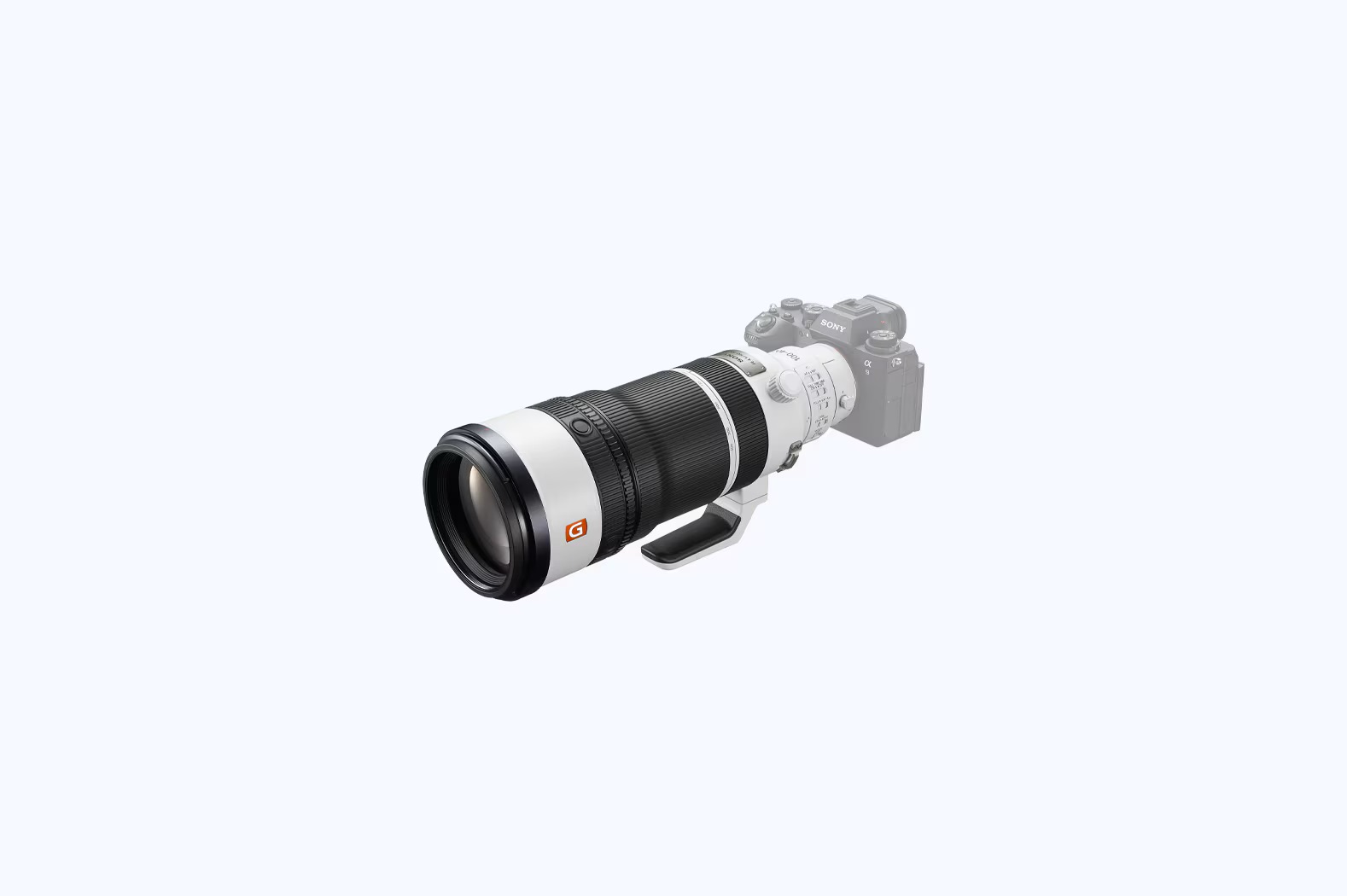
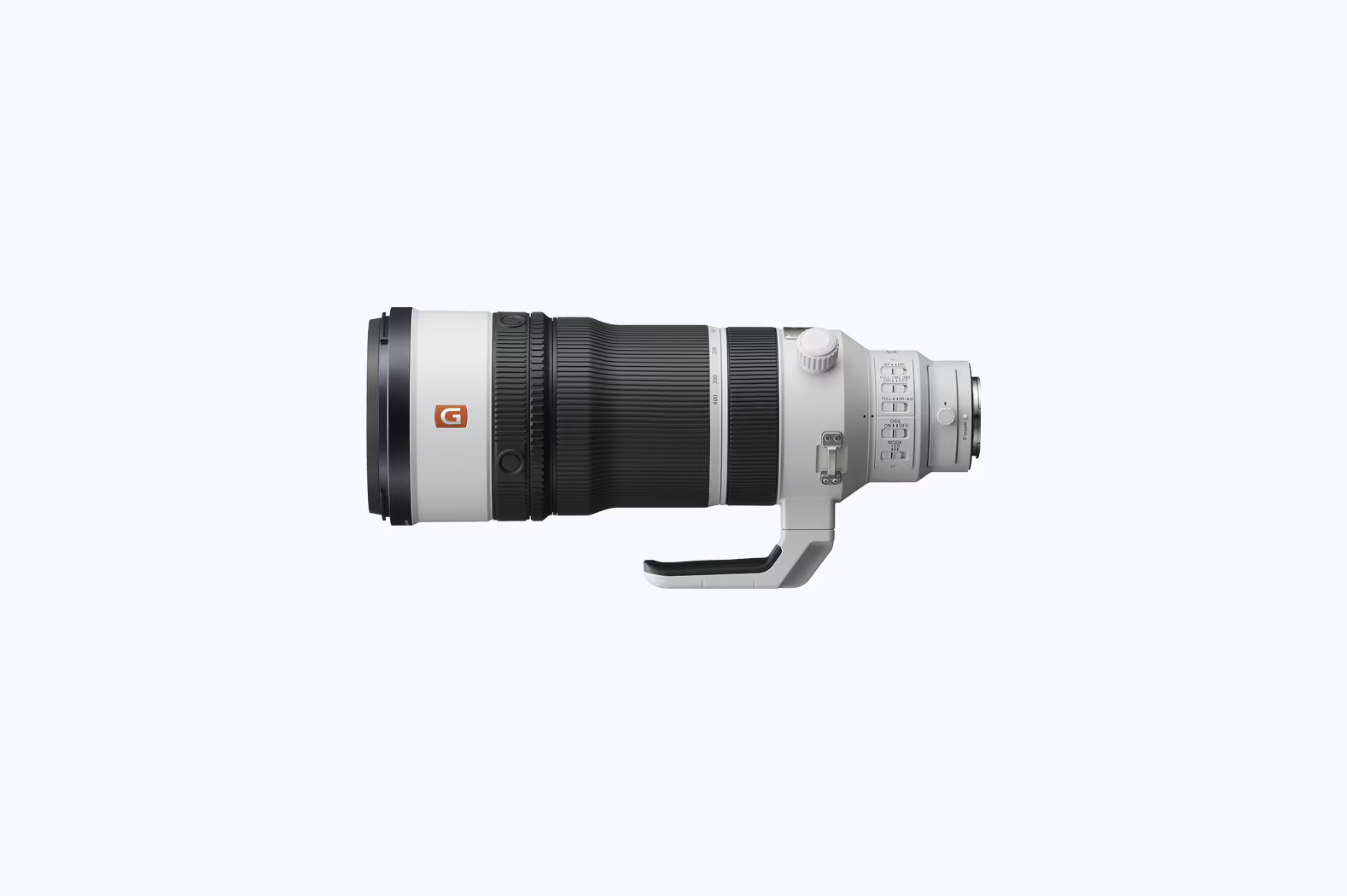
Then there is the new FE 100 – 400mm F4.5 GM OSS. It provides a constant f/4.5 maximum aperture throughout its zoom range, internal zooming, four XD Linear Motors, teleconverter compatibility & a minimum focusing distance varying from 0.64 to 1.5 metres. It weighs 1,840g & is 328mm long.
That last figure is perhaps the surprise. The 100 – 400mm is considerably heavier than the 300mm f/2.8 & nearly twice the weight of the new 600mm. Its attraction is therefore not primarily portability. It is the freedom to change composition instantly without changing position or lens.
For wildlife photography, that distinction is enormously important.
Is the new Sony 100 – 400mm F4.5 GM now the most versatile wildlife lens?
For many photographers it is, because 100 – 400mm is an extraordinarily useful range when the subject distance is constantly changing. The new constant f/4.5 aperture makes that range more interesting still, particularly for wildlife that moves towards & away from the photographer.
On a photography-led trip, I am rarely interested in recording a subject simply because it appeared. I want the time to work it, change the composition, look at the background, wait for behaviour & respond when the situation develops. A zoom can be invaluable because the photograph I want at the beginning of a session may be quite different from the one that becomes possible twenty minutes later.
Japan is a good example. A Red-crowned Crane standing relatively close in beautiful winter light might call for something around 300 – 400mm if I want a tight portrait, but if another bird begins displaying nearby I may want to pull back immediately & include both birds, flying snow or some of the frozen landscape. With a prime, that means moving physically if circumstances permit. With a 100 – 400mm, it takes a fraction of a second.
The same principle applies in Africa when an animal approaches a vehicle, or in Costa Rica when a larger bird suddenly occupies a perch much closer than expected. Wildlife does not arrange itself according to our focal length.
The new lens also accepts Sony’s 1.4x & 2x teleconverters. In practical terms, the 1.4x creates a 140 – 560mm f/6.3 lens, giving it substantially more reach whilst retaining the ability to zoom. Sony also quotes a maximum magnification of 0.25x, which adds another useful dimension when working with smaller subjects.
There is a penalty, though. At 1,840g, this is not the small walkaround 100 – 400mm many Sony users may be accustomed to. The original 100 – 400mm F4.5 – 5.6 GM weighs 1,395g, making the new constant-aperture version roughly 445g heavier.
I think that makes its real proposition very clear: Sony has exchanged some portability for aperture, autofocus performance, internal zooming & greater consistency. For a photographer who wants one serious lens covering most medium-to-long wildlife situations, that is a very attractive compromise.
Does the Sony 300mm F2.8 GM still offer the best balance of aperture & reach?
The 300mm F2.8 remains perhaps the most intellectually appealing of the three lenses because it can change character so dramatically with teleconverters. Used natively, it is a fast 300mm f/2.8 weighing only 1,470g. With a 1.4x converter it becomes a 420mm f/4, while the 2x produces a 600mm f/5.6.
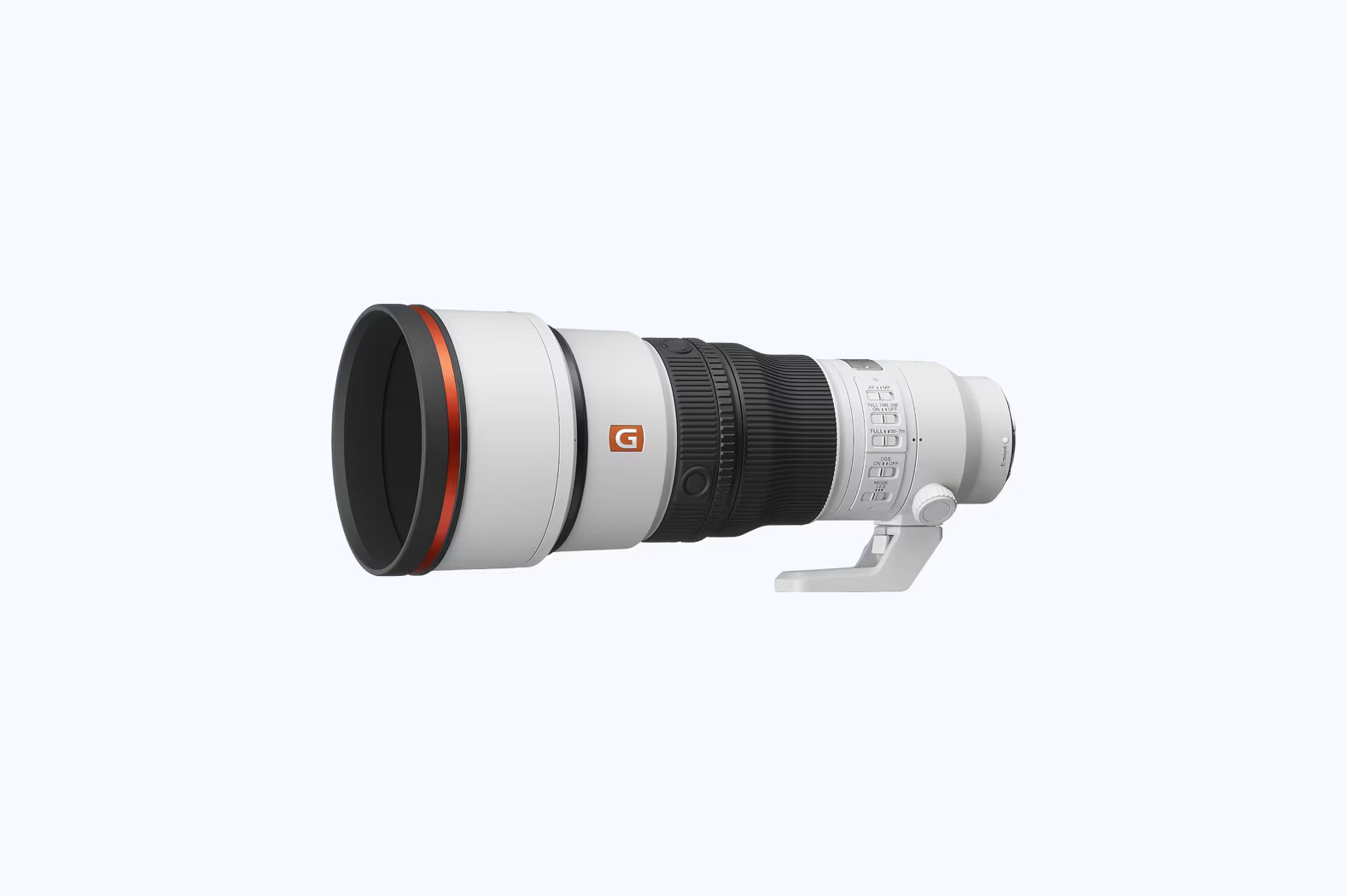
That effectively gives me three genuinely useful wildlife focal lengths from one lens, without any of them looking like a strange combination created merely because the arithmetic permits it.
The native 300mm f/2.8 combination is particularly attractive when wildlife is close, light is poor or I deliberately want habitat in the frame. The aperture gives me shutter-speed freedom in difficult conditions & produces beautiful separation when the background allows it. Add the 1.4x & 420mm f/4 sits right in an extremely useful area for birds & mammals. Add the 2x & I have 600mm with a maximum aperture still one third of a stop faster than the new native 600mm f/6.3.
That matters when light begins disappearing.
On our wildlife photography holidays we frequently work around the edges of the day precisely because good wildlife photography is not simply about finding an animal. Light, behaviour & background are just as important. A bird on the perfect perch beneath a forest canopy can require considerably more shutter speed than the ambient light wants to give me. A mammal moving through woodland at dusk creates the same problem. Modern Sony bodies handle high ISO extraordinarily well, but I would still rather have more light reaching the sensor where possible.
The 300mm therefore remains the lens I choose when I want the broadest combination of speed, reach & manageable weight from a prime. What the 600mm changes is the question of whether I actually need that versatility every time I go out.
Why is a 995g Sony 600mm F6.3 GM such a significant wildlife lens?
The appeal of the 600mm F6.3 is wonderfully straightforward: I can have genuine 600mm reach without feeling as though I have taken a traditional 600mm lens with me.
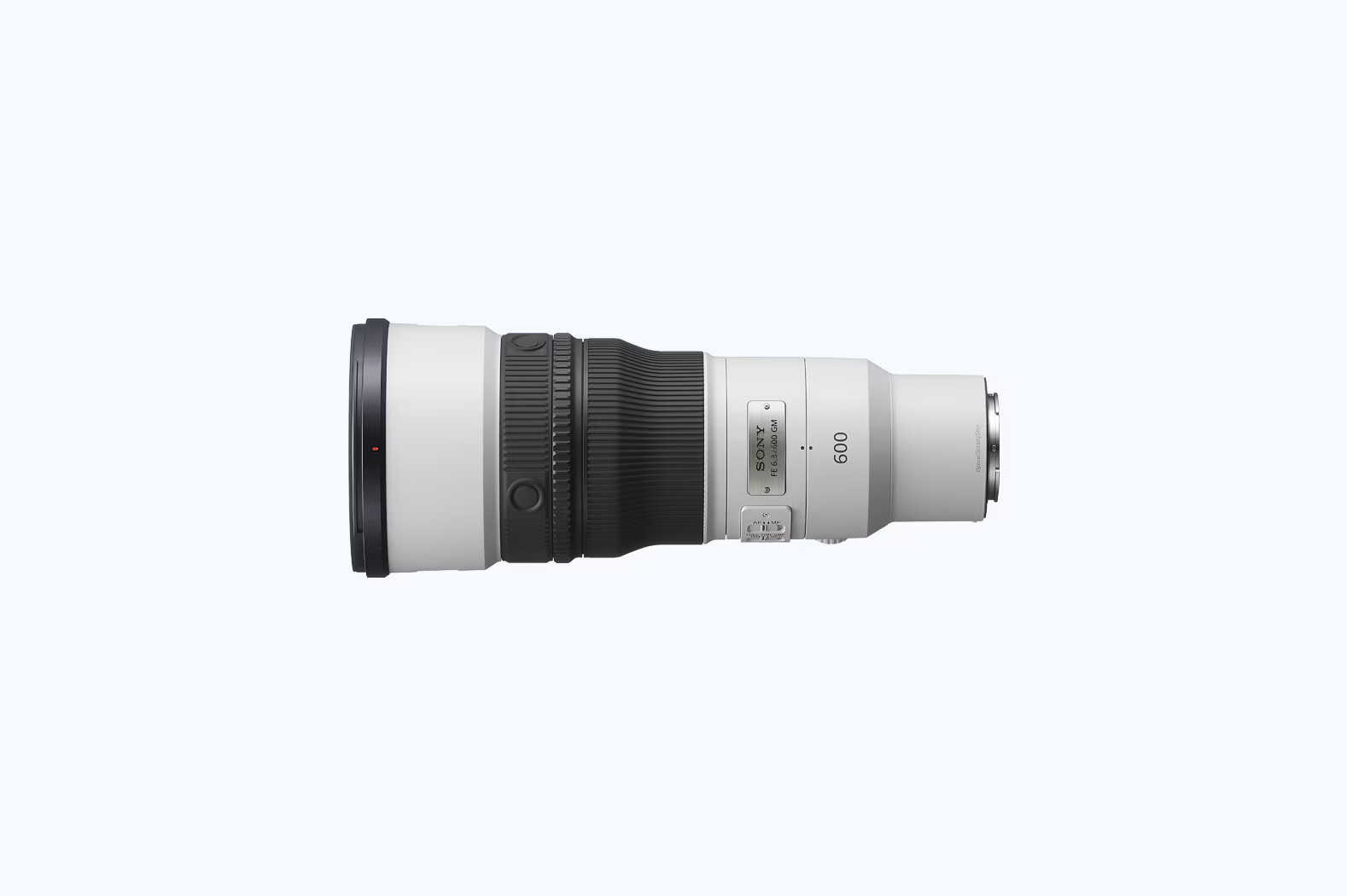
At 995g, Sony’s new lens is lighter than the 300mm f/2.8, dramatically lighter than the new 100 – 400mm f/4.5 & less than a third of the weight of Sony’s 600mm f/4. Sony also quotes an overall length of just 263mm.
That changes behaviour in the field, which ultimately changes photographs.
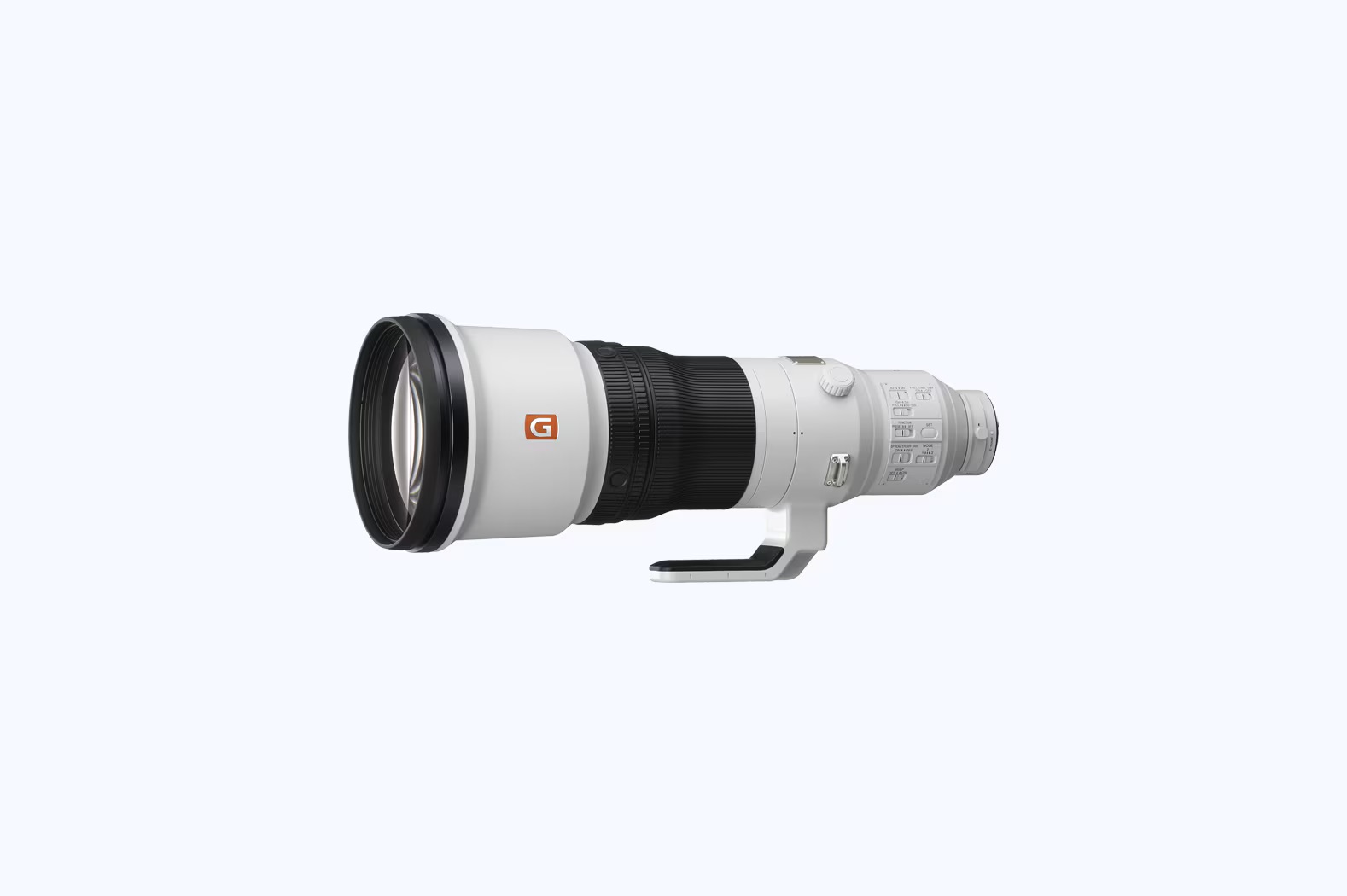
I own Sony’s 600mm F4 GM, & it is optically superb, but a 3kg lens has consequences. You think about how you are supporting it, which bag it is travelling in, whether you want to carry it along a trail & whether another lens might be the more sensible option for the day. There are occasions when the size & weight are absolutely justified, but there are also occasions when an exceptional lens stays behind because taking it is simply unnecessary.
A sub-1kg 600mm removes much of that calculation.
I can imagine walking through Costa Rican forest with it attached to a Sony Alpha 1 II, carrying it between photographic locations in Japan or using it around Varanger without having to treat the lens as a separate logistical problem. That freedom is not glamorous, but it matters enormously on a wildlife photography trip where equipment may be carried day after day.
There are obvious compromises. F/6.3 is more than two stops slower than f/2.8, so dawn, dusk & shaded forest become more demanding. At 600mm there is also less compositional flexibility if a subject suddenly comes close.
Sony has, however, given the lens a 2.5-metre minimum focusing distance, 0.25x maximum magnification & compatibility with both teleconverters. A 1.4x converter produces 840mm f/9, which could be extremely useful for distant birds in good light.
For a photographer whose principal requirement is reach without weight, I think this may be one of Sony’s most significant wildlife lenses for years.
Why will Pui Hang & I continue using our Sony 400mm F2.8 GM lenses?
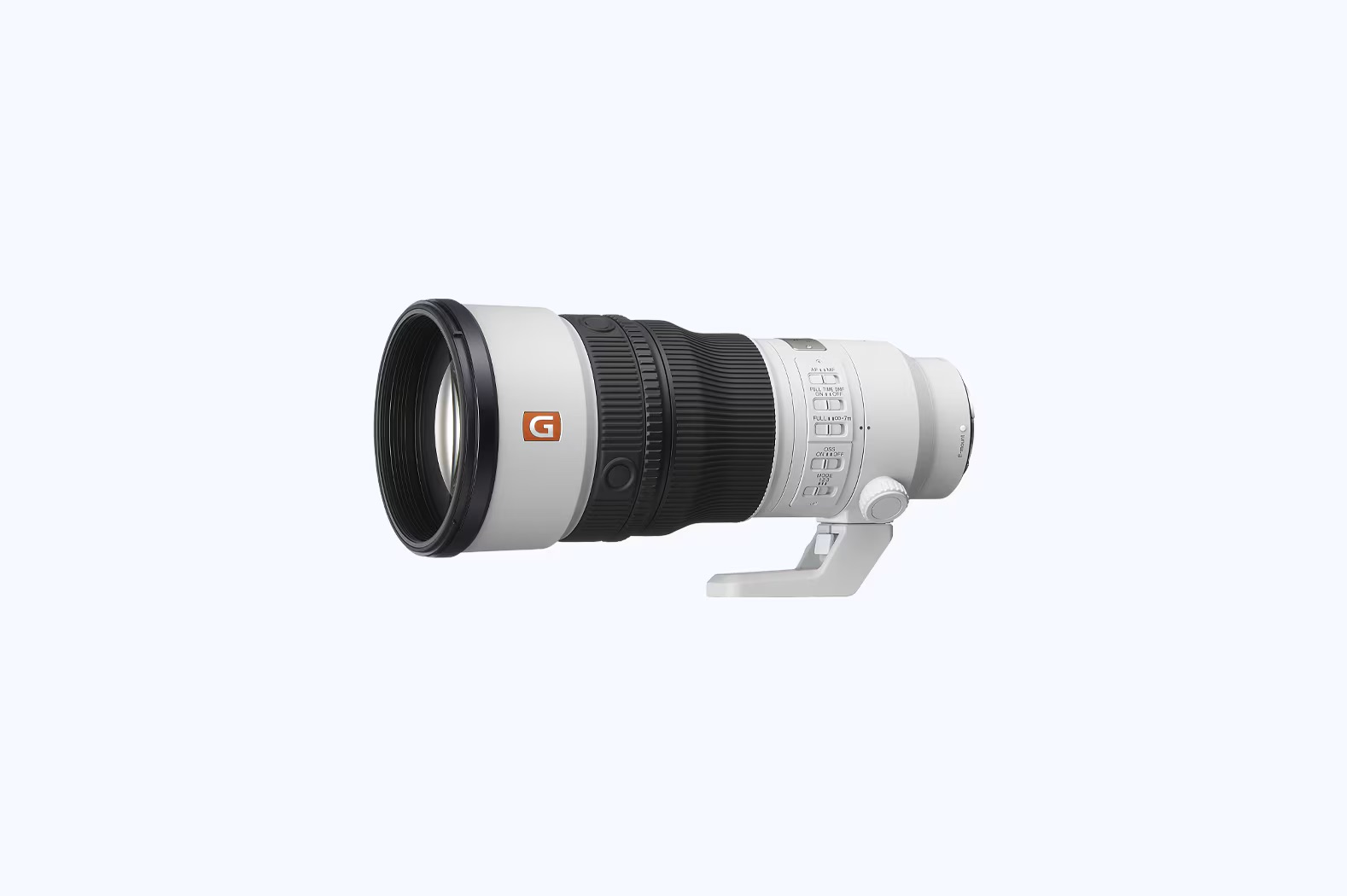
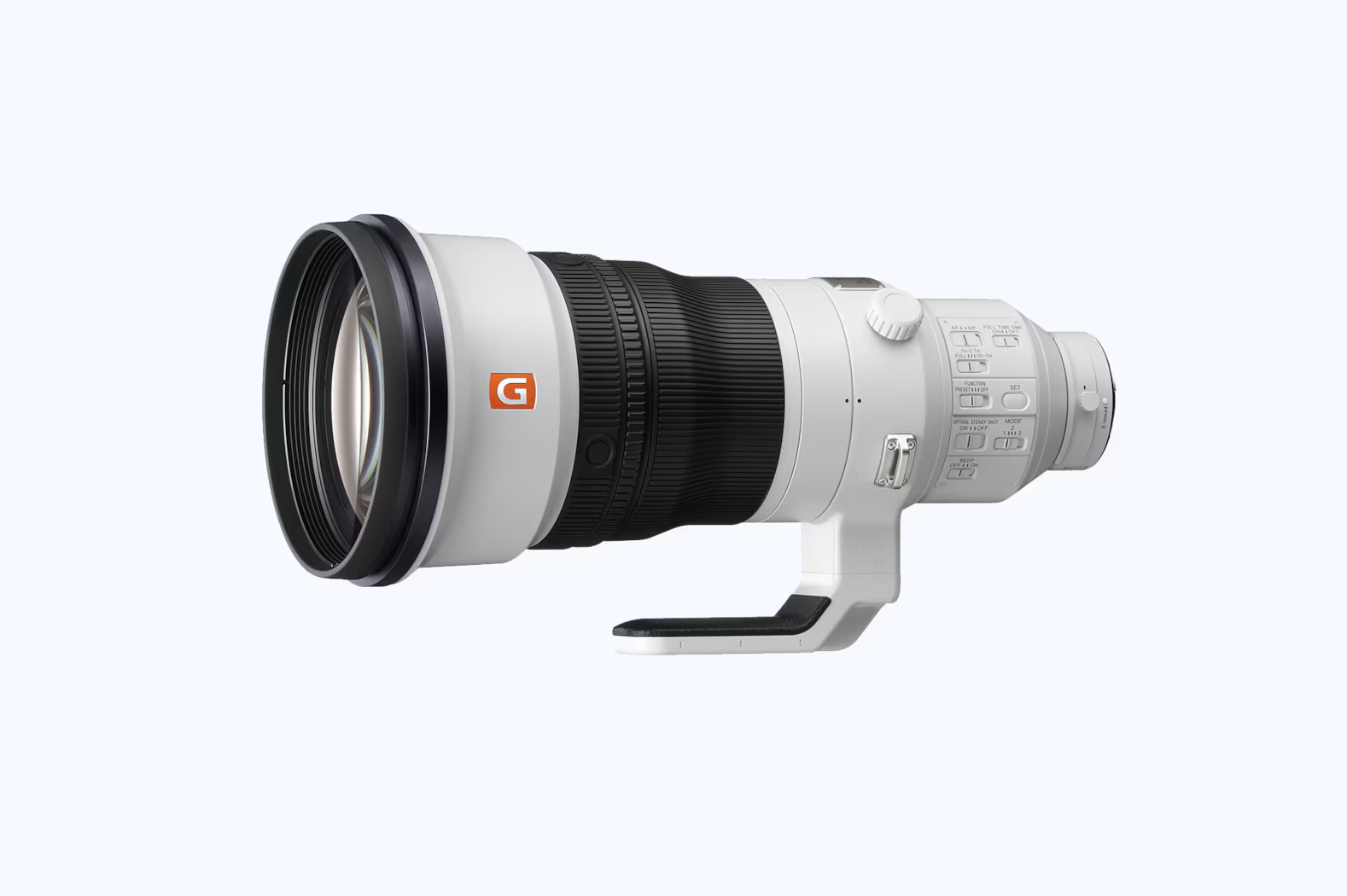
Because there are still photographic situations where I do not want the compromise, & the Sony 400mm F2.8 GM remains an extraordinary wildlife lens.
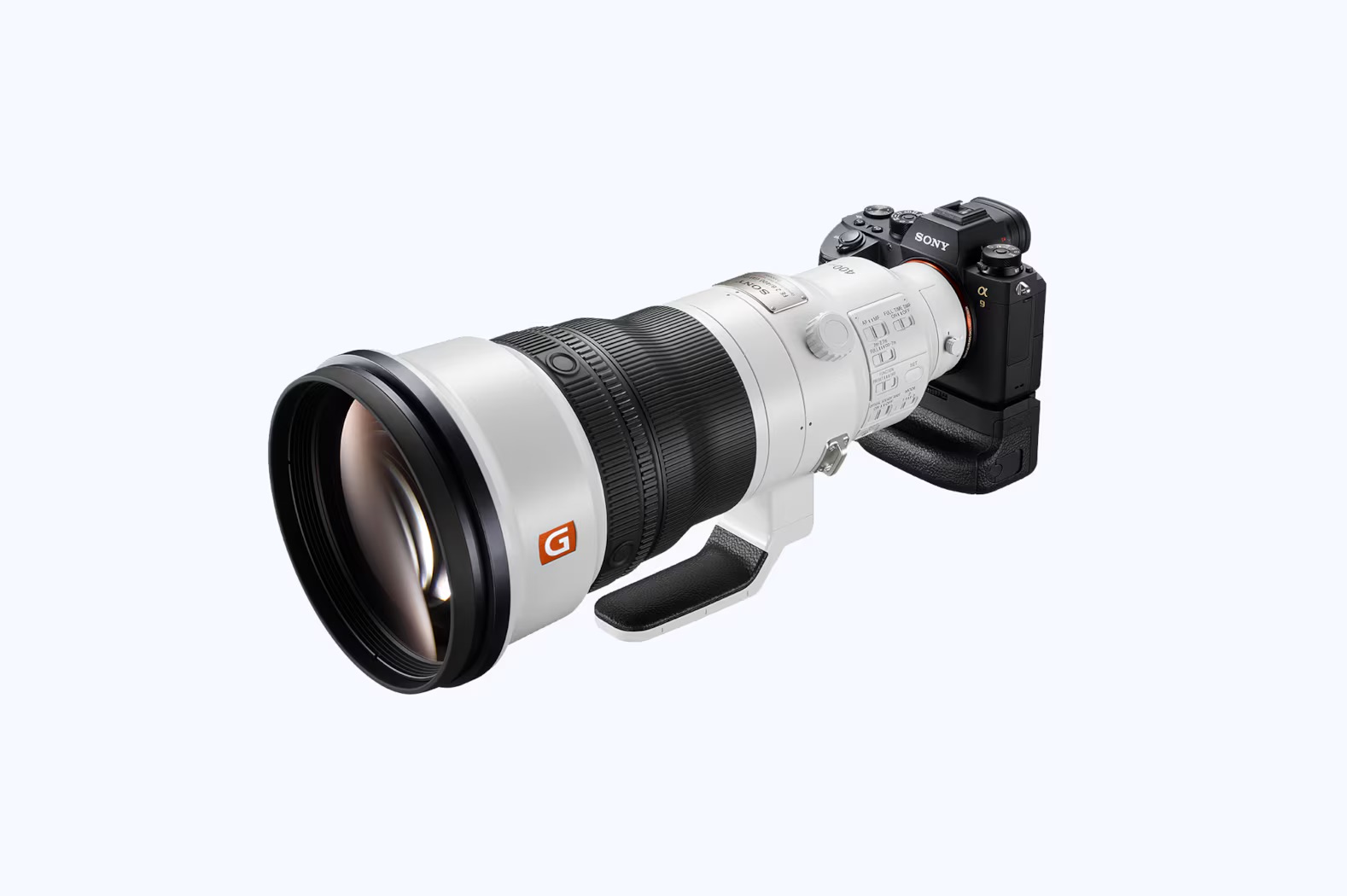
Pui Hang & I both own one, & neither of us will be giving ours up anytime soon.
The lens weighs 2,895g, so nobody is going to mistake it for the new generation of sub-1kg super-telephotos. Yet that weight buys us 400mm at f/2.8, beautiful subject separation, superb autofocus & the ability to use Sony’s 1.4x & 2x teleconverters. With the 1.4x fitted it becomes a 560mm f/4; with the 2x it reaches 800mm f/5.6.
Those are serious wildlife combinations.
For me, 400mm is also an extremely natural focal length. It gives enough reach for a great deal of bird & mammal photography without immediately narrowing the photograph down to the subject alone. I can still use habitat, background, snowfall, vegetation or the relationship between several animals as part of the composition. When the subject is more distant, adding the 1.4x gives me 560mm f/4 without sacrificing the aperture advantage that makes the lens so useful in the first place.
Then there is f/2.8 itself.
There are mornings when the difference between f/2.8 & f/6.3 is not a technical curiosity but the difference between the shutter speed I need & one I would rather not use. There are backgrounds where the 400mm at f/2.8 gives me precisely the degree of separation I want. There are situations involving birds in flight, mammals moving through low light or rapidly changing behaviour where I simply want every possible advantage.
The new lenses make other kinds of photography easier, but they do not make the 400mm f/2.8 less good at what it does.
If anything, they make me appreciate more clearly why I continue to value the one I own.
Which Sony lens would I actually take on a NaturesLens wildlife photography holiday?
The answer depends less on the destination than on how I expect to photograph once I am there. That may sound like a subtle distinction, but it is central to the way we design NaturesLens trips.
A conventional wildlife sightseeing trip can concentrate primarily on finding the next species. A photography-led itinerary works differently. If we have an excellent subject in good light, with a workable background & interesting behaviour developing, I would rather spend time exploiting that opportunity than leave simply because we have already photographed the species.
That affects lens choice.
For an itinerary where subject distance is unpredictable & situations can develop quickly, the new 100 – 400mm f/4.5 makes enormous sense. The ability to move from a wider environmental composition to a tighter portrait without changing position gives it an obvious advantage around larger mammals, groups of birds or wildlife approaching a vehicle.
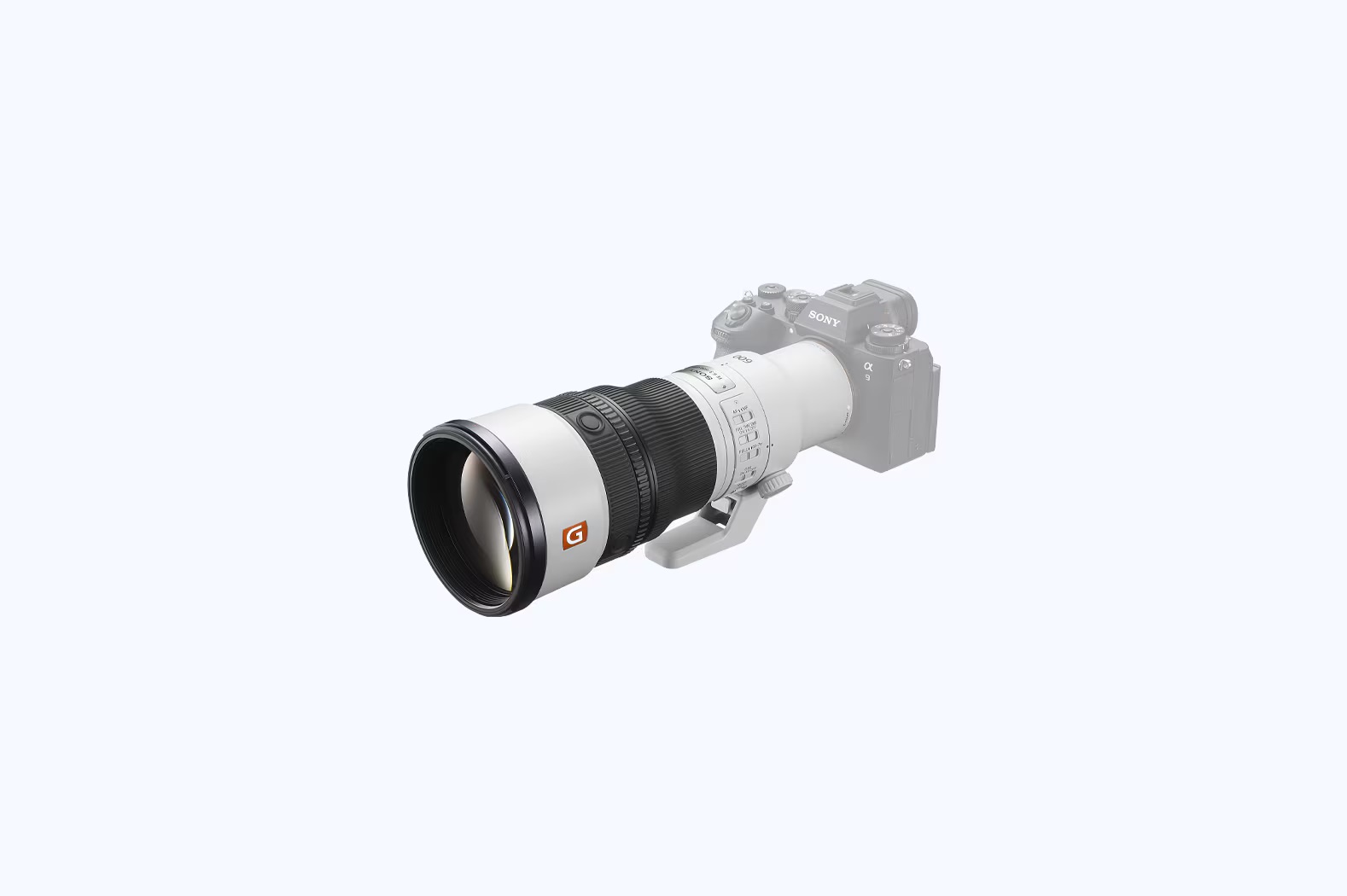
If I expected smaller or more distant subjects & anticipated walking considerable distances, the 600mm f/6.3 becomes extremely attractive. Its weight means there is almost no reason to leave serious reach behind.
When low light is likely to dominate, I reach for the 300mm f/2.8, particularly because the teleconverters allow me to extend it as circumstances change.
Yet when I know the 400mm f/2.8 suits the principal subjects, I still take it. The fact that another lens is lighter does not suddenly make aperture, rendering & familiar handling irrelevant.
There is also no rule saying everything has to be solved by a single lens. Using two Sony Alpha 1 II bodies changes my own calculation considerably. A 100 – 400mm on one body & a 600mm on another would be a formidable mobile wildlife combination. Equally, a 400mm f/2.8 alongside a lighter zoom gives me speed when I need it & flexibility when the subject changes distance.
What matters is building a system around the photographic opportunities we expect rather than choosing equipment according to which lens has the most impressive headline specification.
So which Sony wildlife lens matters most?
I do not think Sony has produced one winner here, & that is exactly why I find the current lens range so interesting.
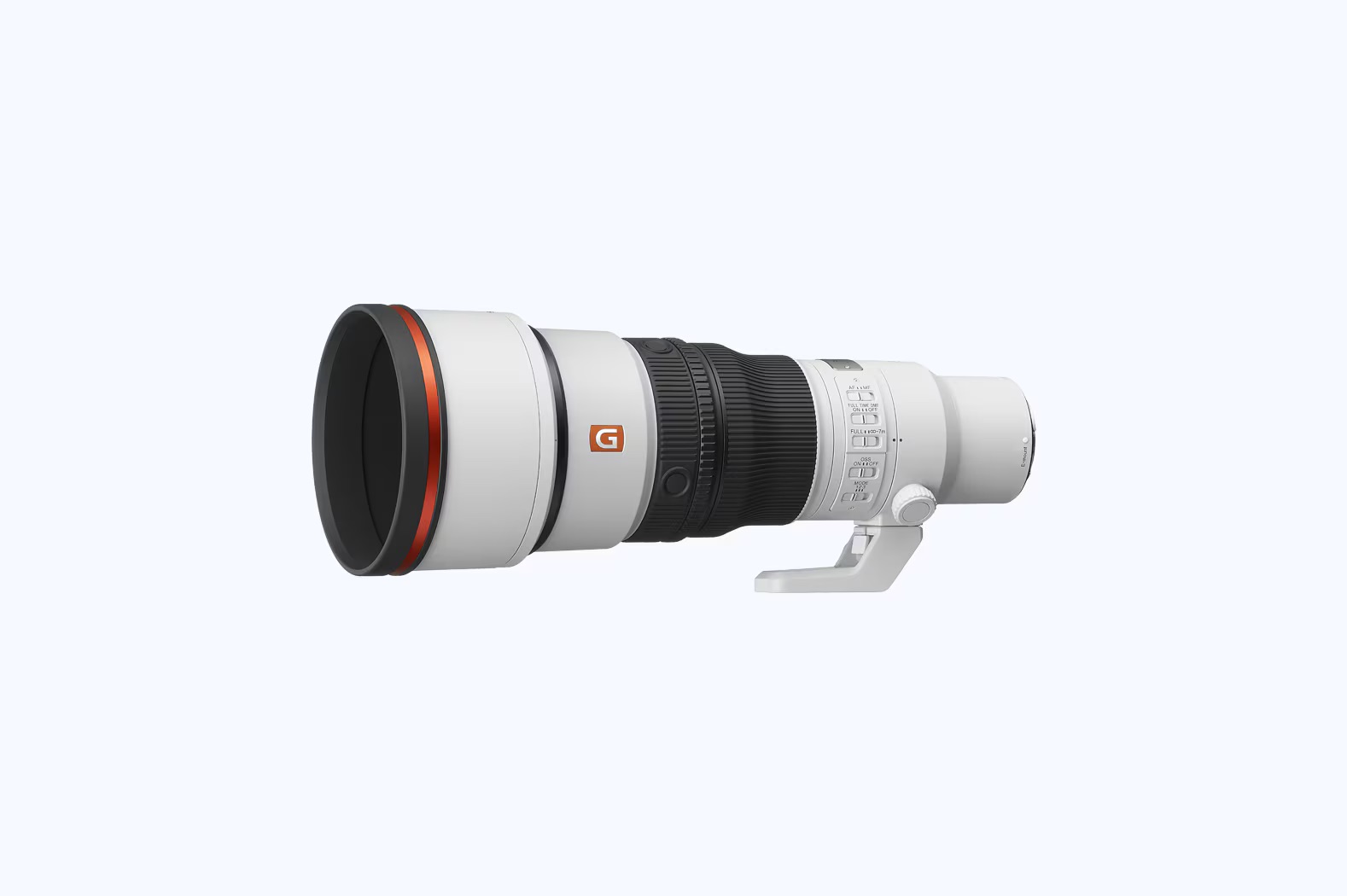
The FE 100 – 400mm F4.5 GM OSS is probably the most versatile option when composition & subject distance are changing quickly. The FE 300mm F2.8 GM OSS offers an exceptional balance between aperture, relatively low weight & teleconverter flexibility. The FE 600mm F6.3 GM OSS does something quite different by making true 600mm reach available in a lens weighing less than a kilogram.
Pui Hang & I will meanwhile continue using our 400mm F2.8 GM lenses because f/2.8 at 400mm remains something special. We have no reason to abandon a lens that gives us the speed, rendering & flexibility we want simply because lighter alternatives have appeared.
What has changed is that carrying a fast 400mm no longer means every alternative long lens also has to be large & heavy.
That is the development I find most exciting. I can envisage travelling with the 400mm f/2.8 when the photography justifies it, then choosing either the new 100 – 400mm or the remarkably light 600mm according to the nature of the trip. The equipment can become more specialised rather than simply heavier.
After years of travelling around the world for wildlife photography, I have become increasingly convinced that a lens earns its place in my bag through the photographs it enables rather than the specification that looks most impressive on paper. Light, distance, behaviour, background, mobility & the amount of time we can spend with a productive subject all matter.
Sony’s latest lenses do not make that decision simpler.
They make the choices considerably better.