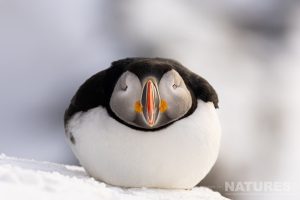
Bence Máté’s Hides in Winter offer something rare in wildlife photography: close-range access, carefully controlled light, natural behaviour, & enough repeatability for photographers to move beyond chance. This is not ordinary hide photography. It is a winter wildlife photography experience designed around the creation of distinctive, deliberate images.
Why Are Bence Máté’s Hides in Winter So Different?
At Bence Máté’s hides in Hungary, the photographic variables – light direction, background, distance, perspective – have all been considered from the outset, so photographers work properly rather than compensate for poor conditions. Most wildlife photography is built around compromise. You wait for the subject, hope the light holds, work from distance, & often accept that the moment may not happen again. The hides have been designed by one of the most influential wildlife photographers of his generation, with the needs of photographers considered from the start. The position of the glass, the direction of the light, the height of the photography ports, the background, the distance to the subject, & the behaviour likely to unfold in front of the hide are all part of the photographic design. In winter, those design choices become even more powerful. Birds are more committed to feeding, the light is lower & more directional, the backgrounds are cleaner, & the atmosphere is often colder, quieter, & more stripped back. The result is wildlife photography with a very different quality: intimate, graphic, controlled, & behaviour-led.

How Does Winter Turn the Hides Into a Photographic Studio Without Staging the Wildlife?
Winter concentrates behaviour, strips the backgrounds, & gives the photographer time to learn the subject rather than react to a single fleeting encounter. One of the reasons Bence Máté’s Hides in Winter are so highly regarded is that they create the feel of a studio while keeping the wildlife wild. The birds are not posed. The behaviour is not directed. The interactions, hunting attempts, disputes, arrivals, departures, & sudden bursts of movement remain natural. What changes is the photographer’s ability to work properly. Instead of reacting to a distant subject in poor light, you are placed in a carefully prepared environment where the photographic variables are far more manageable. That means you can concentrate on timing, composition, exposure, movement, & storytelling. This is where winter matters. The colder months concentrate activity. Food becomes more important. Birds return repeatedly to productive feeding areas. Behaviour becomes more visible &, crucially, more photographable. You are not relying on a single brief encounter. You have time to learn what is happening in front of you & improve your images as the session develops.
Why Does Close-Range Photography Matter So Much?
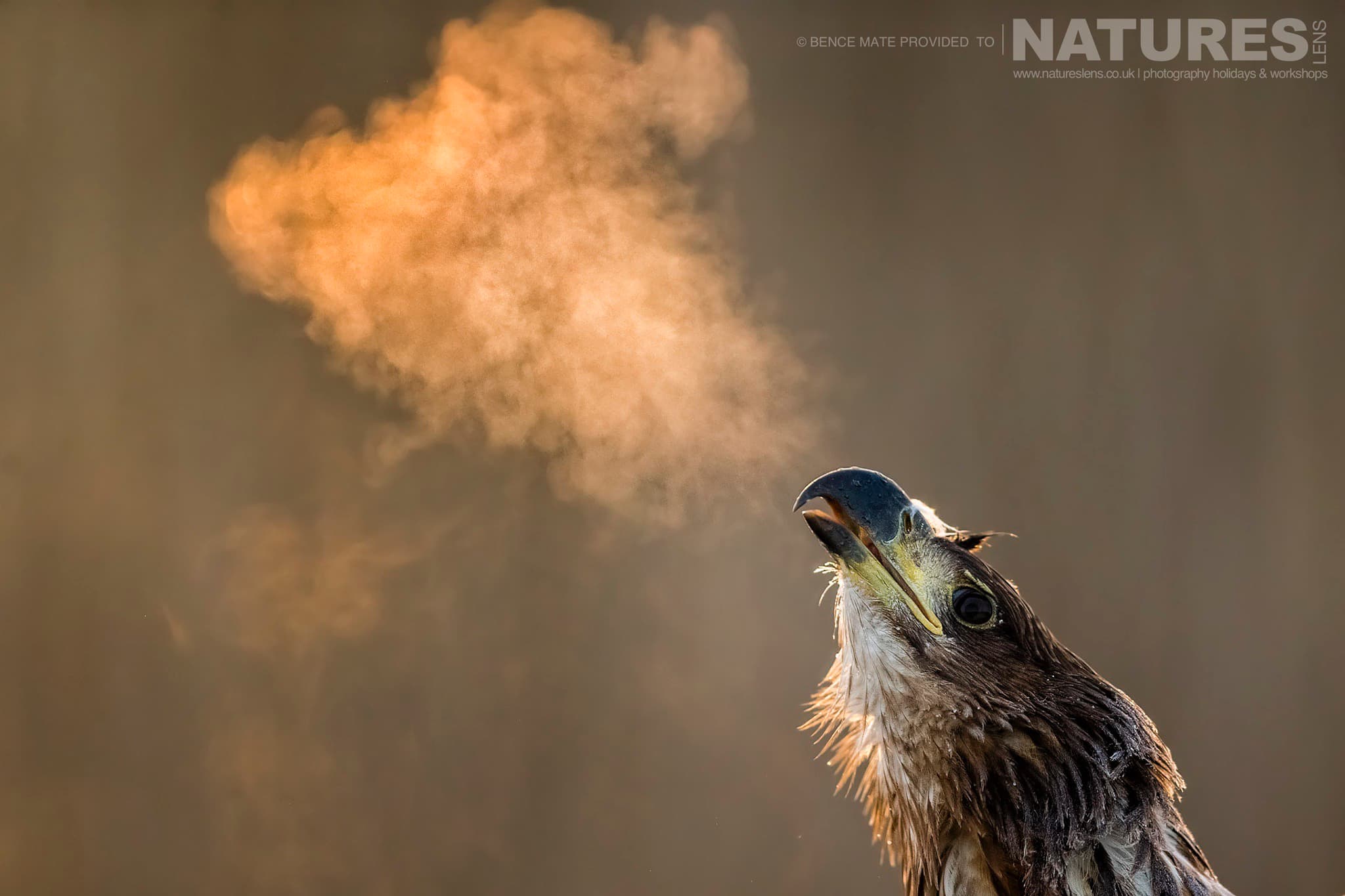
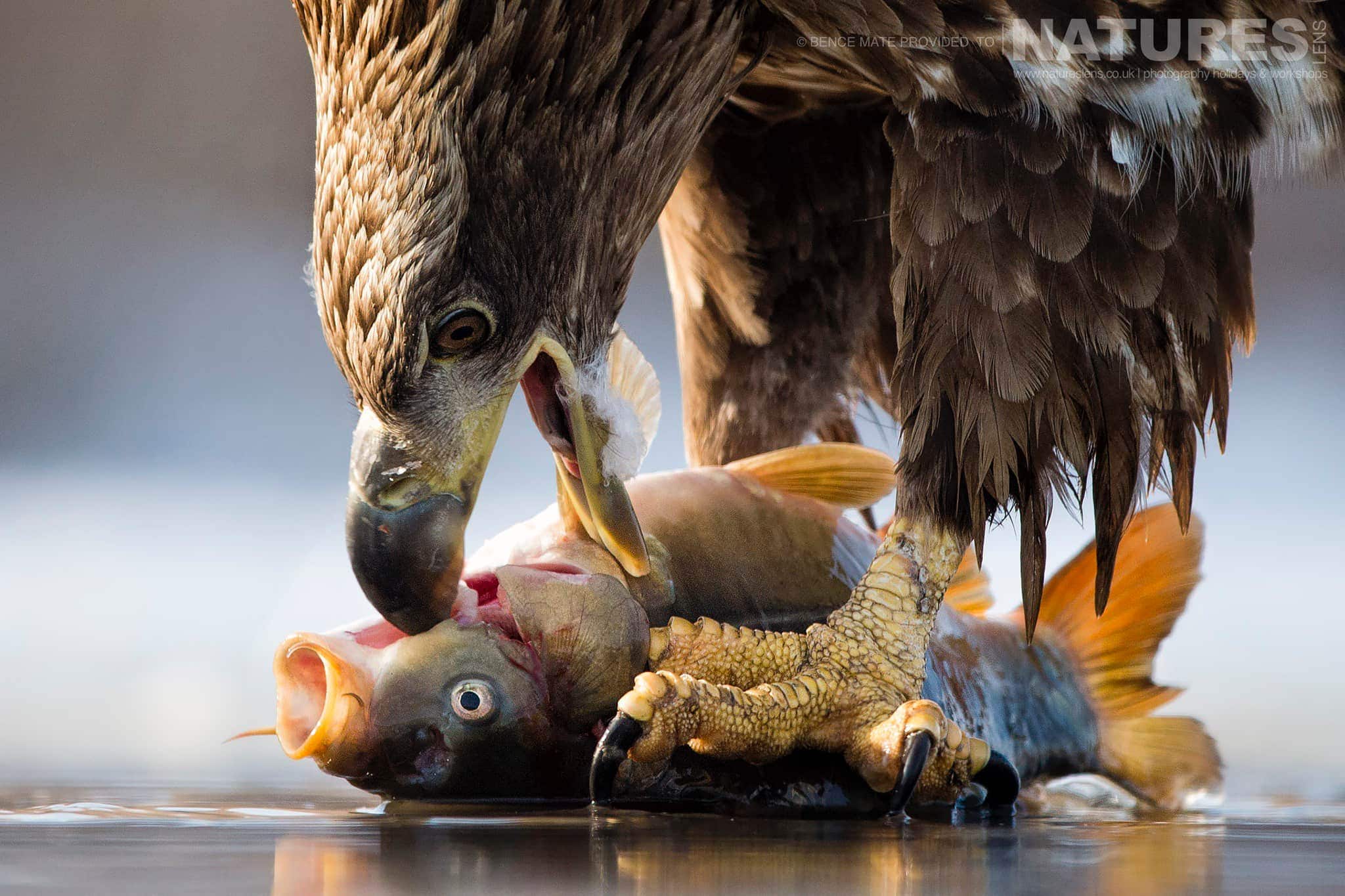
Close access changes everything in bird photography. It changes the relationship between subject & background. It changes the amount of detail in the file. It changes the angle of view, the feeling of intimacy, & the sense that the viewer is part of the scene rather than observing from a distance. Bence Máté’s hides are known for allowing photographers to work extremely close to wildlife without disturbing it. This matters because truly strong bird images are rarely just about the species. They are about eye contact, posture, movement, feather detail, breath, water, reflection, wing position, & the small moments that are easily lost when working from too far away. In winter, close-range photography becomes even more compelling. Plumage can be immaculate. Breath, frost, mist, ice, & cold water all add atmosphere. Behaviour around food can be intense. The images have a sense of immediacy that is very hard to reproduce in open wetlands or from public hides.

Low Light, Backlight & Atmosphere
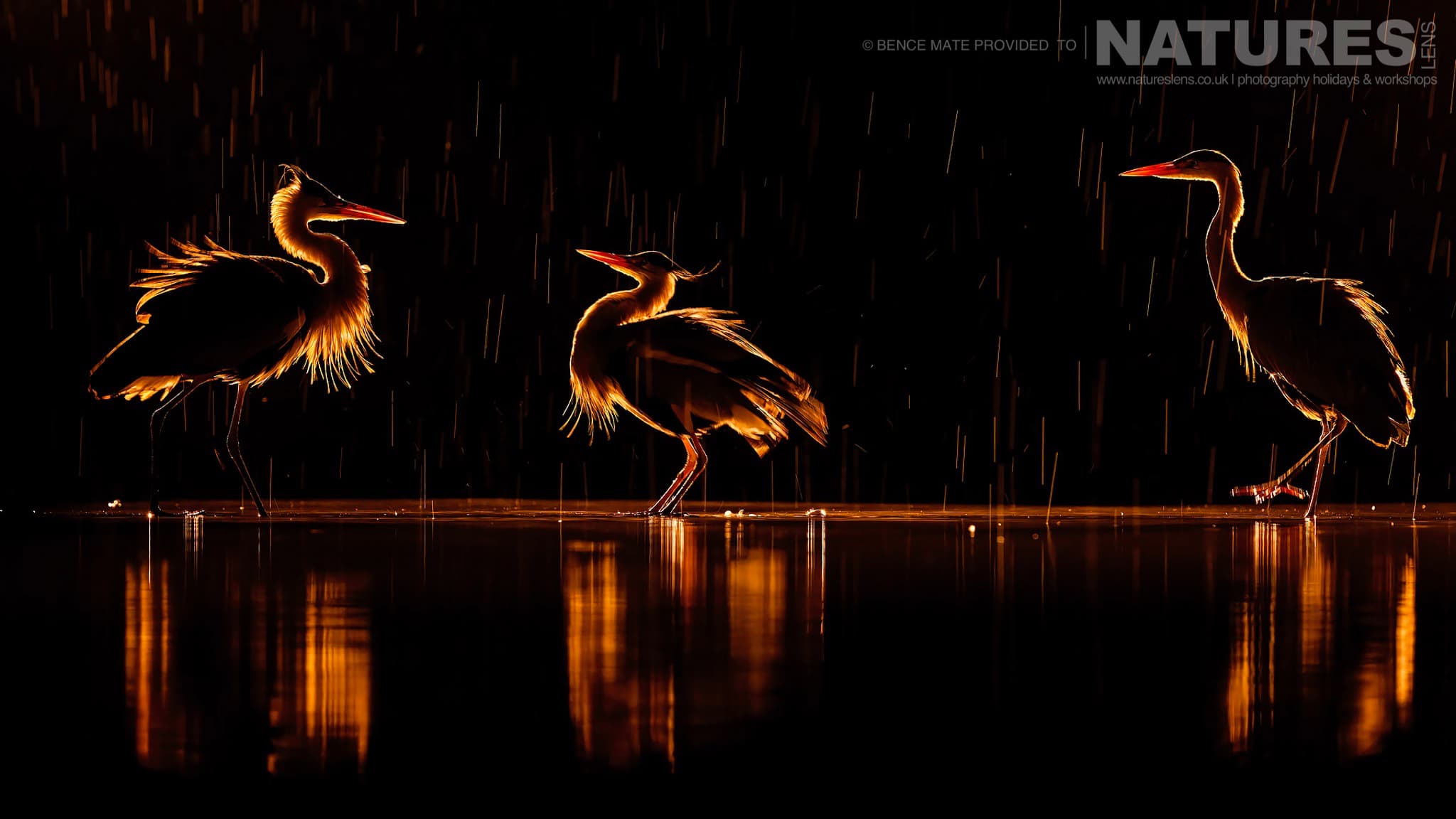
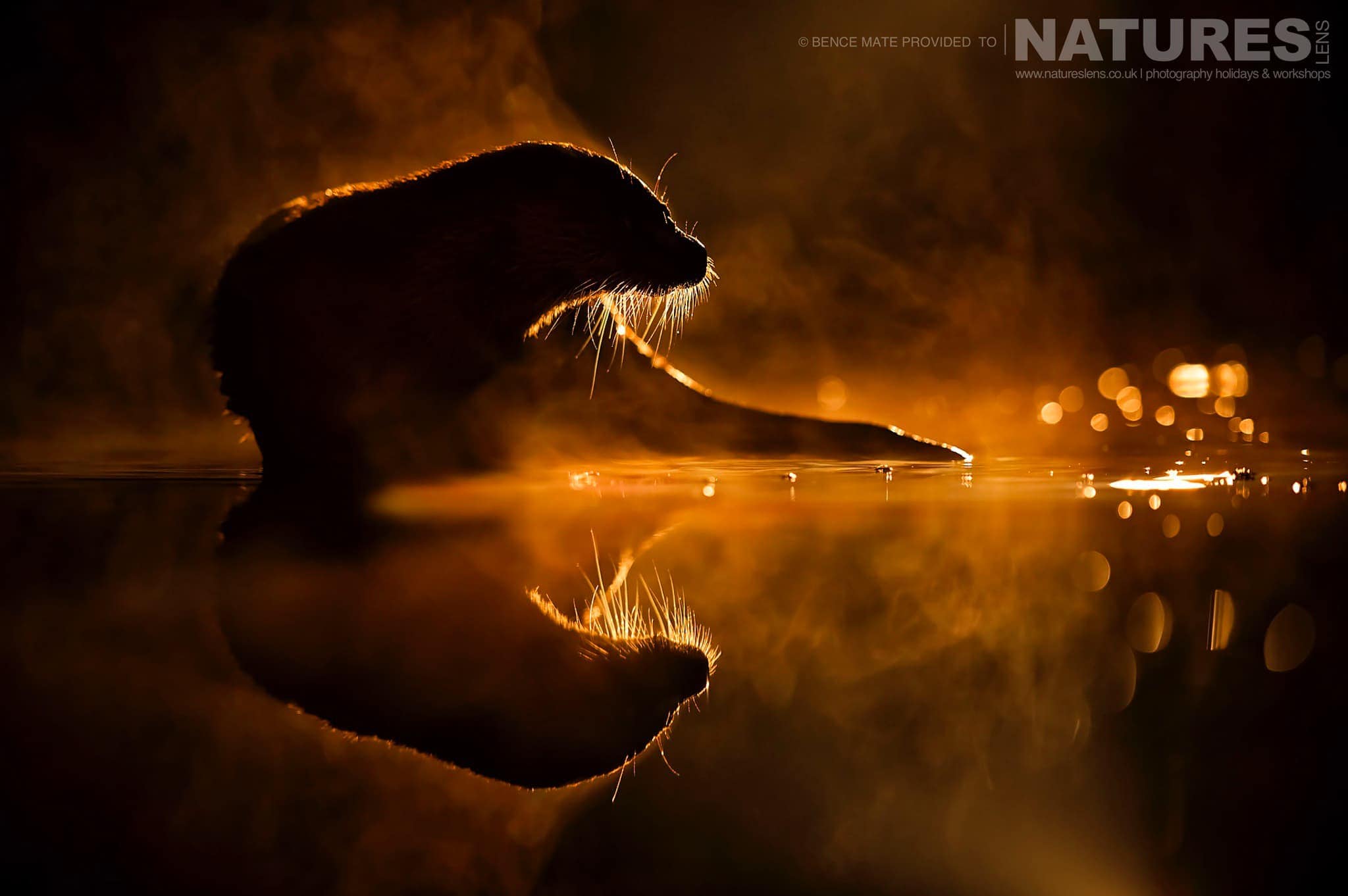
Winter light is one of the main reasons to visit Bence Máté’s hides in Hungary. The sun sits lower in the sky, shadows are longer, & the quality of light often remains usable for much more of the day. Instead of the harsh overhead light that can flatten bird photography, winter gives you shape, direction, & mood. At the best moments, this produces images with rim light on feathers, reflections on water, steam rising from cold surfaces, silhouettes, & dramatic separation between subject & background. These are not simply record shots. They are images with atmosphere. Some of the hide setups also allow photographers to work with carefully considered artificial lighting. Used well, this opens up creative possibilities that are rarely available in conventional wildlife photography. The result can be images that feel theatrical, graphic, & highly distinctive, while still being rooted in genuine wildlife behaviour.
Why Is Behaviour the Real Prize in Winter?
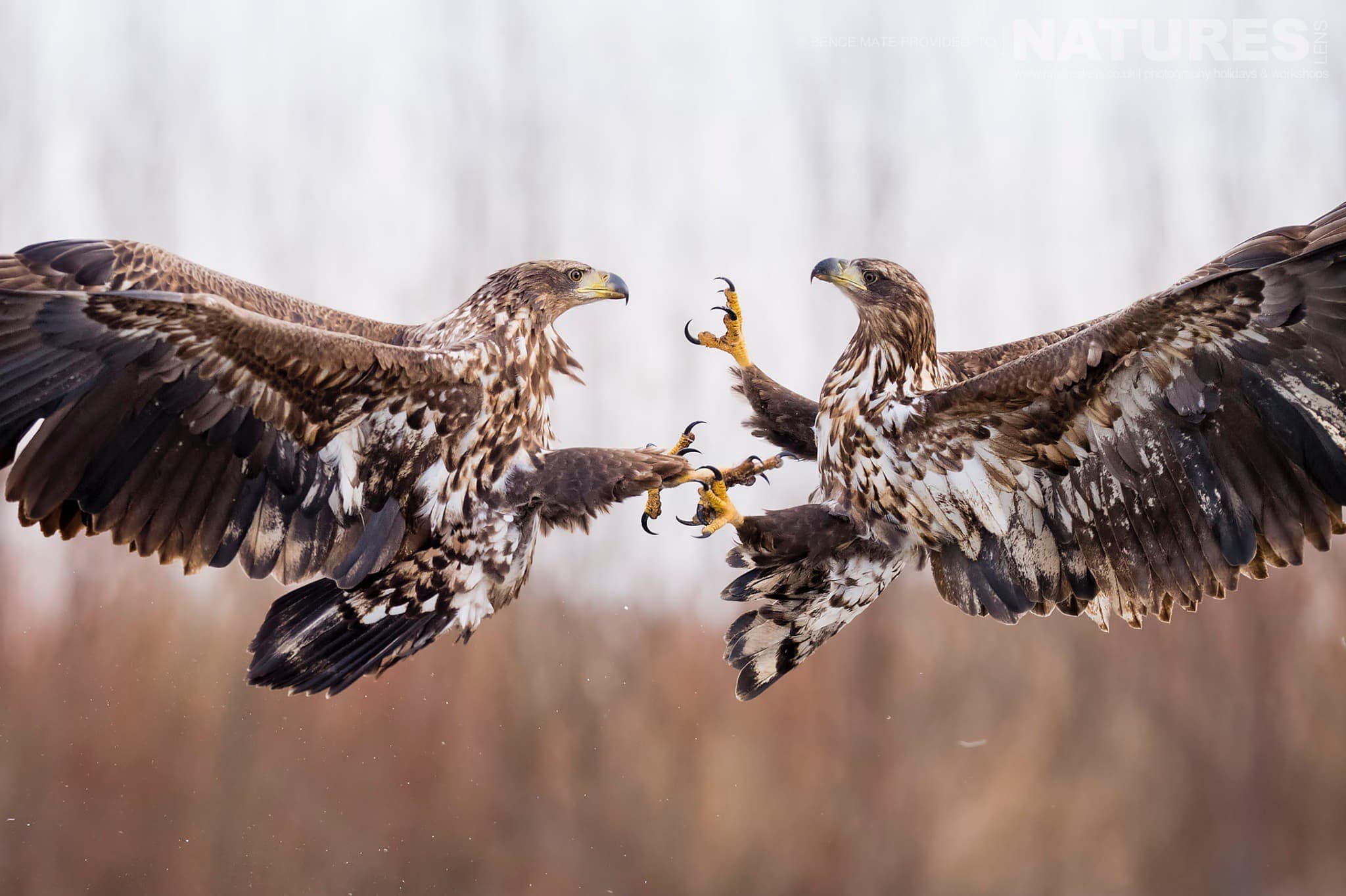
Behaviour is the real prize, & winter earns it: birds working harder for food return repeatedly to the same areas, giving photographers time to shift from reaction to anticipation. The best wildlife photographs rarely come from a bird simply being present. They come from behaviour: a strike, a chase, a dispute, a landing, a wing flare, a feeding sequence, or a moment of tension between two subjects. Winter increases the chances of this kind of photography because the birds are working harder. Food matters. Territory matters. Position matters. When several species are drawn to the same productive area, interactions become more frequent. This is where Bence Máté’s Hides in Winter give photographers a serious advantage. Because subjects often return again & again, you can start reading behaviour rather than simply reacting to it. You begin to recognise the body language before a strike, the approach line before a landing, or the build-up before a confrontation. That shift from reaction to anticipation is one of the most important steps in wildlife photography.
Water-Level Perspectives That Stand Apart
Many bird images fail because they are taken from too high an angle. The photographer looks down on the subject, the background becomes cluttered, & the photograph loses intimacy. One of the great strengths of these hides is perspective. Several setups allow photographers to work from very low angles, often close to water level. This produces a completely different kind of image: cleaner, more immersive, & far more connected to the subject. Water-level photography is especially effective in winter. Reflections become simpler. Cold surfaces add texture. Mist & low light can soften the background. The frame becomes less about documenting a bird & more about creating a complete photograph.

Why Does Repeatability Matter?
Repeatability is often misunderstood in wildlife photography. It does not make the work easy. It makes better work possible. If a bird appears once, you take what you can. If it returns repeatedly, you improve. You refine your exposure. You correct your shutter speed. You adjust your framing. You learn where the bird lands, how it approaches, how quickly it strikes, & when the best moment is likely to happen. This is one of the biggest advantages of Bence Máté’s Hides in Winter. The experience gives you time to work a subject properly. That is very different from a fleeting encounter on a general wildlife photography holiday, where the pressure is often to get something before the subject disappears. Here, the first images may be good. The later images are often better because you have had time to understand the scene.

What Are the Images That Look Different From Standard Bird Photography?
The strongest reason to visit Bence Máté’s Hides in Winter is simple: the images can look different. Not just sharper. Not just closer. Different. The combination of low angles, close access, controlled light, winter atmosphere, & repeated behaviour produces photographs with a very distinctive look. They can feel darker, cleaner, more dramatic, & more deliberate than conventional bird images. For photographers who already have plenty of bird portraits, this matters. The value is not simply adding more species to a portfolio. It is adding images with impact – images built around behaviour, atmosphere, shape, & light.
Who Should Visit Bence Máté’s Hides in Winter?
This is an excellent experience for photographers who want to concentrate on image-making rather than general wildlife watching. It suits those who are happy to spend long sessions in hides, work carefully with changing light, & return to the same subjects in pursuit of stronger images. It is especially well suited to photographers who enjoy:
- close-range bird photography
- low-angle images from water-level hides
- behaviour, action, & interaction
- creative lighting & atmospheric winter conditions
- refining compositions over repeated sessions
- coming home with a coherent portfolio rather than isolated record shots
It is less suited to anyone looking for a fast-moving safari-style itinerary. The strength of this trip is focus. You settle into the hides, read the behaviour, & work the opportunities properly.
Why Is Winter the Season to Choose for Dramatic Lighting & Images?
Winter is the season to choose because it concentrates behaviour, clarifies backgrounds, & gives you light with genuine direction & mood – a combination that produces images the warmer months simply cannot. There are good reasons to photograph from hides in Hungary at other times of year, & the farm in late spring is a very different proposition, with returning Rollers, Bee-eaters & Hoopoes at the nest – our guide to Bence Máté’s hides in springtime explains how the same hides change between seasons. Winter, though, has a particular character. It strips the landscape back. It reduces distractions. Bence Máté’s Hides in Winter are not simply the same hides in colder weather. They offer a different photographic proposition altogether. The season changes the subjects, the mood, the behaviour, & the type of images you can create. For many photographers, that is the real appeal. Winter does not just make the experience more dramatic. It makes it more distinctive.
What’s the NaturesLens View on Bence Máté’s Hides in Winter?
We believe the best photography trips are built around images, not just sightings. That is why Bence Máté’s Hides in Winter are so compelling. The experience gives photographers time, proximity, light, & repeated behavioural opportunities – the ingredients needed to create images with real intent. You still need to do the work. You still need to make decisions. You still need to read the subject, manage exposure, choose the right shutter speed, & recognise the moment. But the hides put you in a position where those decisions matter. That is the difference between hoping for a photograph & being given the conditions to make one.
Photograph Bence Máté’s Hides in Winter With NaturesLens
Our Hungarian winter wildlife photography holiday, led by Pui Hang Miles alongside Bence Máté’s team, is designed for photographers who want close-range access, carefully considered hide sessions, & the chance to create genuinely distinctive winter wildlife images. View the Hungarian Winter Wildlife Photography Holiday
Frequently Asked Questions About Bence Máté’s Hides in Winter
Why are Bence Máté’s hides so highly regarded?
They are designed by a well-known wildlife photographer with the needs of photographers built into the hide system. The hides are created around light, perspective, subject behaviour, comfort, & close access, allowing photographers to work in ways that are difficult to achieve elsewhere.
Why visit in winter rather than another season?
Winter creates a distinctive combination of low light, clean backgrounds, concentrated feeding activity, cold-weather atmosphere, & more intense behaviour. These conditions produce images that feel very different from standard bird photography.
Are the birds wild?
Yes. The hides are designed to allow photographers to work close to wild birds without disturbing them. Some setups are managed to encourage activity in photographically useful areas, but the behaviour itself remains natural.
What kind of images can I expect?
The strongest opportunities are often close-range bird portraits, action sequences, feeding behaviour, low-angle water-level images, backlit subjects, reflections, & more creative winter compositions using atmosphere & controlled light.
Is this suitable for serious amateur photographers?
Yes. This is particularly well suited to serious amateurs who want to spend time refining images rather than simply recording species. Long hide sessions, repeated subject activity, & carefully designed working positions make it ideal for photographers who want to improve their portfolio.
Who This Trip Is For
This trip is designed for photographers who want to work a subject properly, not simply encounter it.
Time in Bence Máté’s hides is deliberate. Sessions are long, often quiet, & occasionally extended into overnight stays in selected hides where the most compelling behaviour happens at first light, last light, or in darkness. That rhythm doesn’t suit everyone – but for the right photographer, it’s exactly the point.
You’ll get the most from this experience if you:
- Enjoy working from hides for extended periods
Sessions can run for several hours, & some hides involve overnight stays. Comfort is built in, but patience is still required. - Want to move beyond reactive photography
The structure of the hides allows you to observe, learn behaviour, & refine your images rather than grabbing a single moment. - Are interested in behaviour, not just portraits
Much of the reward here comes from sequences – feeding, interaction, movement – rather than static subjects. - Value control over conditions
Light, angle, background, & distance are all working in your favour. If you’ve found yourself frustrated by variables you can’t control elsewhere, this will feel very different. - Are comfortable with early starts, late finishes, & overnight sessions
Some of the strongest opportunities come outside normal daylight hours. Staying in a hide overnight is not unusual on this trip. - Prefer a focused, image-led experience
This is not a fast-moving itinerary. You return to the same hides, build understanding, & improve your results over time. - Are a serious amateur or experienced photographer
You don’t need to be an expert, but you will benefit from knowing your camera & being ready to respond when behaviour unfolds.
Who This Trip May Not Suit
- Photographers looking for a varied, location-hopping itinerary
- Anyone uncomfortable spending long periods in a confined hide space
- Those who prefer a more relaxed, observational wildlife experience without the discipline of structured sessions
- Travellers not keen on overnight stays in hides, even when they are well set up for photographers
In Simple Terms
If you enjoy settling in, reading the behaviour in front of you, & coming away with images that feel considered rather than accidental, this trip will suit you very well.
If you’d rather keep moving & see as much as possible, it’s probably not the right fit.
This is about depth, not breadth – & for many photographers, that’s where the real results come from.
- NaturesLens trips are designed around photographic opportunity – schedules, positions, & access are all structured to give you the best light.
- Small groups ensure unhurried access & individual guidance, with the maximum group size shown on each trip page.
- Single occupancy is included on the majority of NaturesLens trips.
See also: Capture the Beauty of Springtime Wildlife at Bence Mate’s Hides in Hungary · Discover the breathtaking beauty of the wildlife that visits Lentorre Lodge’s night hide