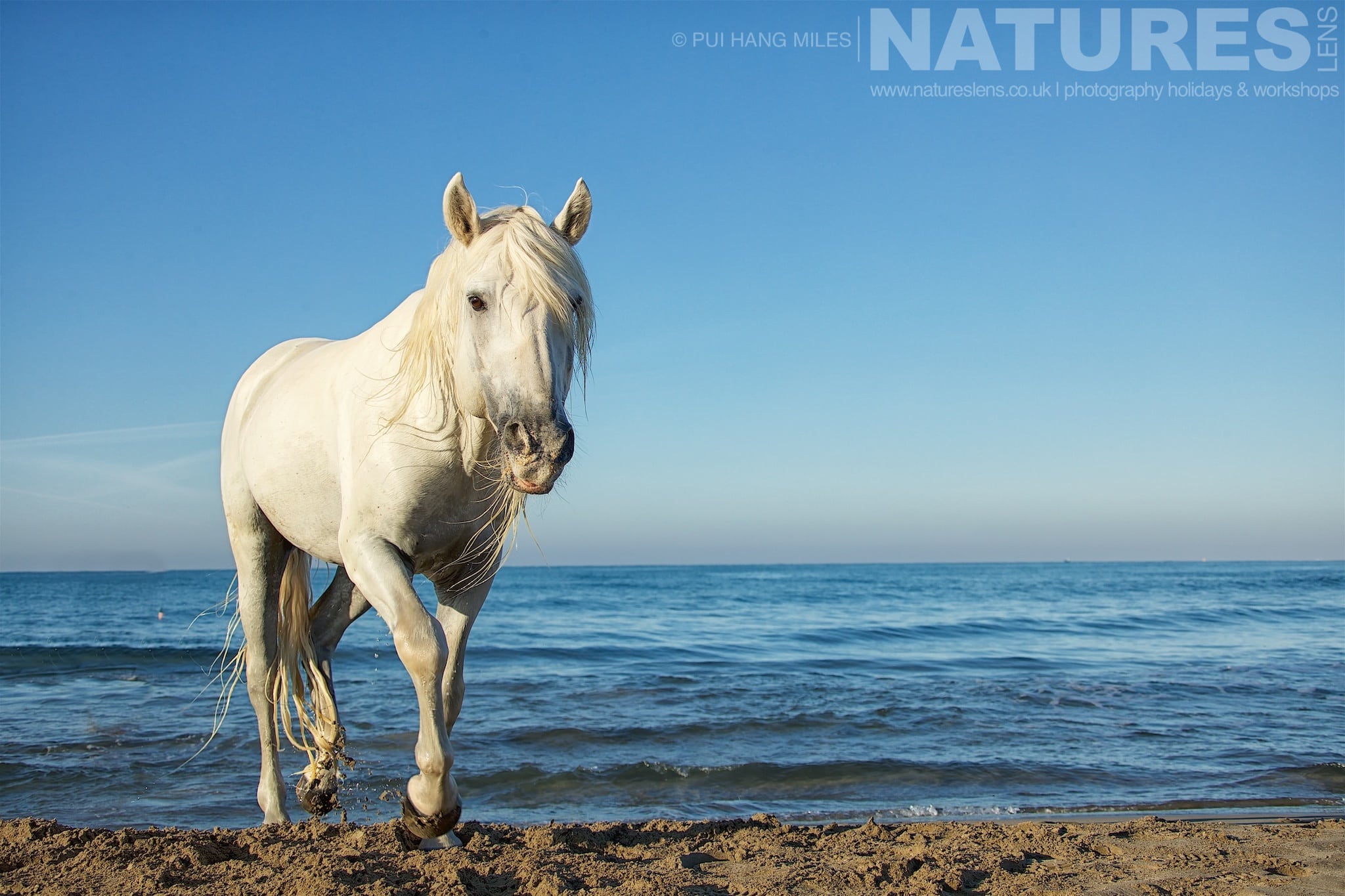
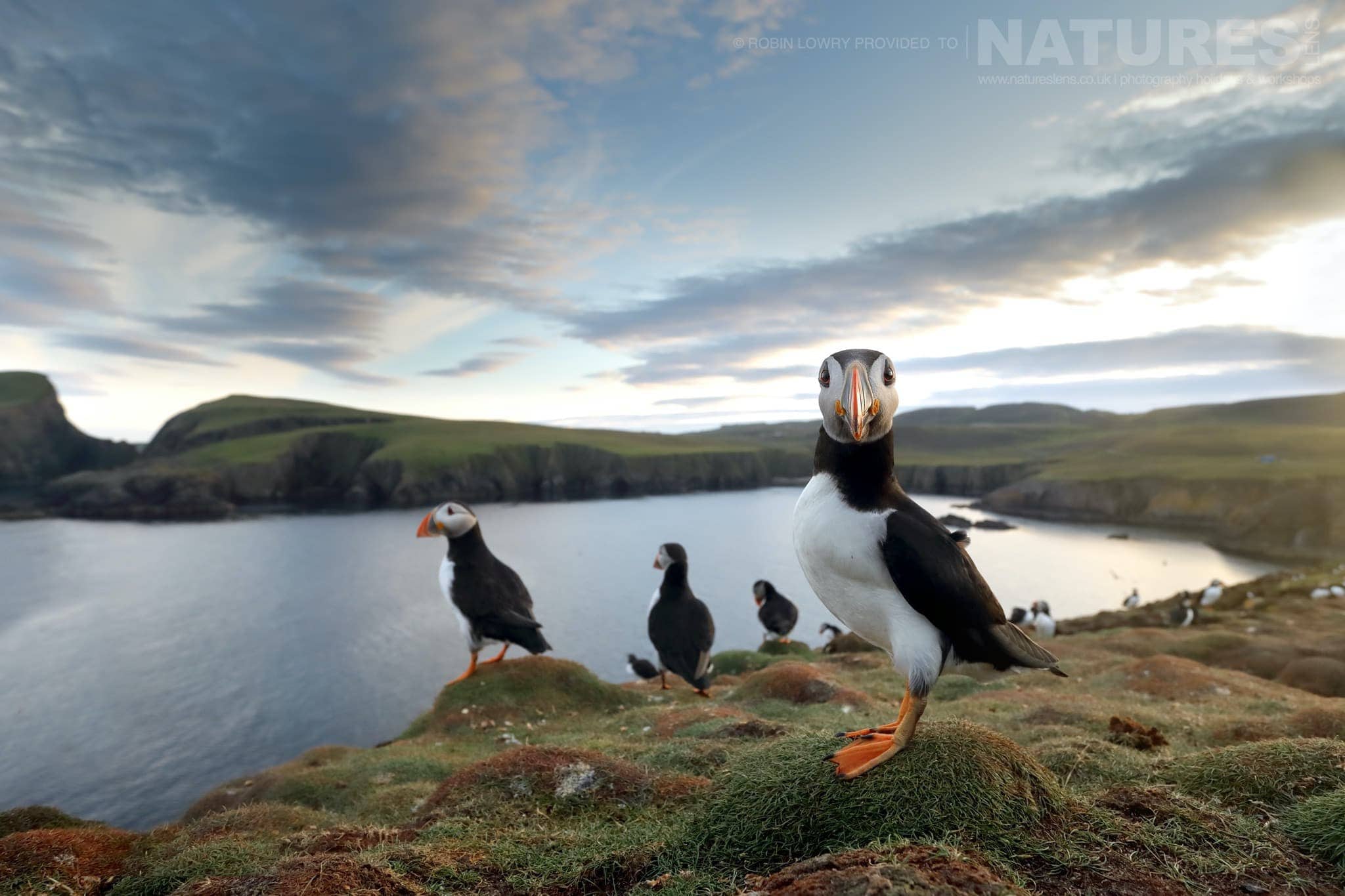
Environmental context is one of the first creative choices in wildlife photography. When you’re framing a photograph of a brown bear at the edge of a Finnish forest, you face an immediate creative choice: isolate the bear against the undergrowth, or pull back far enough to show the lake shore, the spruce canopy above & the ecological context that defines its world. Neither choice is inherently correct. But the decision shapes not just that single image, but how your entire body of work tells the story of wildlife.

This is the core tension in environmental composition – the deliberate choice between isolation & context, & understanding when each serves your photography best.
Why Use Environmental Context in Wildlife Photography?
Environmental framing transforms a specimen into a story. Wildlife doesn’t exist in isolation. A white-tailed deer photographed only in tight frame tells you about coat texture & ear position. A white-tailed deer photographed standing alert in winter snow, with bare birch trunks creating leading lines behind it, tells you about survival, adaptation, & the specific moment of the year when you captured it. One is a specimen. The other is a story.
Environmental context does several things simultaneously. It provides scale – a tiny hummingbird hovering next to a specific flower becomes instantly clearer in size & habitat preference than the same bird photographed against a uniform background. It communicates place. The warm, laterite earth visible beneath a lion’s paws tells you this is African savanna, not a zoo enclosure. It adds information about behaviour: a puma crouched on a rocky outcrop with a valley dropping away behind it explains something about the puma’s territory & hunting grounds that a tight headshot cannot.

From a portfolio perspective, environmental framing creates coherence. If your best images all show subjects in context – bears in their stream, birds in their preferred perches, cats in their landscape – the work develops a consistent visual language. Viewers understand immediately that you’re documenting how these animals live, not simply capturing them as individual subjects.
The strongest wildlife photographers often lean toward environmental composition precisely because it’s harder. A head-on portrait of a snow leopard is striking, but a snow leopard picked out against the broken grey & white geometry of high-altitude scree, with depth implied through focus falloff, feels earned. It’s the difference between finding a good subject & crafting a meaningful image.
When Does Isolation Work Better Than Context?
Isolation serves real & important purposes. Not every shot should be a wide landscape with an animal somewhere in it.
Behavioural detail requires it. The precise positioning of a kingfisher’s head at the moment before a dive, the micro-expression that indicates whether a predator has registered your presence – these details deserve frame space. Cramming in mountains & trees diminishes the psychological intensity of a confrontation between predator & prey, or the split-second precision of predation itself.
Isolation also controls the viewer’s eye. In a cluttered habitat, a tight frame on the animal’s face removes competition for attention. This is particularly valuable when you want the audience to read behaviour with intensity – the tensed muscles of a wolf, the intelligent gaze of a primate, the fatal focus of a hunting leopard. Habitat context can distract from what the animal is actually doing.

There’s also a technical reality: isolation is often simply what the light & distance permit. An African buffalo emerging from dense thornbush, backlit by afternoon sun, might not have a clean environmental frame available. The shot you get – the buffalo emerging from shadow – is often the shot that’s actually possible. Trying to force environmental context sometimes means missing the photograph entirely.
Strong portfolios contain both. Tight behavioural work & environmental context together create narrative depth. Your snow leopard series might include a few tight frames of facial expression & shoulder tension, & several wider frames showing the snow leopard against the alpine terrain. The combination tells a complete story.
How Does Habitat Shape Your Compositional Options?
Environmental context is largely set by habitat, so read the place before you choose the lens.
The habitat you are working in shapes how much compositional choice you actually have. Not all environments offer equal compositional flexibility.
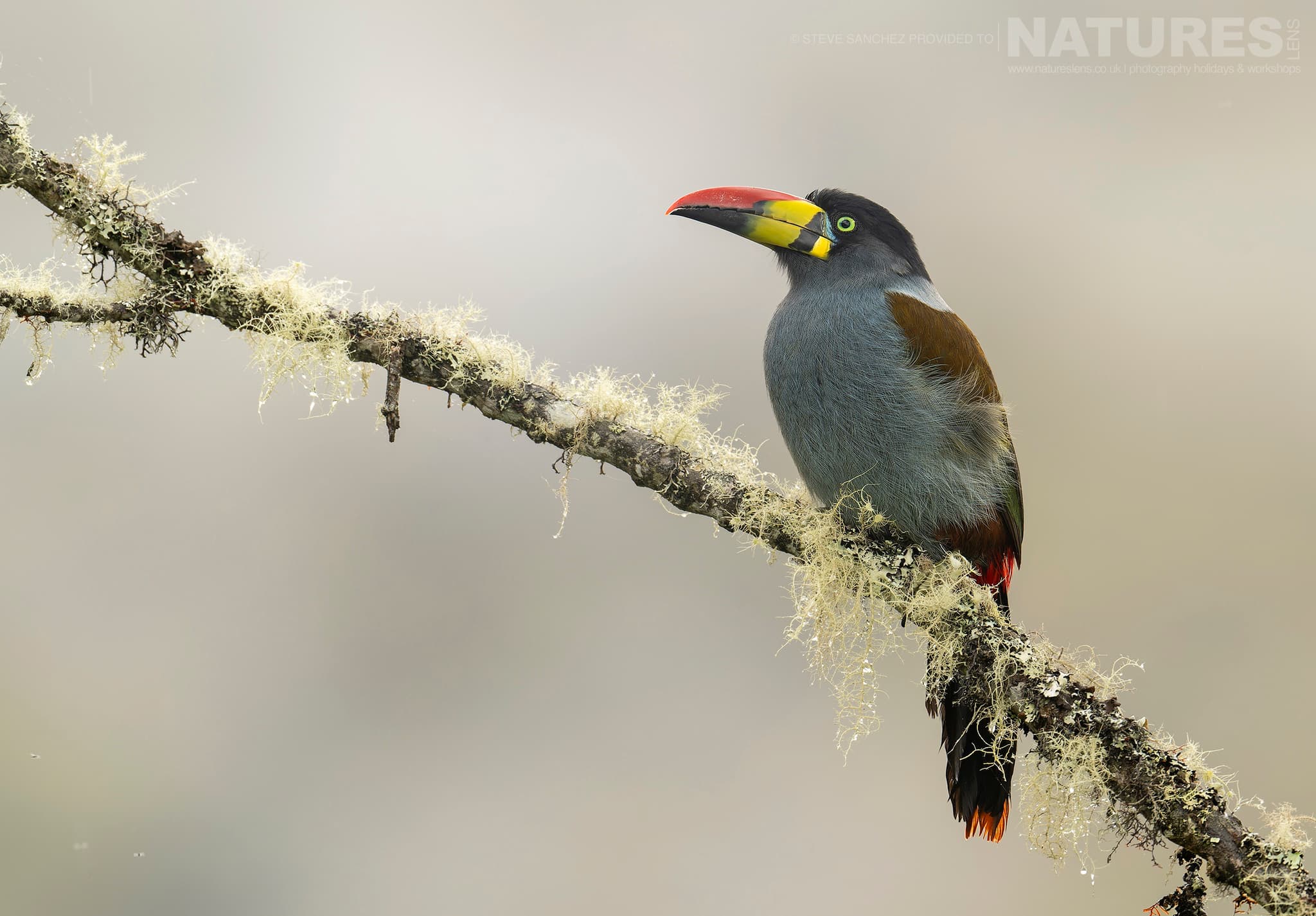
Forest work – whether rainforest in Peru or temperate woodland in Bulgaria – presents a particular challenge. Dense vegetation creates constant visual chaos. A capuchin monkey photographed in canopy creates a complex composition automatically: dappled light, overlapping branches, competing tonal ranges. You’re not choosing to include environment; you’re choosing how much to include & how clearly the animal reads against it. Often the environmental composition is mandatory, not optional. Your job becomes finding angles where the animal still dominates the frame, where focus & exposure can separate it from the foliage. This teaches discipline: every element of the habitat in your frame should either frame the subject, provide compositional structure, or communicate something specific about the habitat itself.
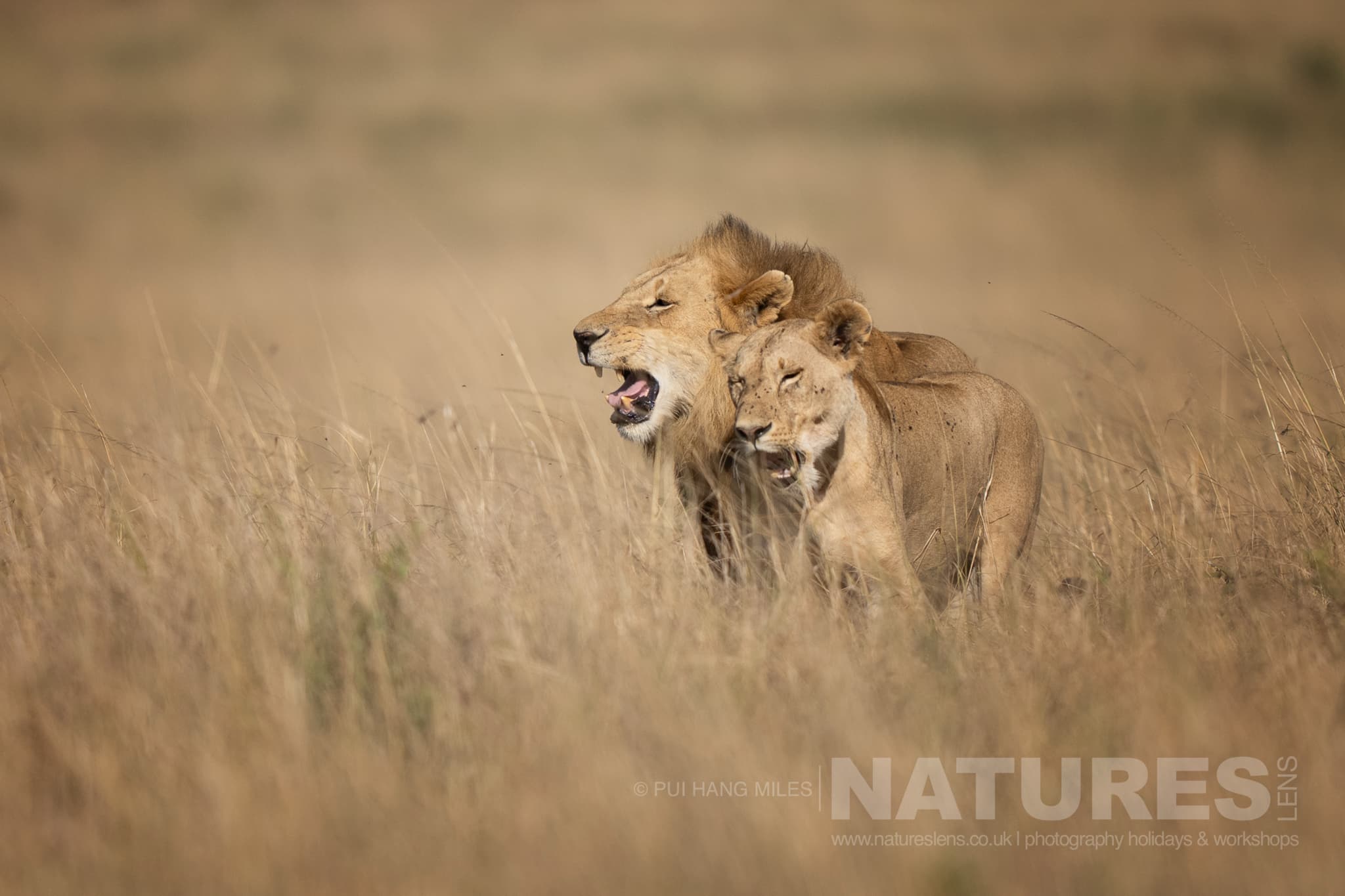
Safari photography – on African plains or open scrub – offers the opposite problem. The environment is so visually simple that environmental composition is easier to control. You can frame a lion against clean sky or grass, or pull back to show the lion on a termite mound with plains rolling away. The habitat is almost blank canvas. The choice is genuinely yours.

Water-based photography sits in the middle. A whale surfacing offers a split decision: capture just the animal breaking the surface & the spray, or include water texture, distant shoreline, the position in the frame that hints at the direction the whale is travelling? The best whale photographs often make this choice deliberately – the animal itself is the obvious focus, but the water & sky create compositional rhythm that transforms a documentary moment into a crafted image.

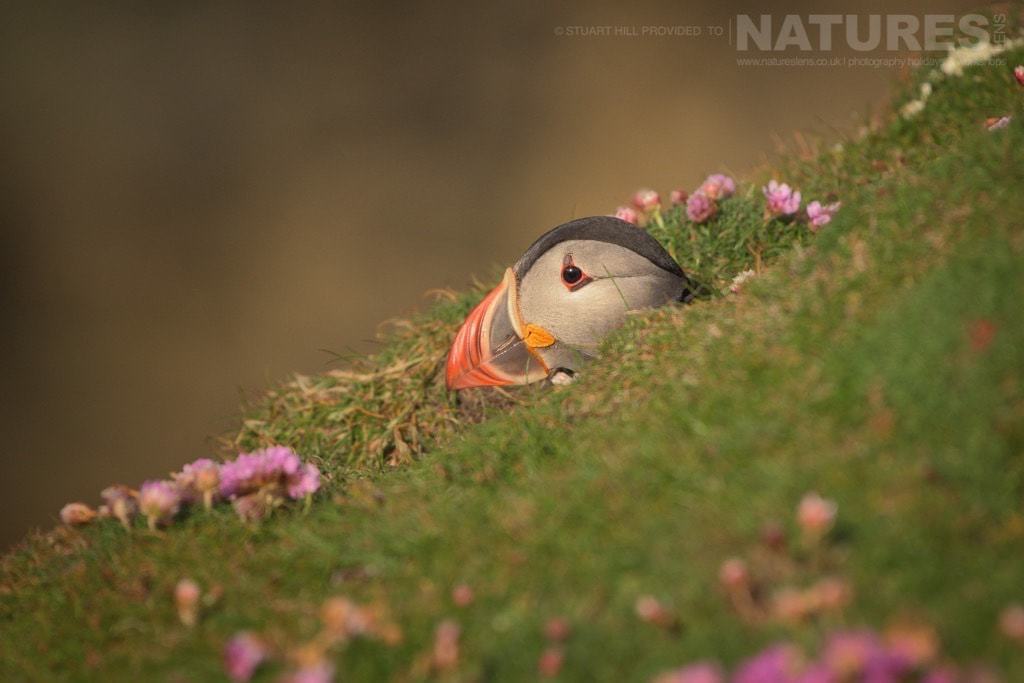
Macro work – insects, small amphibians, reptile detail – has its own rules. An environmental shot of a butterfly might be the butterfly perched on a wildflower, but isolation becomes the norm because you’re working at the scale where background falloff is nearly automatic. A butterfly in tight macro frame is almost by definition isolated, unless you’ve deliberately included a flower or leaf edge. Here, environmental context usually means including the substrate or immediate perch, not landscape.

Technical Choices That Enable Environmental Composition
If you’re deliberate about including environment, technique matters. Each technical decision either opens or closes compositional options.
Aperture becomes a compositional tool. An f/1.4 aperture isolates the subject from environment through extreme focus falloff. An f/8 aperture, especially on a longer focal length, keeps both animal & habitat relatively sharp, creating a more integrated environmental frame. F/5.6 sits in the middle – the animal reads clearly, but habitat detail isn’t distracting background blur.
Focal length shapes what’s possible. A 400mm lens naturally compresses a distant animal against landscape. A 200mm offers a middle ground. A 100mm lens that includes a close subject with distant background creates almost inevitable environmental composition. Long focal lengths tend toward isolation because of their angle of view; wider lenses tend toward context.
Positioning matters enormously. Shooting from ground level of a small cat against a blue sky is instinctively isolating. Shooting from above, or at the cat’s height, with terrain extending behind it, is environmental composition almost by default. Your position relative to the animal & landscape determines the options available.
Exposure interacts with environmental framing too. A wildlife subject underexposed slightly against a bright, evenly-lit habitat becomes more isolated simply because of tonal separation. The same animal exposed to match the environment background sits more integrated into place.
How Do These Choices Shape Your Portfolio Over Time?
Session to session, the choices about environmental context compound into a recognisable approach. Photographers who consistently frame wildlife in landscape tend to develop a portfolio that reads as geographical & ecological. You understand not just the animals, but where they live & how they fit into specific places. This is why the strongest NaturesLens wildlife photography holidays often lead to coherent bodies of work: the environments are specific, the animals are distinctive to those places, & photographers who consistently include context create work that communicates both the species & the place.
The opposite choice – consistently tight, isolated framing – creates work that reads as more universal. A perfectly-composed lion face could be any lion, any savanna. That’s not a weakness; it’s a choice. Some of the most powerful wildlife imagery is precisely this: the individual animal photographed with maximum impact, universal rather than specific.
The most sophisticated approach is conscious choice: knowing when environmental context adds information, & when isolation clarifies meaning. That requires understanding what you’re trying to communicate with each image – not just capturing the animal, but deciding what story that particular animal in that particular moment should tell.
Environmental composition isn’t about following a rule. It’s about understanding that the frame you choose is the story you’re telling, & making that choice deliberately.
Related Reading
Plan Your Next Trip
For wildlife photography holidays where environmental composition is central to the experience, take a look at our Wildlife of the Chobe River, Wildlife of Shompole Wilderness & Ultimate Costa Rican Wildlife photography holidays. Your guides can position you to make these choices deliberately. Ask about angles that show animals in context, & discuss with your photographer-guides where isolation works best & where environment tells the story.
- NaturesLens trips are designed around photographic opportunity – schedules, positions, & access are all structured to give you the best light.
- Small groups ensure unhurried access & individual guidance, with the maximum group size shown on each trip page.
- Single occupancy is included on the majority of our trips.