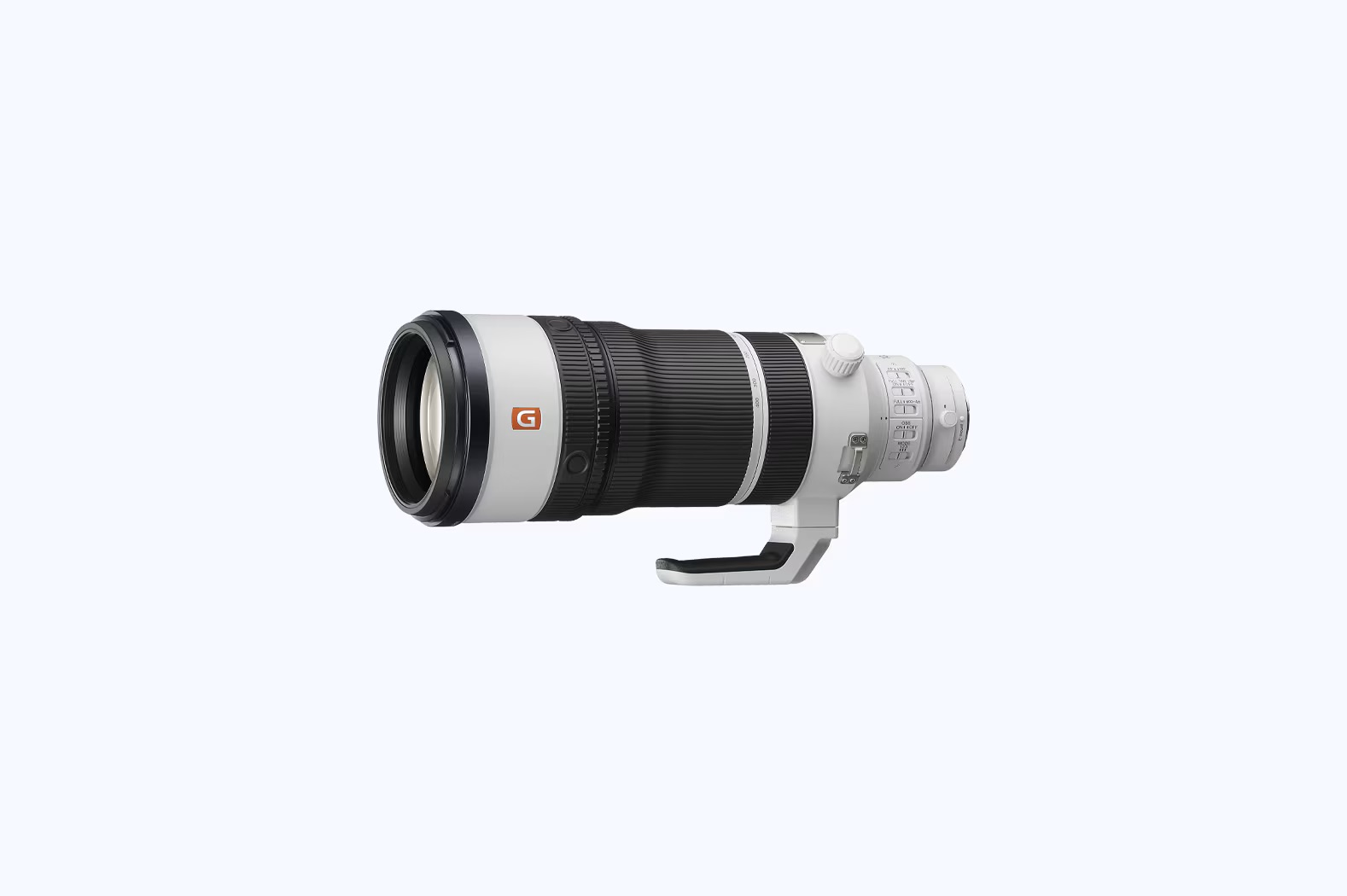
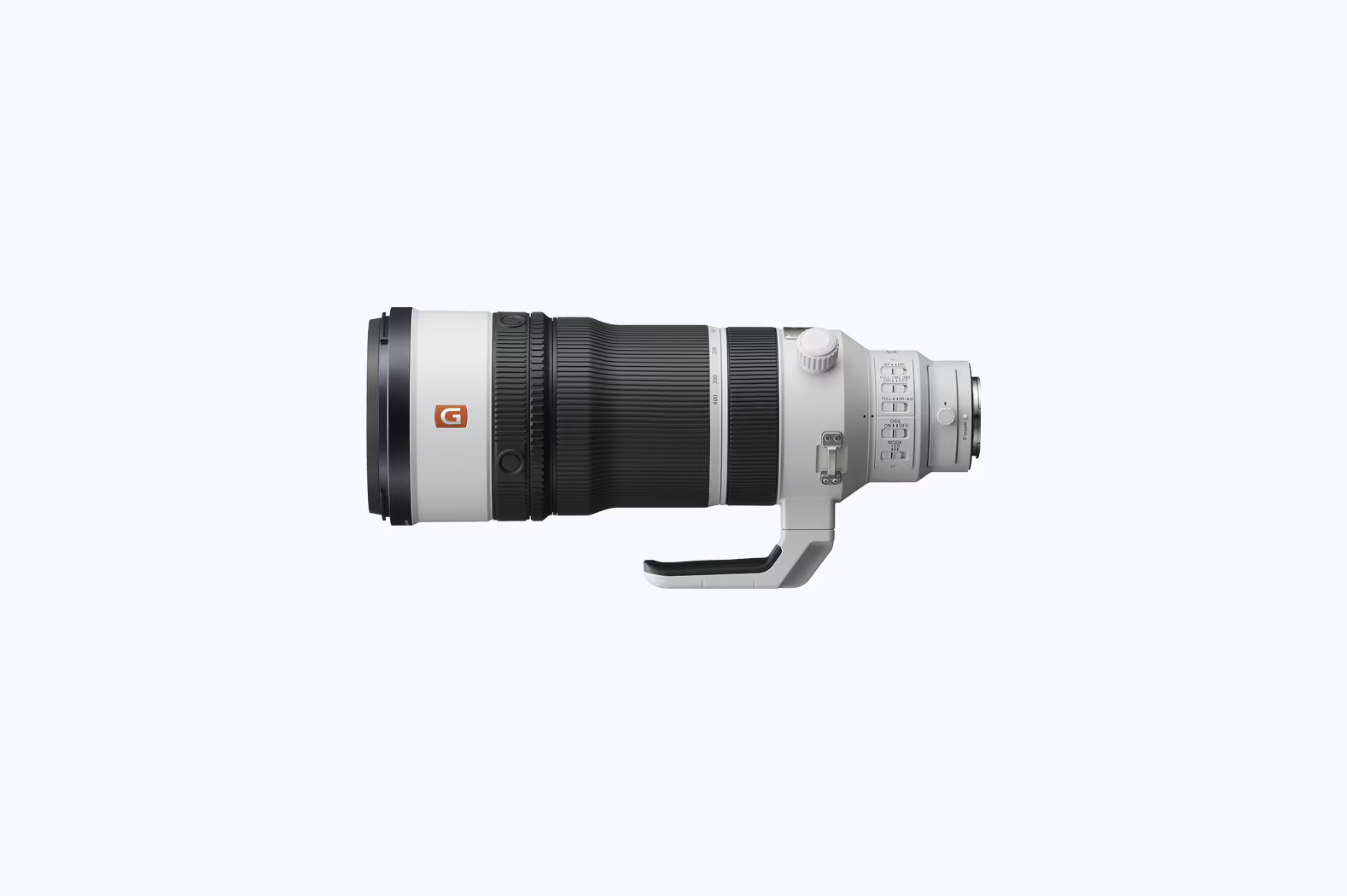
There are lenses which impress because of one extraordinary specification, & there are lenses which become genuinely useful because they solve several everyday photographic problems at once. The new Sony FE 100-400mm F4.5 GM OSS belongs in the second category. For wildlife photographers, the attraction is not simply that it reaches 400mm, nor even that Sony has made the maximum aperture a constant F4.5. It is the combination of focal-length flexibility, faster autofocus, internal zooming, comparatively manageable weight & compatibility with Sony’s teleconverters that makes it particularly interesting.
I use Sony equipment throughout our NaturesLens photography holidays, often working with subjects ranging from hummingbirds only a few metres away to bears, big cats, seabirds & birds in flight. Those situations rarely favour one focal length all day. Wildlife moves, distances change, backgrounds alter & photographic opportunities can appear very quickly. A lens covering 100 – 400mm while remaining fast enough for serious wildlife photography therefore deserves rather more attention than its specification sheet alone might suggest.
Why is the 100 – 400mm range so useful for wildlife photography?
The real strength of a 100 – 400mm wildlife lens is not that 400mm is especially long by modern standards; it is that the range between 100mm & 400mm covers an enormous variety of pictures without forcing the photographer to change lenses just as something interesting begins to happen.
That distinction becomes very obvious on the sort of trips we operate. Photograph a bear from a vehicle or boat, for example, & the first image might be made at 400mm as the animal emerges in the distance. If it continues towards you, the more interesting photograph can suddenly become the wider one, with the animal placed within its habitat, reflected in water or framed against mountains, forest or shoreline. A fixed 400mm or 600mm lens can produce a wonderful portrait, but it cannot give you that change of composition without changing bodies.
The same applies particularly strongly to birds in flight. I have always liked having a zoom available when a bird’s flightpath is unpredictable because finding a subject at 100 – 200mm, following it as it approaches & then tightening the framing can be far easier than attempting to acquire it immediately through a narrow 400mm or 600mm field of view.
That does not make a 100 – 400mm a replacement for every longer lens. On our Japan winter wildlife photography tour, for example, there are situations involving distant Steller’s sea eagles or red-crowned cranes where additional reach remains extremely valuable. Equally, on smaller birds, 500mm or 600mm can be preferable when the working distance cannot be reduced.
What matters is that wildlife photography is rarely about maximum focal length alone. It is about having the focal length which produces the strongest image from the opportunity in front of you. A 100 – 400mm gives you far more freedom to make that decision while the opportunity is still happening.
Why does a constant F4.5 aperture matter in the field?
The change which immediately separates this Sony FE 100-400mm F4.5 GM OSS from the previous 100 – 400mm GM is the constant F4.5 maximum aperture. The earlier lens changed from F4.5 at 100mm to F5.6 at 400mm, while the new version retains F4.5 throughout the zoom range.
One stop or a fraction of a stop can sound rather academic until you are photographing wildlife in marginal light. Then shutter speed becomes one of the most valuable currencies you have.
Much of the wildlife photography we undertake with NaturesLens happens around the edges of the day, because that is frequently when the combination of animal activity & attractive light is at its best. A subject may emerge before sunrise, remain active as the first light reaches it & disappear again once the day properly begins. Similarly, woodland photography, tropical forest, overcast northern winters & animals moving through shade all create situations where retaining shutter speed matters.
At 400mm, moving from F5.6 to F4.5 lets more light reach the sensor without requiring either a slower shutter speed or higher ISO. For a stationary animal that may simply improve image quality. For a bird taking off, a hummingbird changing position or a mammal running across the frame, it may make the difference between enough shutter speed to retain feather or fur detail & an image which is just slightly softer than you wanted.
There is another advantage which I think is easily underestimated: consistency. If I have established my exposure while following a subject at 150mm, zooming to 400mm does not suddenly cost me aperture. When something is moving quickly, removing one more variable from the process is useful.
The background benefits as well. F4.5 at 400mm gives greater separation than F5.6 where subject distance & background distance allow it, which is particularly valuable when the habitat itself is untidy. We cannot always move the animal, the perch or the vegetation, so being able to soften distractions optically becomes part of making the photograph work.
Does faster autofocus genuinely matter with modern Sony cameras?
Modern wildlife photography has changed enormously because autofocus has changed. Cameras such as the Sony Alpha 1 II can recognise & track subjects with a reliability that would have seemed extraordinary not very long ago, but the camera body can only achieve so much if the lens cannot move its focusing elements quickly enough to respond.
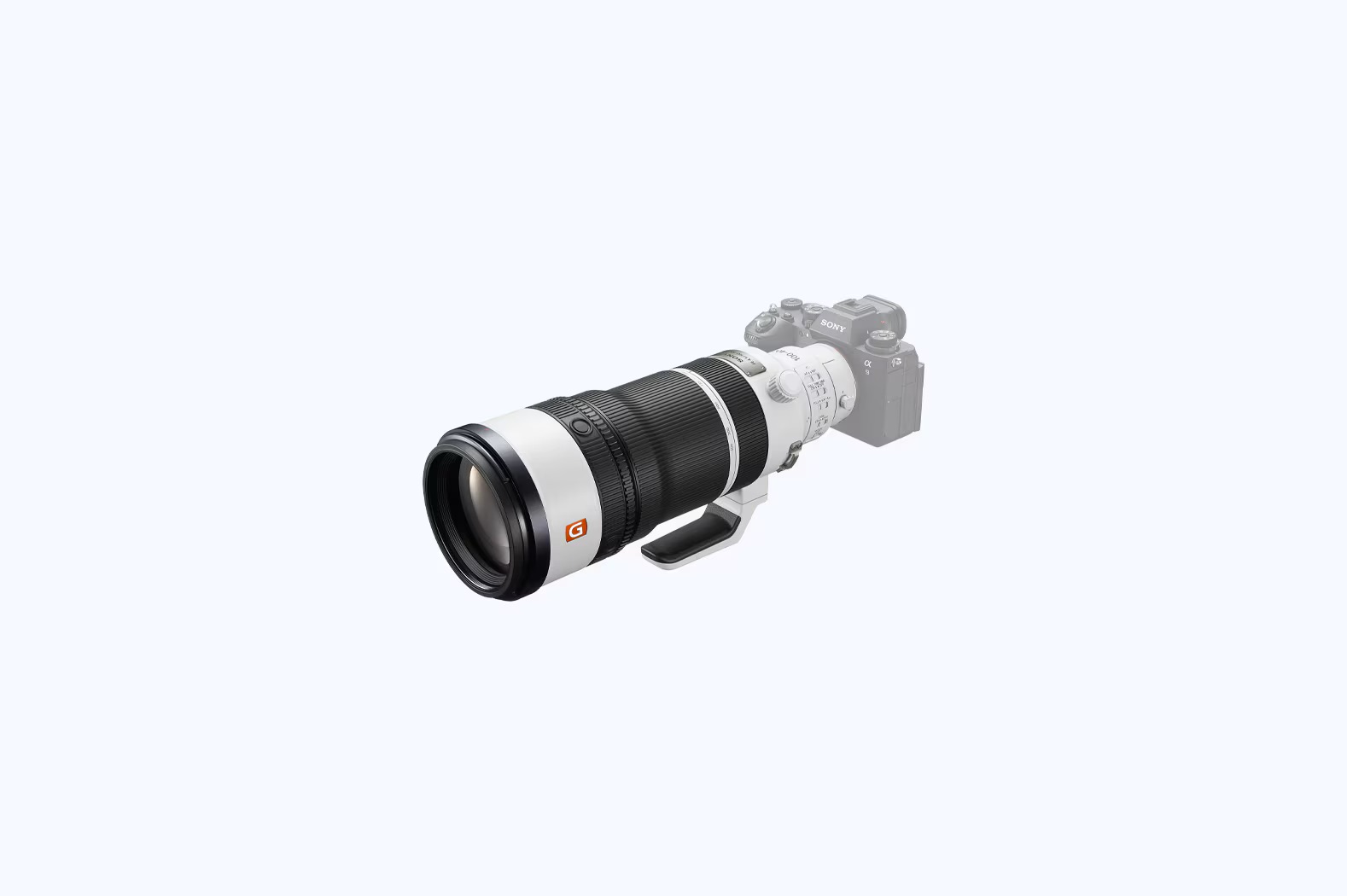
Sony has equipped the new 100 – 400mm F4.5 GM with four XD Linear Motors & says autofocus performance is up to three times faster than the previous model, with tracking improved by approximately 50%. Laboratory numbers are one thing, but the reason that matters to me is what happens when wildlife is moving unpredictably rather than obligingly crossing an uncluttered background.
Bird photography provides the obvious example. A bird flying against blue sky is relatively straightforward for a current professional camera. The difficult situations are when it drops towards water, crosses vegetation, turns suddenly, approaches the photographer or disappears momentarily behind another bird. Those are exactly the moments when rapid reacquisition becomes important.
We see similar challenges with mammals. Photographing a big cat walking steadily across open ground is one thing; following one as it accelerates, changes direction or moves between vegetation is another. The photographer still needs to position the autofocus point intelligently, maintain the subject in the frame & understand the behaviour, but better communication between camera & lens increases the percentage of technically successful frames.
That percentage matters enormously on a photography-led trip. We are not simply trying to obtain a record that a species was present. If we spend several hours waiting for a particular piece of behaviour, I want the equipment to give me the highest possible chance of retaining the crucial sequence once it happens.
That is also why pairing this lens with bodies such as the A1 II is so compelling. Subject recognition helps identify what we want sharp; rapid lens motors determine whether the optics can keep pace with what the camera is asking them to do.
How important are internal zooming, weight & handling for travelling photographers?
Specifications relating to handling rarely generate the excitement of aperture or autofocus, but after carrying equipment through airports, vehicles, boats, forests & hides around the world, they become considerably more important.
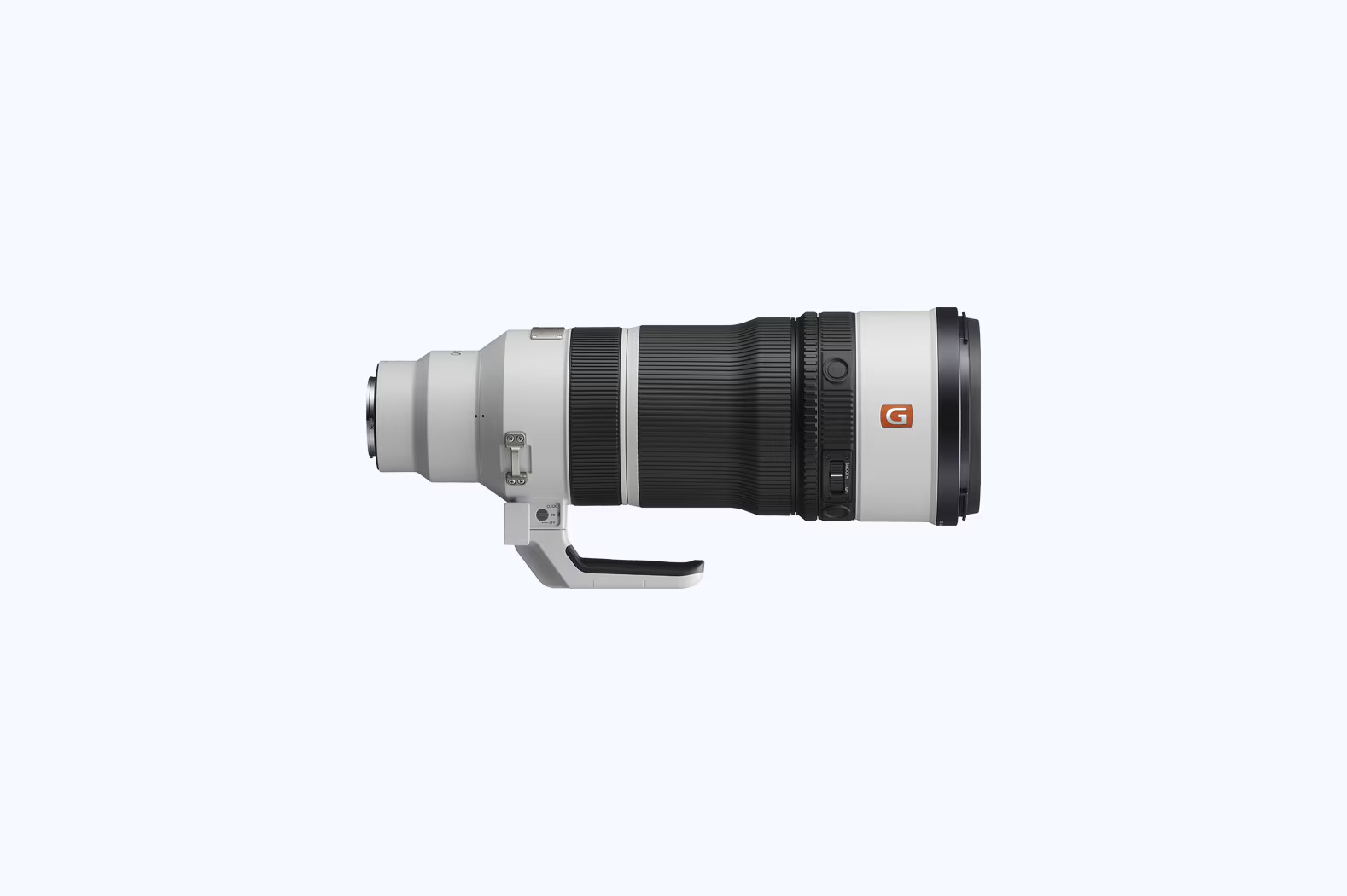
At approximately 1,840g, the new Sony 100 – 400mm F4.5 GM is not a lightweight lens in the everyday sense, but neither is it excessively heavy for a professional constant-aperture telephoto zoom. More importantly, Sony has used an internal zoom mechanism. Moving from 100mm to 400mm does not extend the lens barrel.
I particularly like that approach for wildlife photography because the balance of the lens remains predictable. When handholding for an extended session, especially with flying birds, a lens which changes its centre of gravity as it zooms can become tiring. Internal zooming also means there is no expanding barrel repeatedly moving in & out when working in dust, sand or damp conditions.
Those environments are not unusual for us. Africa can mean fine dust around vehicles. Coastal locations involve spray & sand. Tropical destinations combine heat, humidity & sudden rain. In northern winter environments we can move repeatedly between intense cold outside & warmer vehicles or buildings. Equipment designed around professional field use needs to tolerate rather more than an afternoon walking around a park.
The three Optical SteadyShot modes are useful for similar reasons. Conventional stabilisation suits general handheld photography, while dedicated panning & erratic-motion modes allow the stabilisation system to respond differently according to the subject.
There is also a wider point here about travelling with photographic equipment. I own & use specialist primes because sometimes nothing replaces the speed, reach or rendering they provide, but every additional lens affects the weight of the case, cabin baggage limits & what I am willing to carry for an entire day’s photography. A versatile lens which can genuinely cover several roles therefore has value beyond the photographs it produces.
Could a 100 – 400mm F4.5 replace a 300mm, 400mm or 600mm prime?
I would not regard the Sony 100 – 400mm F4.5 GM as a universal replacement for a specialist telephoto prime, because those lenses solve different photographic problems.
A fast 300mm F2.8 remains extraordinary when light levels are poor or when I want very shallow depth of field. A 400mm F2.8 gives two things this zoom cannot replicate: considerably more light & the distinctive separation produced by F2.8 at 400mm. Longer lenses remain preferable when the subject simply cannot be approached closely enough.
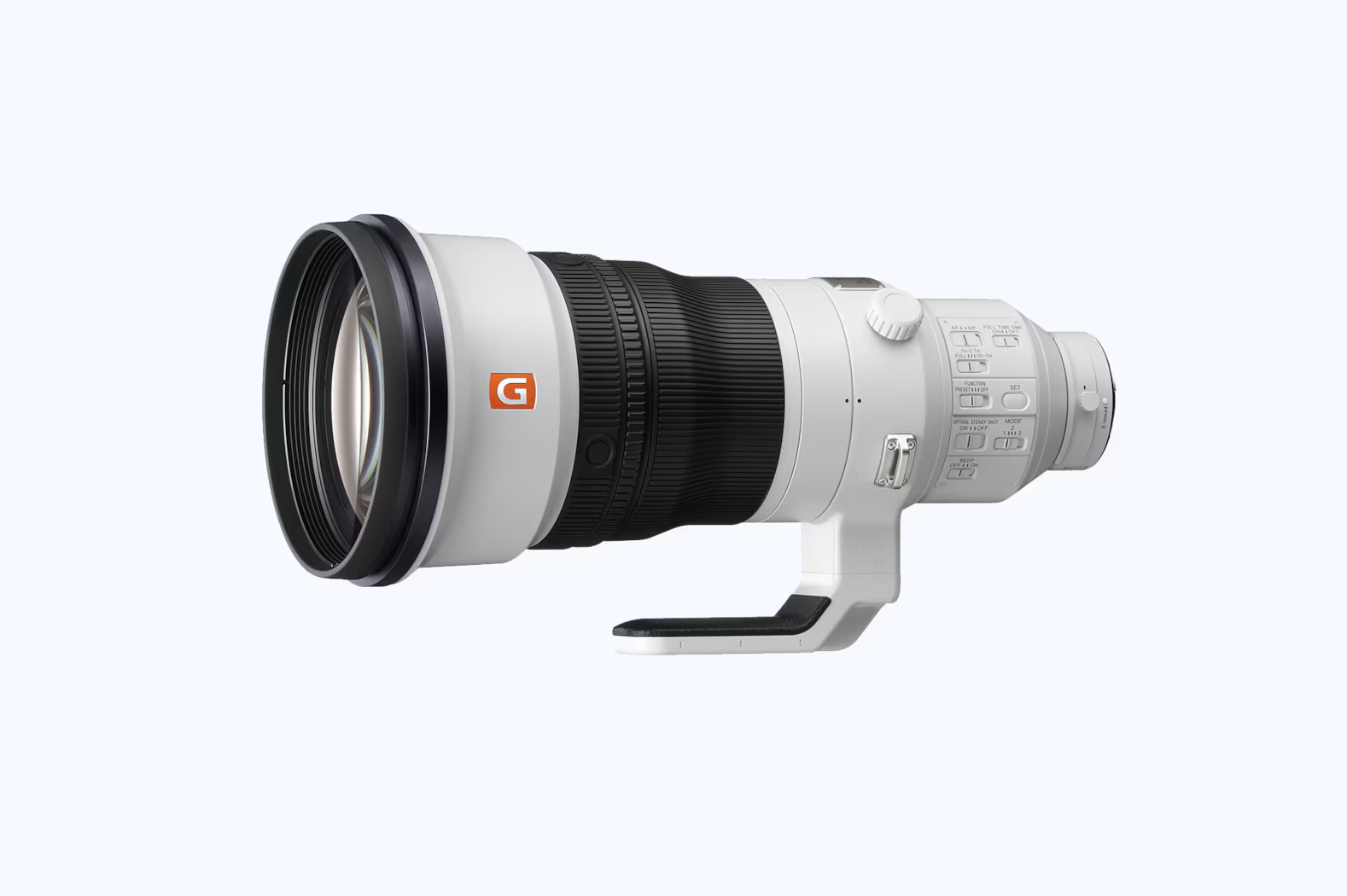
What the 100 – 400mm changes is how often those specialist lenses need to be the automatic choice.
That matters particularly when the likely subject distance is variable. If I know I will spend several hours photographing relatively distant wildlife from a fixed position, choosing a 400mm or 600mm prime can be straightforward. If I am working from a safari vehicle, boat or shoreline where subjects may appear anywhere from extremely close to several hundred metres away, flexibility becomes far more important.
The 100 – 400mm also accepts Sony’s 1.4× & 2× teleconverters, producing maximum focal lengths of 560mm & 800mm respectively. I would still view teleconverters as tools rather than something to attach automatically, because you trade aperture & potentially some autofocus performance for that additional reach. Nevertheless, being able to turn one lens into a 560mm option without carrying another large telephoto has obvious attractions.
There is also increasingly less reason to assume every image must be filled edge-to-edge in camera. Current high-resolution Sony bodies offer considerable cropping potential, which means a sharp 400mm image with slightly more space around the subject can sometimes be preferable to fighting a 600mm field of view which is simply too tight when the action develops.
The best lens therefore depends upon the photography rather than a hierarchy in which the longest or most expensive optic automatically wins.
Who is the Sony FE 100-400mm F4.5 GM OSS likely to suit best?
I think this lens makes the most sense for wildlife photographers who want one serious telephoto zoom capable of handling a very broad range of subjects, particularly photographers who travel.
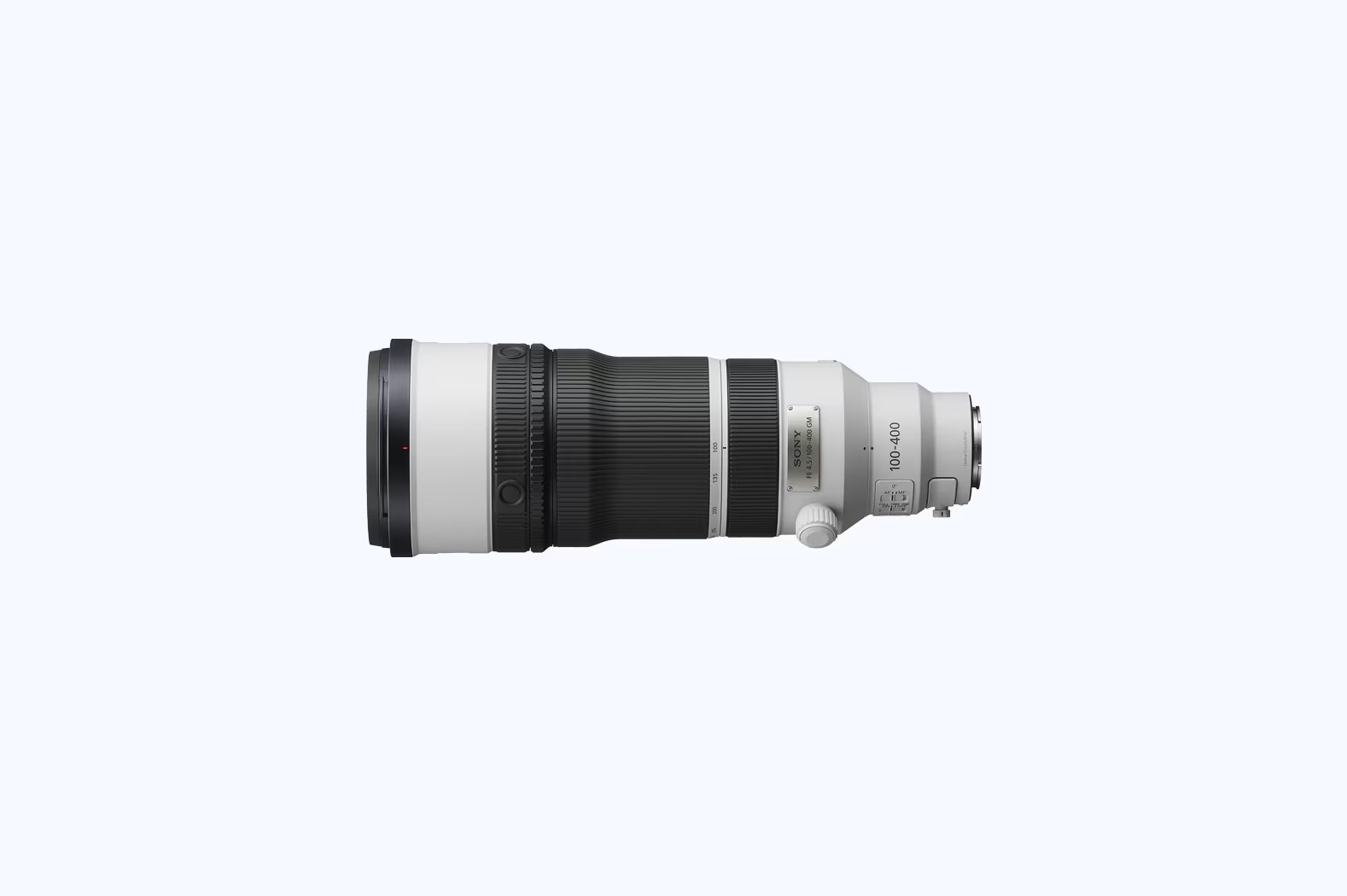
It feels especially relevant to photographers working from safari vehicles, boats or hides where subject distances can change rapidly. It also makes a great deal of sense for bird photographers who need enough reach for perched subjects but want a wider starting point for birds in flight. The 0.64m minimum focusing distance at 100mm creates another interesting possibility for relatively close subjects where a conventional long prime may simply be unable to focus.
For the NaturesLens style of photography, the appeal lies in exactly that adaptability. Our itineraries are deliberately photography-led rather than built around accumulating the greatest possible number of species. If we find an exceptional subject in good light, with a good background & useful behaviour, I would rather spend time working that opportunity properly than rush away because another species can be added to a list.
That often means the photographic situation evolves while we remain with the same animal. It may move closer. Light may change. Behaviour may develop. Other individuals may join it. A tight portrait might become a behavioural photograph, then an environmental image, then suddenly a flight or action sequence.
A zoom which allows the photographer to respond to those changes without abandoning the subject or changing equipment fits naturally with that philosophy.
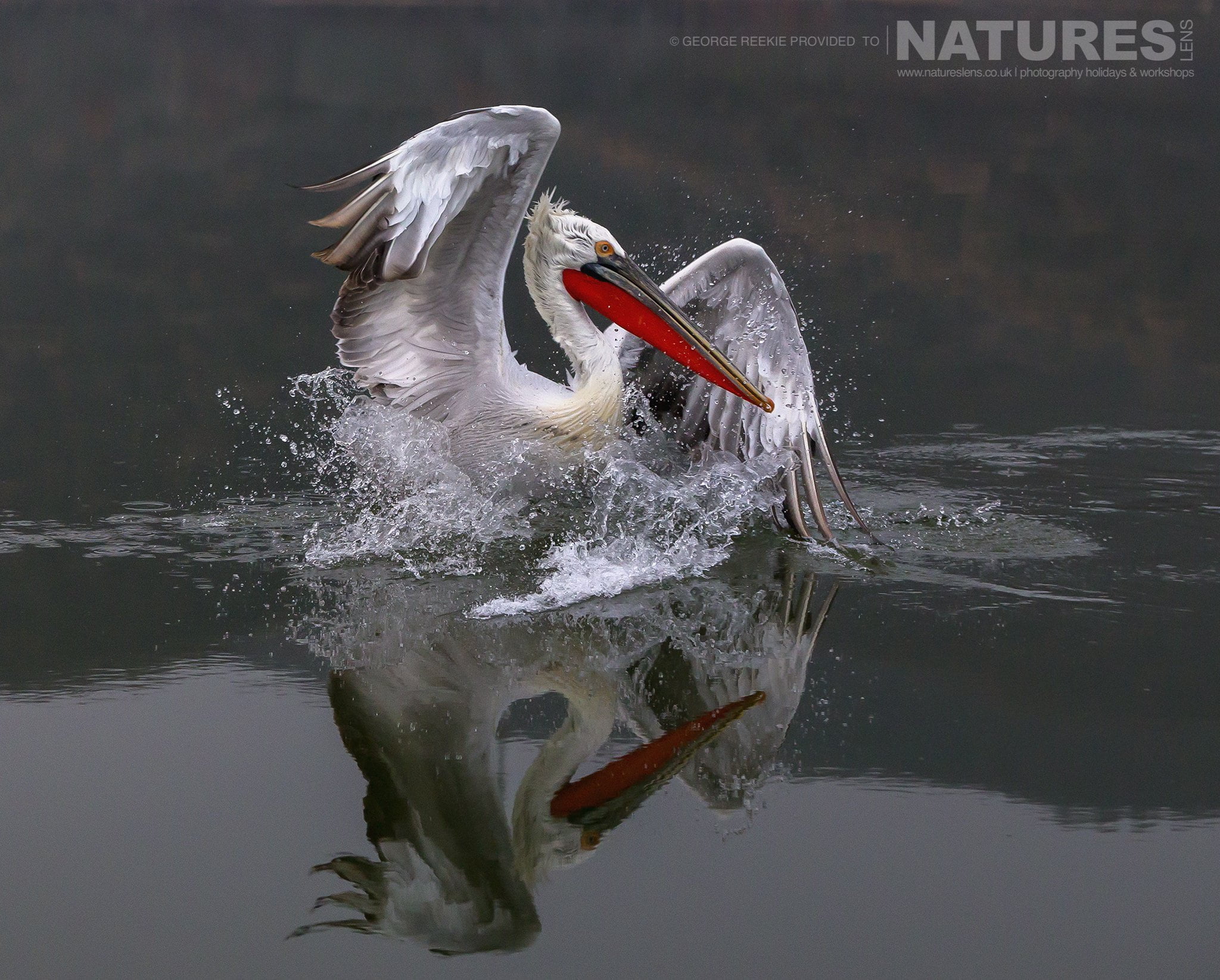
It is probably less compelling for somebody whose photography almost always involves small, distant birds where 500 – 600mm is the normal starting point. Equally, photographers working almost exclusively in very low light may still prefer an F2.8 prime. But for somebody wanting one lens capable of travelling from puffins & pelicans to bears, monkeys, big cats & larger tropical birds, the focal range is extremely persuasive.
Is the Sony 100-400mm F4.5 GM one of the most interesting new wildlife lenses?
For me, the significance of the Sony FE 100-400mm F4.5 GM OSS is not any single headline specification. It is that Sony has taken a focal range which was already extremely useful & removed several of the compromises traditionally associated with it.
A constant F4.5 aperture makes the long end substantially more attractive. Faster autofocus allows modern Sony bodies to exploit their subject-recognition systems more effectively. Internal zooming improves handling in exactly the sort of environments wildlife photographers routinely encounter, while teleconverter compatibility provides an escape route when 400mm is not enough.
There will still be days when I want a 300mm F2.8, a fast 400mm or a longer prime. Photography becomes less interesting, not more, when we pretend one piece of equipment is always the answer. What I value about this lens is that there are a great many days when 100 – 400mm is the more useful choice.
Wildlife photography depends upon reacting to what the subject gives you. We can plan where to position ourselves, study behaviour, anticipate light & choose promising backgrounds, but we cannot instruct a wild animal where to stand or how far away to remain. Equipment which gives us more freedom when those circumstances change has genuine practical value.
That is why I regard the Sony FE 100-400mm F4.5 GM OSS as far more than simply another telephoto zoom in Sony’s range. For travelling wildlife photographers in particular, it is one of those lenses that earns its place in the camera bag because, when you do not quite know what the next photographic opportunity will look like, it gives you an unusually good chance of being ready for it.