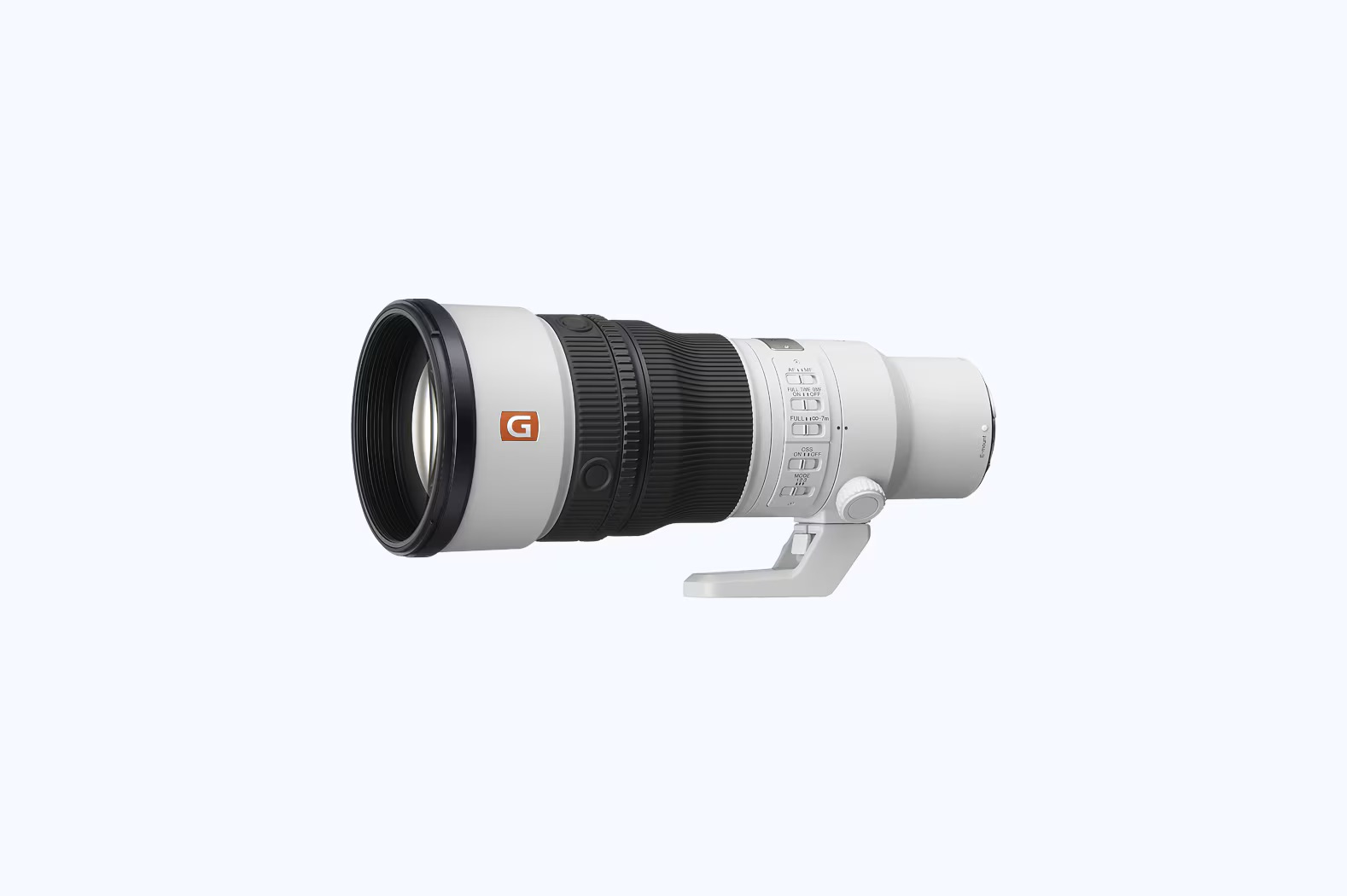
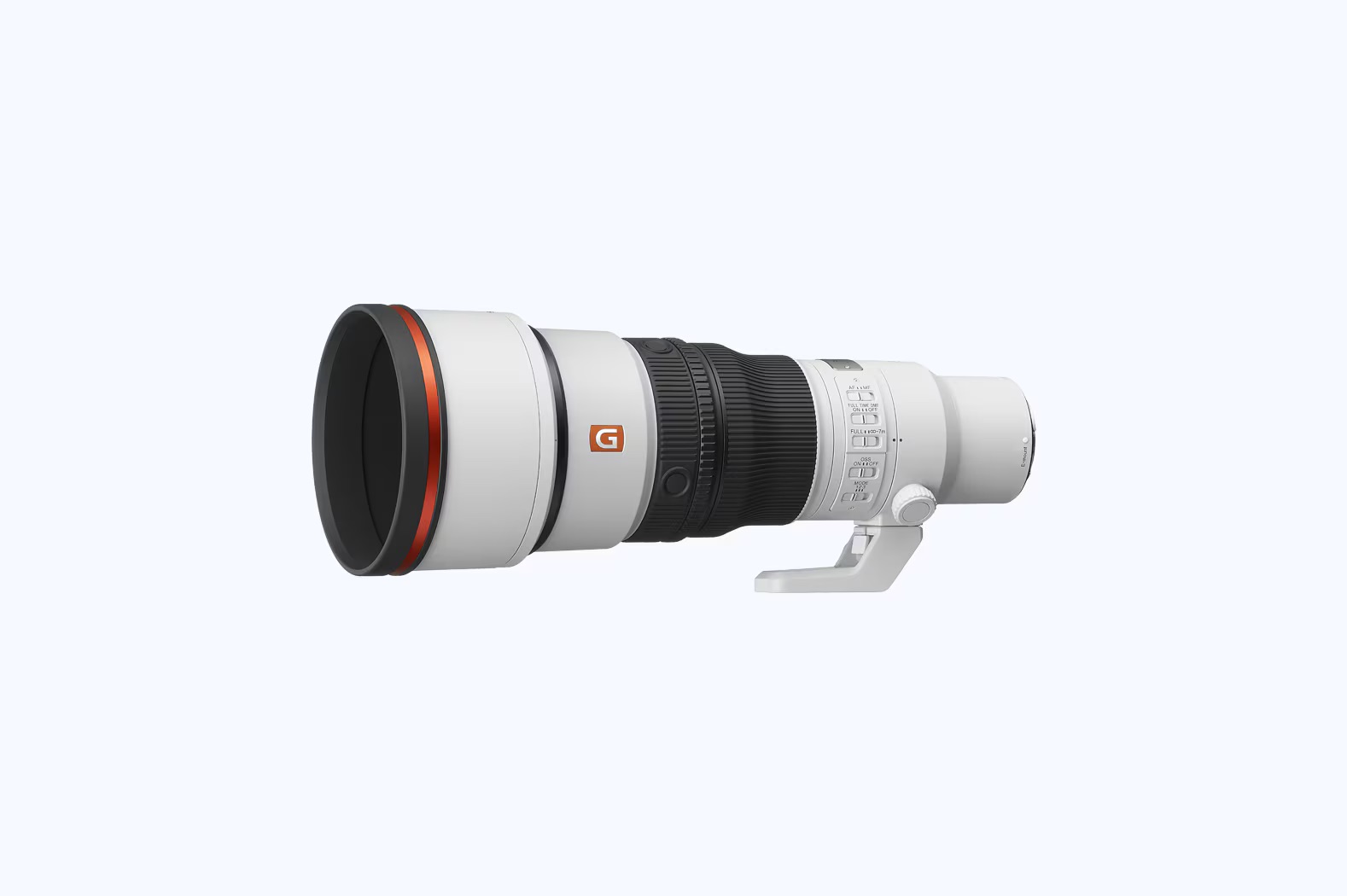
Sony’s new FE 600mm F6.3 GM OSS is interesting because it approaches the traditional wildlife super-telephoto problem from almost the opposite direction to the FE 300mm F2.8 GM OSS. The 300mm gives me speed, subject separation & enormous flexibility with teleconverters; the new 600mm gives me twice the native focal length in a lens weighing less than a kilogram.
That is a far more interesting comparison than simply asking whether 300mm or 600mm is the better focal length. Wildlife photography constantly involves compromises between reach, shutter speed, background, mobility & the likelihood that I will actually have the lens with me when something happens. Sony’s 300mm F2.8 remains an exceptionally versatile photographic tool, but a 995g native 600mm changes the practical equation completely.
I have spent enough years carrying long lenses around the world to know that the technically superior option is not always the lens that ultimately produces the most photographs.
How different are the Sony 300mm F2.8 GM & 600mm F6.3 GM?
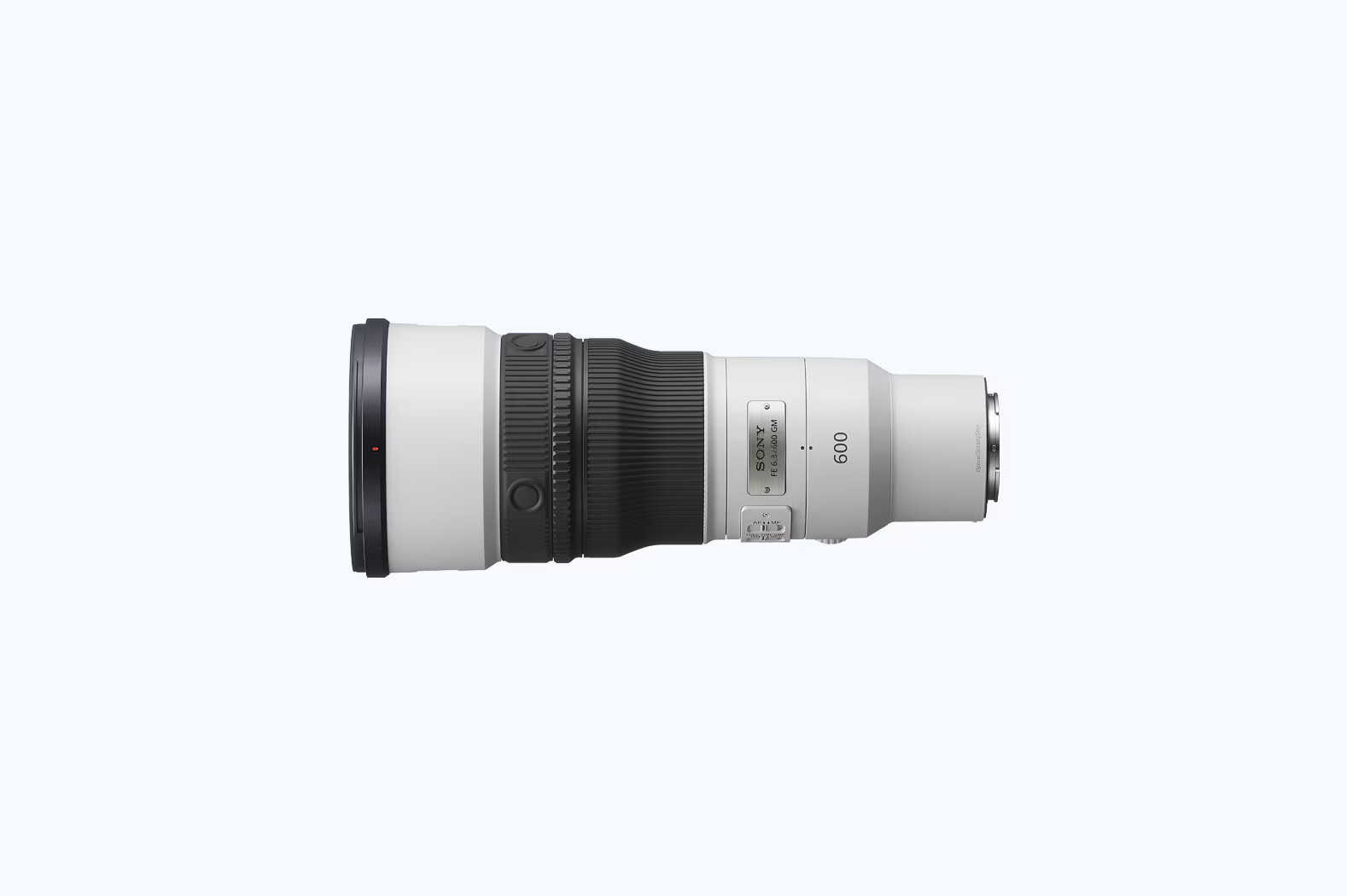
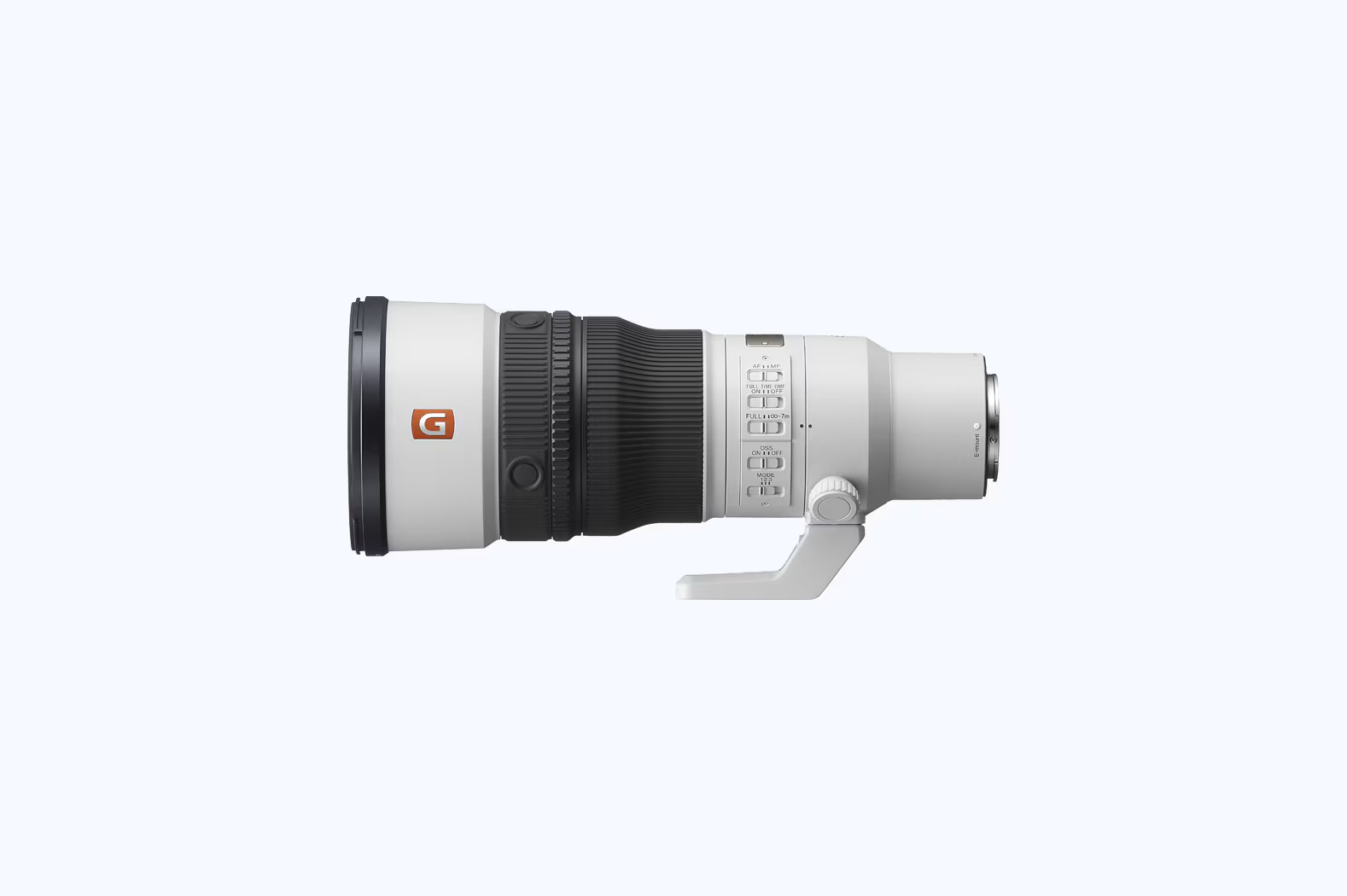
Physically, the most remarkable thing is how similar these two lenses are in length despite being built around such different ideas. Sony lists the FE 300mm F2.8 GM OSS at 265mm long & 1,470g without its tripod mount, while the new FE 600mm F6.3 GM OSS is 263mm long & only 995g without its tripod foot. The 600mm is therefore effectively the same length as the 300mm, yet it is 475g lighter, a reduction of just over 32%.
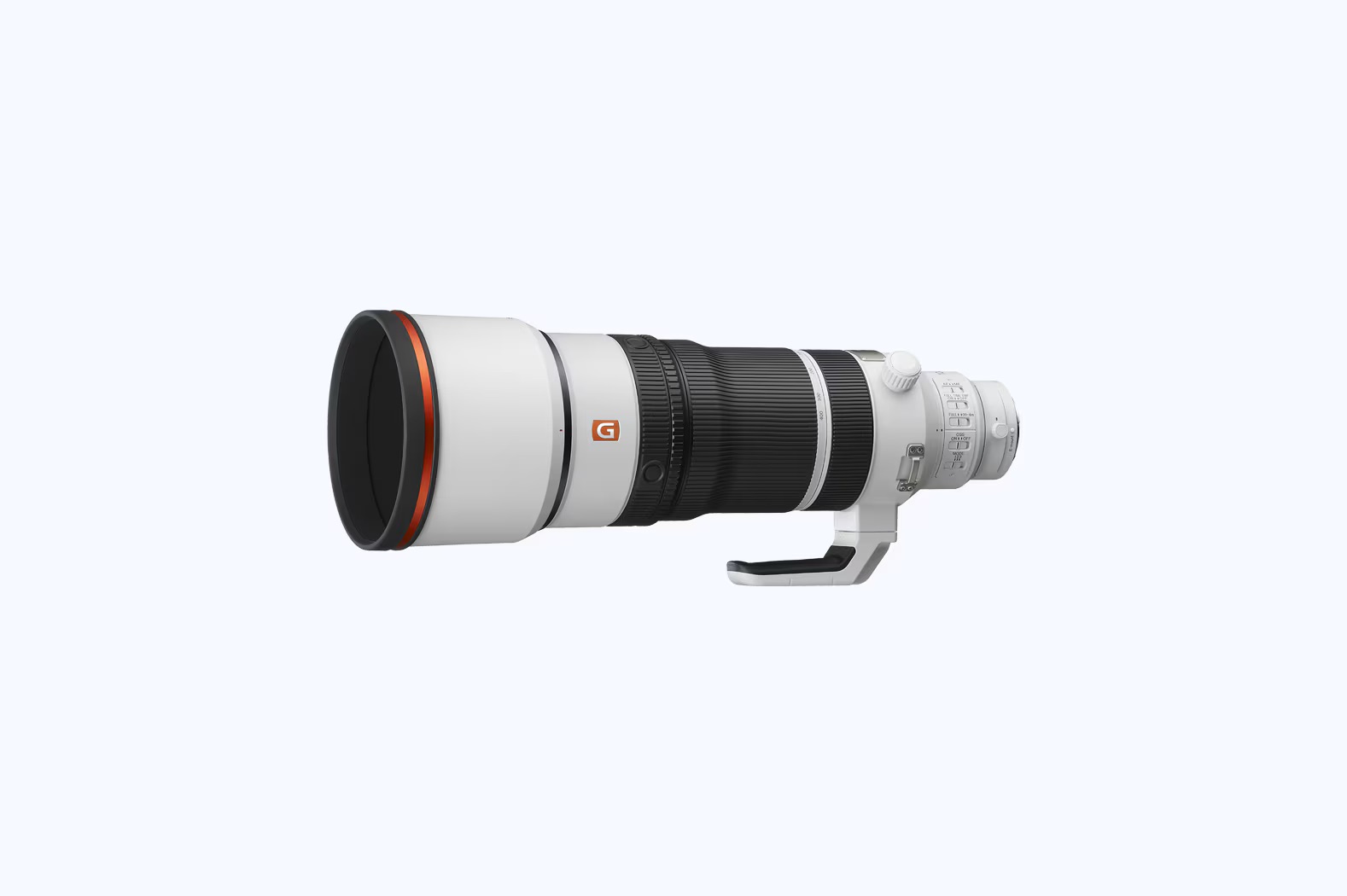
That is an extraordinary specification for a 600mm prime.
Sony has deliberately designed the 600mm around handheld mobility, describing it as a compact, lightweight super-telephoto with its balance suited to use with an E-mount body. The lens incorporates optical stabilisation, two XD Linear Motors for autofocus & an overall length of only 263mm, so this is clearly not intended to behave like the traditional 600mm lens that comes out of its case, goes onto a substantial support & largely stays there.
The 300mm starts from a different premise. Its advantage is the f/2.8 aperture, which is a little over two & a third stops faster than f/6.3. In poor light that difference is enormous. It can mean maintaining the shutter speed required for a moving animal without pushing ISO several stops higher, or simply being able to continue photographing as useful light disappears.
So even before considering focal length, the personalities of the two lenses are clear. The 600mm is about extraordinary reach for remarkably little physical burden. The 300mm is about speed & adaptability.
That distinction becomes even more interesting once teleconverters enter the equation.
Does the Sony 300mm F2.8 become a better 600mm lens with a teleconverter?
The strongest argument for the 300mm F2.8 is that you are not really getting a 300mm lens alone. With Sony’s teleconverters it effectively becomes a 300mm f/2.8, a 420mm f/4 or a 600mm f/5.6, three extremely useful combinations for wildlife photography. Sony confirms compatibility with both its 1.4x & 2x converters, & even demonstrates the 300mm being used at 600mm f/5.6 with the 2x attached.
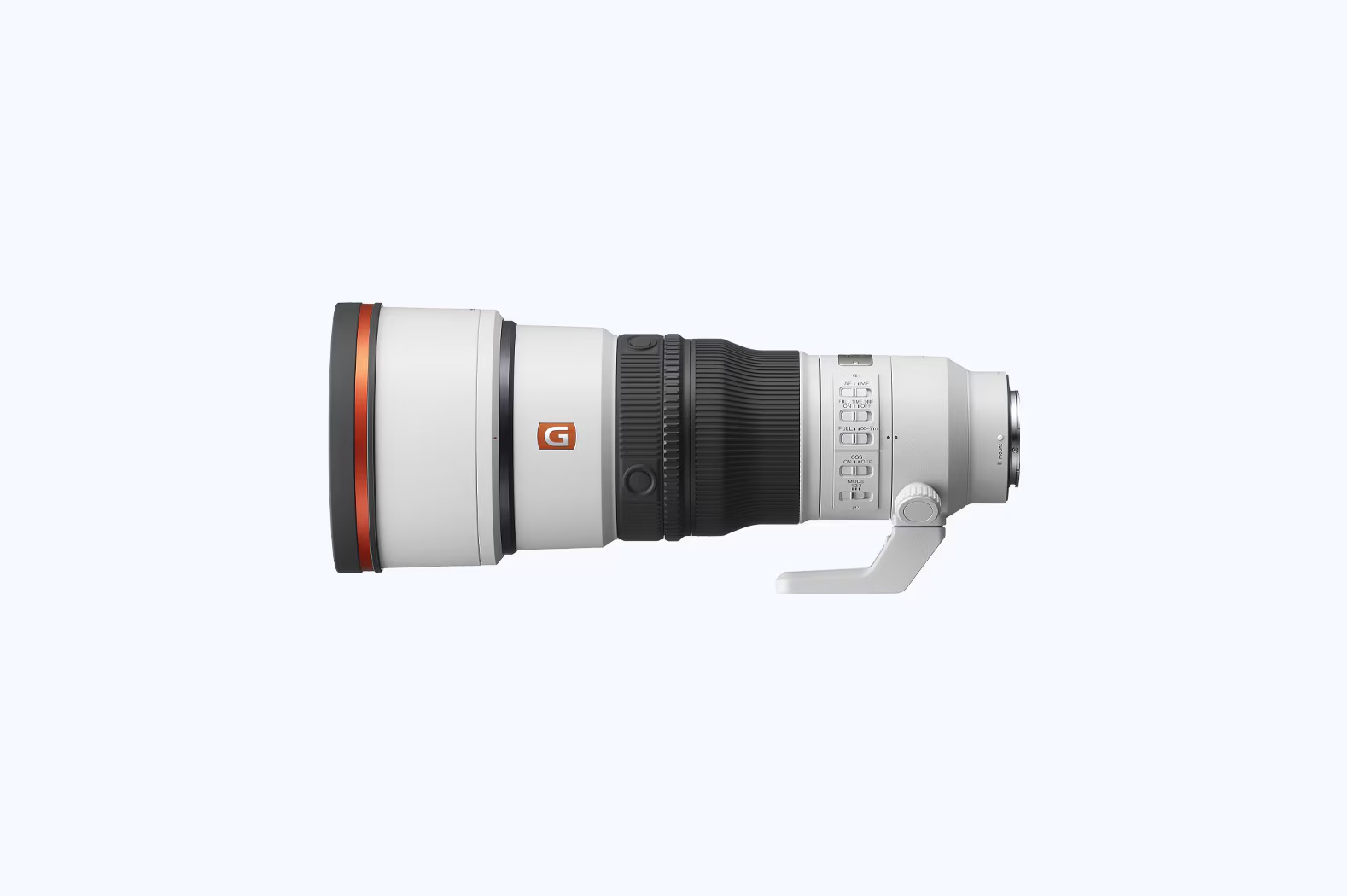
That creates a fascinating direct comparison. Put the 2x converter onto the 300mm & I reach exactly the same 600mm focal length as the new lens, but at f/5.6 rather than f/6.3. The converted 300mm is therefore actually a third of a stop faster.
There is obviously more to the comparison than aperture. A teleconverter introduces additional optical elements into the system, while the new lens has been designed from the outset as a native 600mm. Which arrangement is better ultimately depends on the subject, the light & how far you are prepared to carry it.
Photographically, though, the 300mm system has enormous appeal because I can adapt it to the subject.
On our Amazing Japanese Wildlife in Winter photography holiday, for example, there are situations where 300mm is plenty. Red-crowned Cranes can approach relatively closely, particularly when several birds are displaying, interacting or flying through the same part of the landscape. A slightly wider field of view allows me to work with pairs of birds, falling snow & the winter environment rather than automatically reducing everything to a tight portrait.
Later, when Steller’s Sea Eagles or White-tailed Eagles are farther away, 420mm or 600mm can make considerably more sense.
That ability to adapt focal length while retaining relatively fast apertures is why the 300mm remains such a compelling wildlife lens.
When does f/2.8 matter more than having native 600mm reach?
A fast aperture matters most when light, movement & background all begin working against me, which happens surprisingly often during the photographic sessions I value most.
The wildlife may be active before the sun reaches the landscape properly. A bird may be beneath a rainforest canopy. An animal may emerge as evening light is disappearing, or conditions may simply be heavily overcast. Those are exactly the situations where the difference between f/2.8 & f/6.3 stops being an abstract specification.
On our Ultimate Costa Rican Wildlife photography holiday, for example, we can be photographing in very different light conditions over the course of the itinerary. A hummingbird in relatively open light presents one problem, while a bird sitting beneath forest canopy presents another entirely. Even if the subject itself is stationary, a bird rarely keeps its head completely still, so I still want enough shutter speed to preserve fine feather detail & catch precisely the head angle I am waiting for.
F/2.8 also gives me more control over the background. Wildlife photography is not simply about filling the frame with an animal. I am constantly looking at what lies behind it, where the light is falling, how vegetation interacts with the subject & whether changing my position by a small amount improves the photograph.
A fast 300mm can dissolve a distracting background beautifully when subject-to-background distance is favourable, while still allowing me to include more habitat when that strengthens the picture.
None of that makes f/6.3 inadequate. Modern Sony bodies allow me to work at ISO levels that would once have been uncomfortable, & 600mm itself creates substantial subject separation because of its narrow angle of view.
But there is no escaping physics. If I know I am going to spend substantial time photographing moving wildlife in poor light, the 300mm F2.8 gives me options that the 600mm F6.3 cannot.
Why could a 995g 600mm nevertheless be the more useful wildlife lens?
Because wildlife photography happens in the field rather than in my camera cupboard, & there is a huge difference between owning a lens & routinely carrying it.
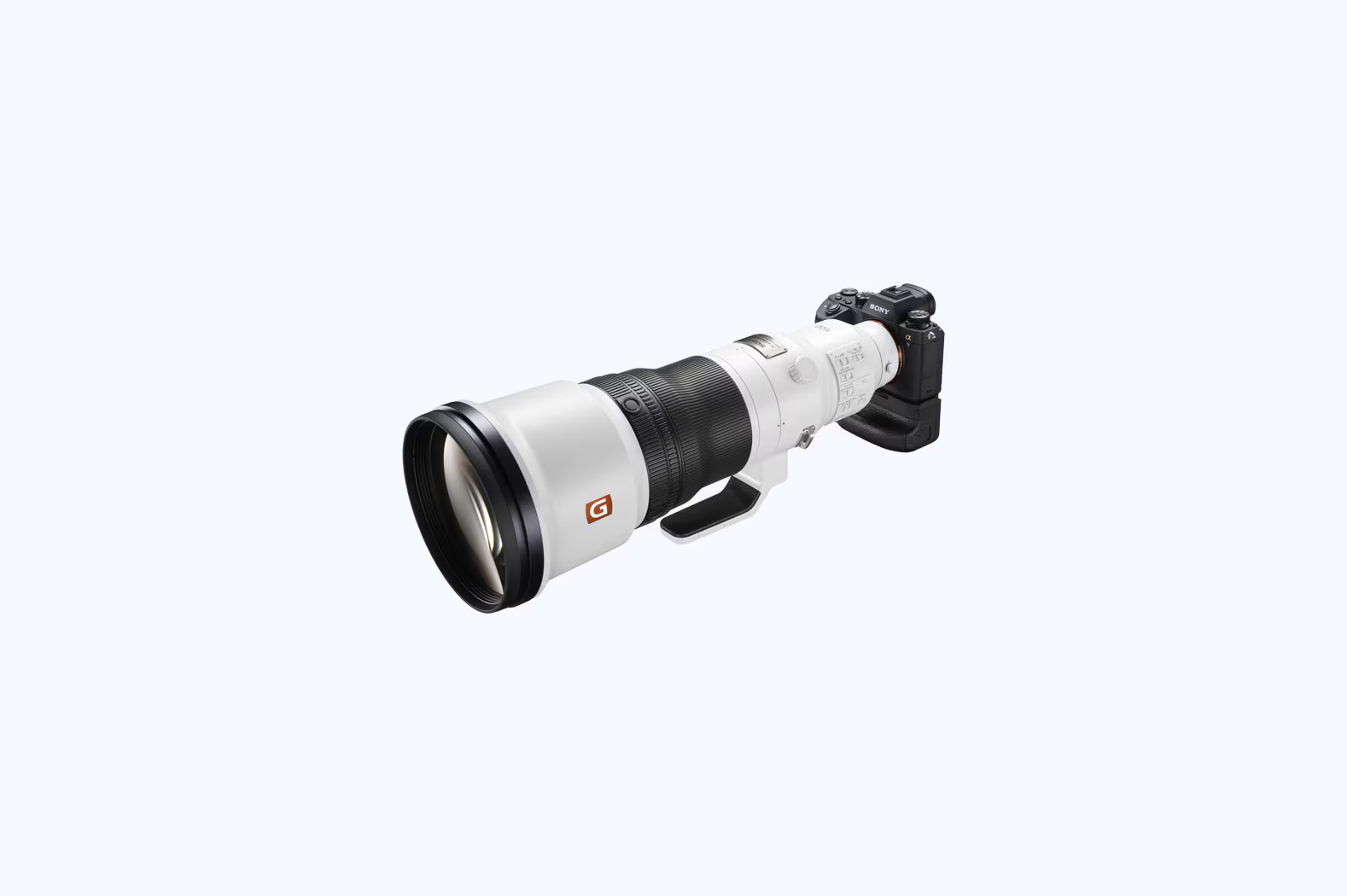
I already own Sony’s FE 600mm F4 GM OSS. Optically it is a superb lens, but at around three kilograms it is a serious piece of equipment. Taking it somewhere affects the bag I use, how I support it, what other equipment I carry & sometimes whether I want to walk any significant distance with it at all.
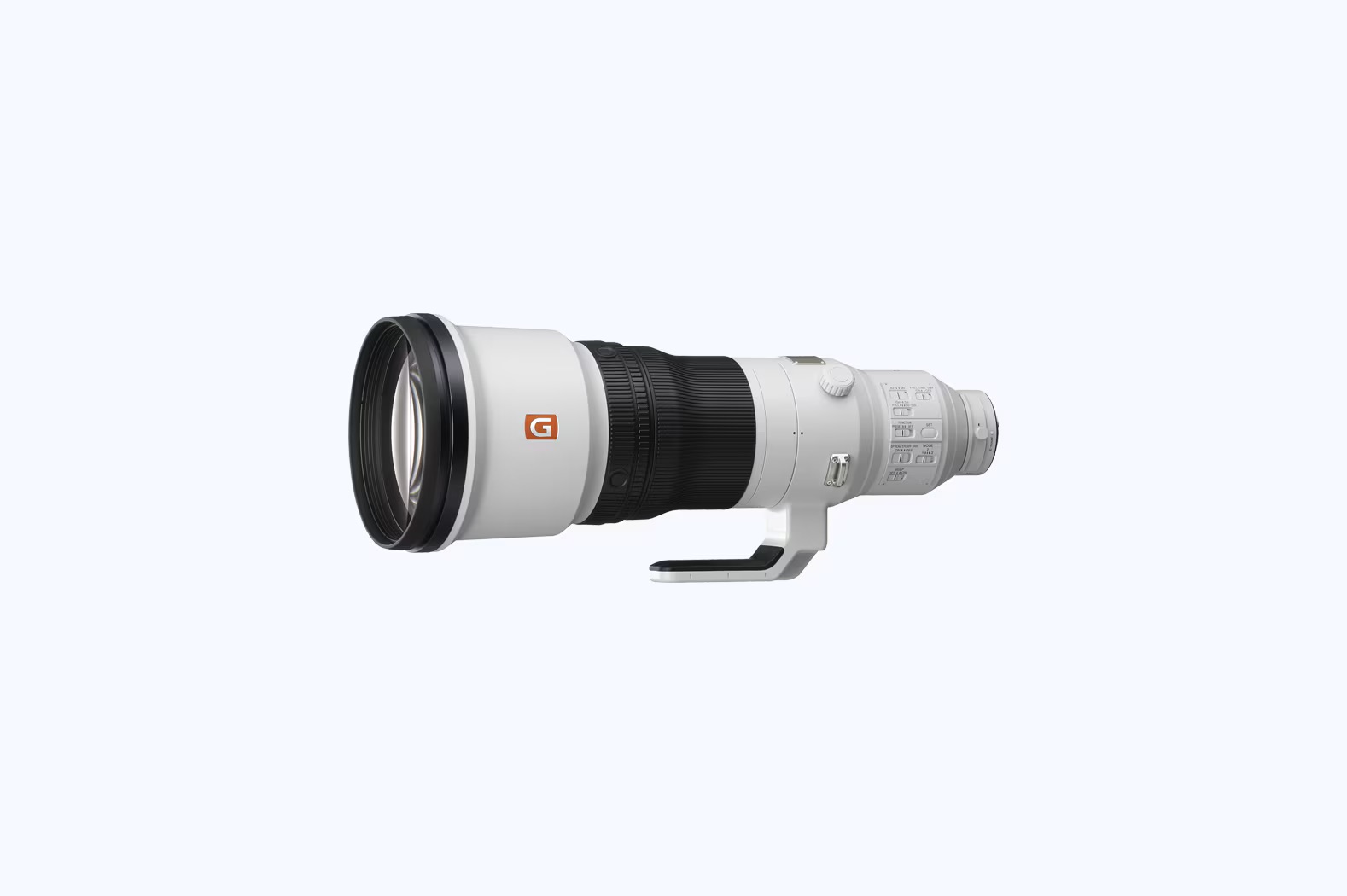
That does not make the 600mm F4 a bad lens. It simply illustrates why weight has a photographic consequence.
The new 600mm F6.3 weighs 995g. Sony has somehow produced a genuine G Master 600mm that weighs less than the 300mm F2.8 & which the company explicitly describes as suitable for handheld photography.
I find that enormously appealing.
There are days on a NaturesLens trip when we may move between several photographic opportunities, get in & out of vehicles repeatedly or carry equipment along trails. On our Varanger trips, for instance, we can be working with birds across open Arctic landscapes where extra reach is useful, but carrying a traditional large super-telephoto everywhere is not necessarily desirable.
A 995g 600mm changes my behaviour. I can leave it attached to a Sony Alpha 1 II & simply carry it, rather than making a conscious decision that today is a “600mm day”.
That seemingly small difference can influence the photographs I make. If I am less reluctant to walk farther, change position or bring the lens along when I am uncertain what the session will produce, I increase the chance of having 600mm available when a distant opportunity develops.
The best lens in the world cannot produce a photograph if I decided to leave it behind.
What else does the Sony 600mm F6.3 offer beyond simply being light?
The 600mm has another characteristic that makes it more interesting than a lightweight distant-subject lens: it focuses to 2.5 metres & offers a maximum magnification ratio of 0.25x. By comparison, Sony quotes two metres & 0.16x for the 300mm F2.8.
That 0.25x figure is genuinely useful for smaller wildlife. It lets the 600mm produce tight frame-filling compositions of birds or other small subjects at relatively close range rather than restricting it to animals on the opposite side of a lake or hillside.
Teleconverter compatibility stretches the lens in the other direction. Sony states that focal length can be extended as far as 1200mm, which means the 1.4x converter gives 840mm at approximately f/9, while the 2x reaches 1200mm at approximately f/13.
Beyond a certain distance, adding focal length does not necessarily add detail because the atmosphere starts becoming part of the optical system. Heat haze, mist, moisture & simple distance between photographer & subject can all degrade an image regardless of how sharp the lens is. At 1200mm the field of view also becomes extremely narrow, which can make following unpredictable wildlife considerably more difficult.
In clear northern conditions, however, the extra focal length can help with small or distant birds where approaching more closely is impossible or undesirable.
The important point is that the 600mm does not have to live permanently at its most extreme focal length. Used natively it already offers the reach I would normally consider substantial for wildlife photography, while the converter remains available for those occasions when the subject genuinely requires more.
Combined with its size & weight, that creates a rather unusual proposition: a specialist super-telephoto that is actually easier to carry than many photographers’ everyday wildlife lenses.
So would I choose the Sony 300mm F2.8 GM or the new 600mm F6.3 GM?
If my priority were maximum photographic flexibility across changing light, subject distance & behaviour, I would choose the Sony 300mm F2.8 GM. Used natively or with teleconverters, it gives me 300mm f/2.8, 420mm f/4 & 600mm f/5.6, which is an exceptionally useful set of options for wildlife photography.
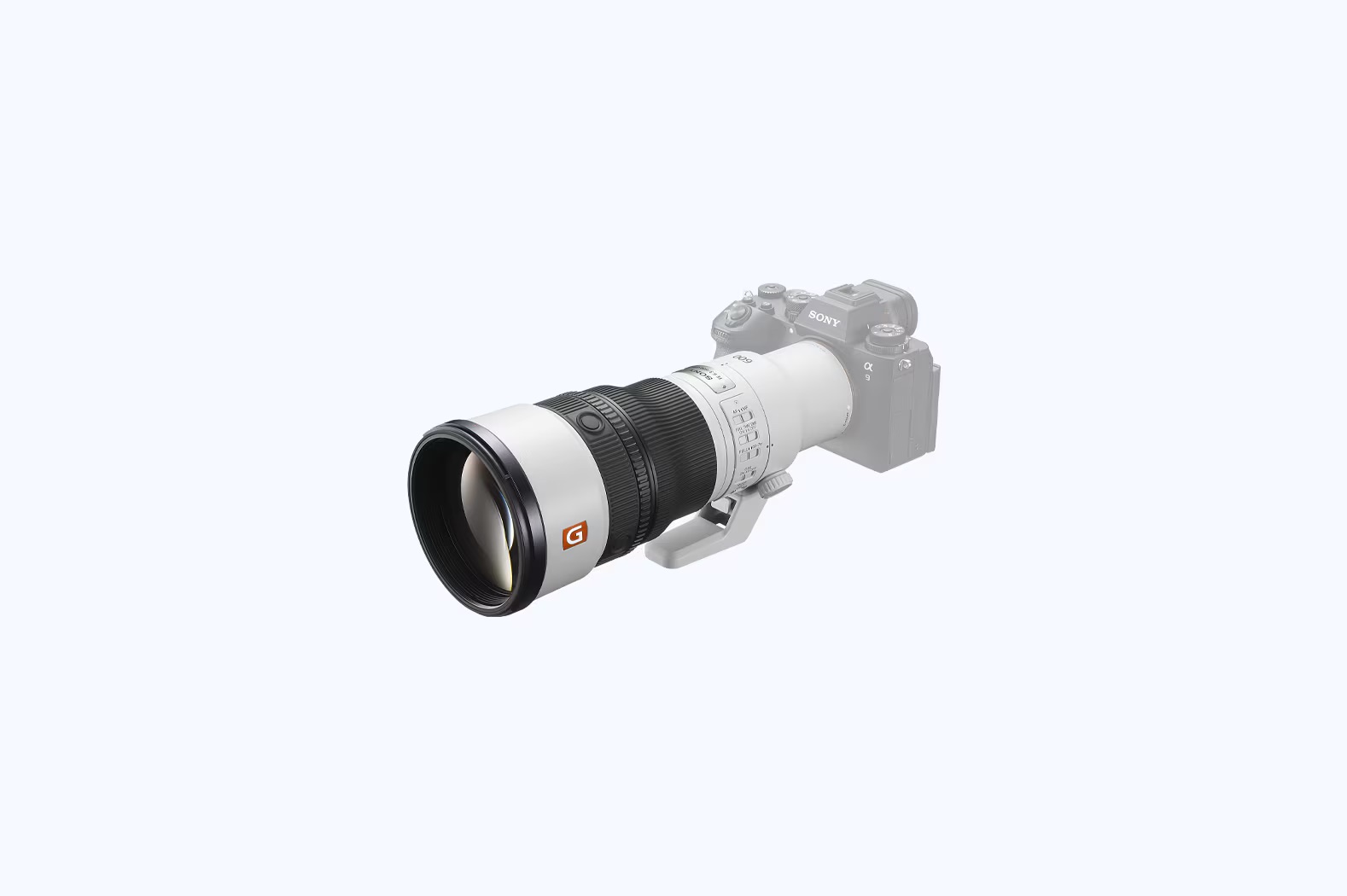
If my priority were carrying serious reach throughout an entire day with the minimum physical burden, the new Sony 600mm F6.3 GM would be extremely difficult to ignore.
That is why I do not think this comparison really produces a straightforward winner.
The 300mm is arguably the more adaptable photographic instrument. It gives me aperture when light is poor, a wider native field of view when wildlife comes close & two very useful longer focal lengths when I need them.
The 600mm solves another problem entirely. It gives me native 600mm reach in a lens only 263mm long & weighing just 995g, while retaining Sony’s G Master optics, optical stabilisation, fast autofocus system & teleconverter compatibility.
For somebody who has spent years travelling with large super-telephotos, that matters enormously.
I know exactly what a superb 600mm lens can do. I also know what happens when a lens is heavy enough that I start deciding whether it is worth taking with me.
That is why the 600mm F6.3 is such an interesting lens. It does not beat the 300mm F2.8 by being faster, more versatile or optically more ambitious. It poses a different question: what happens when you have enough reach for the majority of distant wildlife situations, but most of the reasons to leave it behind disappear?
For wildlife photography, that can prove considerably more important than another stop on a specification sheet.