Mana Pools National Park sits on the Zambezi River floodplain in northern Zimbabwe. It is a UNESCO World Heritage Site, & for wildlife photographers, among the most productive locations in southern Africa. The combination of open woodland, seasonal floodplains, & concentrated wildlife along the river creates an environment where close-range encounters happen consistently & in good light.
Our Mana Pools photography holiday, led by David in September 2026, is structured to make the most of what this landscape offers — from the famous standing elephants of the albida woodlands to walking safaris that put you at ground level with your subjects.
Why Mana Pools Works for Photography?
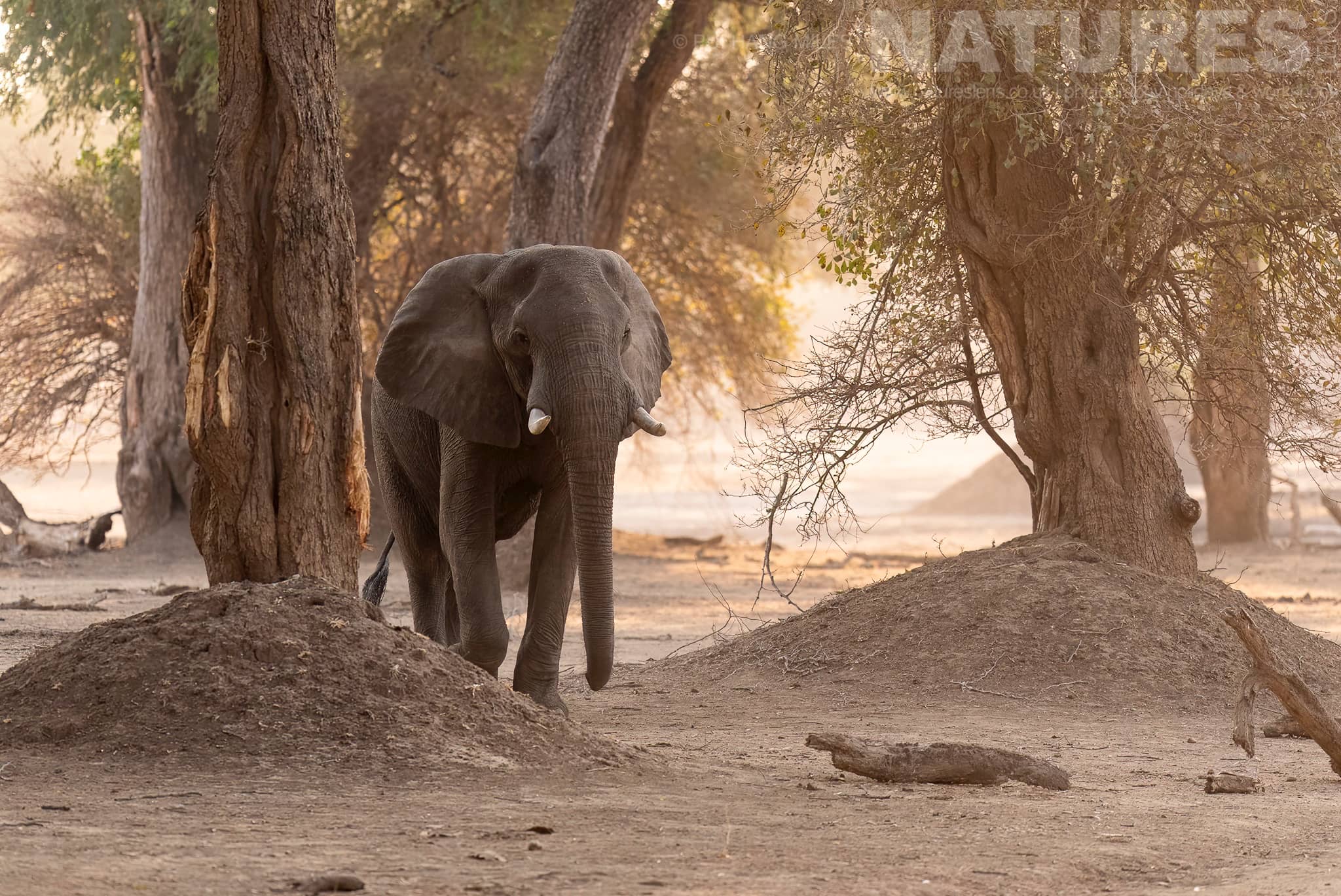
Mana Pools is unusual among African wildlife destinations because it permits walking safaris without the restriction of staying in a vehicle. For photographers, this changes everything. You can approach subjects on foot, choose your angle relative to the light, & photograph from low positions that produce far more intimate images than a high vehicle platform allows.
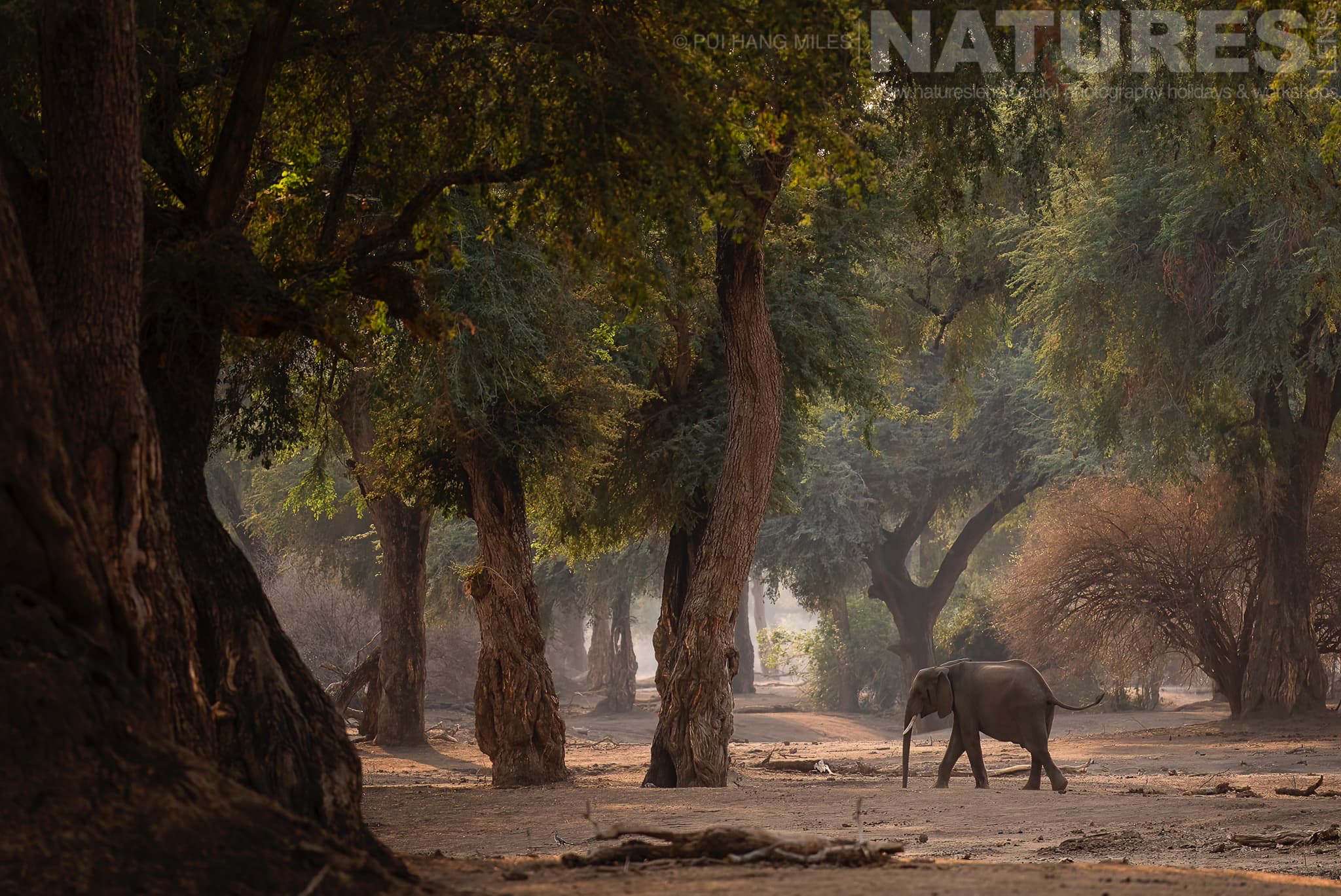
The park’s albida woodland is the defining feature. These tall, flat-topped trees drop seed pods in the dry season, drawing elephants that stretch up on their hind legs to reach the canopy — behaviour that is almost unique to this population & produces some of the most distinctive elephant images in African wildlife photography.
September timing is deliberate. The dry season concentrates wildlife around remaining water sources, visibility through the woodland is at its best, & the light in the early mornings & late afternoons is consistently warm & directional.
What Is The Itinerary?
Day 1 — Arrive at Harare’s Robert Gabriel Mugabe International Airport. Transfer to a local hotel to rest before the early start the following day.
Day 2 — Charter flight into Mana Pools. The aerial view of the Zambezi escarpment & floodplain gives you a sense of the scale of the landscape before you land. Transfer to our first camp, situated within the heart of the park. Afternoon orientation & first photography session.
Days 3–6 — Four full days of photography from our first camp. Morning & afternoon sessions combine vehicle-based game drives with walking safaris & dedicated hide photography. The hides here offer eye-level perspectives on elephants, hippos, & waterbirds at close range. Some sessions involve walking to find subjects & optimal angles — expect a moderate level of physical activity.
Day 7 — Transfer to our second camp, further along the river. Afternoon safari en route, targeting wild dog territories & fresh predator activity.
Days 8–11 — Four more days of morning & afternoon photography sessions. This section of the park opens up different species opportunities, including wild dogs, lion, & large herds of elephant & buffalo moving to water. The riverine habitat produces strong environmental images — animals set against the Zambezi with Zambia’s escarpment as a backdrop.
Day 12 — Final morning session, then charter flight back to Harare. Overnight at hotel.
Day 13 — Transfer to airport for departure.
What You’ll Photograph?
Mana Pools is known for its elephants, but the variety across two camps & eight full days of photography goes well beyond a single species.
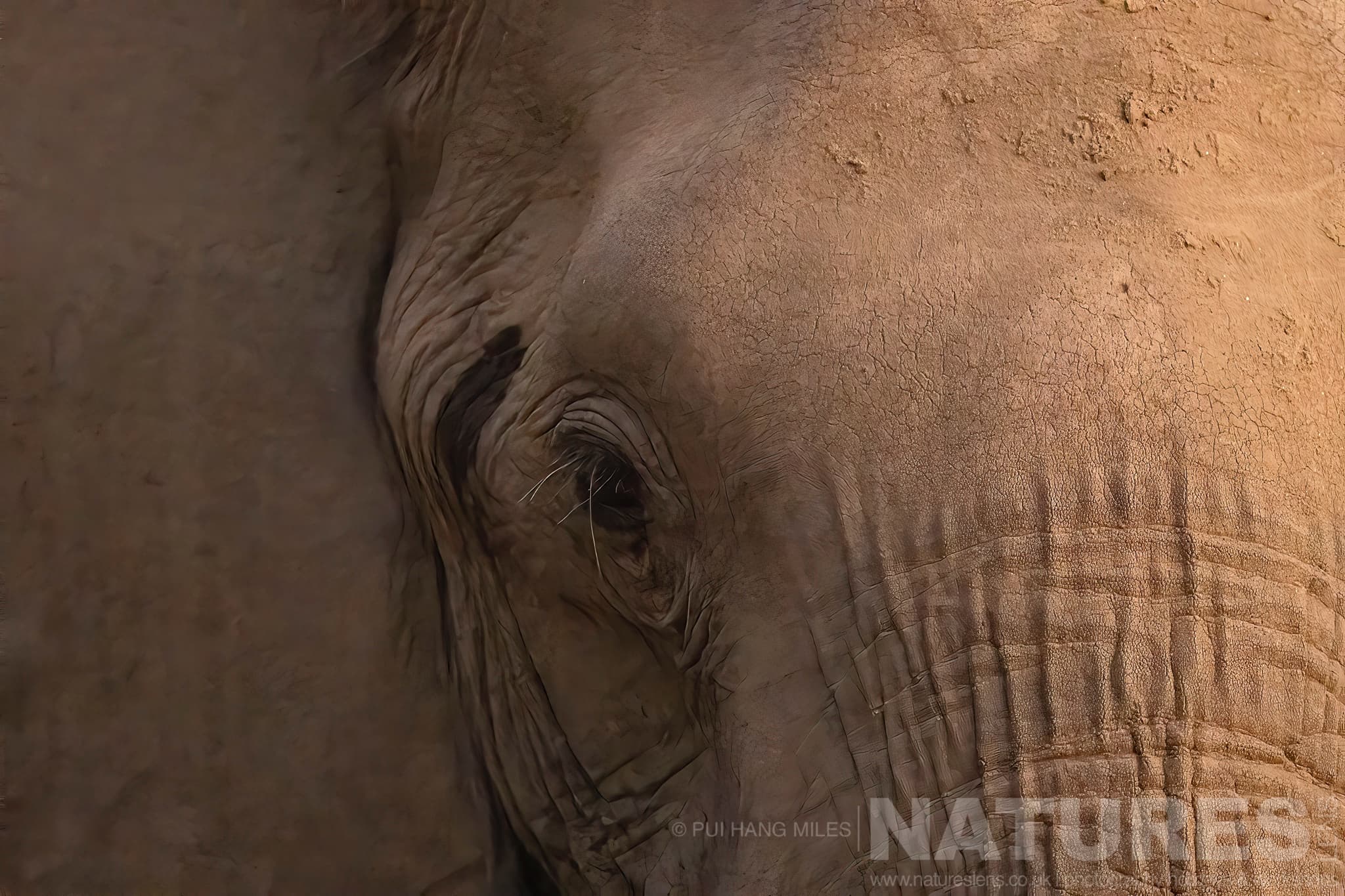
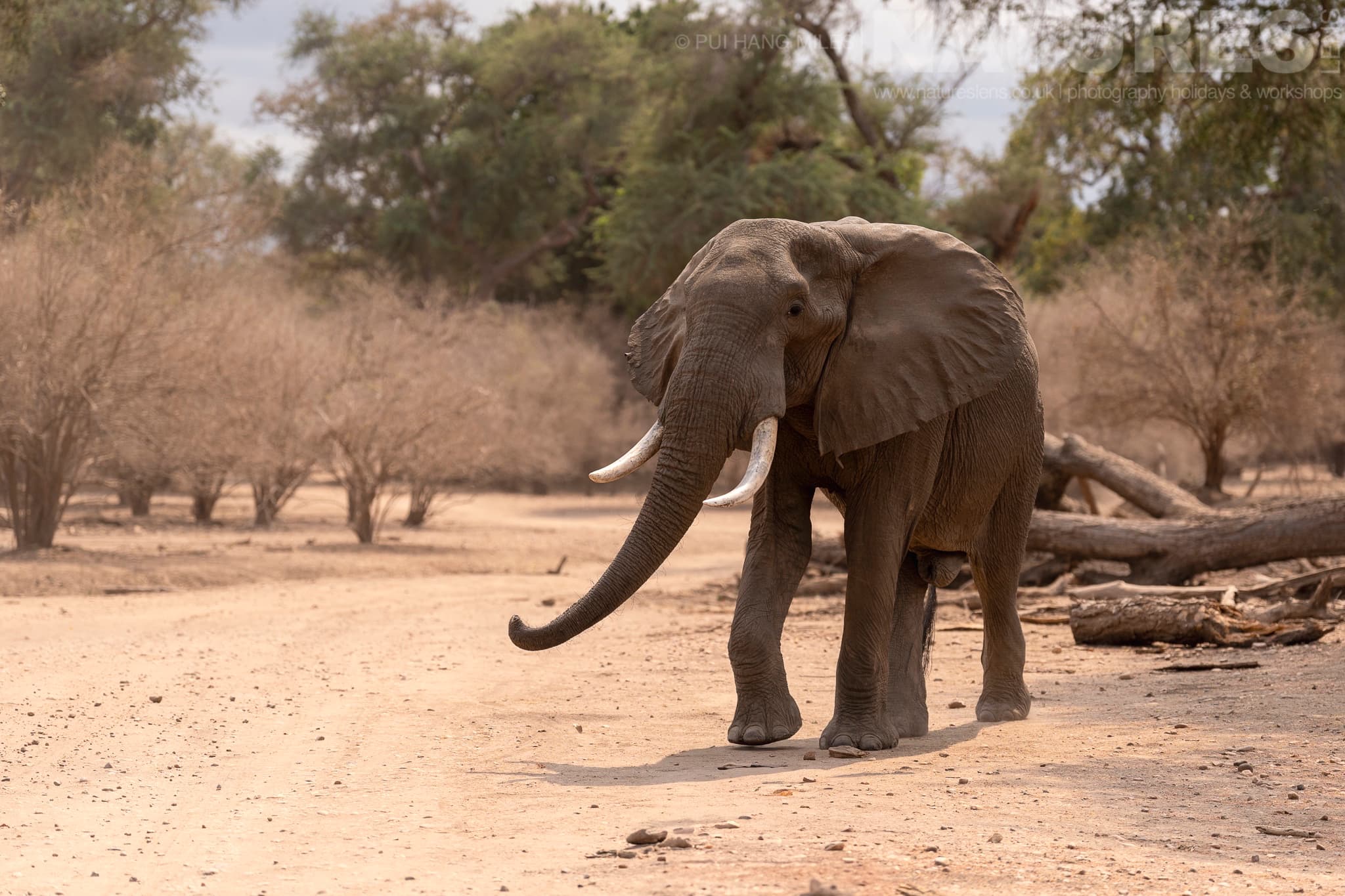
The standing elephants in the albida woodland produce images unlike anything from other African destinations — a bull elephant reaching vertically for seed pods, lit by low morning sun filtering through the trees, is a composition that defines this park.
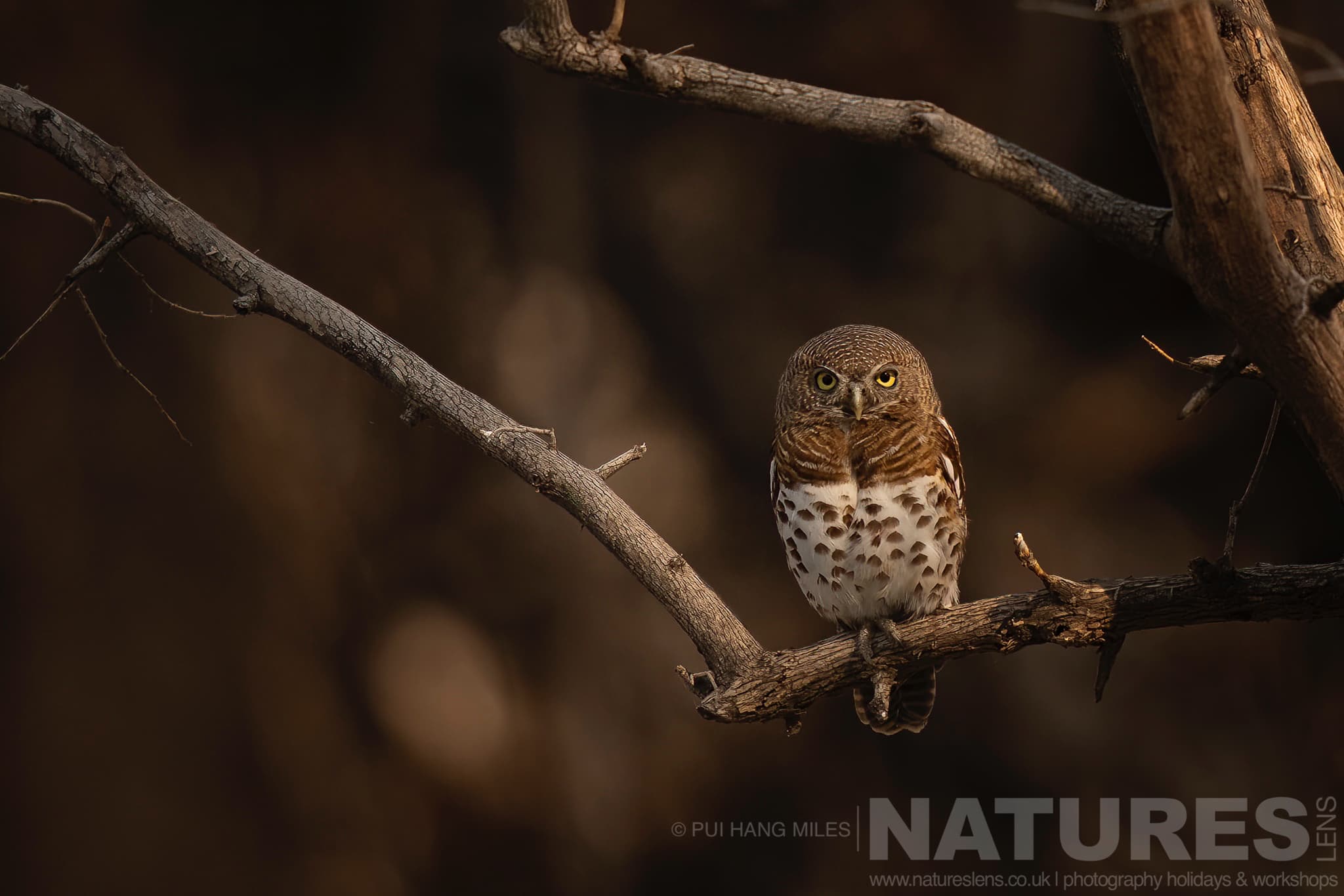
Wild dogs are present in the area & when located provide fast-paced, unpredictable sequences that reward sharp reactions & high frame rates. Hippos in the shallows, large crocodiles on the sand banks, & a rich variety of raptors & waterbirds fill the portfolio between the headline subjects.
How David Leads This Trip?
David has led multiple trips to Mana Pools & knows the park’s rhythms well — where the elephants feed at different times of day, which stretches of river produce the best light, & how to read animal behaviour to anticipate the moments that make strong photographs.
The group is kept small, & the pace is unhurried. Rather than rushing between sightings, the approach is to stay with subjects, work through different compositions, & let behaviour unfold. Walking safaris in particular reward patience — the quiet, ground-level approach often produces the most intimate images of the trip.
This trip is now open for booking. Full details & dates are on our Mana Pools photography holiday page.
- NaturesLens wildlife photography holidays are structured around photographic opportunity — every schedule decision is made around light, behaviour, & access.
- Small groups of 4–8 photographers ensure unhurried positions & individual guidance.
- Single occupancy accommodation is included as standard across the majority of our trips.