The Atlantic Forest of southeastern Brazil is one of the most threatened rainforest biomes on Earth, reduced to a fraction of its original extent — yet the fragments that remain still hold a genuinely spectacular variety of toucans & other endemic birdlife found nowhere else.
For the current trip list, see our Brazil wildlife photography holidays; you can also explore more South America wildlife photography trips.
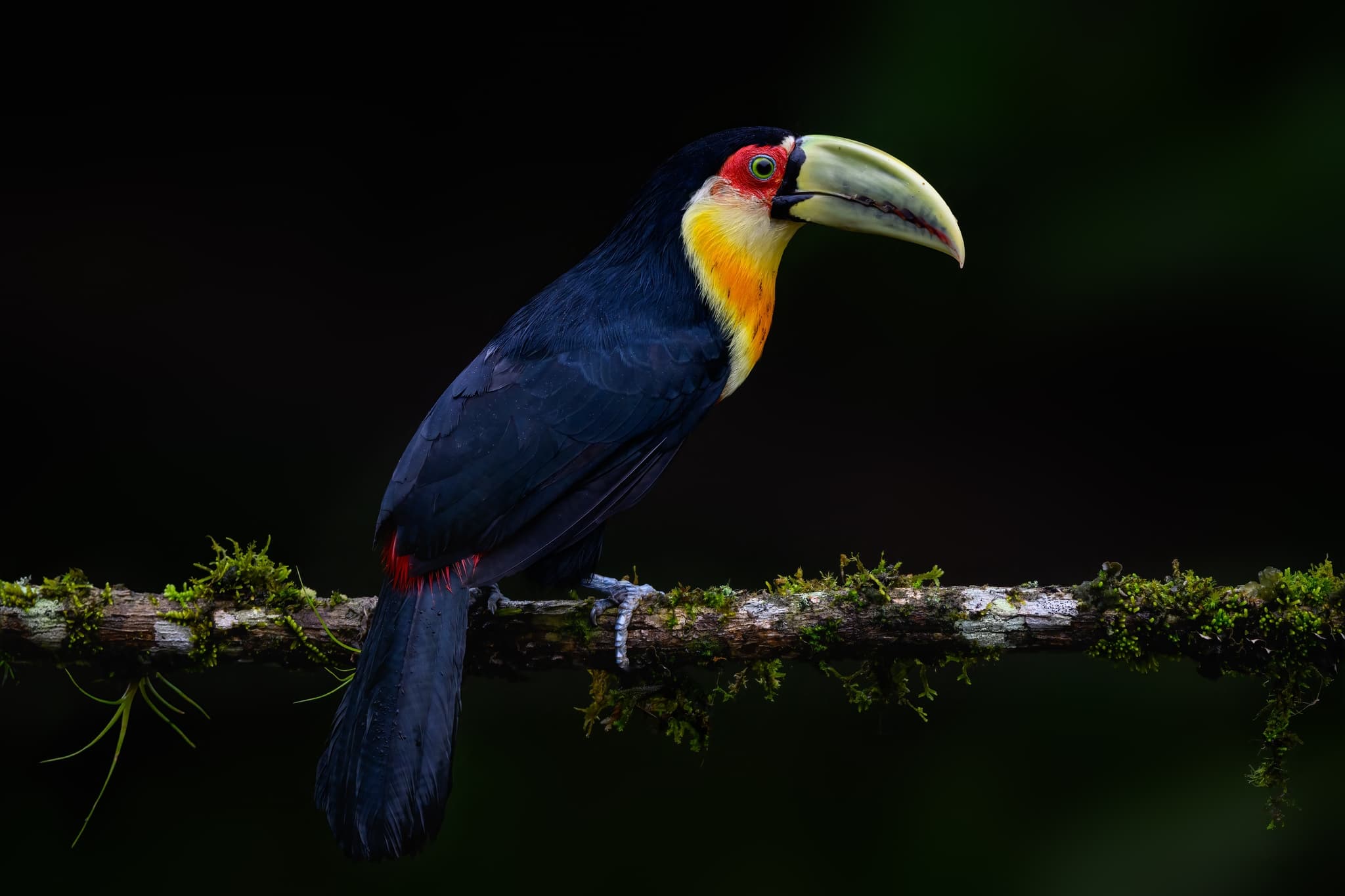
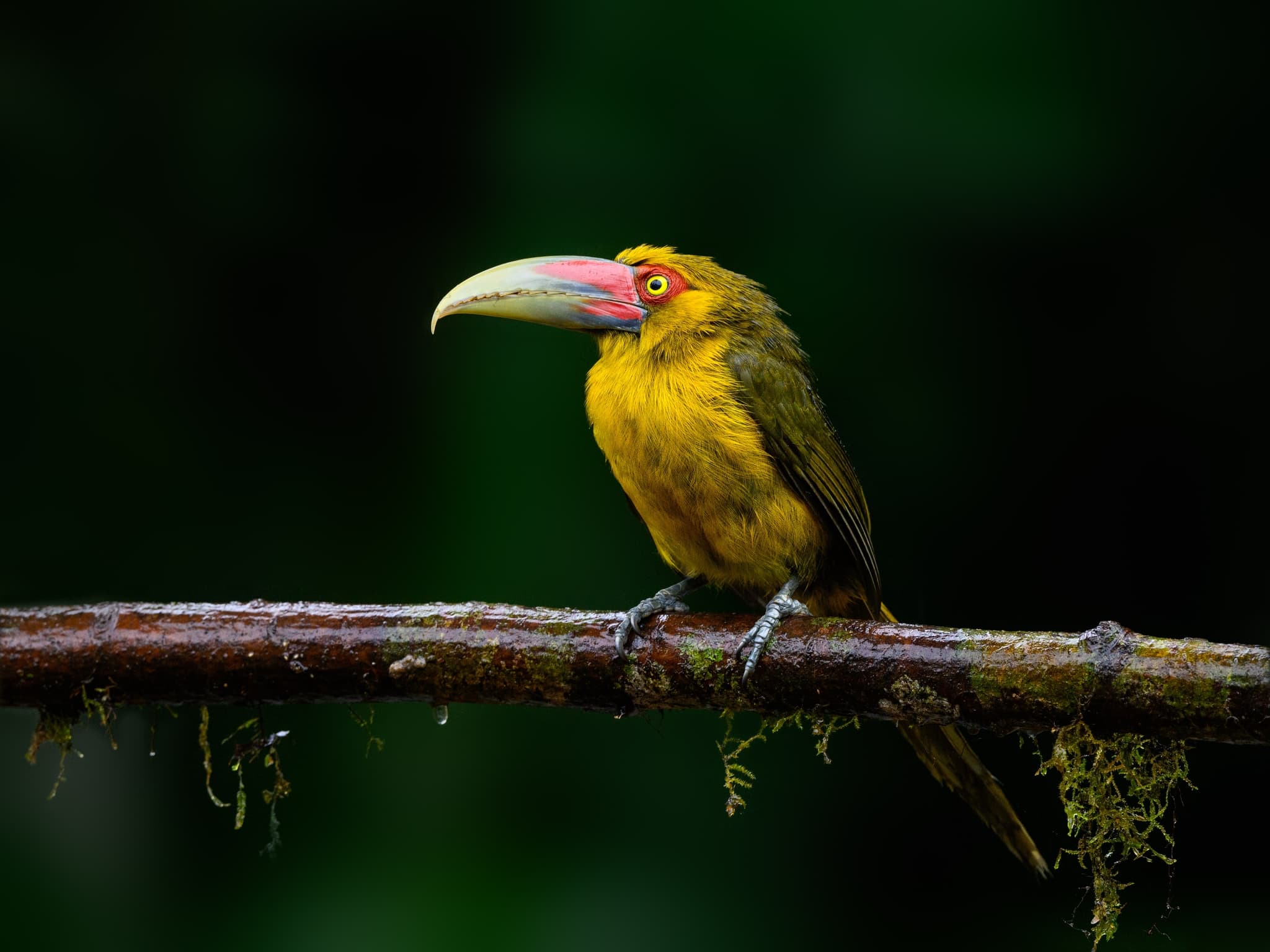
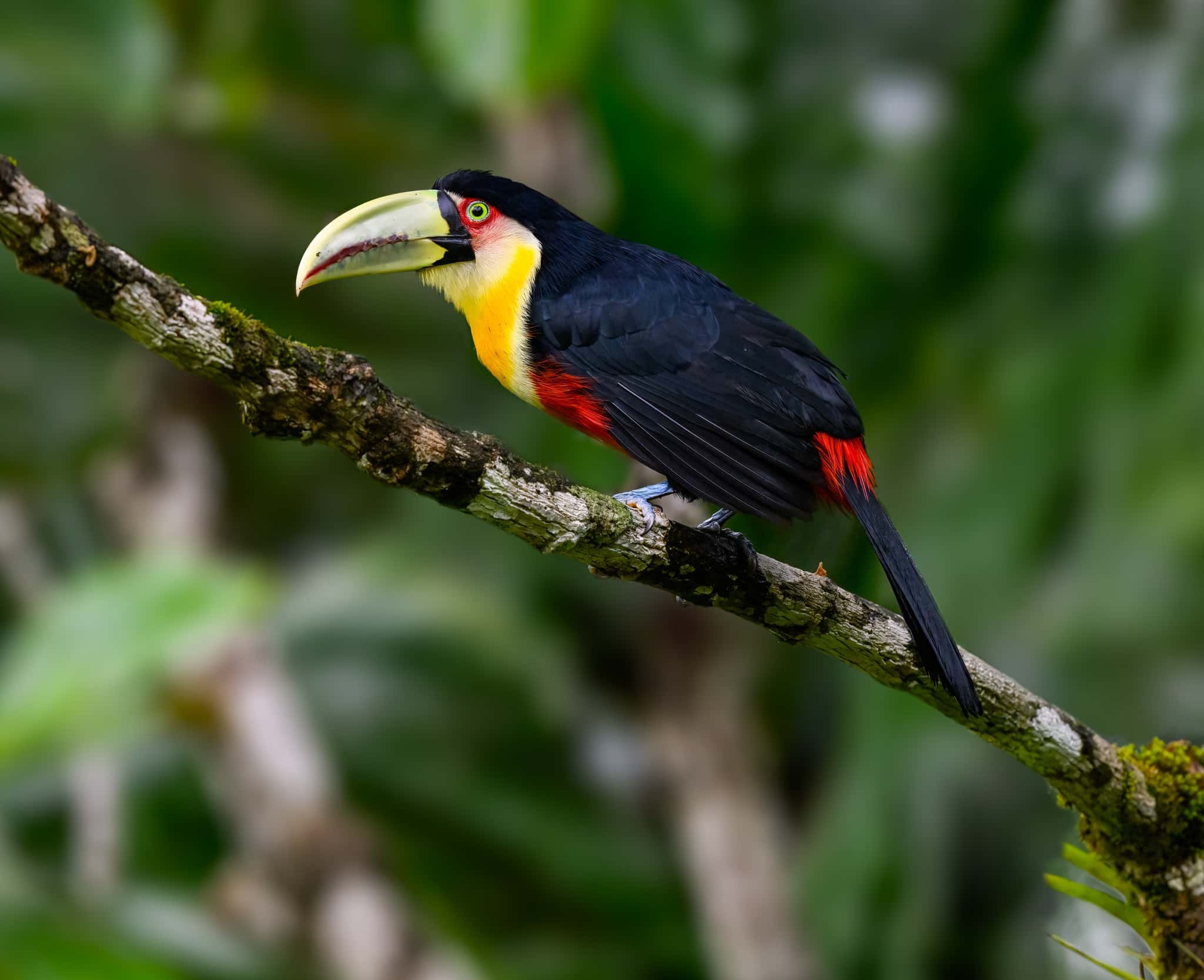
Red-breasted Toucan, Saffron Toucanet, & Spot-billed Toucanet all feature on this trip, photographed at fruiting trees & feeding stations across several reserves. David Miles guides the trip, drawing on years of working this specific stretch of Atlantic Forest.
What makes it work is the concentration of feeding activity at known fruiting trees & carefully managed feeding stations, which bring multiple toucan species into range far more reliably than searching the wider forest canopy alone.
Our Brazil Photography Holiday
We run one small-group trip to Brazil, guided by David Miles:
24th – 31st Jul 2027 — Birds of Brazil
6 nights | from £4,499 | Medium — Balanced Days with Moderate Activity
Working a mix of forest trails & fixed feeding stations across several Atlantic Forest reserves, with Red-breasted Toucan, Saffron Toucanet, & Spot-billed Toucanet all realistic subjects, alongside a rich supporting cast of tropical birdlife.
Want to know more before booking? Get in touch & we’ll talk you through the reserves, the accommodation, & what a typical day chasing toucans looks like.
What You’ll Photograph in Brazil
Toucans of the Atlantic Forest
Each species has its own distinct call & feeding rhythm, & learning to tell them apart at a distance by sound alone becomes second nature within the first day or two of the trip.
Three distinct toucan species feature on this trip, each with its own striking colour combination & call — Red-breasted Toucan’s bold chest patch, Saffron Toucanet’s vivid yellow underparts, & Spot-billed Toucanet’s more subtly marked bill. Seeing all three across a single week is a realistic goal given the reserves visited. See more in our Tropical Birds photo archive.
Fixed feeding stations bring birds into close, predictable range without the long waits & uncertain timing that searching the open canopy for fruiting trees would otherwise demand.
A Supporting Cast of Colour
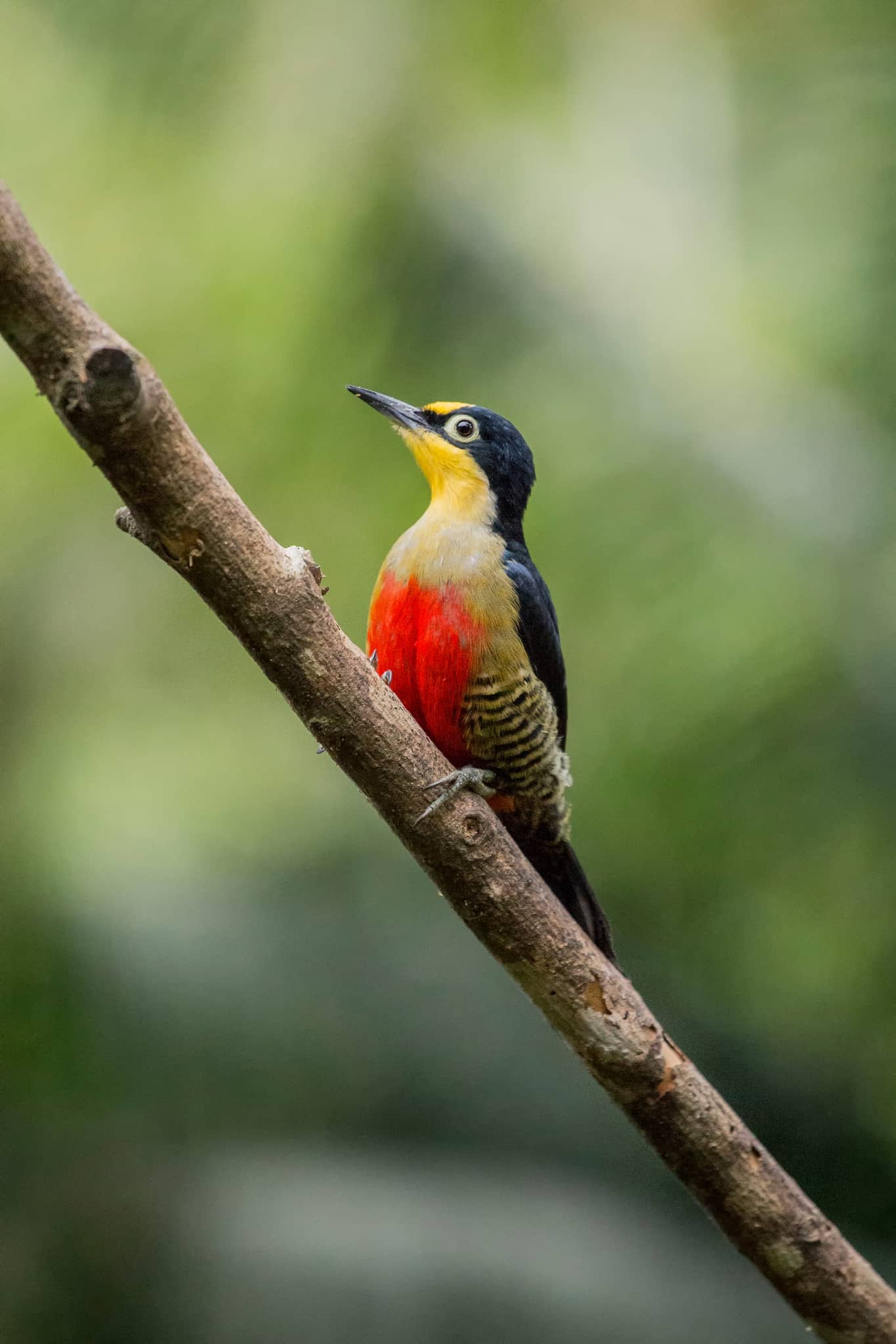
Photographers accustomed to more muted temperate birdlife are often struck by just how saturated & varied the colour palette here is, even among species that never make it onto a headline trip itinerary.
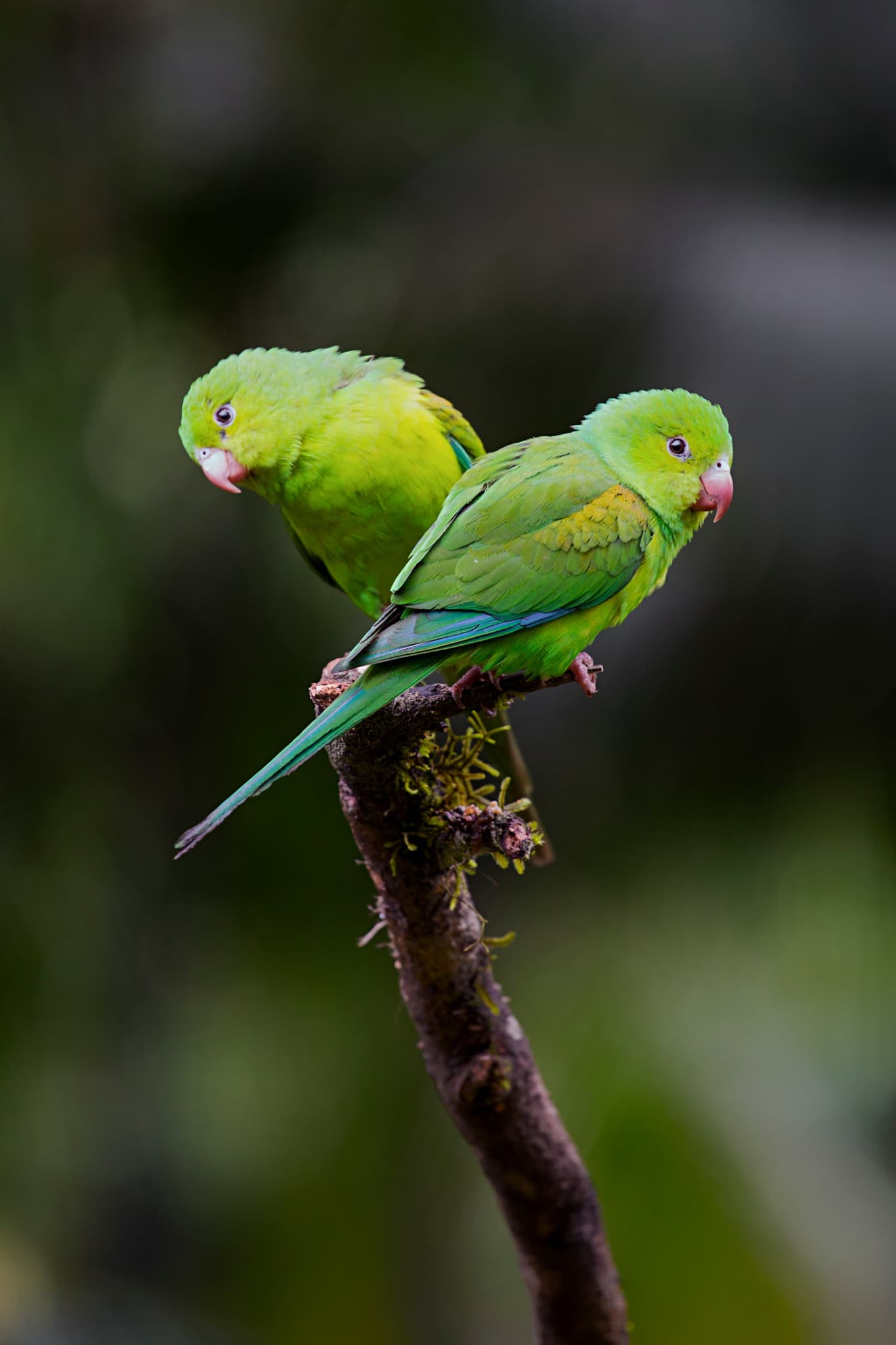
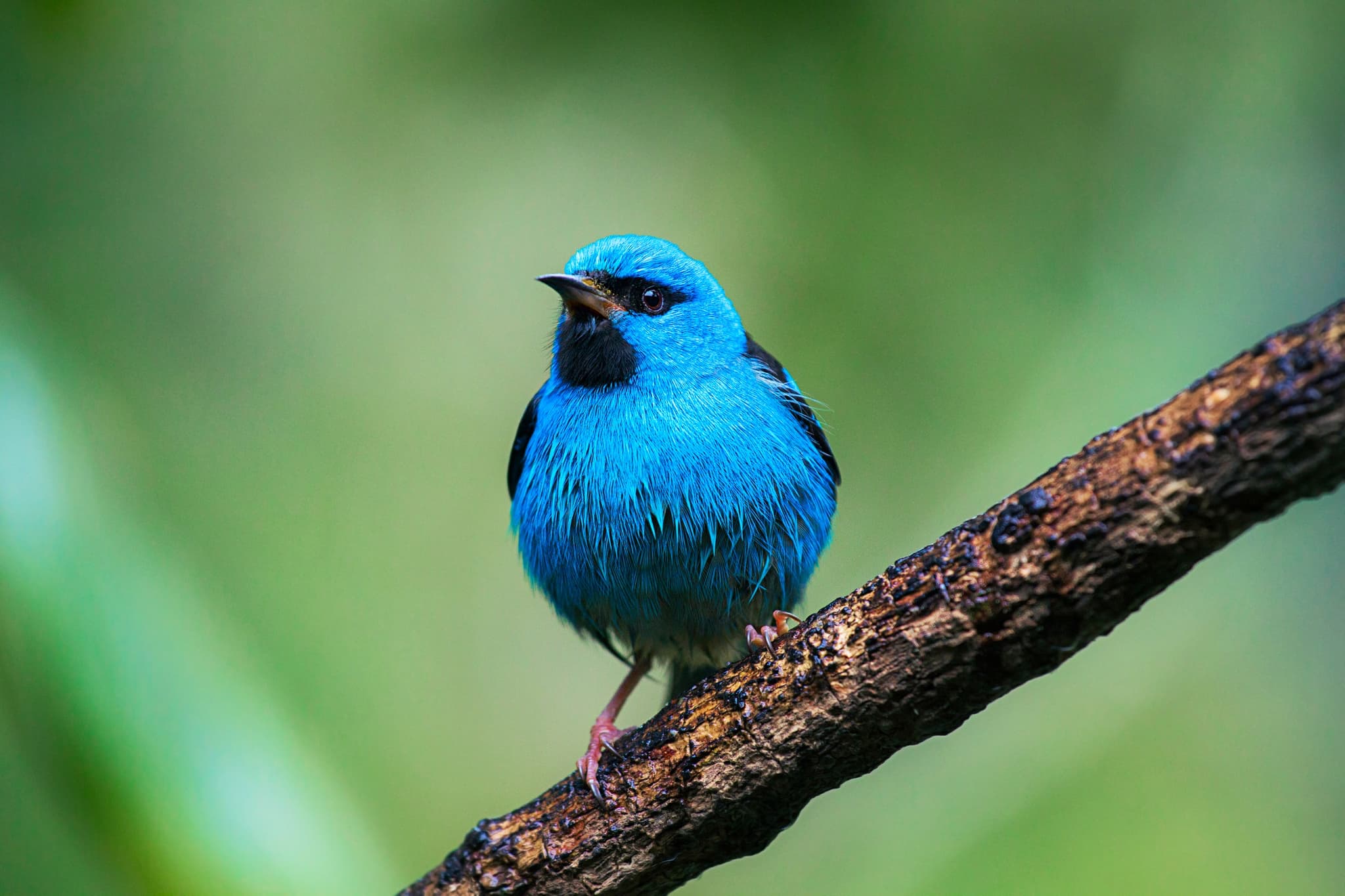
Beyond the toucans, the reserves visited hold a genuinely rich variety of tanagers, parakeets, & hummingbirds, giving plenty to photograph between sessions focused on the headline species. Parakeets in particular are a constant, noisy presence around most of the feeding areas used on this trip.
The sheer density of colour & activity across a single morning’s session is one of the trip’s real pleasures, rewarding photographers happy to work a wide range of species rather than fixating on one.
A Forest Under Pressure
Less than a tenth of the original Atlantic Forest still stands, & every reserve on this itinerary represents a genuine effort to hold that line against further loss.
The Atlantic Forest once covered a vast stretch of coastal Brazil, but deforestation has reduced it to scattered fragments, many now protected as reserves specifically because of their remaining biodiversity. Photographing here carries a genuine conservation weight beyond the images themselves.
The reserves used on this trip are chosen partly for their role in protecting some of the forest’s rarest remaining endemic bird species, several of which exist only within these last fragments.
Why Feeding Stations Rather Than Open Forest Searching
Toucans & many of the Atlantic Forest’s other colourful species spend much of their time high in the canopy, making open forest searching a genuinely difficult & often unproductive way to photograph them at close range. Managed feeding stations, set up & maintained by local reserve staff, bring birds down to eye level in a predictable, repeatable way.
That reliability matters given the trip’s relatively short week-long window — a purely search-based approach would risk leaving with far fewer usable images of the headline toucan species.
Why This Drier Season Rather Than the Wetter Summer Months
Comfort & consistency both favour this time of year for a photography-focused itinerary.
Brazil’s Atlantic Forest sees considerably heavier rain during the summer months, which can disrupt both trail access & feeding station activity. The drier winter season used for this trip trades a little of that lush, humid summer atmosphere for far more consistent, comfortable working conditions across a full week.
Fruiting cycles at several of the feeding trees also tend to align well with this drier window, keeping natural food sources plentiful alongside the managed feeding stations.
When to Visit Brazil
Our current departure runs in late July, during the Atlantic Forest’s cooler, drier season when trails are more comfortable to walk & feeding station activity remains consistently strong.
Planning Your Trip to Brazil
A telephoto lens in the 300mm to 500mm range suits the feeding station distances well, while a shorter lens is worth carrying for wider forest & habitat shots between sessions.
Even in the cooler season, the Atlantic Forest is warm & humid, so lightweight, quick-drying clothing & good insect repellent are worth packing. Trails can be muddy underfoot, so sturdy, comfortable walking shoes matter more than technical hiking boots.
São Paulo is the usual arrival point, with a road transfer onward to the reserve region used for the trip.
Life Between Sessions
Time away from the feeding stations passes quickly here.
Accommodation for this trip is typically at lodges close to the reserves themselves, keeping travel time to the feeding stations short & allowing for both early morning & late afternoon sessions on the same day. Midday, when bird activity naturally drops off, is often used for rest or exploring the wider lodge grounds.
Evenings frequently bring their own wildlife interest, from moths drawn to lodge lighting to the calls of nightjars & owls across the surrounding forest.
Why the Atlantic Forest Rather Than the Amazon
Brazil’s Amazon rainforest gets most of the international attention, but the Atlantic Forest holds a genuinely distinct set of endemic species found nowhere in the Amazon basin at all, including all three toucan species that headline this trip. Visiting specifically for these Atlantic Forest endemics is a different goal from a typical Amazon-focused trip, & one this itinerary is built around directly.
A Genuine Conservation Story
Several of the reserves visited on this trip run active reforestation & habitat corridor projects, working to reconnect isolated fragments of forest & give species room to recover. Visiting as a photographer directly supports that work through reserve entry fees & local guiding income.
A Trip That Suits Every Experience Level
Because the feeding stations do much of the work of bringing birds into range, this trip suits photographers newer to bird photography just as well as those with a long tropical species list already behind them. David adjusts positioning & technique advice to whoever is in the group.
Join Us in Brazil
Three distinct toucan species, a dazzling supporting cast, & a genuine conservation story behind every reserve visited — few short trips anywhere in the series pack in this much colour.
Few trips in the series pack this much colourful, reliable toucan photography into a single week in genuinely threatened rainforest.
David’s years of working these specific Atlantic Forest reserves is what turns a week chasing toucans into a genuinely productive trip.
Get in touch if you’d like to know more, or head straight to the Brazil destination page to see current availability.
Plan your Brazil photography holiday
Explore our Brazil wildlife photography holidays, compare more South America wildlife photography trips, & meet the NaturesLens photography guides who lead our small-group trips.