Few countries give photographers as much range as the United States. In a single trip list you can go from Bison steaming in sub-zero Yellowstone snow to Bald Eagles working a glacial bay in Alaska, from Roseate Spoonbills wading Florida’s wetlands to Brown Pelicans preening on the Pacific coast of California. There’s no single “American” photography holiday — there are at least four distinct ones, each built around a completely different landscape & season.
For the current trip list, see our United States wildlife photography holidays; you can also explore more North America wildlife photography trips.
What ties them together is scale. These are big, wild, well-managed landscapes where the wildlife is genuinely there in numbers — Yellowstone’s winter herds, Alaska’s coastal predators & cetaceans, Florida’s wading bird colonies, California’s pelican roosts — & where our small groups can work a scene properly with an experienced guide rather than driving past it.
David Miles guides all five of these trips personally, which matters more than it might first appear. Each region runs on completely different logistics, from Yellowstone’s snow-coach access to Alaska’s boat-based whale work to Florida’s wetland boardwalks.
Having one guide who has built relationships & route knowledge across all of them means the itinerary is shaped by genuine local experience rather than a generic template applied to five different landscapes.
Our the United States Photography Holidays
We run five small-group trips across the United States, each guided by David Miles. Here are the next departures for each:
23rd Feb – 4th Mar 2029 — Winter Wildlife of Yellowstone
8 nights | from £8,999 | Hard — Challenging Terrain for Active Explorers
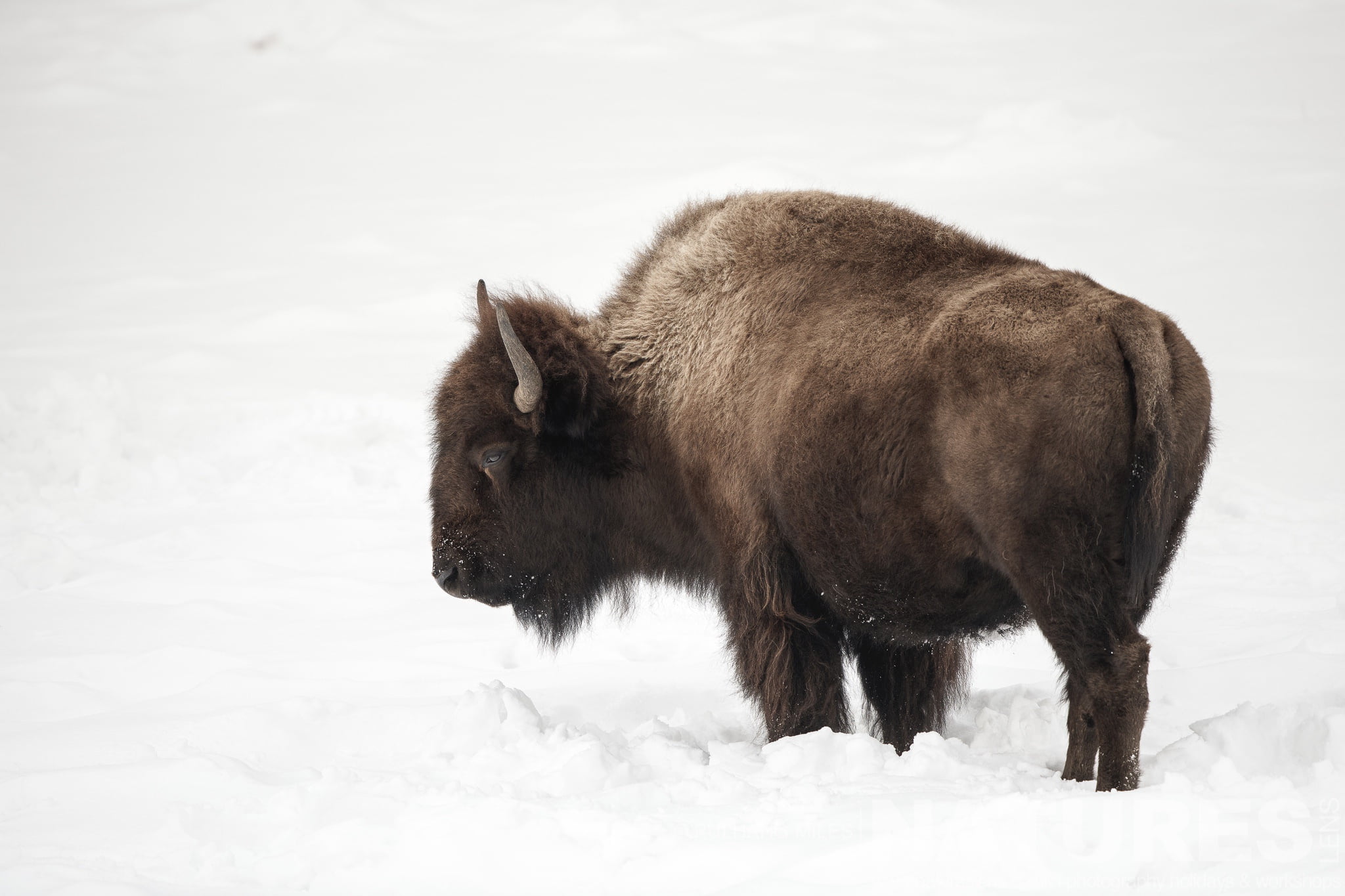
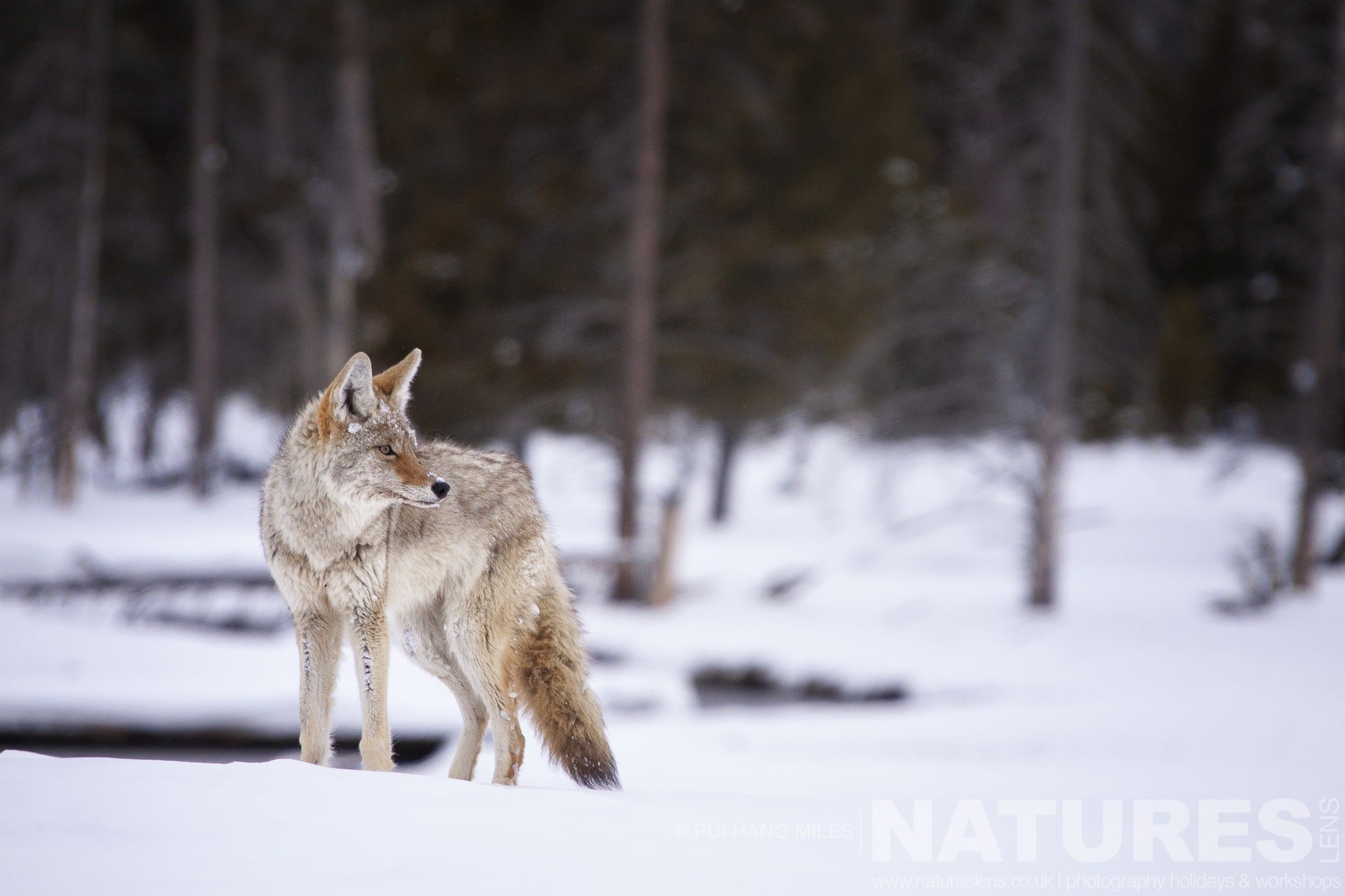
Yellowstone in deep winter, working Bison moving through the snow & thermal steam, Coyote hunting across open ground, & the chance of Wolf sightings in one of the only places in the country where a healthy, wild population still roams. The terrain & cold make this our most demanding US trip, with snow-coach access to the park’s interior replacing conventional vehicles once the winter road closures take effect.
More info on Winter Wildlife of Yellowstone
23rd – 30th Mar 2028 — Breathtaking Bubble-Netting Whales
6 nights | from £8,499 | Medium — Balanced Days with Moderate Activity
Humpback Whales working cooperative bubble-net feeding in the waters off Sitka, Alaska, alongside Bald Eagles patrolling the shoreline — a trip built entirely around time on the water waiting for one of the most dramatic feeding behaviours in nature to break the surface. Days are structured around tide & weather rather than a fixed schedule, since the whales’ feeding patterns shift with both.
More info on Breathtaking Bubble-Netting Whales
12th – 22nd Apr 2029 — Florida Ospreys
9 nights | from £5,999 | Easy — Gentle Adventures, Accessible to Most
Florida’s wetlands at close range — Osprey diving for fish, Roseate Spoonbills feeding in the shallows, & Burrowing Owls standing guard outside their ground nests. Our longest US trip & the gentlest pace, built for sustained access rather than covering distance, with most sessions worked from boardwalks rather than long hikes.
14th – 22nd Mar 2028 — Sea Otters & Bald Eagles of Alaska
7 nights | from £6,749 | Medium — Balanced Days with Moderate Activity
Kachemak Bay in late winter, working Bald Eagles against a backdrop of coves, cliffs & frozen waterfalls, with Sea Otters resting in the calmer waters — a quieter, more intimate counterpoint to the open-water whale trip further north, worked mostly from a smaller boat able to get close to the shoreline.
More info on Sea Otters & Bald Eagles of Alaska
14th – 21st Feb 2029 — Californian Pelicans & Whales
7 nights | from £5,499 | Easy — Gentle Adventures, Accessible to Most
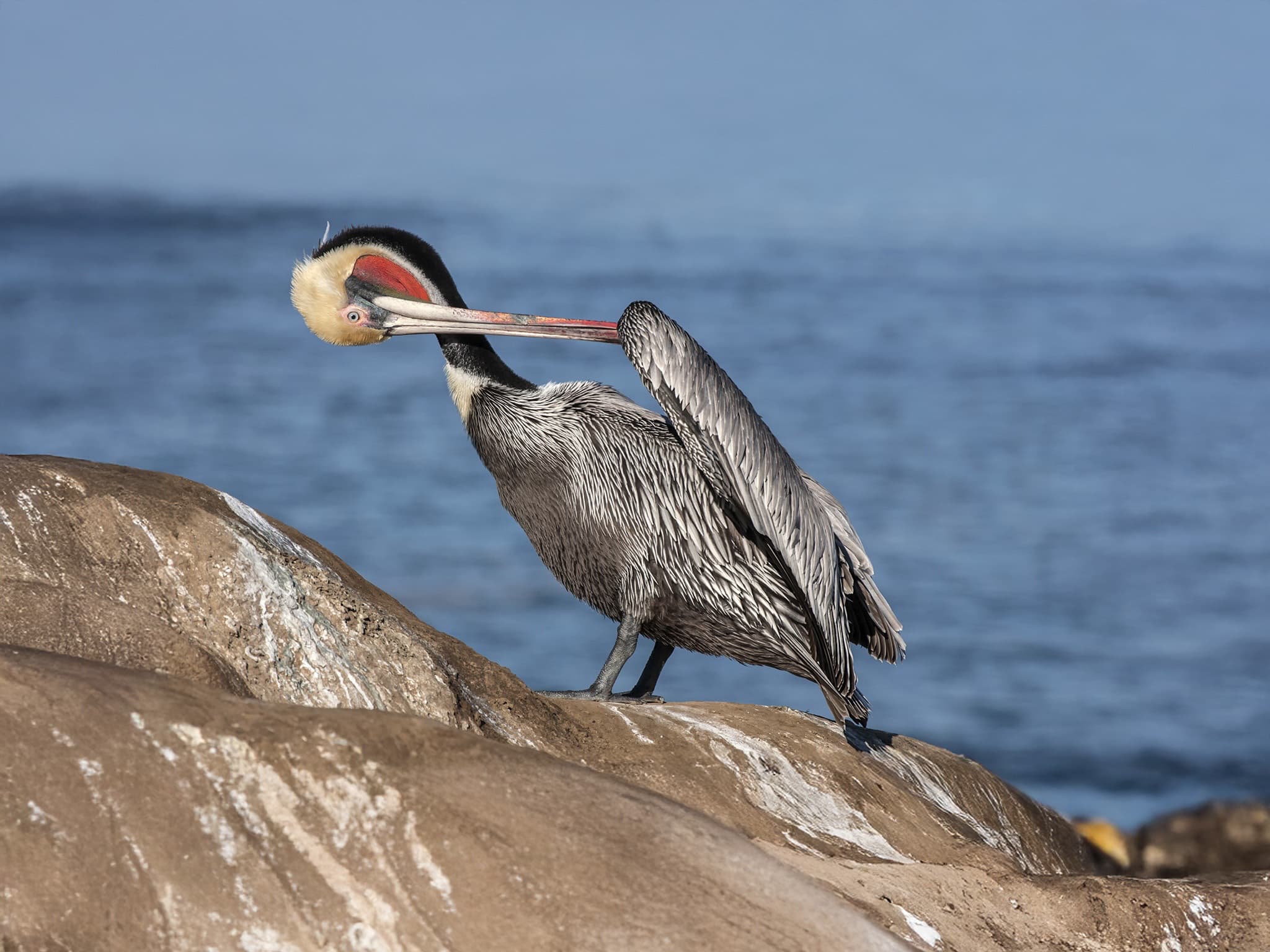
The Pacific coast in winter — Brown Pelicans working the coastal rock & cliffs at close range, with Humpback Whales offshore. Our shortest & most accessible US trip, & the only one built around a mild coastal climate rather than snow or wetland heat, with most photography done from clifftop & shoreline positions rather than a boat.
More info on Californian Pelicans & Whales
Still deciding which trip fits? Get in touch & we’ll help you match the itinerary, season & difficulty level to what you want to come home with.
What You’ll Photograph in the United States
Yellowstone’s Winter Wildlife
Bison hold the ground through the coldest months, steaming against the thermal areas & moving through deep snow along the rivers. Coyote hunt across the open valleys, & the park’s Wolf population — genuinely wild & never guaranteed — is one of the few realistic chances left in the US to photograph the species in its natural setting. See more in our Mammals photo archive.
Winter access to Yellowstone’s interior is by snow coach rather than conventional vehicle once the roads close for the season, which changes the whole rhythm of the day — slower, more deliberate travel between sites, with steam rising off the geothermal features adding real atmosphere to any animal working close to a thermal area.

Alaska’s Coastal Wildlife
Two very different Alaska trips cover this ground. Off Sitka, Humpback Whales work cooperative bubble-net feeding, breaking the surface in groups alongside patrolling Bald Eagles. Further along the coast at Kachemak Bay, Bald Eagles dominate the frame against coves, cliffs & frozen waterfalls, with Sea Otters resting in the calmer inlets. See more in our Marine & Coastal archive & Eagles & Raptors archive.
Bubble-net feeding is a genuinely rare cooperative hunting behaviour, & predicting exactly where a group of whales will surface next is part skill, part patience — boat positioning has to anticipate the ring of bubbles breaking the surface rather than reacting to it, since by the time the whales appear the moment is already underway.


Florida’s Wetland Birds
Florida’s wetlands turn up Osprey diving for fish at close range, Roseate Spoonbills feeding & preening in the shallows, & Burrowing Owls standing sentry outside their ground burrows — three completely different bird photography problems within a short drive of each other. See more in our Birds photo archive.
Working from raised boardwalks rather than ground level changes the angle on almost every subject here, often giving a cleaner, more level perspective on birds feeding in the shallows than would be possible from the bank itself — one of the reasons this trip suits photographers who want reliable access without difficult terrain.


California’s Pacific Coast
On the California coast, Brown Pelicans work the rocky shoreline at close range in soft winter light, while Humpback Whales surface offshore — our mildest, most accessible US trip & a strong option for photographers who want big American wildlife without the cold of Yellowstone or Alaska. See more in our Marine & Coastal archive.
Working from clifftop & shoreline positions rather than a boat means far more control over composition & background than the Alaska trips allow — a genuinely useful contrast if you want to practise both disciplines within the same broader the United States itinerary.
Planning Your Trip to the United States
Because these five trips span such different climates & terrain, packing & preparation vary enormously between them. Yellowstone in February demands genuinely serious cold-weather gear — temperatures well below freezing are routine, & the Hard difficulty rating reflects both the cold & the snow-coach travel involved.
The Alaska trips sit in similar territory, though slightly milder, with boat-based sessions meaning layered, wind-resistant clothing matters more than pure insulation. Florida & California, by contrast, are comfortable, temperate trips where the main consideration is sun protection rather than cold.
Given the distances involved between regions, most guests choose one US trip per visit rather than attempting to combine two in a single itinerary — internal flights between, say, Alaska & Florida would eat significantly into the time available for photography. David’s guidance on timing & logistics for each specific region is worth asking about early if you’re planning around limited annual leave.
Join Us in the United States
The United States rewards photographers willing to chase very different conditions in the same country — deep winter snow, coastal fjords, subtropical wetland, & mild Pacific shoreline — & that range is exactly what these five trips are built around.
Whichever region you choose, David’s first-hand knowledge of the specific access points, seasonal timing & local logistics for that landscape is what turns a week in a new country into a genuinely productive one.
Get in touch if you’d like help choosing between them, or head straight to the United States destination page to see current availability across all departures.
Plan your the United States photography holiday
Explore our United States wildlife photography holidays, compare more North America wildlife photography trips, & meet the NaturesLens photography guides who lead our small-group trips.