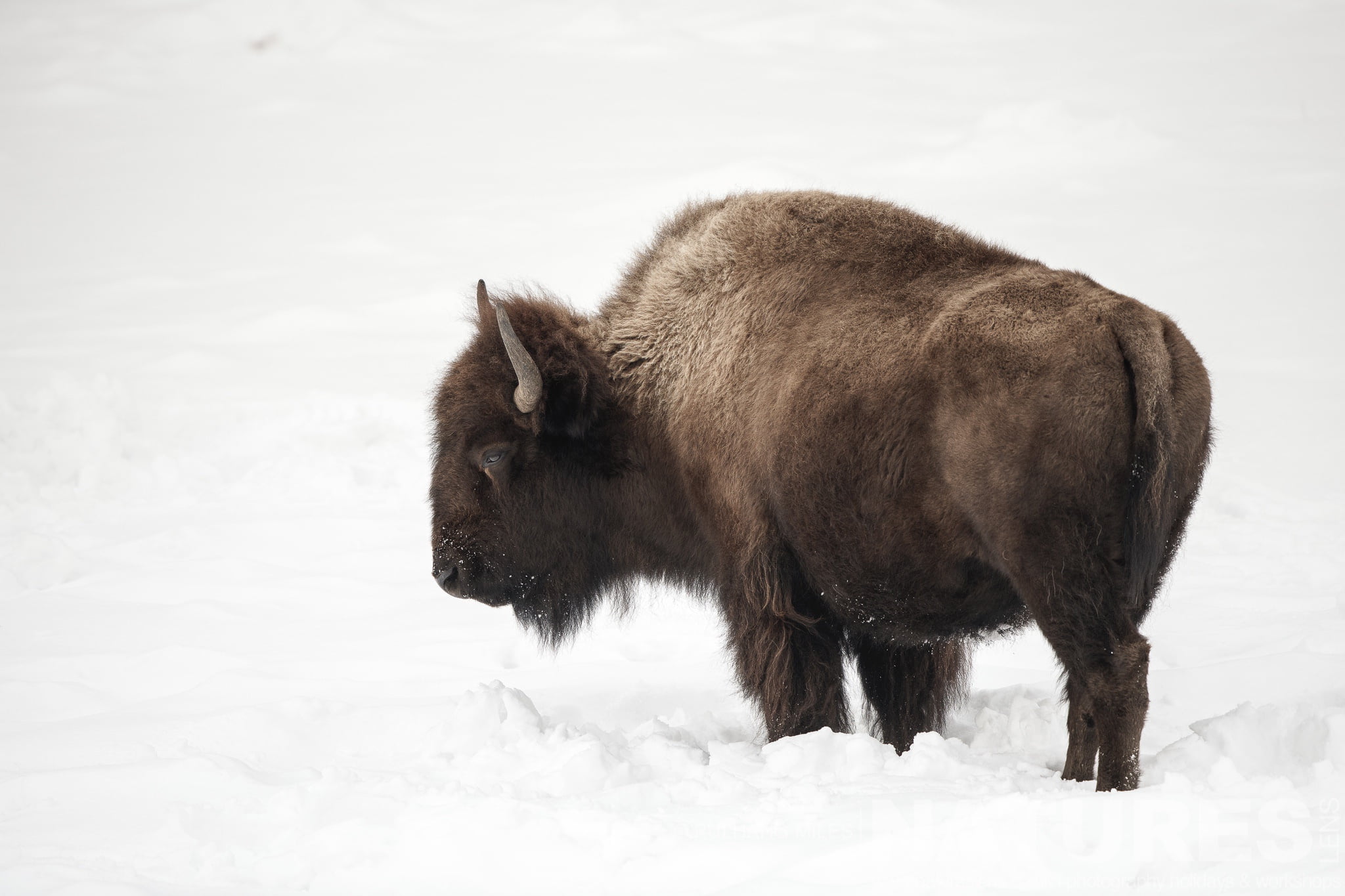
Species profile
About this species
The American bison is the largest land mammal in North America, with adult bulls weighing up to 900 kg and standing nearly 2 metres tall at the shoulder. They are characterised by their massive heads, humped shoulders & shaggy brown coats, which are thicker around the head & forequarters. Once numbering in the tens of millions, bison were nearly driven to extinction in the 19th century but have since recovered through conservation efforts.
Bison are primarily found in grasslands, prairies & open plains, though they also inhabit river valleys, semi-arid lands & lightly wooded areas across North America, with significant populations in Yellowstone National Park & various wildlife reserves.
Where to photograph
Where our trips feature this species
You can photograph Bison with us in Poland & the United States.
These departures are part of our Europe & North America programme.
In the field, David Miles helps guests make the most of these encounters.
Field notes
Photography notes
Early morning & late afternoon light during summer & autumn offer the best conditions, with the rut in July through September providing exceptional behavioural photography opportunities.
Use a long telephoto lens of at least 400mm to maintain a safe distance, as bison are unpredictable & can charge without warning. Position yourself low to the ground during golden hour to capture dramatic lighting across their textured coats & emphasise their imposing silhouettes. During the rut in late summer, focus on interactions between bulls to capture powerful behavioural shots full of drama & movement.
Available holidays
Trips featuring Bison
The holidays below are pulled from the same species relationship, so the guide stays tied to live departures rather than becoming a static article.