If you are planning to travel to Kenya for a wildlife photography holiday in 2027 or beyond, there is an important change to the country’s entry requirements that you need to be aware of. From 6 October 2026, Kenya has introduced mandatory inbound travel health insurance for foreign visitors, with an additional payment now incorporated into the Electronic Travel Authorisation (eTA) application process.
The new insurance costs US$44 per person, plus additional system charges, and perhaps the most frustrating aspect is that travellers who already hold comprehensive travel insurance are currently being required to purchase the Kenyan policy as well.
At NaturesLens, Kenya is one of our most important African wildlife photography destinations, with experiences ranging from the extraordinary nocturnal photography at Shompole Wilderness in the Great Rift Valley to the big cats & open grasslands of Lemek Conservancy in the Maasai Mara ecosystem. With all our October 2026 guests already in Kenya, the new requirement is principally relevant to those joining our holidays from 2027 onwards.
Having reviewed the latest information from the Kenya Tourism Federation & our Kenyan partners, I wanted to explain what has changed, why the new requirement has caused some confusion & what future visitors should know before travelling.
What Has Changed With Kenya’s Entry Requirements From 6 October 2026?
The principal change is that foreign visitors travelling to Kenya for less than 12 months must now have mandatory inbound travel health insurance that meets the country’s new requirements. The scheme has been incorporated directly into the eTA application system, meaning that travellers submitting new applications are currently unable to complete the process without purchasing the required cover.
According to an official update issued by the Kenya Tourism Federation on 8 October 2026, the premium is US$44 per person, with additional system charges payable during the purchase process. This is an additional expense rather than a replacement for the normal eTA application fee.
The requirement applies to entry by air, land or water, although citizens of East African Community member states are exempt. Other nationality-based exemptions may also apply, so travellers should check their particular circumstances.
For most British photographers planning to visit Kenya in 2027 or beyond, the practical implication is straightforward. When the time comes to apply for their Electronic Travel Authorisation, they should expect the mandatory inbound health insurance to form part of the application process, adding US$44 per person, plus system charges, to the overall cost of entering the country.
What makes the situation slightly unusual is how quickly the rules have changed. The proposed insurance requirement was initially suspended by Kenya’s High Court in August 2026 following a legal challenge. However, the High Court subsequently upheld the scheme in October, allowing its implementation to proceed.
The Kenya Tourism Federation’s official update, issued on 8 October, confirms that the new payment requirement is active, although some practical questions remain unresolved.
Why Must Travellers Purchase Kenyan Insurance If They Already Have Travel Insurance?
One of the most obvious questions is why somebody who already has comprehensive travel insurance should have to purchase another policy simply to enter Kenya. Unfortunately, the current application system makes very little allowance for this situation.
The Kenya Tourism Federation has confirmed that, as of 8 October, the eTA portal does not provide an option for travellers to upload evidence of an existing insurance policy purchased elsewhere. Consequently, somebody holding a perfectly good UK travel insurance policy, potentially with extensive medical, evacuation & repatriation benefits, is still being directed to purchase the additional Kenyan cover.
I can understand why this will irritate travellers. We have always expected NaturesLens guests to arrange suitable travel insurance, particularly given the remote locations in which we operate. Whether you are travelling to Lemek Conservancy in the Maasai Mara ecosystem or spending several nights photographing wildlife at Shompole Wilderness, appropriate medical protection is something I would never suggest compromising.
The new Kenyan policy provides specified benefits, including US$20,000 for medical expenses, US$25,000 for emergency medical transportation, US$300 for prescribed medicines, US$1,000 for mental illness & US$5,000 for repatriation of mortal remains, according to the information circulated by our Kenyan partners.
However, those limits should not be mistaken for a comprehensive replacement for your normal travel insurance. The value of insurance is not simply the headline amount of medical cover, but also the detailed terms, exclusions, assistance arrangements & circumstances under which claims will be accepted.
My advice is therefore quite clear: retain your existing comprehensive travel insurance, even if you are required to purchase the additional Kenyan policy.
The two should be regarded as separate arrangements unless the authorities or insurers subsequently provide clearer guidance on how the policies interact. The Kenya Tourism Federation is already seeking clarification on whether travellers holding suitable insurance obtained elsewhere might eventually be able to demonstrate that cover instead of purchasing another policy.
For those travelling next year, I would hope that this is one aspect of the scheme that will have been properly addressed before departure.
When Should You Apply for Your Kenya eTA & Arrange the New Insurance?
For anyone joining a NaturesLens photography holiday in Kenya during 2027 or beyond, there is no need to take immediate action simply because the insurance requirement has changed. The important thing is to understand the process that will apply when you begin preparing your travel documentation nearer your departure date.
Kenya’s Electronic Travel Authorisation system requires eligible visitors to obtain approval before travelling, with applications made through the official Kenya eTA website. The UK Government currently recommends applying at least two weeks before departure, although I would always suggest allowing a little extra time rather than leaving something as important as entry permission until the last moment.
As the new insurance requirement is now integrated into the application process, travellers should expect to purchase the mandatory policy when submitting their eTA application. The payment is additional to the usual authorisation fee, so it is worth allowing for both expenses when budgeting for the holiday.
There is also no advantage in rushing to obtain an eTA many months before travelling, particularly while the new insurance arrangements are still being clarified. We will be keeping an eye on developments & will incorporate the latest confirmed requirements into the joining information sent to our guests before their holidays.
When applying, it is important to use the official government website rather than one of the many third-party services that appear in online searches. Some of these charge additional administration fees for a process that can be completed directly.
I would also recommend keeping electronic copies of your approved authorisation, mandatory insurance confirmation & existing travel insurance documents somewhere that can be accessed without an internet connection.
For photographers travelling with considerable amounts of equipment, the last thing anyone needs is an avoidable administrative problem at the airport. One of the reasons we put considerable effort into planning our NaturesLens holidays is to ensure that guests can concentrate on their photography once they arrive, without having to worry about arrangements that should have been settled before leaving home.
What Makes Shompole Wilderness & Lemek Conservancy Such Special Photography Destinations?
Although the new entry requirements are something we will need to incorporate into our travel arrangements, they certainly do not diminish my enthusiasm for Kenya. In fact, the opportunities available at Shompole Wilderness & Lemek Conservancy are among the reasons I believe the country deserves such a prominent place in our photography programme.
Shompole Wilderness is particularly extraordinary. Situated in the southern Great Rift Valley, close to the Tanzanian border, it offers a style of wildlife photography that is genuinely difficult to experience anywhere else in Africa. We first scouted Shompole Wilderness in 2024, introduced our photography holidays there in 2025 & have continued developing the experience around its remarkable nocturnal wildlife.
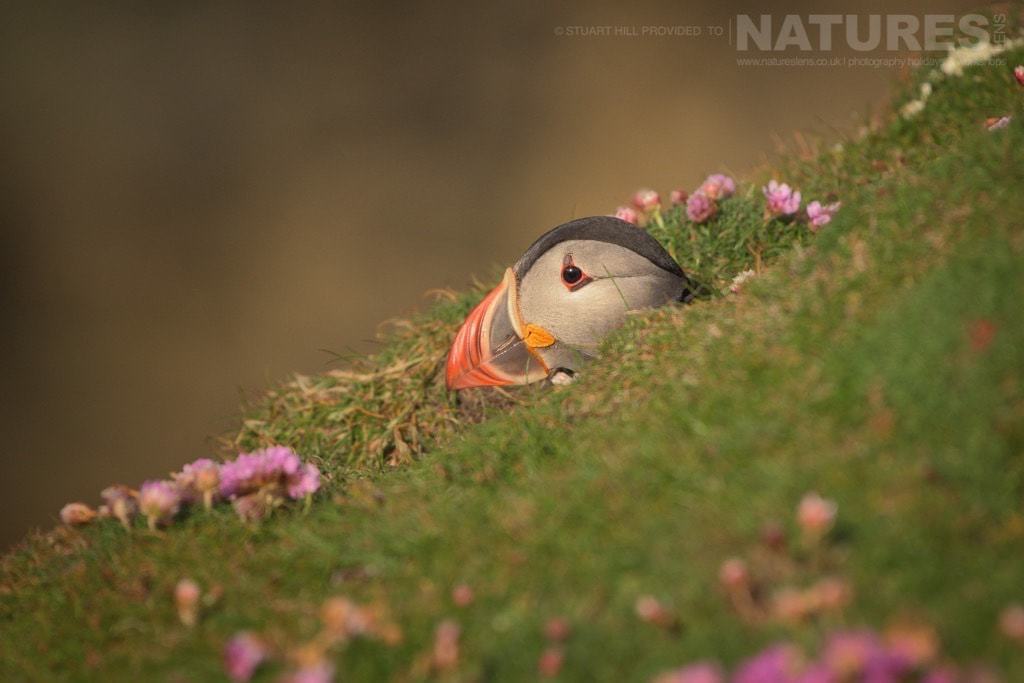
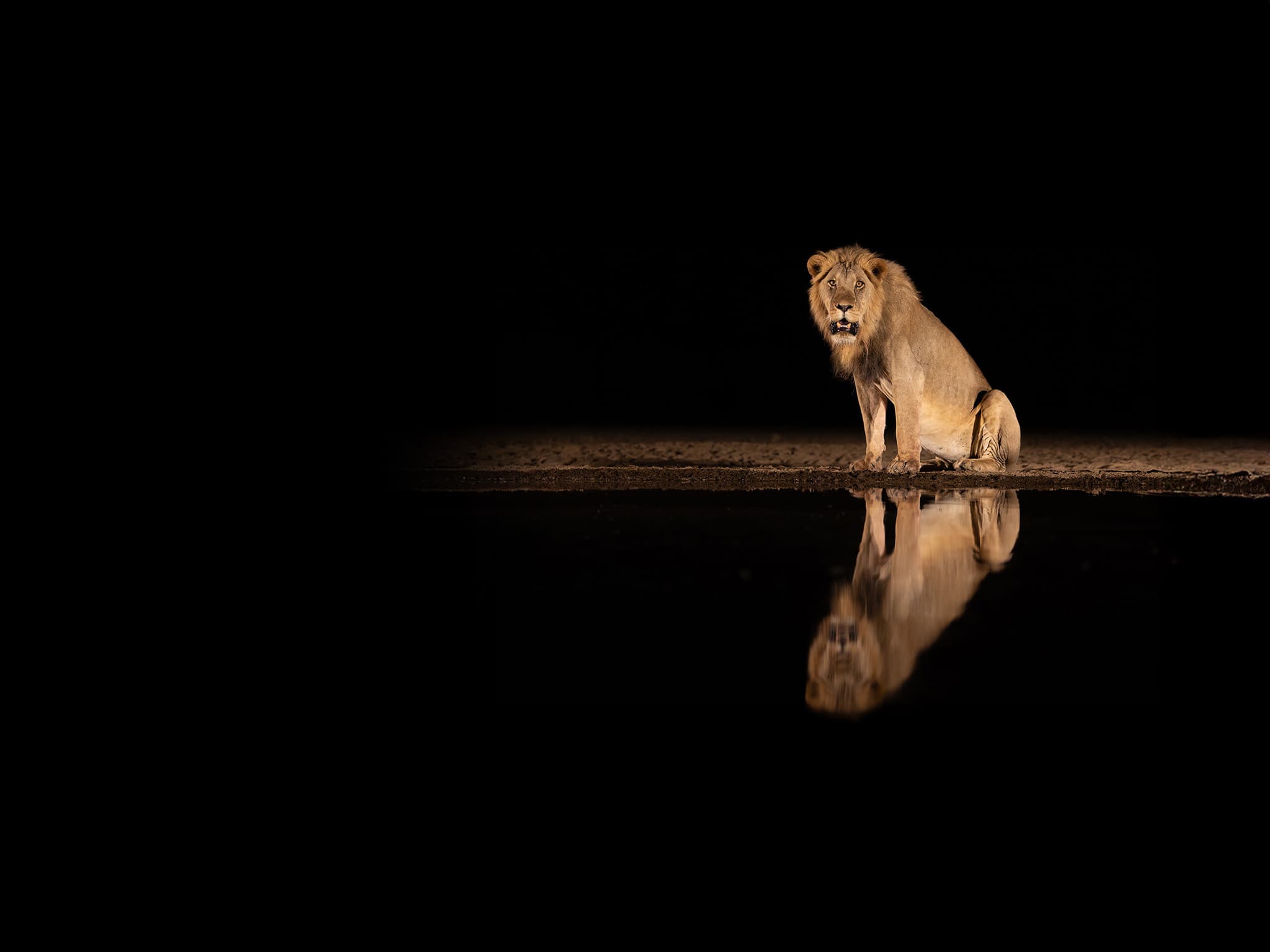
What makes Shompole Wilderness so special is the opportunity to photograph wildlife from purpose-built hides positioned around waterholes, with carefully controlled lighting that allows photographers to work long after sunset. Leopards, lions, elephants, hyenas, African civets, bat-eared foxes & other nocturnal species may all make appearances, sometimes providing encounters that would be almost impossible to photograph during a conventional safari.
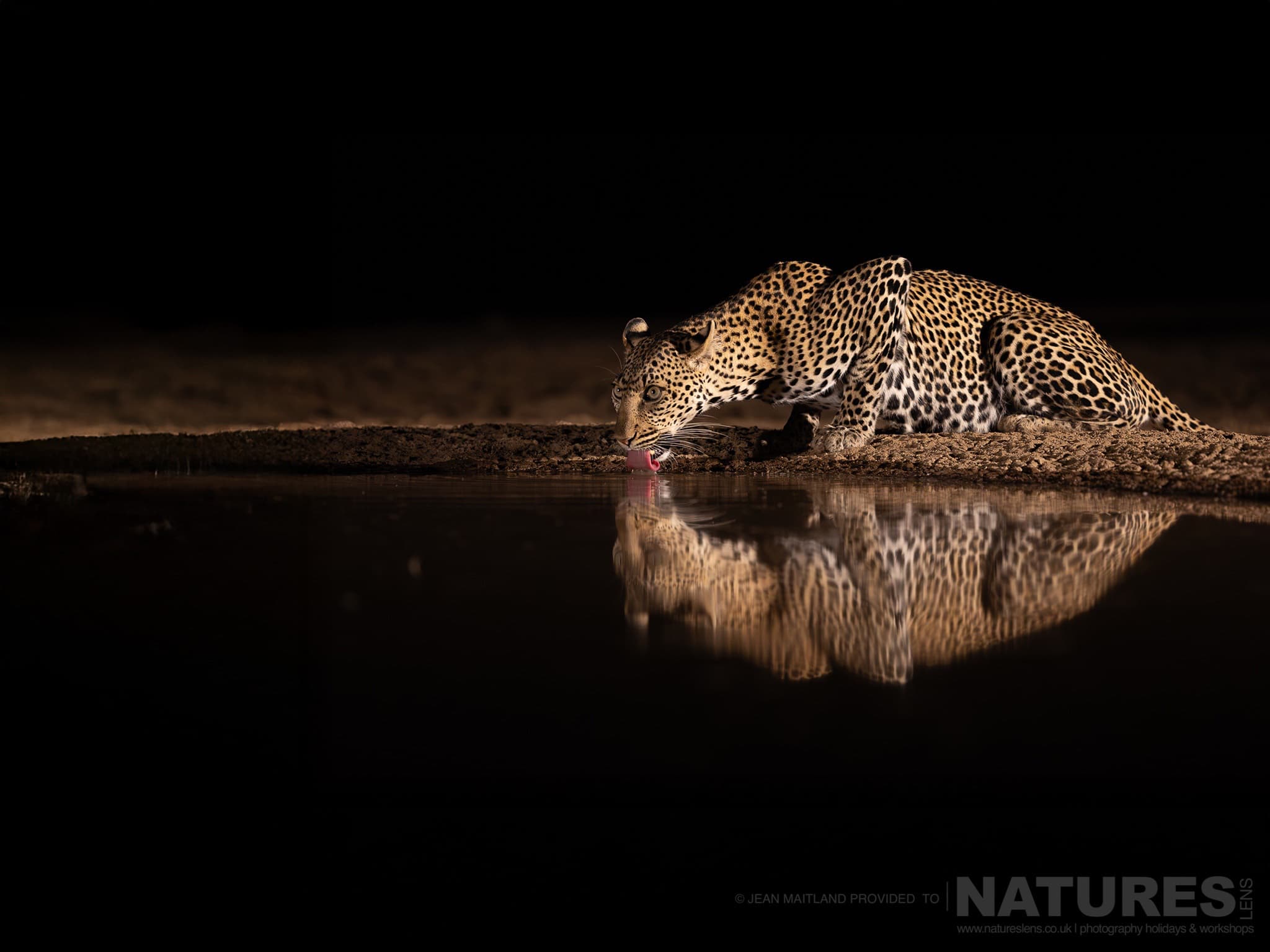
For me, the attraction goes far beyond simply seeing these animals. The ability to spend hours in a hide, watching the light, waiting for a subject to approach & refining a composition is an enormous advantage. At Shompole Wilderness, we can work with dramatic low-key lighting, carefully considered backgrounds, reflections & the extraordinary atmosphere created when wildlife emerges from the darkness.
There is something quite addictive about sitting quietly in a hide, never knowing what might appear next. Every movement beyond the waterhole raises the possibility of another memorable encounter, and the variety of subjects means that no two nights are ever quite the same. It is precisely the sort of sustained, image-first photography experience that I wanted NaturesLens to offer.

Our photography holidays in Lemek Conservancy, within the wider Maasai Mara ecosystem, provide a wonderful contrast. Here, the emphasis shifts towards the classic African savannah, with its rolling grasslands, scattered acacia trees, big cats & opportunities to work in beautiful early morning or late afternoon light.
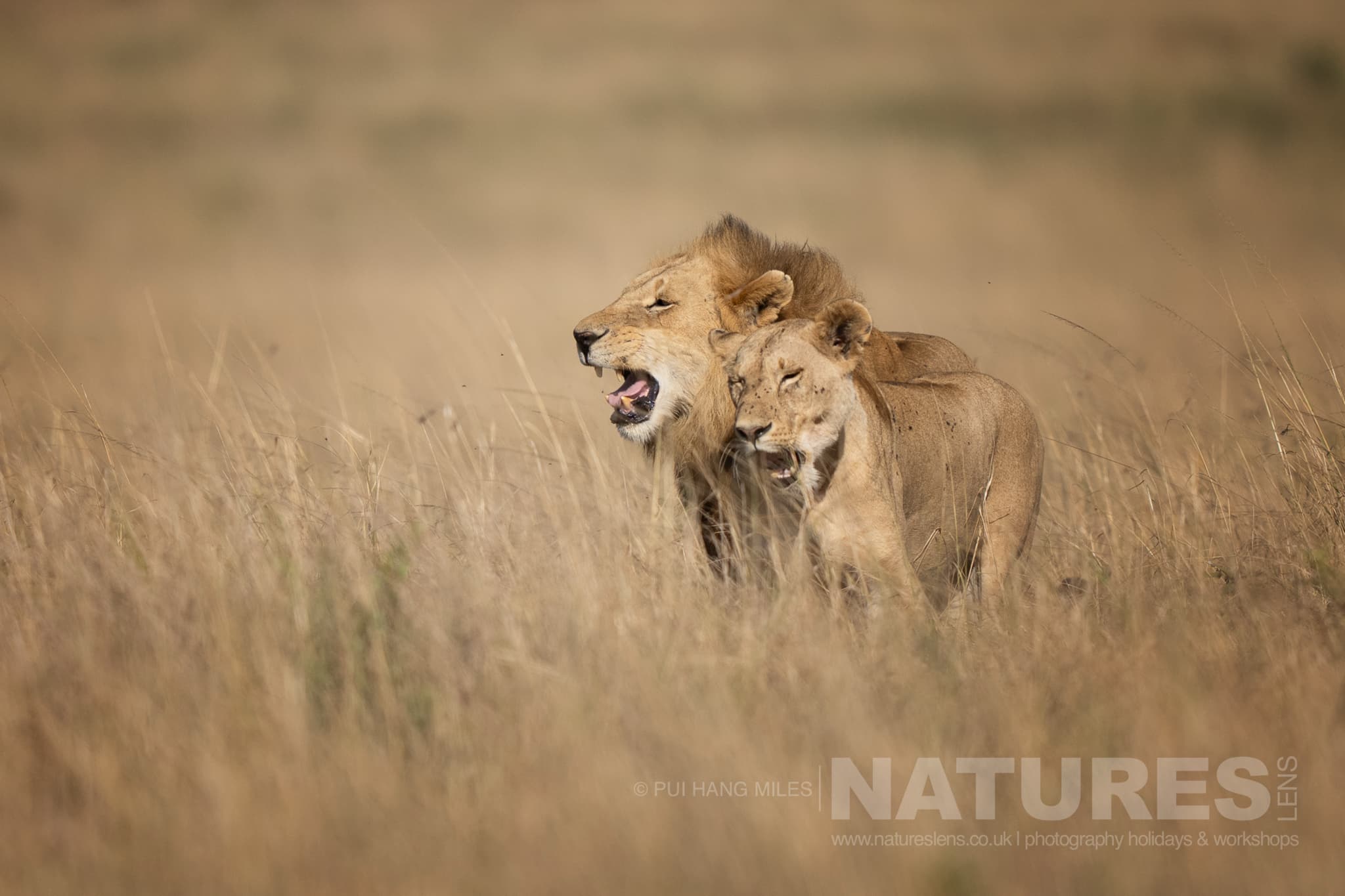
Lemek offers the opportunity to spend meaningful time with lions, cheetahs, leopards & other wildlife, concentrating on behaviour, positioning & the relationship between the subject & its surroundings. Rather than rushing between sightings, our approach is to remain with productive animals, allowing opportunities to develop naturally.
The two destinations complement one another beautifully. Shompole Wilderness opens up the fascinating world of African wildlife after dark, while Lemek Conservancy provides the expansive landscapes, predator encounters & changing natural light for which the Maasai Mara is so rightly celebrated.
Neither experience is about accumulating the largest possible species list. Both are about giving photographers the time, access & conditions needed to create genuinely memorable images.
Does Kenya’s New Mandatory Insurance Provide Enough Protection for a Wildlife Photography Safari?
Although the new inbound policy establishes a minimum level of protection, I would be extremely cautious about assuming that it provides everything required for a specialist wildlife photography holiday.
Our trips are not particularly comparable to conventional holidays spent around large hotels or city centres. We frequently operate in remote areas, sometimes considerable distances from major medical facilities, and our itineraries are specifically designed around access to wildlife habitats that would be difficult to experience independently.
Shompole Wilderness is a particularly good example. Its position in the southern Great Rift Valley, surrounded by acacia woodland, open savannah & the dramatic Nguruman Escarpment, is fundamental to its photographic appeal. That remoteness is also part of what makes spending time there such a special experience, with very little of the disturbance associated with more heavily visited safari areas.
However, the same remoteness means that suitable medical evacuation arrangements, emergency assistance & access to appropriate treatment should be important considerations when arranging travel insurance.
Lemek Conservancy presents different circumstances, but the principle remains the same. Even in well-established safari regions, medical facilities may be some distance away, and an emergency could require transport to Nairobi or another major centre.
There is another aspect that photographers should not overlook: the new mandatory Kenyan health insurance should not be assumed to cover photographic equipment.
Many of our guests travel with substantial amounts of camera equipment, including professional bodies, long telephoto lenses, laptops & associated accessories. These can easily represent a considerable financial investment, often exceeding the standard baggage limits of ordinary travel insurance policies.
For that reason, I always recommend checking the individual-item limits, total equipment cover, accidental damage provisions & exclusions of your existing policy. You should also ensure that any activities undertaken during your holiday are adequately covered, particularly where the itinerary involves remote travel or specialist photographic experiences.
The additional US$44 Kenyan policy should therefore be viewed as another requirement for entering the country, not as a reason to reduce the level of protection you would otherwise arrange.
What Do Kenya’s New Entry Rules Ultimately Mean for Photographers Visiting in 2027 & Beyond?
For anyone considering a wildlife photography holiday in Kenya next year, the introduction of mandatory inbound travel health insurance is something to be aware of, but certainly not something that should discourage you from visiting.
It is an additional expense, and I do question the logic of making travellers purchase another insurance policy when many already have comprehensive protection in place. Hopefully, the Kenyan authorities will address that issue as the scheme develops, particularly given the importance of international tourism to the country.
There is time for further clarification before our next photography holidays, and I would expect the application process to become more straightforward as the authorities gain experience of operating the new system.
From our perspective, we will continue monitoring developments & ensuring that our guests receive accurate, practical information in good time before their departures.
Ultimately, the additional insurance requirement is a relatively small consideration when compared with the extraordinary opportunities that Kenya offers wildlife photographers.
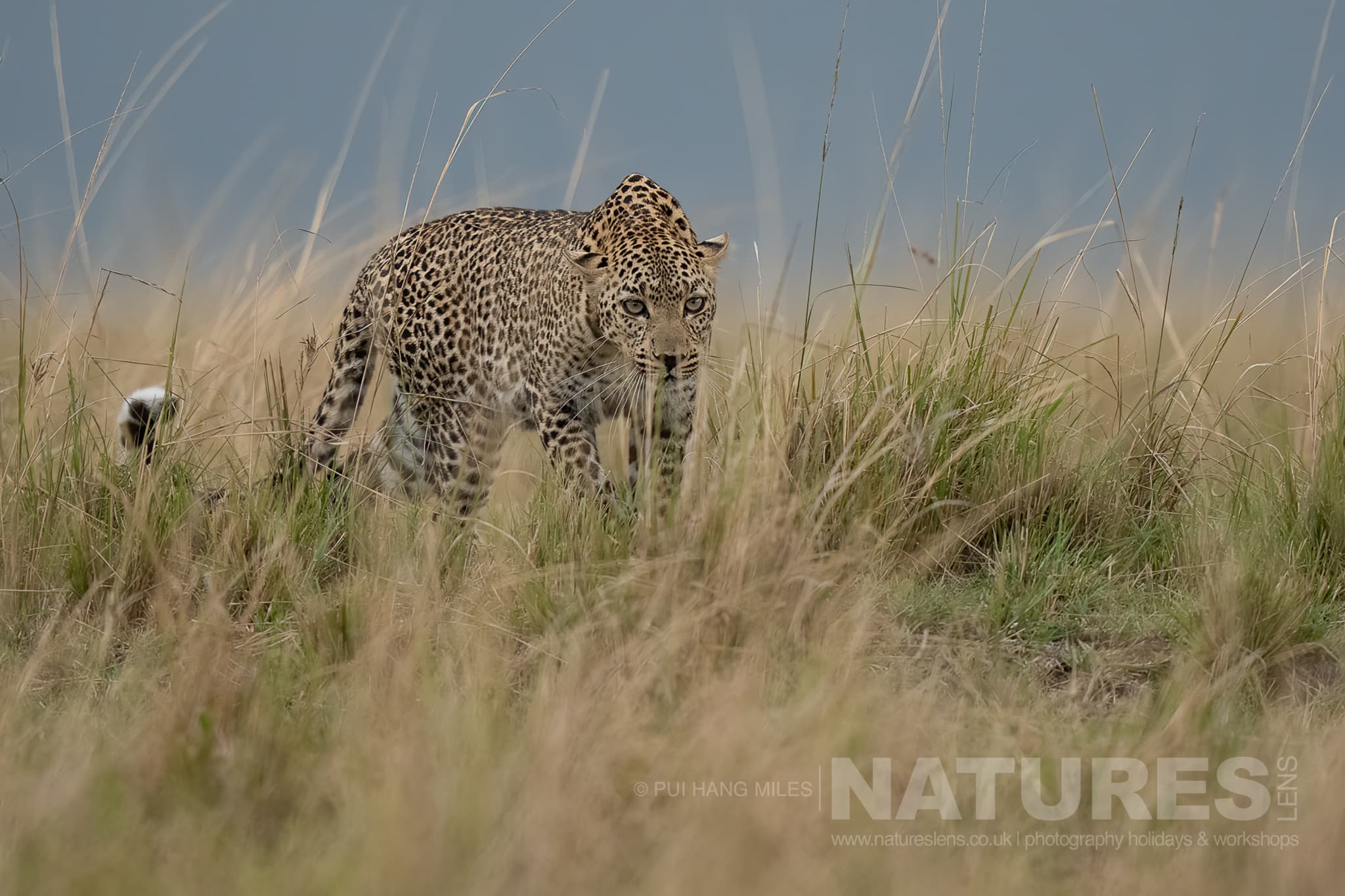
Shompole Wilderness remains one of the most exciting wildlife photography experiences we offer, largely because it allows us to work with species, lighting & behaviour that are so rarely accessible to photographers. The combination of specialist hides, nocturnal wildlife, carefully managed lighting & the sheer unpredictability of what might appear makes it a destination I genuinely look forward to returning to.
Lemek Conservancy offers something different but equally rewarding, with the remarkable predators of the Maasai Mara ecosystem, beautiful savannah landscapes & the opportunity to spend extended periods working with individual animals as the light changes throughout the day.
Both destinations reflect the philosophy behind our Kenya wildlife photography holidays: small groups, carefully considered photographic opportunities & the freedom to spend time with wildlife rather than rushing from one sighting to another.
The new insurance requirement is simply another detail we will incorporate into our planning, ensuring that guests travelling with us from 2027 onwards have the information they need well before departure.
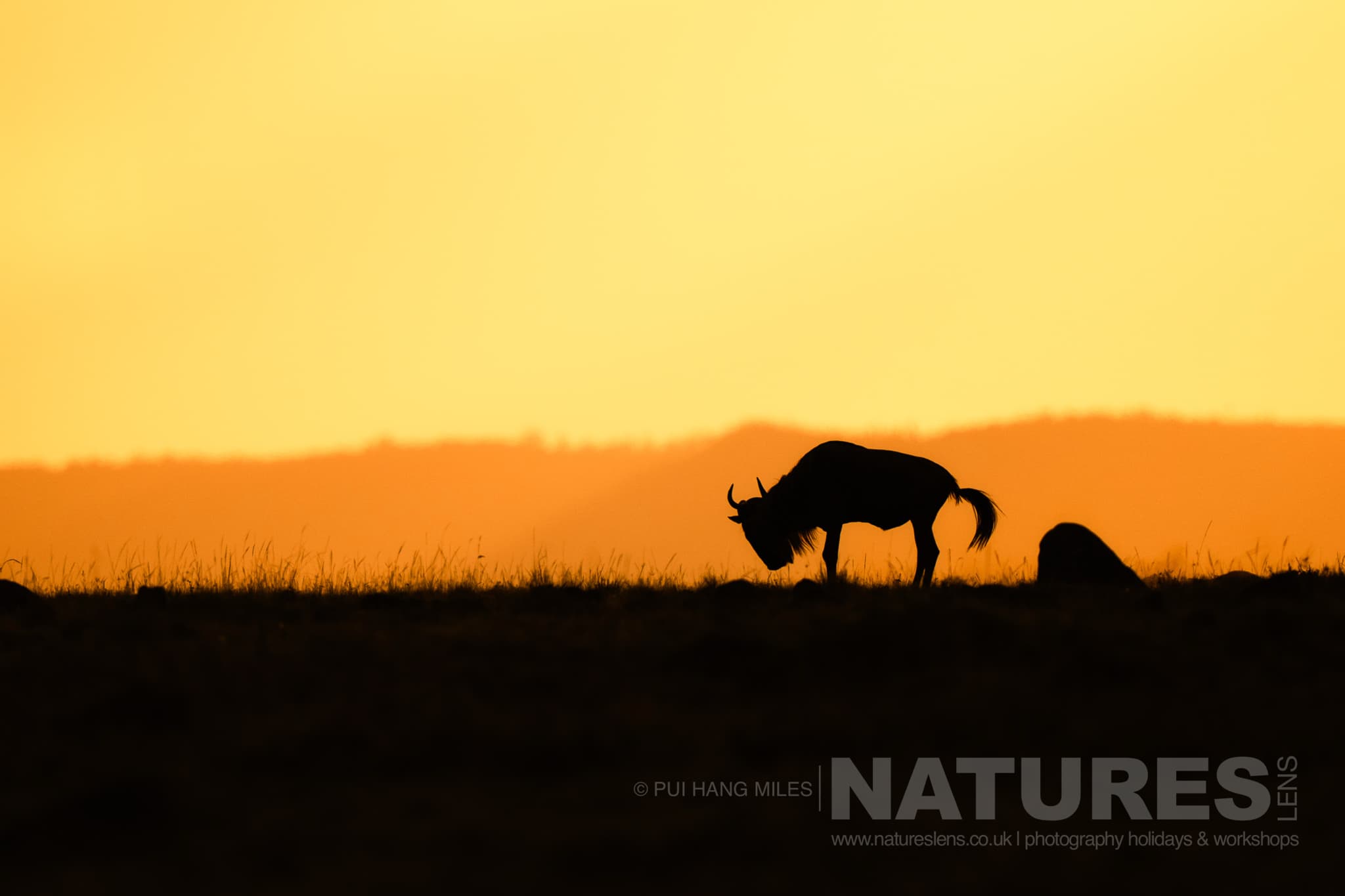
Once in Kenya, the emphasis will remain exactly where it should be: on the wildlife, the light, the experience of being there & the opportunity to come home with photographs that would be extraordinarily difficult to achieve anywhere else.
Information correct as of 9 October 2026. Kenya’s entry requirements are subject to change, particularly while the authorities clarify arrangements for travellers with independently purchased insurance. Always check the official Kenyan Government portals before departure.