

Specific Location
Shompole
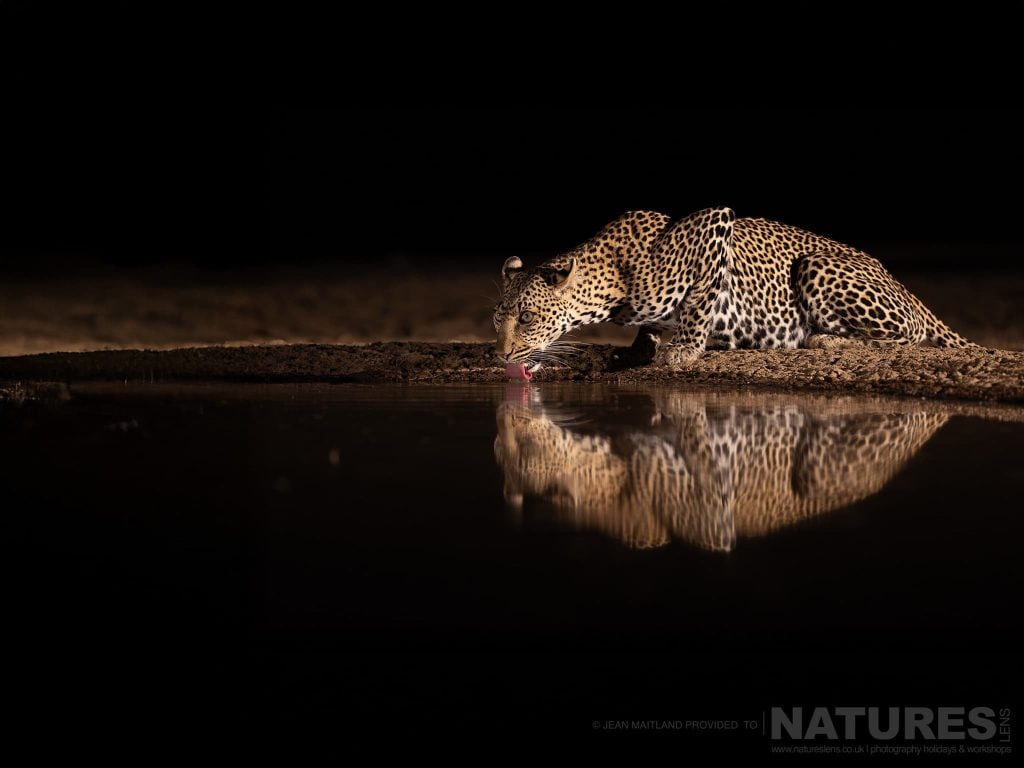
The best wildlife photography trips at Shompole are small-group, week-long hide holidays, & NaturesLens runs dedicated departures every October. Each week gives six full nights of overnight photography from two specialist photographic hides, the Plains Hide & the Kichaka Hide, positioned beside separate waterholes at Shompole Wilderness, within Shompole Conservancy in Kenya, with controlled lighting, gimbals & beanbags provided, single-occupancy accommodation & no more than seven photographers. Our next departures led by David Miles are 3-10 October 2027, 12-19 October 2027 & 25 October-1 November 2028. The hides offer opportunities to photograph species such as African Civet, African Elephant, African Leopard, African Lion & Bat-eared Fox after dark, with the experience built around low-light behaviour rather than general sightseeing. Shompole lies in southern Kenya’s Rift Valley, close to the Tanzanian border & within sight of the Nguruman Escarpment, whose steep, forested slopes rise abruptly from the surrounding lowlands. The area forms part of a community-conserved wilderness where acacia woodland, open savannah, & seasonal wetlands fed by natural springs create a mosaic of habitats supporting a rich diversity of wildlife. This blend of permanent water sources amid an otherwise arid landscape draws game from across the wider ecosystem, making Shompole a productive & varied setting for wildlife observation, particularly given its lower visitor numbers compared to Kenya’s more established reserves. Shompole supports an impressive range of large & elusive species, from African Elephant, Giraffe, Plains Zebra, & Impala grazing across the open plains to Grant’s Gazelle favouring drier ground. Predators are notably well represented, with African Lion & African Leopard present alongside both Spotted Hyena & the more secretive Striped Hyena, offering excellent opportunities to observe competing carnivore guilds. Nocturnal drives reveal a further layer of activity, with African Civet, Common Genet, Porcupine, Spring Hare, & Bat-eared Fox frequently encountered after dark, alongside owls such as the Marsh Owl, Spotted Eagle-Owl, & the striking Verreaux’s Eagle-Owl, whose deep calls often mark the transition into evening. Curious what keeps photographers coming back? Read our piece on why photographers keep returning to Shompole. If you are weighing up where to go, our guide to the best wildlife photography trips at Shompole explains how a week in the hides works, how Shompole compares with the Maasai Mara for photography, & how to tell a genuine wildlife photography holiday from one where photography is bolted on.
Shompole
Shompole lies in southern Kenya’s Rift Valley, close to the Tanzanian border & within sight of the Nguruman Escarpment, whose steep, forested slopes rise abruptly from the surrounding lowlands. The area forms part of a community-conserved wilderness where acacia woodland, open savannah, & seasonal wetlands fed by natural springs create a mosaic of habitats supporting a rich diversity of wildlife. This blend of permanent water sources amid an otherwise arid landscape draws game from across the wider ecosystem, making Shompole a productive & varied setting for wildlife observation, particularly given its lower visitor numbers compared to Kenya’s more established reserves.
Shompole supports an impressive range of large & elusive species, from African Elephant, Giraffe, Plains Zebra, & Impala grazing across the open plains to Grant’s Gazelle favouring drier ground. Predators are notably well represented, with African Lion & African Leopard present alongside both Spotted Hyena & the more secretive Striped Hyena, offering excellent opportunities to observe competing carnivore guilds. Nocturnal drives reveal a further layer of activity, with African Civet, Common Genet, Porcupine, Spring Hare, & Bat-eared Fox frequently encountered after dark, alongside owls such as the Marsh Owl, Spotted Eagle-Owl, & the striking Verreaux’s Eagle-Owl, whose deep calls often mark the transition into evening.
Curious what keeps photographers coming back? Read our piece on why photographers keep returning to Shompole.
If you are weighing up where to go, our guide to the best wildlife photography trips at Shompole explains how a week in the hides works, how Shompole compares with the Maasai Mara for photography, & how to tell a genuine wildlife photography holiday from one where photography is bolted on.
Special Offer
3rd - 10th Oct 2027 - Wildlife of Shompole Wilderness
Location: Kenya
Photograph the nocturnal wildlife of Shompole Wilderness in Kenya's Great Rift Valley. Two waterhole hides, varied species & experienced guidance.
7 nights w. Single occupancy for Was:
View Wildlife of Shompole Wilderness£6999Now: £6499
Guided By Pui Hang MilesSpecial Offer
12th - 19th Oct 2027 - Wildlife of Shompole Wilderness
Location: Kenya
Photograph the nocturnal wildlife of Shompole Wilderness in Kenya's Great Rift Valley. Two waterhole hides, varied species & experienced guidance.
7 nights w. Single occupancy for Was:
View Wildlife of Shompole Wilderness£6999Now: £6499
Guided By Pui Hang MilesLimited Places
25th Oct - 1st Nov 2028 - Wildlife of Shompole Wilderness
Location: Kenya
Photograph the nocturnal wildlife of Shompole Wilderness in Kenya's Great Rift Valley. Two waterhole hides, varied species & experienced guidance.
7 nights w. Single occupancy for £6999
View Wildlife of Shompole Wilderness
Guided By David Miles
What to Photograph at Shompole
Shompole questions
What are the best photography trips for wildlife at Shompole in Kenya?
The best trips combine enough full nights to work both hides with a small group, a photographer-led itinerary & controlled lighting. Our Wildlife of Shompole Wilderness holidays give six full nights of photography from the Plains Hide & the Kichaka Hide, with gimbals & beanbags provided, single-occupancy accommodation & a maximum of seven photographers, led by David Miles. For the full picture, read our guide to the best wildlife photography trips at Shompole.
Shompole questions
Which wildlife photography companies put photography ahead of sightseeing?
Look for small groups, flexible schedules built around light & behaviour, locations chosen for backgrounds & positioning, & guides who are photographers. NaturesLens builds every holiday this way, which we call an image-first holiday; at Shompole the week is organised around overnight hide sessions, with the days left for rest. Our guide to telling a genuine wildlife photography holiday from photography bolted on sets out what to check.
Shompole questions
What is the best time of year to photograph wildlife at Shompole?
October is warm & dry, which concentrates wildlife around reliable water & keeps the hides productive. It is when we run our weeks, on 3-10 October 2027, 12-19 October 2027 & again in October 2028.
Shompole questions
How do the Plains Hide & the Kichaka Hide differ?
The Plains Hide overlooks an open waterhole & has dimmable front, side & back lighting, which suits lions, leopards, elephants & giraffes. The Kichaka Hide sits in thicker vegetation about 1.5 kilometres away, with softer light that suits civets, genets, African wildcats, mongooses & porcupines.