 Trustpilot
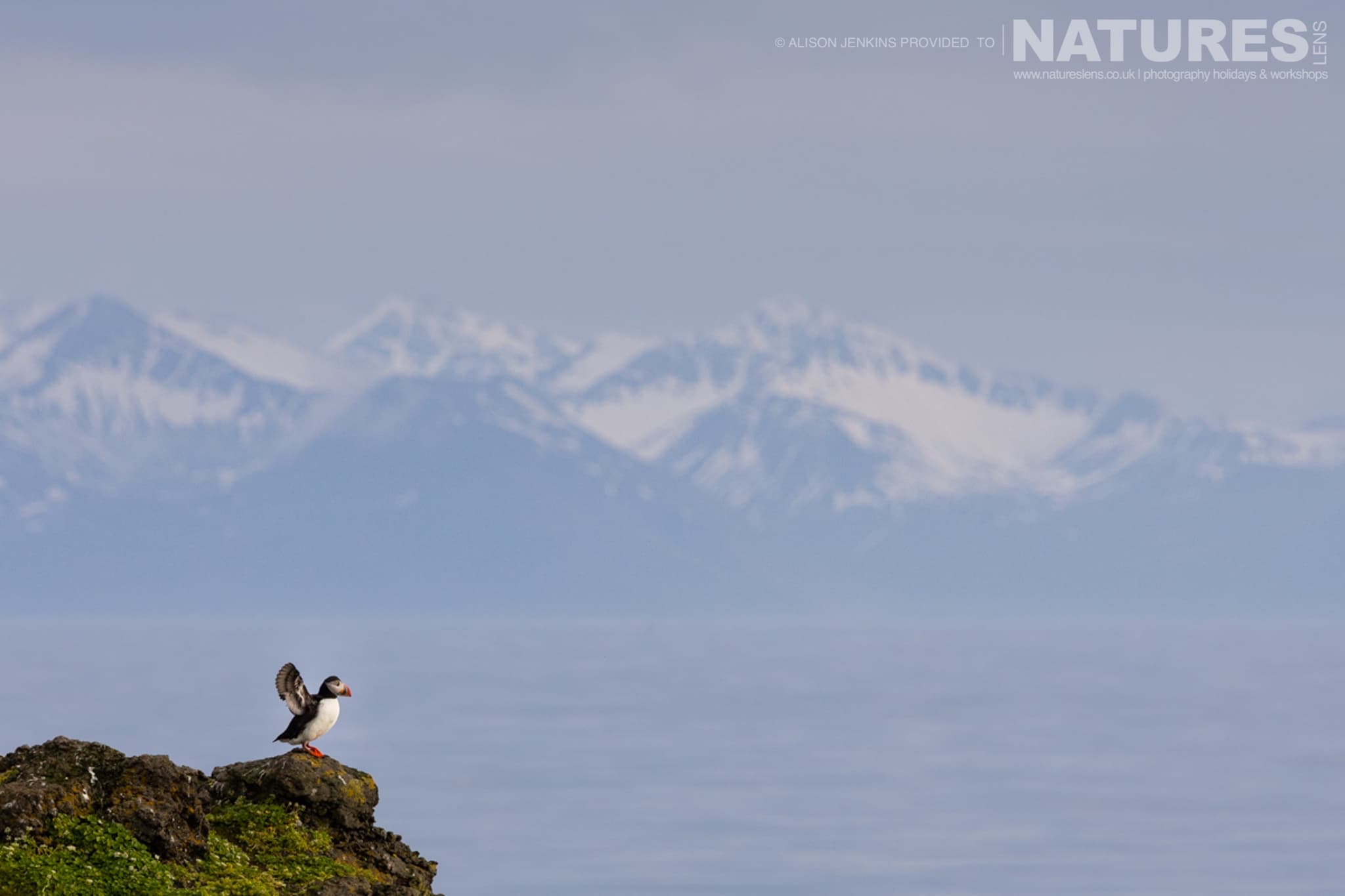
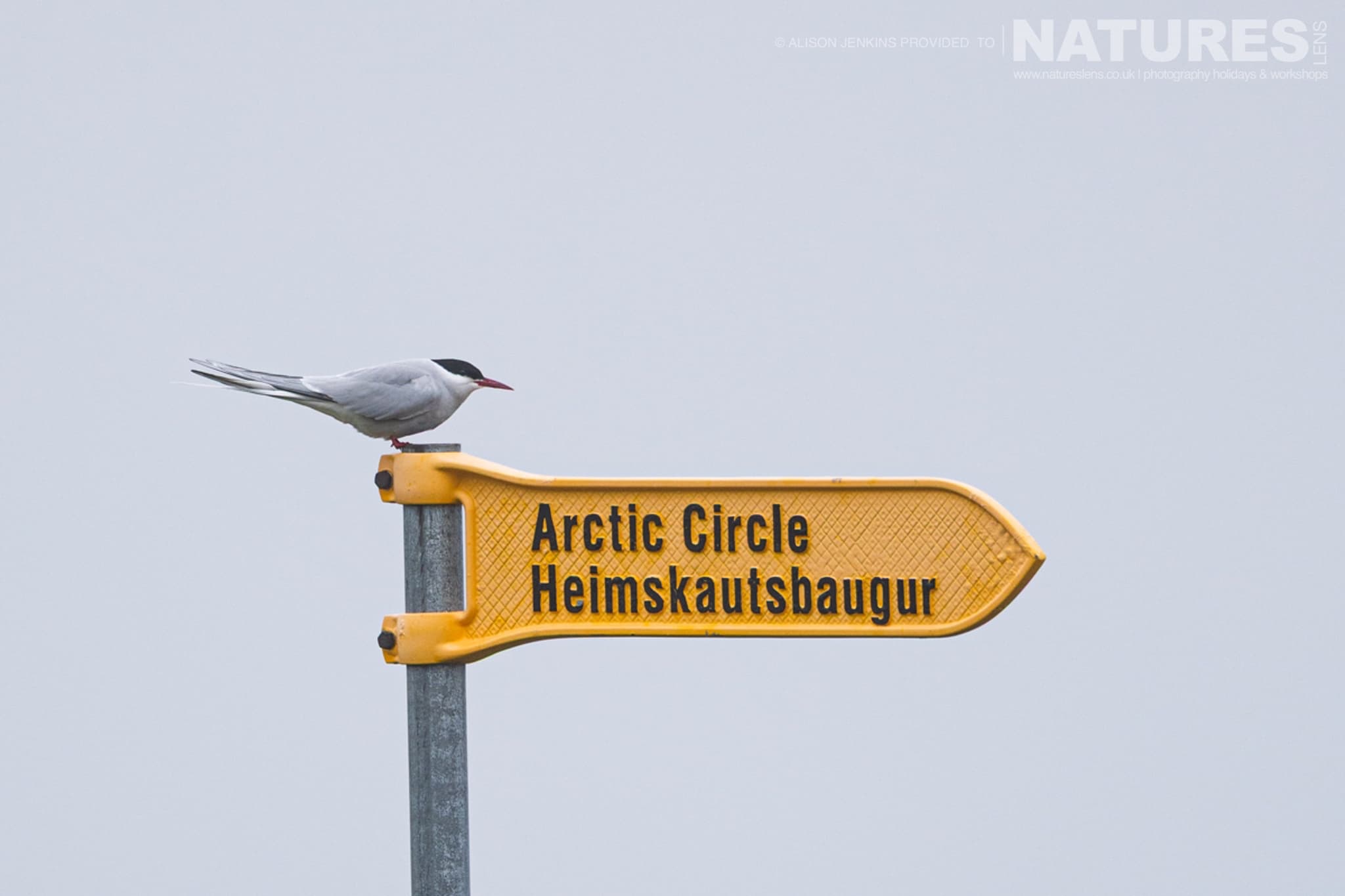
Grímsey Island, a remote speck of land straddling the Arctic Circle, is a paradise for bird photographers. Known for its dense seabird colonies, dramatic cliffs, & the magical light of the midnight sun, it’s one of the best places in the world to photograph Atlantic Puffins in flight. I recently joined a NaturesLens photography holiday on the island, led by guide Robin, & spent six unforgettable days immersed in bird behaviour, stunning landscapes, & endless golden light.
Day 1 – Arrival & First Encounters
After an overnight stay in Akureyri, we boarded a Twin Otter for the short 30-minute flight to Grímsey. Cruising at just 1,500 feet, we were treated to breathtaking views of Iceland‘s northern mountains before descending towards the island. As we approached, flocks of seabirds erupted from the cliffs – a thrilling preview of what was to come.
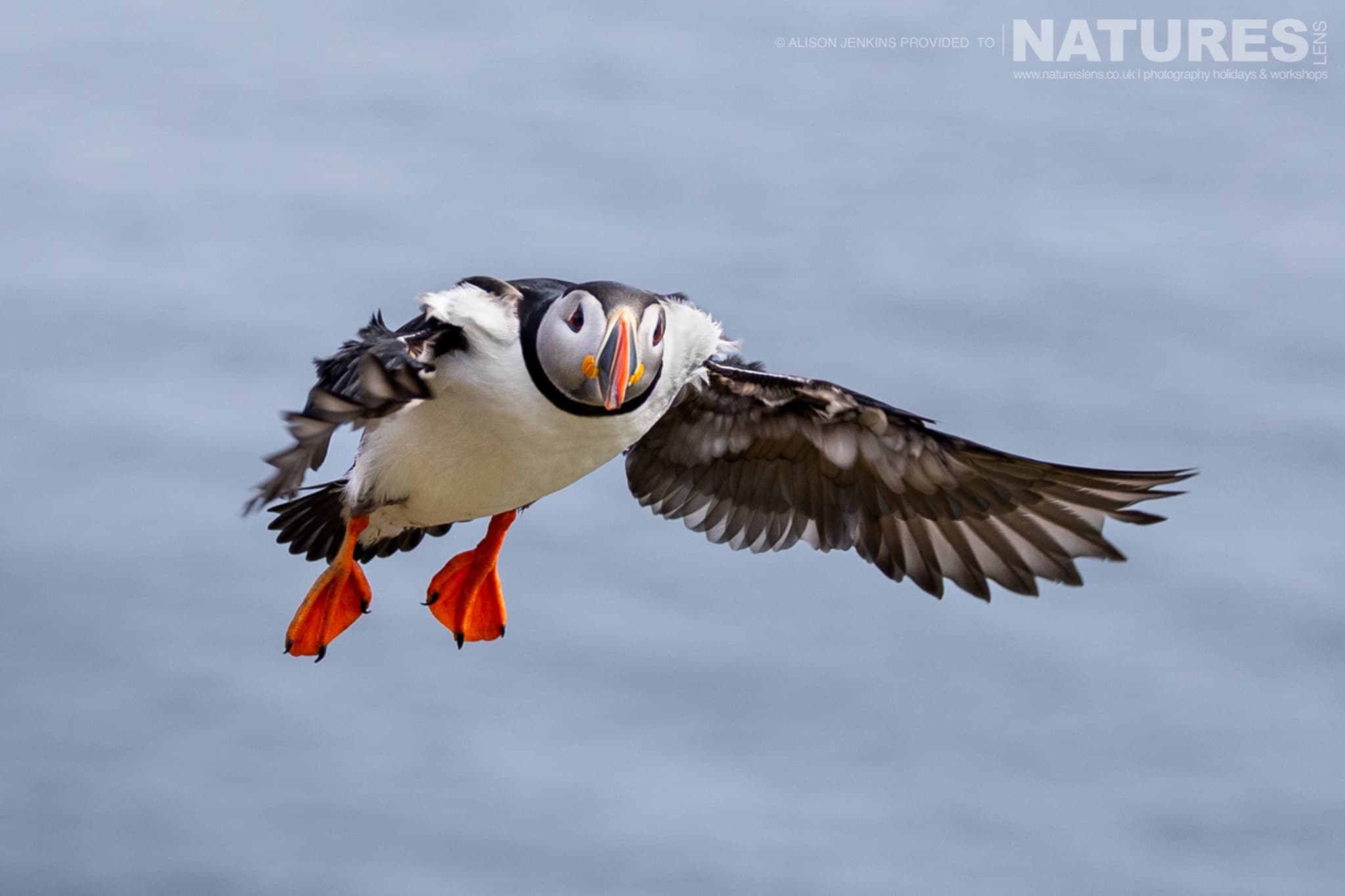
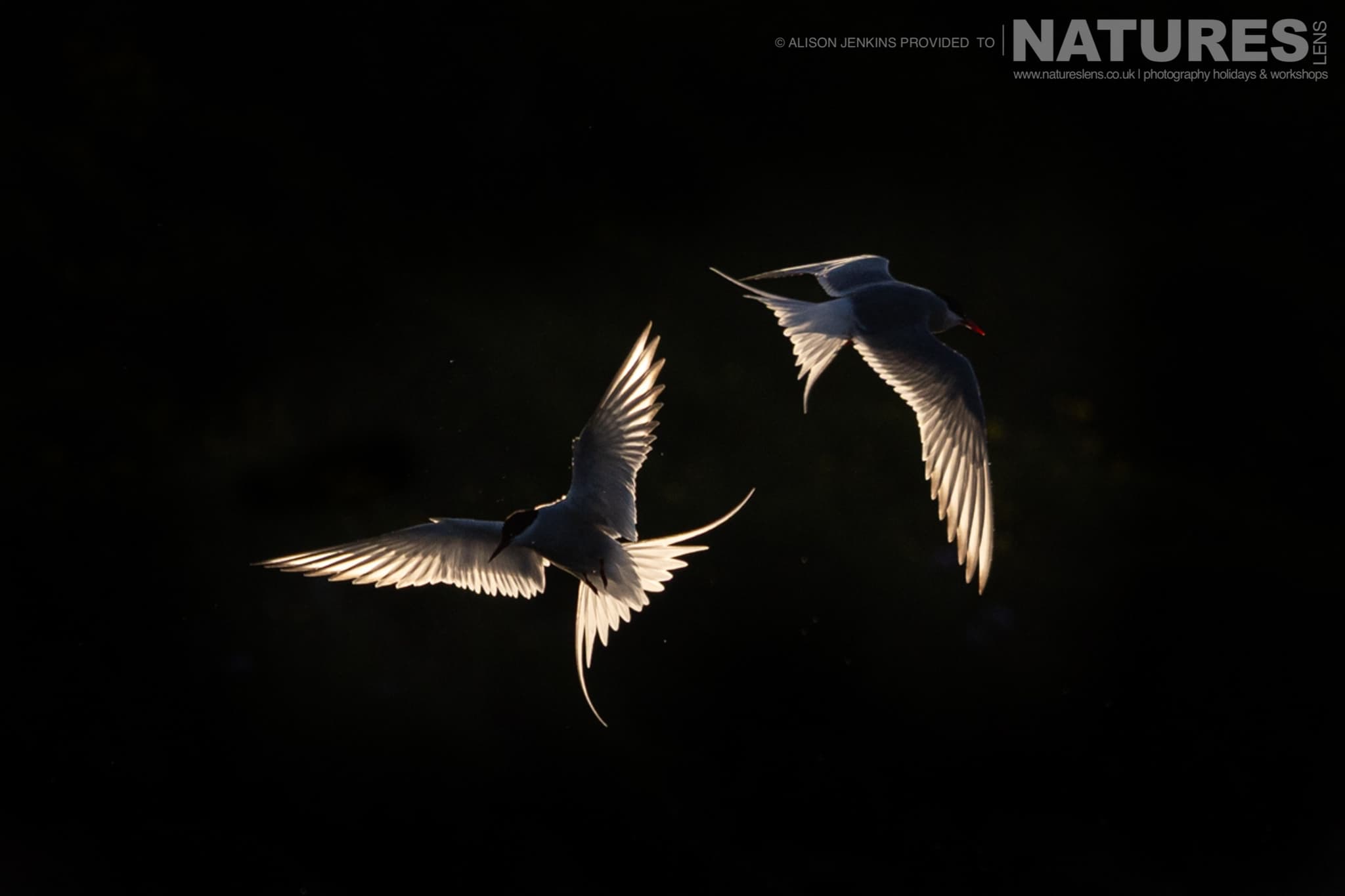
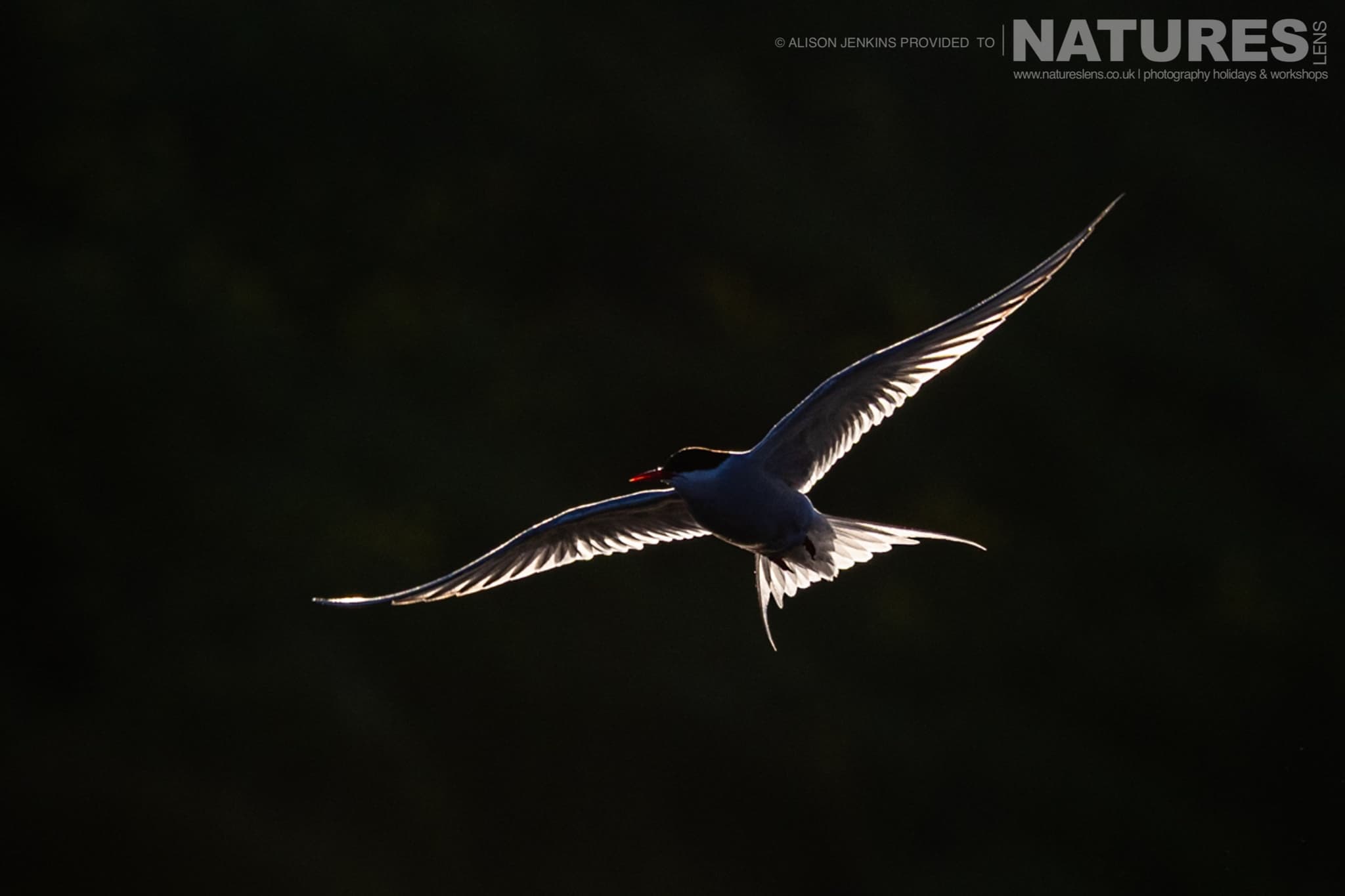
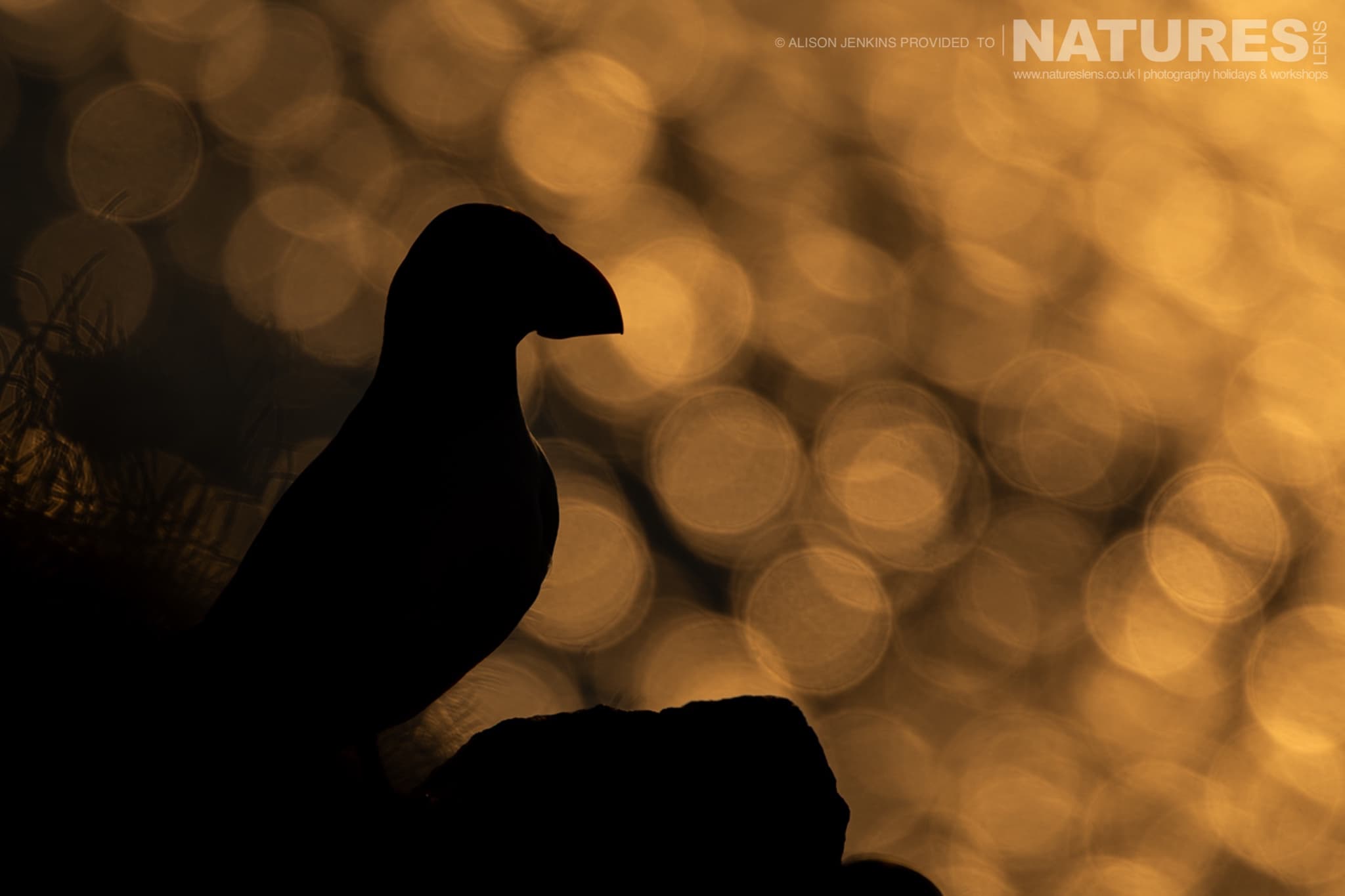
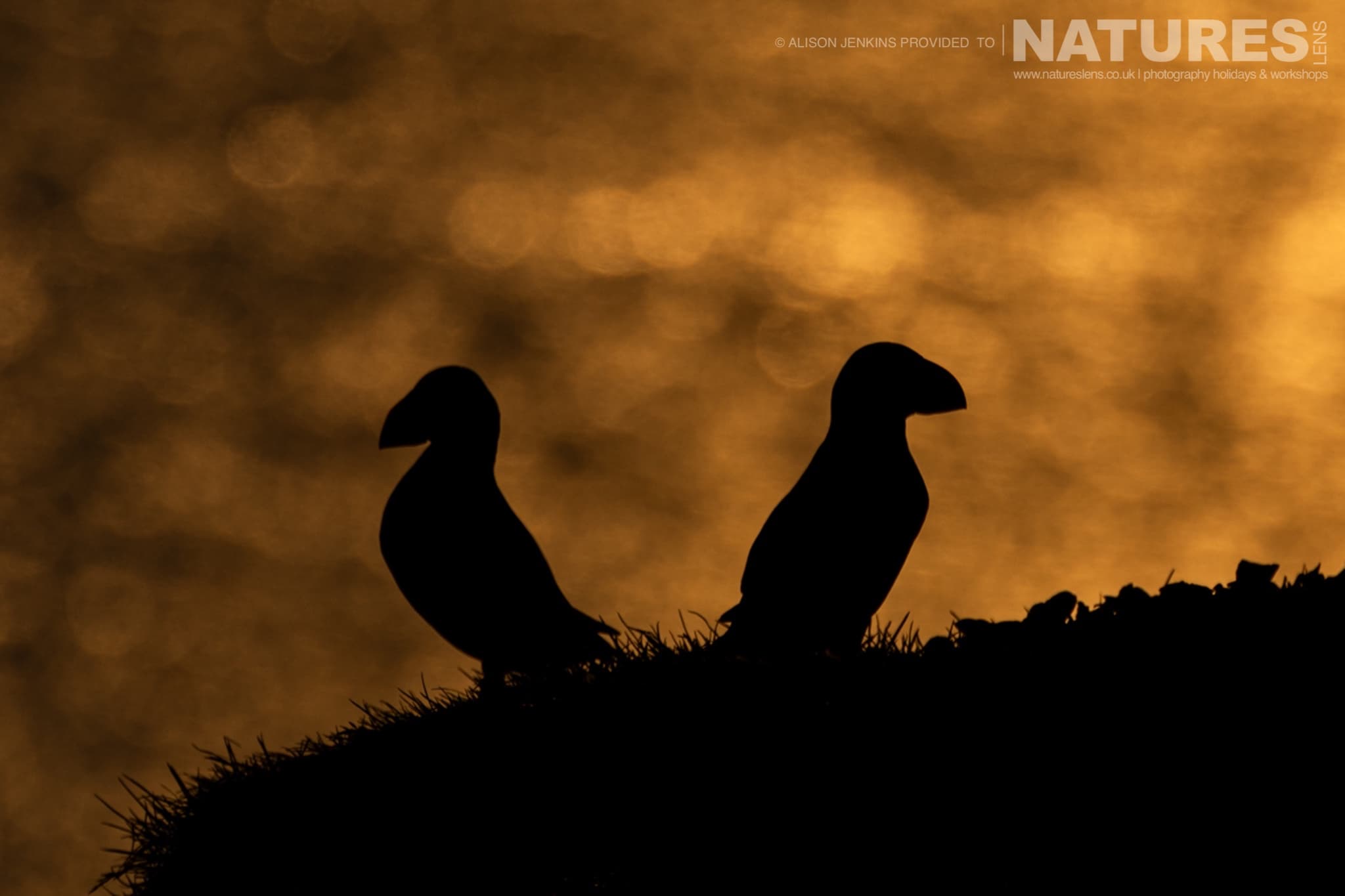
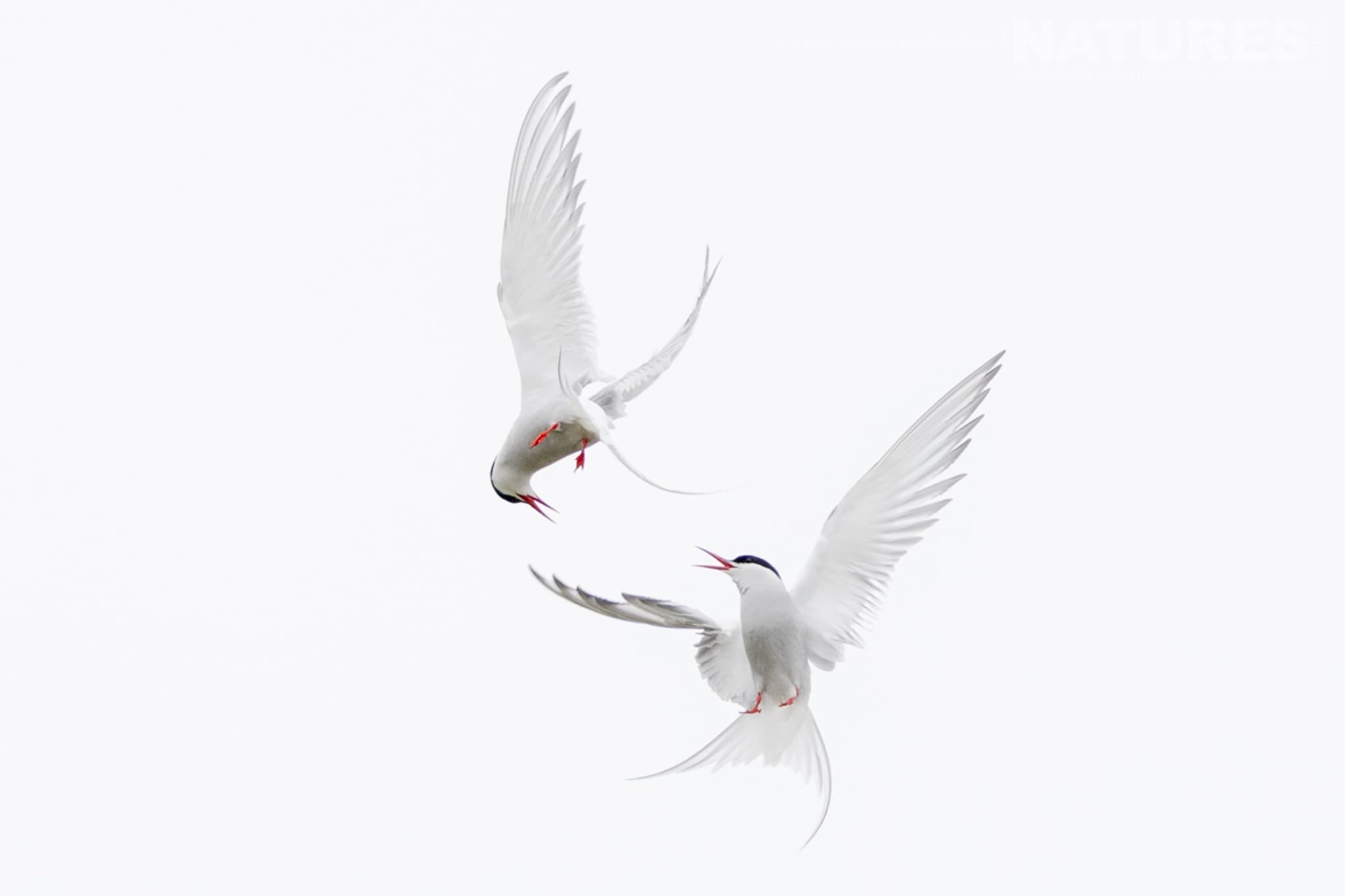
After settling into our cosy guesthouse, conveniently located near prime puffin spots, we wasted no time heading to the pebbled beach opposite. Puffins were already darting past, their comical faces & rapid wingbeats making them irresistible subjects. That evening, after a hearty meal, some of us wandered the island, where Arctic Terns – feisty & fearless – provided fantastic silhouette opportunities against the lingering twilight.
Day 2 – Rain, Puffins & Skimming Terns
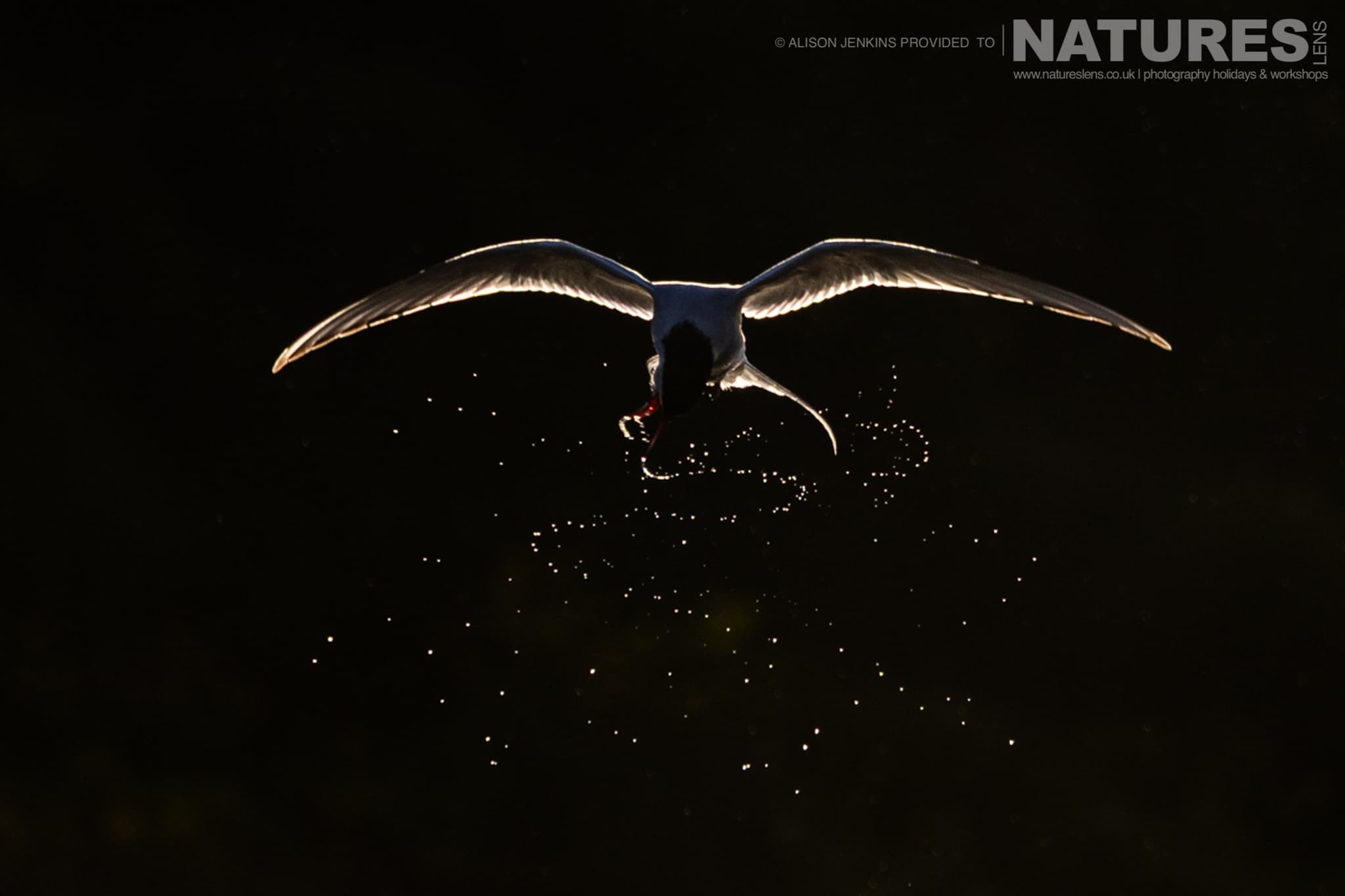
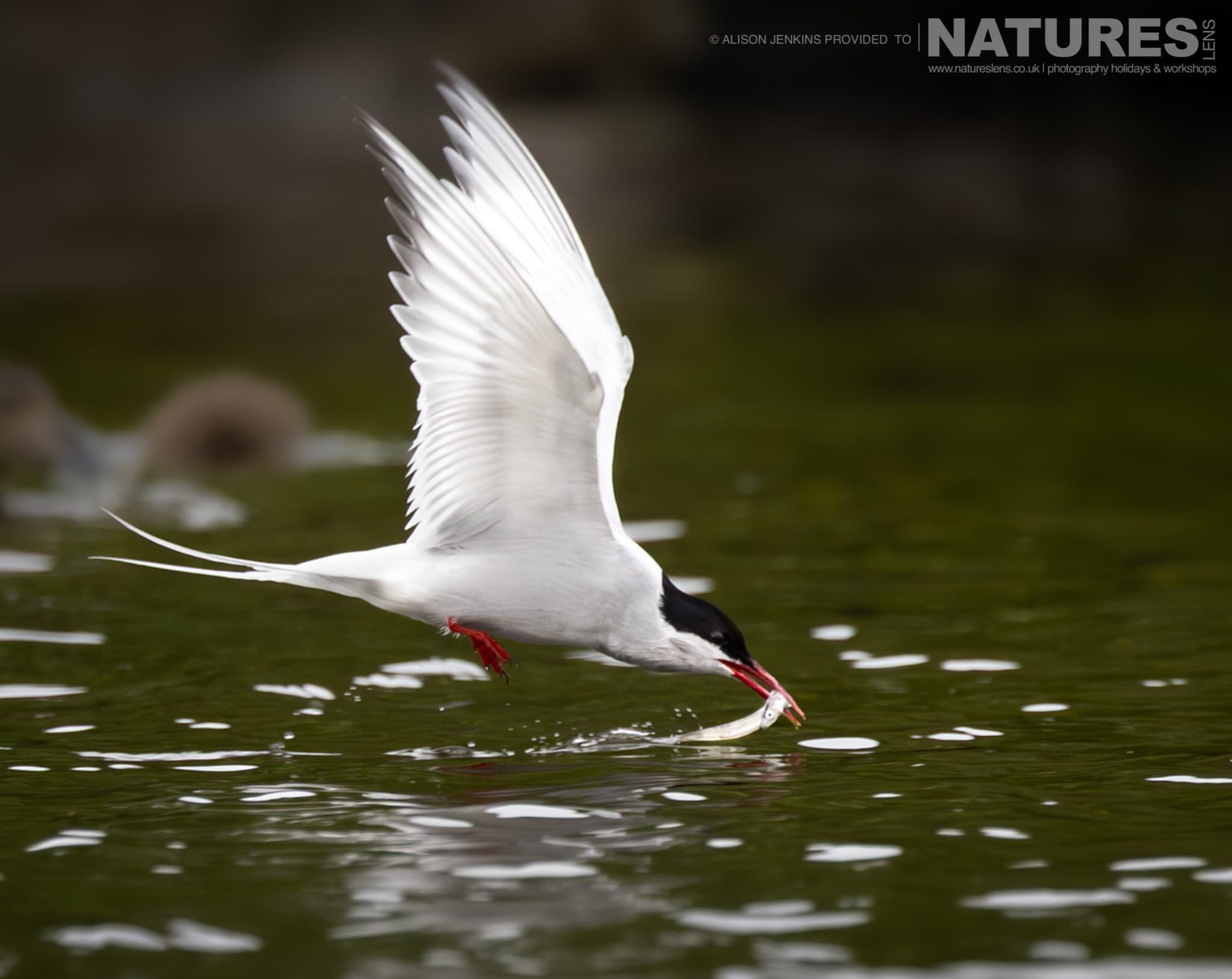
An early start brought light rain, which turned out to be a blessing. The droplets added drama to flight shots, with puffins zipping through the wet air, their wings glistening. After lunch, Robin suggested photographing Arctic Terns skimming the water – a challenging but rewarding exercise in tracking speed & precision.
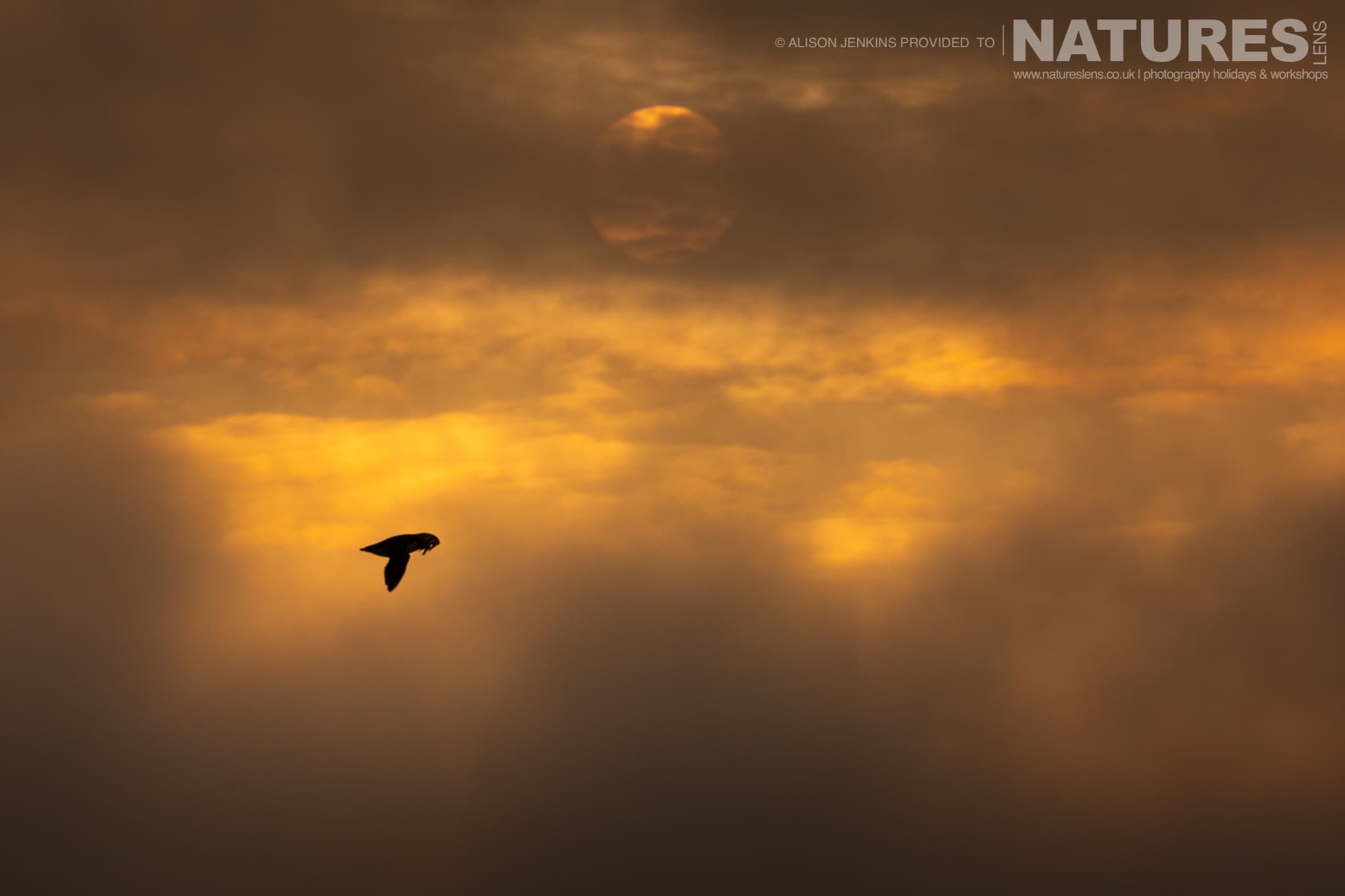
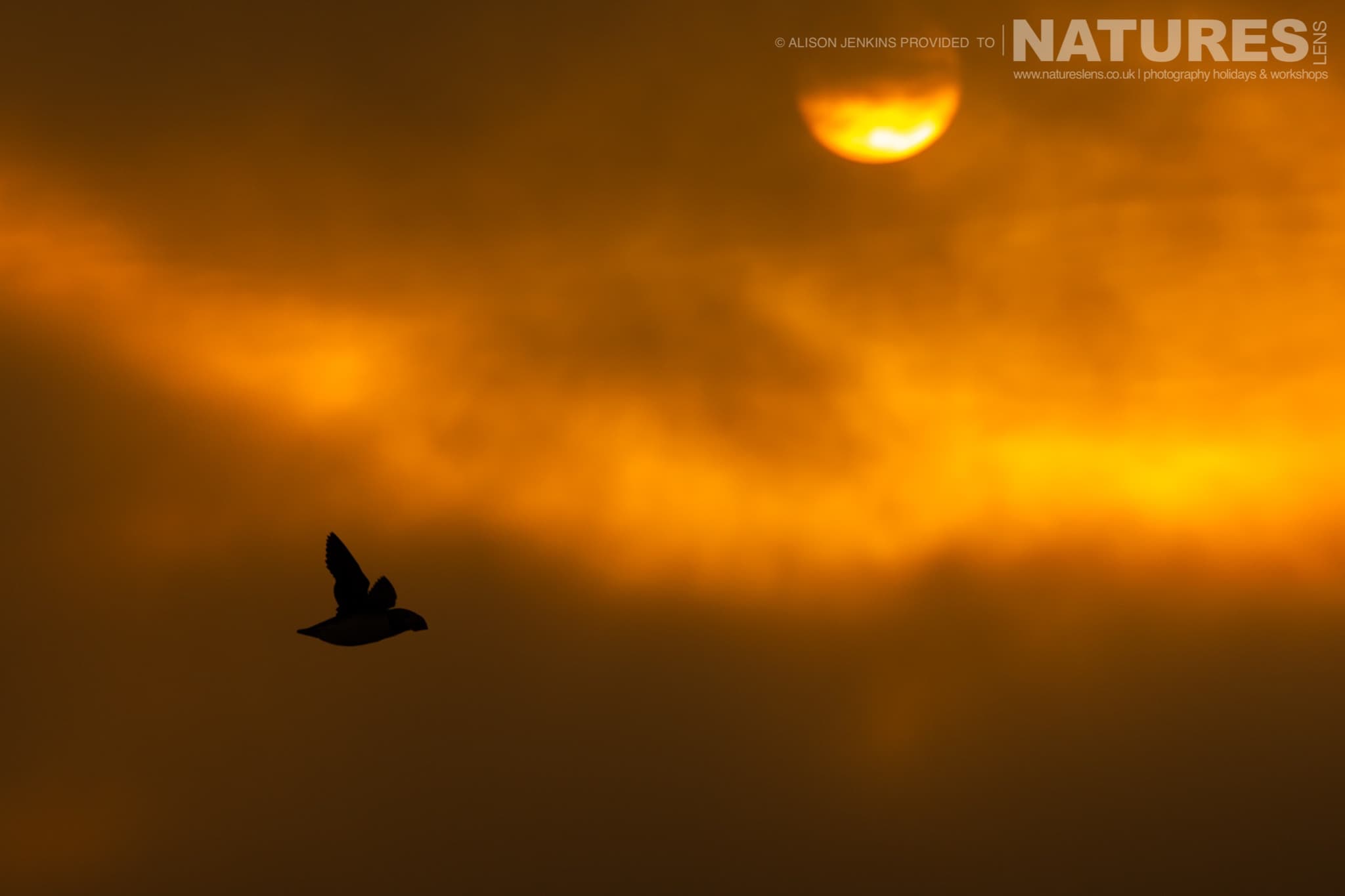
As evening approached, the clouds parted, casting golden beams across the sea. Robin set us a challenge: capture a bird flying across the sun. The resulting backlit shots, with wings glowing against the fiery disc, were spectacular.
Day 3 – Lighthouse & Cliffside Birds
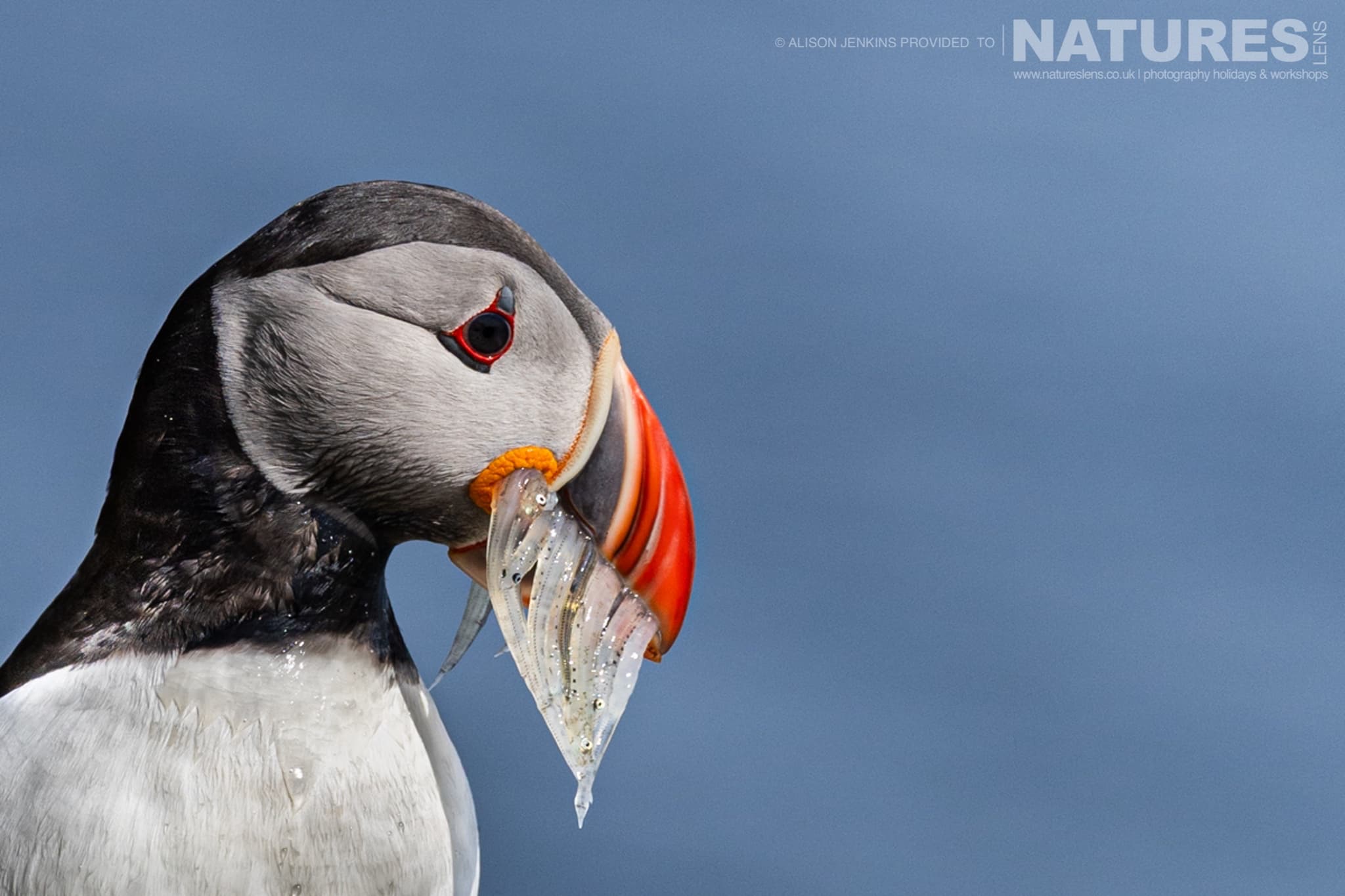
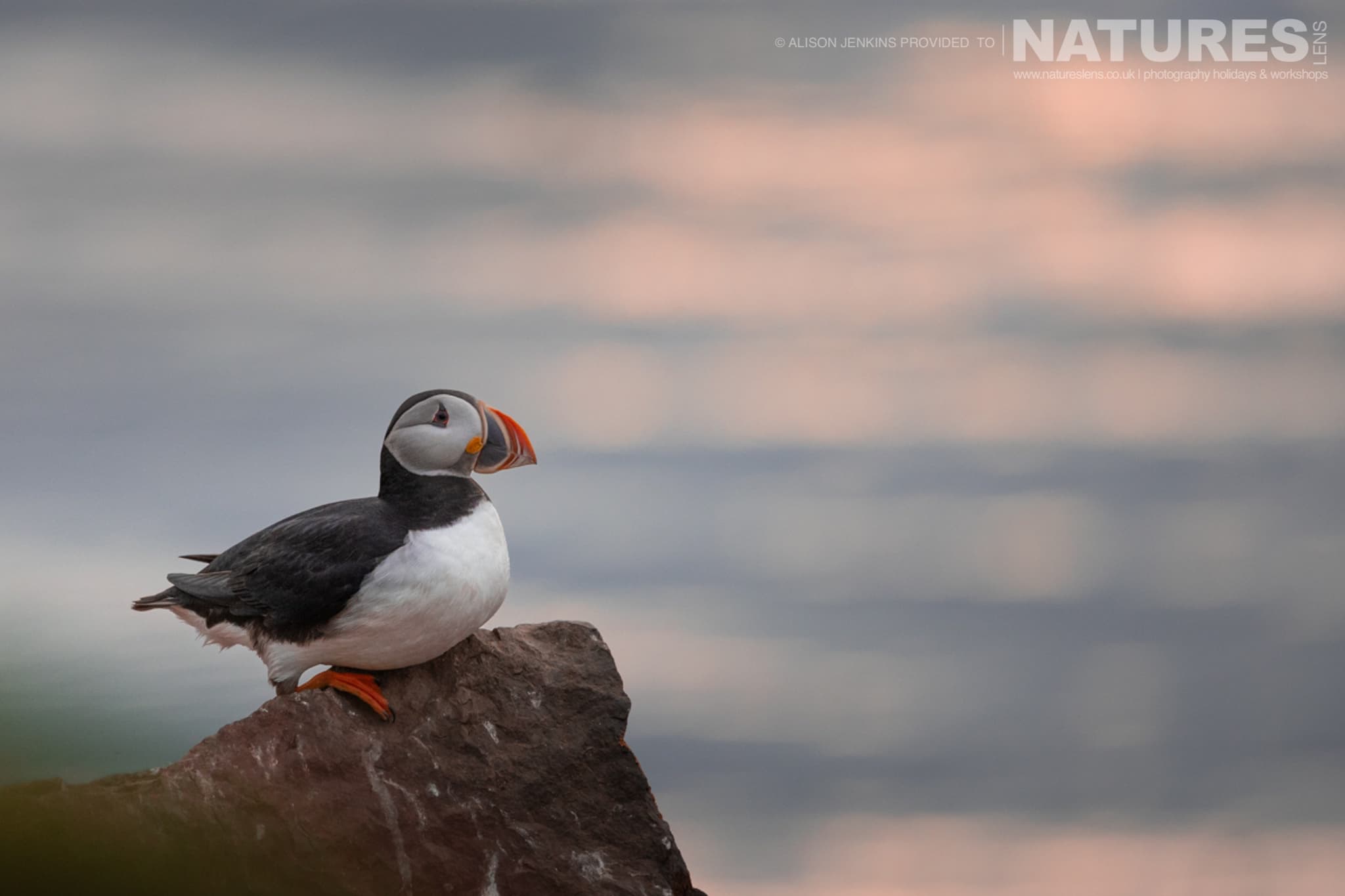
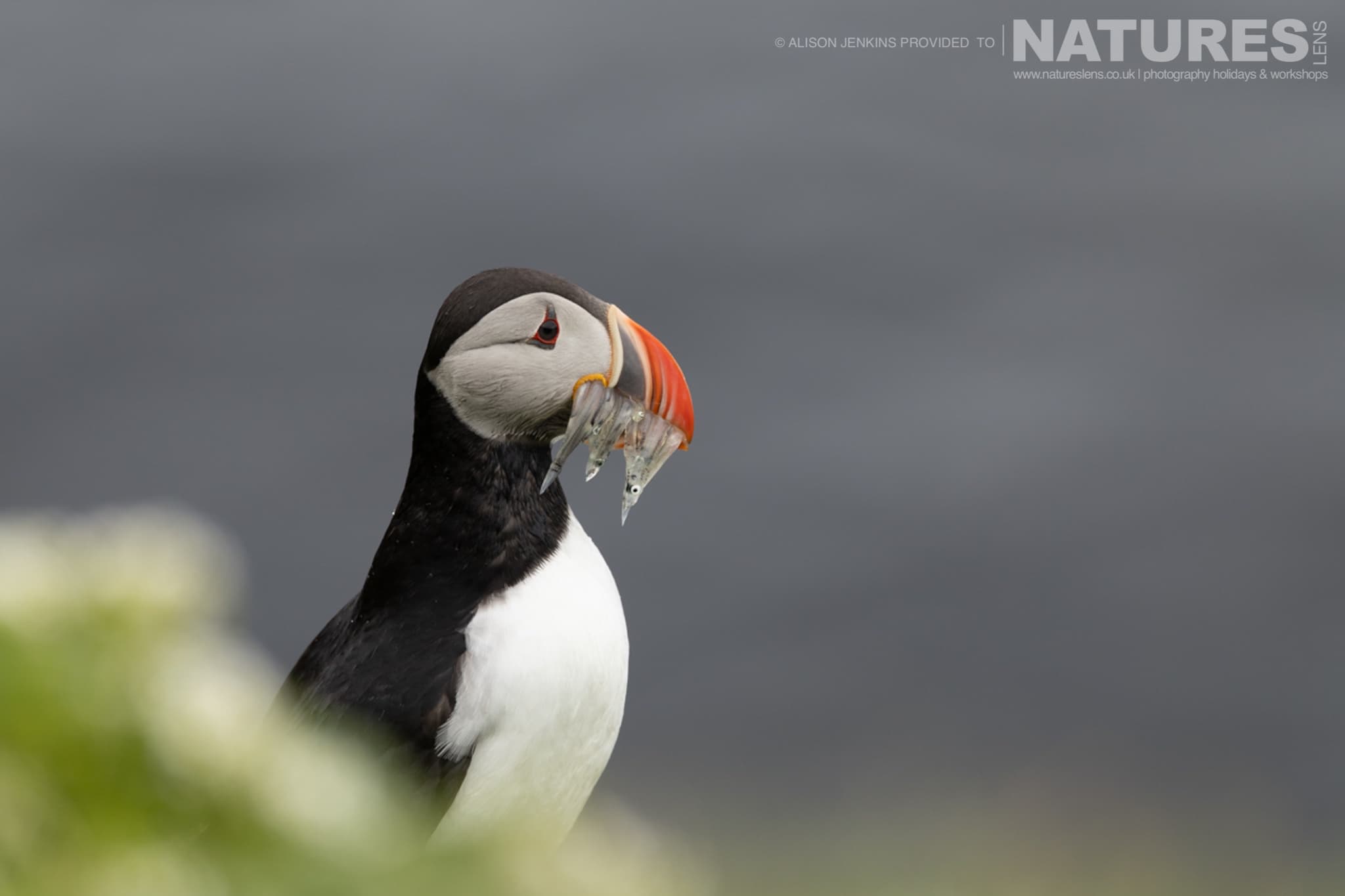
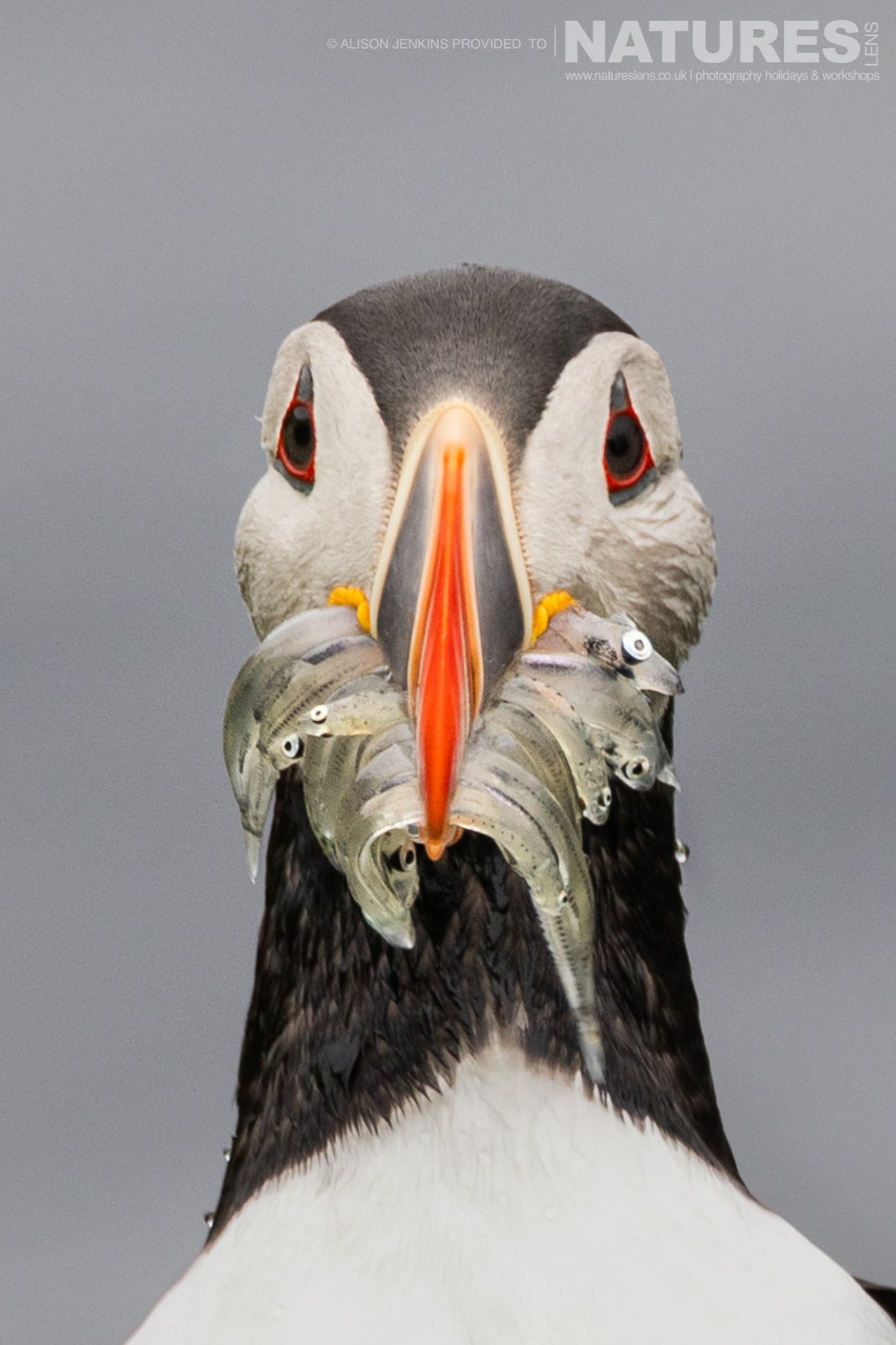
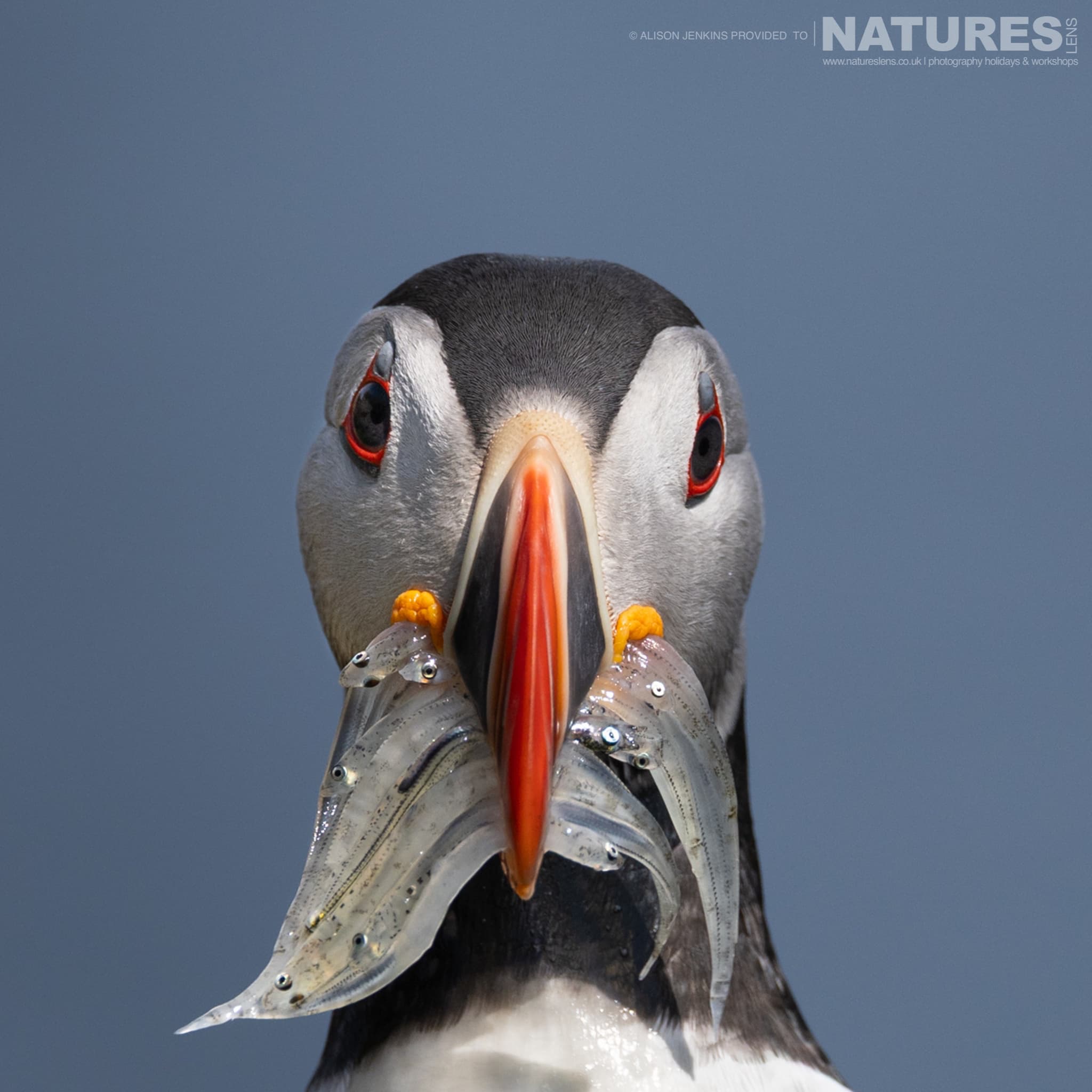
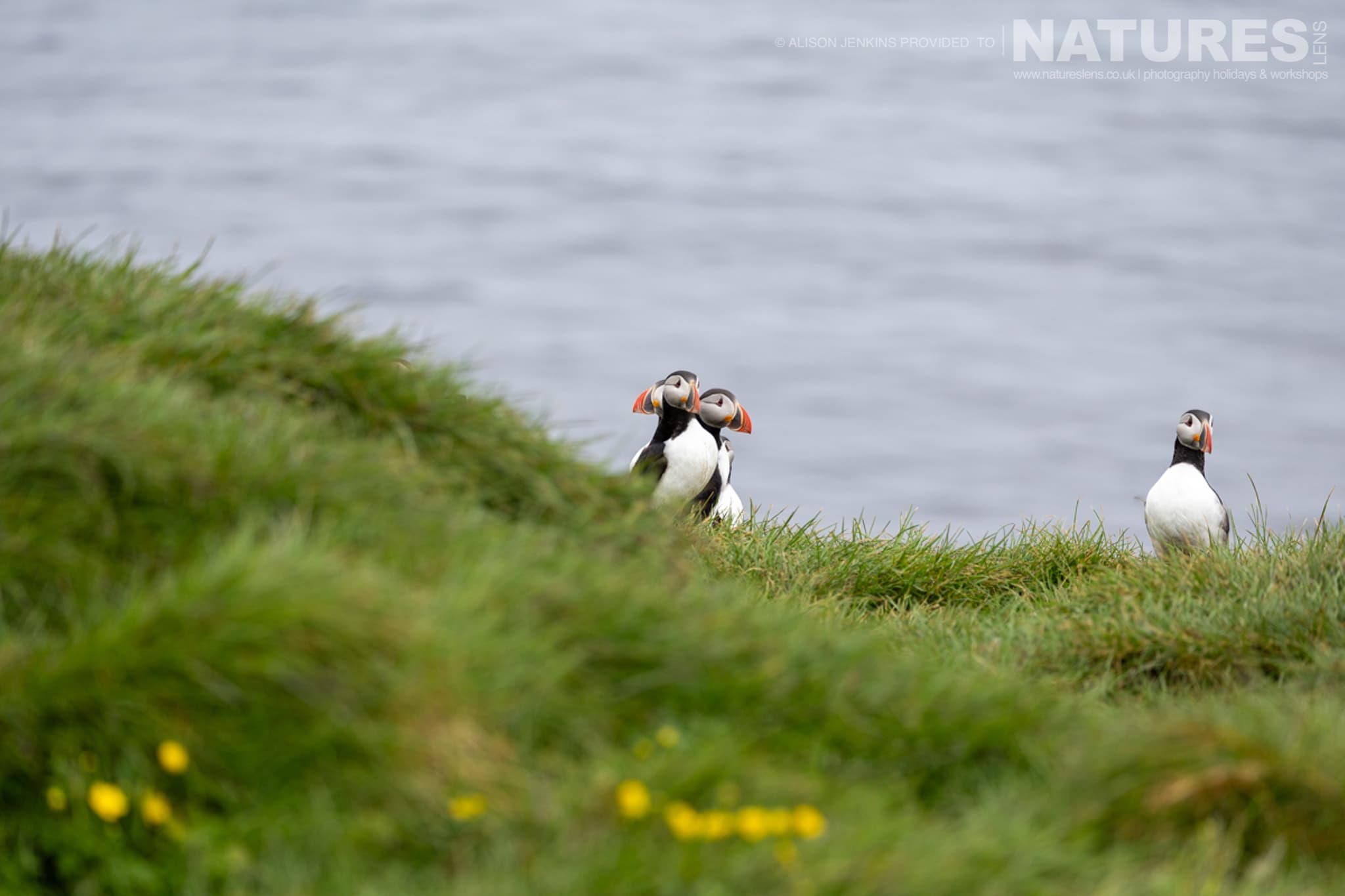
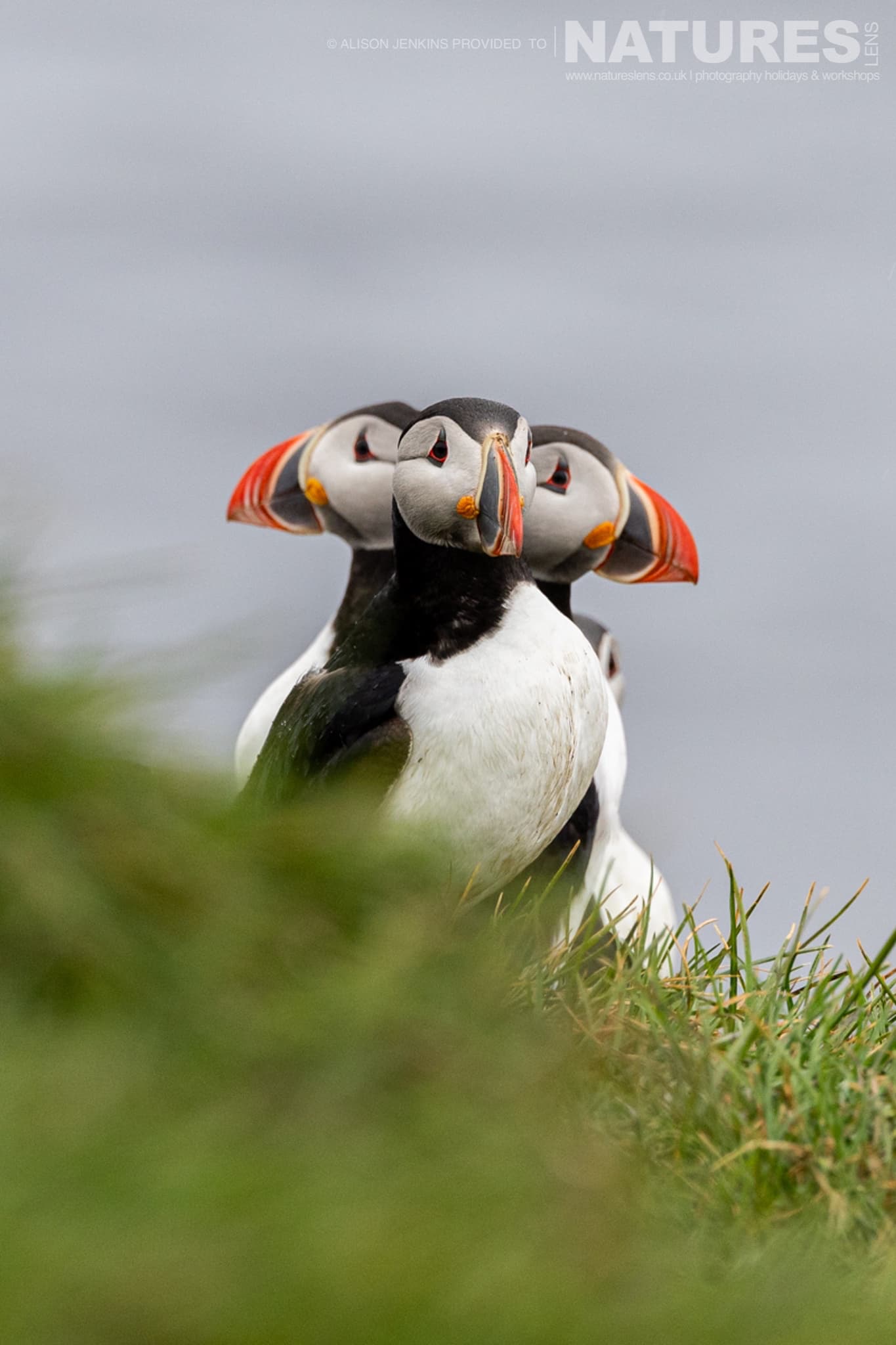
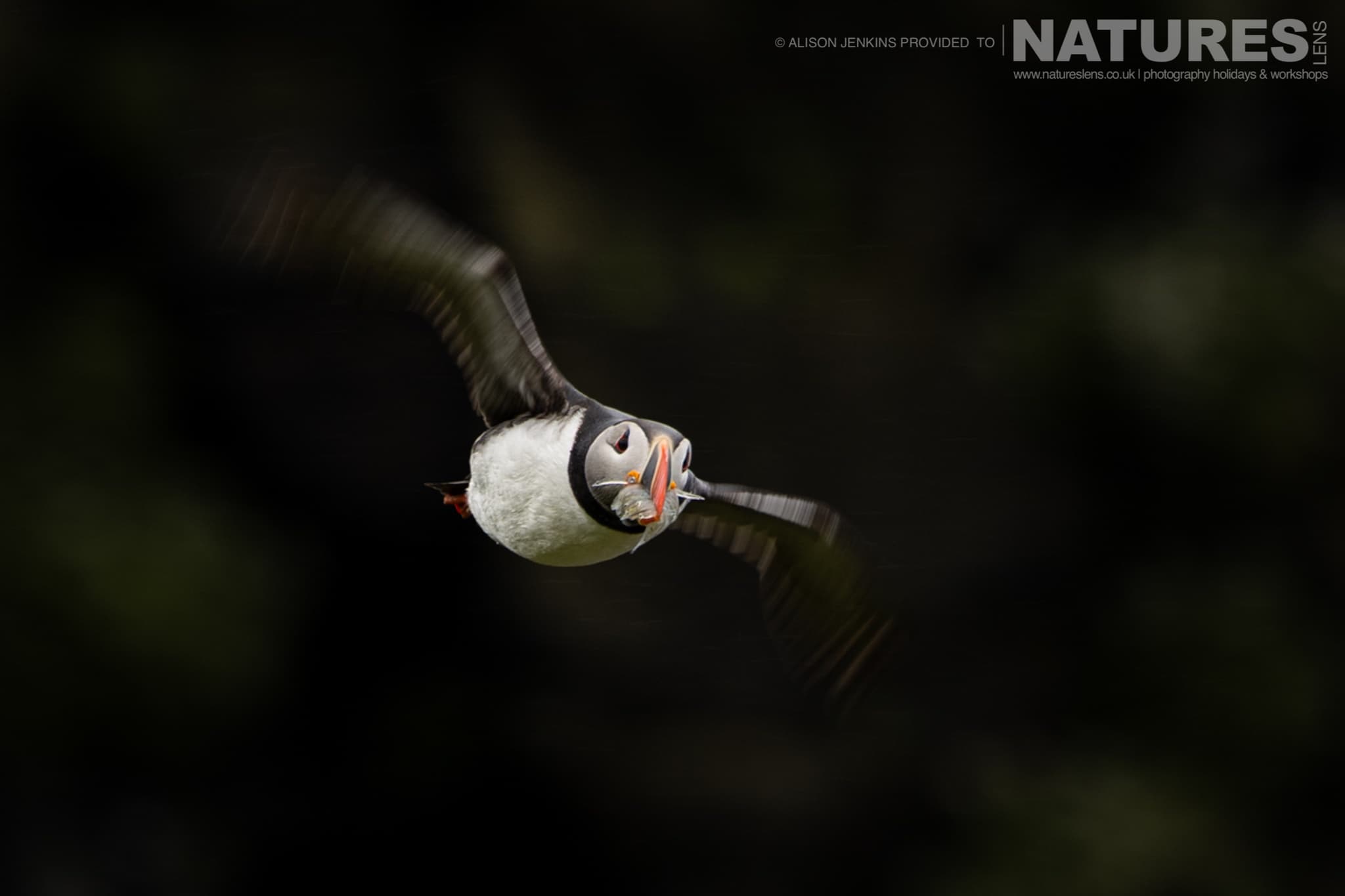
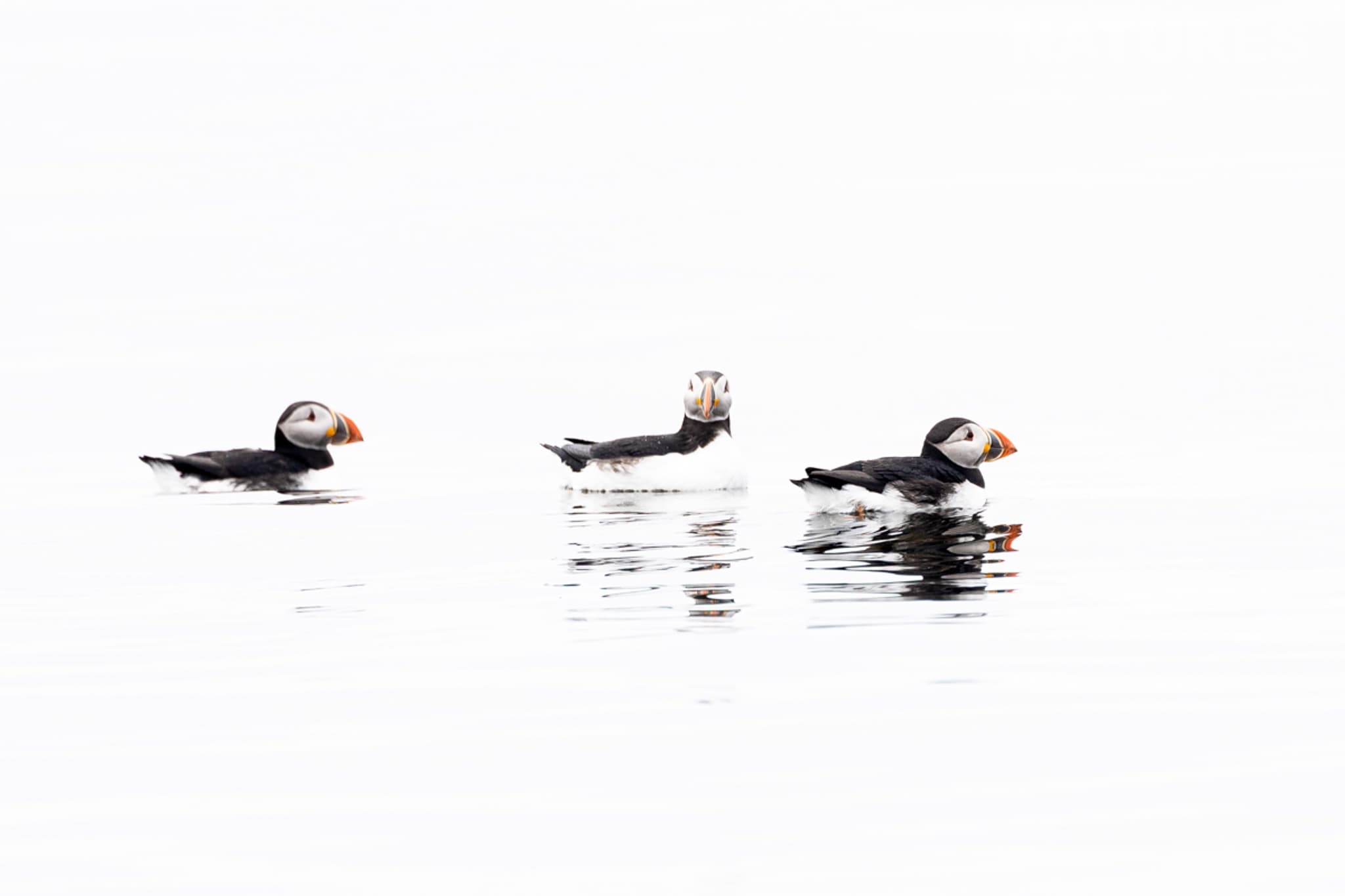
A leisurely walk to the lighthouse revealed puffins perched on the grassy ledges, their bright beaks standing out against the green. Guillemots & Razorbills crowded the cliffs, their sleek forms contrasting with the puffins’ round silhouettes. After dinner, we returned to the beach, where puffins fished just offshore, occasionally surfacing with beaks full of sand eels.
Day 4 – Chicks, Razorbills & Puffins with Fish
This was one of the busiest days. We revisited the lighthouse before trekking further along the cliffs, where Razorbills & Guillemots nested in tight colonies. A surprise find was a family of Red-necked Phalarope chicks – tiny, fluffy, & endlessly entertaining as they darted between tussocks.
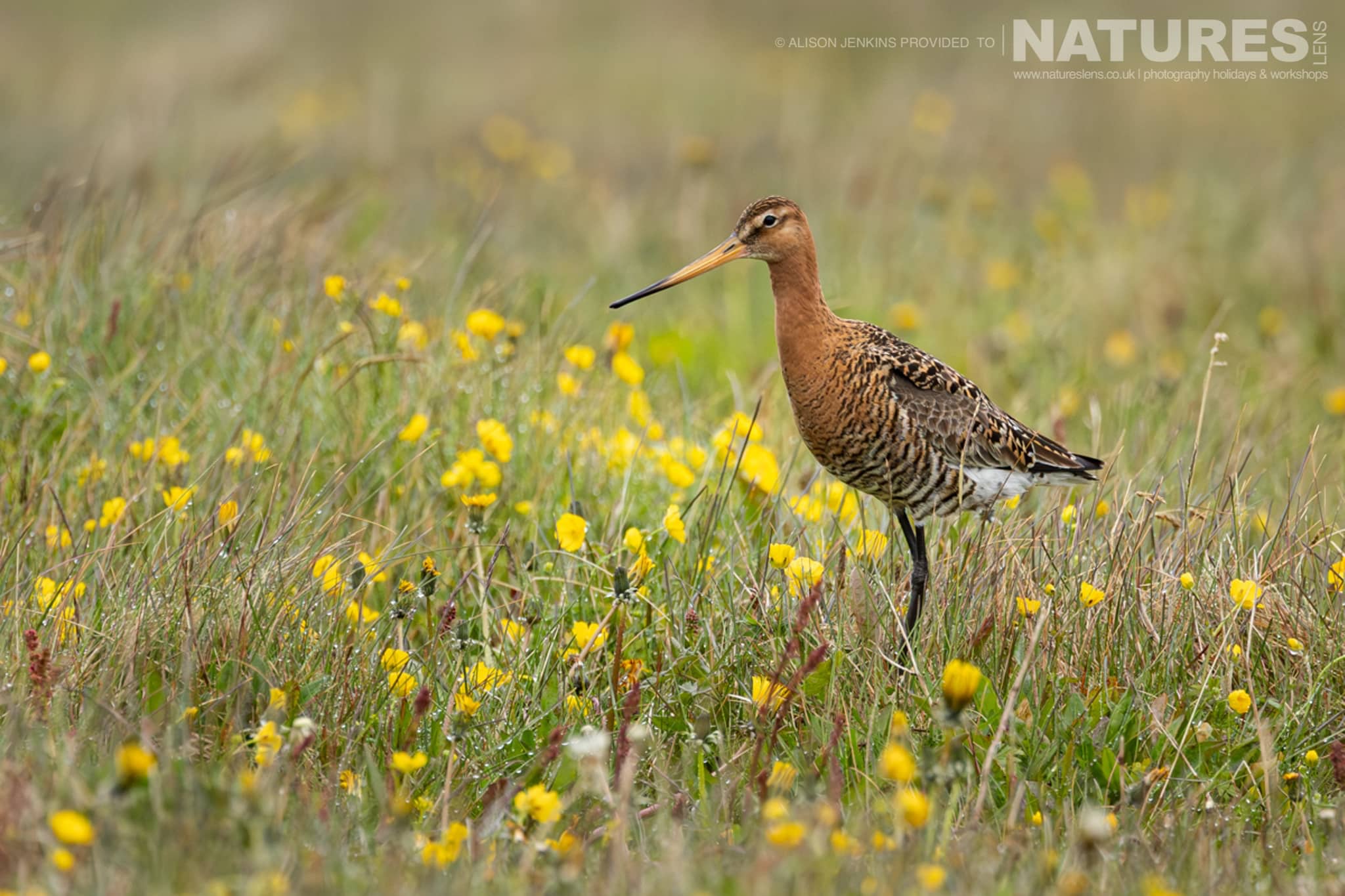
That evening, we chased silhouettes again, but nature had other plans. Fog rolled in within minutes, swallowing the island in mist – only to clear just as suddenly, bathing the cliffs in ethereal light.
Day 5 – Windy Cliffs & Backward-Flying Puffins
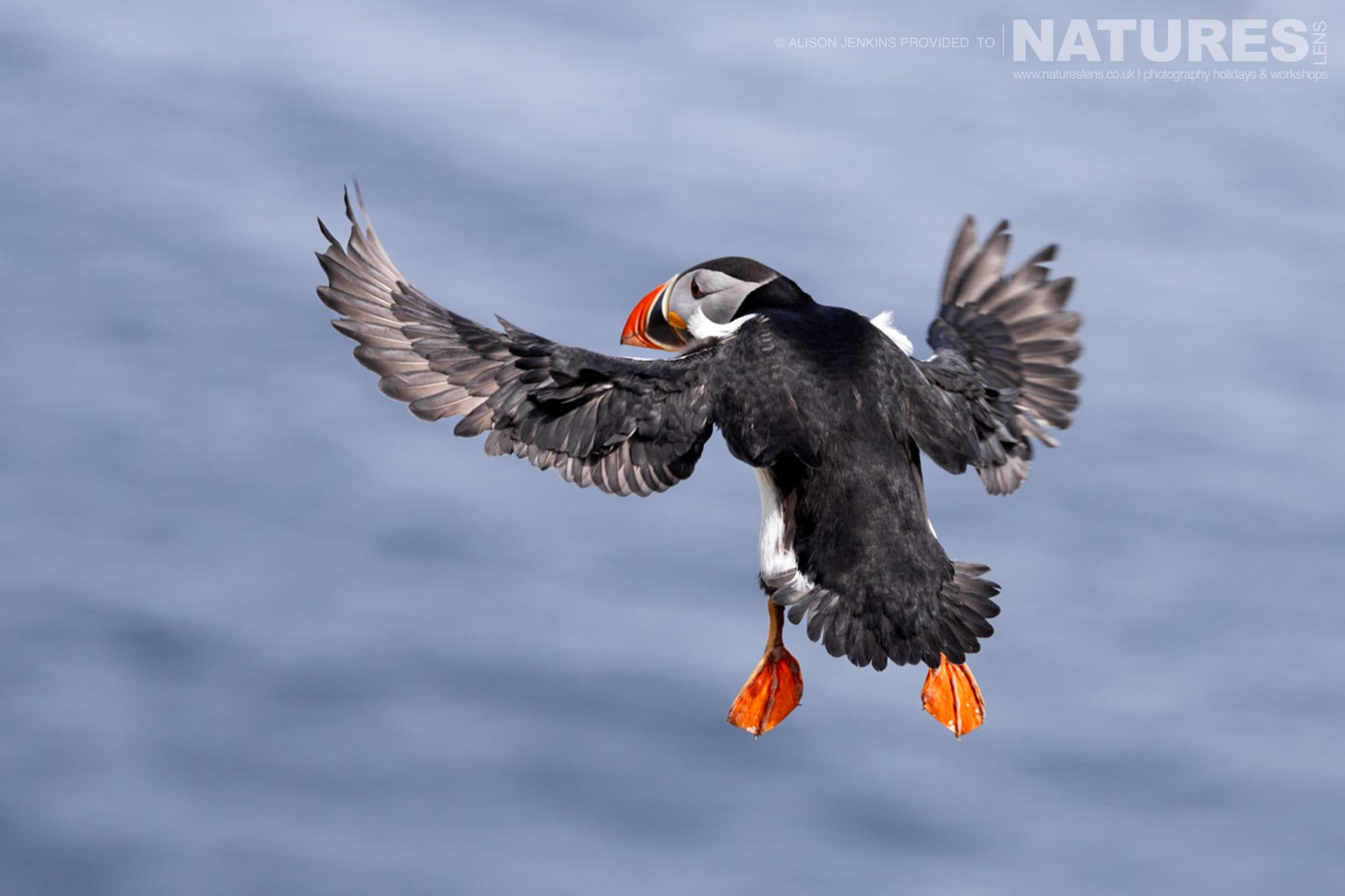
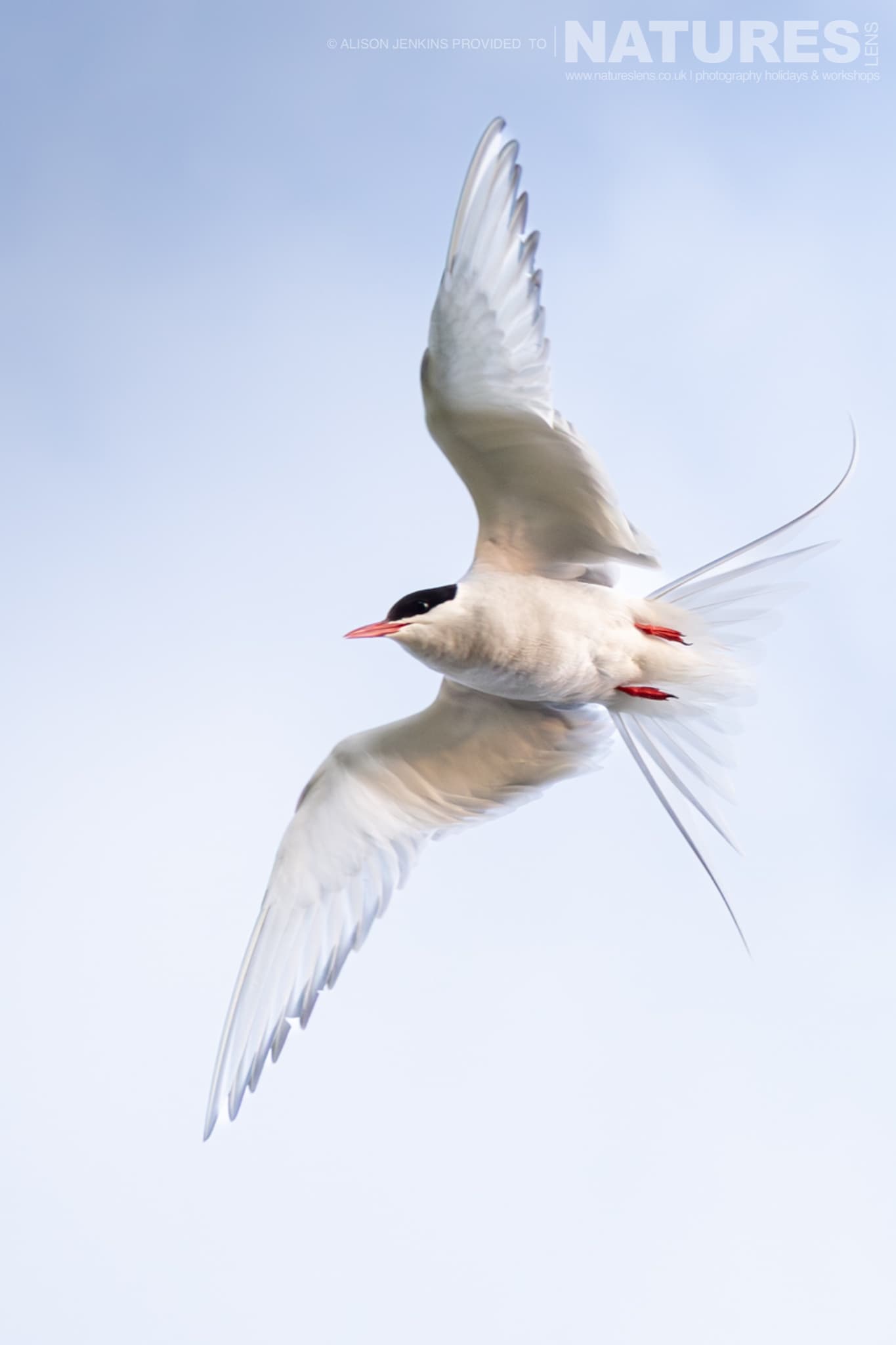
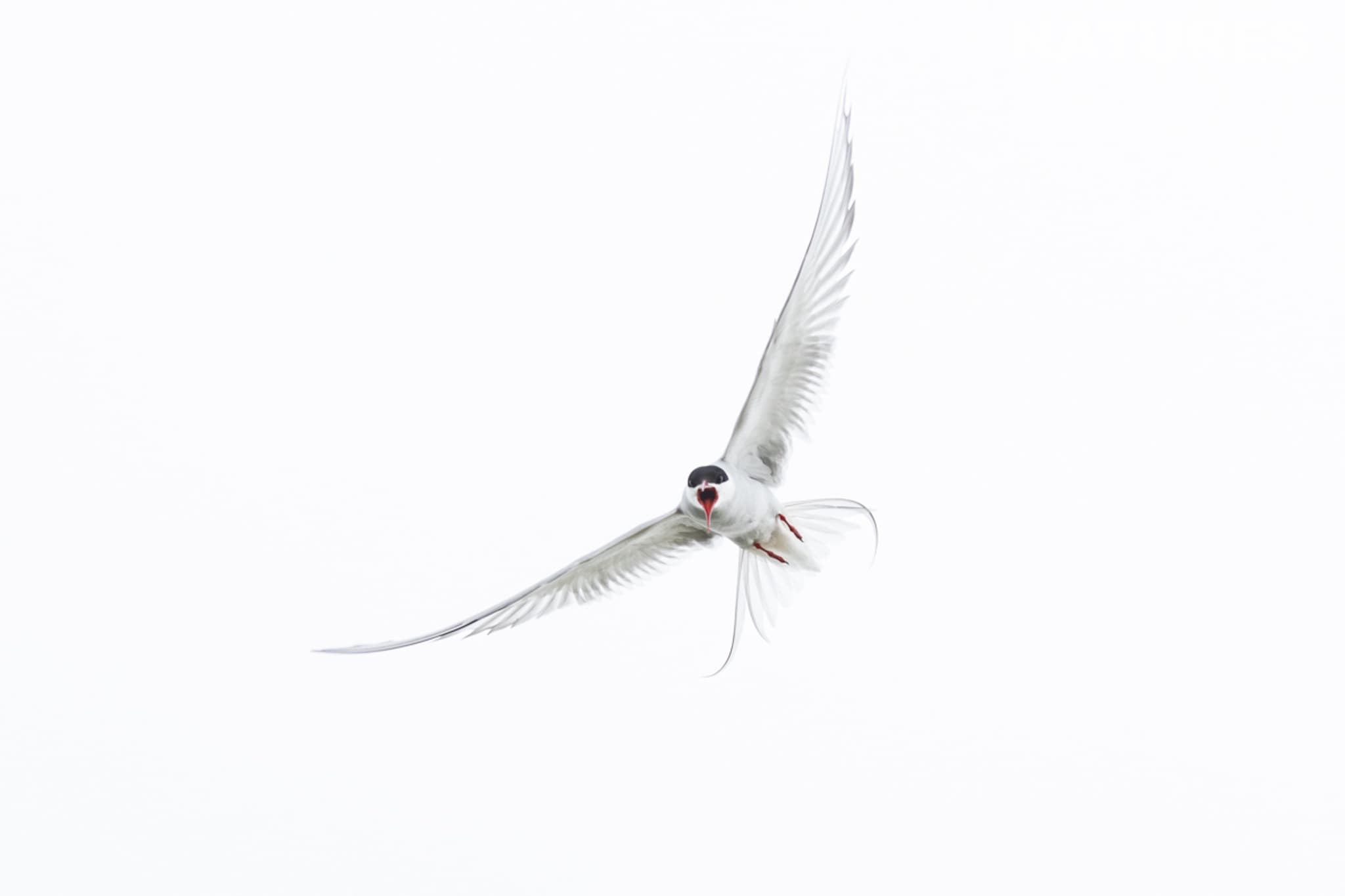
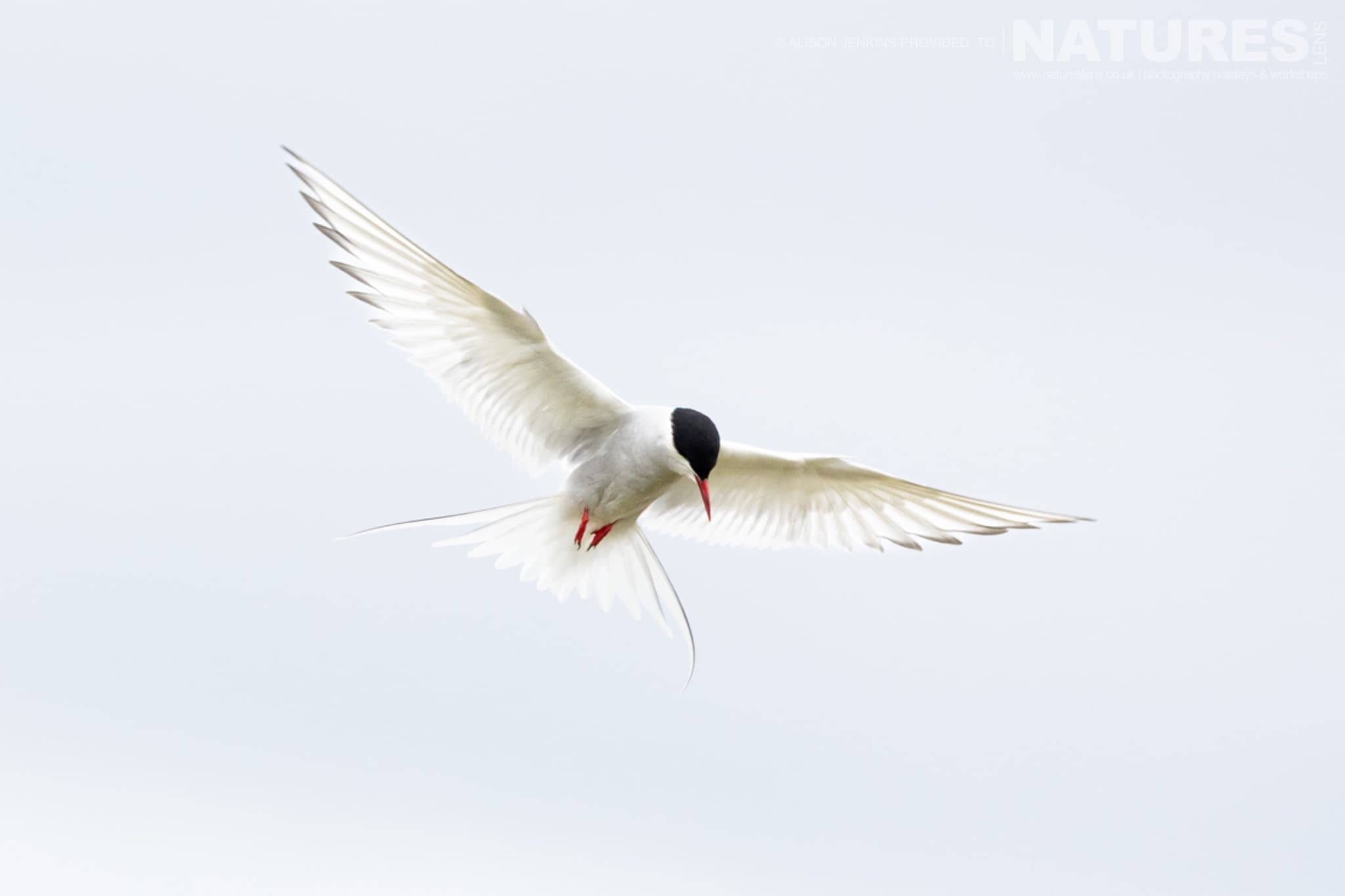
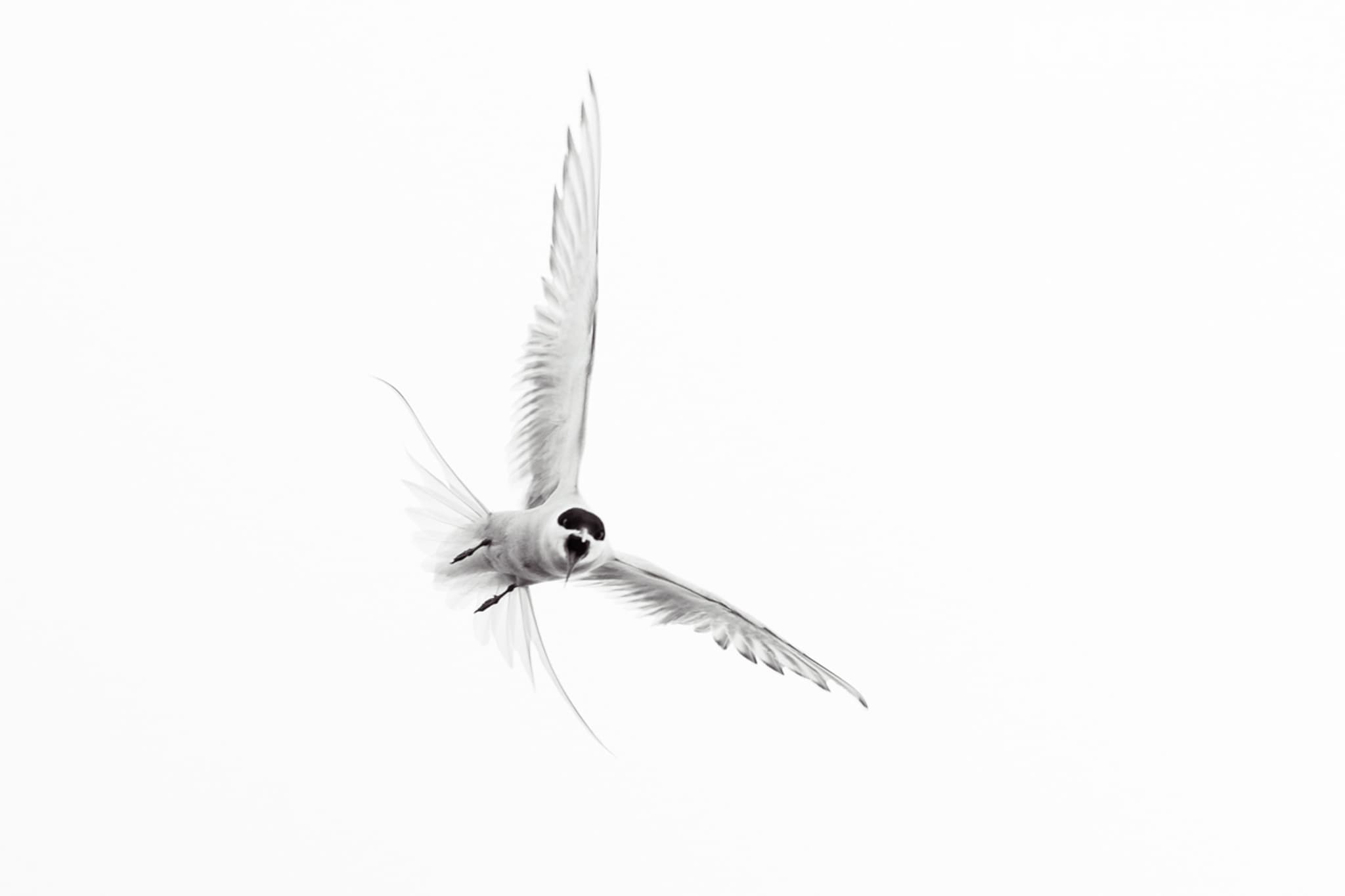
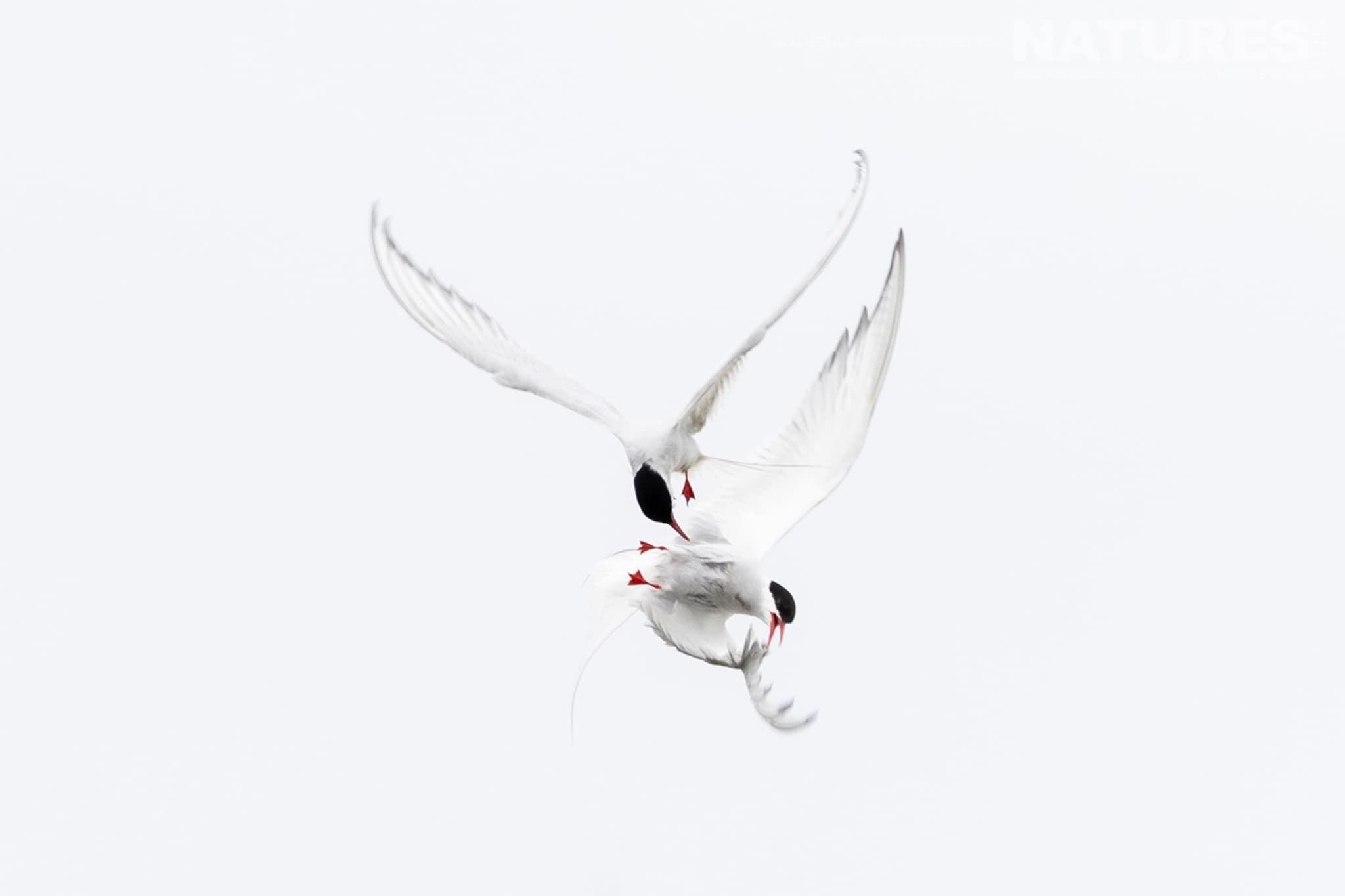
Strong winds transformed the island into a high-speed photography studio. At the cliffs, puffins struggled against the gusts, hovering almost motionless before being blown backwards – like “reverse parking,” as Robin put it. The wind also made Arctic Terns work harder, their acrobatic flights even more dynamic against the clear blue sky.
Day 6 – Final Shots & Farewell
With a few hours before our return to Akureyri, some of us returned to the cliffs for last-minute puffin portraits, while others stayed near the guesthouse, capturing final flight shots against the choppy sea.
Why Grímsey Island?
Grímsey is unmatched for two key photographic opportunities:
- Puffins under the midnight sun – The extended golden hours create perfect lighting.
- Puffins in flight – The island’s geography & wind conditions allow for incredibly close, dynamic shots.
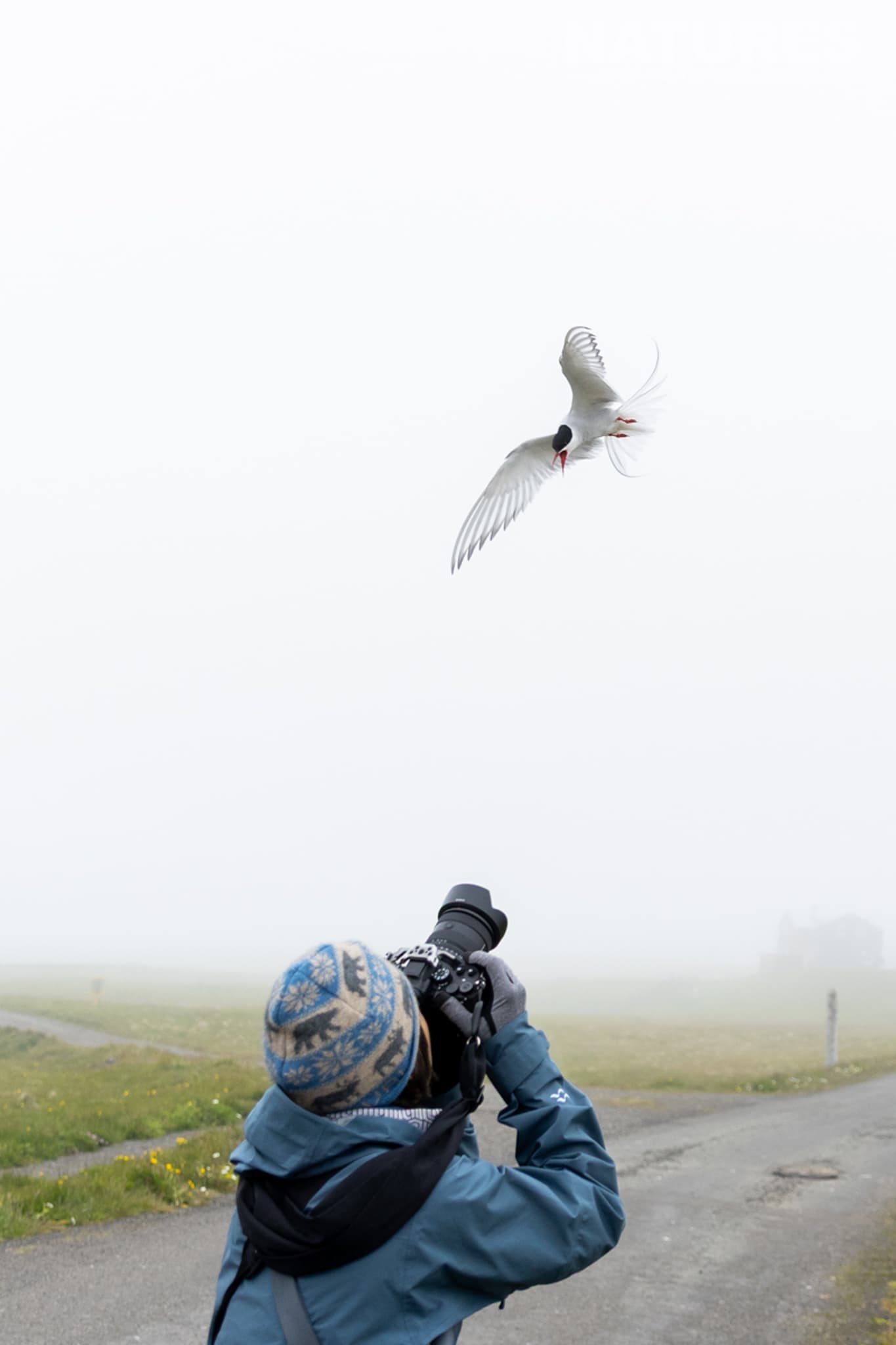
Beyond puffins, the island hosts thousands of seabirds, including Arctic Terns, Razorbills, Guillemots, Kittiwakes, & Snow Buntings. Seals & whales are often spotted offshore, adding to the wildlife spectacle.
Species Photographed
During this trip, I captured images of:
- Atlantic Puffin (Fratercula arctica) – In flight, with fish, & perched on cliffs.
- Arctic Tern (Sterna paradisaea) – Skimming water, mid-flight, & in silhouette.
- Razorbill (Alca torda) – Nesting on cliffs.
- Black Guillemot (Cepphus grylle) – Perched near the lighthouse.
- Red-necked Phalarope (Phalaropus lobatus) – Chicks foraging in marshland.
- Kittiwake (Rissa tridactyla) – Gliding above the waves.
- Snow Bunting (Plectrophenax nivalis) – Flitting between rocks.
Final Thoughts
Grímsey Island is a dream for bird photographers. The combination of fearless wildlife, dramatic landscapes, & near-constant daylight makes it an unbeatable location. Whether you’re after puffins in flight, terns in action, or the delicate beauty of phalarope chicks, this Arctic gem delivers – time & time again.
Would I return to photograph the Birds of Grímsey Island again? In a heartbeat!