 Trustpilot
A Journey Through Norway’s Varanger Peninsula & Finnish Taiga
A group of passionate photographers, including Alison, who will be leading our 2026 version of the Arctic Wildlife & Puffins in the Snow wildlife photography tour, recently embarked on an extraordinary Arctic adventure, capturing the remote beauty of Norway‘s Varanger Peninsula & the Finnish taiga. Over seven days, they documented rare birds, majestic mammals, & dramatic coastal scenes in one of Europe’s last great wildernesses. This report details their encounters, the species photographed, & the unique behaviours observed in this frozen landscape.
Day 1 – Arrival in Ivalo & Finnish Taiga Birding
The expedition began in Ivalo, Finland, where the group headed to Kaamanen for their first photography session. The snowy forests & streams were alive with Arctic specialists:
- White-throated Dippers – Bobbing along icy streams before diving for insects.
- Siberian Jays – Bold & curious, perching close by with fluffed-up plumage.
- Pine Grosbeaks & Arctic Redpolls – Feeding on buds & berries, their bright colours contrasting with the winter whites.

After a successful start, the group transferred to Kongsfjord, Norway, for their first night by the Barents Sea.
Day 2 – Berlevåg – Eagles, Falcons & Sea Ducks


The coastal village of Berlevåg delivered spectacular raptor & waterfowl sightings:
- White-tailed Eagles – Perched on cliffs & diving for fish.
- Gyrfalcons – The world’s largest falcon, streaking across the tundra in pursuit of prey.
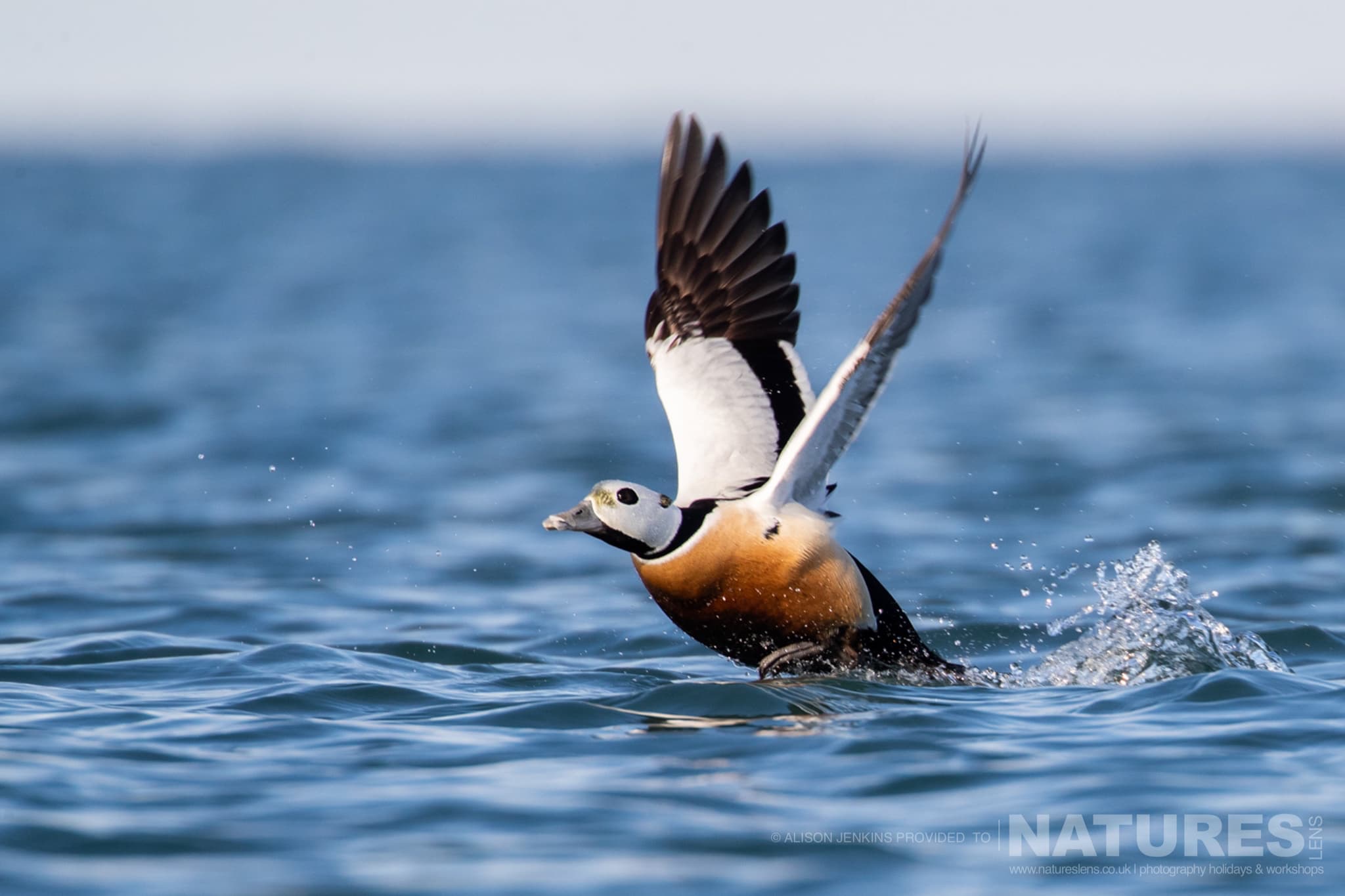
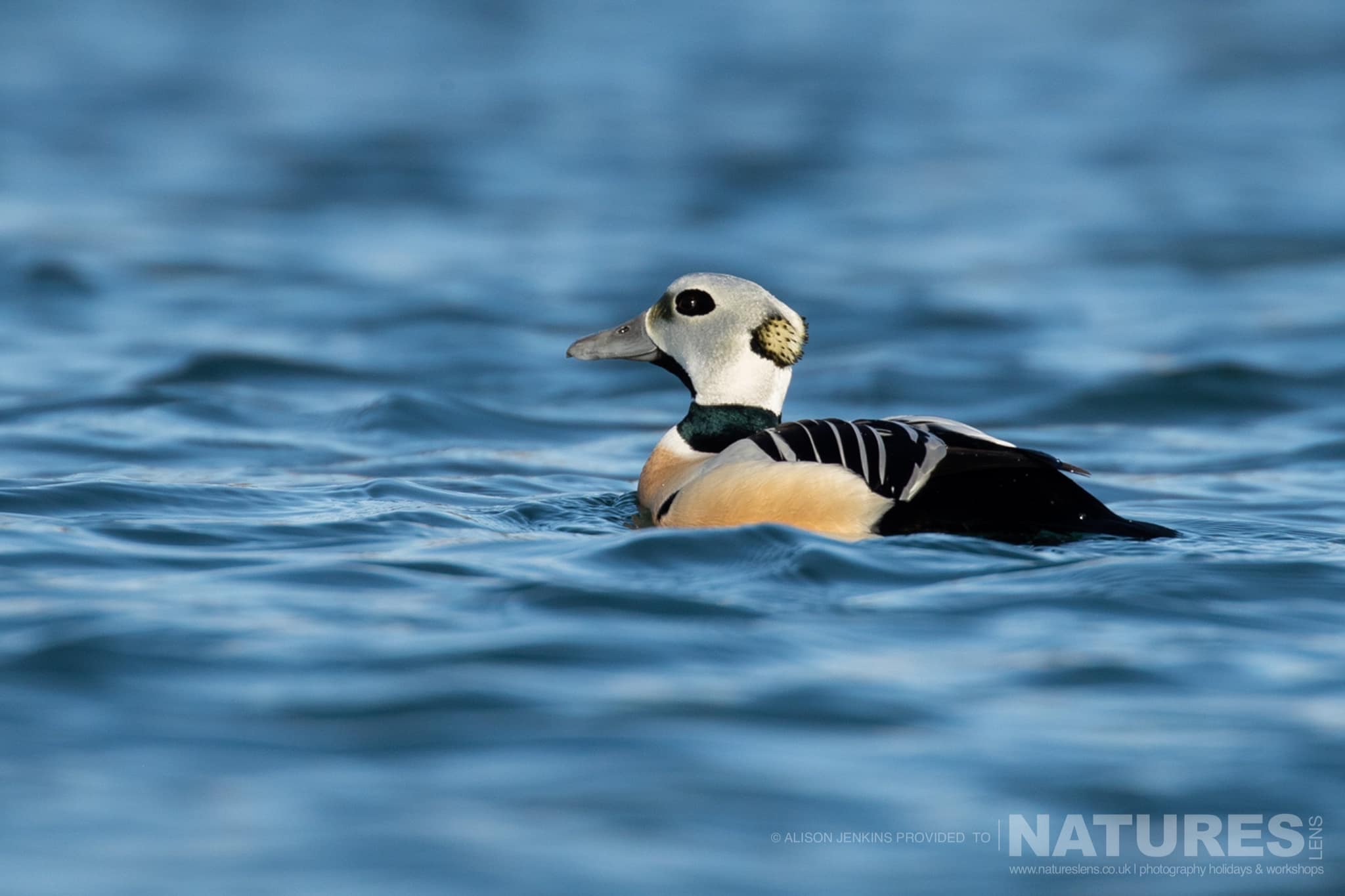
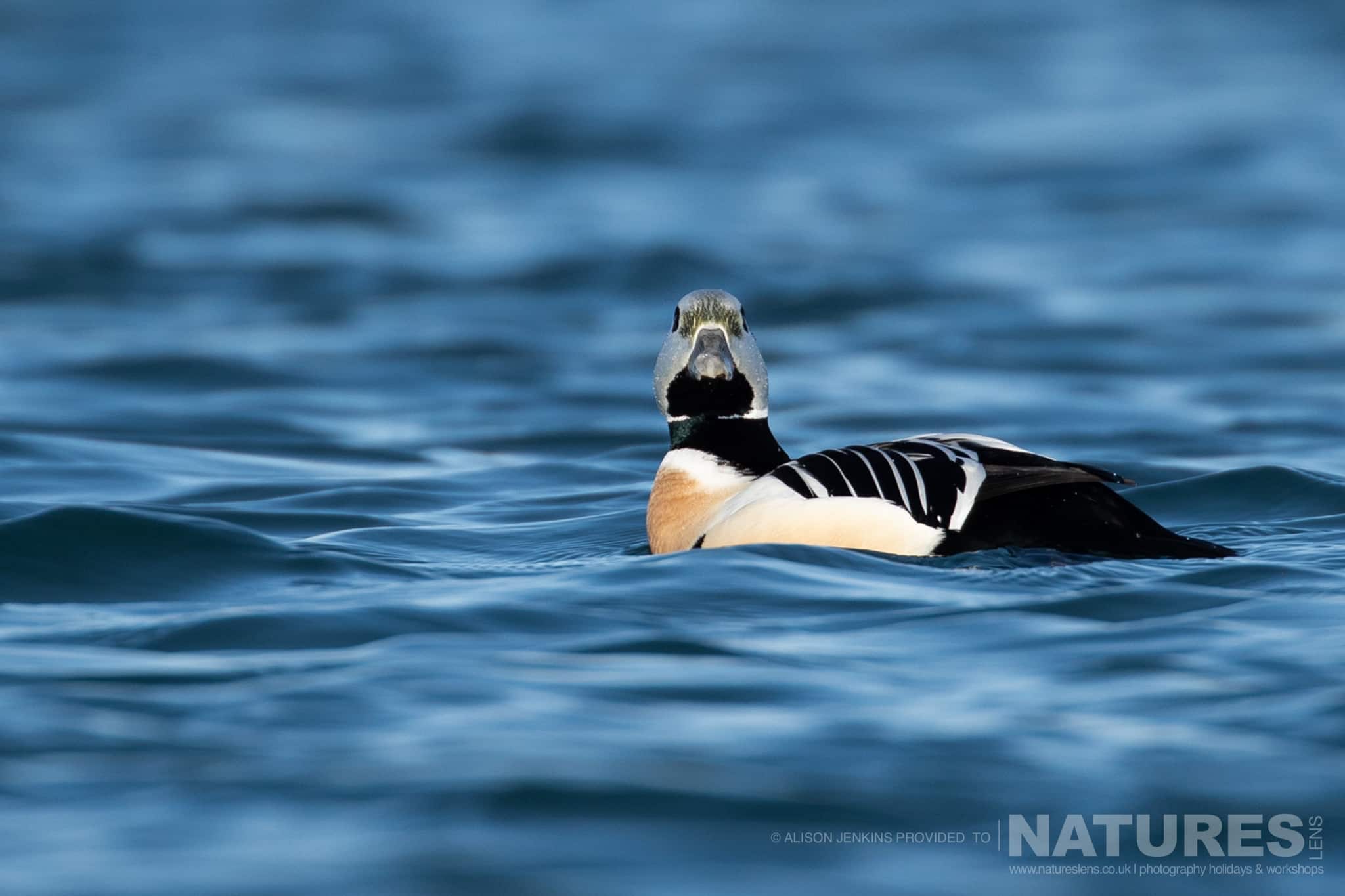
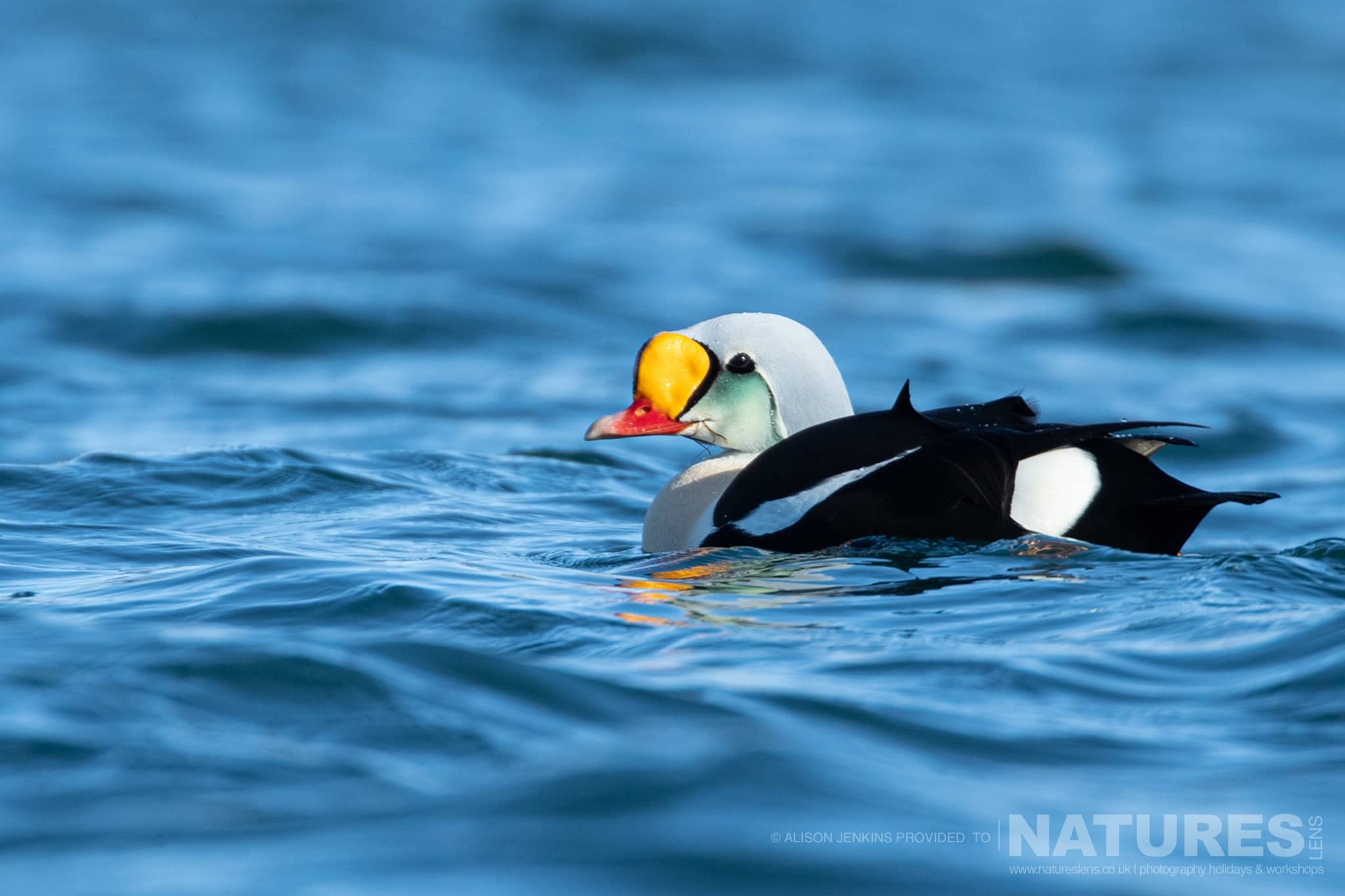
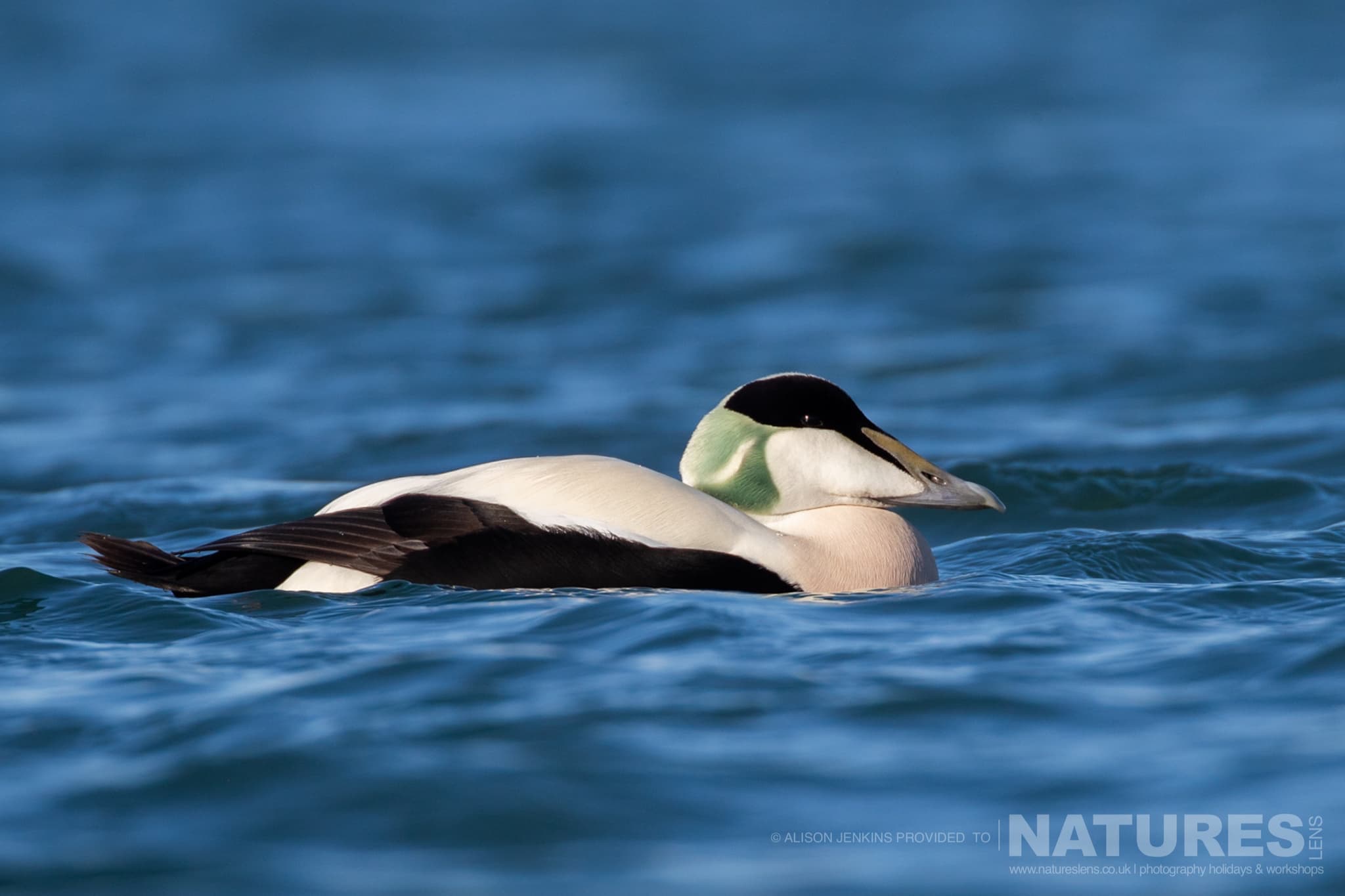
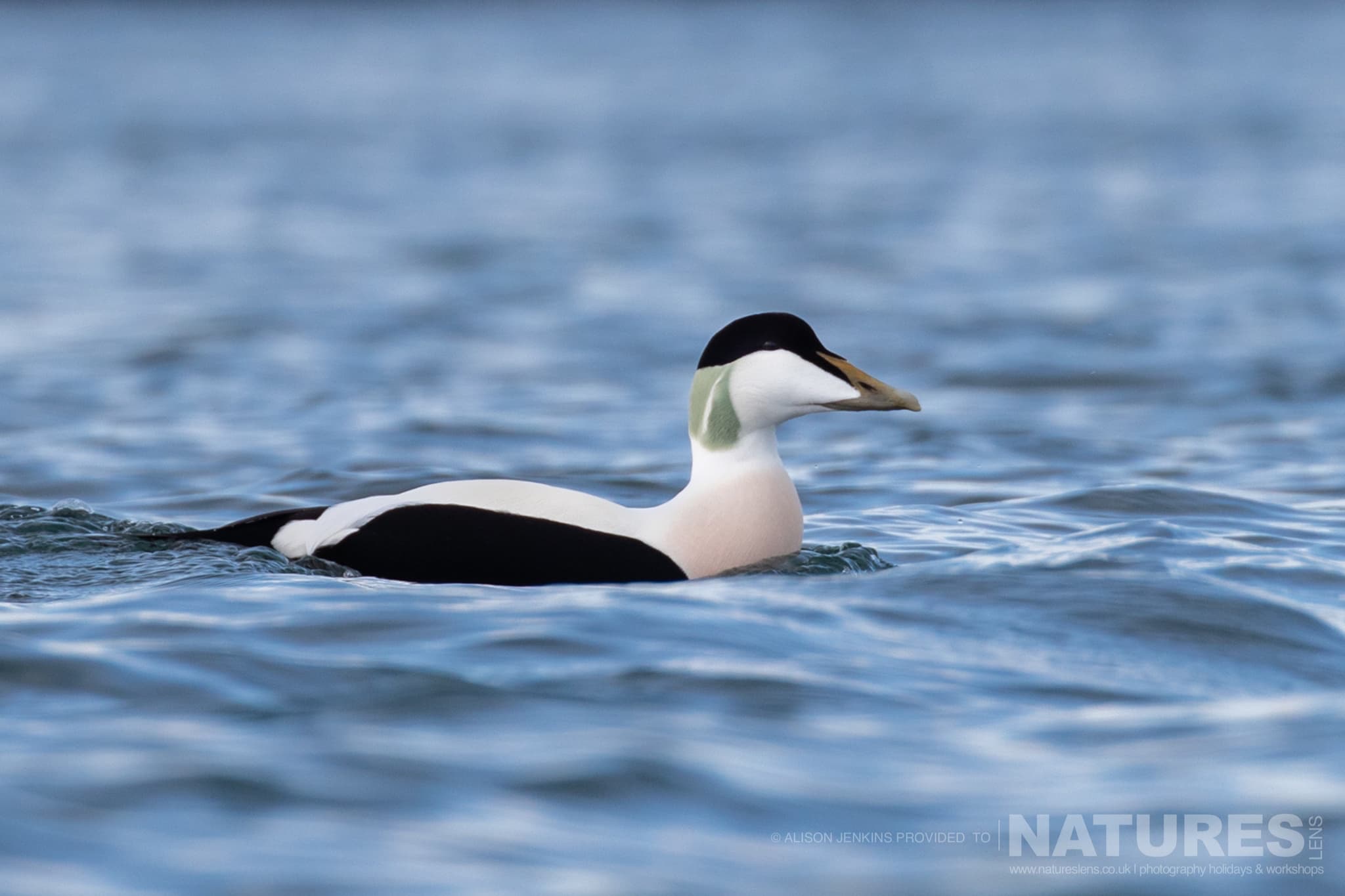
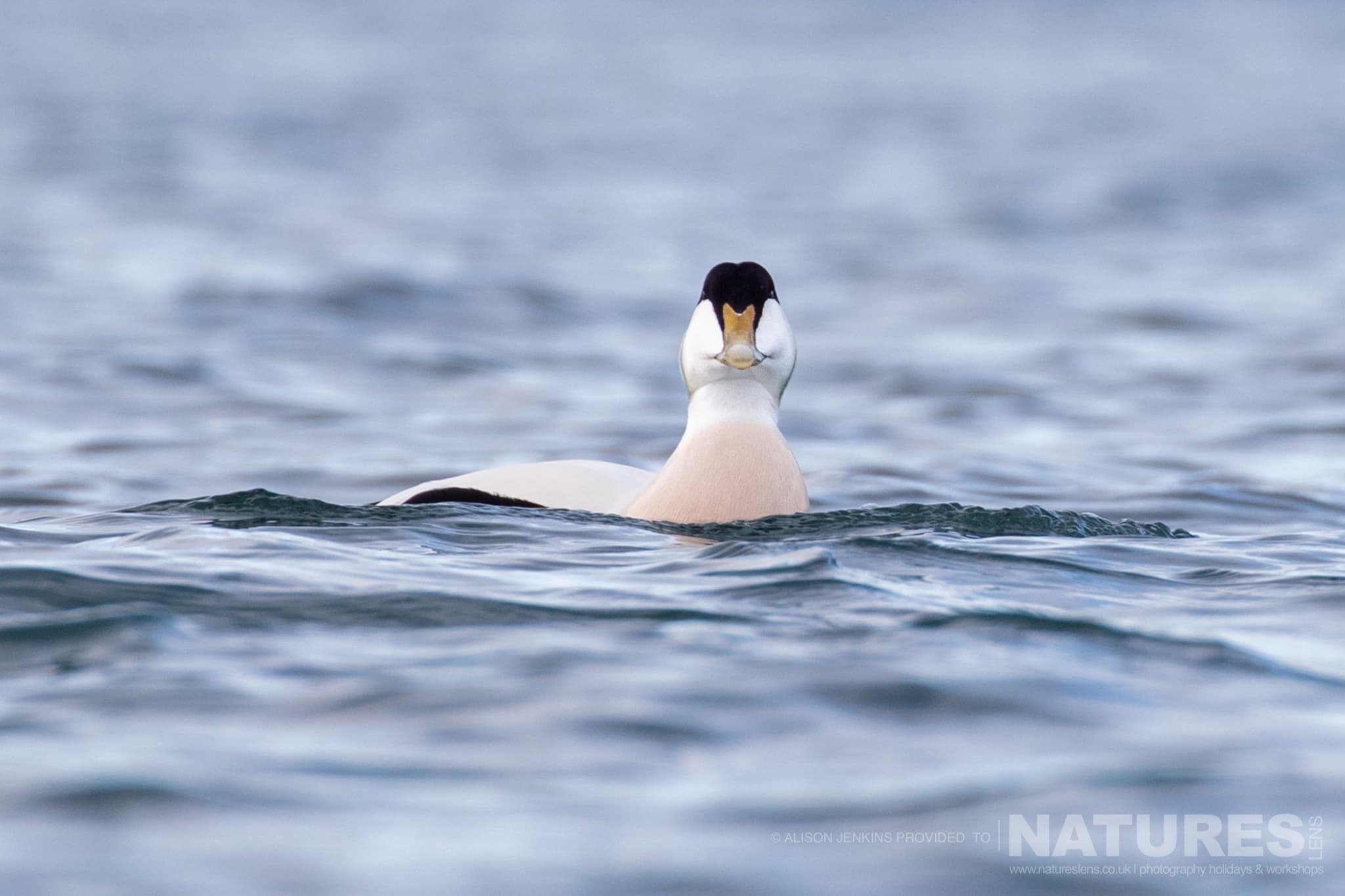
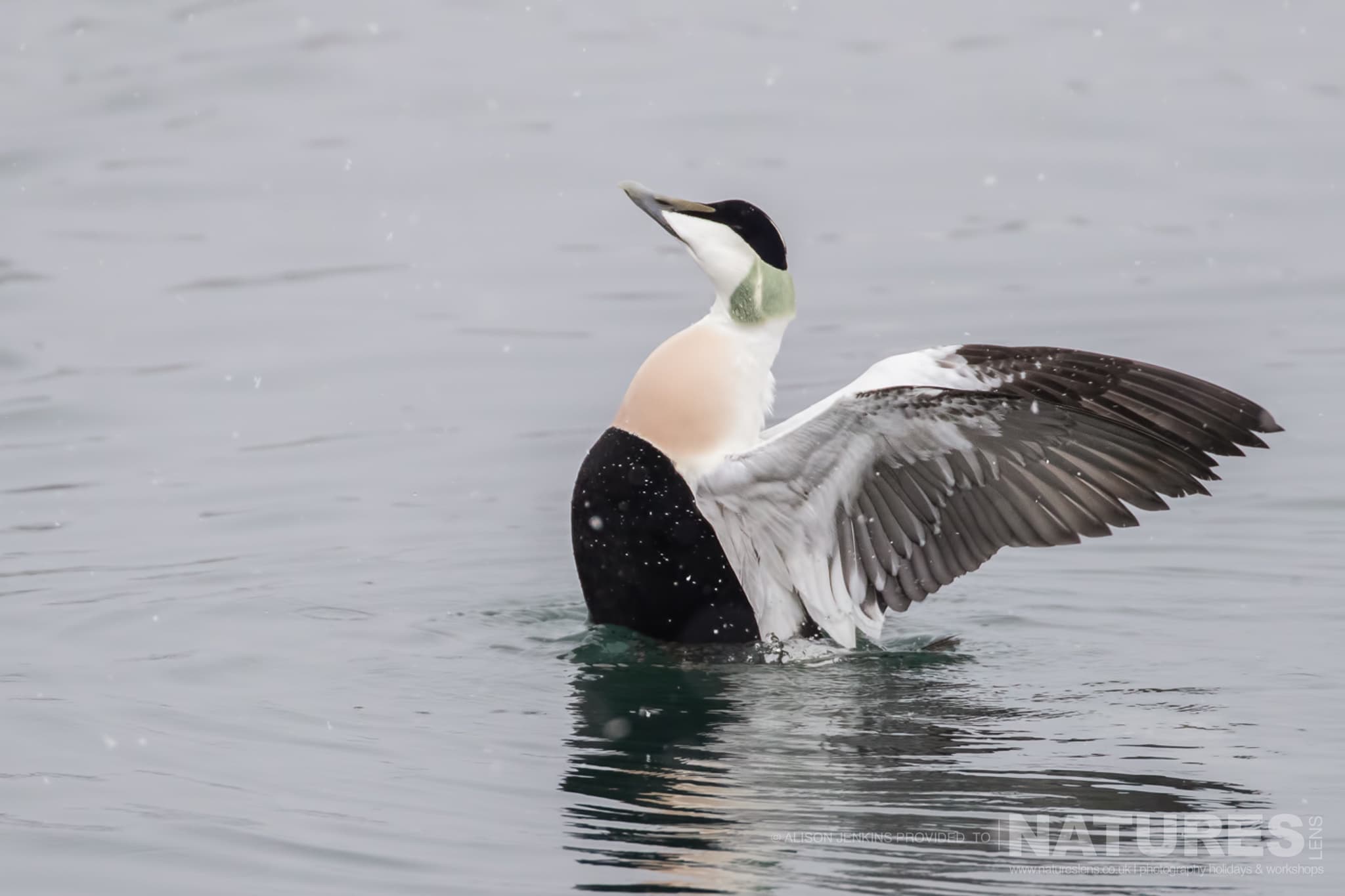
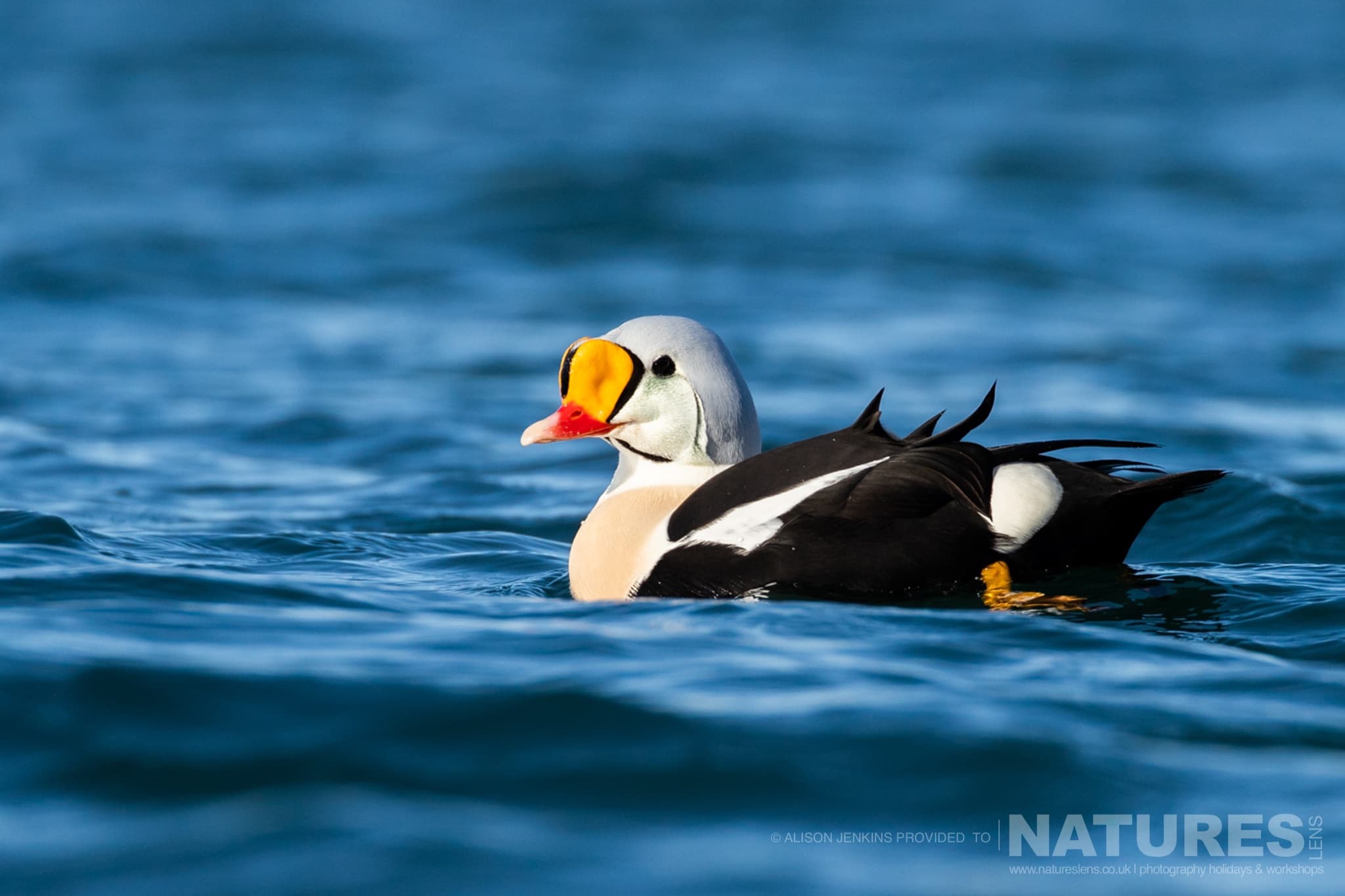
- Steller’s, King & Common Eiders – Flocks diving in synchrony in sheltered bays.
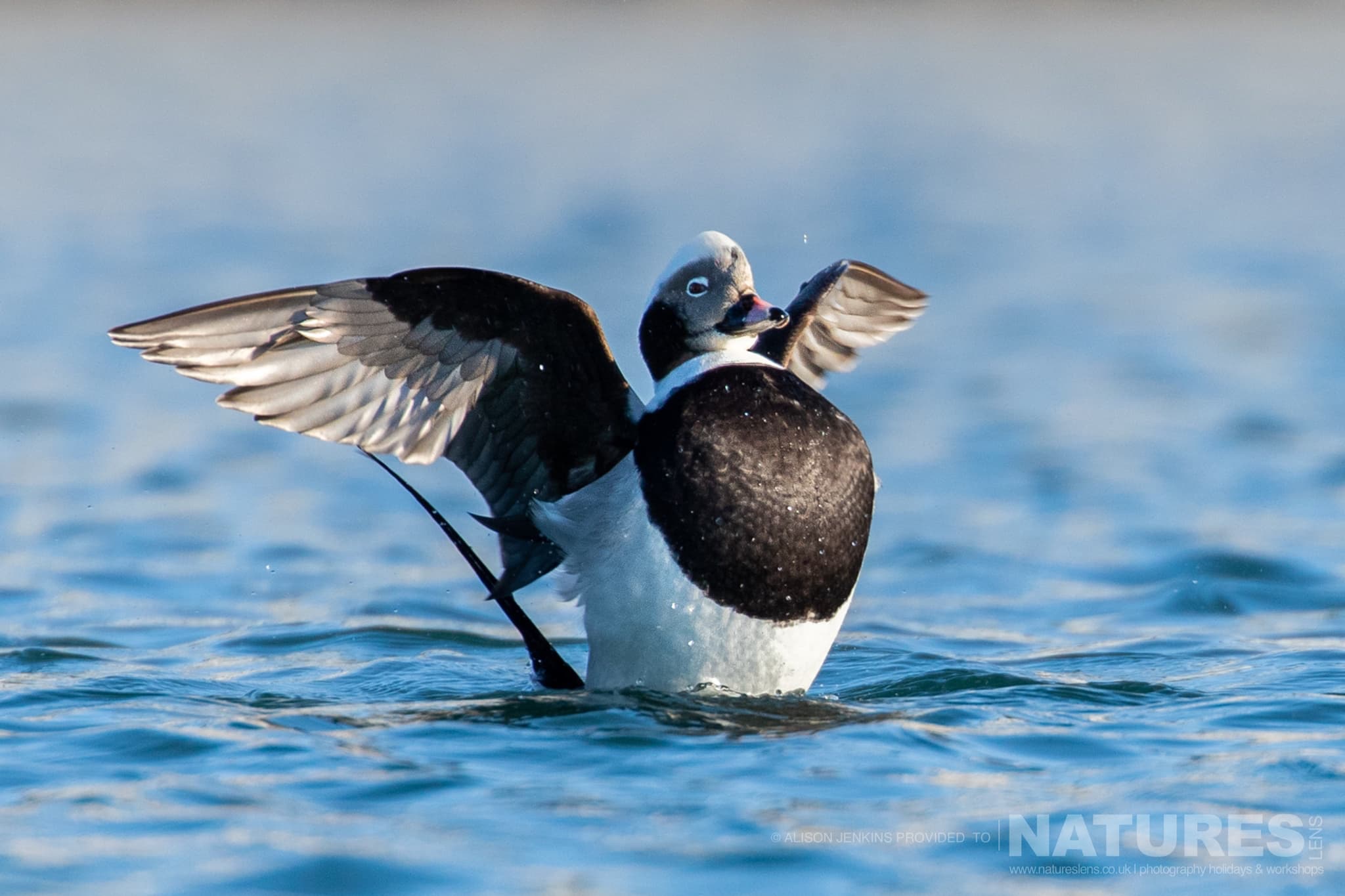
- Long-tailed Ducks – Their haunting calls echoing over the waves as they swam in small groups.
A herd of Reindeer crossing the snow-covered plains provided a magical end to the day.
Day 3 – Båtsfjord – Ptarmigans, Moose & More Sea Ducks
The group travelled to Båtsfjord, where the focus shifted to Arctic grouse & forest giants:
- Rock Ptarmigans – Perfectly camouflaged in winter plumage, foraging on lichens.
- Moose – A solitary bull browsing at the taiga’s edge, its towering frame ideal for dramatic portraits.
- King & Steller’s Eiders – More opportunities to photograph these striking sea ducks in icy waters.
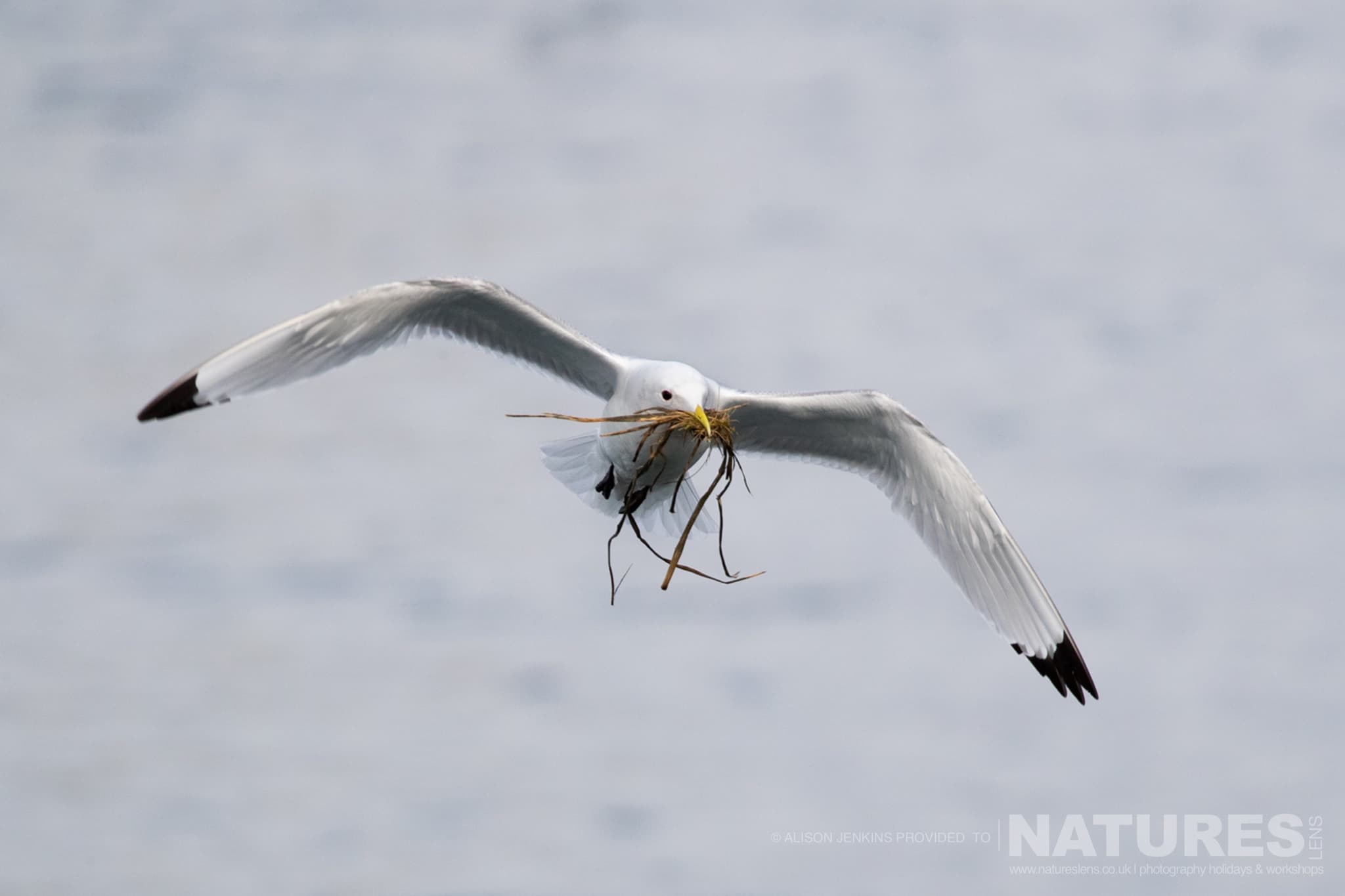
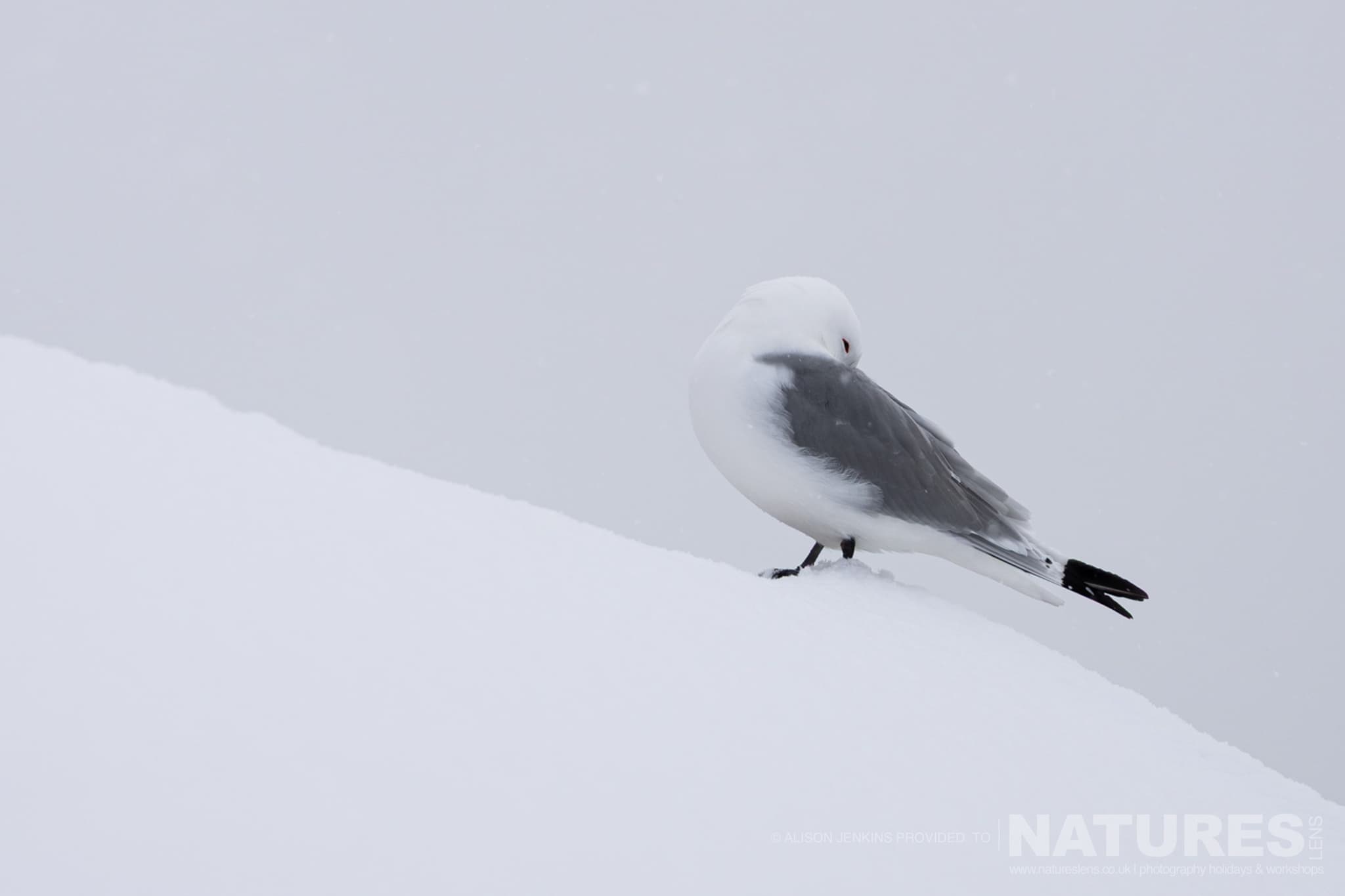
Day 4 – Vardø & Hornøya Island’s Seabird Spectacle
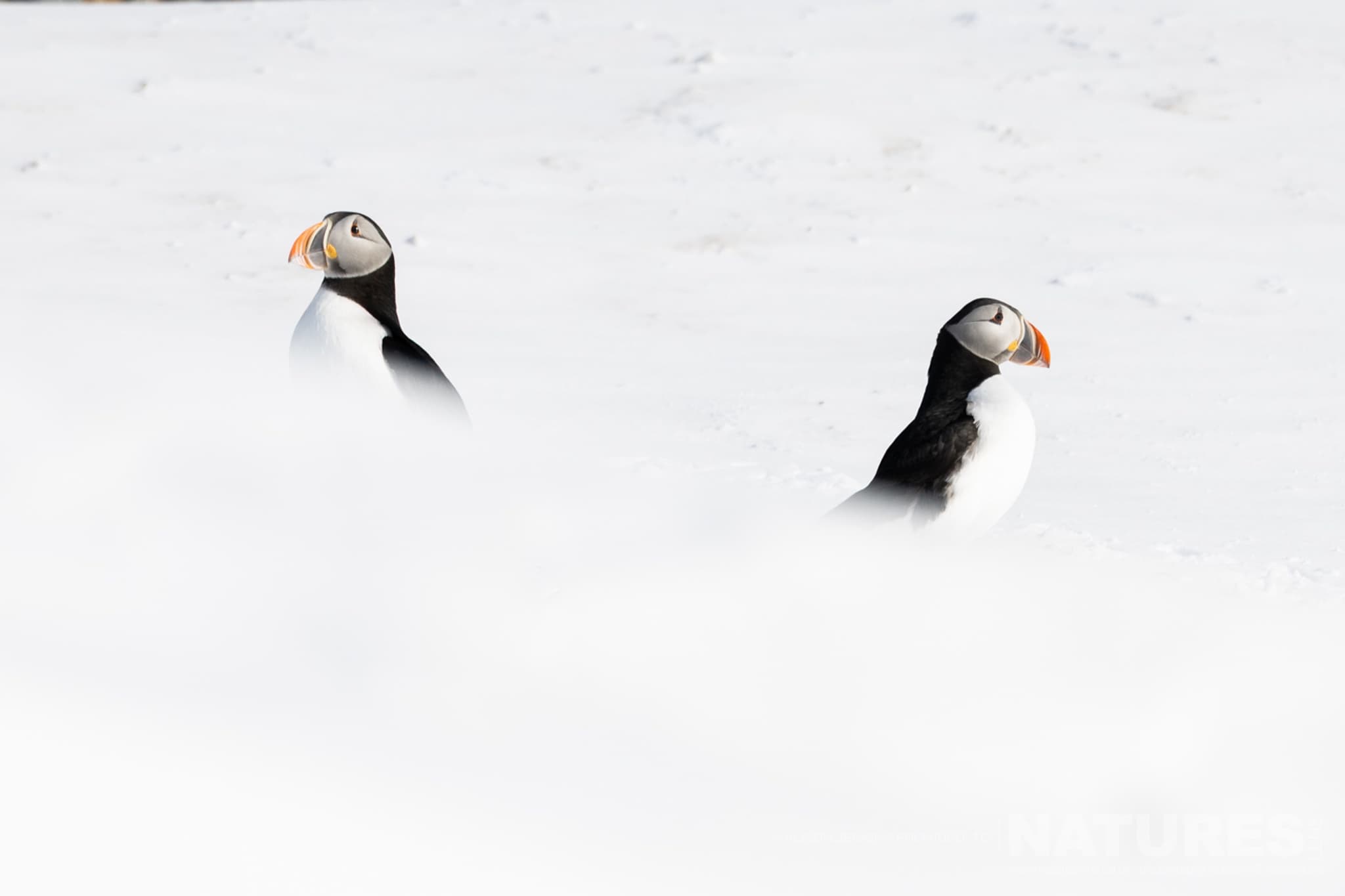
A highlight of the trip was Vardø & the nearby Hornøya Island, one of Europe’s most accessible seabird colonies:
- Northern Hawk Owls – Perched prominently, scanning for voles.
- Bohemian Waxwings – Flocks descending on berry-laden trees.
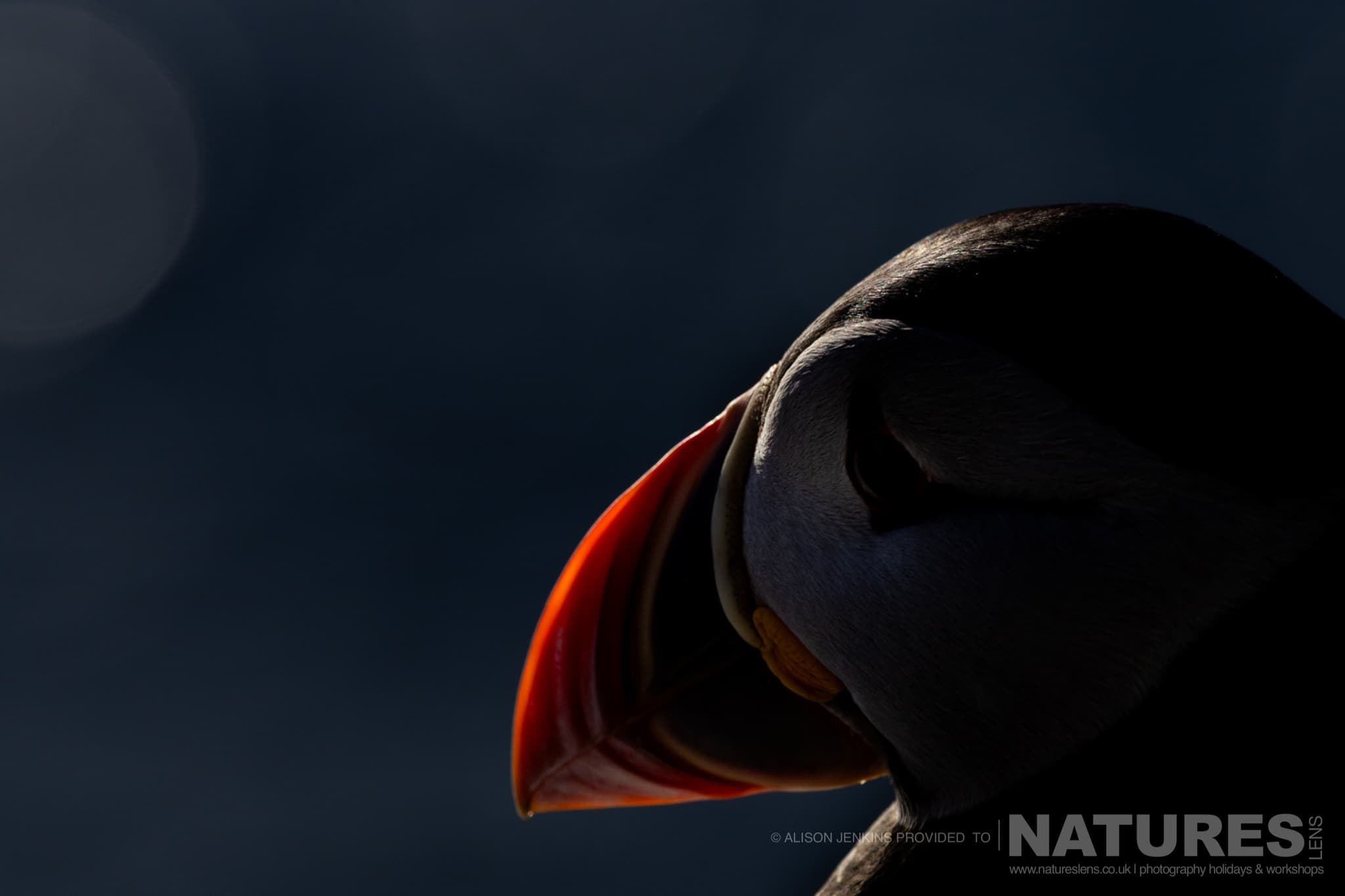
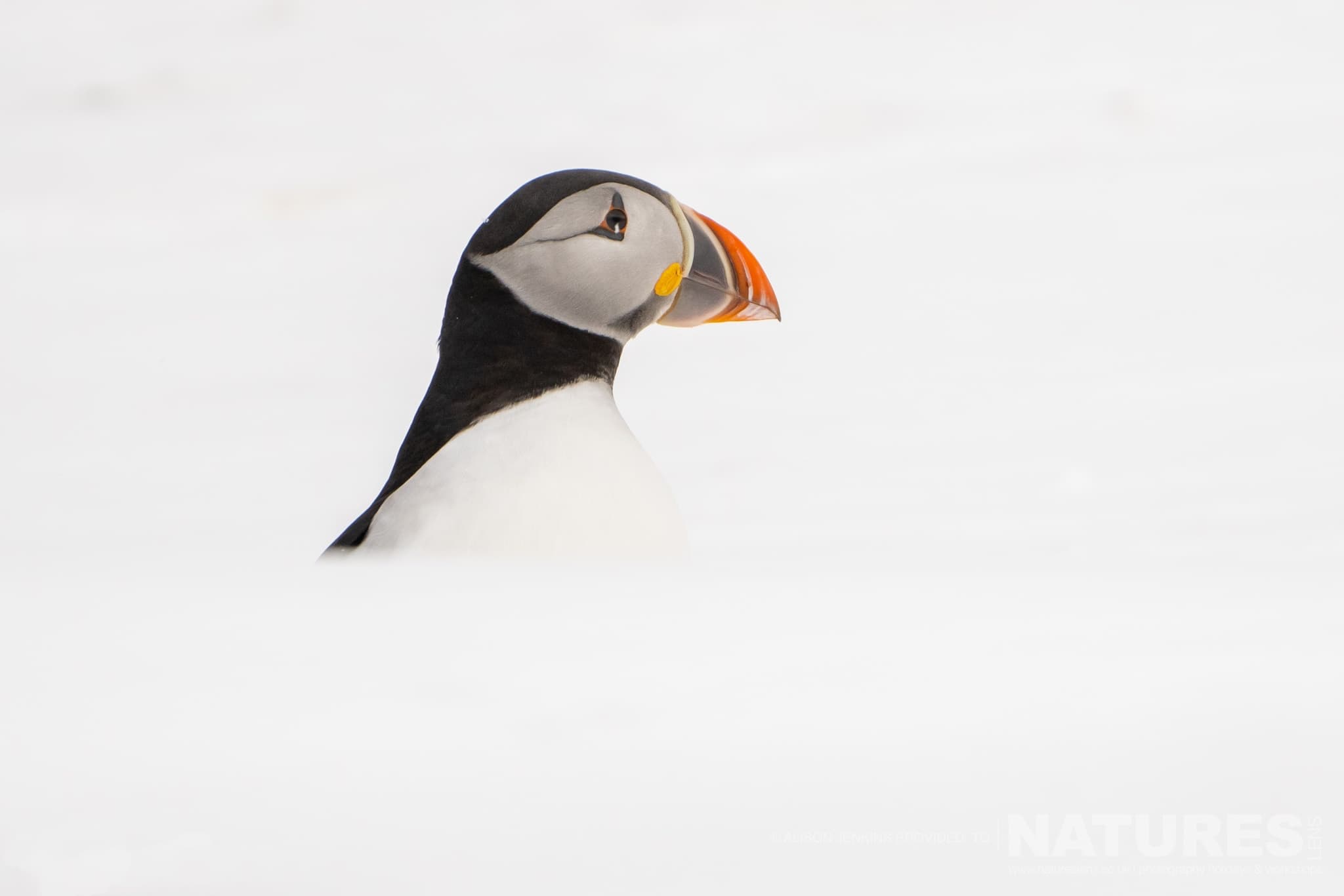
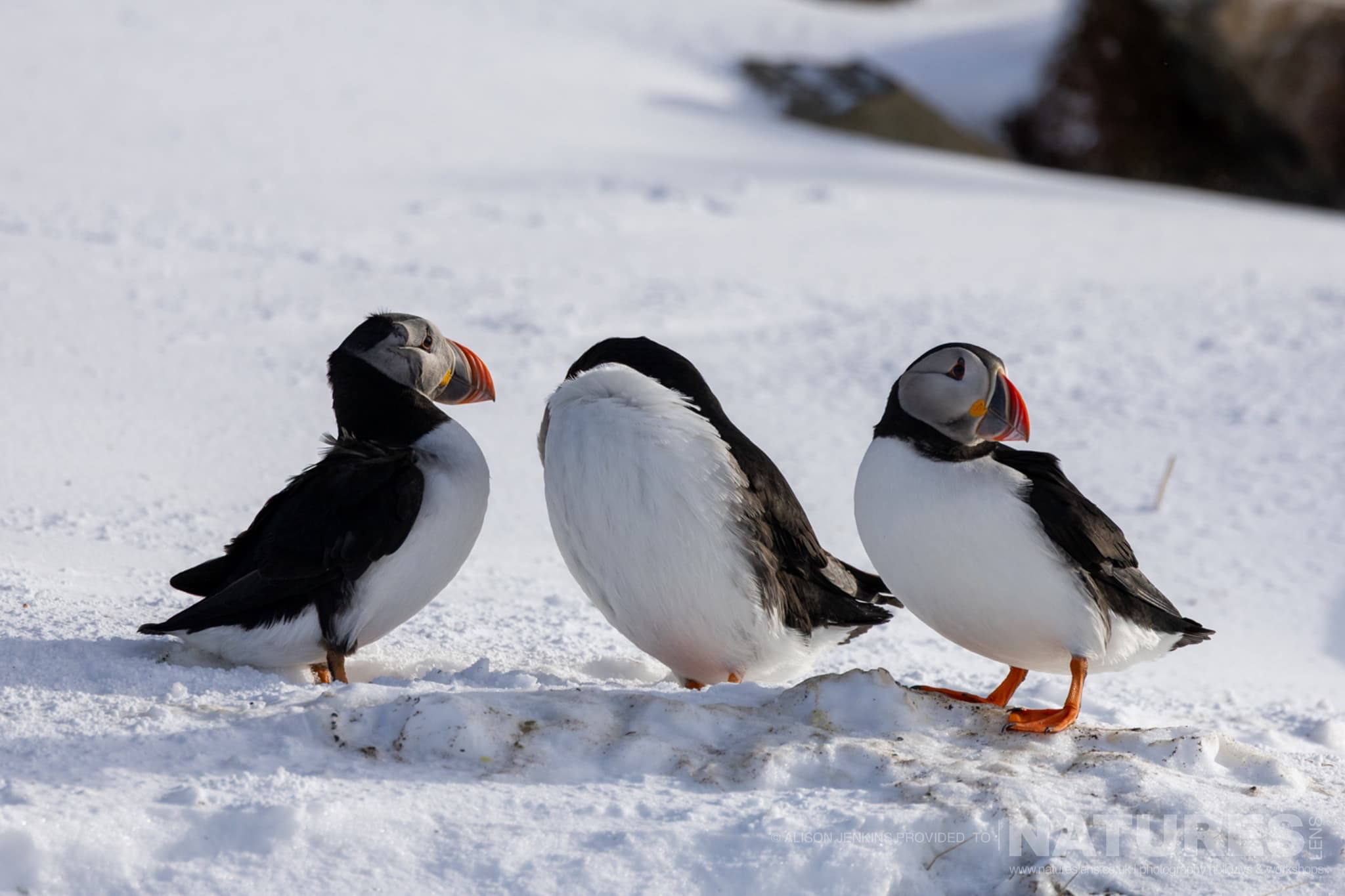
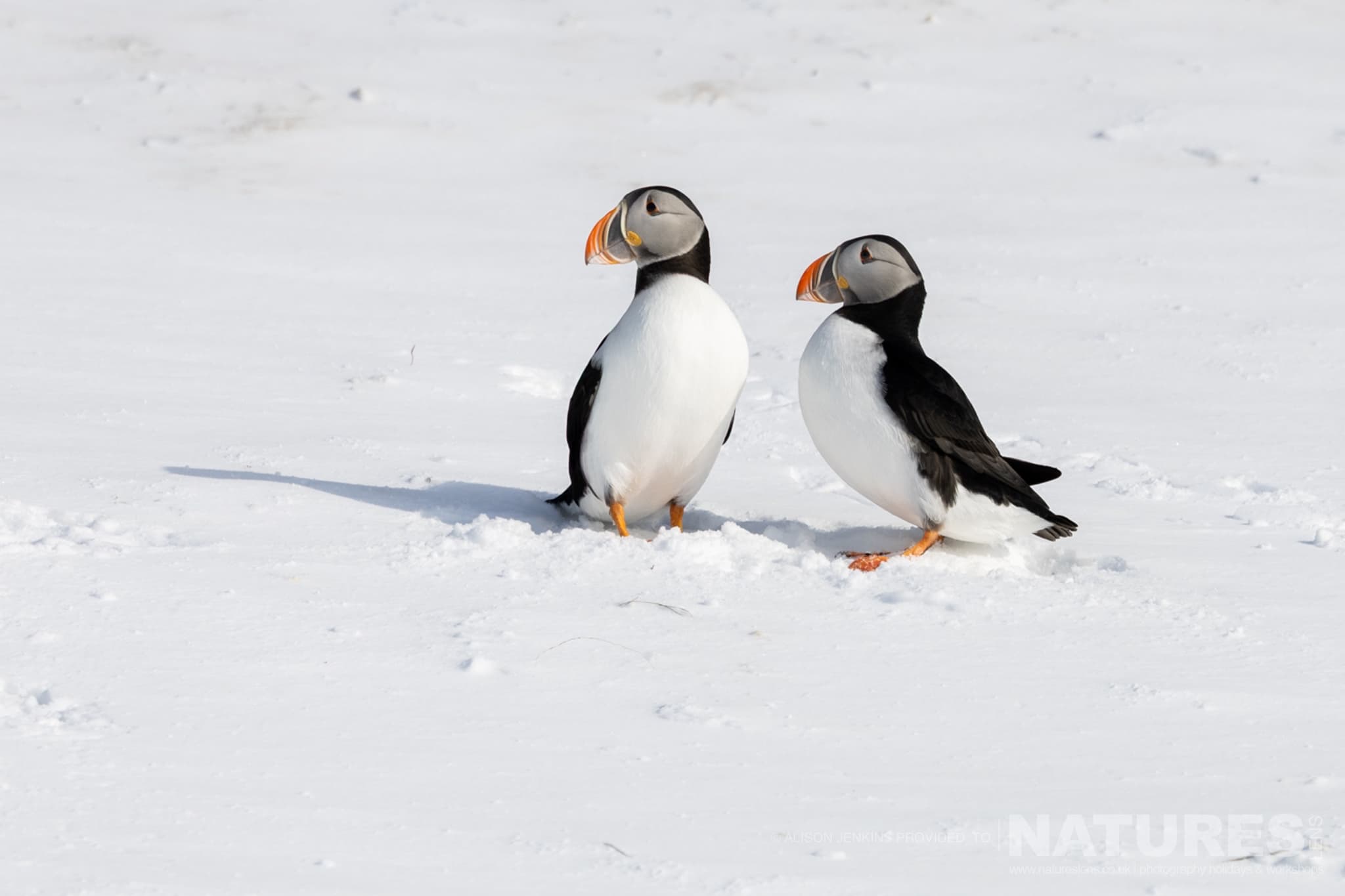
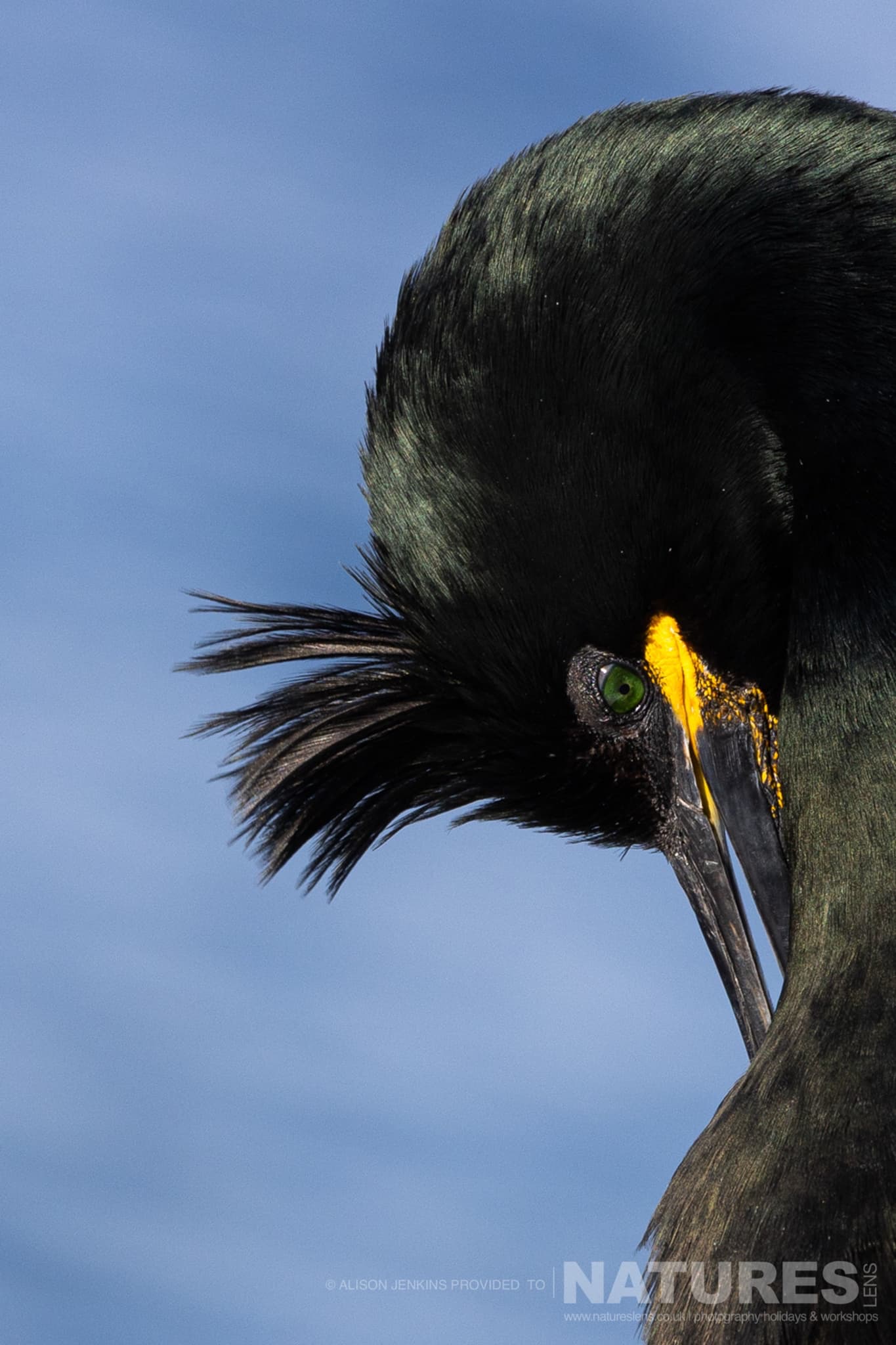
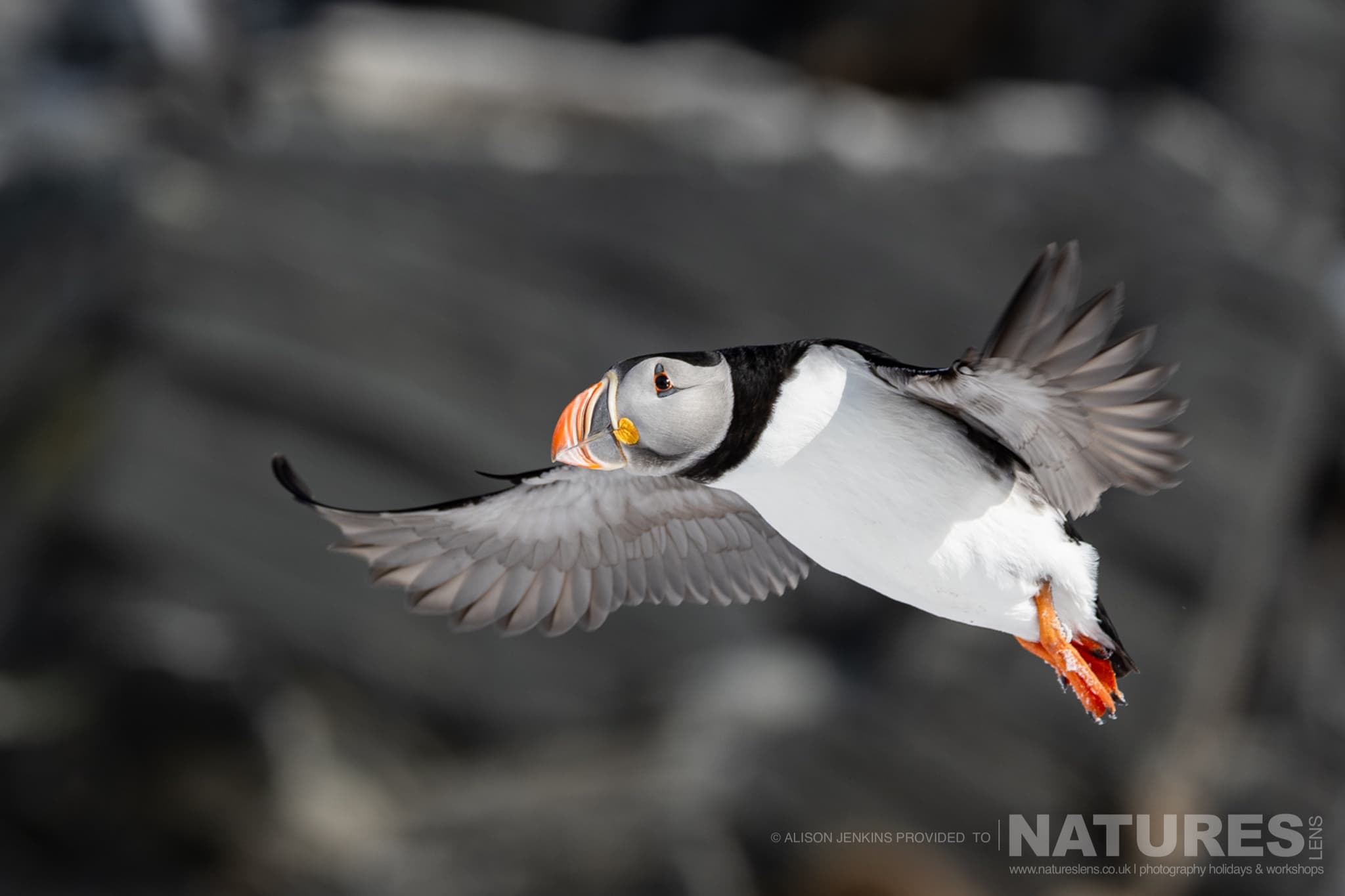
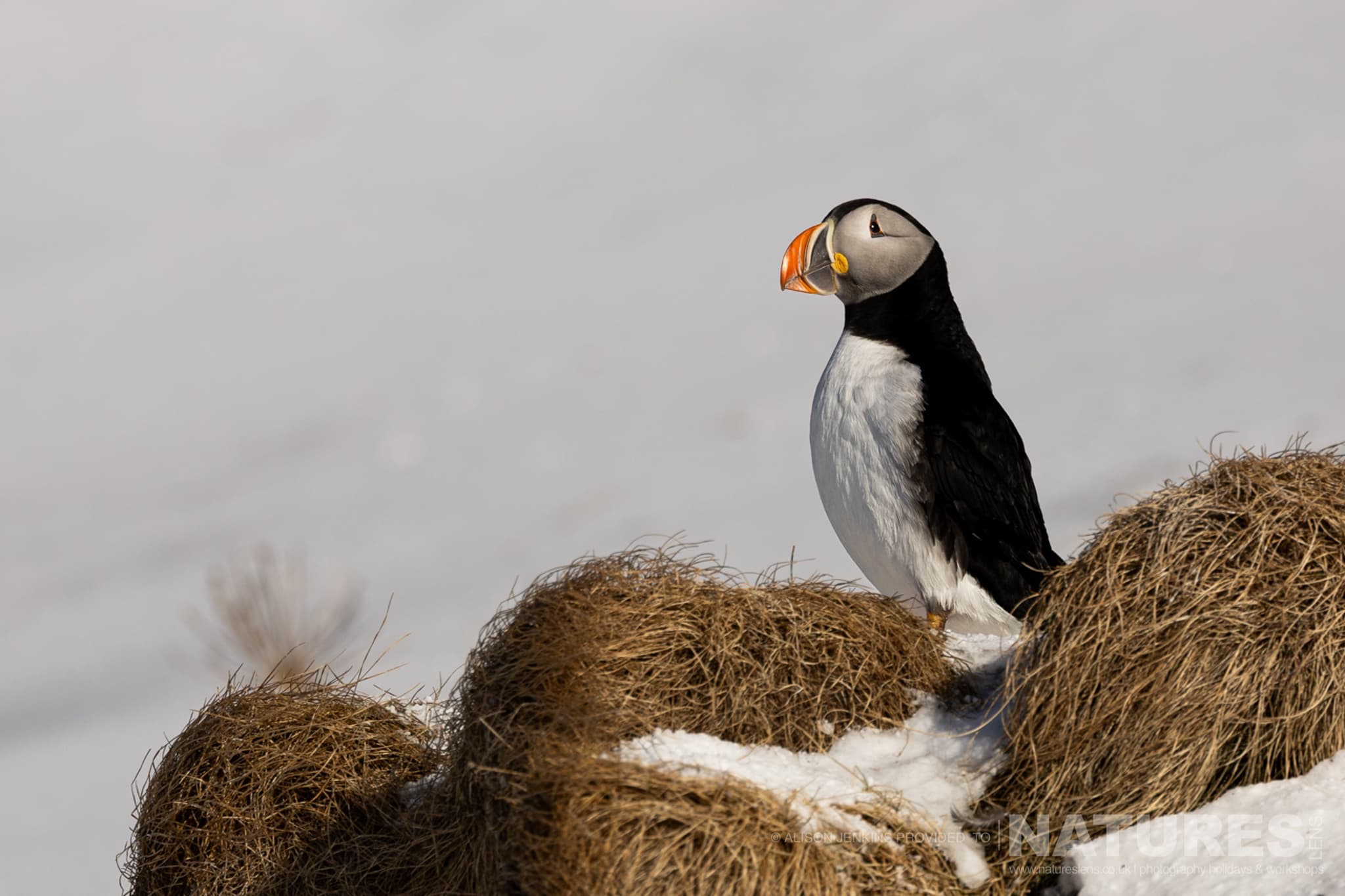
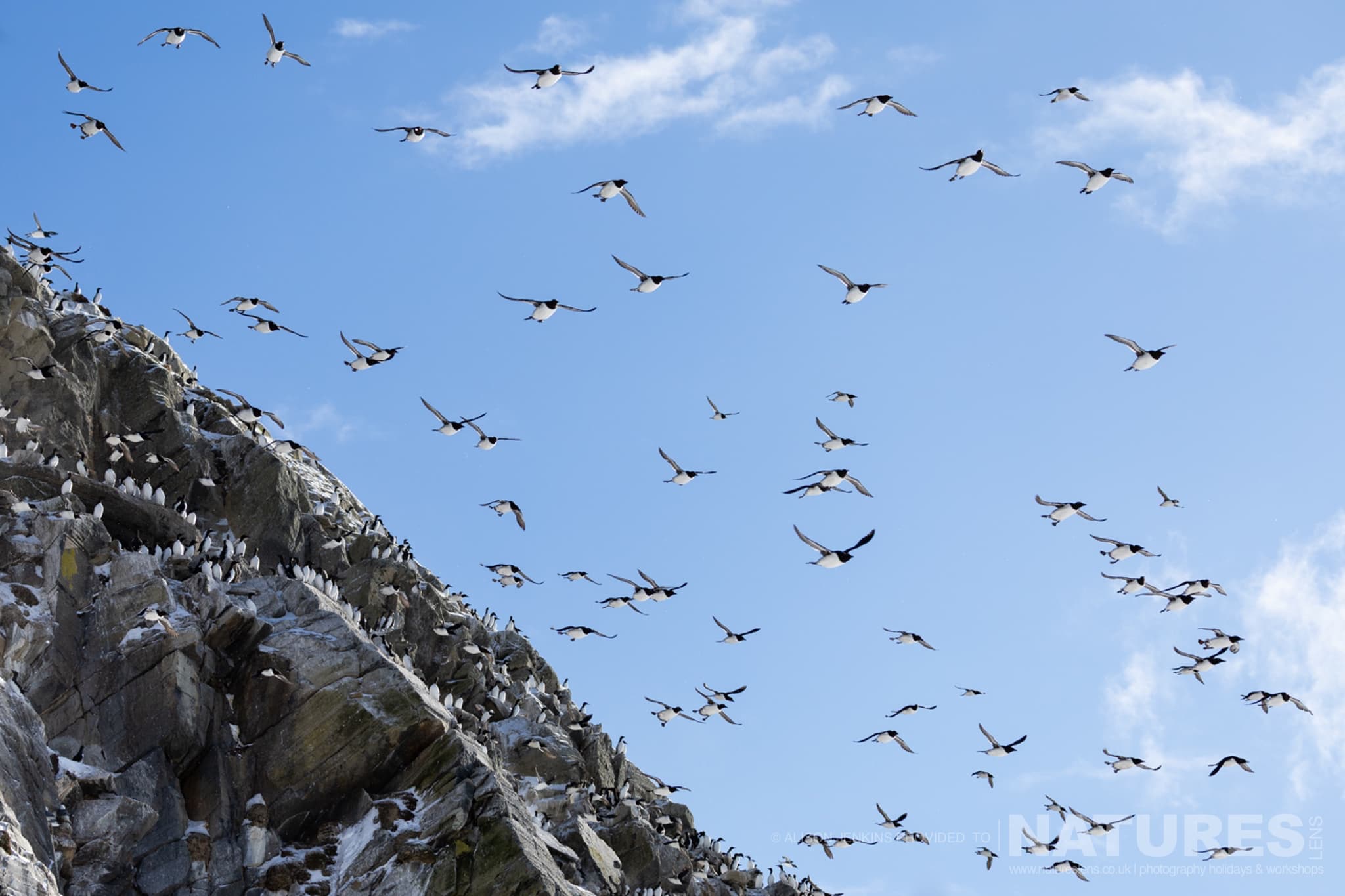
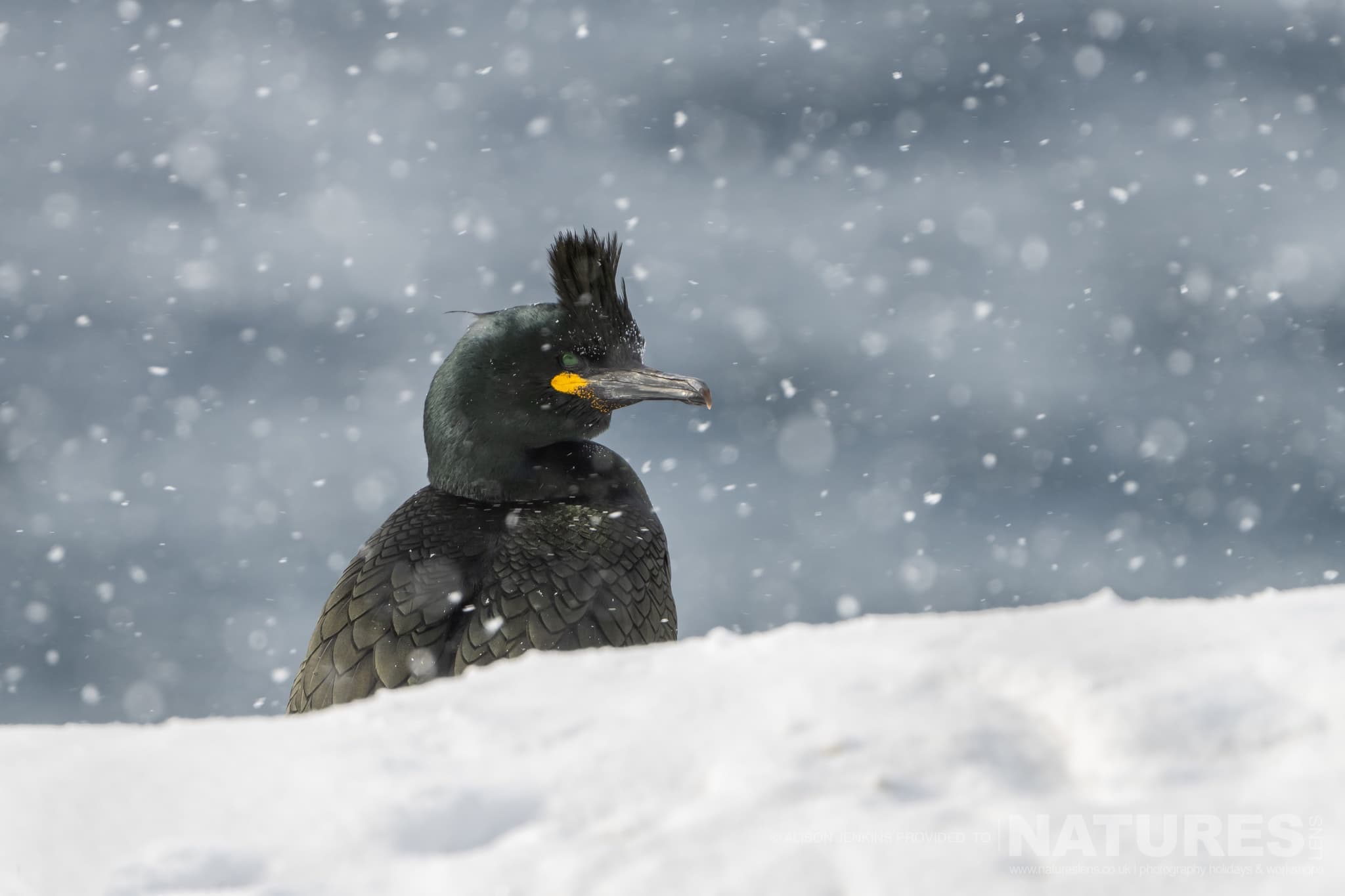
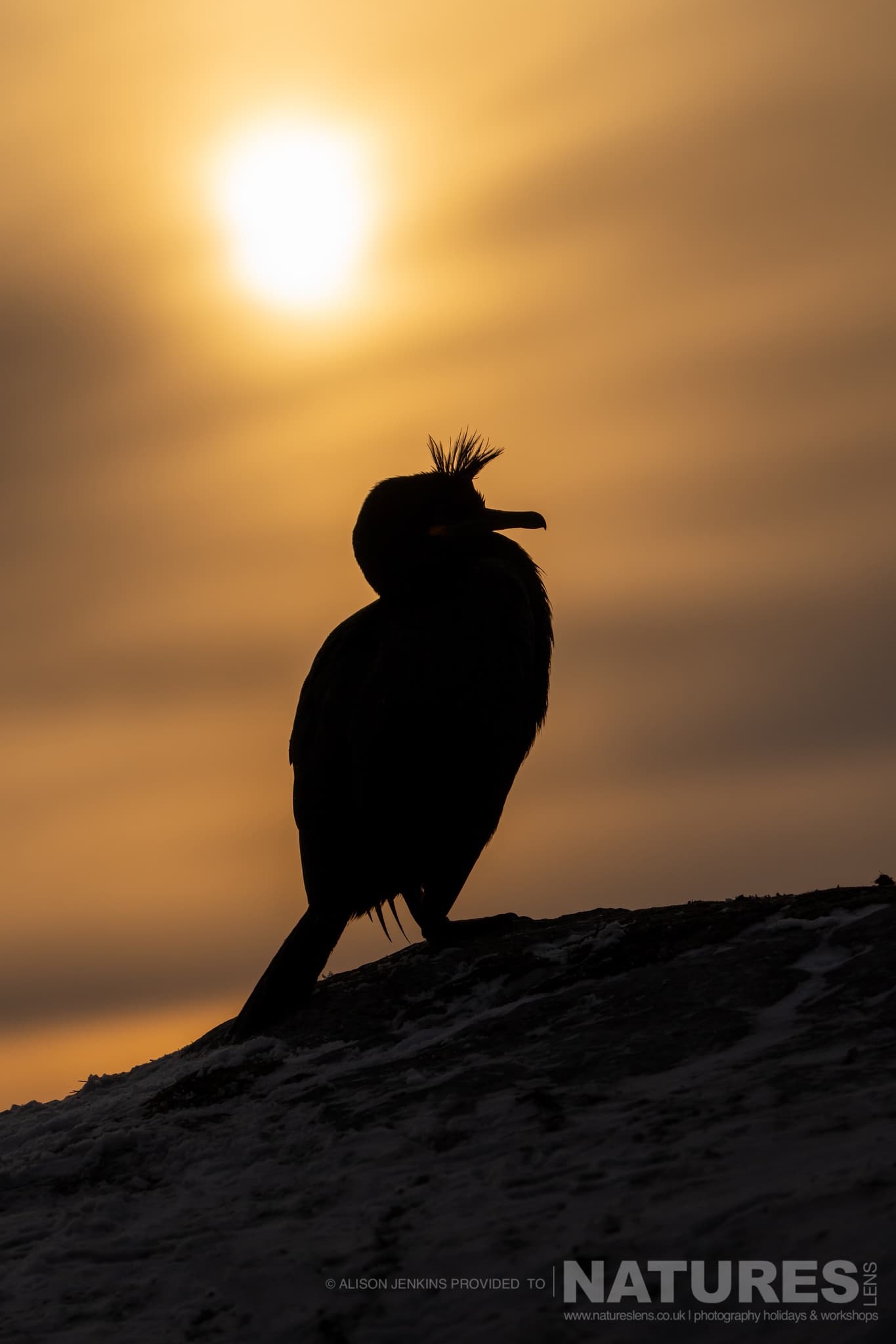
- Puffins, Common & Thick-billed Murres, Razorbills, Black-legged Kittiwakes & European Shags – The cliffs were a frenzy of activity, with puffins carrying fish & murres jostling for space.
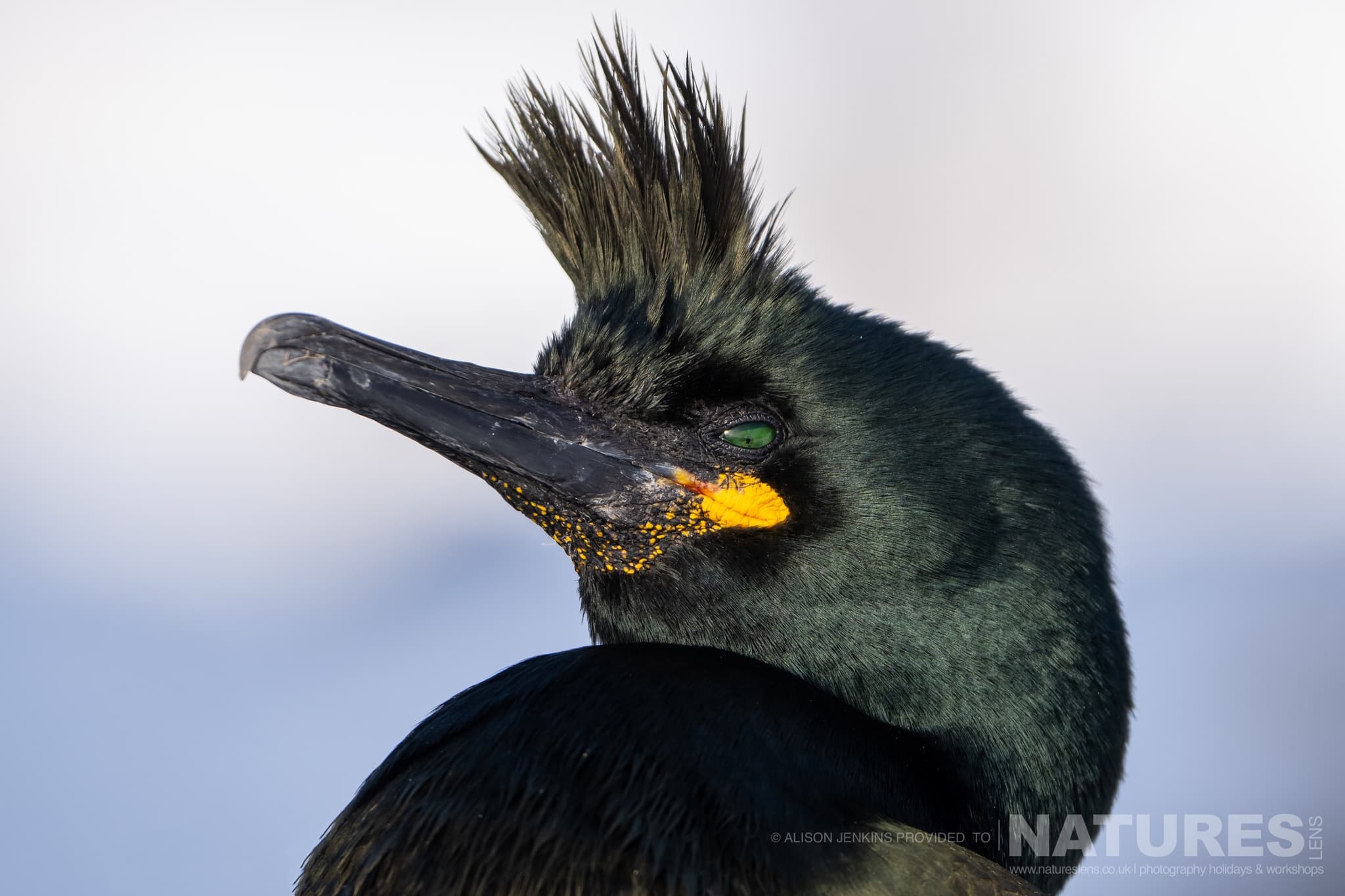


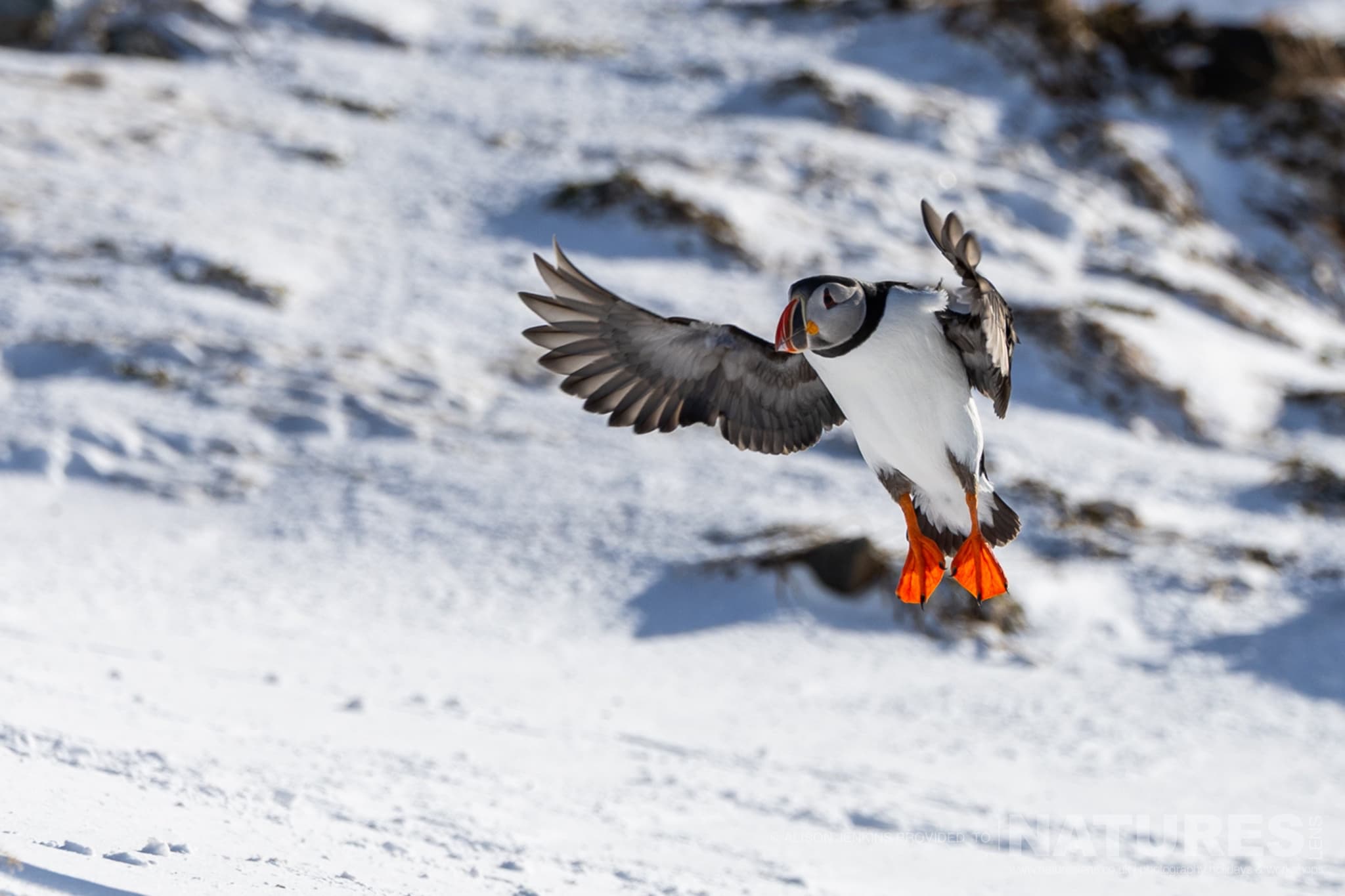
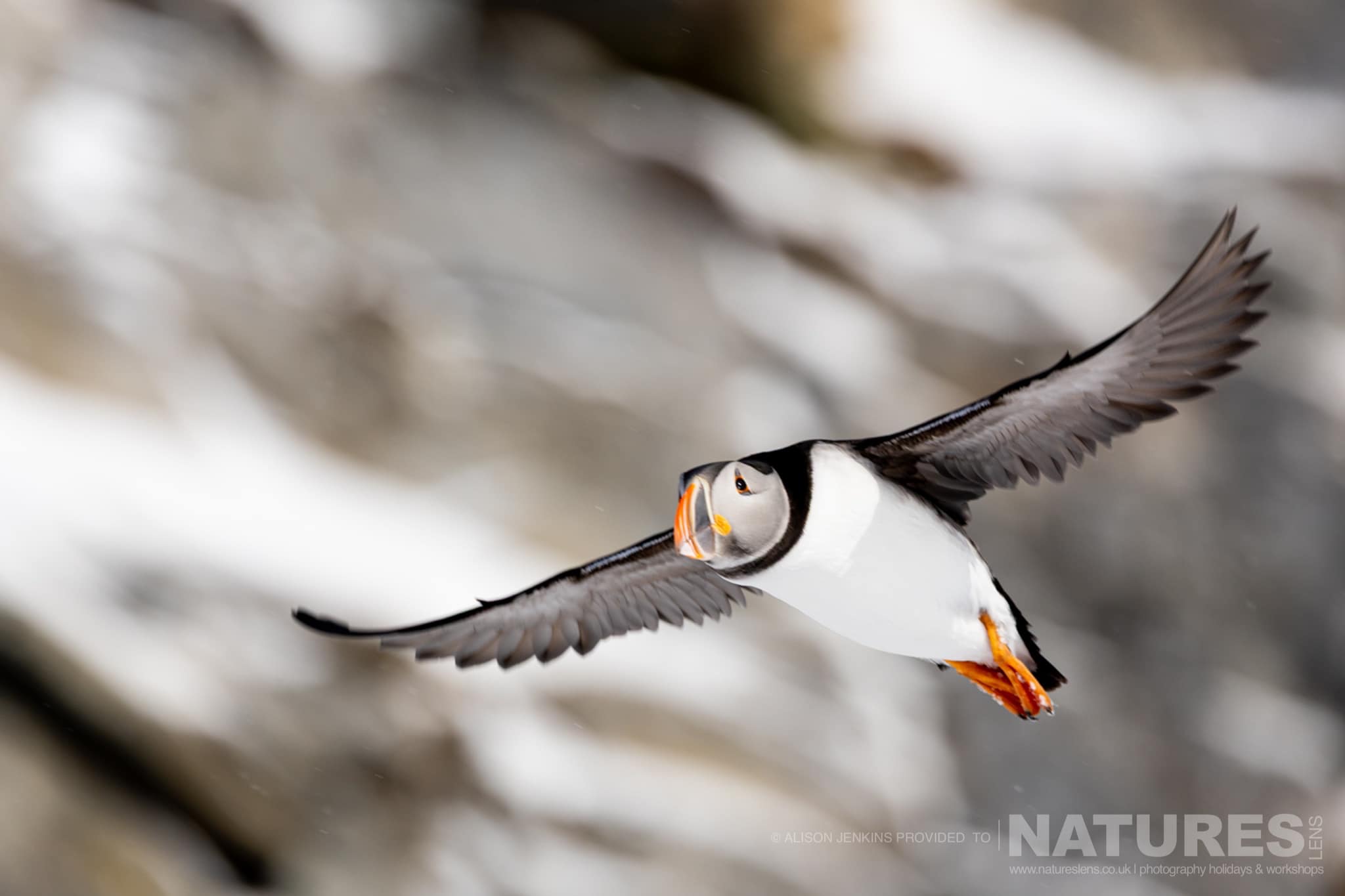
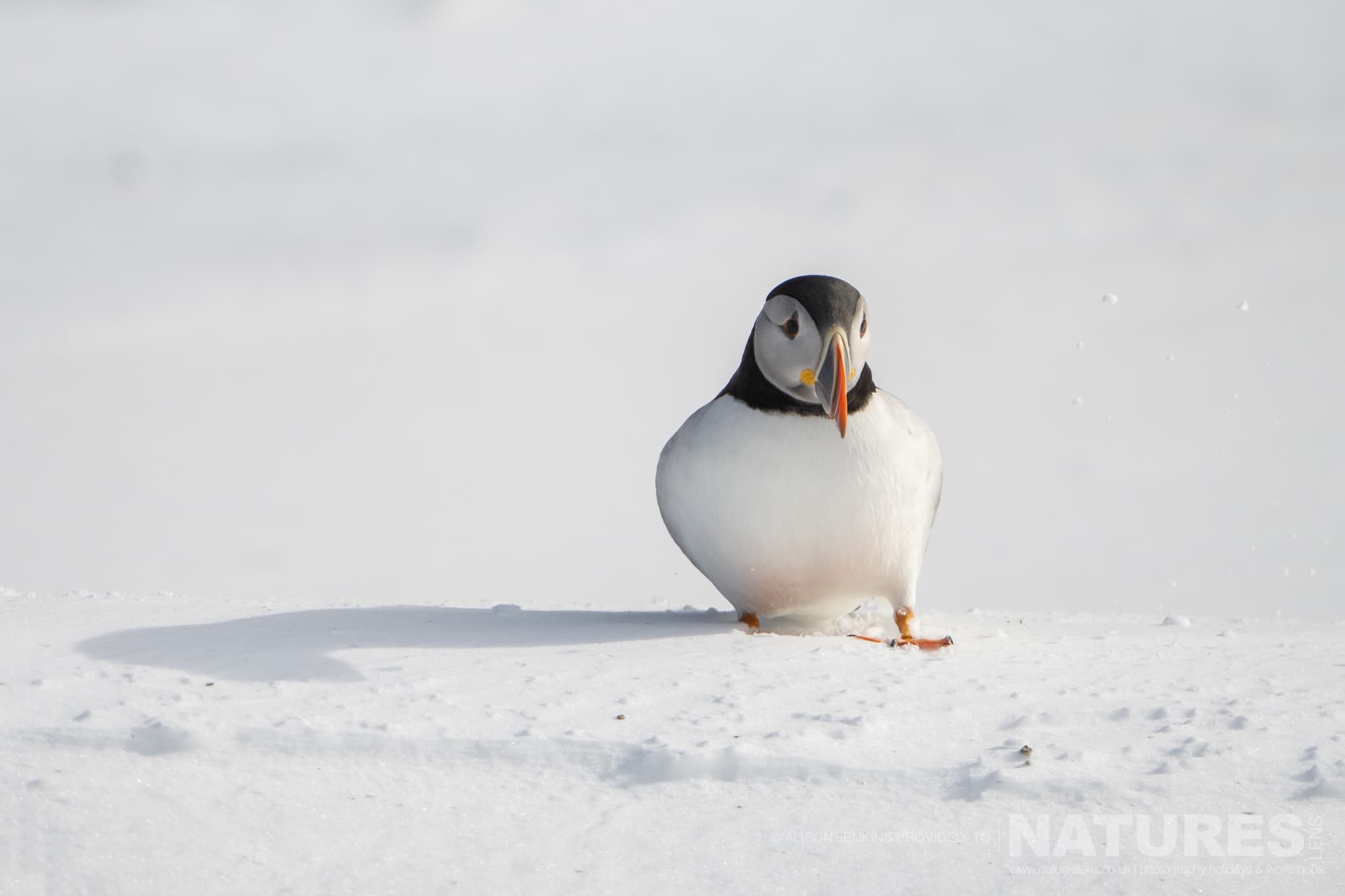
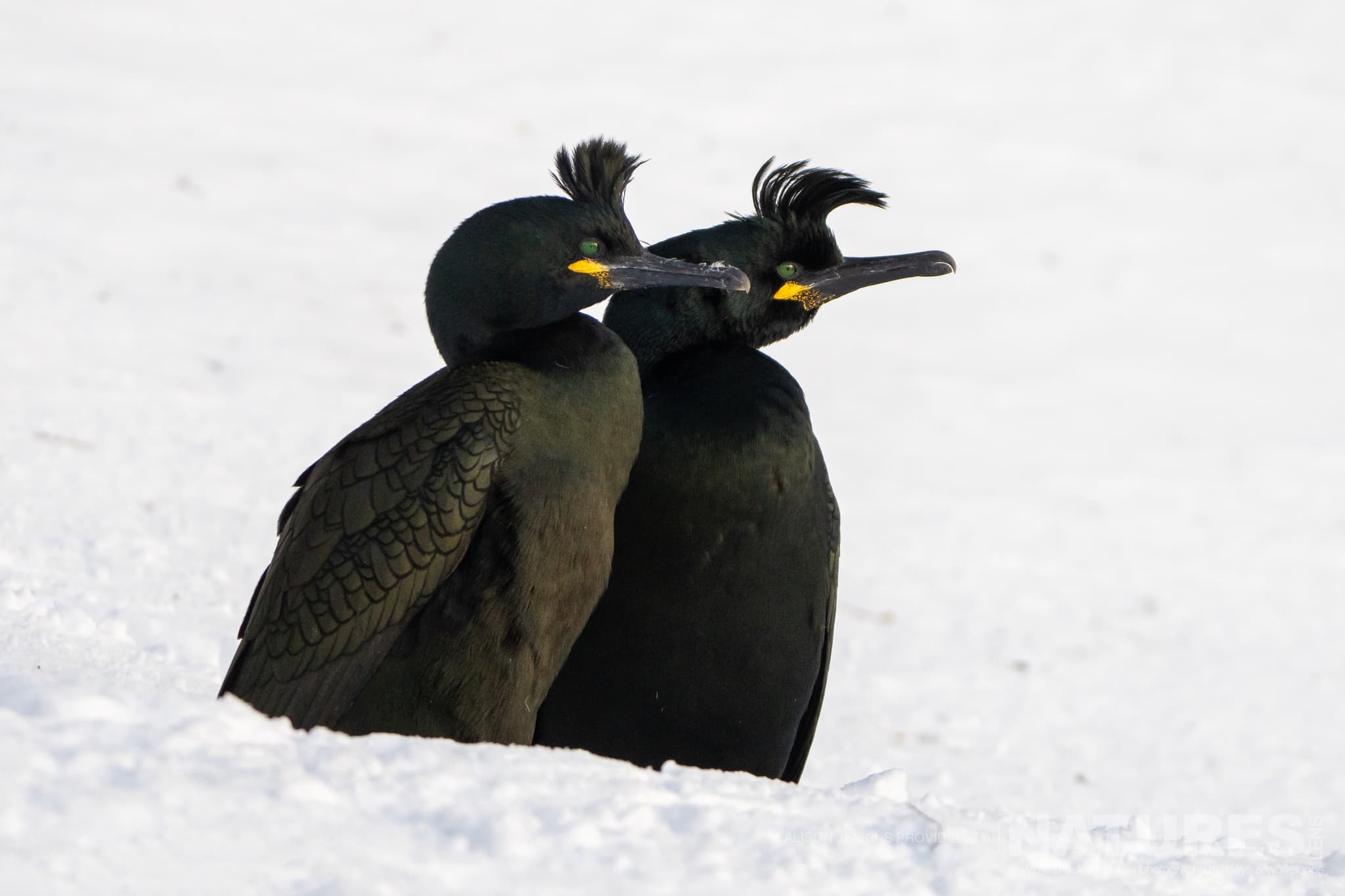
A boat trip & landing on Hornøya allowed for intimate close-ups of nesting seabirds.

Day 5 – Return to Hornøya & Journey Back to Kaamanen
The group revisited Hornøya for a final morning of seabird photography, focusing on:
- Common & Brünnich’s Guillemots – Rafting offshore before returning to the cliffs.
- Puffins & Shags – More behavioural shots, including preening & territorial displays.

In the afternoon, they began the long transfer back to Kaamanen, stopping for sweeping Arctic landscape shots.
Day 6 – Ekkerøy Cliffs, Vadsø Harbour & Mountain Hare
Before dawn, the photographers positioned themselves at Ekkerøy Cliffs to capture:
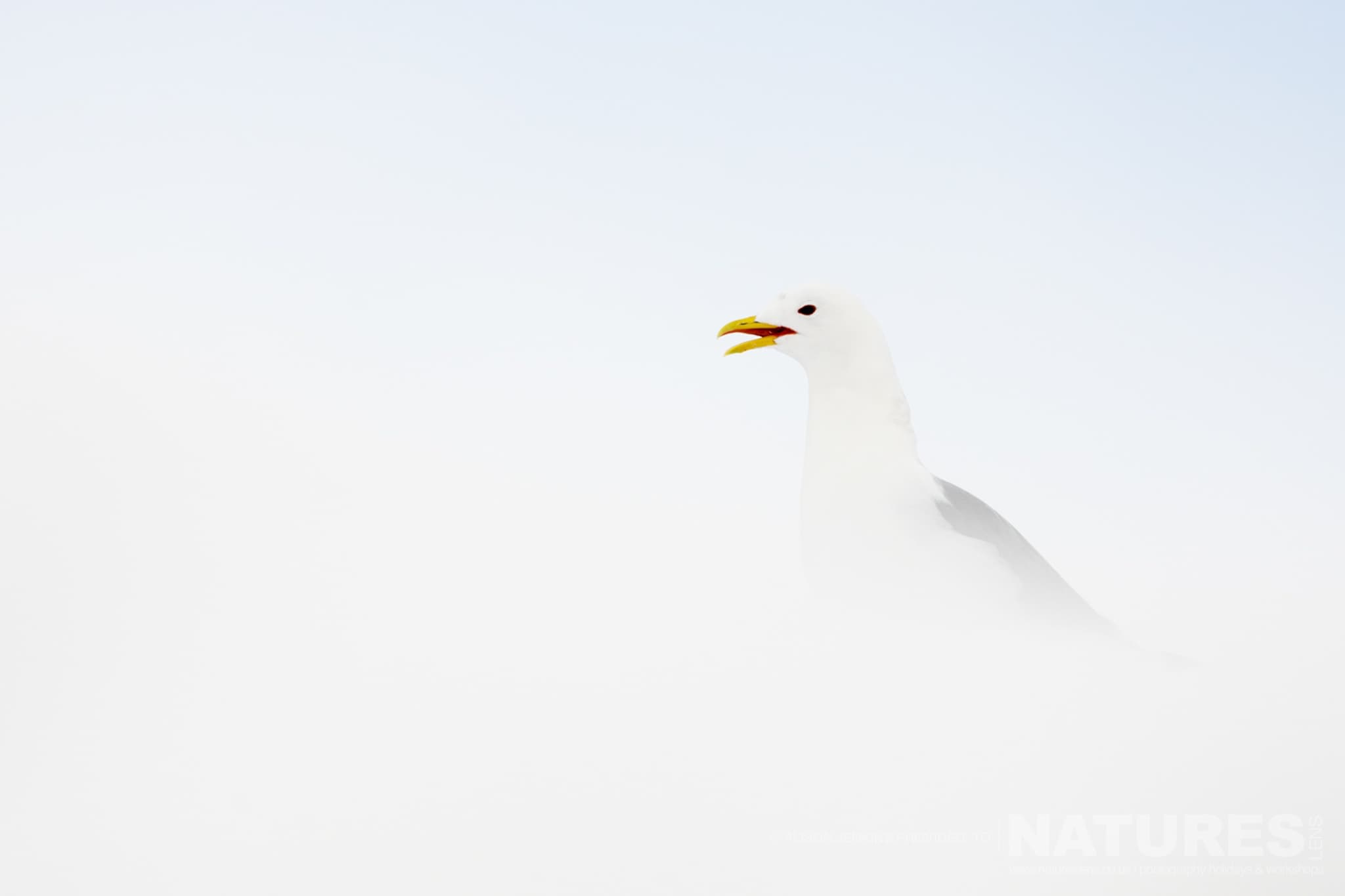
- Black-legged Kittiwakes – Wheeling against the golden morning light.
Later, at Vadsø Harbour, they photographed:
- Steller’s & Common Eiders – Drifting calmly in the sheltered waters.
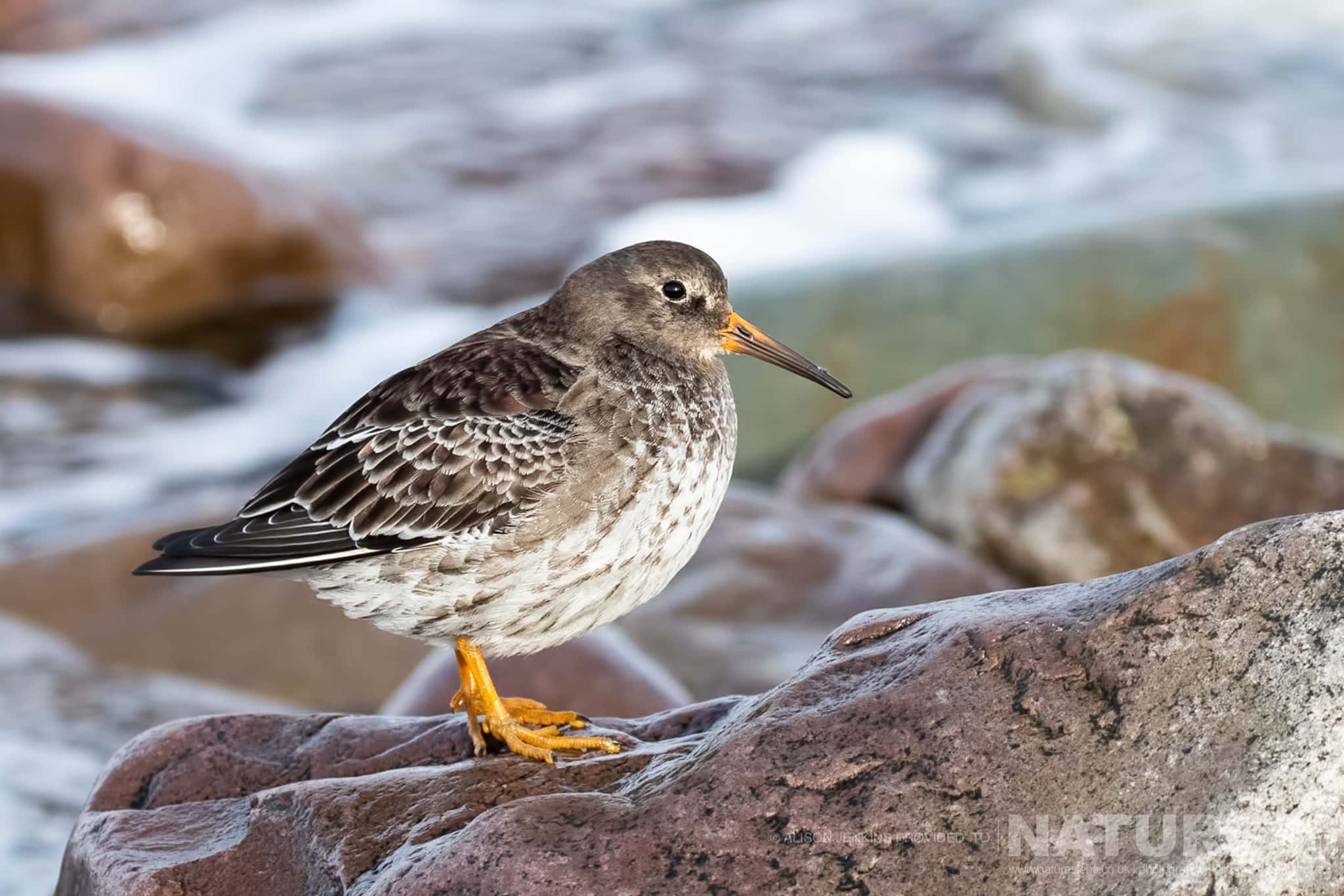
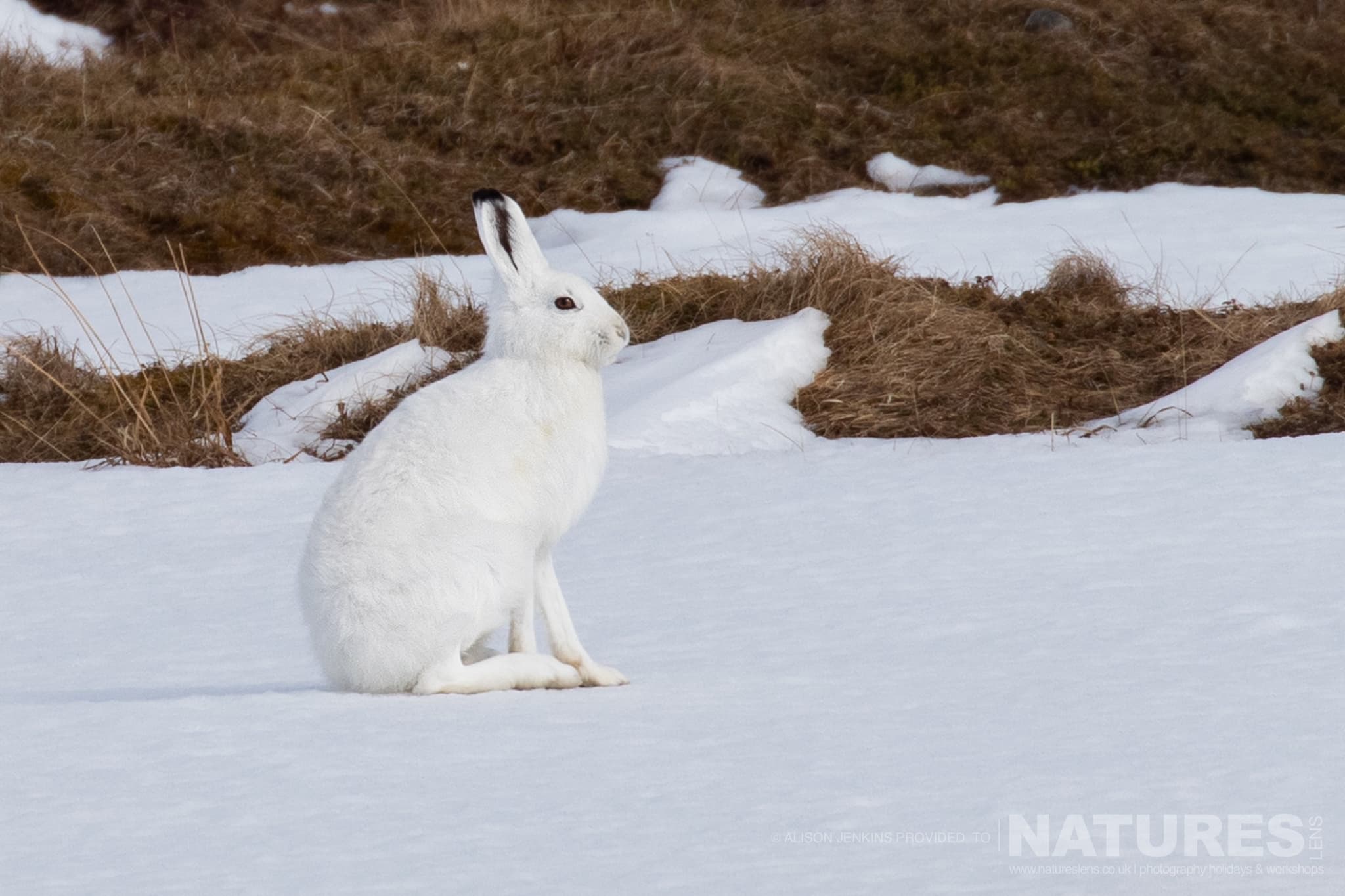
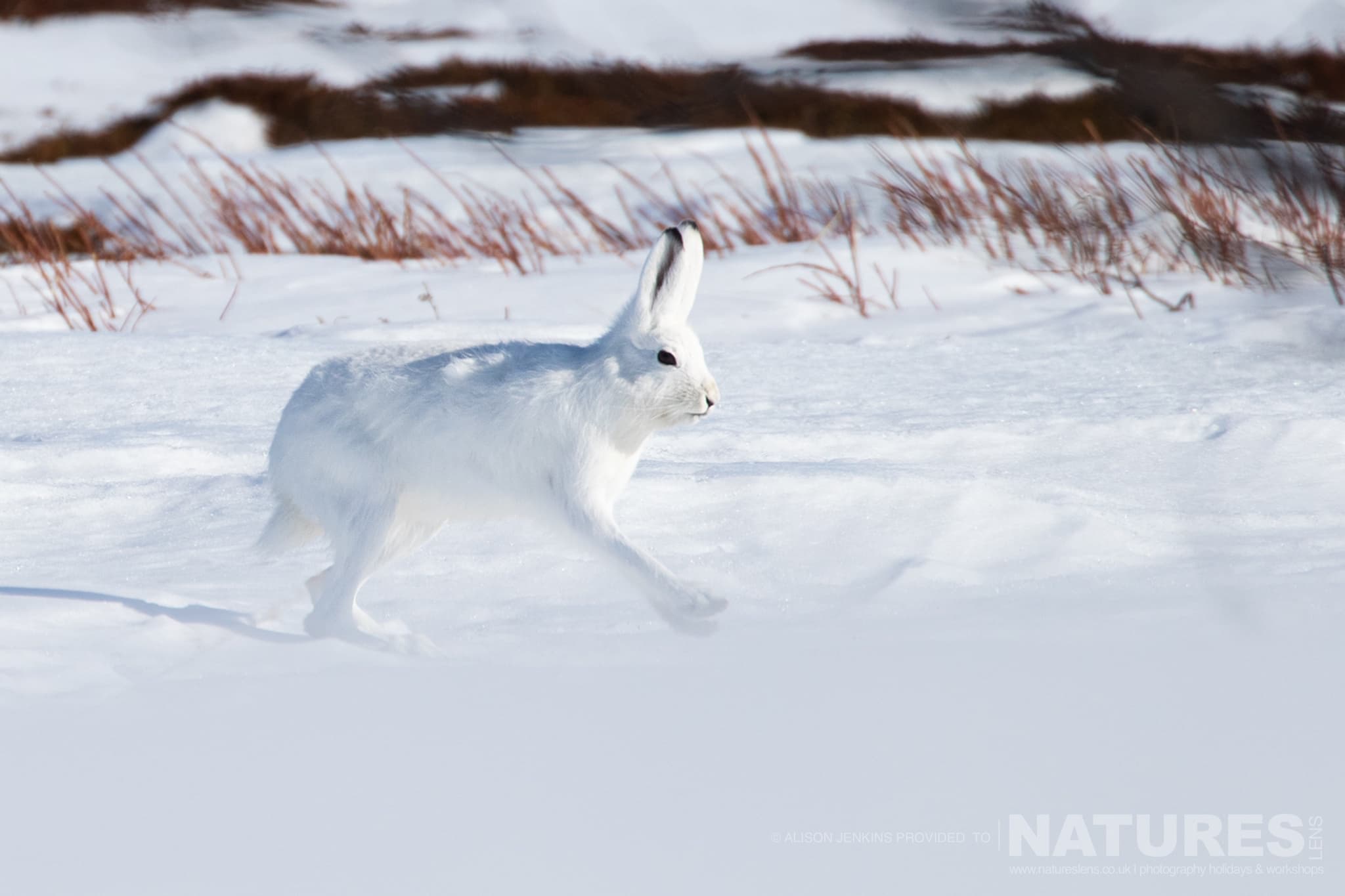
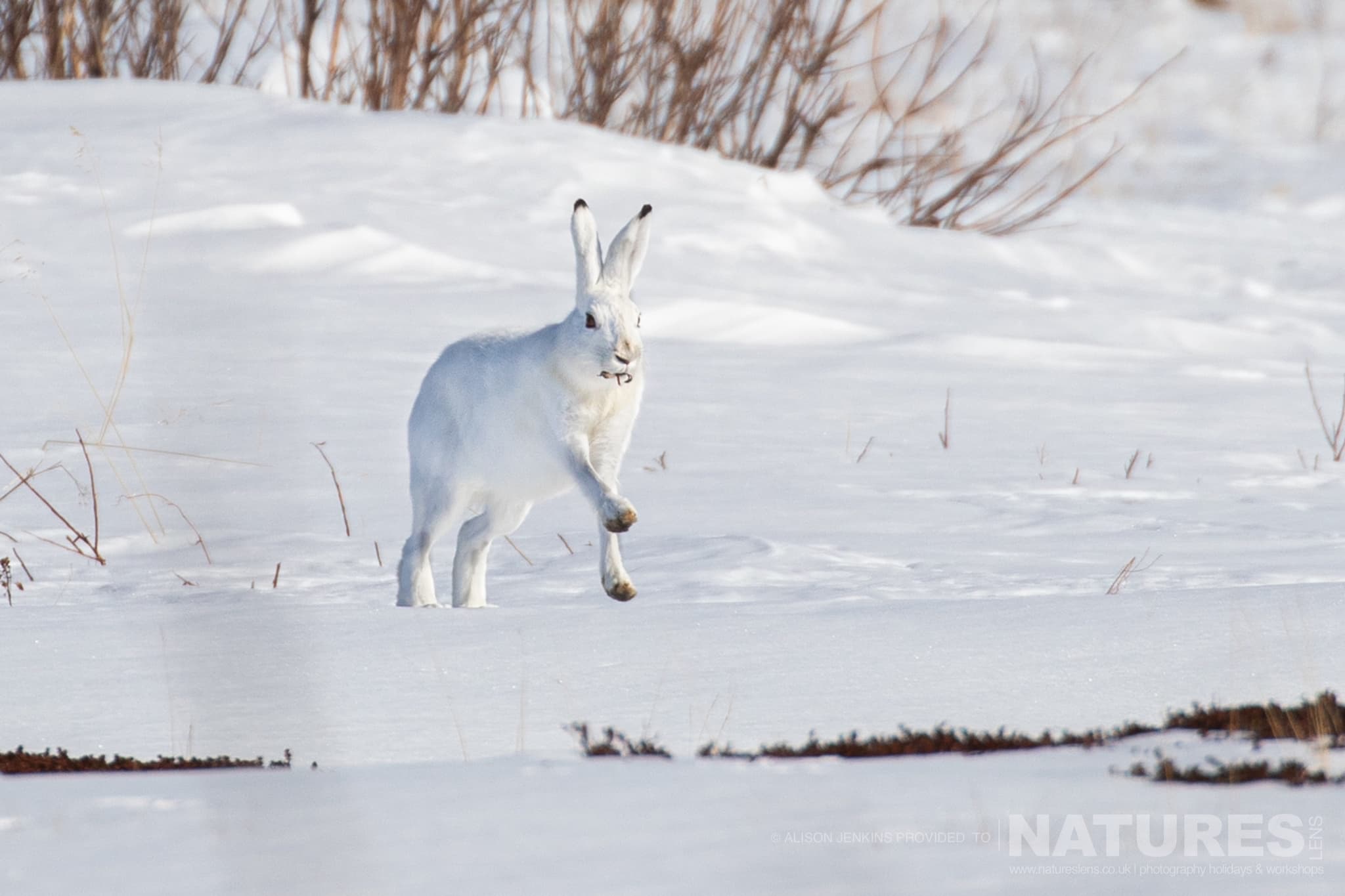
The day ended with a thrilling encounter with a Mountain Hare, its white winter coat blending seamlessly into the snowy tundra.
Day 7 – Reindeer in the Taiga & Departure
The final morning was spent in the Finnish taiga, where a herd of Reindeer grazing on lichens provided a serene farewell. With memory cards full of stunning images, the group returned to Ivalo Airport, concluding an unforgettable Arctic photography adventure.
Species Photographed During The Arctic Wildlife & Puffins in the Snow Photography Holiday
Birds
- White-throated Dipper – Active along icy streams, diving for insects. Fast movements required quick shutter speeds.
- Siberian Jay – Bold & approachable, often perching close with fluffed-up plumage.
- Gyrfalcon – Lightning-fast hunter; best captured in flight over open tundra.
- Steller’s Eider – Formed tight flocks, diving synchronously for molluscs.
- Rock Ptarmigan – Camouflaged against snow; often flushed suddenly when disturbed.
- Northern Hawk Owl – Diurnal hunter; perched prominently while scanning for prey.
- Puffins – ideal for behavioural shots or portraits.
- Bohemian Waxwing – Large, elegant flocks feeding on berries in soft light.
Mammals
- Reindeer – Grazed on lichens; best photographed in soft morning light.
- Arctic Hare – Perfect winter camouflage; slow movements allowed for detailed shots.
Photography Tips & Challenges
- Equipment – A telephoto lens (500mm+) was essential for birds, while a 70-200mm zoom worked well for mammals & landscapes.
- Lighting – The low Arctic sun created long shadows—golden hours were crucial for warm, dynamic shots.
- Patience – Waiting for raptors like the Gyrfalcon or White-tailed Eagle to strike required persistence.
- Weather Resilience – Sub-zero temperatures demanded weather-sealed gear, hand warmers, & layered clothing.
Final Thoughts
The Arctic Wildlife & Puffins in the Snow photography holiday for 2026 will be a masterclass in Arctic wildlife photography, offering unparalleled access to rare species in breathtaking settings. From the seabird cliffs of Hornøya to the silent taiga forests, every moment should present a new challenge & opportunity.
For photographers seeking a true wilderness experience, this journey will deliver in every way – creating not just stunning images, but lasting memories of the Arctic’s raw beauty.