Our Top 10 Hand-picked Wildlife Photography Holidays for 2026
Our 2026 programme covers a broad range of subjects & habitats, from Arctic puffins & Alaskan whales to African big cats & Costa Rican rainforest species. Every trip runs with small groups, experienced leaders, & a schedule built around the light & the wildlife rather than a tourist itinerary.
Here are our top 10 wildlife photography holidays for 2026:
1 – Winter Eagles of the Hortobágy – 26th – 31st January 2026
Join Dan for a five-night trip to Hungary’s Hortobágy National Park, one of Europe’s strongest winter locations for white-tailed eagles. The hides here deliver close encounters with these large raptors — expect flight shots, landing sequences & tight portraits throughout the week.
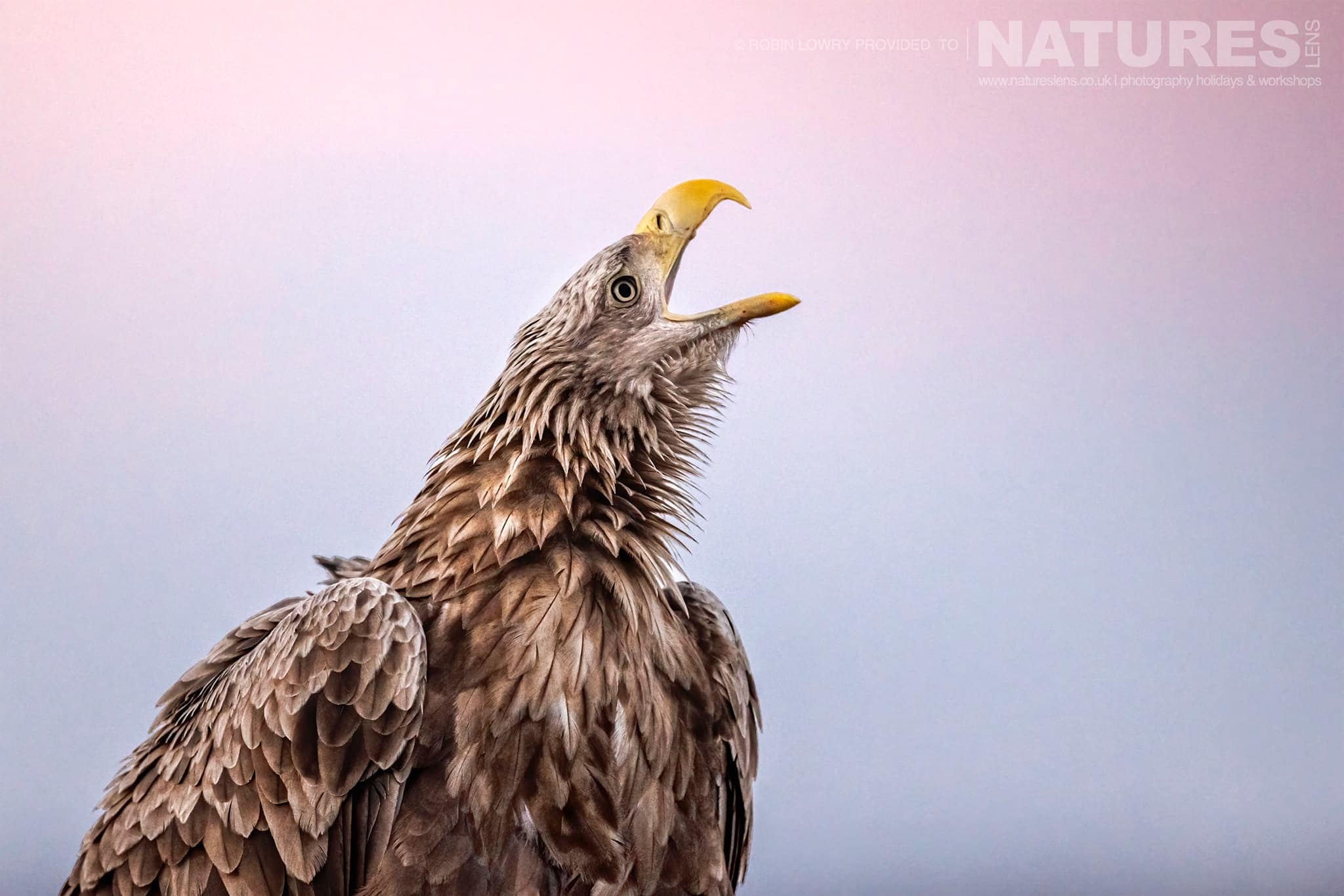
The flat, open terrain means clean backgrounds & unobstructed sight lines as the eagles come in. Winter light stays low all day, so the warm tones last well beyond the first hour.
Dan covers BIF technique in detail – tracking, focus settings, shutter speeds – so this trip suits anyone looking to sharpen their raptor photography.
2 – Pelicans of Lake Kerkini – 9th – 13th January 2026
Alison leads this four-night trip to Greece’s Lake Kerkini, where Dalmatian Pelicans winter in good numbers. The focus is on close-range portraits, take-off & landing sequences, & fish-catching action.
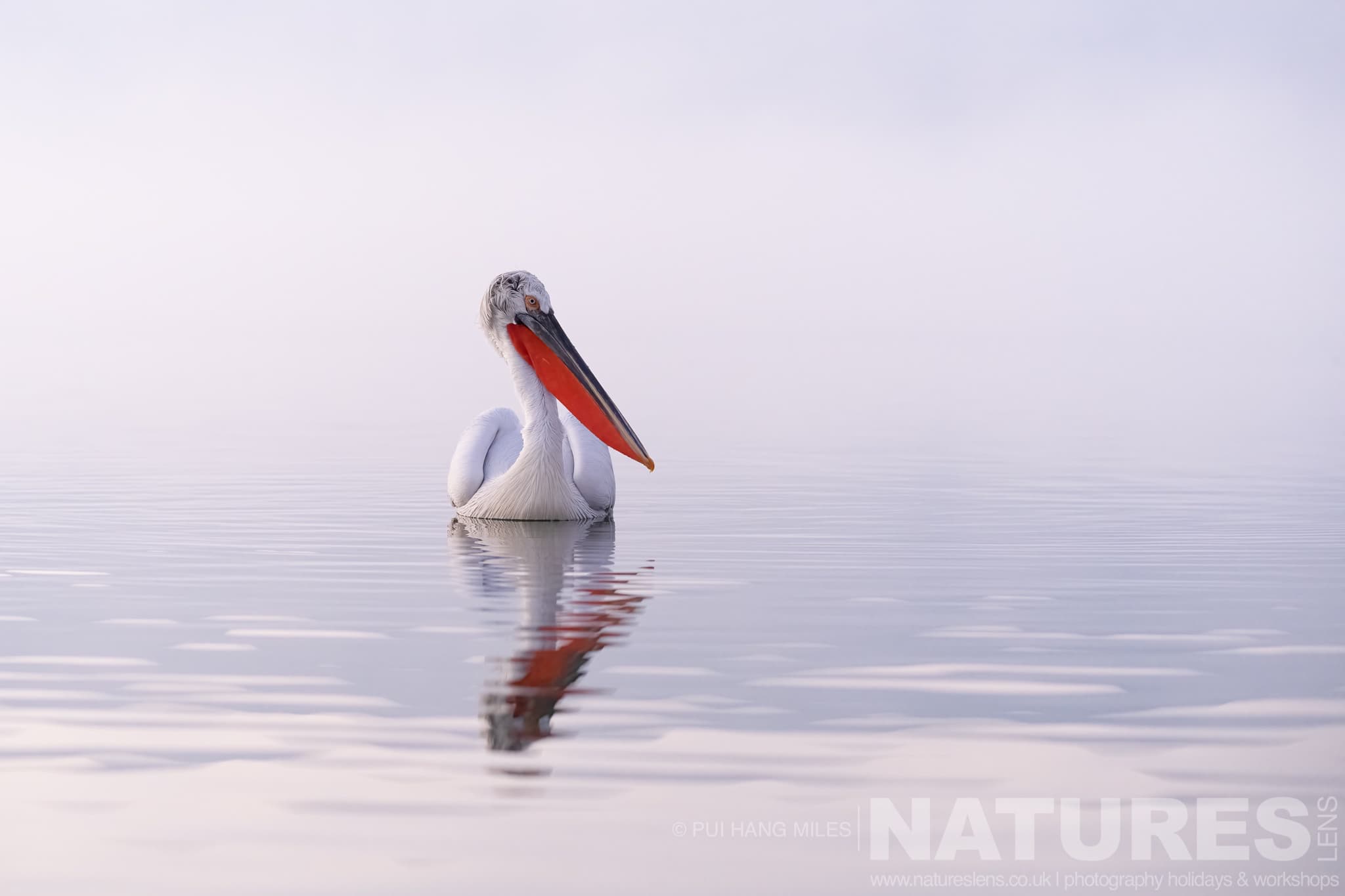
We use exclusive-hire boats that put you at water level with the pelicans – ideal for low-angle compositions with clean reflections. January light on the lake is soft & directional, often with mist lifting off the water in the early sessions.
Alison works with you on exposure for white plumage, focusing techniques for birds in flight, & composing against the mountain backdrop that rings the lake.
3 – Pelicans, Eagles & Jackals of the Danube in Winter – 12th – 16th February 2026
Pui Hang leads this four-night winter trip to the Danube Delta, where pelicans, White-tailed Eagles, & golden jackals share the same frozen landscape. The mix of species & winter conditions makes for varied, atmospheric images.
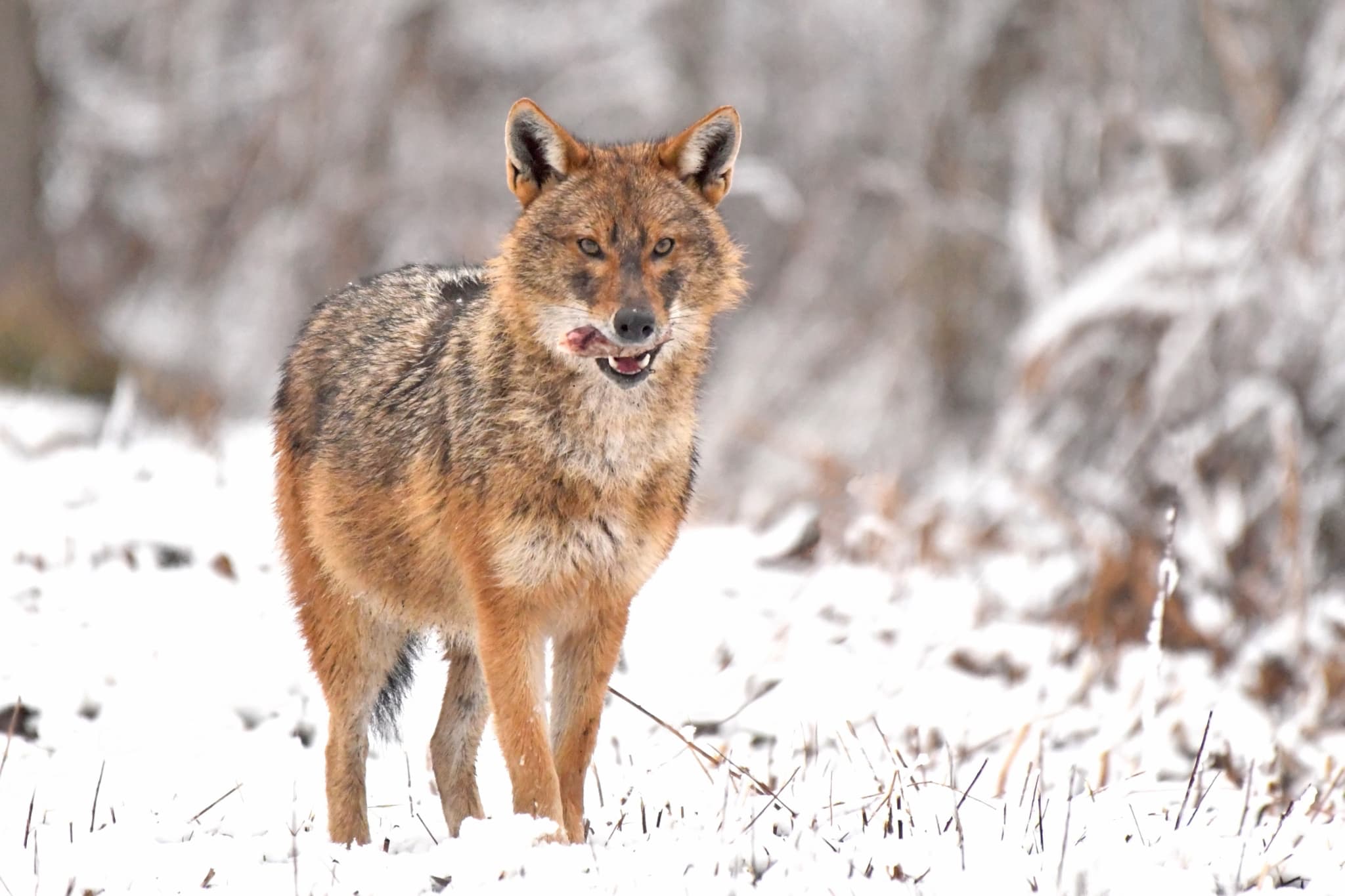
You work from purpose-built hides positioned for close access to feeding stations & roost sites. The emphasis is on natural behaviour – eagles competing over carcasses, jackals calling at dusk, pelicans lifting off frosty water.
Pui Hang helps you make the most of the challenging winter light, covering exposure compensation for snow, white-balance choices, & timing your bursts for peak action.
4 – Bubble-Netting Whales of Alaska – 19th – 26th March 2026
David & Pui Hang lead this seven-night trip to Sitka, Alaska, timed for the peak of humpback whale bubble-net feeding. Groups of whales co-ordinate to drive herring to the surface, then lunge through the bait ball together – it is one of the most explosive behaviours you can photograph in the wild.

We run dedicated boat excursions each day, positioning for the best angle & light as the whales surface. Timing the lunges takes patience & fast reflexes – you need a high frame rate & 1/2000s or faster to freeze the spray.

We cover marine wildlife technique throughout – managing exposure as light shifts between overcast & bright conditions, choosing between tight crops & environmental compositions, & working with the movement of the boat.
5 – Bengal Tigers of India – 8th – 15th April 2026
Pui Hang leads this seven-night trip to Bandhavgarh National Park, which has one of the highest densities of Bengal tigers in India. The park’s relatively open sal forest & meadow habitat means sightings tend to be at workable distances, giving you genuine opportunities for portraits, walking sequences, & environmental shots.

The habitat varies from dense sal forest to open grassland, so you encounter different lighting conditions & compositional challenges through the week. Our local guides are skilled trackers, & Pui Hang helps you anticipate tiger behaviour so you are ready when they emerge from cover.
Pui Hang covers the practical side – exposure for dappled forest light, AF configuration for a subject that may appear suddenly at close range, & how to use the vehicle as a stable platform.
6 – Wildlife of Kaziranga National Park – 31st March – 7th April 2026
Pui Hang leads this seven-night trip to Kaziranga National Park in Assam, home to the largest population of Indian one-horned rhinoceros in the world. Swamp deer, wild water buffalo, & tigers also inhabit the park’s tall grasslands & wetland margins.

Safaris run at first light & late afternoon, when the rhinos are most active & the low sun rakes across the grassland. You will be working from open-top jeeps, so a 200-500mm or 100-400mm zoom covers most situations well.

The variety of species & habitats across the park means you come away with a genuinely diverse set of images – from tight rhino portraits to wide environmental shots of elephants against the Assam hills.
7 – Ultimate Costa Rican Wildlife – 18th November – 4th December 2026
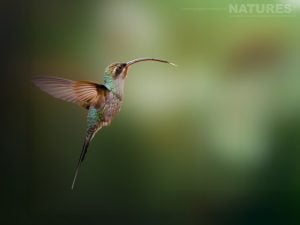
I lead this 16-night trip across Costa Rica, covering lowland rainforest, cloud forest, & Pacific wetlands. The species list is long – toucans, macaws, tree frogs, sloths, hummingbirds, monkeys – & the variety of habitats keeps the photography fresh throughout.

We move between lodges chosen for their proximity to productive sites, timing each location to make the most of seasonal activity. Early mornings in the cloud forest are often misty, which suits moody environmental portraits, while the Pacific coast delivers strong afternoon sidelighting.
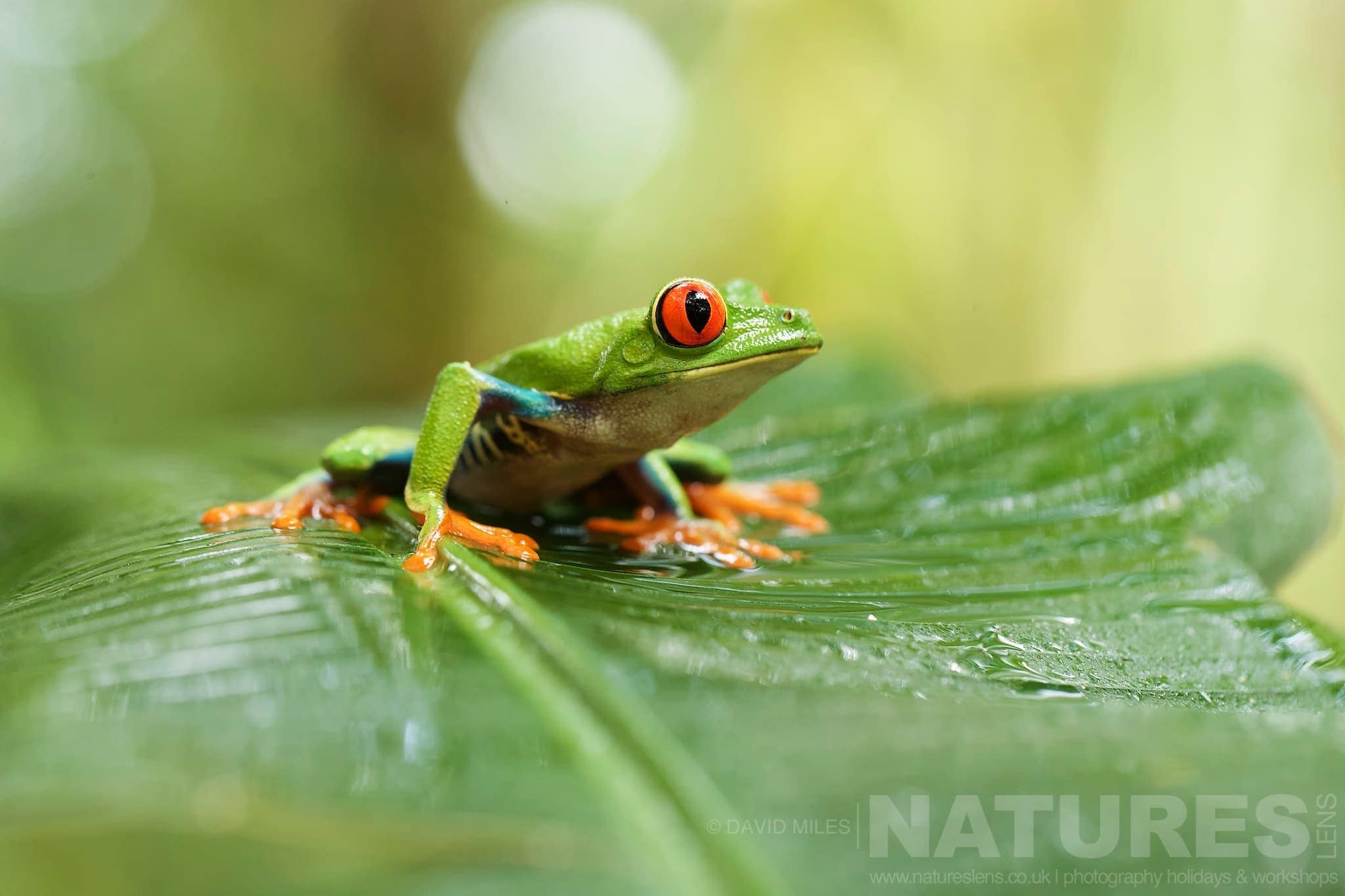
I work with each photographer individually on flash-fill for dark forest interiors, manual exposure for hummingbirds at feeders, & composition choices that separate your subject from busy tropical backgrounds. More on the full itinerary here.

8 – The Elusive Iberian Lynx During Summer – 6th – 13th July 2026
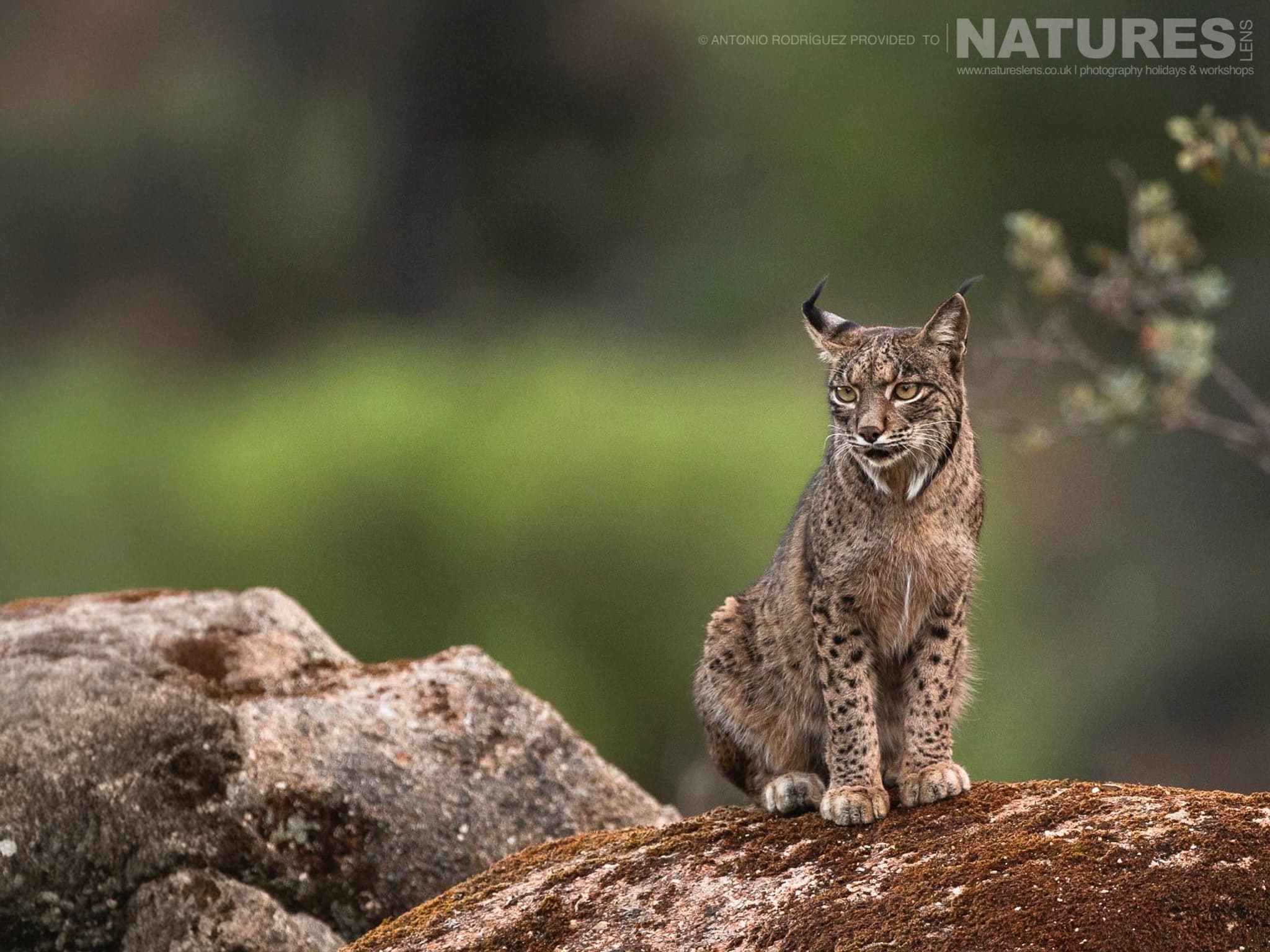
Pui Hang leads this seven-night trip to Andalucxc3xada, focused on the Iberian Lynx – Europe’s rarest cat. Summer is when the lynx are most active around the hides, & the longer days mean extended sessions in good light.
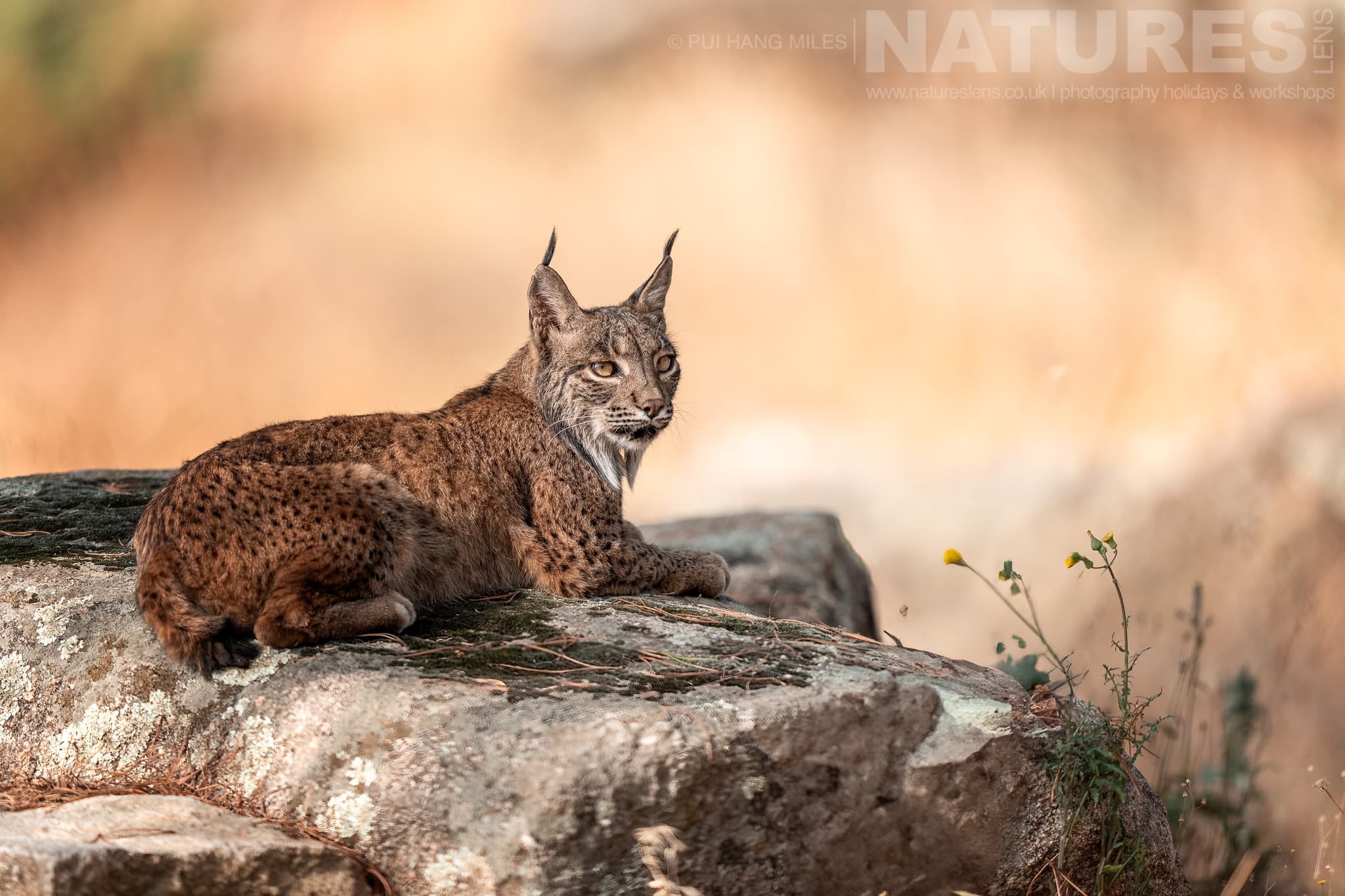
Sessions concentrate on early morning & late afternoon, when the lynx move to hunt & drink. The hides are positioned at waterholes & clearings in the Sierra Morena, & you learn to read the signs – rabbit activity, alarm calls – that signal a lynx is close.
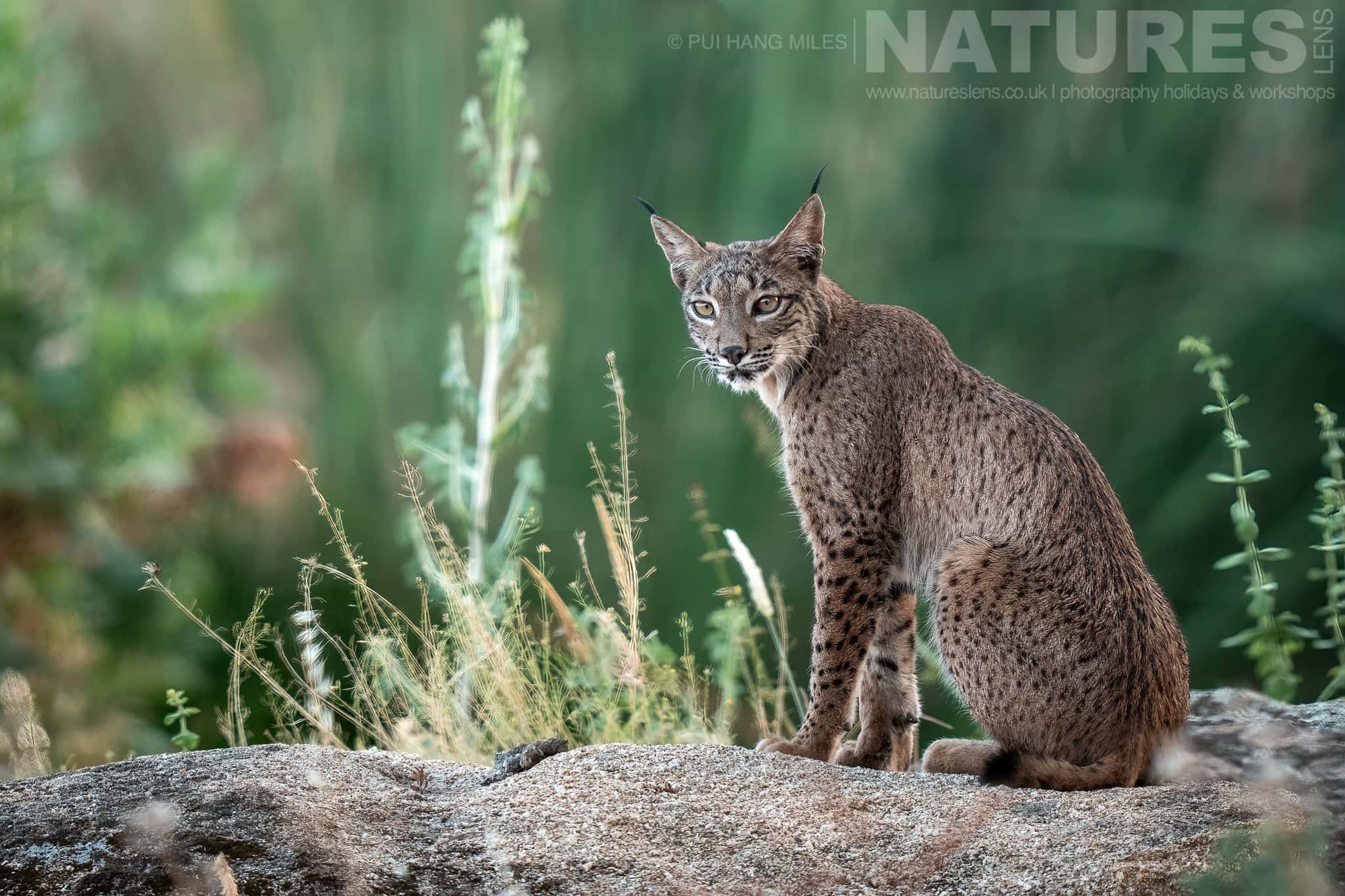
Pui Hang covers the patience & readiness that lynx photography demands – pre-focusing on likely paths, keeping ISO flexible for the variable light under the cork oaks, & making the most of what are often brief encounters.
9 – Cubs & Brown Bears of Finland – 10th – 16th July 2026
Johnny leads this six-night trip to photograph Finland’s brown bears & their cubs. July is peak cub season – the young are active, curious, & still staying close to their mothers, which gives you strong behavioural sequences.
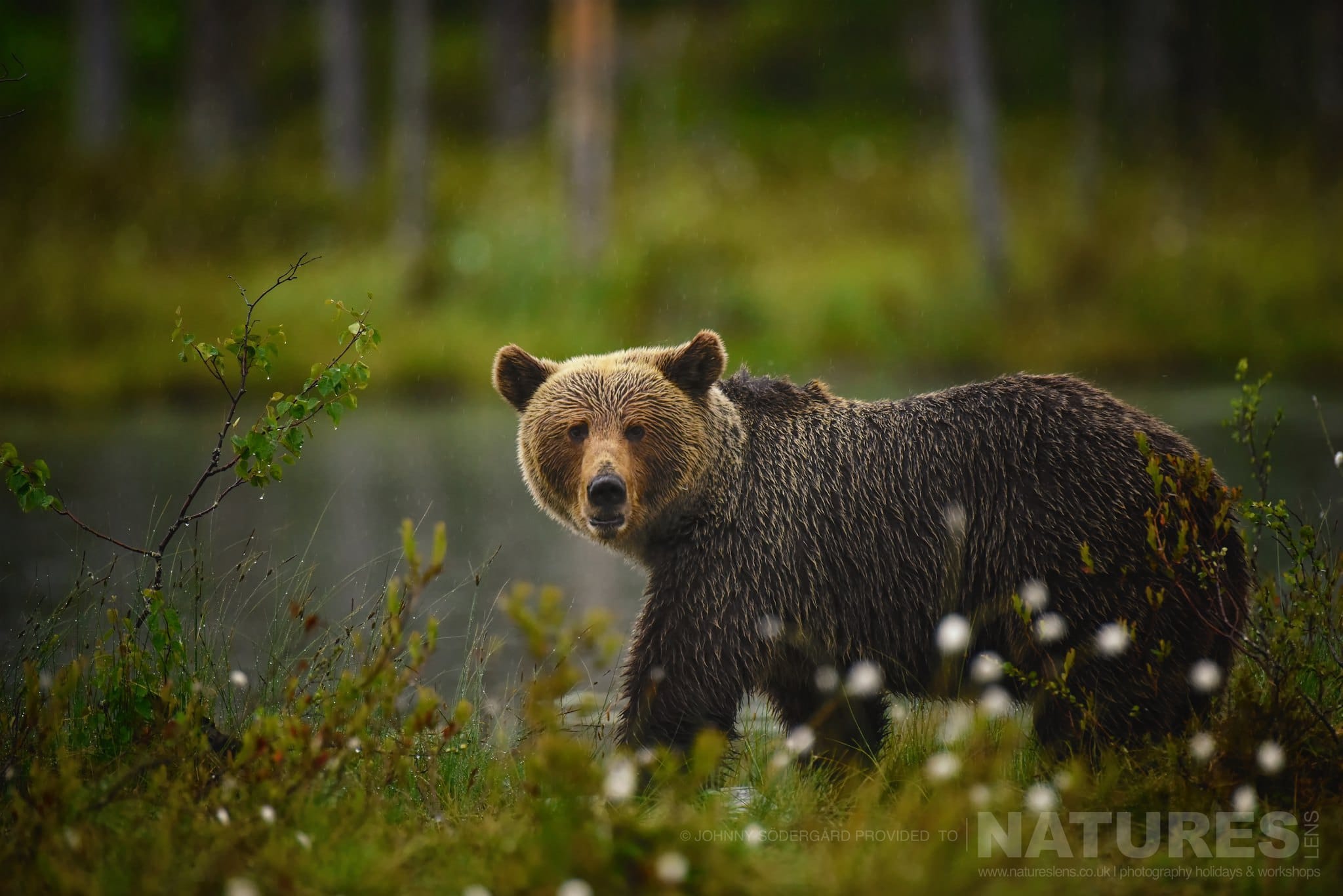
You photograph from purpose-built hides at two different locations, each offering different backgrounds & distances. The bears are habituated to the hides, so they behave naturally – feeding, play-fighting, nursing – at ranges that fill the frame with a 300mm or 400mm lens.
Johnny helps you work with the flat, even light of the Finnish summer nights, choosing your moments for interaction shots, & composing against the boreal forest backdrop.
10 – Jaguars of the Pantanal – 8th – 14th July 2026
I lead this six-night trip to the Brazilian Pantanal, which has the highest density of jaguars anywhere on earth. We photograph from small boats on the river systems where the cats hunt along the banks – encounters are often at remarkably close range.
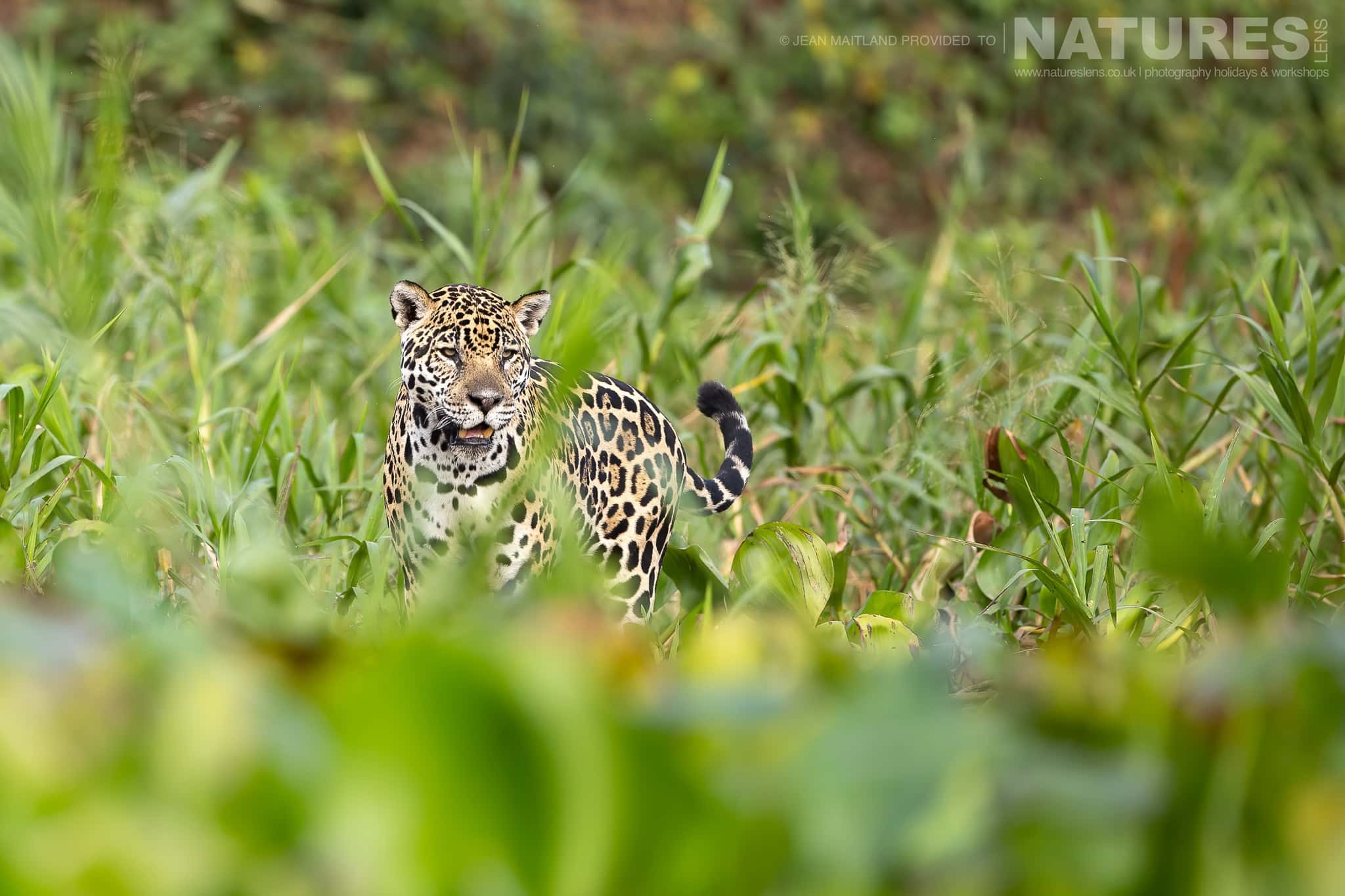
The boat-based approach gives you eye-level perspectives as jaguars patrol the riverbanks, drink, & occasionally hunt caiman. Giant otters, capybara, & a strong selection of waterbirds fill the time between jaguar sightings.
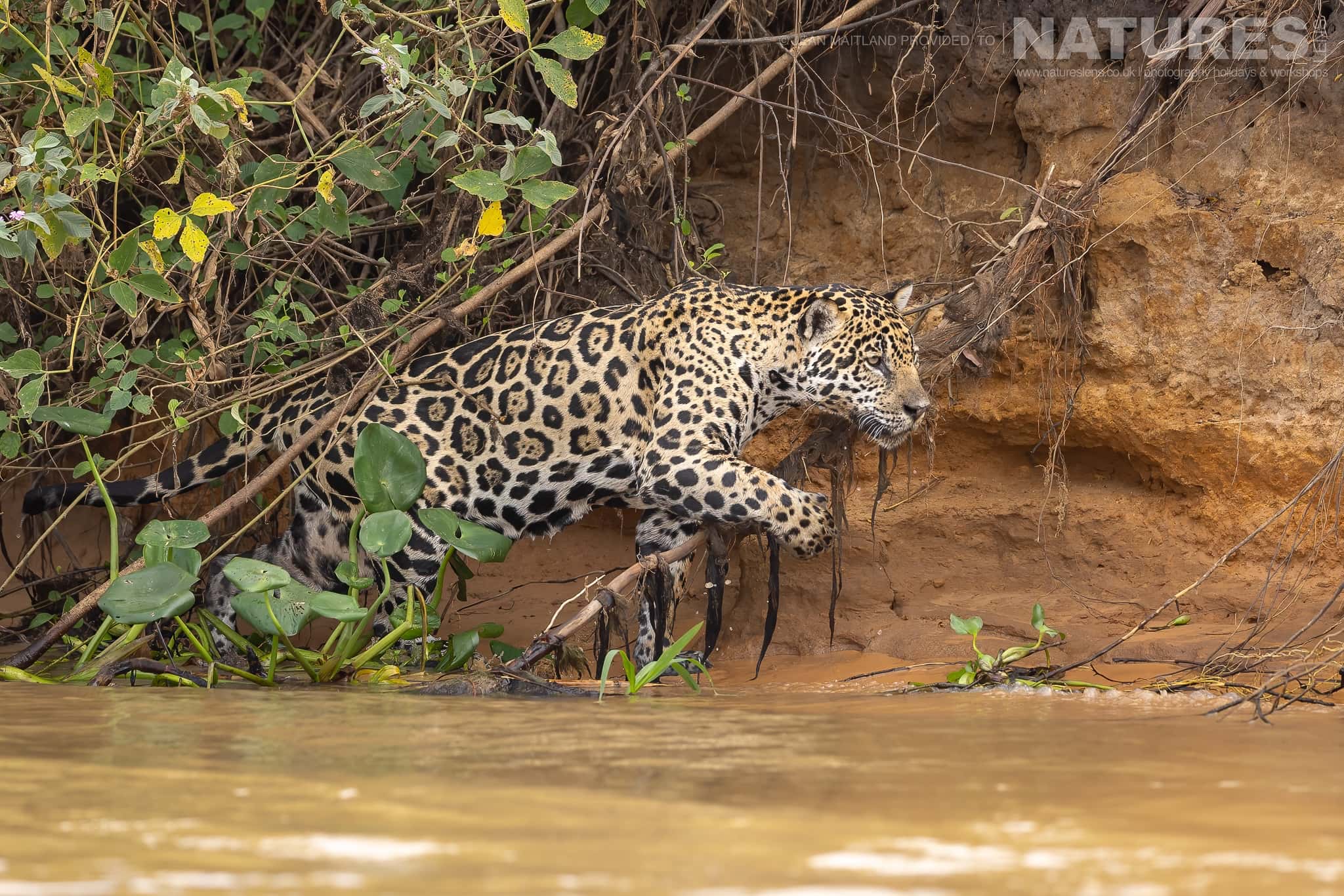
I cover the specifics of boat-based big cat photography – stabilising long lenses on a moving platform, anticipating the direction a jaguar will walk, & exposing correctly for a dark-coated cat against bright water.
- NaturesLens wildlife photography holidays are structured around photographic opportunity — every schedule decision is made around light, behaviour, & access.
- Small groups of 4–8 photographers ensure unhurried positions & individual guidance.
- Single occupancy accommodation is included as standard across the majority of our trips.