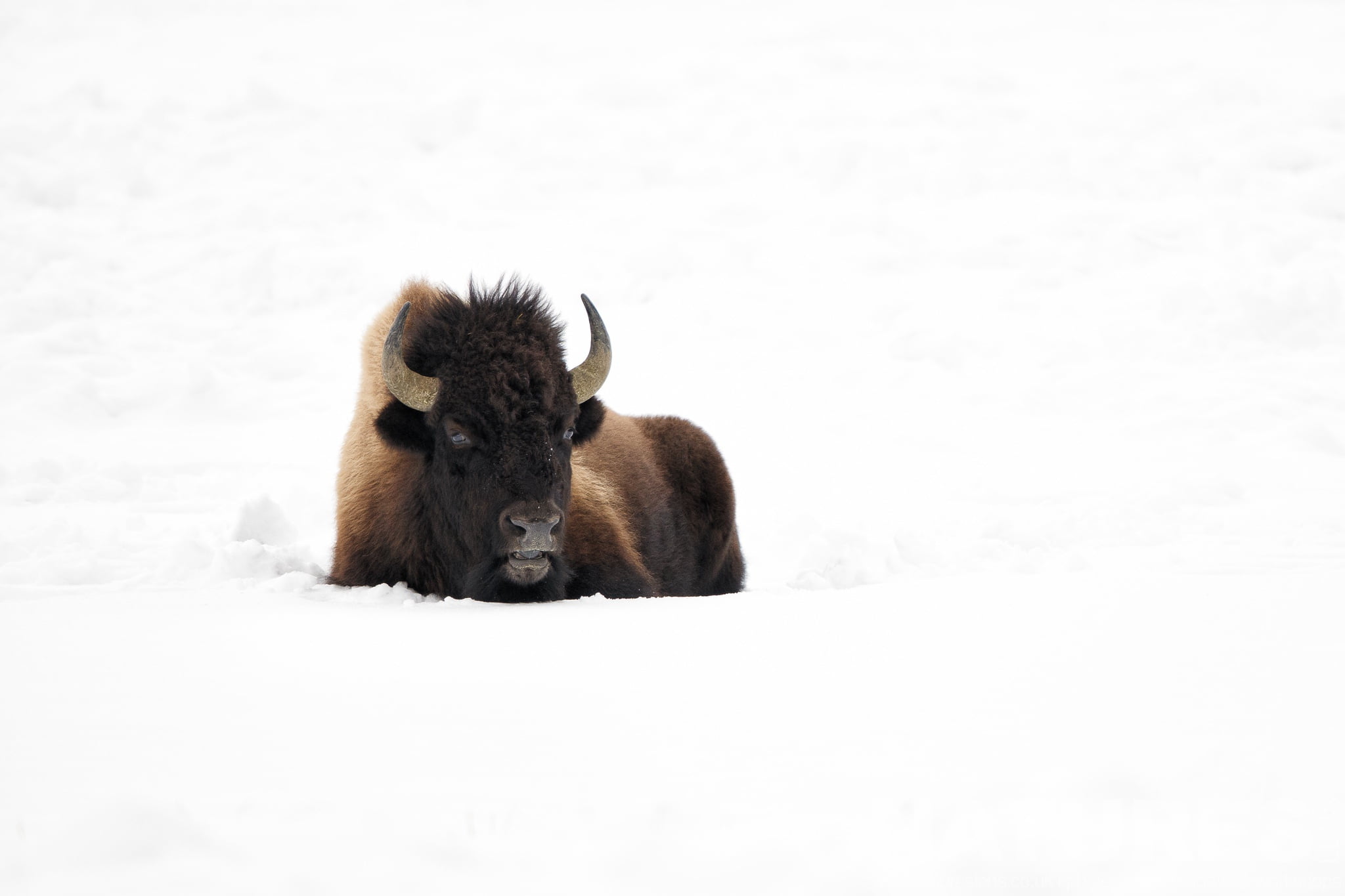
Ask ten wildlife photographers this question & you’ll get ten different answers, because “best” depends heavily on the discipline you’re shooting – & that’s really the point. Rather than naming one lens, it’s more useful to think about the three or four scenarios our clients actually face across our holidays, because the right lens for a vehicle-based safari is not the right lens for a stationary hide, & the right lens for a rare, cautious mammal is not the right lens for an obliging bird on a perch.
Reach matters most when your subject won’t come to you
At Sierra de Andújar, our Iberian Lynx holiday is built entirely around purpose-built hides positioned where lynx are known to patrol – but even from a well-placed hide, encounters typically happen at a respectful working distance rather than the close range some African setups allow. That makes a telephoto lens with genuine reach non-negotiable: something in the 500 – 600mm prime range, or a 100-400mm/150-600mm zoom paired with a teleconverter, gives you the flexibility to react as a lynx moves through open dehesa grassland without needing to physically close the distance yourself (which, with an animal this cautious, you can’t).
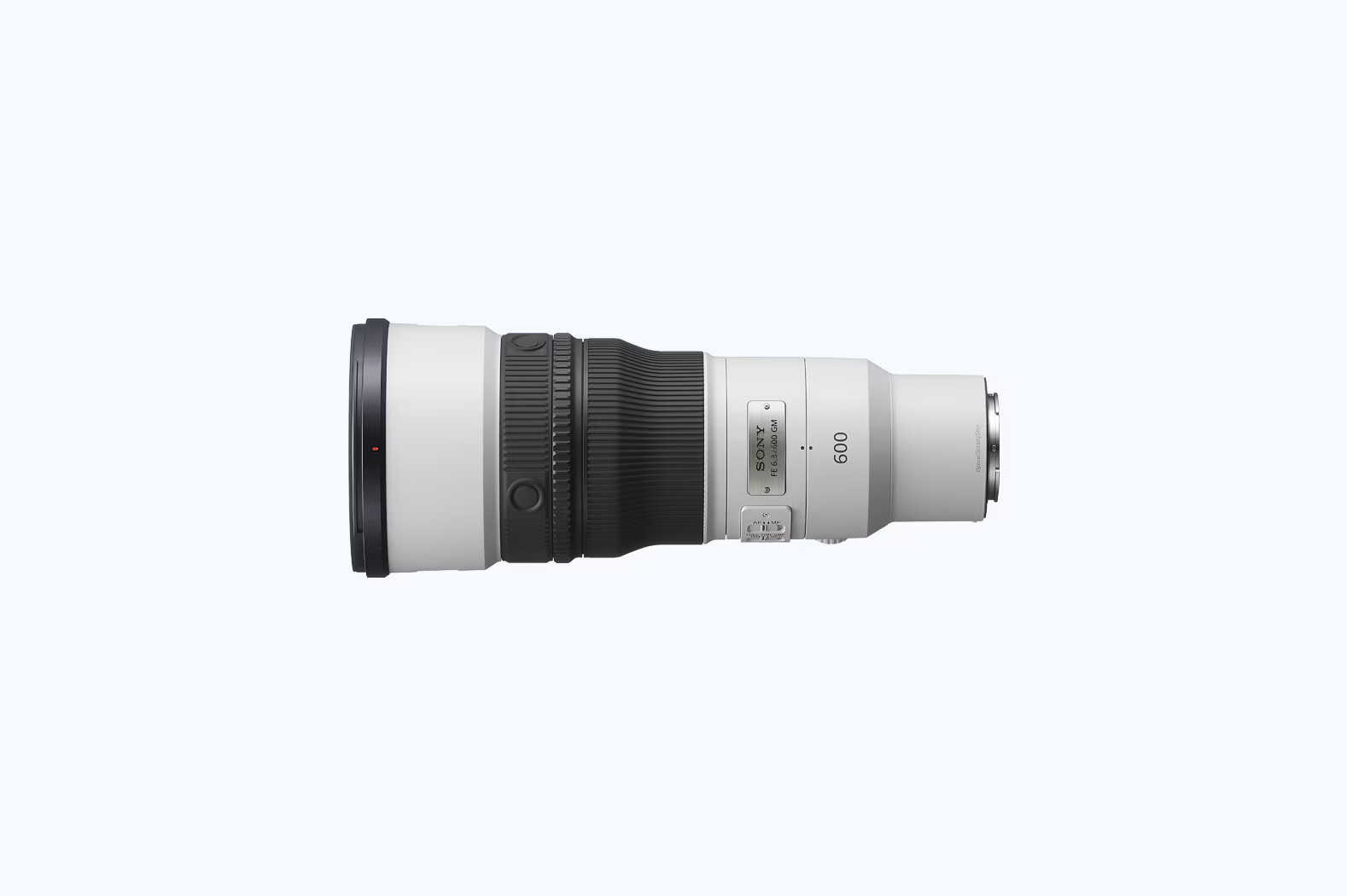
Vehicle-based safari work rewards flexibility over pure reach
Our Maasai Mara holiday is a different equation entirely. You’re shooting handheld from a moving or repositioned vehicle, at varying angles, often much closer to your subject than a fixed hide allows – a lion at ten metres needs a very different focal length to a lynx at eighty. Here, a 100-400mm or 200-600mm zoom earns its keep precisely because it lets you recompose quickly as a scene develops, rather than being locked to one framing while a cheetah’s stalk unfolds across open savannah. Many of our most experienced Kenya guides carry a shorter zoom (24-105mm or similar) alongside their telephoto specifically for the environmental, wide-angle shots that a pure reach-focused kit would miss entirely.
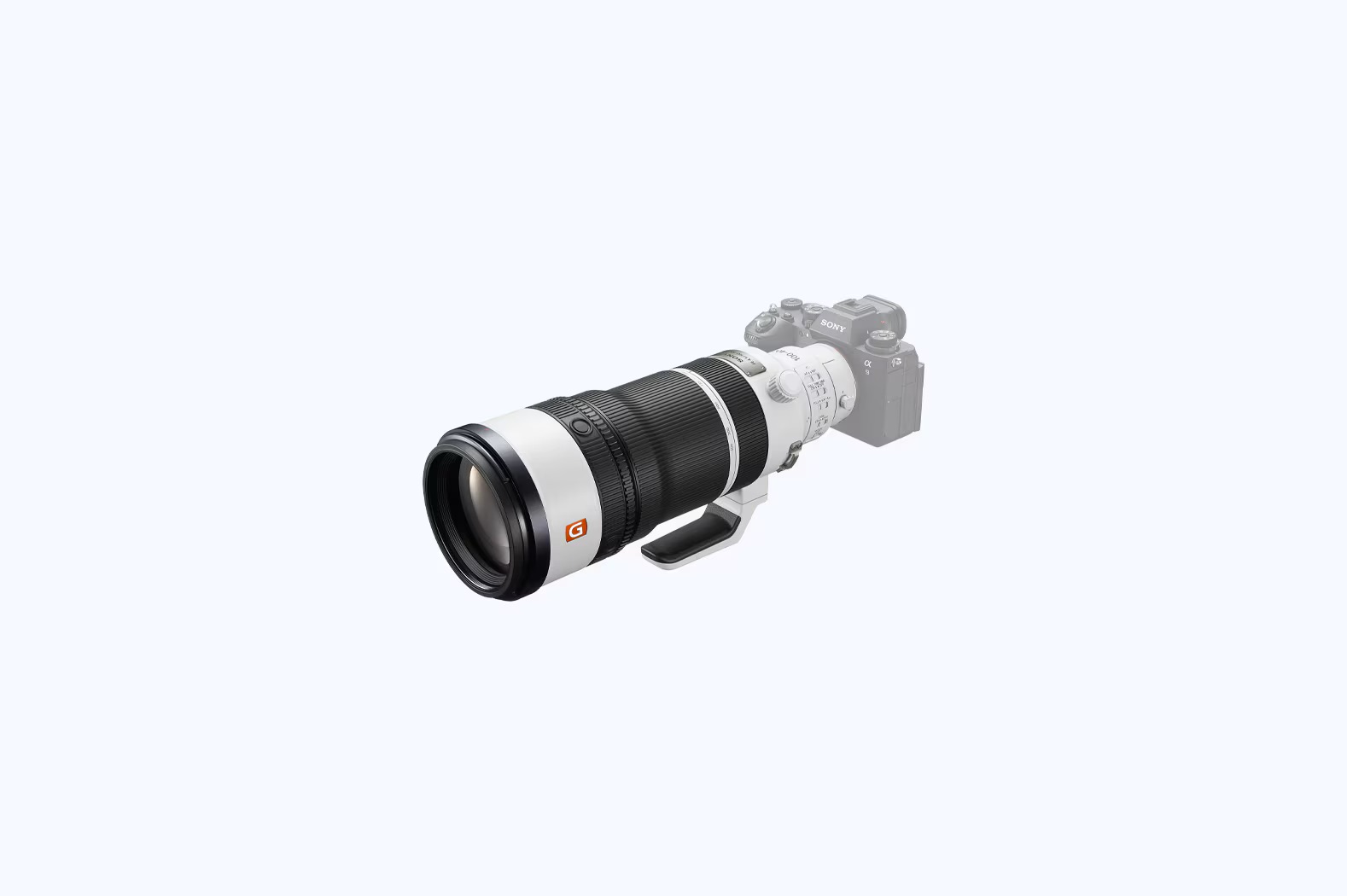
Fixed hides reward stability & glass speed over focal length alone
Hungary’s Bence Máté hide network & our nocturnal hide setup at Shompole in Kenya’s Great Rift Valley both work from a genuinely fixed position, often at extended range in low light. Here, a fast maximum aperture (f/4 or faster) matters as much as focal length, because you’re frequently shooting at dawn, dusk, or after dark, & a slower lens simply can’t gather enough light before you’re pushed into ISO territory your camera can’t clean up. This is also where image stabilisation earns its keep on long sessions where you can’t reposition to brace against something more solid.
Which lenses cover which jobs?
If you shoot Sony, the telephoto range is now deep enough that most scenarios have two or three sensible answers. This is how we tend to think about them, rather than a ranking:
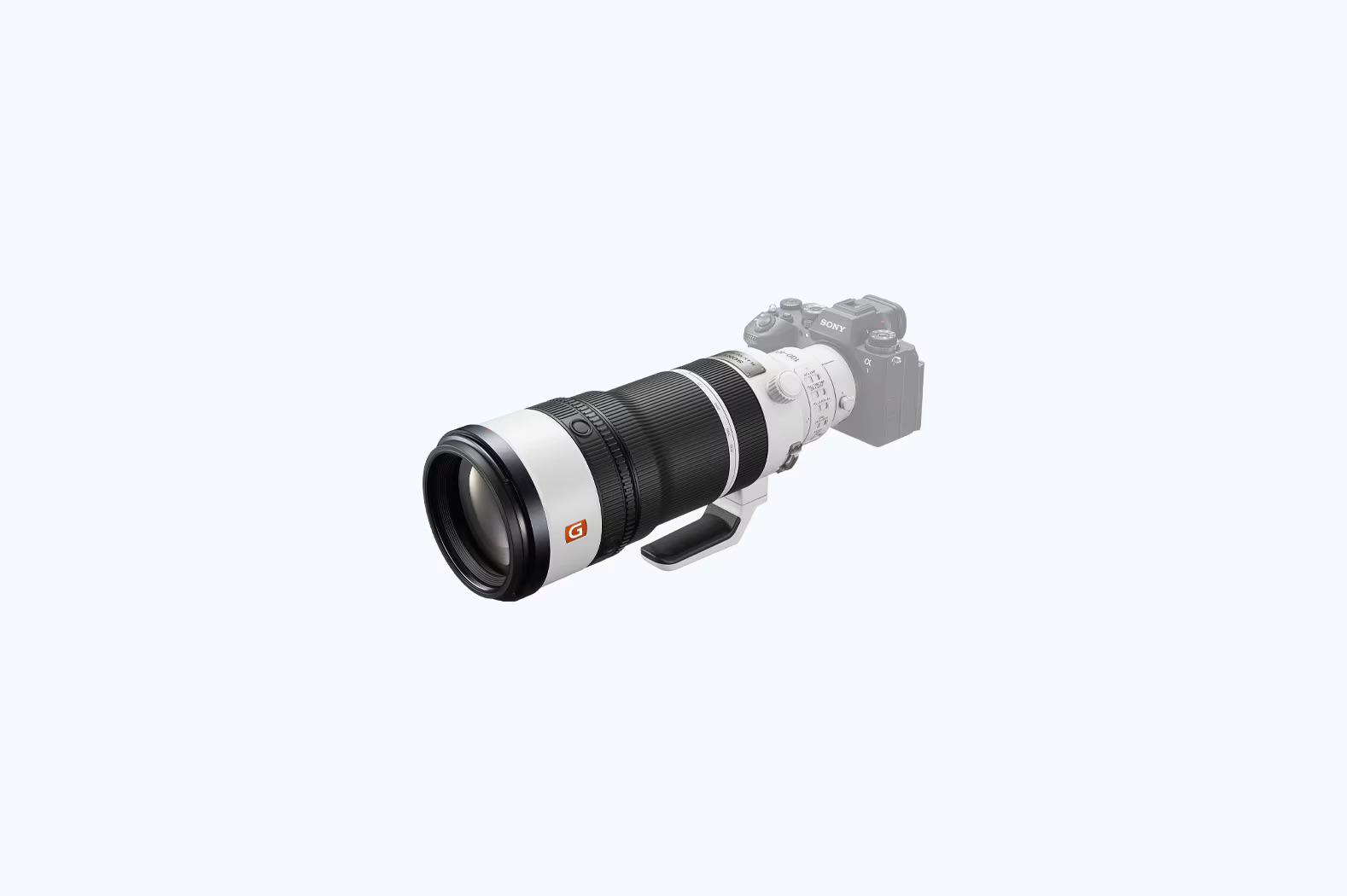
Sony FE 100-400mm f/4.5-5.6 GM OSS
The all-rounder. Ideal for vehicle safaris, mixed-subject trips & travelling light. The trade-off is that very distant, cautious subjects will need a teleconverter or a generous crop.
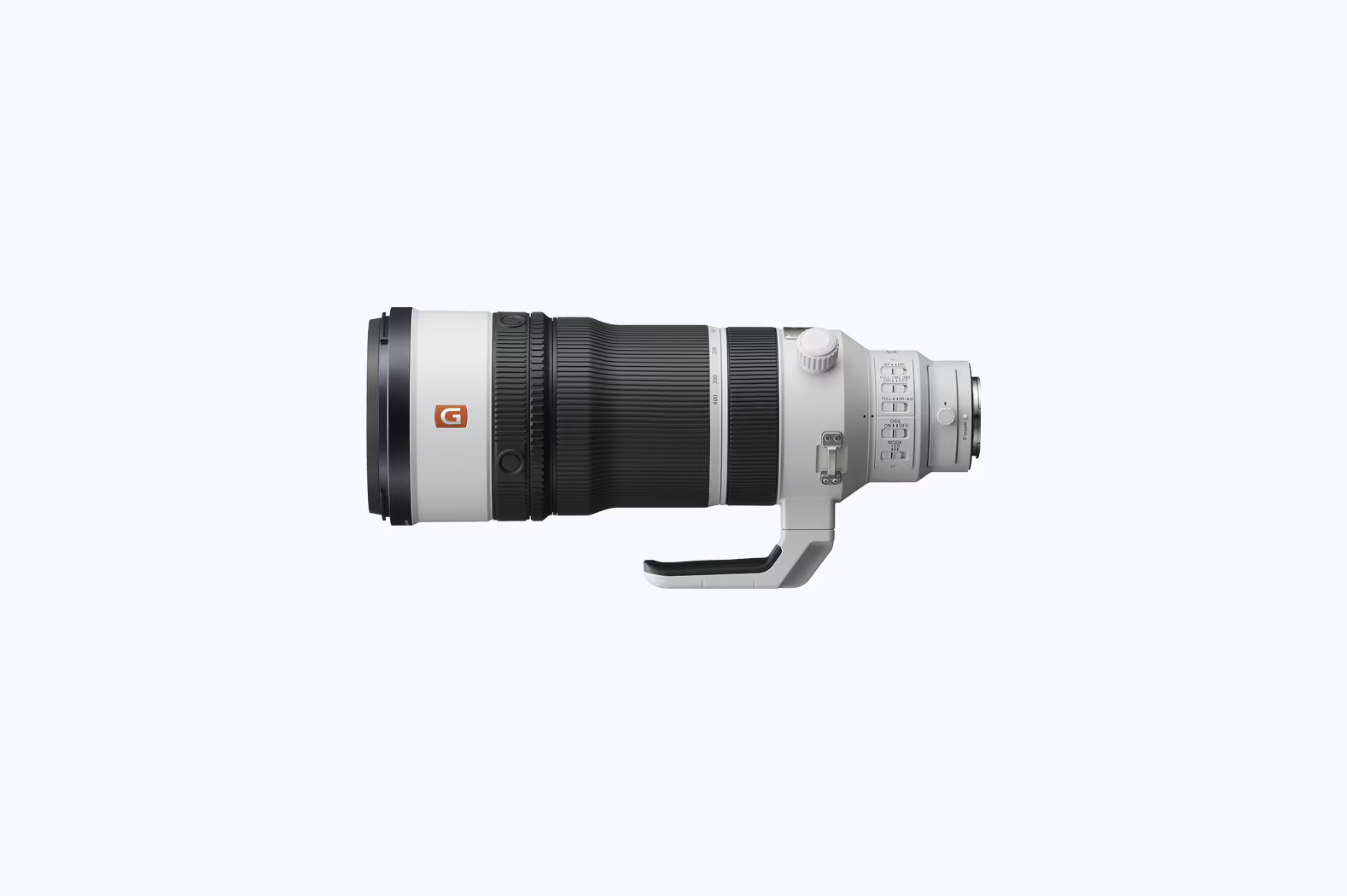
Sony FE 200-600mm f/5.6-6.3 G OSS
Flexible reach for birds & mammals, from vehicles or hides. It is a large lens & slower at the long end, so good light helps.
Sony FE 400-800mm f/6.3-8 G OSS
Extreme reach for shy or distant subjects. The aperture is slow, so it is best in good light.
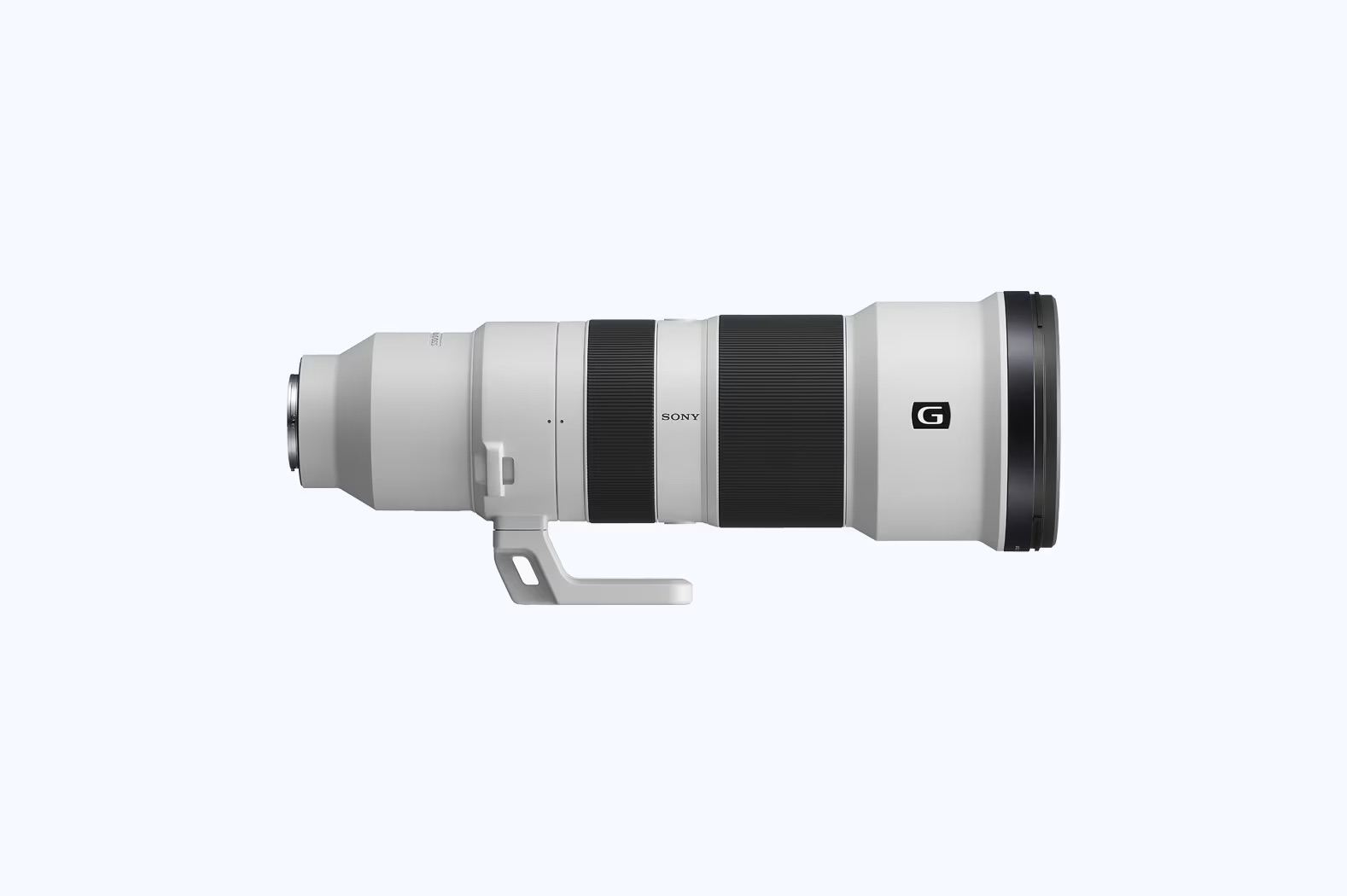
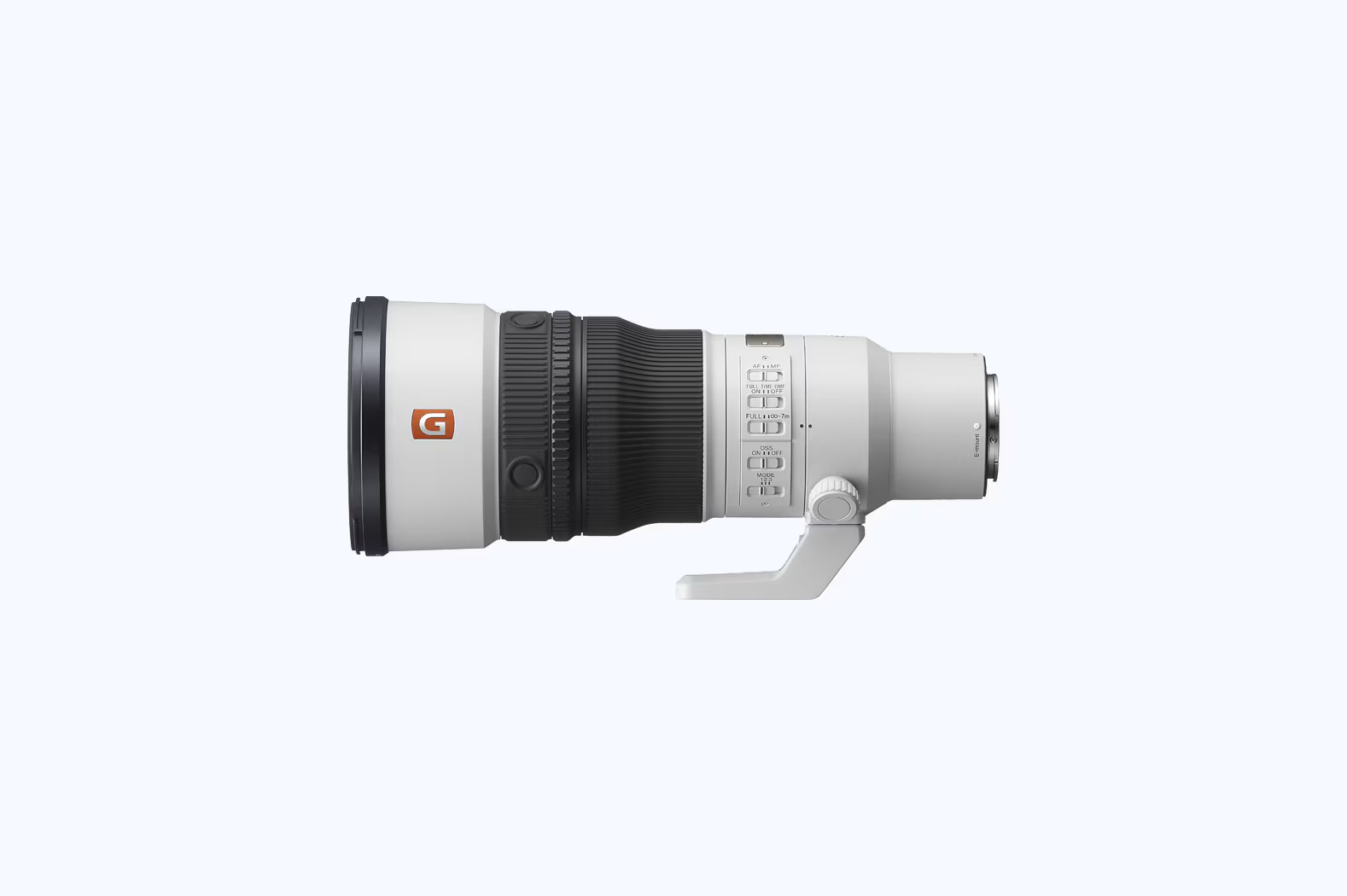
Sony FE 300mm f/2.8 GM OSS
Our pick for low light, dawn & dusk, hide work & subject isolation. It is a fixed focal length, so you rely on a teleconverter or your feet for extra reach.
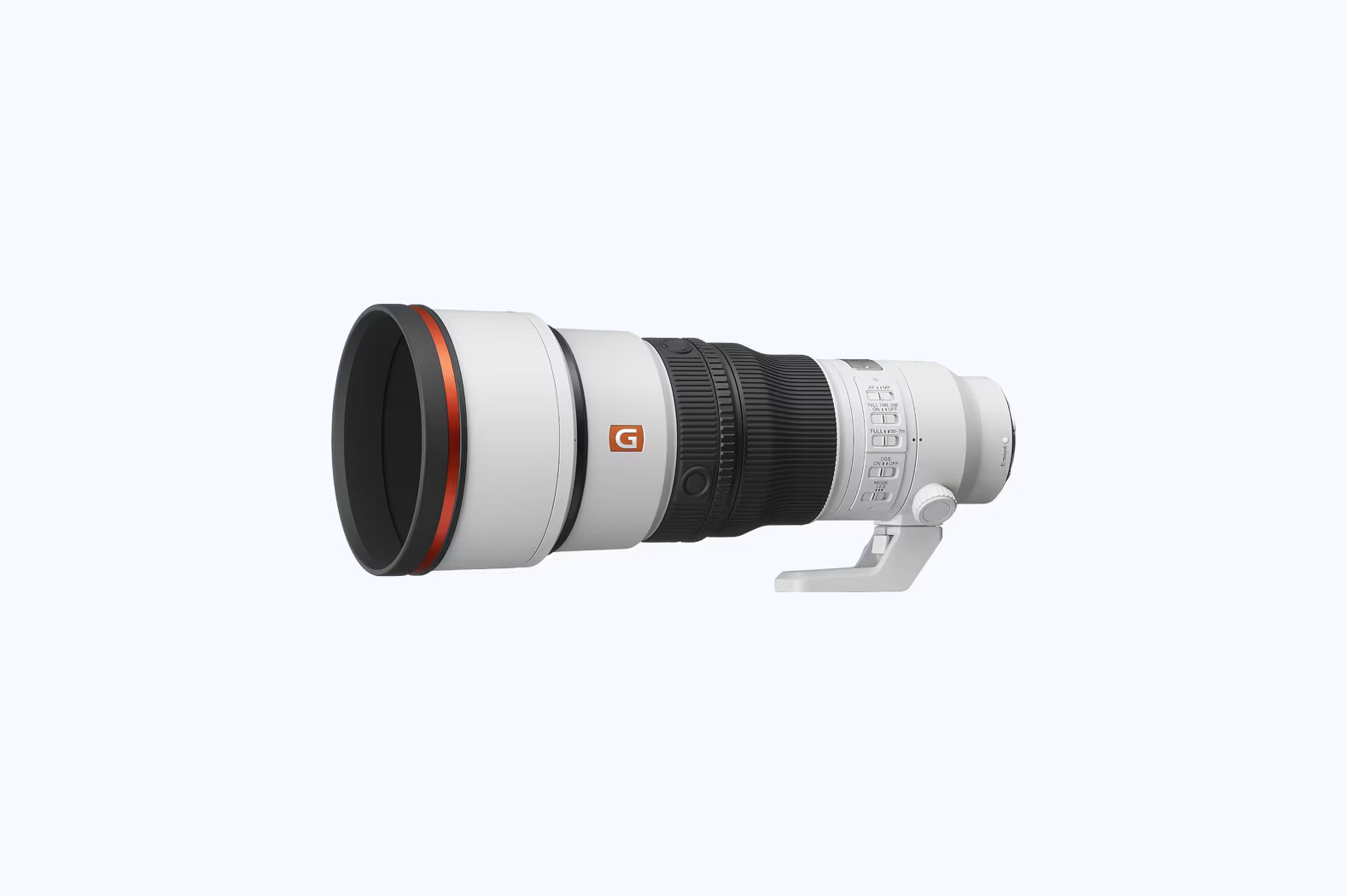
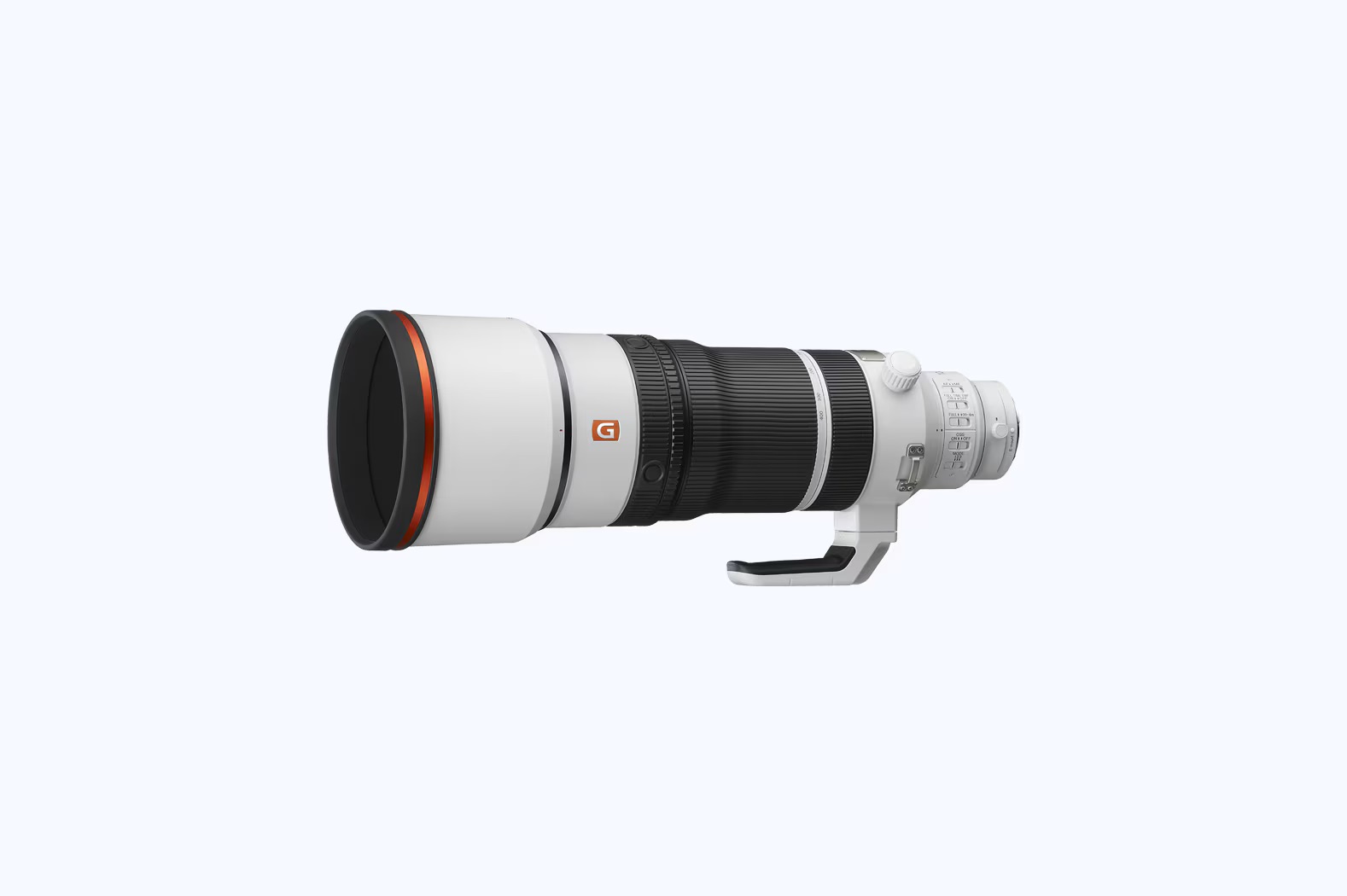
Sony FE 600mm f/6.3 GM
Long-range hide & bird photography. It is a specialist tool with little room for recomposing.
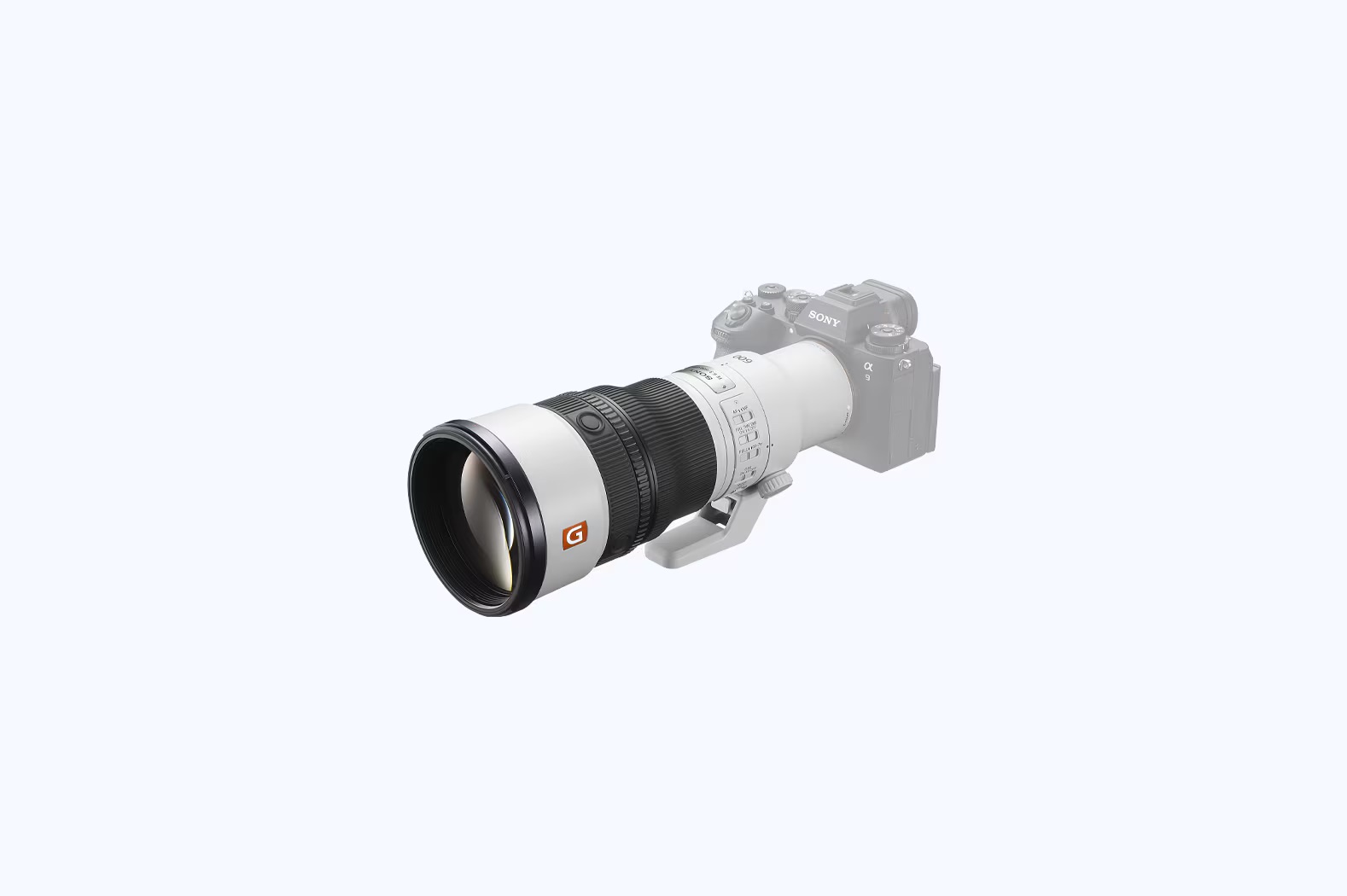
We go into the detail on the lenses that come up most often in our comparison of the 100-400mm, 300mm & 600mm & in our 300mm versus 600mm head-to-head. If you’d like a refresher on the fundamentals first, Understanding Camera Lenses covers the basics, & our focal length guide goes further into choosing the right range.
Don’t forget the camera body & the teleconverter
A lens is only half of the reach equation. A high-resolution body gives you room to crop, & a crop-sensor body or crop mode effectively lengthens whatever you already own. A teleconverter does something similar optically: you give up a stop of light, but you gain focal length without buying or carrying another lens. For travelling photographers, that combination of a good zoom, a teleconverter & a body with plenty of resolution is often the most practical route to long reach – especially when luggage allowances are tight.
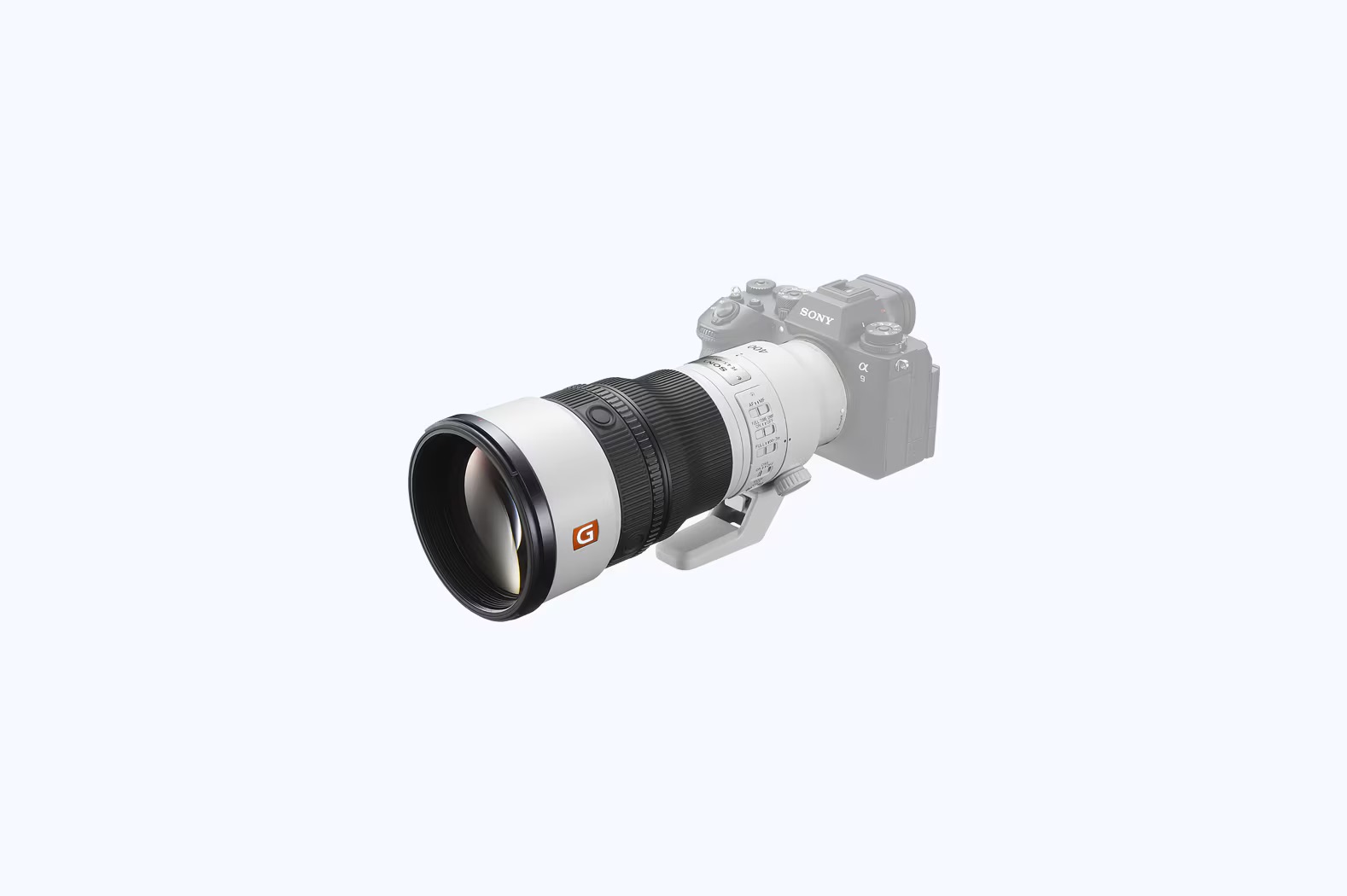
The cost is aperture, & that is why we’re careful about when we recommend it. In bright, open conditions you’ll barely notice it; at dawn or dusk in a hide it can be the difference between a clean file & a noisy one.
Support, handling & the things that rarely make the spec sheet
The best lens is the one you can hold steady, carry through an airport & still enjoy using on day six. A beanbag for the vehicle window, a good gimbal or tripod head for hides, & a comfortable strap or harness matter just as much as the optics. Weather sealing is worth having too: dust on the savannah & damp in a Hungarian dawn hide are both real. If you’re weighing two lenses that perform similarly, pick the one you’ll genuinely be happy to pick up each morning.
A simple way to decide
If your holiday is hide-based & your subject is genuinely cautious (Iberian Lynx, most raptors, most nocturnal species), prioritise reach & aperture speed over versatility – you’ll rarely need a wide-angle mid-session. If your holiday is vehicle-based & social (safari big cats, elephants, primates), prioritise a zoom range that lets you recompose fast, & bring a second, shorter lens for environmental context shots. & whichever discipline you’re booked on, a teleconverter is worth packing rather than buying a second dedicated super-telephoto – it’s a fraction of the cost & covers the gap for the specific sessions where you genuinely need the extra reach.
We brief every client on the exact lens range that suits their specific itinerary before departure, because “bring your longest lens” is rarely the whole answer once you know which discipline – vehicle, hide, or nocturnal – you’re actually shooting.
Frequently asked questions
Is one lens enough for a wildlife photography holiday?
Often, yes – but it depends on the trip. A 100-400mm or 200-600mm zoom will cover a great deal of safari & hide work. Many photographers add a shorter zoom for context shots & a teleconverter for the occasional distant subject.
Should I buy or rent a super-telephoto for one trip?
Renting is a sensible way to test a lens like a 600mm or 400-800mm before committing, particularly if you’re only shooting a long lens a few times a year. Just make sure you’ve practised with it before you travel.
Do I need an f/2.8 lens for wildlife photography?
Not for everything. A fast lens like a 300mm f/2.8 is wonderful in low light & for isolating a subject, but it is heavier & shorter than most travelling photographers want to carry everywhere. Plenty of excellent images are made with f/5.6 zooms in good light.
What will our experienced wildlife photographers recommend for my trip?
Tell us which holiday you’re booked on & which camera body you use, & our experienced wildlife photographers will talk you through the lens range that suits that itinerary before you travel.