
Release Date & Overview
The Sony FE 400-800mm f/6.3-8 G OSS lens was announced in February 2025, offering wildlife, sports, & aviation photographers an impressive super-telephoto zoom in a relatively compact package. As someone who relies on long reach for wildlife photography, this lens has become a key part of my arsenal, particularly after putting it through its paces during a week-long shoot at Bence Máté’s hides in Hungary.
Build & Handling
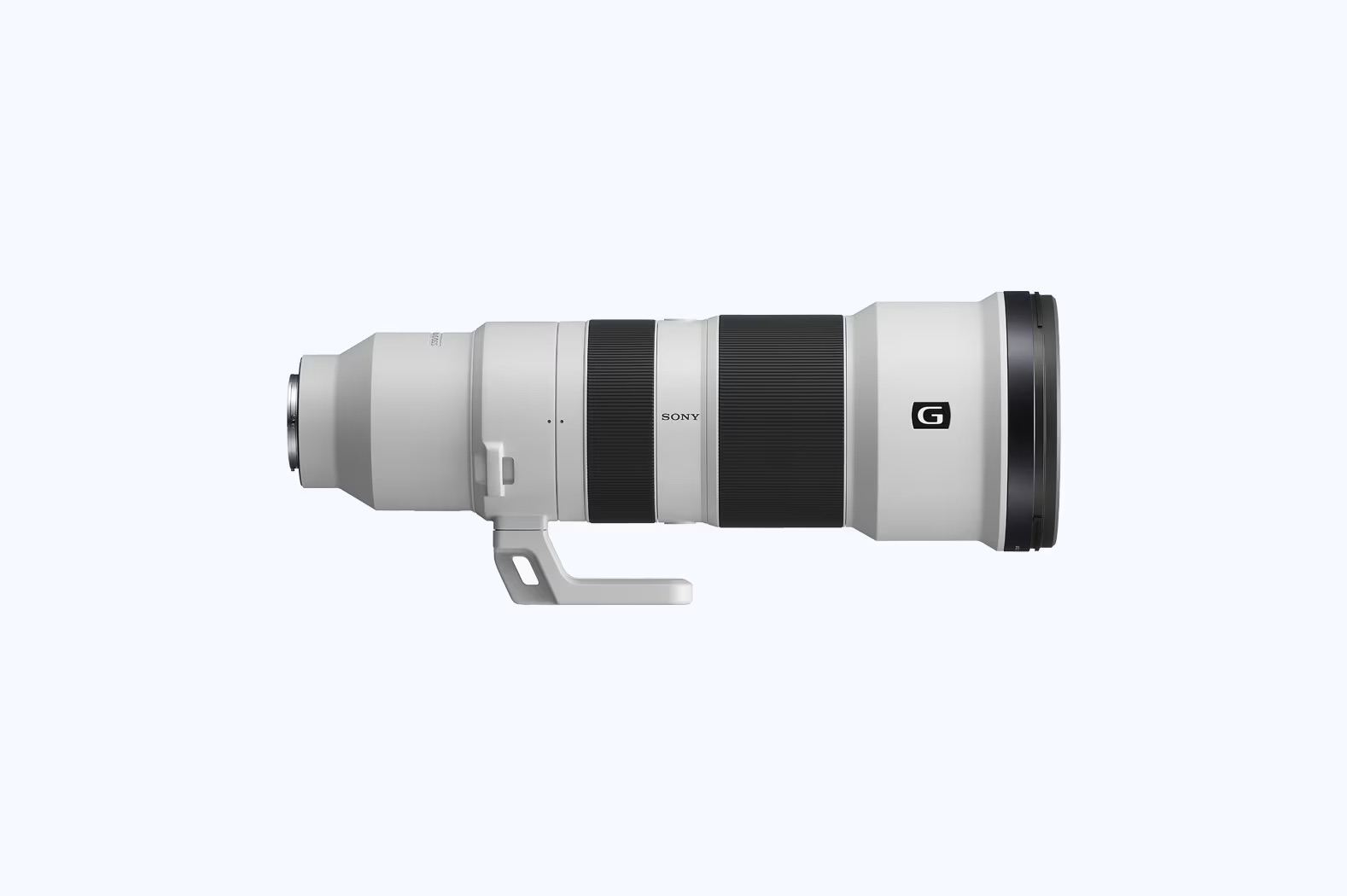
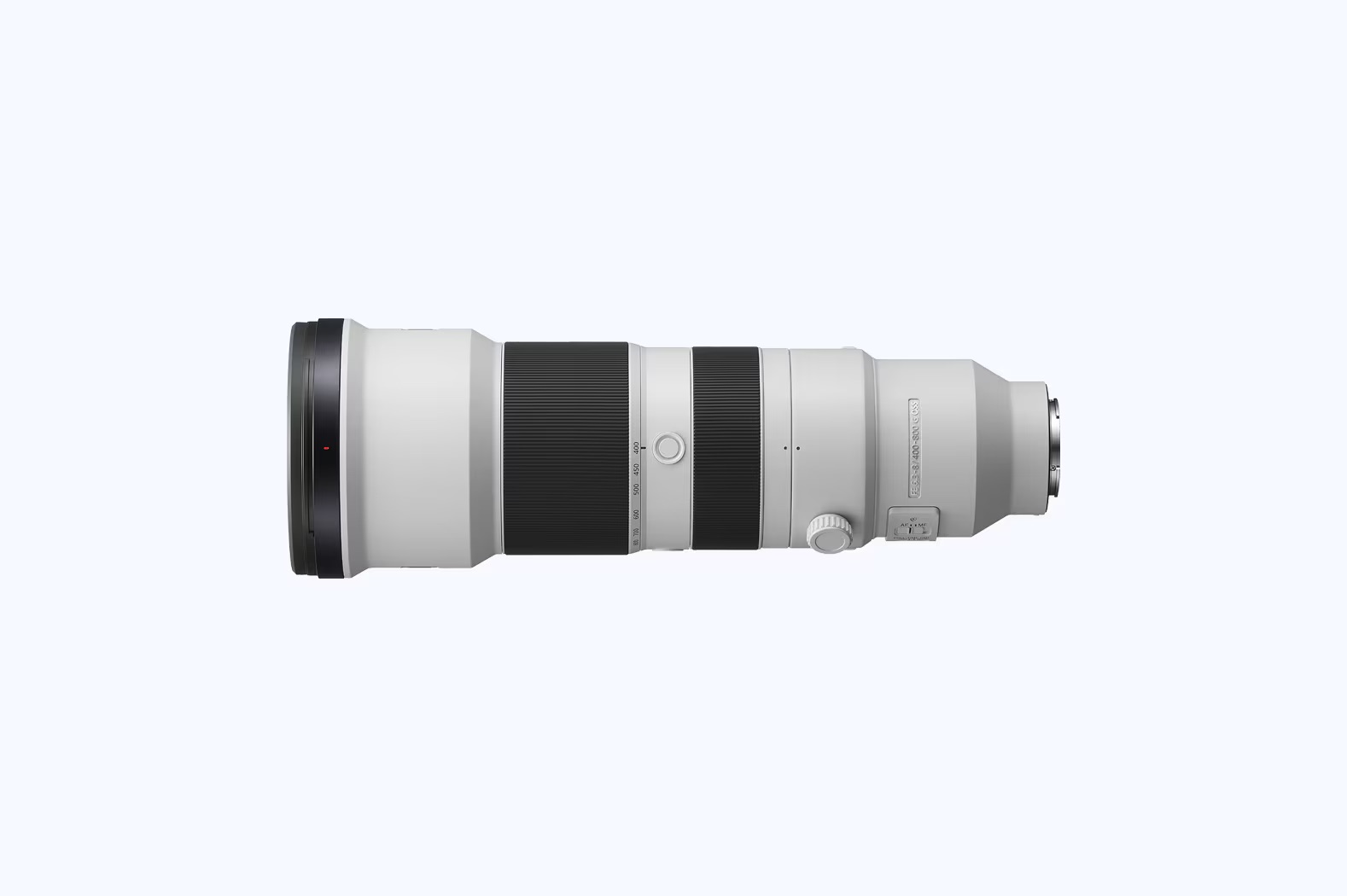
Weighing in at 1,465g, the 400-800mm is slightly heavier than Sony’s popular 200-600mm f/5.6-6.3 G OSS (2,115g), but it’s remarkably well-balanced thanks to its internal zoom mechanism. Unlike the 100-400mm, which extends when zooming, the 400-800mm maintains a constant length, making it easier to handle in tight spaces (a real advantage in hides).
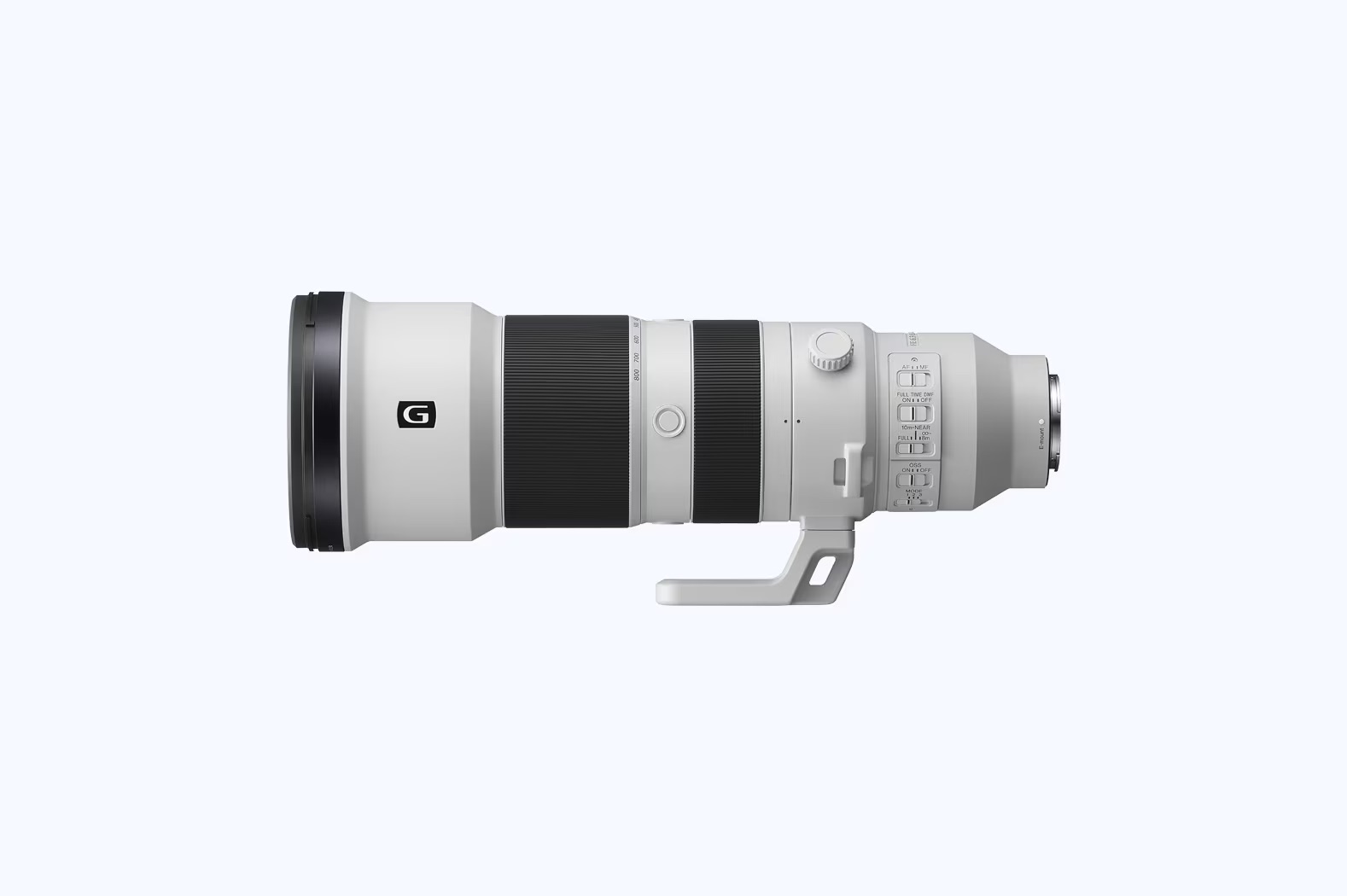
The build quality is typically Sony G-series excellent, with robust weather-sealing that stood up to early morning mist & dust in Hungary. The zoom & focus rings are smooth, & the lens features three focus hold buttons for quick adjustments.
One minor gripe? The tripod foot. The original is functional but not Arca-Swiss compatible, which is a pain for tripod users. Thankfully, third-party replacements are available – I’ve fitted mine with a Wimberley Arca-Swiss foot, which is rock-solid & makes switching between gimbal & tripod effortless.
Optical Performance
Sharpness & Detail
This lens delivers very good sharpness, even wide open. At 400mm f/6.3, centre sharpness is outstanding, & stopping down to f/8 improves edge performance slightly. At 800mm f/8, the lens holds up impressively – critical for distant subjects like birds in flight.
During my time in Hungary, it delivered crisp details on everything from ground squirrels to bee-eaters, even when using the internal crop of my camera bodies. The XD Linear Motors ensure fast, near-silent autofocus, locking onto subjects reliably – even in low-contrast conditions.
Bokeh & Backgrounds
One quirk of this lens is its narrow maximum aperture (f/6.3-8). While it’s not as bright as a prime super-telephoto (like Sony’s 600mm f/4 GM), it still produces pleasing bokeh when the background is far enough away.
However, you do need to watch your backgrounds. At f/8, distant elements can appear more defined than with faster lenses, meaning busy scenes may require more careful framing. That said, with the right subject isolation, the out-of-focus areas remain smooth & non-distracting.
Chromatic Aberration & Flare
Sony’s extra-low dispersion (ED) & Super ED glass elements keep chromatic aberration well-controlled, even in high-contrast scenes. I noticed minimal purple fringing, even when photography against bright skies. Flare resistance is also excellent – the Nano AR Coating II does a superb job of maintaining contrast, even with the sun in the frame.
Autofocus & Stabilisation
The XD Linear Motors provide quick, decisive AF, tracking fast-moving subjects with ease. Paired with Sony’s latest bodies (I used an A1 & A1 II), it kept up with erratic bird flight without issue.
The Optical SteadyShot (OSS) is another highlight, offering up to 5.5 stops of stabilisation (when paired with in-body stabilisation). A monopod or tripod is still recommended for ultimate sharpness, especially at the long end.
Low-Light Performance
This is where the lens’s slower apertures become a factor. At f/6.3 (400mm) & f/8 (800mm), you’ll need good light or high ISO performance from your camera. In Hungary’s early morning light, I often shot at ISO 3200-6400 to maintain fast shutter speeds.
That said, modern Sony bodies handle high ISO well, & with careful exposure, noise is manageable. If you frequently shoot in dim conditions, you may prefer the 200-600mm f/5.6-6.3 or Sony’s 100-400mm – or one of the 300mm or 400mm primes for their brighter apertures.
Who Is This Lens For?
The Sony 400-800mm f/6.3-8 G OSS is a fantastic super-telephoto zoom for:
- Wildlife photographers who need extreme reach without switching lenses.
- Travel & hide photographers who value the internal zoom design.
- Sports & aviation shooters who want flexibility in framing.
It’s not the fastest lens, so low-light shooters may find it limiting. But for daylight & well-lit scenarios, it’s incredibly versatile, delivering very good sharpness & handling in a surprisingly portable package.
Final Thoughts
After a week of intensive use in Hungary, I’m convinced: this lens is a game-changer for reach-hungry photographers. Yes, you’ll need to mind your backgrounds & embrace higher ISOs, but the sheer flexibility of 400-800mm in one lens makes it worth it.
If you’re after a lightweight, high-performance super-telephoto zoom, the Sony FE 400-800mm f/6.3-8 G OSS should be at the top of your list. Just don’t forget to upgrade the tripod foot!
Rating: 9/10
Pros:
- Very good sharpness
- Fantastic internal zoom design
- Reliable autofocus
- Excellent stabilisation
Cons:
- f/8 at 800mm demands good light
- Original tripod foot isn’t Arca-Swiss compatible
- Background separation can be tricky at narrow apertures
Would I buy the Sony FE 400-800mm again? Absolutely. It’s now a permanent fixture in my wildlife kit.