
 Trustpilot
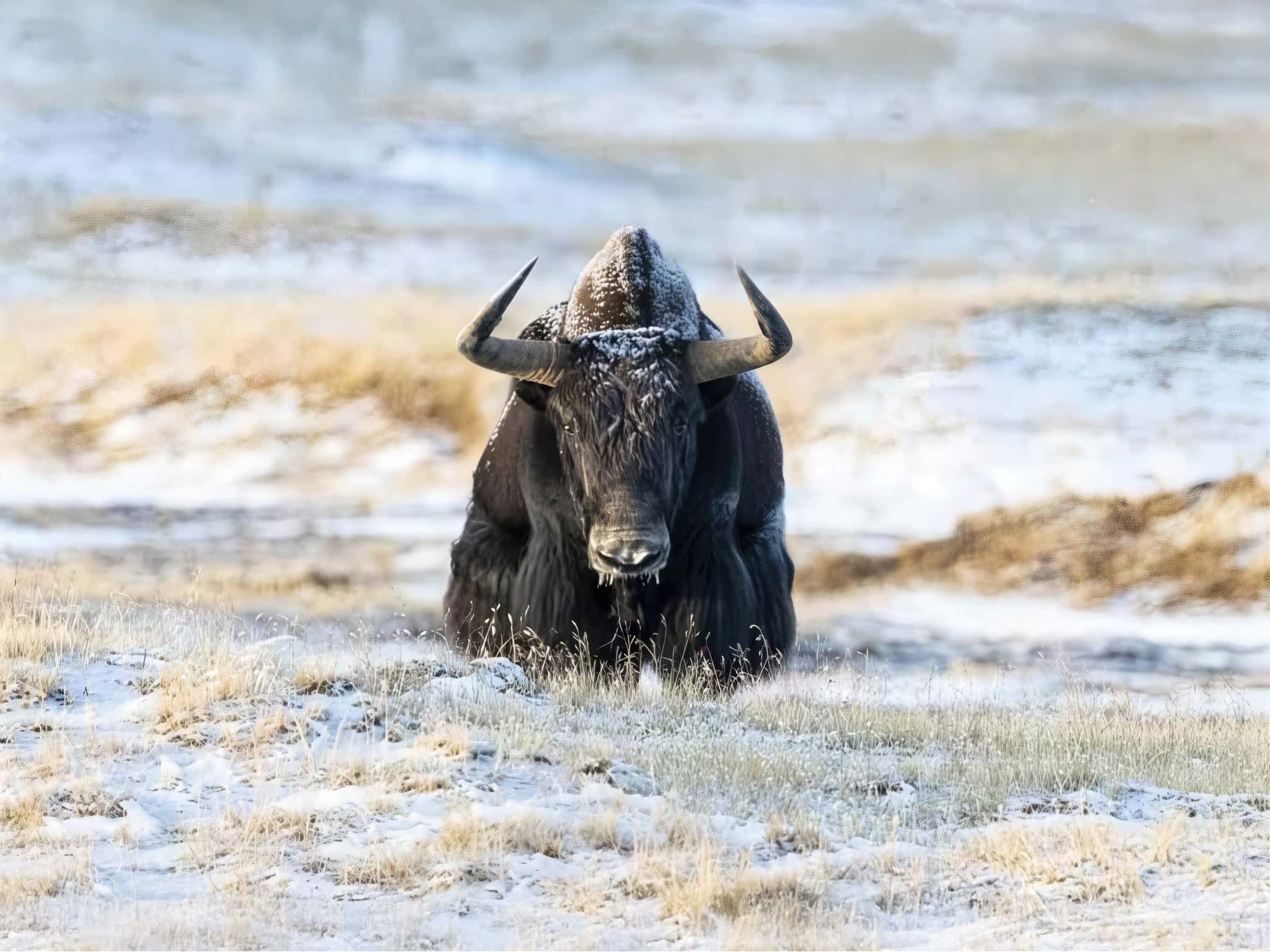
Tibetan Wildlife of the Qing-Zang Plateau Photography Tour
10th - 25th Nov. 2027 - £9499
Limited Places
Tibetan Wildlife of the Qing-Zang Plateau - 10th - 25th Nov. 2027 - £9499
Reserve with a deposit of £1900
Make a Booking Enquiry for the Tibetan Wildlife of the Qing-Zang Plateau Photography Holiday
Make a Booking Enquiry
Please fill out the form below to make your booking enquiry for the Tibetan Wildlife of the Qing-Zang Plateau photography holiday, which is scheduled for 10th – 25th Nov. 2027.
Seize this fantastic opportunity to capture breathtaking photographs & to create unforgettable memories during this photography holiday.
If you have an urgent query, call us on +44 7517 970026 or +44 7878 400089 else fill out this form & we will get back to you.
This form collects your entered details for the purposes of a booking enquiry. Please view our privacy policy for full details on how we protect & manage your submitted data.
Thank you for submitting a booking enquiry for the Tibetan Wildlife of the Qing-Zang Plateau photography holiday; we will send you booking forms by email.
Please promptly send us the completed booking forms after filling them out. The deposit payment information will be provided on the booking forms.
Upon receiving your completed booking form & deposit payment, we will confirm your booking, securing your spot on this tour.
We aim to respond to all enquiries within 72 hours, although we often reply sooner. It may be due to limited internet access if we cannot respond within this time frame.
If you haven’t heard back, please call us on +44 7517 970026.
| Schedule | 10th - 25th Nov. 2027 |
| Cost | |
| Deposit | £1900 |
| Balance Due | 13/08/2027 |
| Accommodation | Single occupancy is included |
| Location | {post_terms_event_region} - Asia, Tibet |
| Minimum Participants | 4 guests |
| Maximum Participants | 4 guests |
| Start Location | Xining airport |