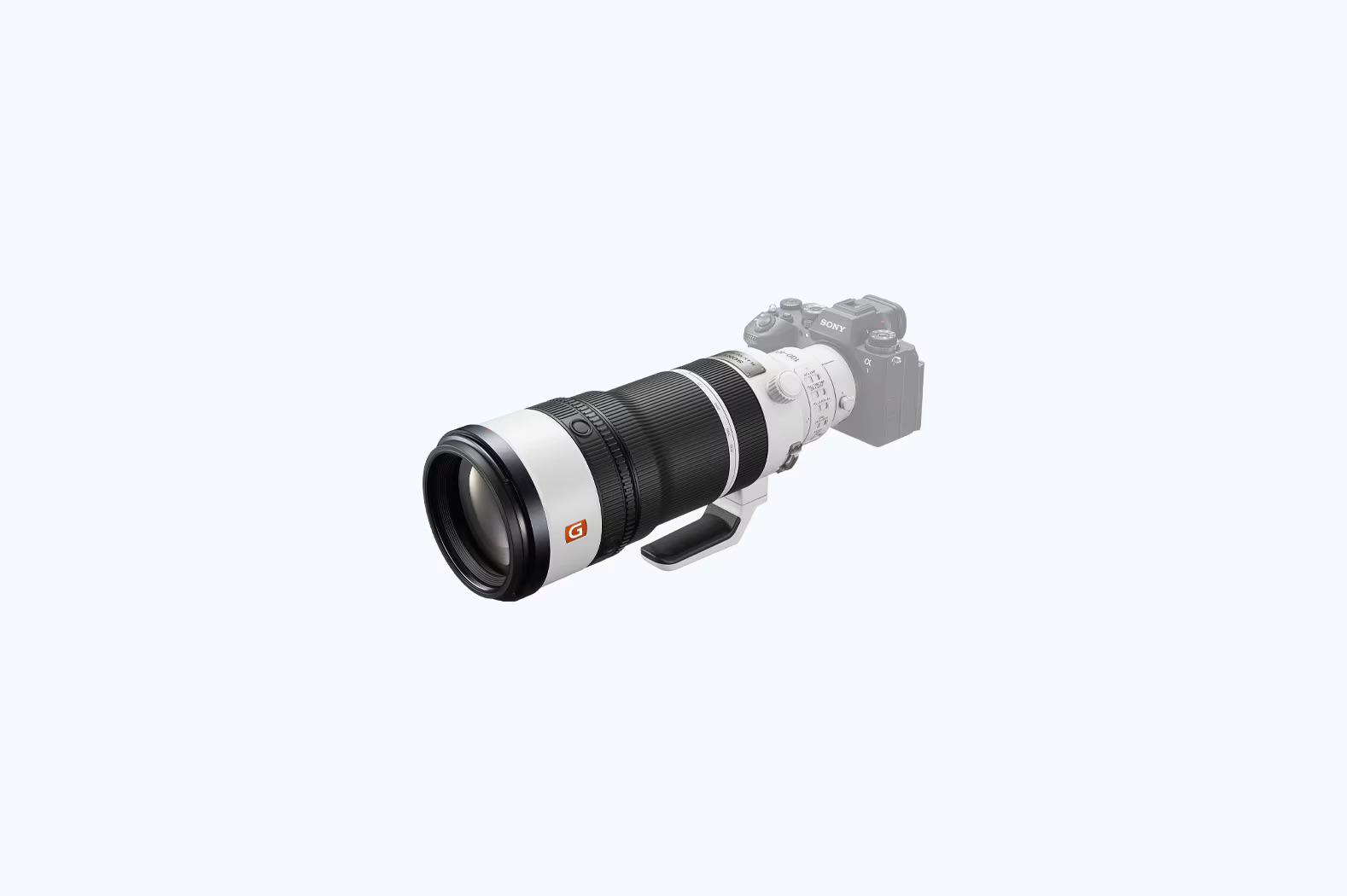
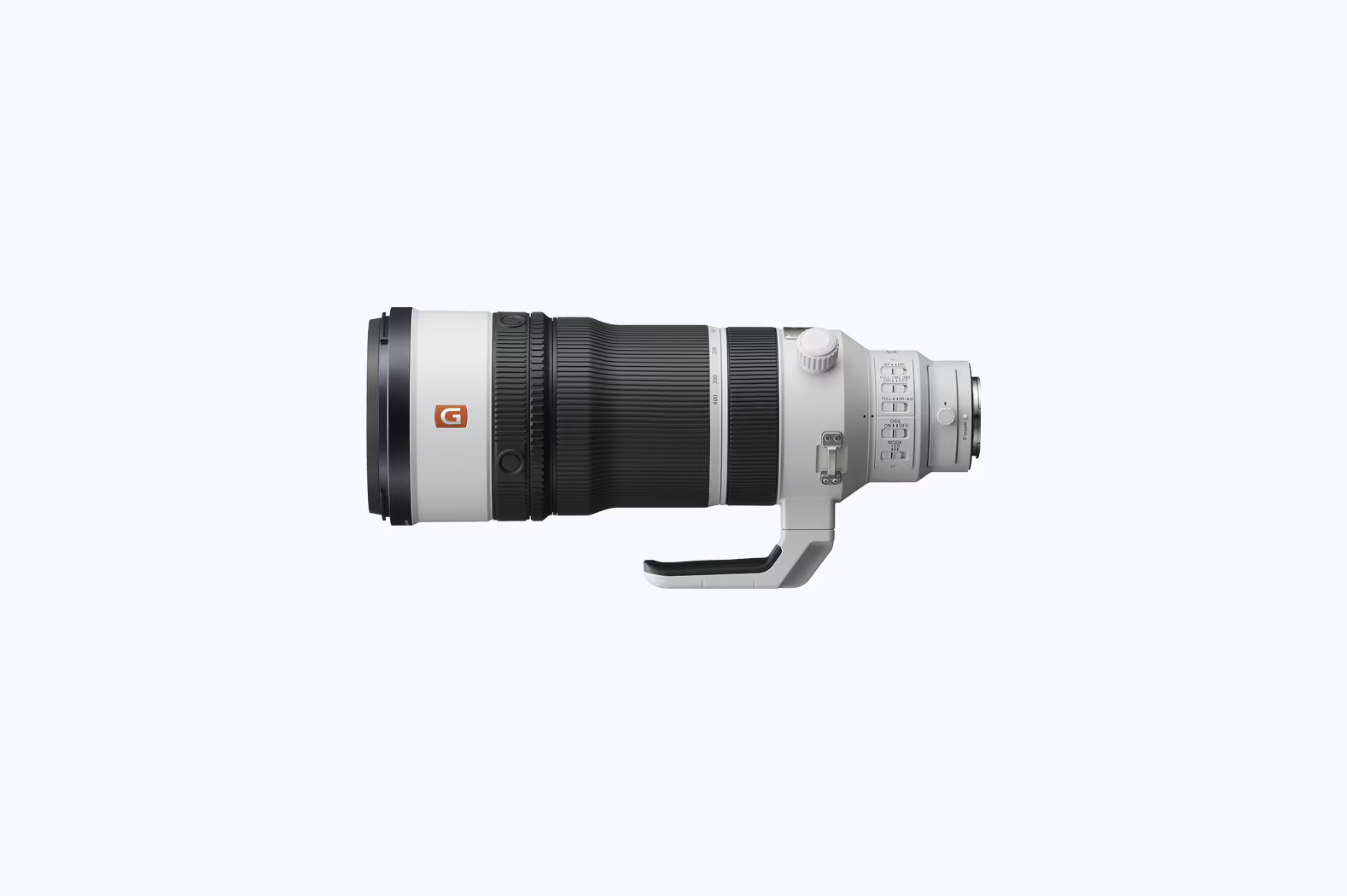
Sony has produced some excellent wildlife lenses over the last few years, but few have generated as much interest as the new FE 100-400mm f/4.5 GM OSS. On paper it promises almost everything travelling wildlife photographers could ask for: a useful focal length range, a constant f/4.5 aperture, professional autofocus performance & a size that’s realistic to carry all day.
Specifications, however, only tell part of the story.
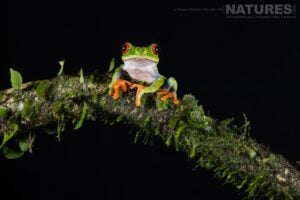
Over the past few months I’ve had the opportunity to use the lens extensively on wildlife photography trips in Spain, Hungary & Brazil. Those three destinations couldn’t have provided a better test. Spain offered constantly changing subjects & distances, Hungary pushed the autofocus with fast-moving birds in challenging early morning light, while Brazil’s Atlantic Rainforest tested every aspect of the lens in dense forest where light levels change from one moment to the next.
By the end of those trips I’d taken thousands of photographs in a wide variety of conditions & had a very clear impression of what this lens does well, where it improves on its predecessor & who I think it is really aimed at.
It certainly isn’t inexpensive, particularly when compared with some of Sony’s other telephoto options, but after spending several weeks relying on it in the field, I believe Sony has produced one of the finest all-round wildlife photography lenses currently available for E-mount cameras.
Quick Answer
If you’re looking for one premium telephoto lens that can comfortably handle almost every wildlife photography situation, I think the Sony FE 100-400mm f/4.5 GM OSS is one of the strongest options currently available.
The constant f/4.5 aperture may sound like a relatively small improvement over the previous version, but in practice it makes more difference than I’d expected, particularly when photographing wildlife early in the morning or beneath forest canopies. Combined with excellent autofocus, outstanding image quality & a size that’s genuinely practical to travel with, it quickly became one of those lenses I found myself reaching for almost automatically.
It’s significantly more expensive than the excellent Sony FE 200-600mm G OSS, & that alone will make it difficult to justify for some photographers. However, if versatility is more important to you than absolute reach, I think the additional investment is justified.
My Experience
One of the biggest compliments I can pay any piece of photographic equipment is that it eventually disappears.
Not physically, of course, but mentally.
When you’re constantly thinking about a lens, it’s usually because something isn’t quite right. Perhaps autofocus isn’t keeping up, maybe the lens feels too heavy to carry for long periods or you’re forever wishing for a different focal length. Good equipment removes those distractions & allows you to concentrate entirely on the wildlife in front of you.
That’s exactly what happened here.
After only a few days in Spain I realised I wasn’t thinking about the lens at all. By the time I’d finished photographing wildlife in Hungary & Brazil, that feeling had only become stronger. It simply became the lens I reached for first each morning because I knew it could cope with whatever the day presented.
Spain – Versatility Above Everything Else
Spain turned out to be an ideal place to discover whether the lens could genuinely live up to its promise of being an all-round wildlife zoom.
Wildlife encounters changed constantly. One moment I was photographing birds perched in open woodland before moving on to mammals emerging from cover or subjects that were suddenly much closer than expected. Throughout the day the ideal focal length was constantly changing.
That was where the 100-400mm range really proved its worth.
In fact, after a couple of days using it, I found myself thinking back to my much-loved Canon EF 200-400mm f/4L IS USM Extender 1.4x Lens. That might seem like an unusual comparison given the difference in size, weight & price, but it was the same feeling of confidence & versatility that came flooding back. The Canon remains, quite possibly, my favourite wildlife lens of all time, so for this new Sony to remind me of it is about as high a compliment as I can give.
Rather than finding myself wishing for another lens, I simply adjusted the zoom ring & carried on shooting. Being able to move instantly from environmental portraits at the shorter end of the range to tight wildlife images at 400mm meant I missed remarkably few opportunities because of my equipment.
Autofocus also impressed from the very beginning. It acquired subjects quickly, tracked confidently &, perhaps most importantly, never made me question whether it would keep up when something unexpected happened. That’s exactly what I want from a wildlife lens. I don’t want to think about autofocus – I simply want to trust it.
Hungary – Fast Birds & Challenging Light
Hungary presented a completely different challenge.
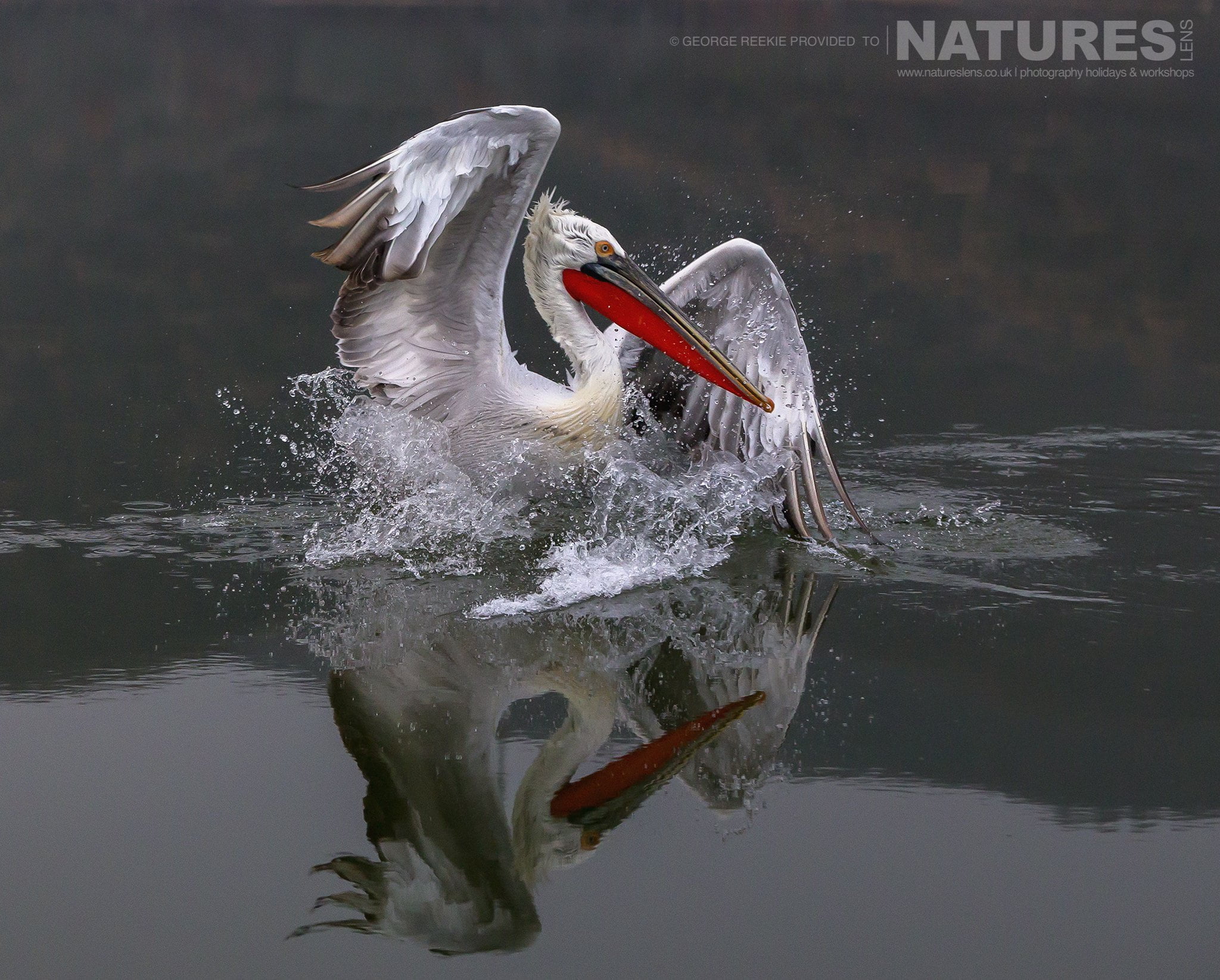
Bee-eaters, European Rollers & Red-footed Falcons rarely give photographers the luxury of time. Opportunities often last only a few seconds before a bird launches from its perch or returns carrying food for its young.
Those brief moments quickly expose any weaknesses in autofocus performance.
The Sony FE 100-400mm handled them exceptionally well. Focus acquisition felt immediate & subject tracking remained dependable throughout the week, allowing me to concentrate on anticipating behaviour rather than wondering whether the lens would keep pace.
One aspect I hadn’t expected to appreciate quite so much was the constant f/4.5 aperture.
It’s easy to dismiss half a stop on a specification sheet, but out in the field it proved genuinely useful. During the first hour after sunrise, when many of the best photographic opportunities occurred, the brighter viewfinder made following birds considerably easier while also allowing slightly faster shutter speeds before ISO values started climbing.
It’s not a dramatic difference, but wildlife photography is often about small advantages adding up over the course of a day.
Brazil – The Ultimate Test
If I had to choose one destination to judge a wildlife lens properly, Brazil’s Atlantic Rainforest would be very close to the top of the list.
Conditions are constantly changing. Birds move rapidly between shafts of sunlight & deep shade beneath the forest canopy, backgrounds change from one frame to the next & autofocus systems are given very little opportunity to settle.
It’s a demanding place to photograph wildlife. It also happens to be where I came away most impressed by the lens.
Autofocus continued to perform confidently regardless of the changing light, exposure felt more consistent than I’d experienced with the previous generation & image quality remained excellent throughout the zoom range.
Perhaps the biggest compliment I can give it, though, came towards the end of the trip. I realised I’d stopped thinking about the lens altogether. Instead, I was concentrating entirely on the birds.
For me, that’s usually the point where good equipment becomes great equipment. When a lens quietly gets on with its job without drawing attention to itself, it allows you to focus on timing, behaviour & composition rather than the gear in your hands. After thousands of photographs across three very different countries, that’s exactly how the Sony FE 100-400mm f/4.5 GM OSS felt.
Image Quality
Sony’s G Master lenses have built a reputation for exceptional image quality, so I expected this lens to perform well. The question wasn’t whether it would be sharp, but whether it would maintain that standard across the entire zoom range & in the sort of conditions wildlife photographers regularly encounter.
After using it extensively, I don’t think image quality is something prospective buyers need to worry about.
Sharpness is excellent from 100mm right through to 400mm, with plenty of fine detail & impressive contrast throughout the range. Even when shooting wide open at f/4.5, images look crisp & well defined without feeling the need to stop down purely to improve optical performance.
Like many wildlife photographers, I often find myself working in less-than-ideal conditions. Early mornings, overcast days & dense woodland don’t always allow the luxury of choosing the perfect aperture, so it’s reassuring to know the lens performs so well when used exactly as it was designed.
Colour rendition is equally impressive. Images have the rich, natural look I’d expect from a premium G Master lens, while contrast remains strong even in more difficult lighting. Looking back through photographs from Spain, Hungary & Brazil, very little post-processing was needed to make the files look their best. They simply looked good straight out of the camera.
Modern Sony bodies also crop remarkably well, particularly cameras such as the A1 II. While no amount of cropping replaces the benefit of additional focal length, I found the combination of this lens & Sony’s high-resolution sensors gave me far more flexibility than I’d anticipated when wildlife refused to come quite as close as I’d hoped.
Ultimately, image quality never became something I thought about during the trip, & that’s probably the highest compliment I can give it. At no point did I look at an image afterwards & wonder whether the lens had been the limiting factor.
Autofocus
For wildlife photographers, autofocus performance is every bit as important as image quality.
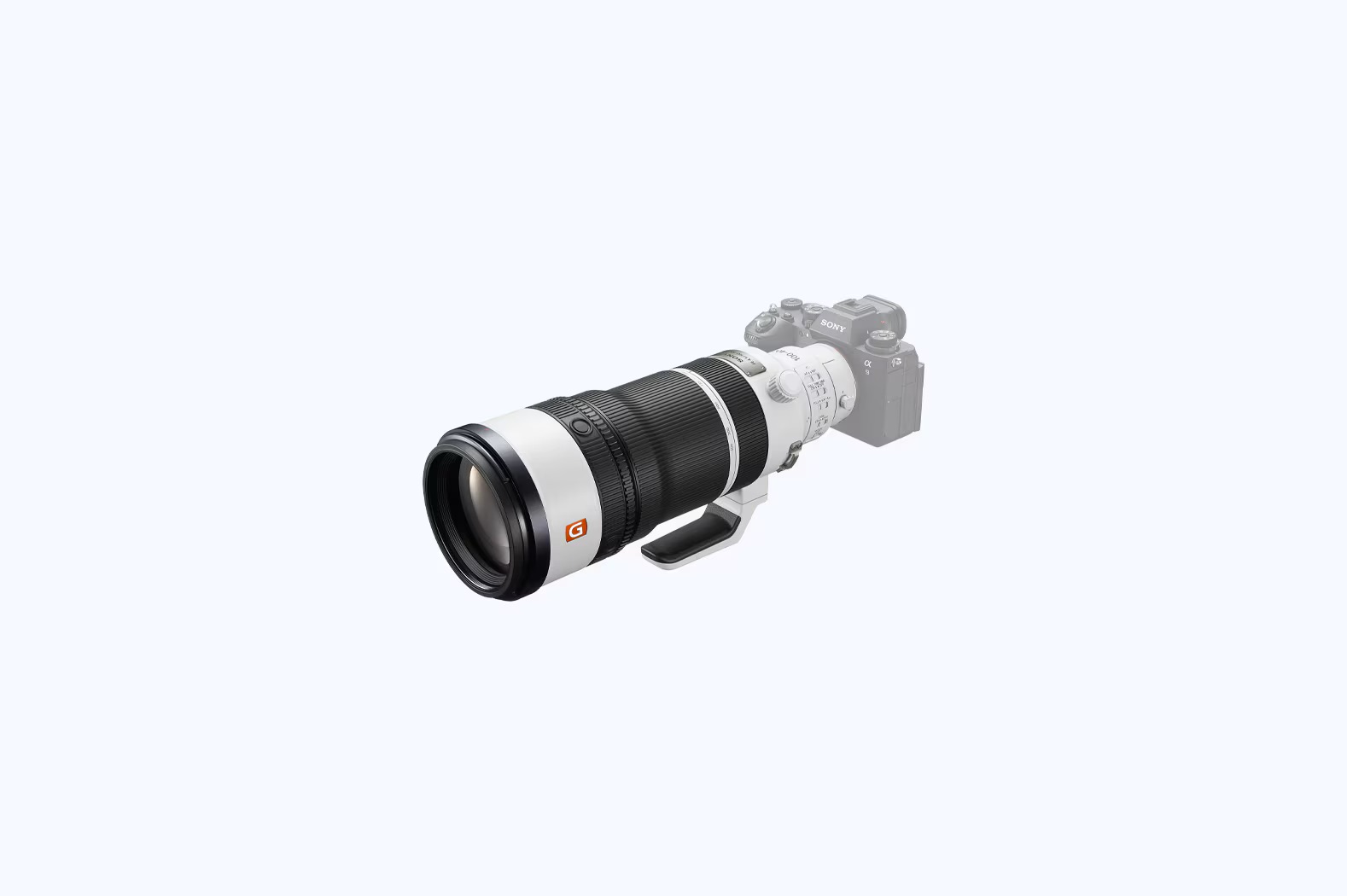
The sharpest lens in the world is of little value if it can’t keep up when a bird suddenly takes flight or a mammal appears for only a few seconds before disappearing again.
Fortunately, autofocus is one of this lens’s greatest strengths.
Throughout Spain, Hungary & Brazil it consistently focused quickly & accurately, regardless of whether I was photographing perched birds, birds in flight or mammals moving unpredictably through woodland. More importantly, it inspired confidence.
That’s something that’s difficult to measure on a specification sheet, but easy to recognise after several weeks in the field. When you trust your equipment, you react instinctively rather than hesitating. You raise the camera, acquire the subject & concentrate entirely on composition & timing because you know the autofocus is likely to do exactly what you expect.
Hungary probably demonstrated this best. Bee-eaters & European Rollers rarely wait for photographers, & opportunities often last only a second or two. The lens repeatedly locked onto birds as they launched from their perches or returned carrying insects, allowing me to follow the action without feeling as though I was fighting the equipment.
Paired with Sony’s latest autofocus systems, particularly the A1 II, it creates a combination that feels incredibly capable in the field.
Is 400mm Enough?
If there’s one question I’m asked more than any other when discussing wildlife lenses, it’s whether 400mm provides enough reach.
The answer, as with so much in wildlife photography, is that it depends entirely on what you enjoy photographing.
There’s a common assumption that more reach is always better, but my experience has often suggested otherwise.
During my time in Spain I regularly found wildlife much closer than expected. Mammals frequently approached within comfortable photographic distances & many birds allowed surprisingly close views, meaning anything significantly longer than 400mm would actually have limited the compositions available.
Brazil told a similar story. Toucans, tanagers & many of the Atlantic Rainforest species I photographed were often close enough that I rarely found myself wishing for additional focal length. In fact, there were several occasions when I was pleased not to be carrying a 600mm lens because it would simply have been too restrictive.
The same is true on many African safaris, where mammals often approach vehicles far more closely than first-time visitors anticipate.
Of course, there are photographers for whom reach remains the priority. If your photography revolves around small woodland birds, distant waders or seabirds photographed from cliffs or beaches, a 600mm lens will undoubtedly provide advantages that no amount of cropping can replace.
For photographers like me, though, who spend much of their time photographing a mixture of birds, mammals & other wildlife while travelling, 400mm feels like an excellent compromise. It provides enough reach for the vast majority of situations while remaining flexible enough to cope when wildlife suddenly appears much closer than expected.
Should You Upgrade from the Original Sony FE 100-400mm f/4.5-5.6 GM OSS?
This is probably the most difficult question to answer because it depends as much on your current lens as it does on the improvements Sony has introduced.
If you already own the original 100-400mm GM & you’re happy with the results it’s producing, I don’t think this is an upgrade you need to rush into. The previous version remains an excellent wildlife lens & continues to produce superb photographs in capable hands.
That said, after using the new version extensively, I do think Sony has made meaningful improvements.
The constant f/4.5 aperture is the headline feature, & while it may appear to be only a modest change on paper, I noticed the benefits more often than I expected. The brighter viewfinder, slightly faster shutter speeds & improved autofocus performance in lower light all contribute to a shooting experience that feels a little more effortless.
The autofocus also feels more refined than I remember from the previous lens. Whether that’s entirely down to the optics, the latest Sony bodies or a combination of both is difficult to say, but the overall package feels quicker & more responsive in day-to-day use.
The balance of the lens also deserves mention. Mounted on the latest Sony mirrorless bodies it feels beautifully matched, making it comfortable to carry throughout a full day’s photography without ever becoming tiring.
If you’re buying your first premium wildlife zoom, my choice would be straightforward. I’d buy the new version without hesitation.
If you already own the original, the decision is rather more nuanced. I don’t think existing owners should feel pressured to upgrade immediately, but if you’re considering replacing your lens in the next few years, I do think the improvements are significant enough to make the new version the one I’d choose.
Sony FE 100-400mm f/4.5 GM OSS or Sony FE 200-600mm G OSS?
For many Sony wildlife photographers, this is the decision that matters most.
The Sony FE 200-600mm G OSS has earned its reputation as one of the best-value wildlife lenses on the market. It offers excellent image quality, impressive autofocus & a focal length that suits photographers whose priority is maximum reach. It’s also available for considerably less money than the new 100-400mm, making it an understandably popular choice.
The question, however, isn’t simply which lens is better. It’s which lens better suits the way you photograph.
If almost every outing involves distant birds where every extra millimetre of focal length matters, I’d still recommend the 200-600mm without hesitation. It’s an outstanding lens & represents exceptional value for money.
My own photography is rather different.
On a typical day leading a wildlife photography trip I might photograph mammals before breakfast, spend the middle of the morning with birds, stop to photograph butterflies or reptiles during the afternoon & finish the day back with larger mammals as the light begins to fade.
That sort of variety places a premium on flexibility rather than outright reach.
Throughout Spain, Hungary & Brazil I found the 100-400mm spent more time on my camera than almost any other lens because it comfortably handled so many different situations. It’s lighter, easier to carry all day & responds quickly enough that I never felt disadvantaged when opportunities appeared unexpectedly.
Is it worth almost twice the price?
If value for money is your only consideration, probably not.
If you’re looking for one premium telephoto lens that can comfortably accompany you on almost any wildlife photography trip, then I think the answer is yes. Personally, it’s the lens I’d choose to pack.
Travelling with the Lens
The longer I used this lens, the more I appreciated just how practical it is for travelling wildlife photography.
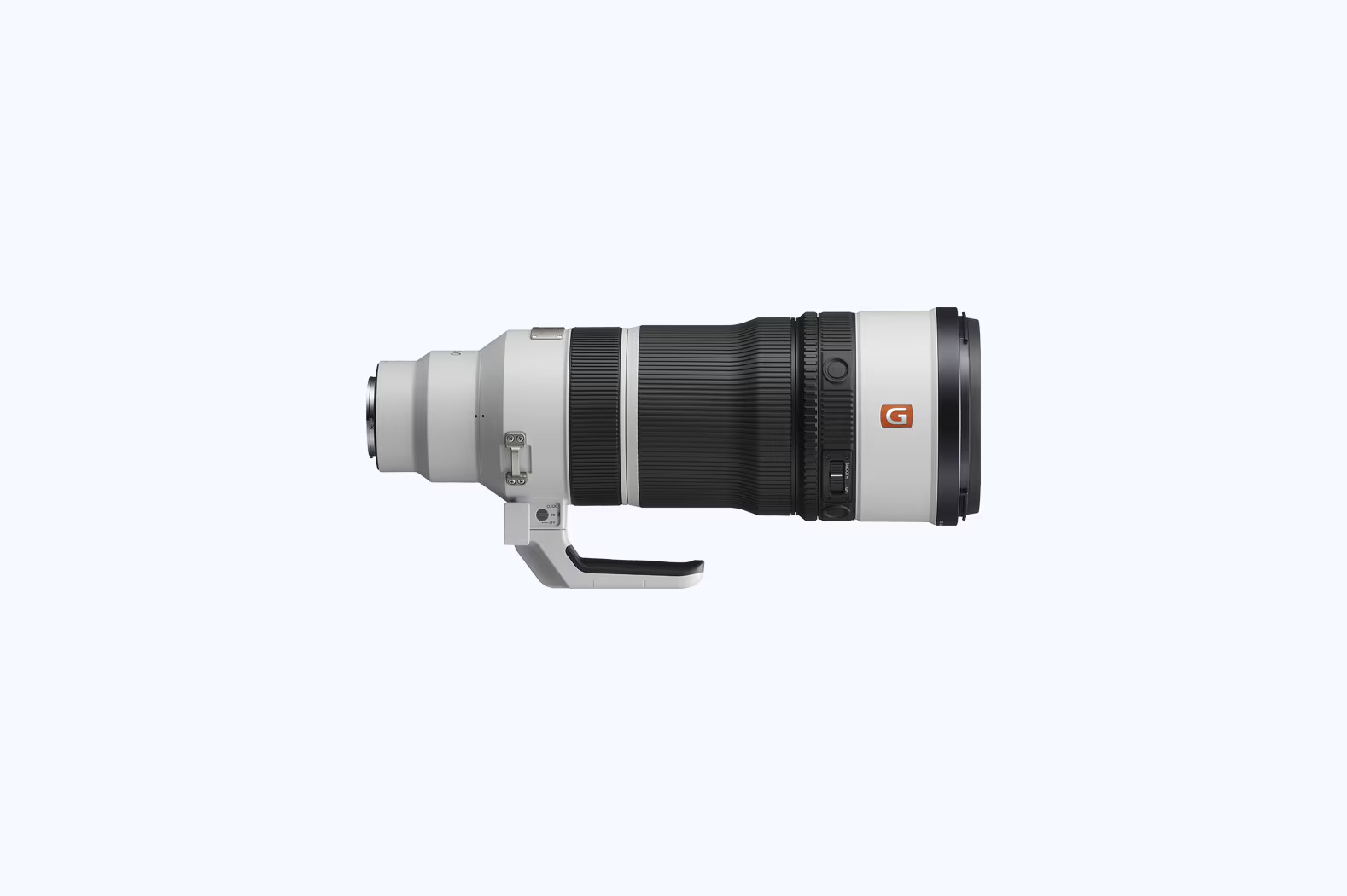
There’s a temptation to focus entirely on image quality or autofocus when reviewing equipment, but if a lens is uncomfortable to carry or awkward to pack, those advantages quickly become less important. Wildlife photography often means long days on your feet, multiple flights, changing weather & luggage restrictions that seem to become tighter every year.
The Sony FE 100-400mm fits remarkably well into that lifestyle.
It packs comfortably into cabin baggage alongside a camera body, a standard zoom & a wide-angle lens without dominating the available space. That’s a genuine advantage when travelling internationally, particularly when domestic flights impose much stricter weight limits than long-haul airlines.
Once on location, its balance is equally impressive. Throughout Spain, Hungary & Brazil it spent most of the day attached to my camera simply because it was comfortable to carry & capable of handling almost every opportunity that presented itself.
Looking back through the three trips, I realised something that probably says more than any specification ever could.
I never found myself wishing I’d left it behind.
Who Is This Lens Really For?
Not every wildlife photographer needs this lens, & that’s perfectly fine.
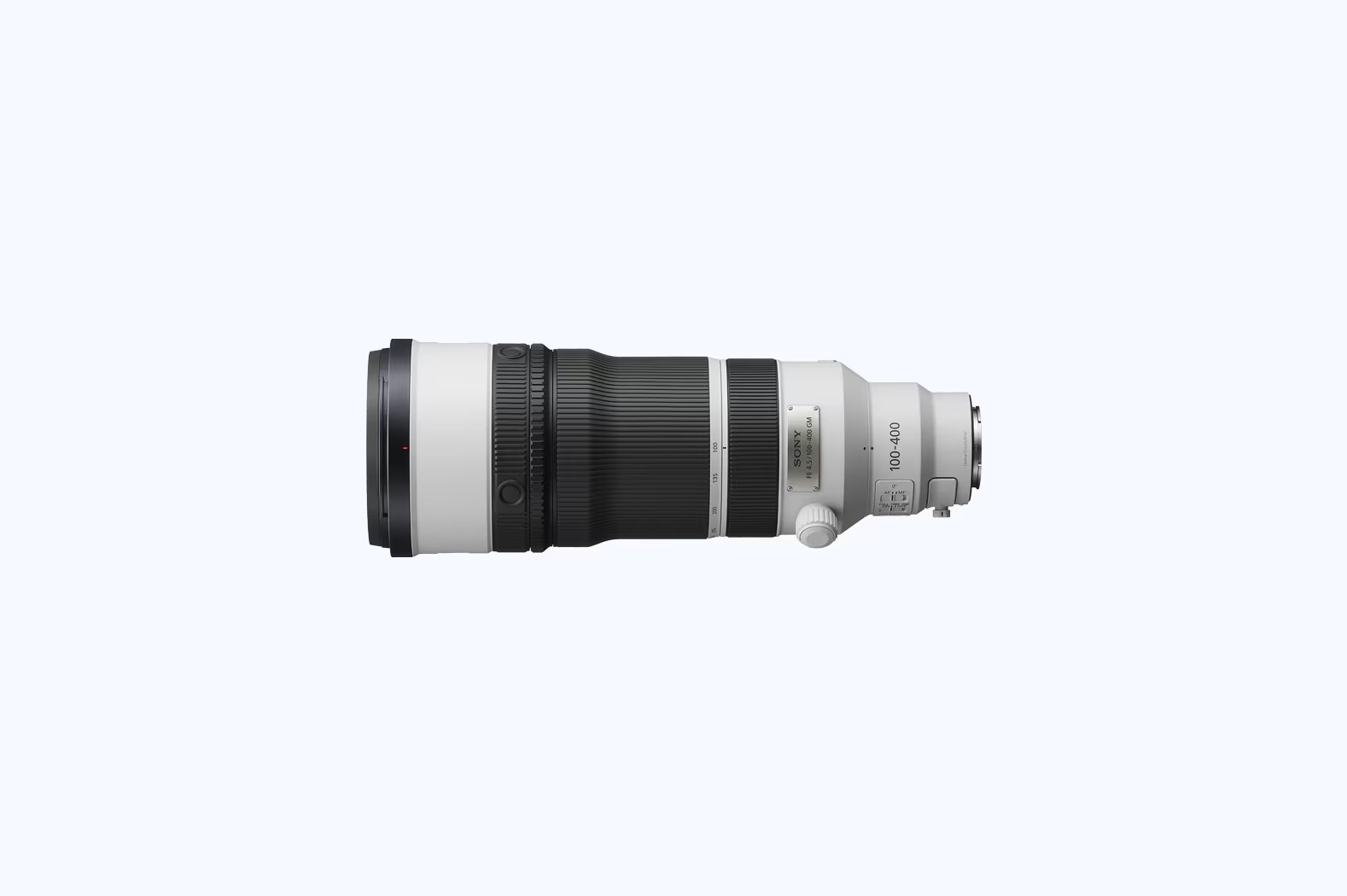
If your photography revolves almost entirely around distant birds where maximum reach is the priority, there are better choices available, including Sony’s own 200-600mm G OSS. That lens remains one of the best-value wildlife telephotos currently available & continues to deserve its excellent reputation.
The 100-400mm is aimed at a different photographer.
It’s for someone who enjoys photographing whatever wildlife appears rather than concentrating on a single subject. Birds, mammals, reptiles, butterflies & landscapes often all feature during the same day, particularly when travelling overseas, & that’s exactly where this lens excels.
Over the course of three trips I found it became my default choice because I rarely needed to question whether it was the right lens for the next encounter. Instead of changing equipment, I simply adjusted the zoom & carried on photographing.
That versatility is, for me, the biggest reason to consider it.
Why I Prefer Long-Term Reviews
One thing I’ve become increasingly cautious of over the years is equipment reviews written after only a few hours of use.
It’s easy to be impressed by almost any modern lens during an afternoon in favourable conditions. Most premium lenses are exceptionally good, & first impressions rarely reveal very much about how they’ll perform over weeks of real-world use.
That’s why I much prefer living with a lens before forming an opinion.
Spain showed me how adaptable the zoom range could be when subjects constantly changed distance. Hungary demonstrated how dependable the autofocus remained when photographing fast-moving birds in challenging early morning light. Brazil then became the ultimate test, asking the lens to perform beneath dense rainforest canopy where both light & subjects change from one moment to the next.
Each trip revealed something different. By the end of Brazil, however, one thing had become obvious. I simply wasn’t thinking about the lens anymore. I was thinking about the birds.
For me, that’s the point at which equipment proves its worth. When it quietly disappears into the background & allows you to concentrate entirely on the wildlife, it’s doing exactly what it was designed to do.
Is Specialist Equipment Really Necessary?
As much as I’ve enjoyed using this lens, it’s important to keep things in perspective.
Great wildlife photography has never depended solely on owning expensive equipment.
Over the years I’ve photographed alongside people carrying entry-level cameras, older telephoto lenses & the latest professional bodies. One thing has remained remarkably consistent: the photographers who come home happiest with their images aren’t always the ones carrying the most expensive kit.
Understanding behaviour, recognising good light, anticipating movement & positioning yourself well will almost always have a greater influence on your photographs than replacing one excellent lens with another.
A lens like the Sony FE 100-400mm certainly makes life easier. It gives you confidence, responds quickly & produces beautiful files. Those are all worthwhile advantages.
But it’s still only a tool. The knowledge of when to press the shutter will always matter more than the equipment in your hands.
Frequently Asked Questions
Is the Sony FE 100-400mm f/4.5 GM OSS worth the money?
If you’re looking for a single premium wildlife telephoto that can comfortably cope with almost every subject you’re likely to encounter, I believe it is. It’s undoubtedly expensive, but after using it extensively in Spain, Hungary & Brazil, I came away feeling the performance genuinely justifies the investment for photographers who will make full use of its versatility.
Is it better than the Sony FE 200-600mm G OSS?
Neither lens is universally better because they’re designed with different priorities in mind. The 200-600mm offers greater reach & outstanding value, making it an excellent choice for photographers specialising in distant birds. The 100-400mm sacrifices some of that reach in exchange for lower weight, greater versatility & a focal length range that I found better suited to the varied wildlife encounters I experience while travelling.
Can beginners use this lens?
Absolutely. Although it’s part of Sony’s professional G Master range, the flexible zoom range actually makes composition easier than many fixed focal length lenses. It allows newer photographers to react quickly as wildlife changes distance without constantly swapping equipment.
Is 400mm enough for bird photography?
For many situations, yes. Throughout my time in Spain, Hungary & Brazil I photographed a huge variety of birds without feeling limited by the available focal length. If your photography is centred on very small birds photographed at long distances, you’ll still benefit from the additional reach of a 600mm lens. For mixed wildlife photography, however, I found 400mm to be a remarkably versatile compromise.
Final Thoughts
Sony hasn’t reinvented the wildlife telephoto.
Instead, it’s refined an already excellent lens into something that feels more complete.
After spending several weeks photographing wildlife with the Sony FE 100-400mm f/4.5 GM OSS in Spain, Hungary & Brazil, I came away consistently impressed by just how little there was to criticise. Autofocus is quick & dependable, image quality is excellent throughout the zoom range & the lens strikes a balance between reach, portability & usability that suits the way I like to photograph wildlife.
Could I save money by choosing the Sony FE 200-600mm G OSS? Absolutely, & for many photographers it will remain the more sensible purchase.
Would I choose this lens for my own camera bag? Without hesitation.
Not because it’s the sharpest lens I’ve ever used, or because it has the longest reach, but because after thousands of photographs across three very different countries, it proved itself to be the lens I wanted on my camera when the next photographic opportunity appeared.
For me, that’s about the strongest recommendation I can give.