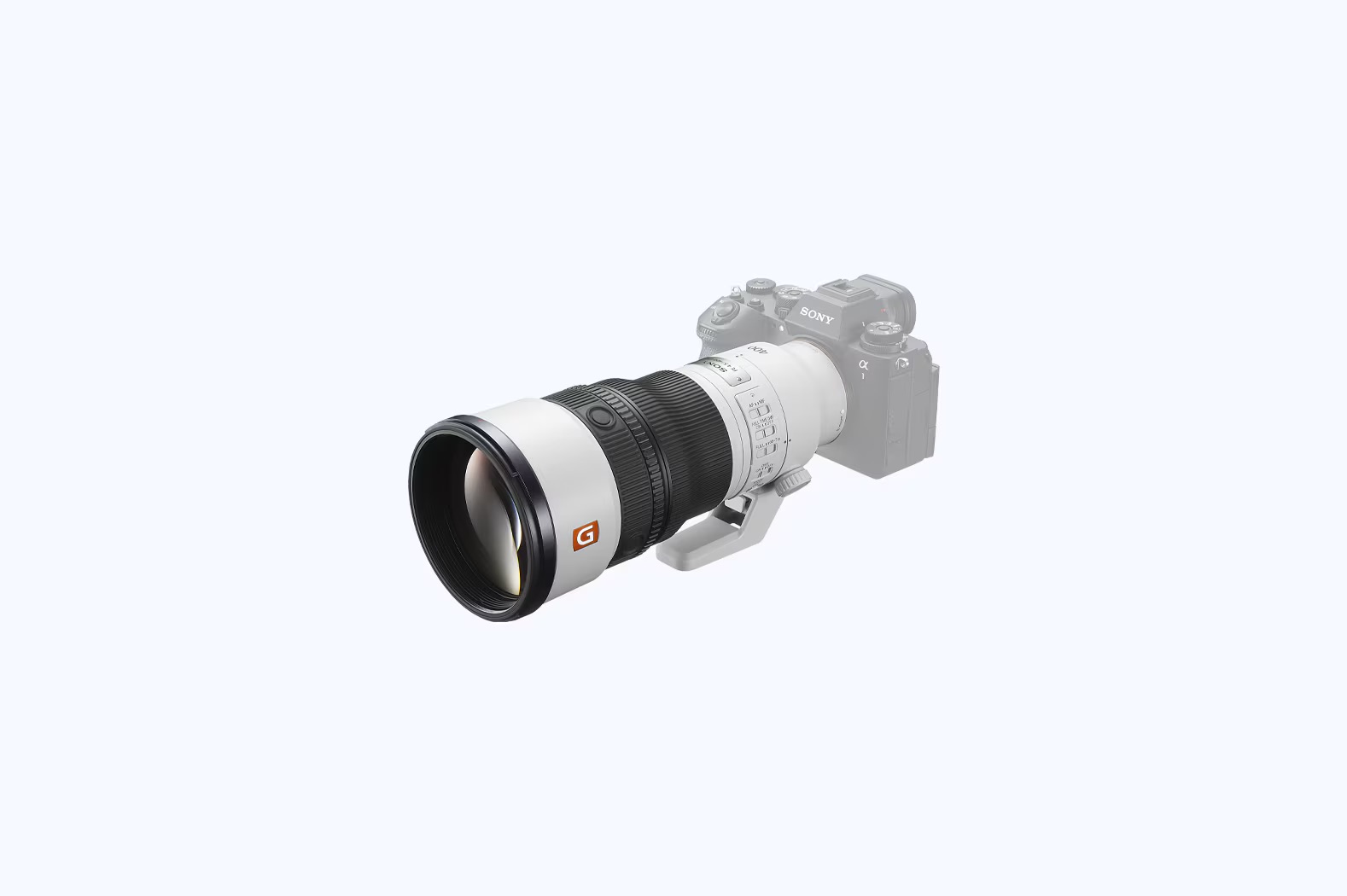
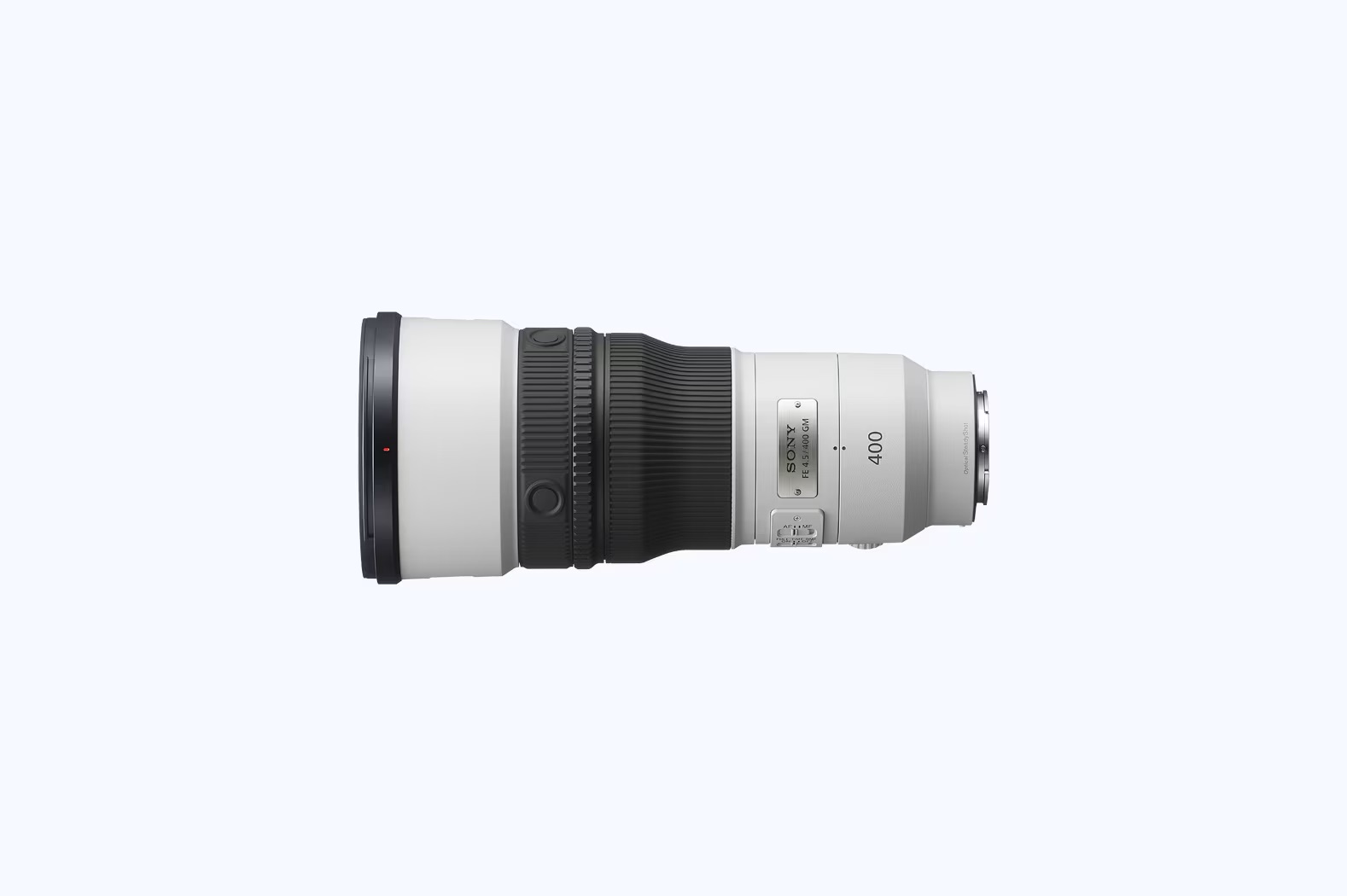
Wildlife photographers have spent years accepting a fairly simple compromise: if you want serious reach, a bright aperture & prime-lens image quality, you normally have to carry a fairly serious piece of glass. The Sony FE 400mm F4.5 GM OSS changes that equation because, at approximately 994g, it puts a genuine 400mm G Master prime below the one-kilogram mark.
That immediately caught my attention, because when I look at photographic equipment I am rarely thinking about specifications in isolation. I am thinking about what happens when I have been carrying a camera for several hours in Costa Rica, trying to follow a bird from a boat in Brazil, tracking cranes in Japan or working from a vehicle in Africa where there is little time to reorganise equipment when something suddenly happens.
A 400mm lens which can realistically stay in your hands, rather than spending much of the day resting on a support, changes how you photograph wildlife. For me, that is far more interesting than simply asking whether another G Master lens is sharp.
Why is 400mm such a useful focal length for wildlife photography?
There is a tendency in wildlife photography to assume that longer automatically means better, particularly when birds are involved, but 400mm occupies an extremely useful middle ground. It gives enough reach for a surprisingly wide range of subjects while still leaving enough space around larger wildlife to make composition easier & movement considerably less frantic.
I have used lenses ranging from relatively short telephoto zooms through to 600mm primes, & there are situations where every one of them makes sense. If I am photographing a very small bird at distance, I am unlikely to complain about having 600mm available. However, many of the subjects we photograph on NaturesLens trips are not tiny birds perched obligingly thirty metres away.
Think about Japanese Red-crowned Cranes coming towards you, Brown Bears moving through the landscape, African mammals approaching a vehicle, large raptors in flight or Puffins crossing quickly in front of a cliff. At 600mm it is remarkably easy for a subject to become too large in the frame or for a flying bird to disappear beyond the edge before you have properly acquired it. Four hundred millimetres gives you more latitude.
That latitude matters photographically because not every wildlife image should be a tightly cropped portrait. One of the things we encourage photographers to think about on our holidays is the relationship between the animal & its surroundings. Sometimes the better photograph is the one where a bear occupies a smaller part of the frame, a crane is placed against the frozen Hokkaido landscape or a bird is allowed enough space to fly into.
Four hundred millimetres gives you that flexibility without abandoning serious telephoto reach.
Does weighing less than one kilogram really change how you use a 400mm lens?
I think this is probably the most important aspect of the Sony FE 400mm F4.5 GM OSS, because 994g is not simply an impressive number on a specification sheet. It changes the way the camera behaves during an entire photographic session.
Anyone who has spent hours waiting for wildlife knows that equipment weight is cumulative. Holding a lens for ten seconds tells you very little. Holding it ready while watching a subject for twenty minutes is quite different, particularly when you know that the behaviour you are waiting for might happen without warning.
This becomes even more obvious on a photography holiday. There are days when we might be out before sunrise, photograph throughout the morning, return briefly during the middle of the day & then head back out for another session in the afternoon. In places such as Costa Rica or Brazil, you may also be walking forest trails where carrying a heavy super-telephoto becomes tiring long before the wildlife appears.
Keeping a 400mm prime below one kilogram makes handheld photography far more realistic. Sony has also placed much of the weight towards the camera end of the lens, which is important because balance often matters almost as much as total weight.
For birds in flight, that could be particularly useful. A lightweight combination is easier to accelerate, stop & redirect as a bird changes course. On boats it should also make life easier, because tripods are frequently impractical & even monopods can become restrictive when the boat itself is moving.
The result is not simply less fatigue. If the camera remains in your hands for longer, you are more likely to be ready when something actually happens, & that can directly translate into photographs which would otherwise have been missed.
How useful is the f/4.5 aperture for real wildlife photography?
An f/4.5 maximum aperture is one of the reasons this lens becomes far more interesting than a lightweight 400mm might initially sound, because wildlife photographers spend an extraordinary amount of time trying to find shutter speed in light which is disappearing rapidly.
We regularly work around dawn & dusk because that is when wildlife activity, light & atmosphere can be at their best. In woodland environments the problem becomes even more pronounced. A bird might be sitting beneath the canopy in Costa Rica or Ecuador where the light level is dramatically lower than it appeared when you stepped out of the vehicle five minutes earlier.
That is where an f/4.5 lens begins to earn its keep. I would nearly always prefer to gain shutter speed through the lens rather than push ISO unnecessarily, particularly if the subject is moving. For a static animal the difference may not always matter, but as soon as wings start moving, a mammal shakes water from its coat or two animals begin interacting, shutter speed becomes much more valuable.
The aperture also gives the photographer more control over backgrounds. At 400mm, when there is reasonable separation between subject & background, f/4.5 can render distracting vegetation or distant habitat beautifully softly while retaining detail around fur, feathers & eyes.
This is something that often separates an ordinary wildlife encounter from a worthwhile photographic opportunity. Finding the animal is only part of the job. We are constantly looking beyond it at where we need to position ourselves, what the light is doing & what sits behind the subject.
A cleaner background, good subject separation & enough shutter speed to capture behaviour are all things that materially affect the finished image, which is why f/4.5 matters far beyond its place in the lens name.
Can the Sony 400mm f/4.5 replace a longer wildlife lens?
Not completely, but adding Sony’s 1.4× teleconverter makes the argument considerably more interesting. With the converter fitted, the 400mm becomes a 560mm f/6.3, which places it remarkably close to the classic 600mm focal length while retaining a package built around an unusually lightweight prime.
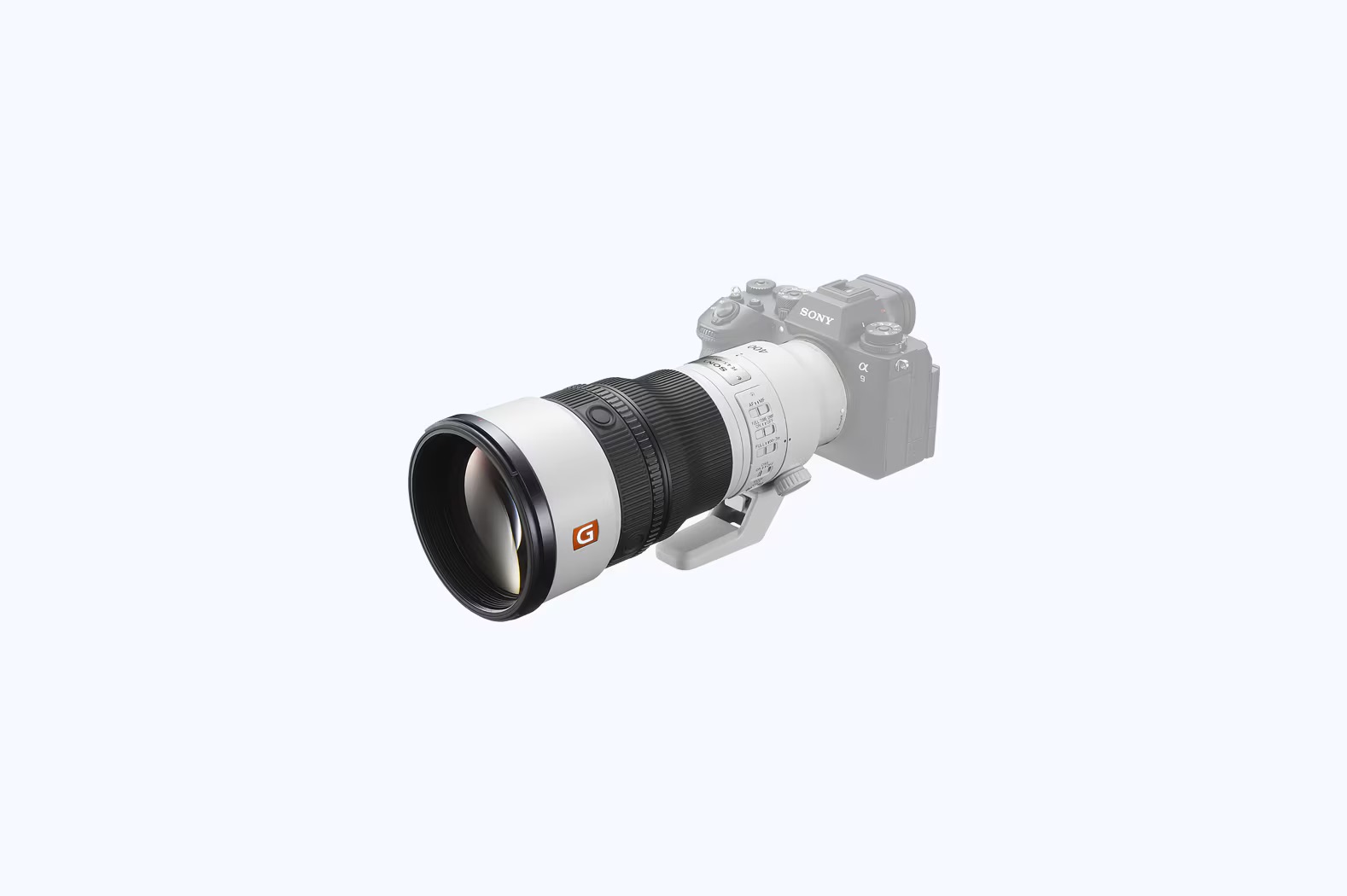
For travelling wildlife photographers, I can see considerable appeal in that combination. The bare 400mm could handle mammals, larger birds, birds in flight, lower-light situations & subjects which approach relatively closely. When photographing smaller birds or when the working distance increases, fitting the 1.4× converter gives considerably more reach.
That is particularly relevant to the kind of trips we operate. On a destination such as our Japan Winter Wildlife photography holiday, for example, the same photographer may move between cranes, Whooper Swans, Steller’s Sea Eagles, Red Foxes & smaller birds. There is no single perfect focal length for every one of those situations.
Likewise, in Costa Rica, 400mm may be ideal when photographing a larger toucan reasonably close to a feeding area, while a smaller hummingbird or bird deeper within the forest can make that additional reach desirable.
There will still be occasions where a 600mm lens wins. If I know the subject will consistently be small & distant, I would rather begin with the reach than manufacture it afterwards. A 600mm f/4 also gives extraordinary subject isolation & low-light performance, albeit with vastly greater size, weight & cost.
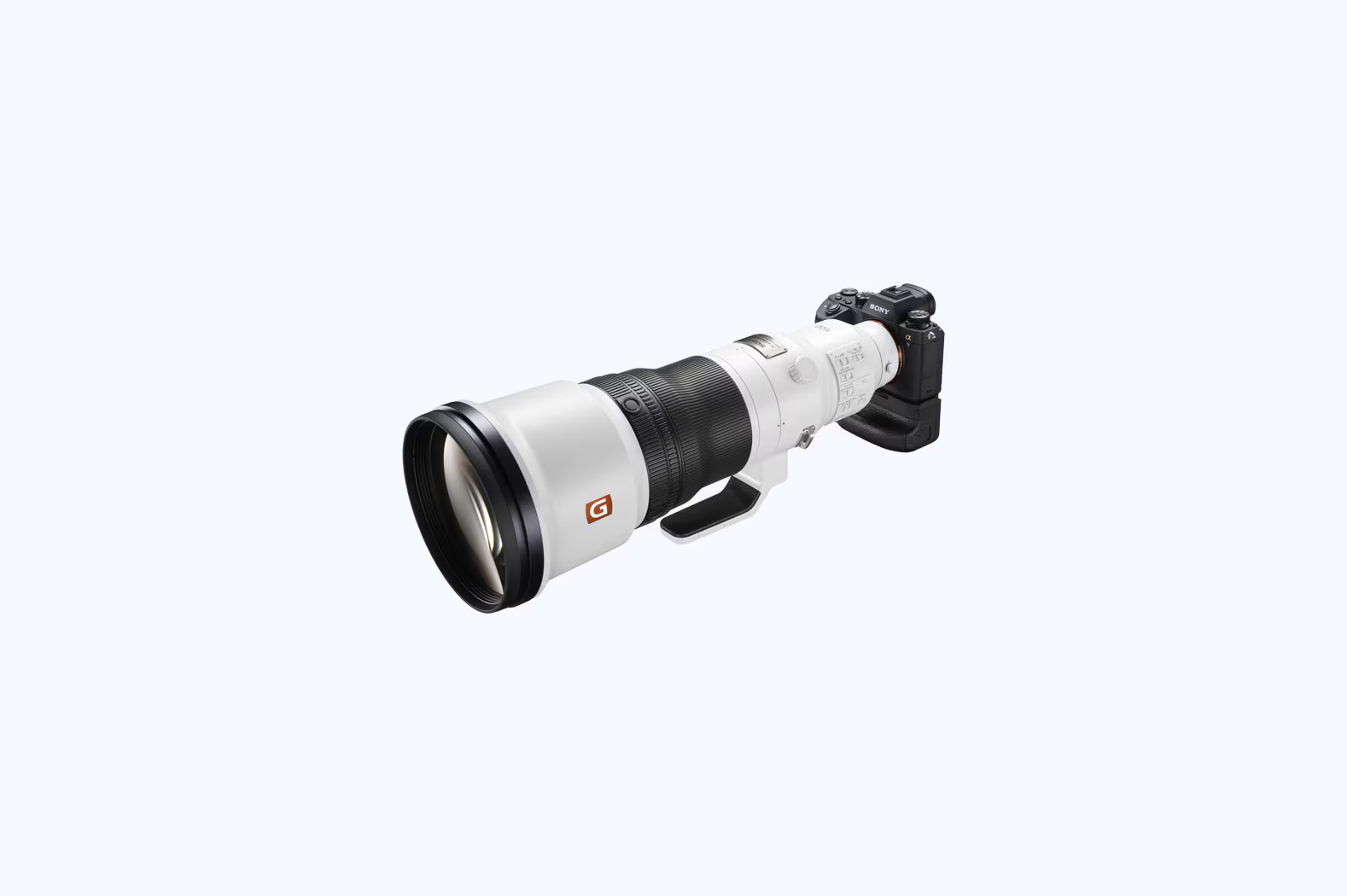
The interesting thing about the 400mm f/4.5 is therefore not that it replaces every long lens. It is that it covers an unusually large amount of wildlife photography without forcing the photographer to carry one.
What do you lose compared with a wildlife zoom?
The unavoidable disadvantage is simple: wildlife does not respect prime lenses. A subject which fits perfectly at 400mm can become hopelessly large in the frame several seconds later, & unlike a 200 – 600mm or 100 – 400mm zoom, there is nothing you can turn to solve the problem.
That is why I would never dismiss good telephoto zooms. In many situations they are extraordinarily effective wildlife tools, particularly when subjects move through a wide range of distances. On safari, for example, the ability to move rapidly from a relatively wide environmental image to a tighter portrait can be invaluable.
The same applies to birds approaching the photographer. A large bird flying directly towards you might begin as a small subject at 600mm before rapidly becoming something you would rather photograph at 300mm or 400mm. A zoom allows you to react without changing your position.
With the Sony FE 400mm F4.5 GM OSS, your options are more limited. Sometimes you can move backwards, sometimes you can change your composition, & sometimes the photograph simply disappears because the subject has become too close.
However, the comparison is not entirely one-sided. A lightweight prime encourages a different type of photography. Instead of constantly changing focal length, you begin anticipating where the subject will be, leaving appropriate space around it & positioning yourself accordingly.
That discipline can be useful, but I would choose between the two according to the photographic situation rather than assuming that either primes or zooms are inherently superior.
Who is the Sony FE 400mm F4.5 GM OSS really designed for?
For me, the strongest case for this lens is the travelling wildlife photographer who wants high-end prime-lens performance without building every photographic day around carrying a large super-telephoto.
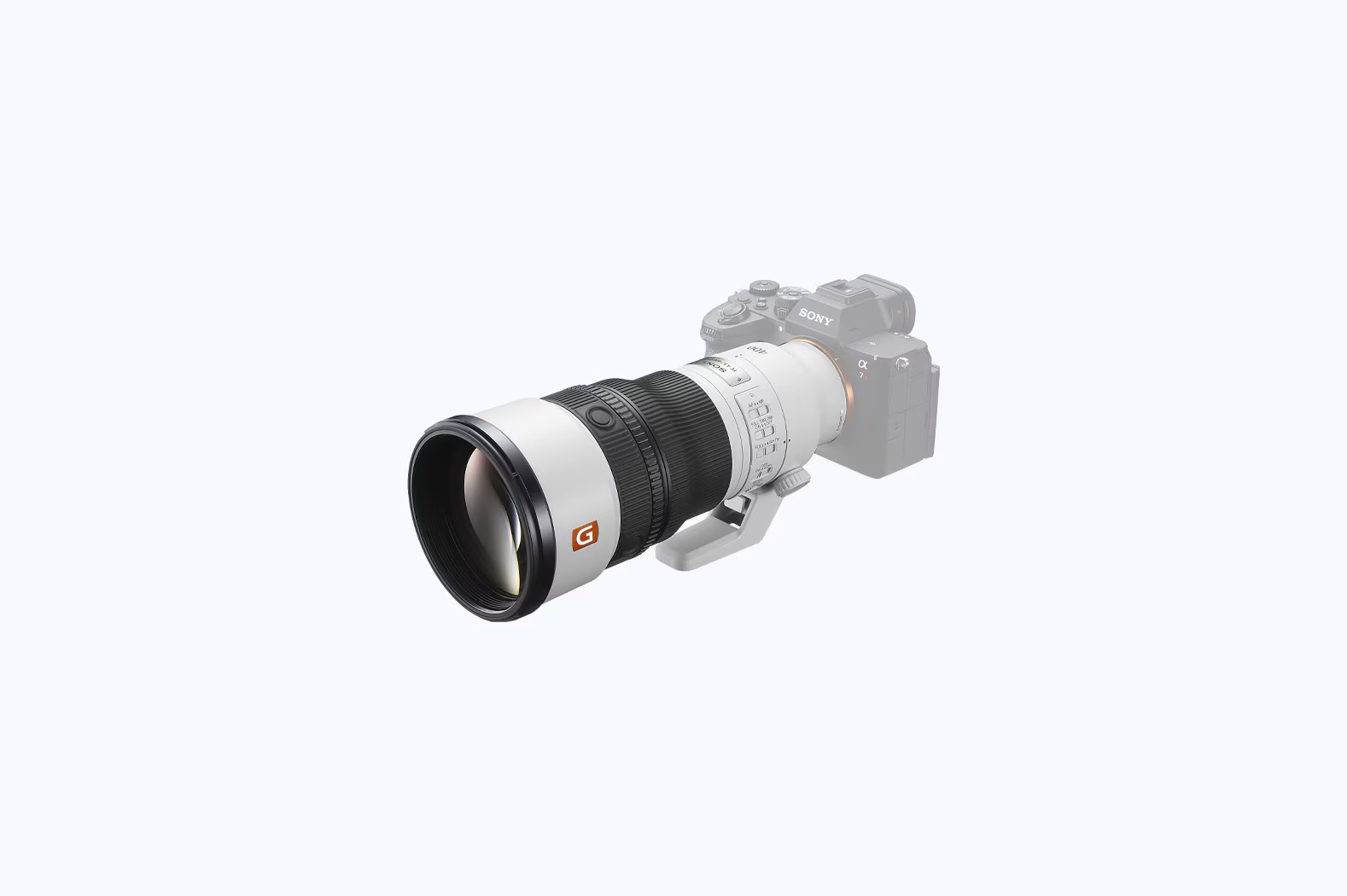
That includes people photographing larger birds, birds in flight & mammals, but it also includes photographers whose destinations dictate how much equipment is sensible. Airline baggage allowances increasingly influence what we can carry, particularly once two camera bodies, batteries, chargers, converters & a second lens have gone into the bag.
Weight also matters once you arrive. There is little point flying thousands of miles with extraordinary equipment if you gradually stop carrying it because the combination is exhausting to use. I would much rather have a slightly shorter lens ready in my hands when the behaviour begins than a theoretically perfect lens lying beside me because I have been resting my arms.
The 400mm f/4.5 therefore strikes me as particularly attractive for photographers who move between subjects during a trip. Pairing it with something such as a 70 – 200mm or 100 – 400mm on a second body could create a remarkably capable wildlife kit without requiring the photographer to travel with enormous amounts of equipment.
The 1.4× teleconverter broadens that use further. Being able to move between 400mm f/4.5 & 560mm f/6.3 gives the lens genuine relevance for bird photography rather than restricting it to larger subjects.
It will not suit everybody. Someone specialising almost entirely in small distant birds might still prefer a native 600mm lens, while a photographer working with extremely unpredictable distances may sensibly choose a zoom. But for mixed wildlife photography, there is a great deal here that makes sense.
Is the Sony FE 400mm F4.5 GM OSS one of the most interesting new wildlife lenses?
I think it is, largely because Sony has created something which addresses the way many wildlife photographers actually work rather than simply chasing another extreme specification.
Four hundred millimetres is already an extremely useful focal length. Combine it with f/4.5, fast autofocus, optical stabilisation, teleconverter compatibility & a weight below one kilogram, & the lens becomes particularly interesting for photographers who spend substantial amounts of time travelling with their equipment.
The appeal becomes even clearer when I think about the conditions in which we photograph on NaturesLens holidays. We may be working from boats one day, walking forest trails the next, photographing from vehicles, hides or open ground, & reacting to subjects ranging from tiny birds to bears. There is very rarely one focal length which is perfect throughout an entire trip.
For me, therefore, the significance of the Sony FE 400mm F4.5 GM OSS is not simply that it is another sharp Sony G Master prime. It is the combination of useful reach, manageable weight & enough aperture to work properly in demanding wildlife conditions.
Photography becomes considerably easier when the equipment stops getting in the way. If a lens is light enough to remain in your hands, fast enough to follow unpredictable subjects & long enough to produce the compositions you want, you spend less time thinking about carrying it & more time watching what the animal is going to do next.
Ultimately, that is exactly where my attention should be.