Arrival & First Impressions
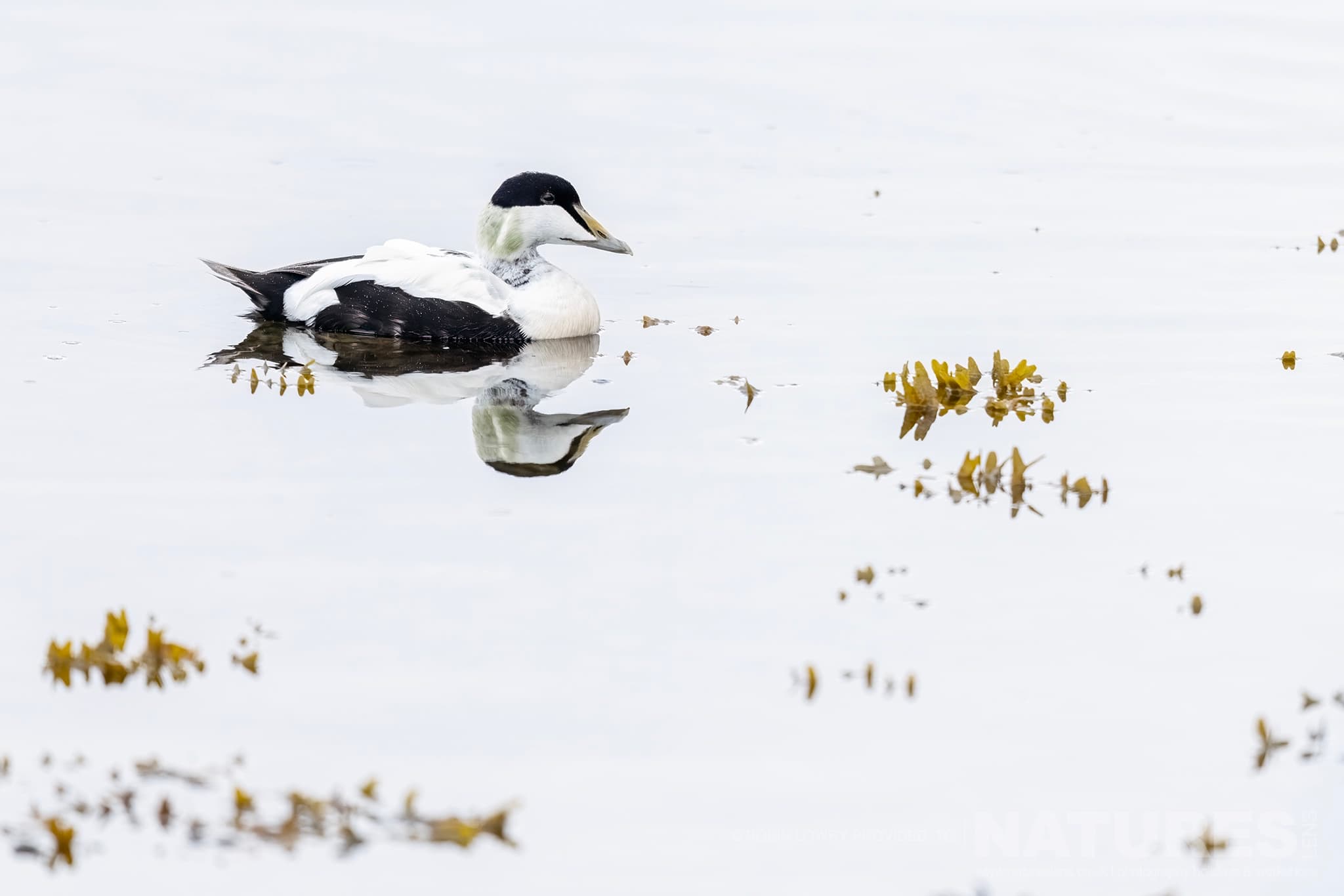
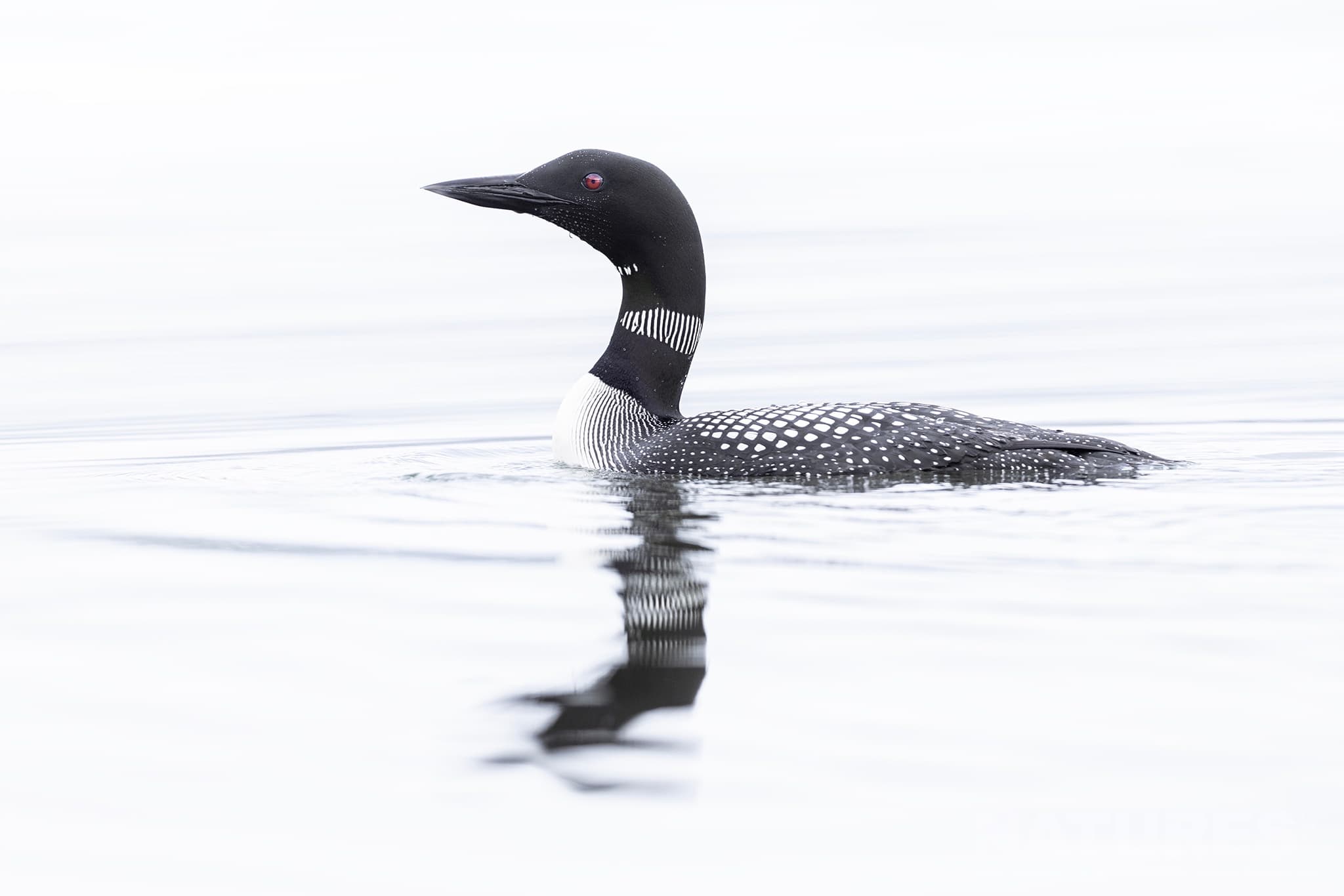
We started in Akureyri, spending the first night on the north coast before the short flight to Grímsey Island. With time before take-off, we worked the calm shoreline – flat water & overcast sky gave us clean high-key conditions for Eider Ducks, a Red-throated Diver (locally called the “Rain Goose”), & a Great Northern Diver – all with strong reflections in the flat water.
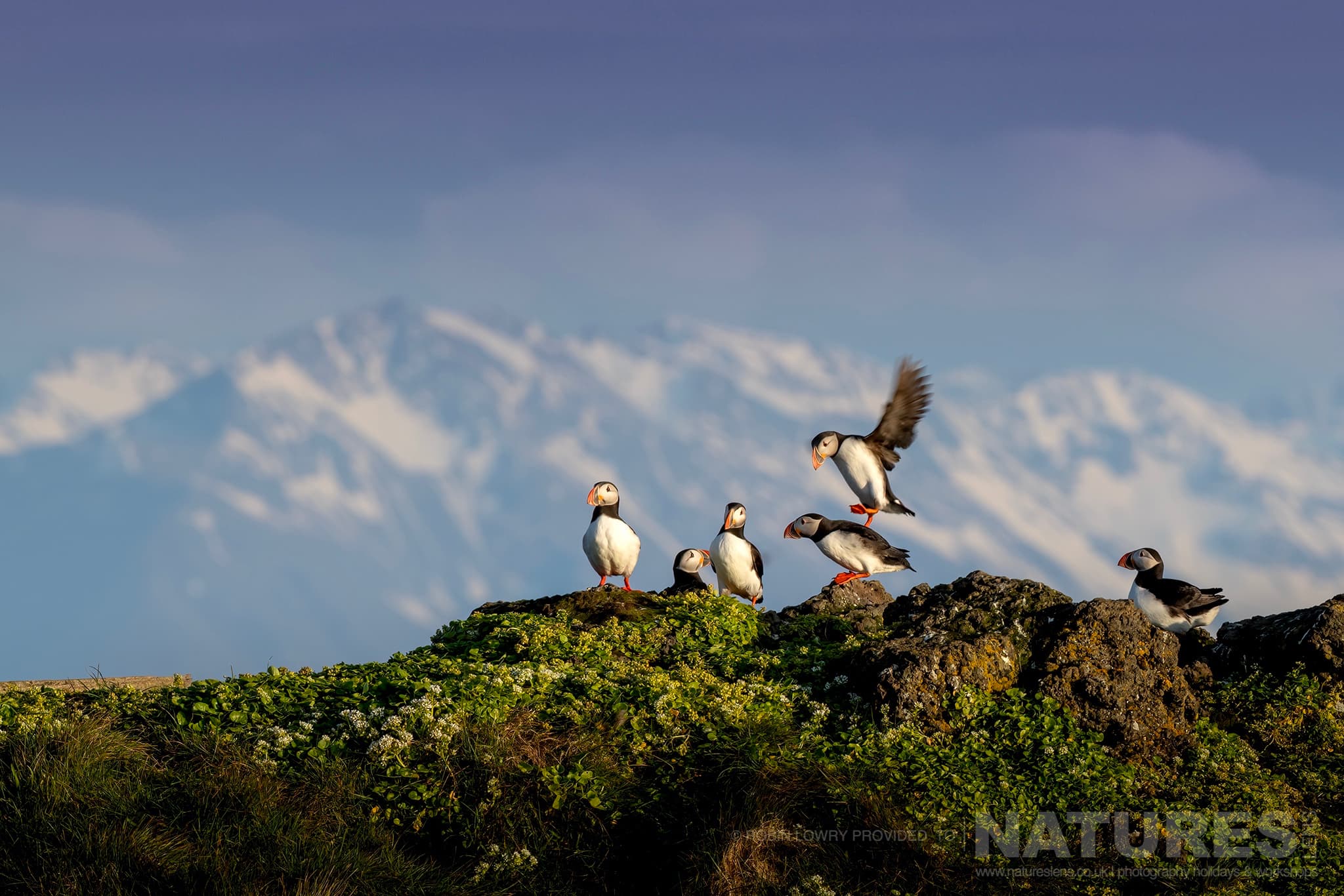
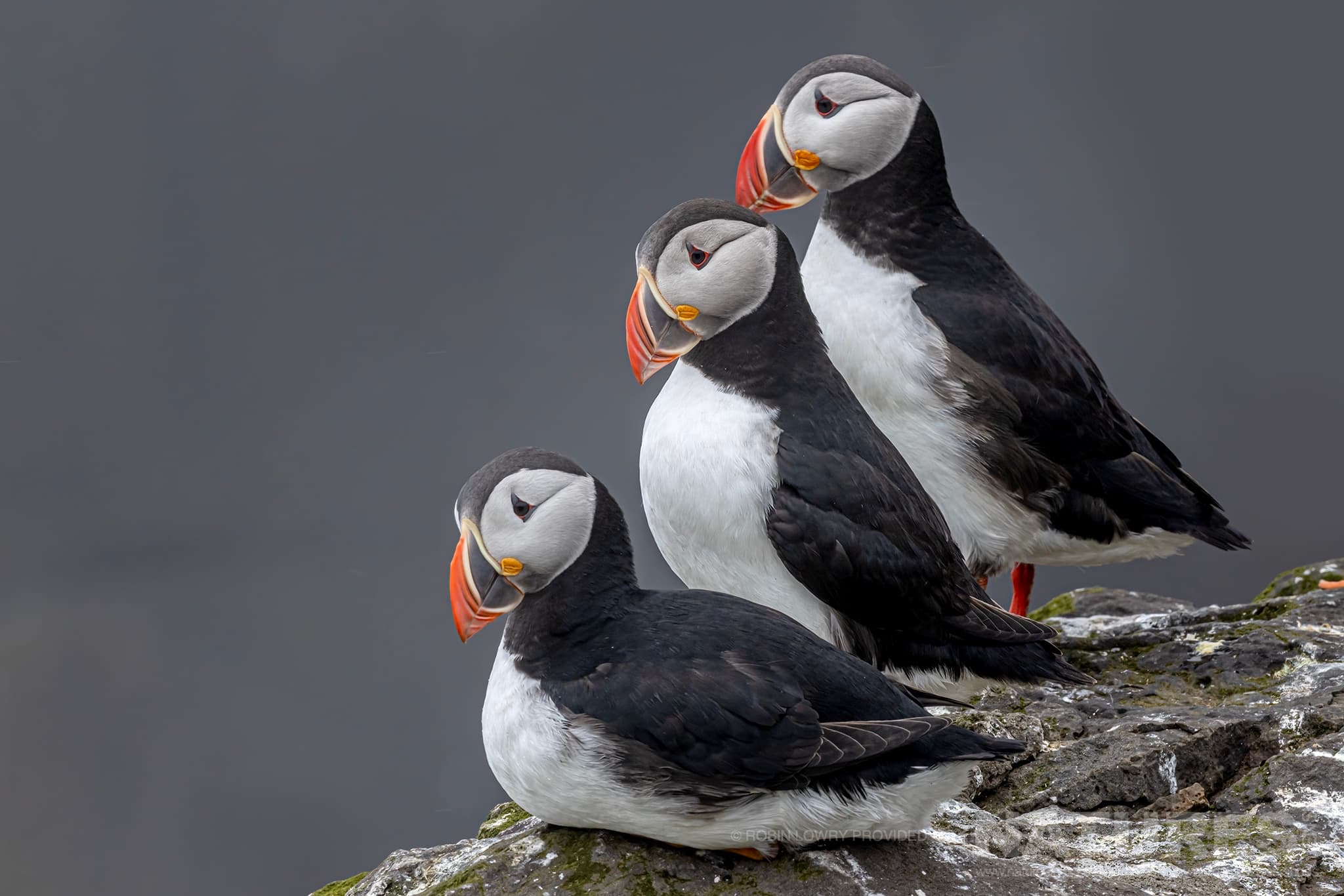
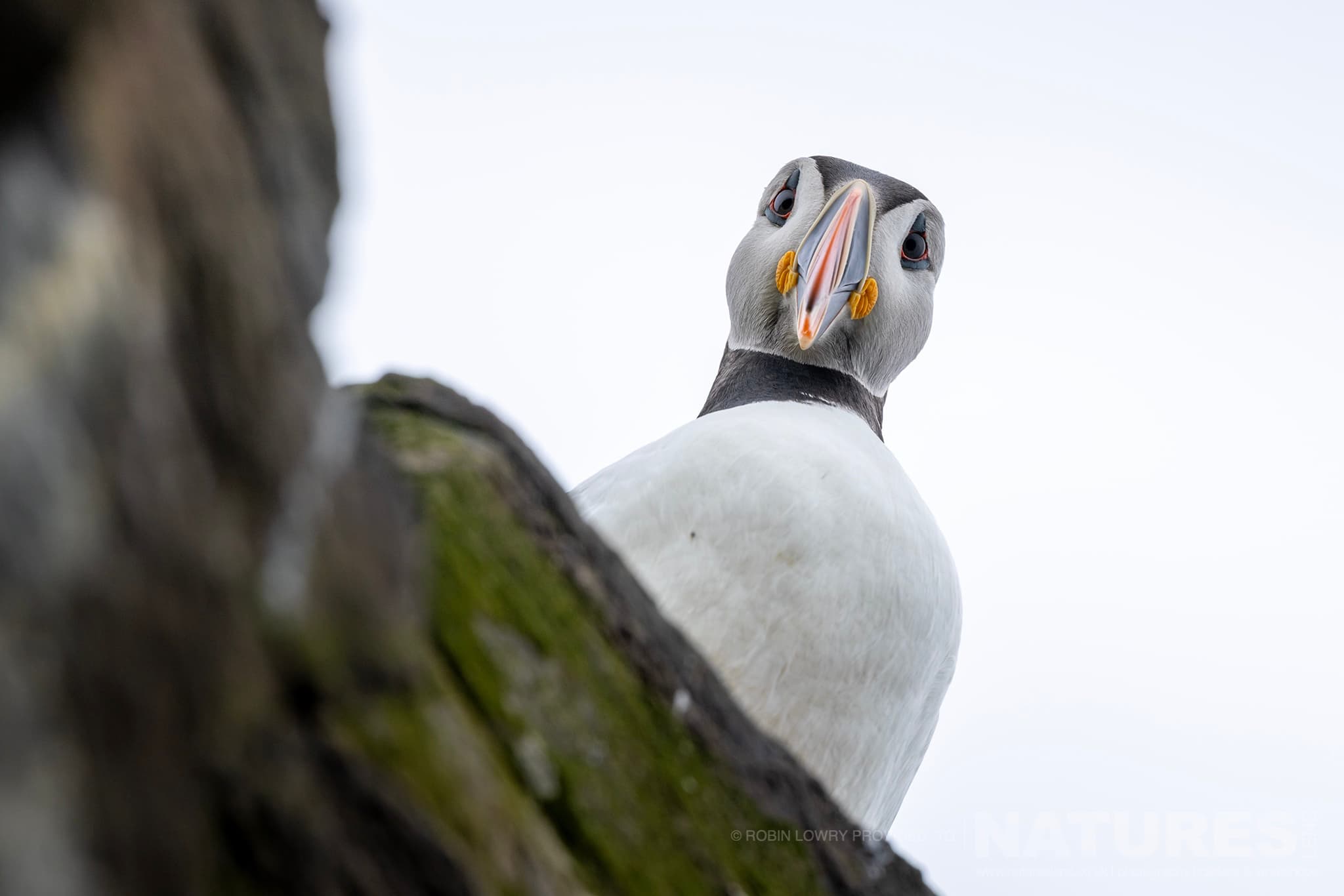
By early afternoon we were airborne, & within half an hour we touched down on Grímsey’s compact landing strip – a short walk from the guesthouse. The puffins were already everywhere – Grímsey’s Puffins, perched on the cliff edges & circling overhead in constant traffic.
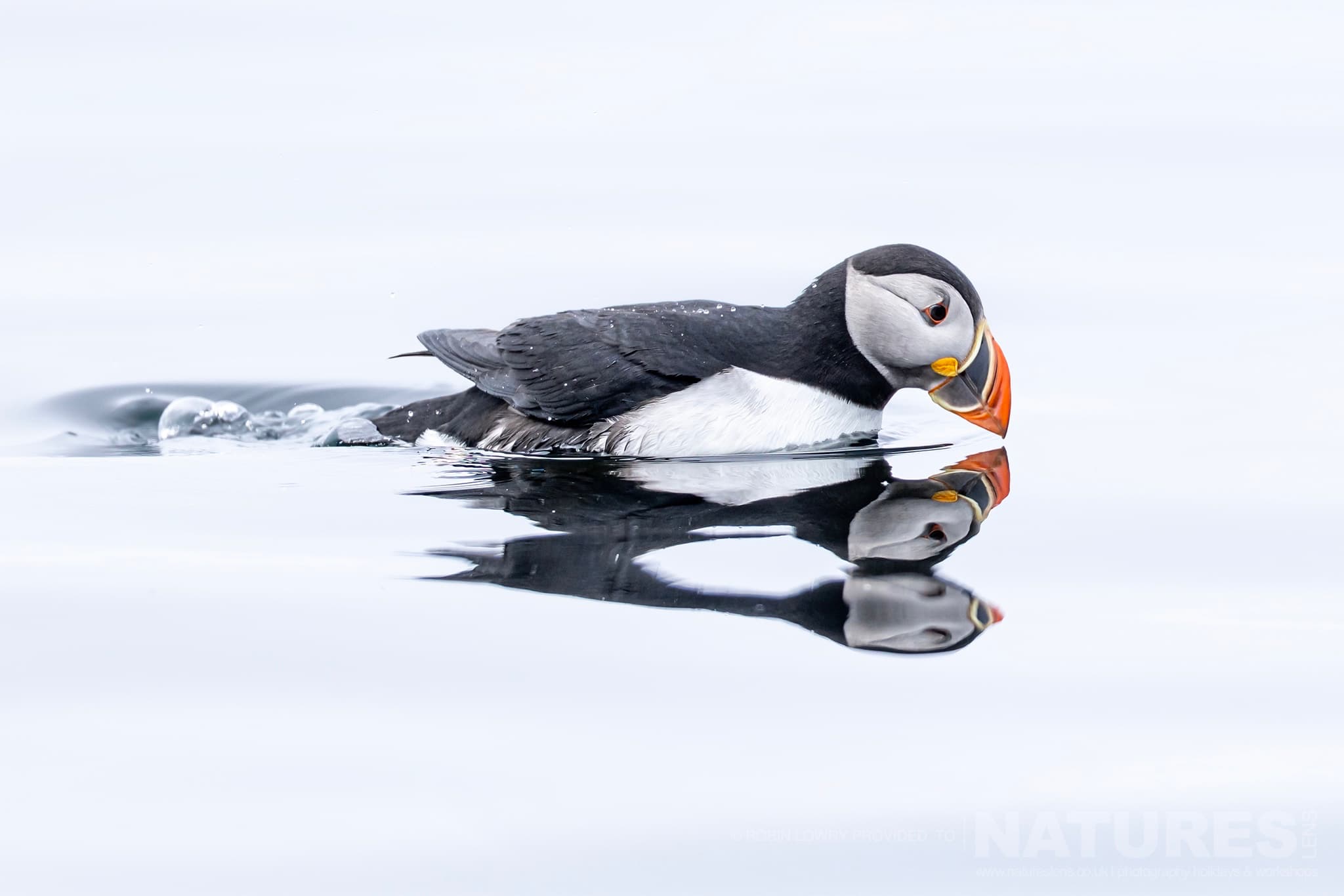
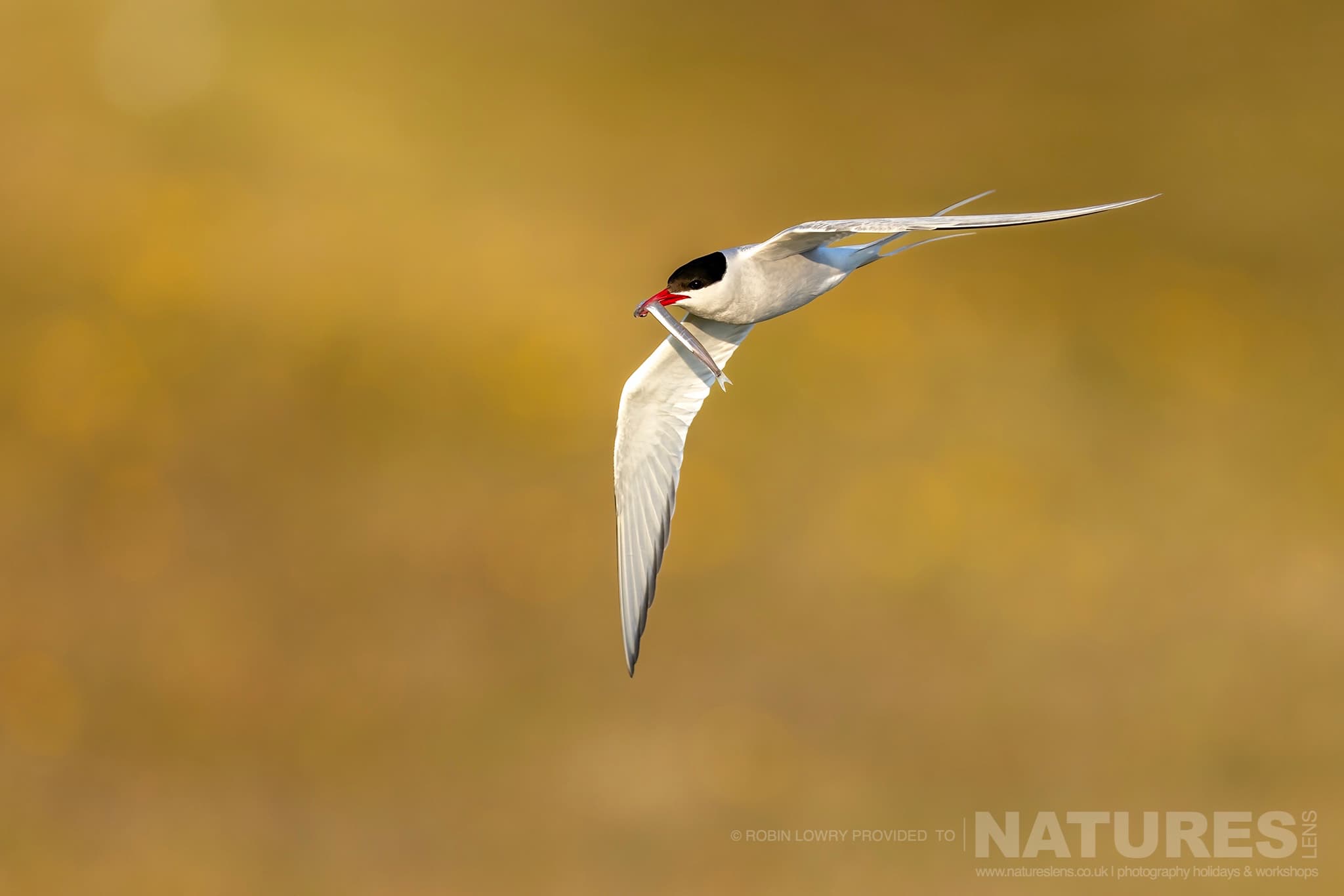
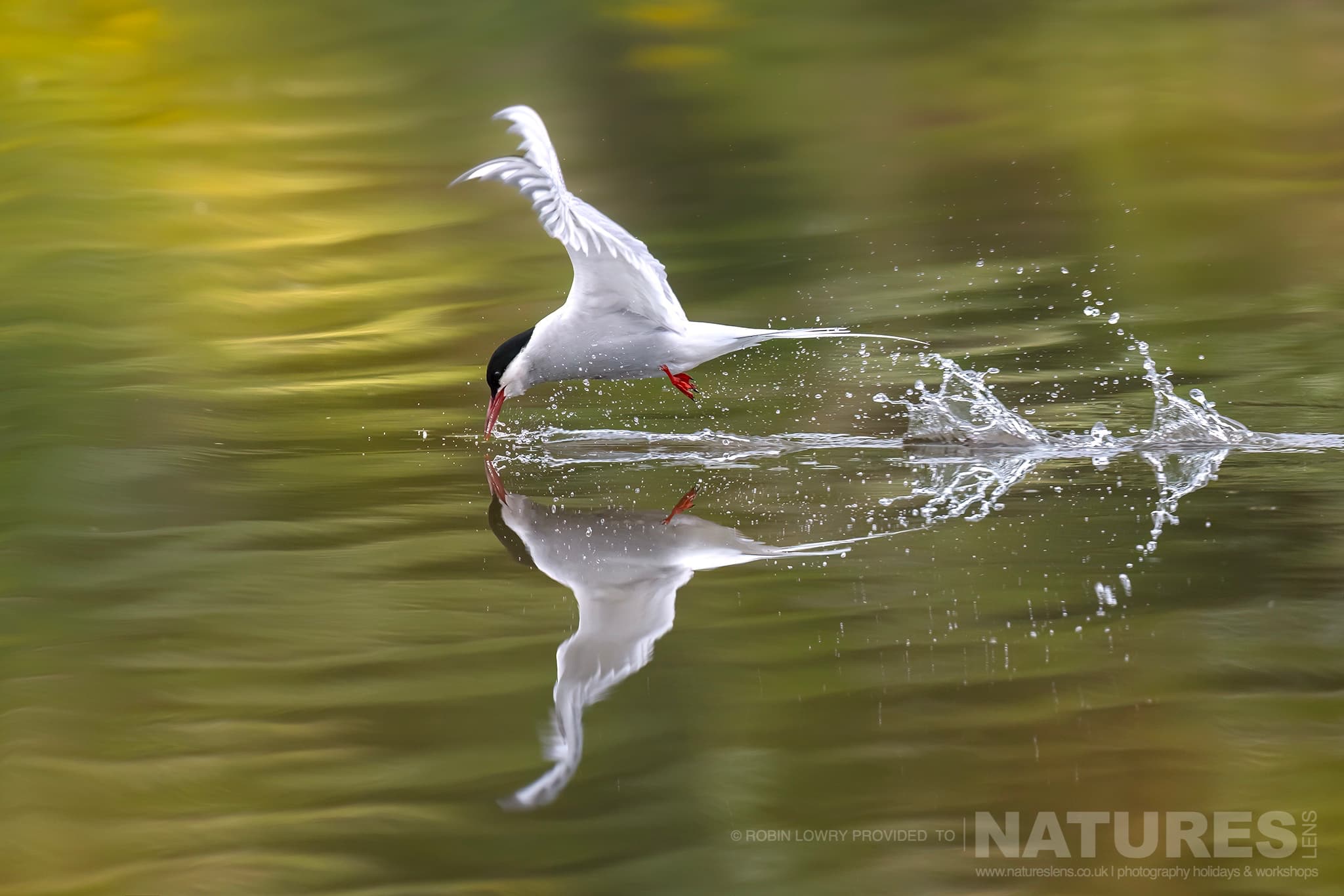
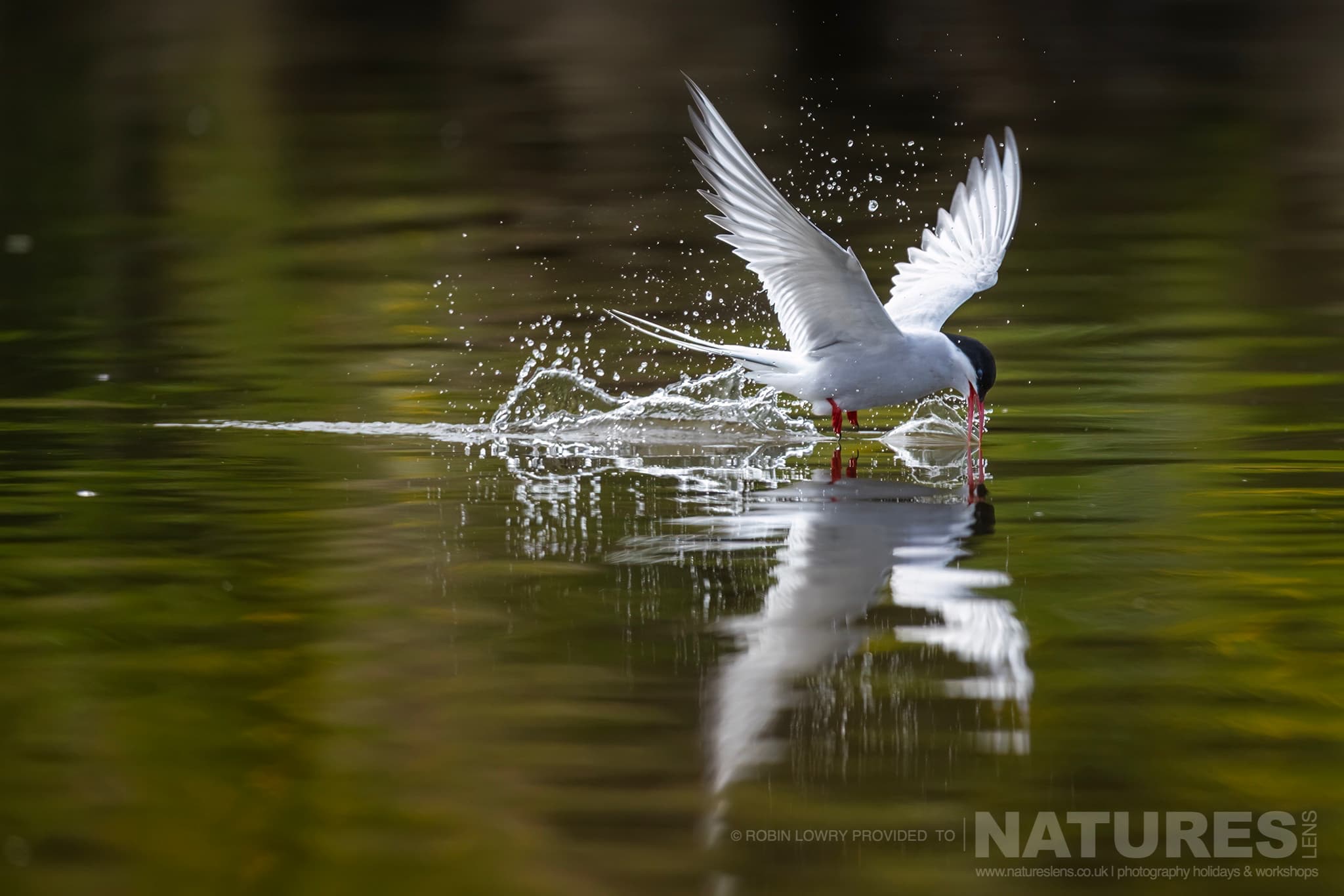
The overcast skies & lack of wind created perfect conditions for mirror-like reflections at the tarn, where Arctic Terns & Red-necked Phalaropes put on a cracking show.
Cliffside Action & Inland Discoveries
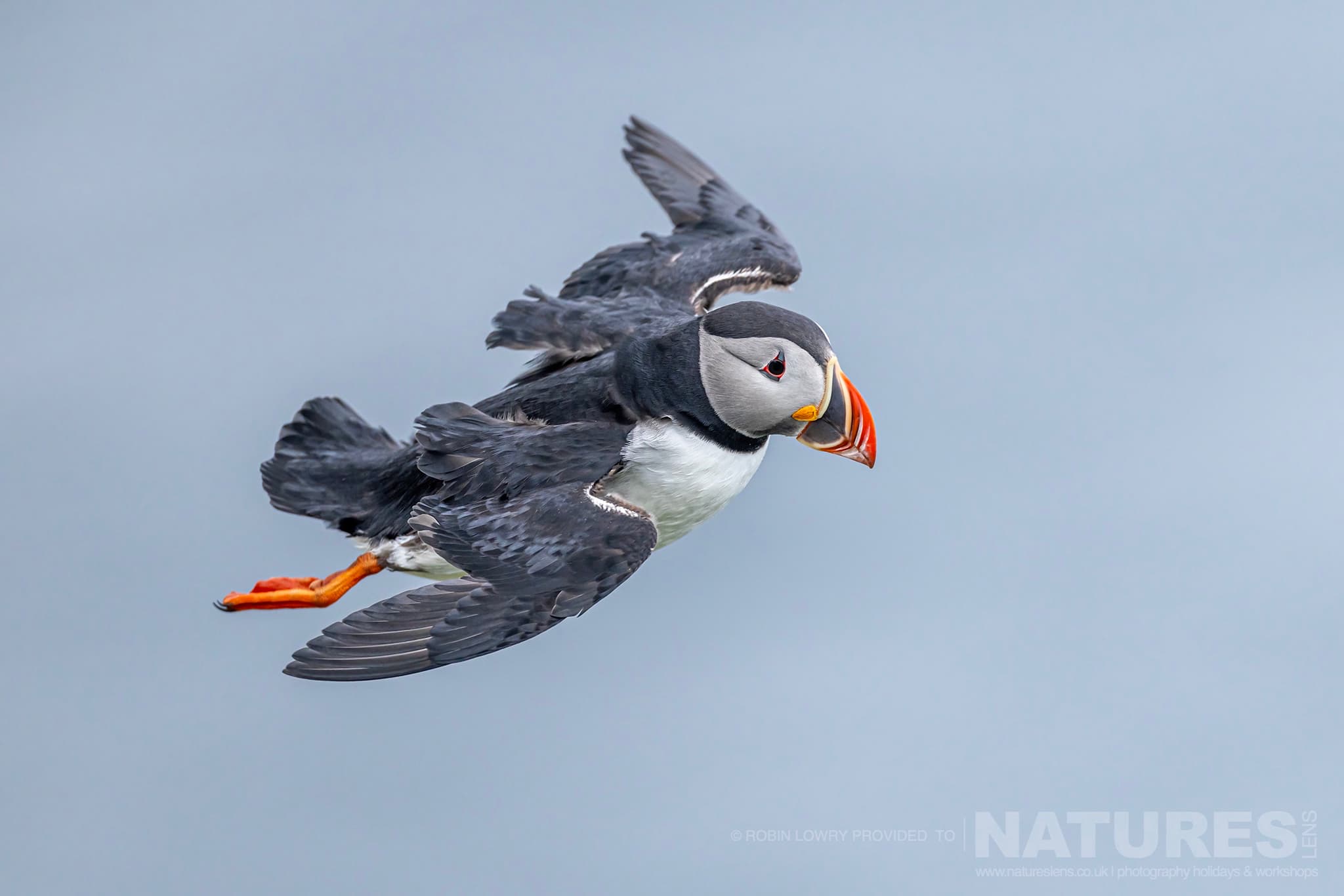
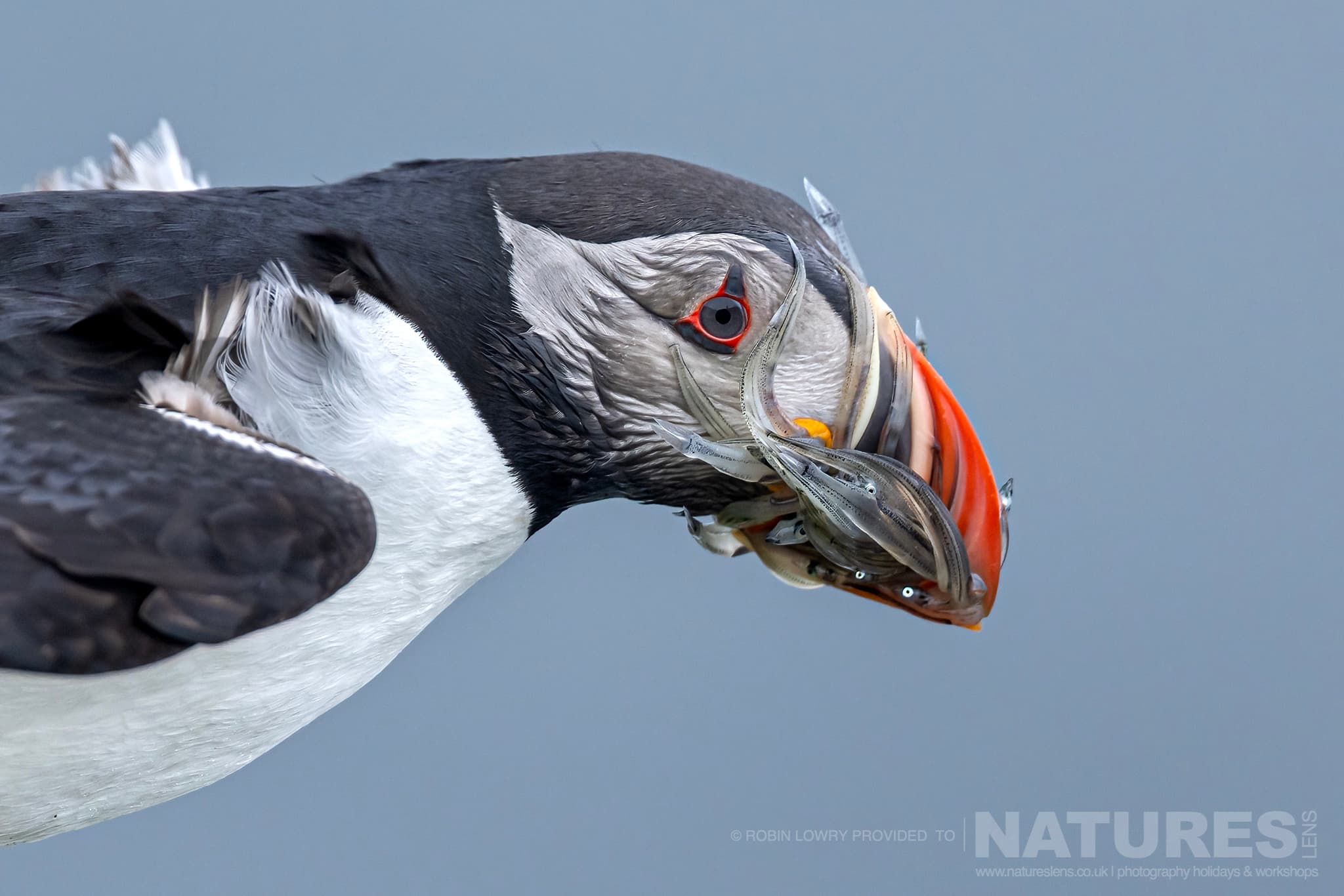
After breakfast the next morning (jet lag had caught up with a few of the group), we headed to the basalt cliffs. Puffins were darting in & out of their burrows constantly, giving us repeated chances for in-flight work – bright orange feet lowered for landing, beaks full of sand eels, the lot.
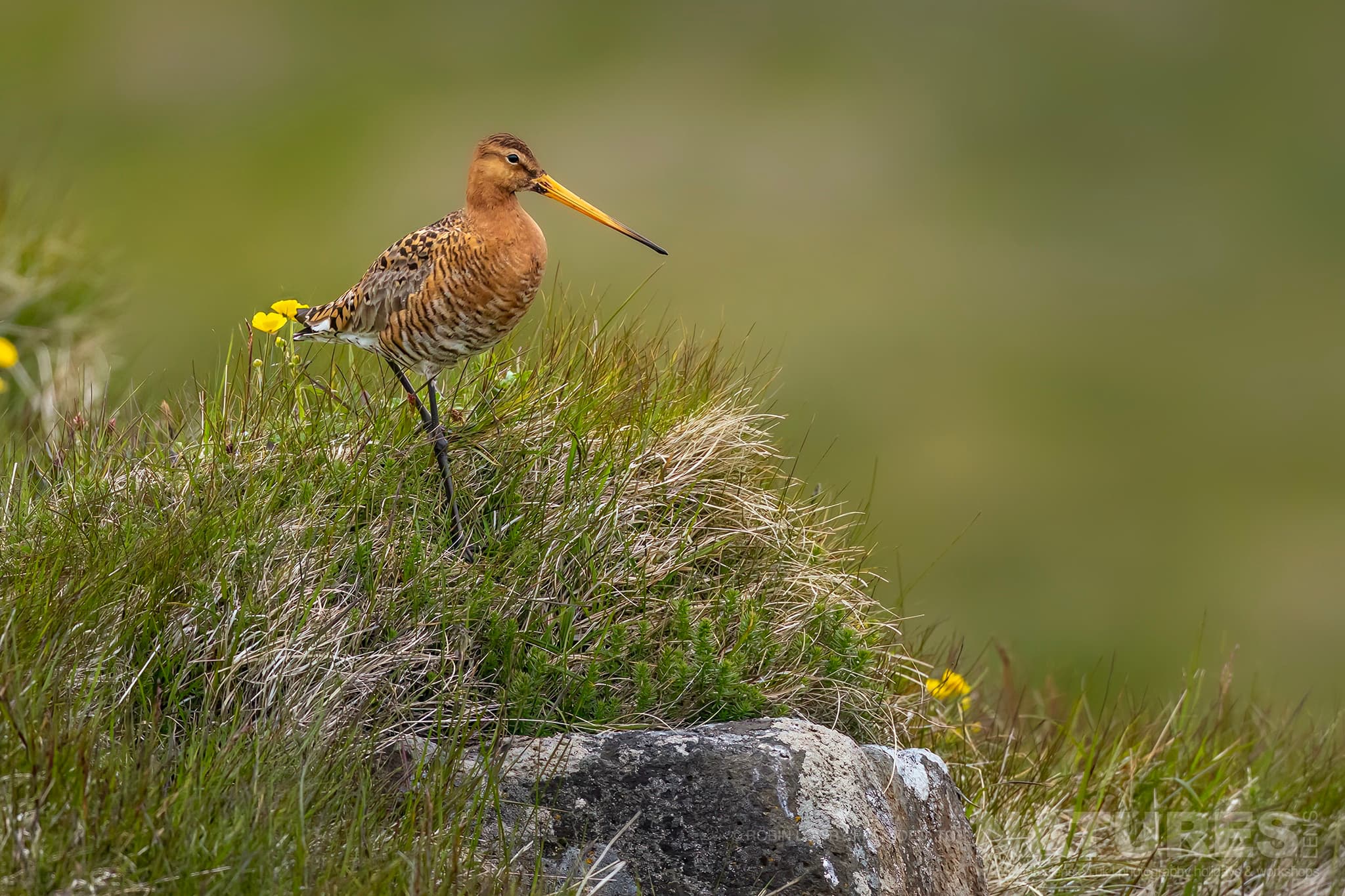
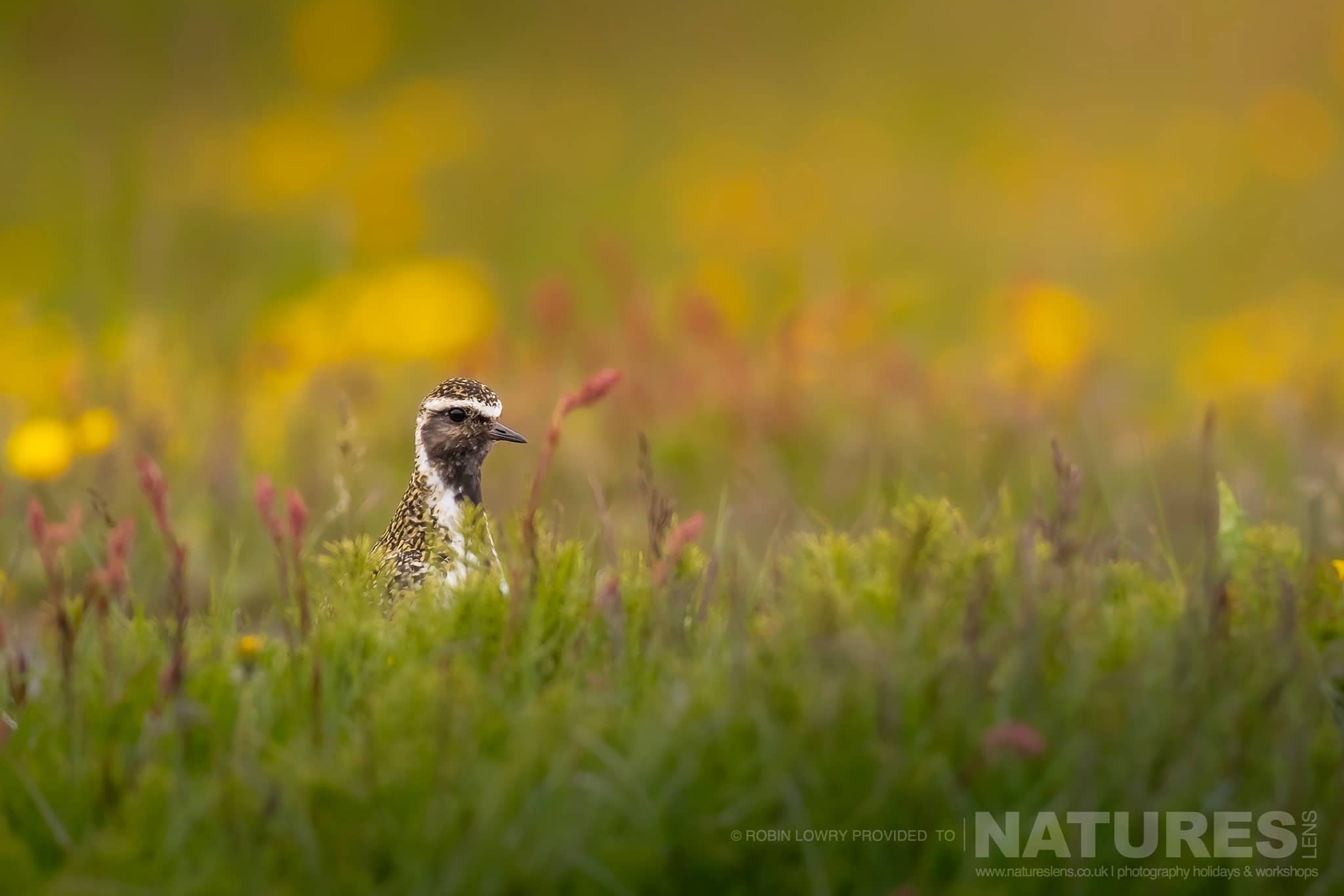
Inland, the island held plenty more: Golden Plovers, Redshanks, Snow Buntings, Black-tailed Godwits, & Common Snipe dotted the meadows. The Arctic Terns, fiercely protective of their nests, provided plenty of drama – diving at anyone daft enough to wander too close to their patch!
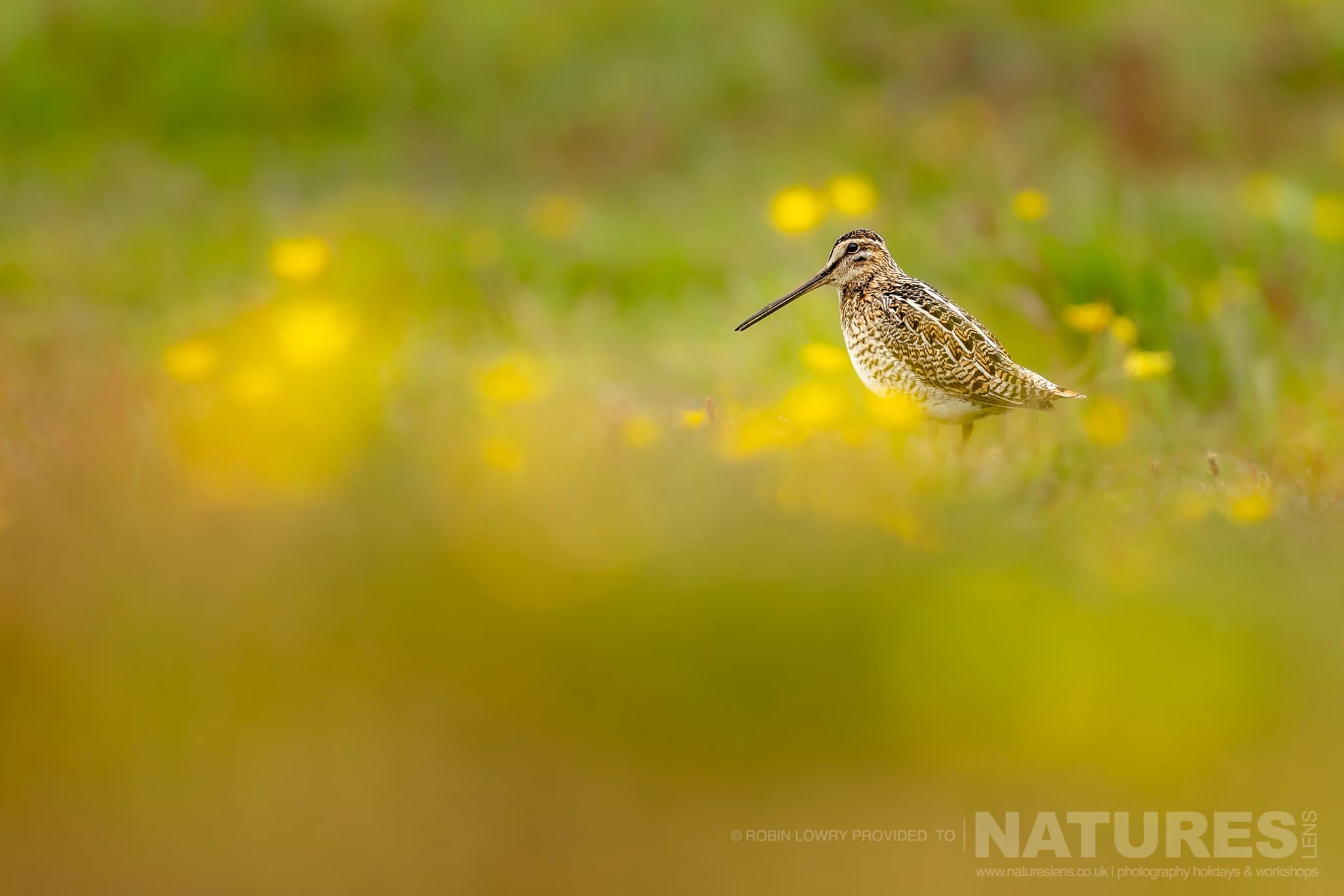
As evening came on, the clouds started breaking up, & soft pastel light spread across the landscape – a hint of what the solstice conditions would bring.
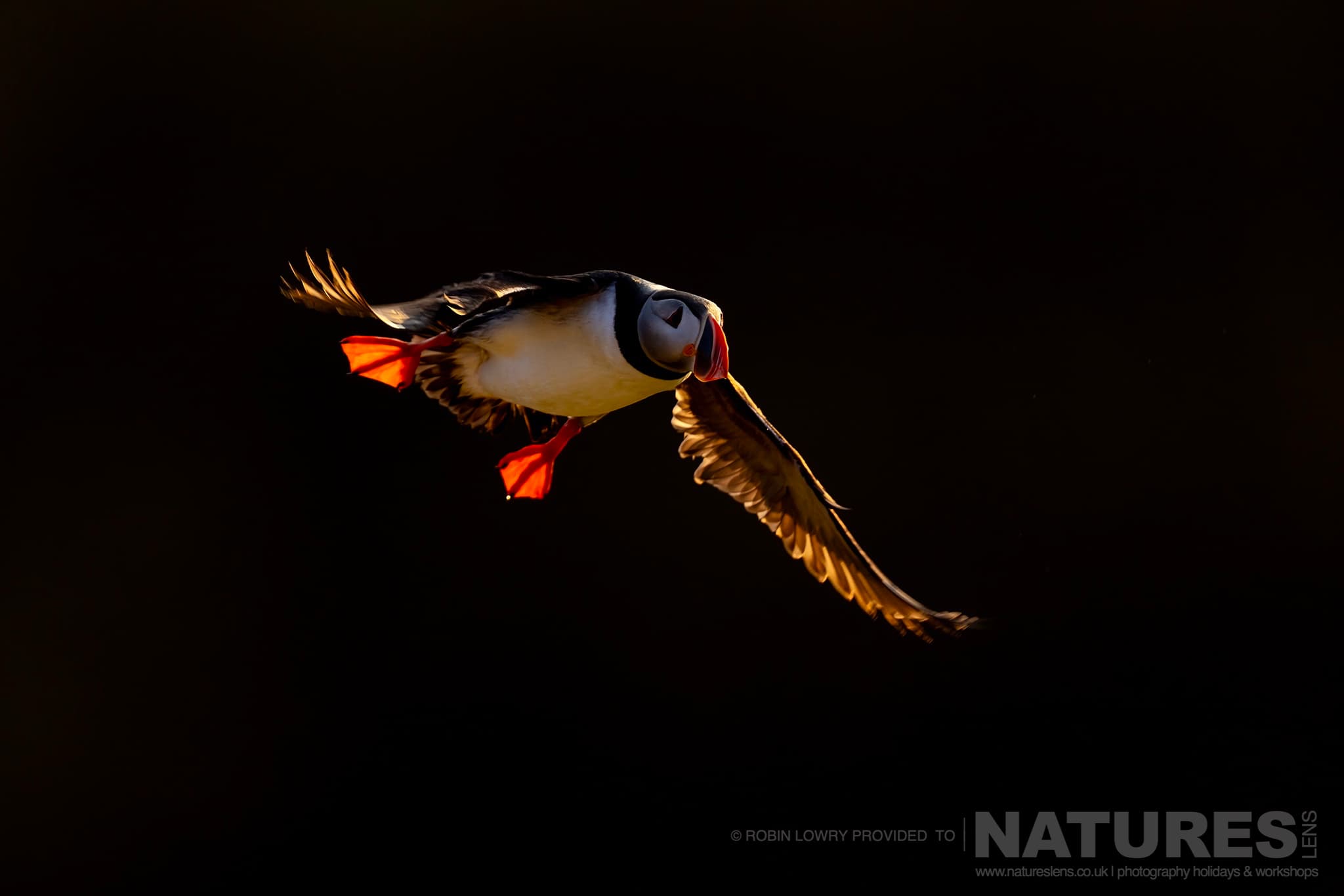
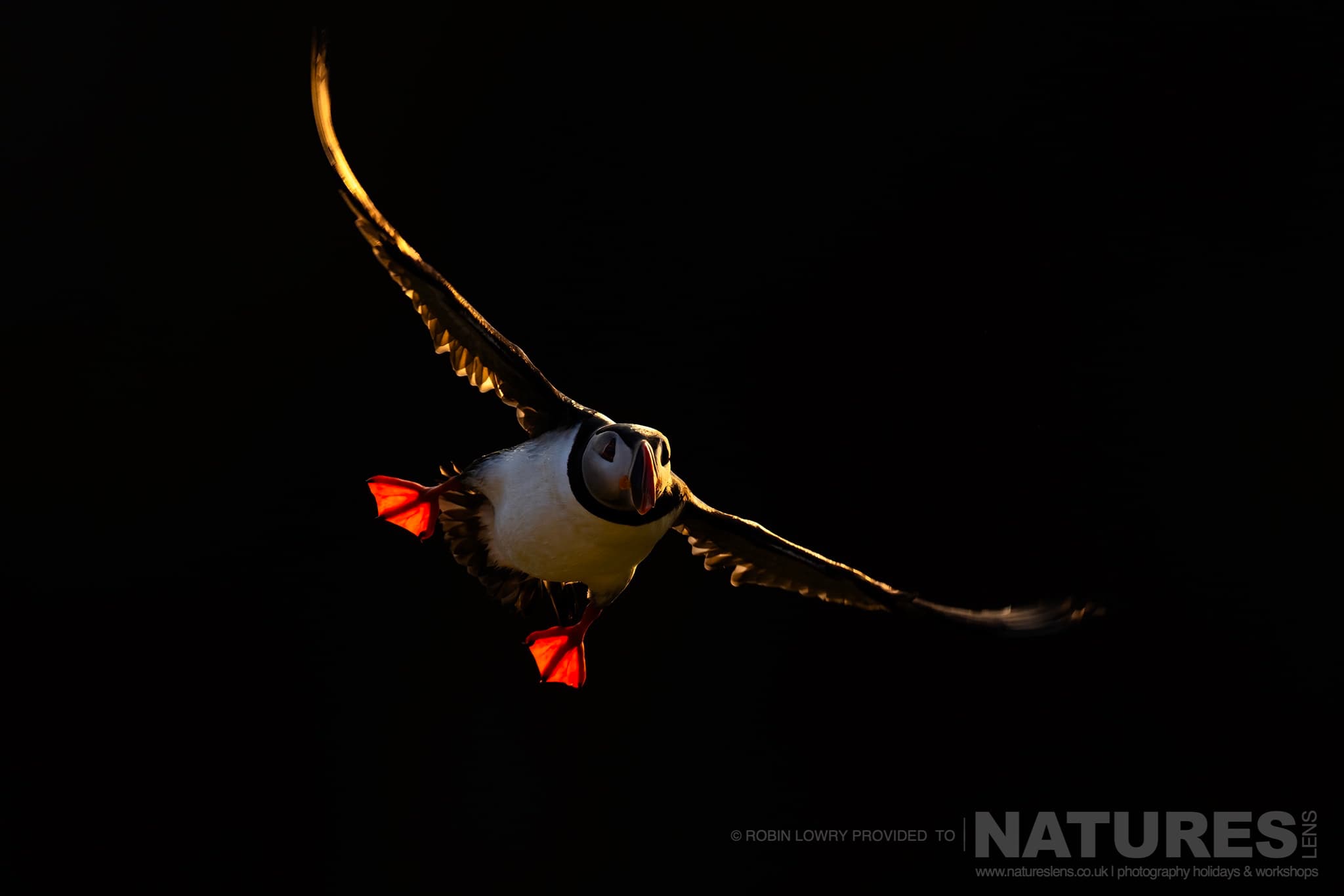
Solstice Magic – The Magic of the Midnight Sun & Slow Shutter Experiments
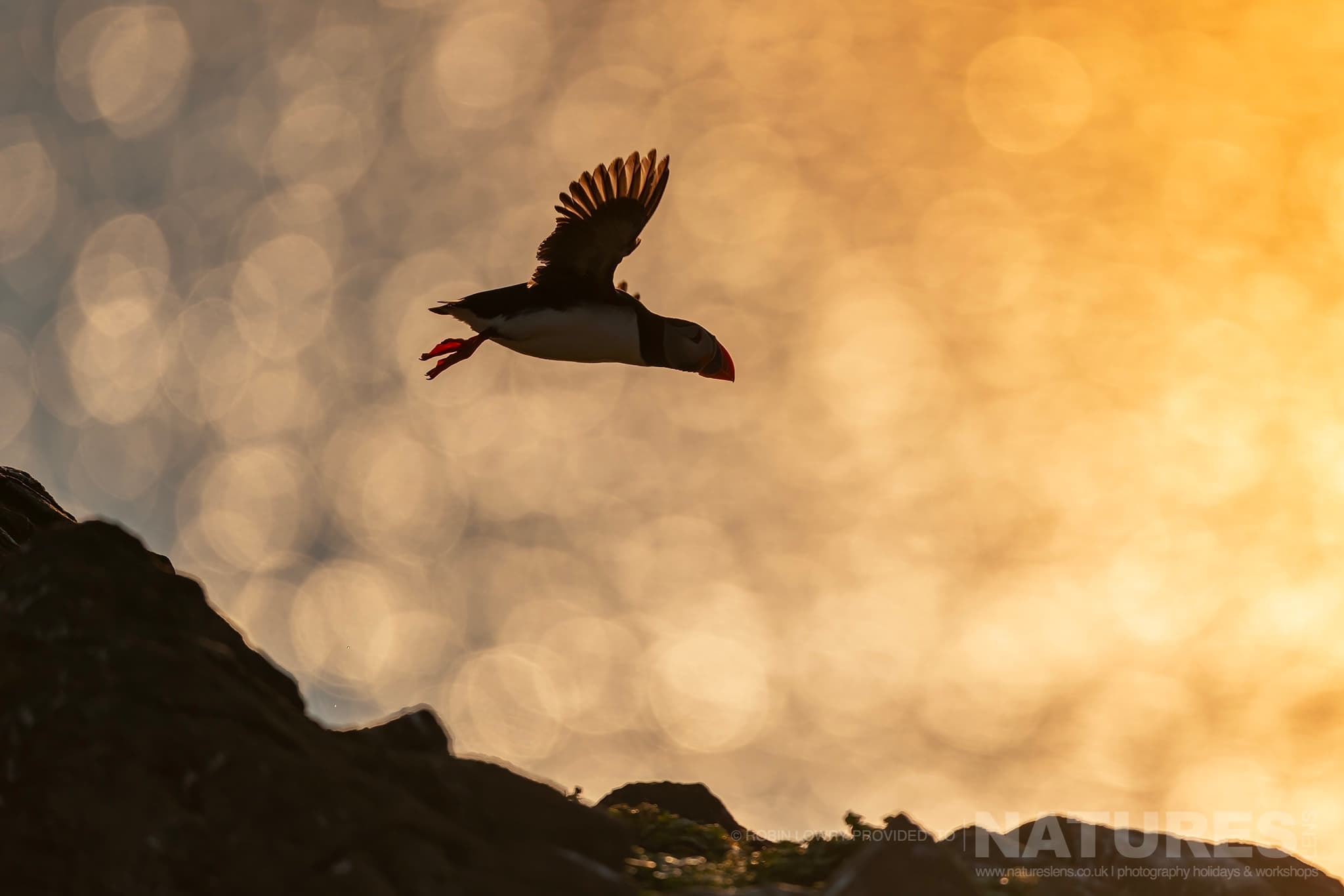
The Summer Solstice – 20th June – was the absolute highlight of our trip. With the sun never properly setting, we had 24 hours of golden light to play with. After a hearty dinner, we nipped back out to the cliffs, where Grímsey’s Puffins crossed against the glittering sea. This was the perfect moment to experiment with slow shutter speeds, creating artistic motion blur as the birds swooped past.
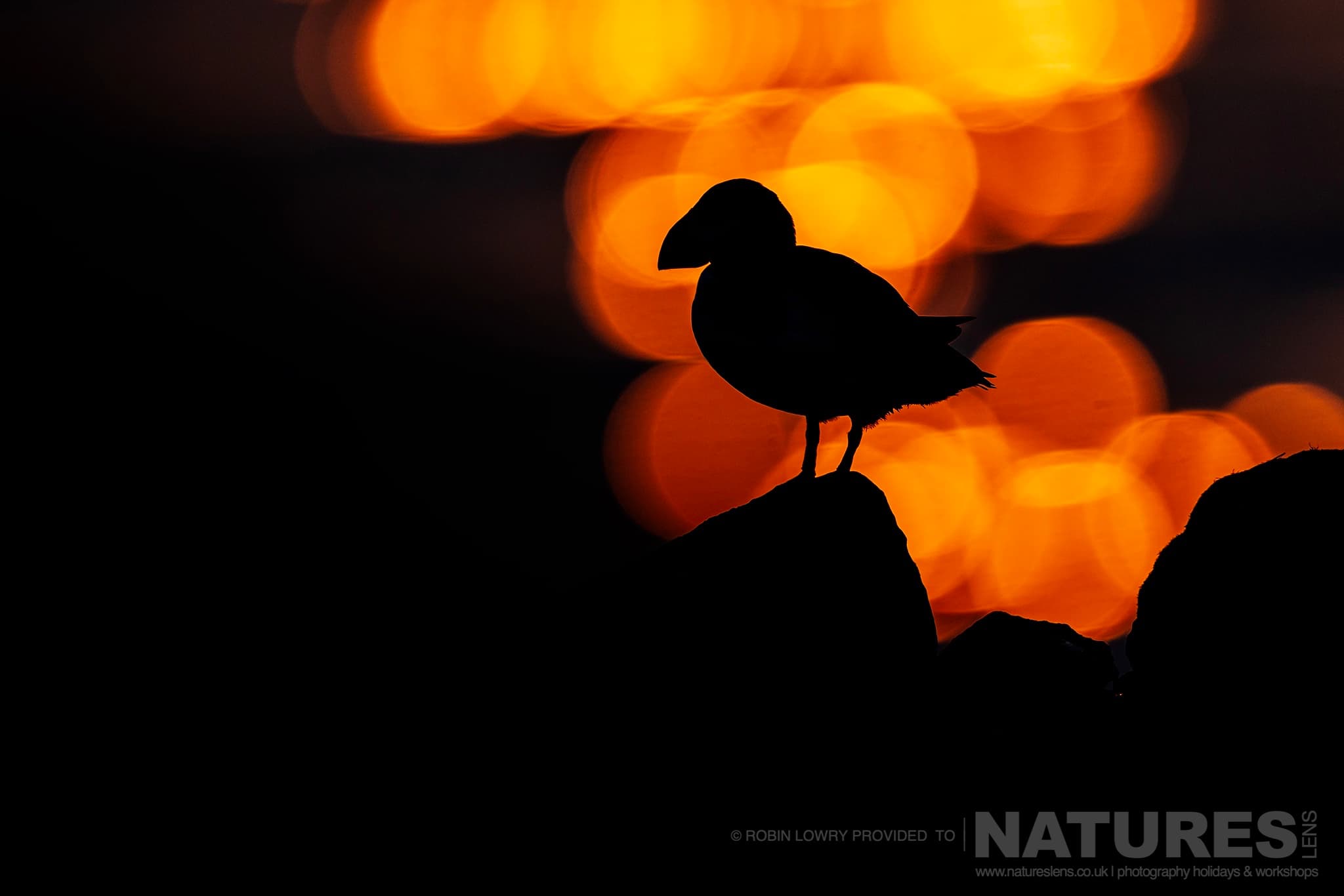
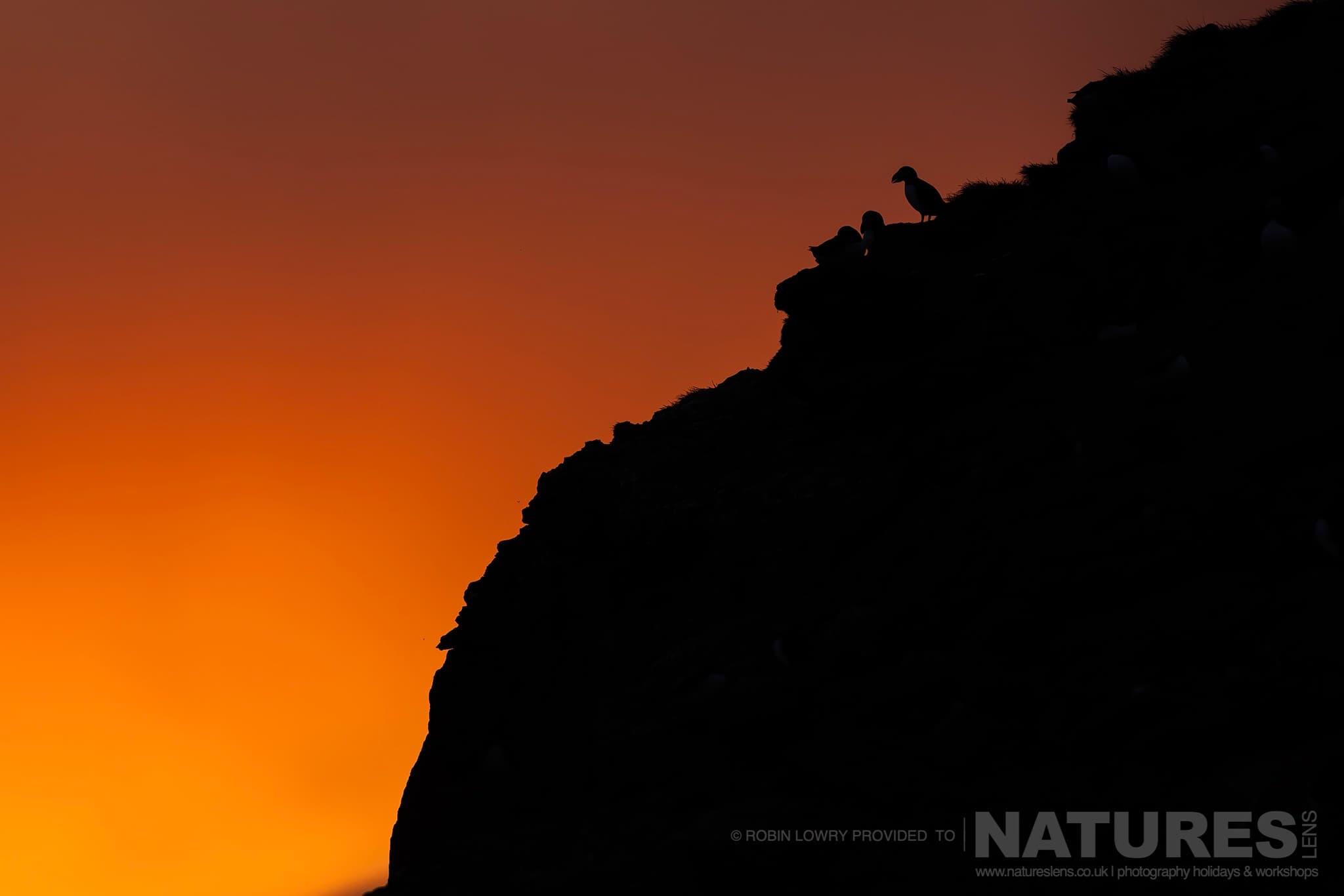
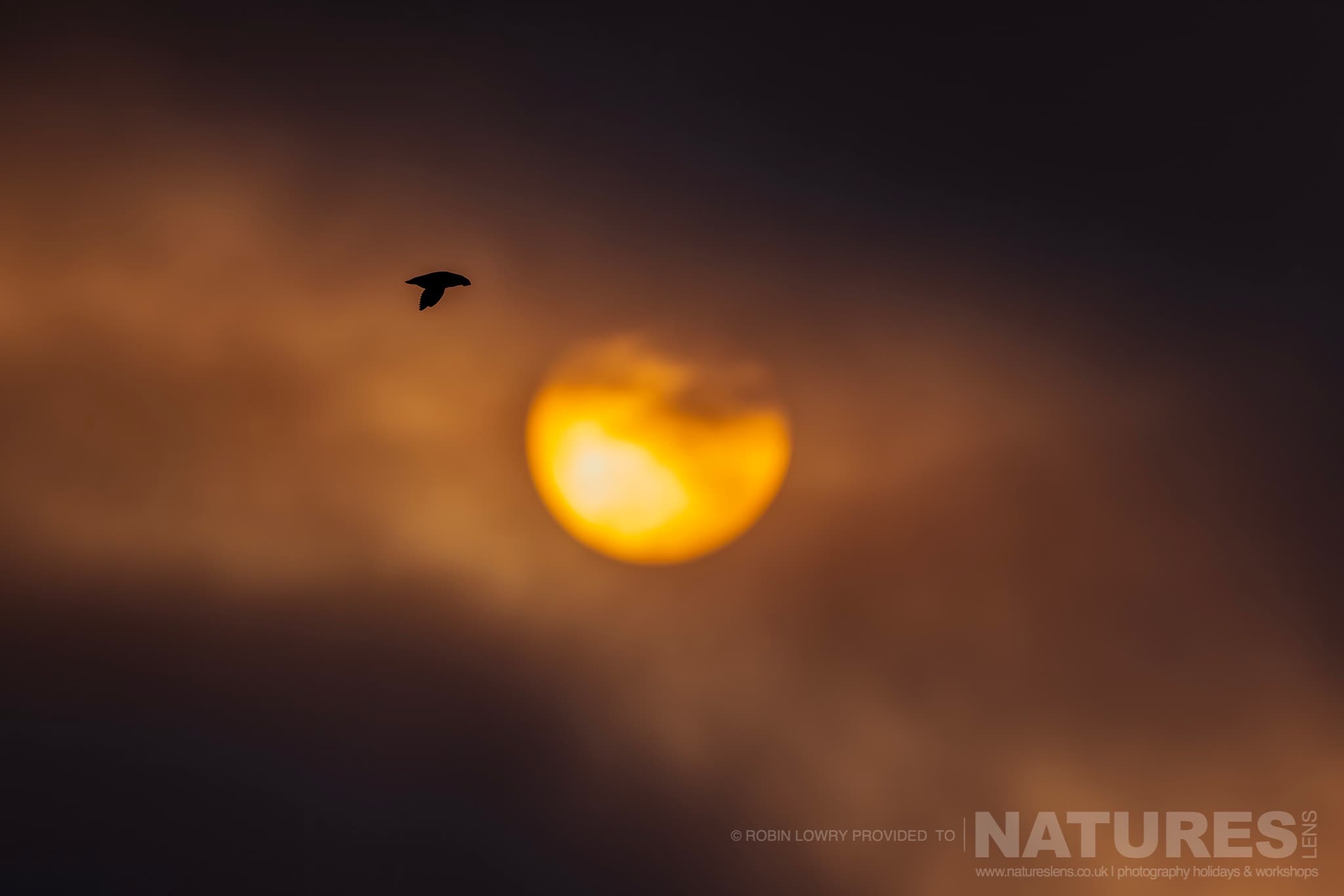
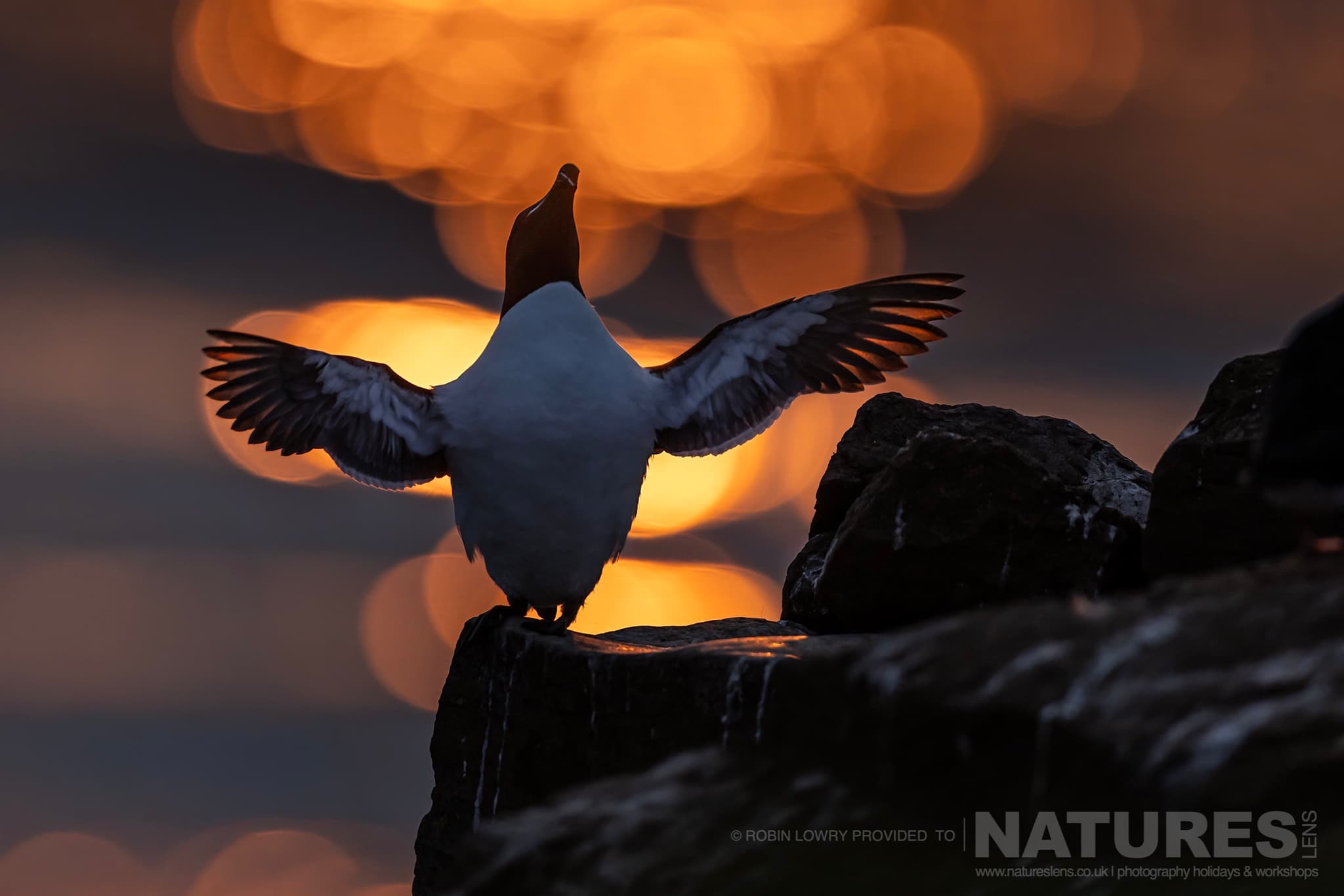
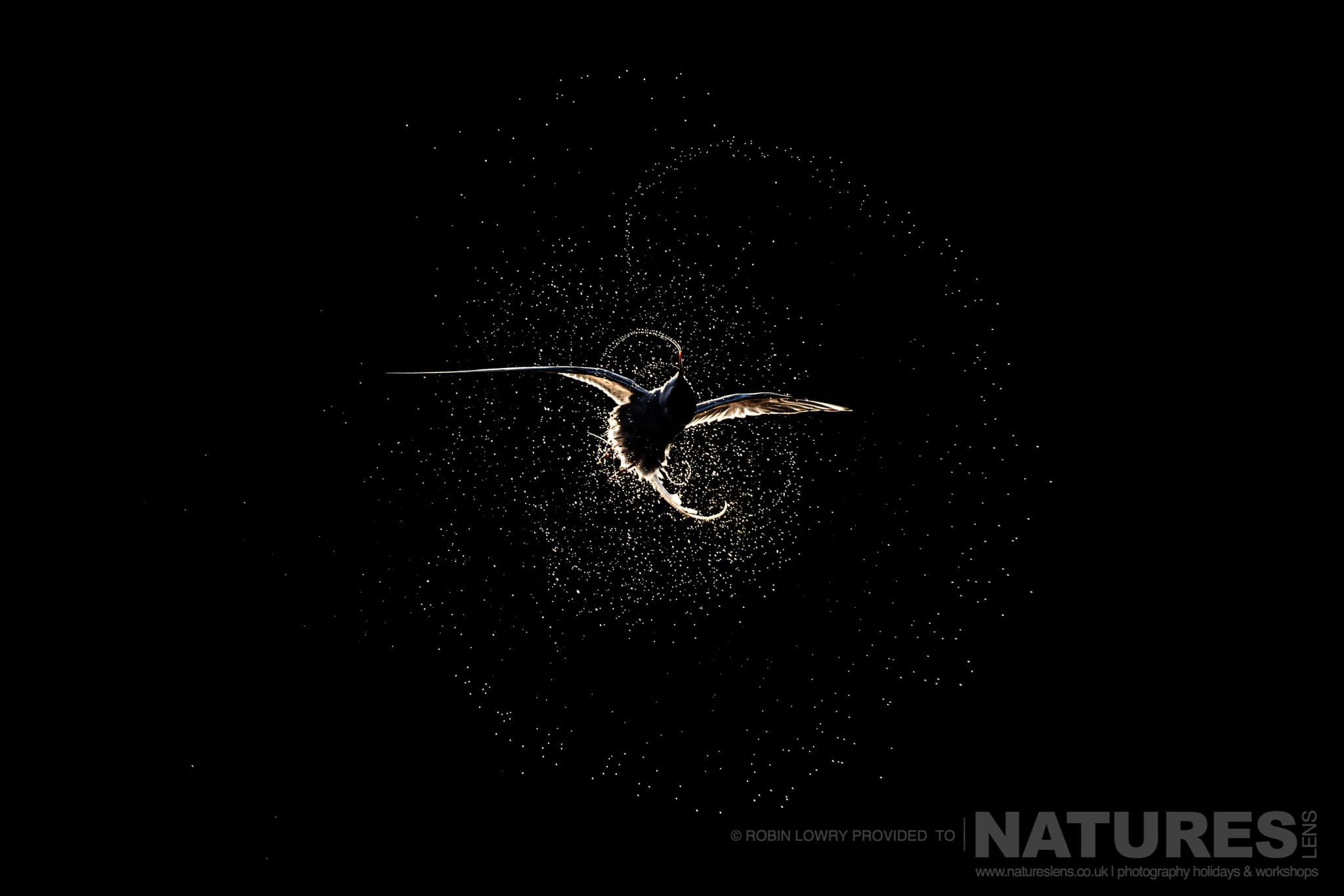
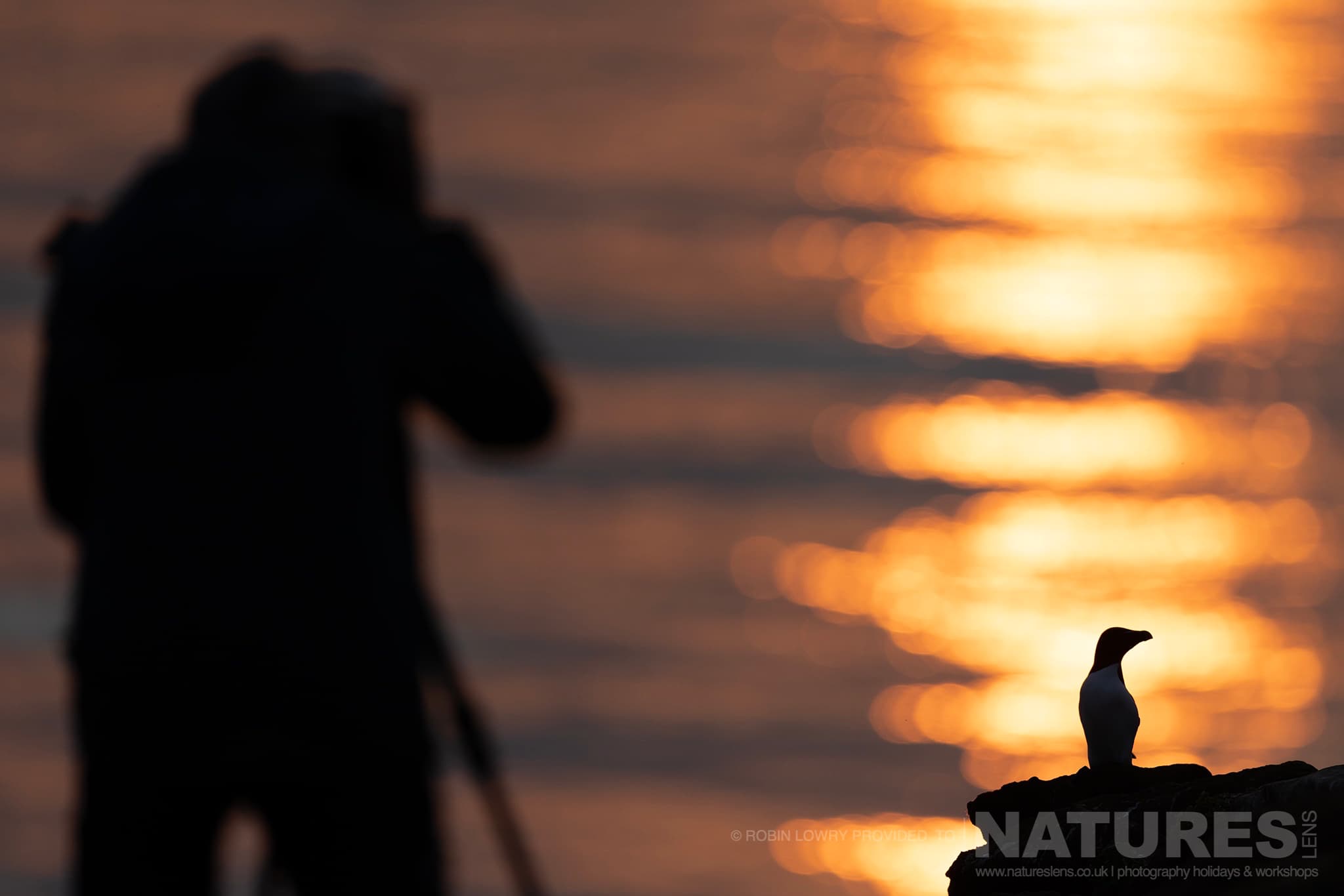
By 9 PM, the light was utterly sublime – warm & diffused. At the tarn, we captured backlit Arctic Terns as they bathed, droplets sparkling like diamonds. Then, just after midnight, a sea mist rolled in, softening every edge on the island. Those who stayed up (& let’s be honest, it wasn’t everyone!) were rewarded with a 1 AM sunrise, the sky turning deep orange & red as Grímsey’s Puffins & many Arctic Terns flew against the colour.
New Species & Coastal Drama
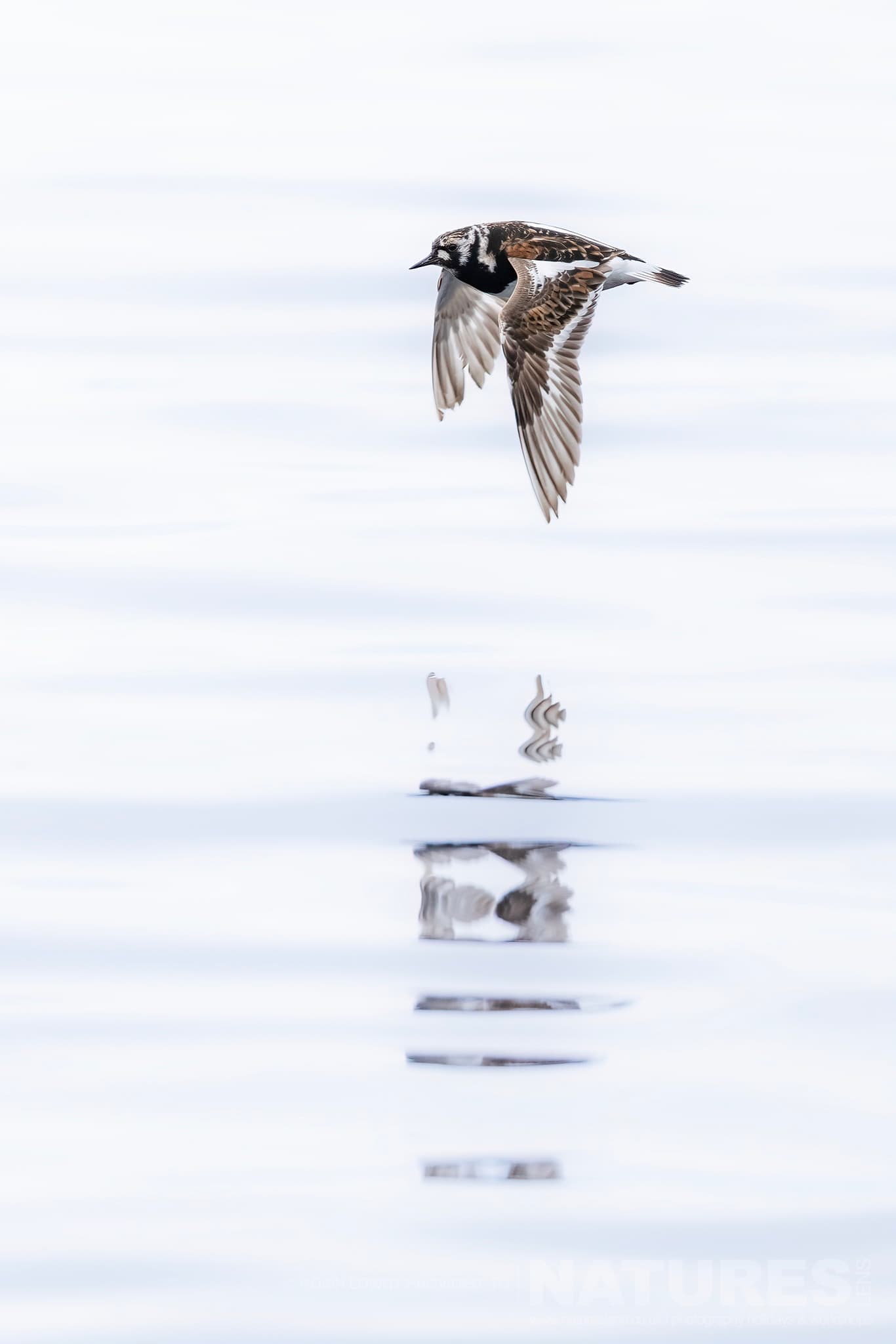
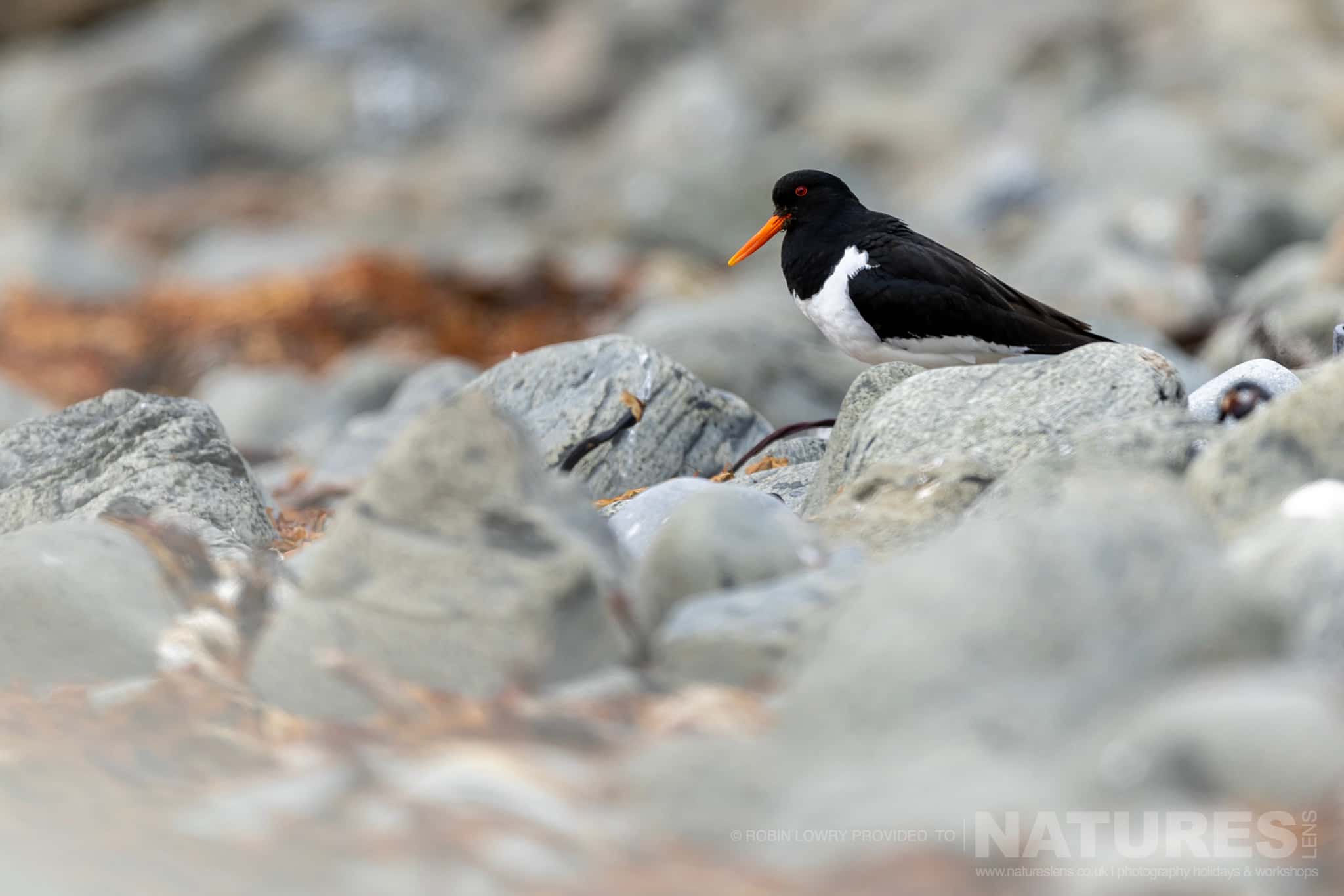
The following morning, we explored the southeastern lighthouse, where puffins mingled with Guillemots & Razorbills on the cliffs. On the rocky shore below, we found Purple Sandpipers, Turnstones, Dunlins, & – most excitingly – a Red Phalarope, a first for me on Grimsey!
Back at the tarn, we honed our skills with Arctic Terns skimming the water & Red-necked Phalaropes spinning in tight circles, their delicate forms reflected perfectly in the calm surface.
Day 5 – Windswept Farewell & a Whale of a Time
Our final day brought really blustery conditions – a challenge, but also a brilliant opportunity. The gusts allowed us to capture puffins hovering motionless at eye level along the cliffs, their wings beating like mad against the breeze.
With our flight cancelled due to high winds, we might say this was typical British summer weather, except we were in Iceland, we took the ferry back to Dalvík – & were treated to an impressive send-off: Humpback Whales & dolphins surfing the waves alongside us!
That evening in Akureyri, we gathered for a final group dinner & chatted about our our favourite images, but more importantly the memories we had created & shared.
From the puffin-covered cliffs to the surreal beauty of the solstice light, Grímsey had delivered the goods time & time again.
Species Photographed on Grímsey Island during our 2025 visit
- Atlantic Puffin (Fratercula arctica) – Nesting, flying, feeding
- Arctic Tern (Sterna paradisaea) – Diving, bathing, mid-flight drinking
- Red-necked Phalarope (Phalaropus lobatus) – Spinning in tarns
- Red Phalarope (Phalaropus fulicarius) – Rare as hen’s teeth
- Eider Duck (Somateria mollissima) – Coastal reflections
- Red-throated Diver (Gavia stellata) – Calm water portraits
- Great Northern Diver (Gavia immer) – Early morning sighting
- Golden Plover (Pluvialis apricaria) – Inland meadows
- Common Redshank (Tringa totanus) – Wetland foraging
- Snow Bunting (Plectrophenax nivalis) – Ground-level shots
- Black-tailed Godwit (Limosa limosa) – Marshy habitats
- Common Snipe (Gallinago gallinago) – Camouflaged in grass
- Guillemot (Uria aalge) – Cliffside colonies
- Razorbill (Alca torda) – Mixed with puffins
- Purple Sandpiper (Calidris maritima) – Rocky shoreline
- Turnstone (Arenaria interpres) – Beach foraging
- Dunlin (Calidris alpina) – Flitting between rocks
- Humpback Whale (Megaptera novaeangliae) – Ferry crossing surprise
- Dolphins (Delphinidae spp.) – Showing off in the waves
Why Grímsey Island for Puffins?
With its heaving birdlife, dramatic basalt cliffs, & endless summer daylight, Grímsey is the real thing for wildlife photographers.
NaturesLens has been running trips here for five years – longer than any other UK operator – & our guests always come away with a portfolio full of fantastic images of Grímsey’s Puffins.
If you’re after puffins, terns, & a proper Arctic adventure, Grímsey should be at the top of your list.