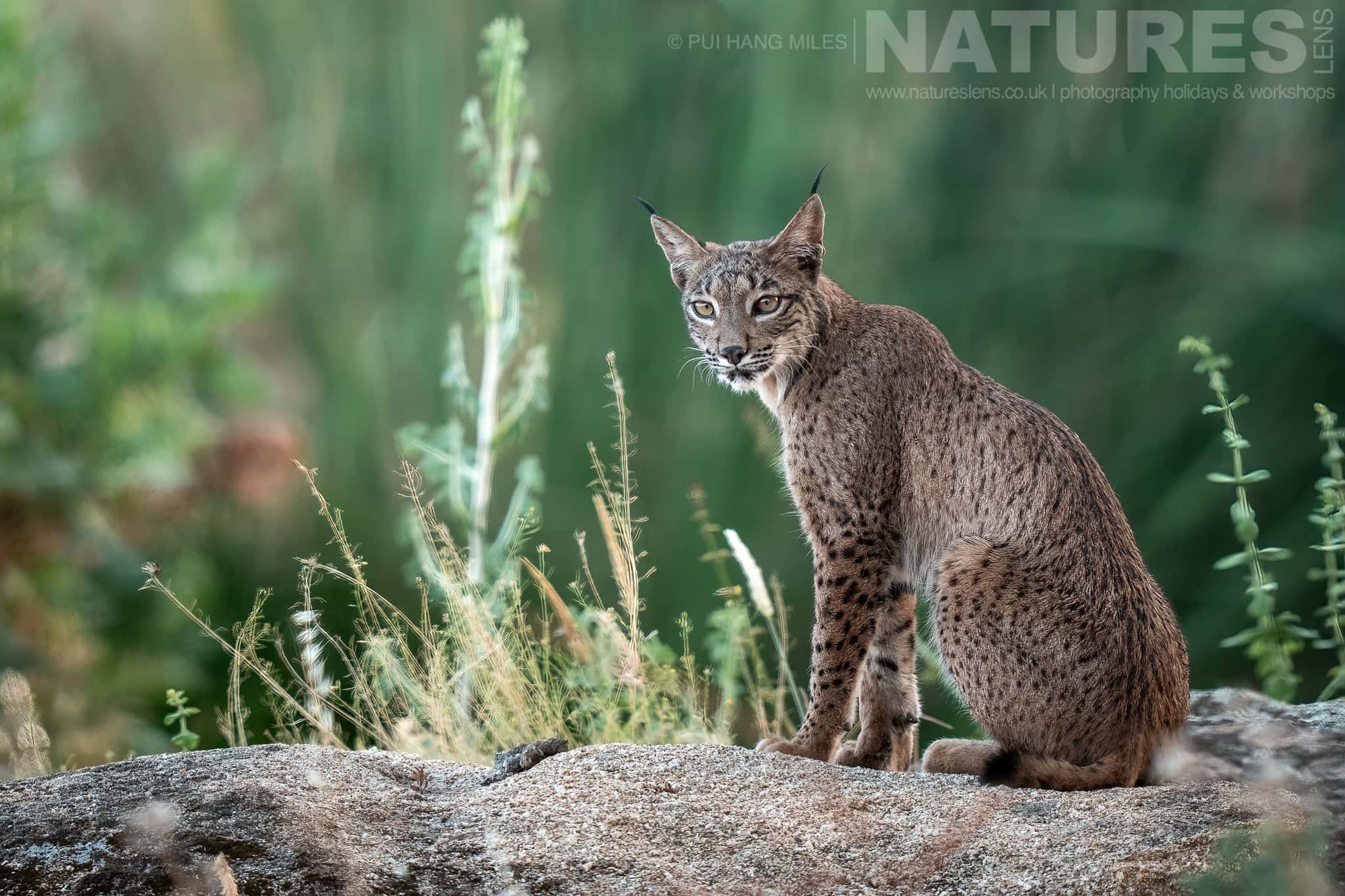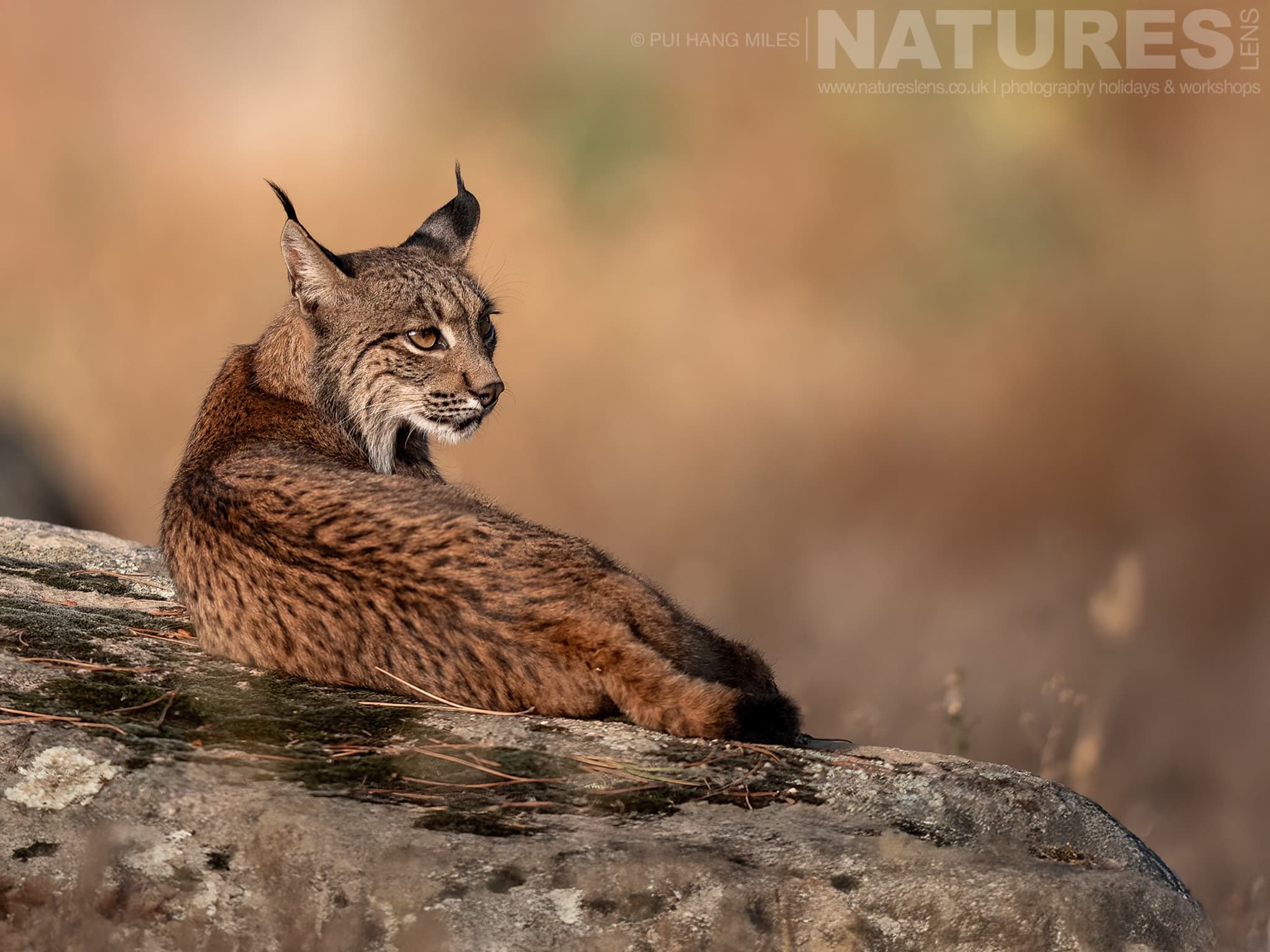
Few experiences in wildlife photography are as thrilling – or as humbling – as coming face-to-face with one of the planet’s most elusive & endangered creatures – the Iberian lynx. Leading a tour dedicated to photographing the Iberian lynx (Lynx pardinus) was not just a professional highlight for me but a profound reminder of the delicate balance between humanity & nature. Once teetering on the brink of extinction, this majestic feline has become a symbol of conservation success – yet spotting it in the wild remains a rare & extraordinary privilege.
In this trip report, which follows me leading our Elusive Iberian Lynx during Summer Photography Holiday, I’ll share the highs, the near-misses, & the unforgettable encounters from our week with the elusive lynx, as well as the vital conservation efforts that have given this species a fighting chance. Join me as I reflect on what it means to witness – & document – one of nature’s greatest comeback stories.
Day 1 – Arrival in the Scorching Spanish Heat
Our adventure began with a flight into Spain, where we were greeted by blazing sunshine & temperatures that left no doubt we were in Iberia. After collecting our gear, we made our way to the Parque Natural de Sierra Morena, a stronghold for the critically endangered Iberian lynx. Over dinner, we discussed the week’s itinerary, our excitement barely contained – would we be lucky enough to photograph this rare & enigmatic cat?
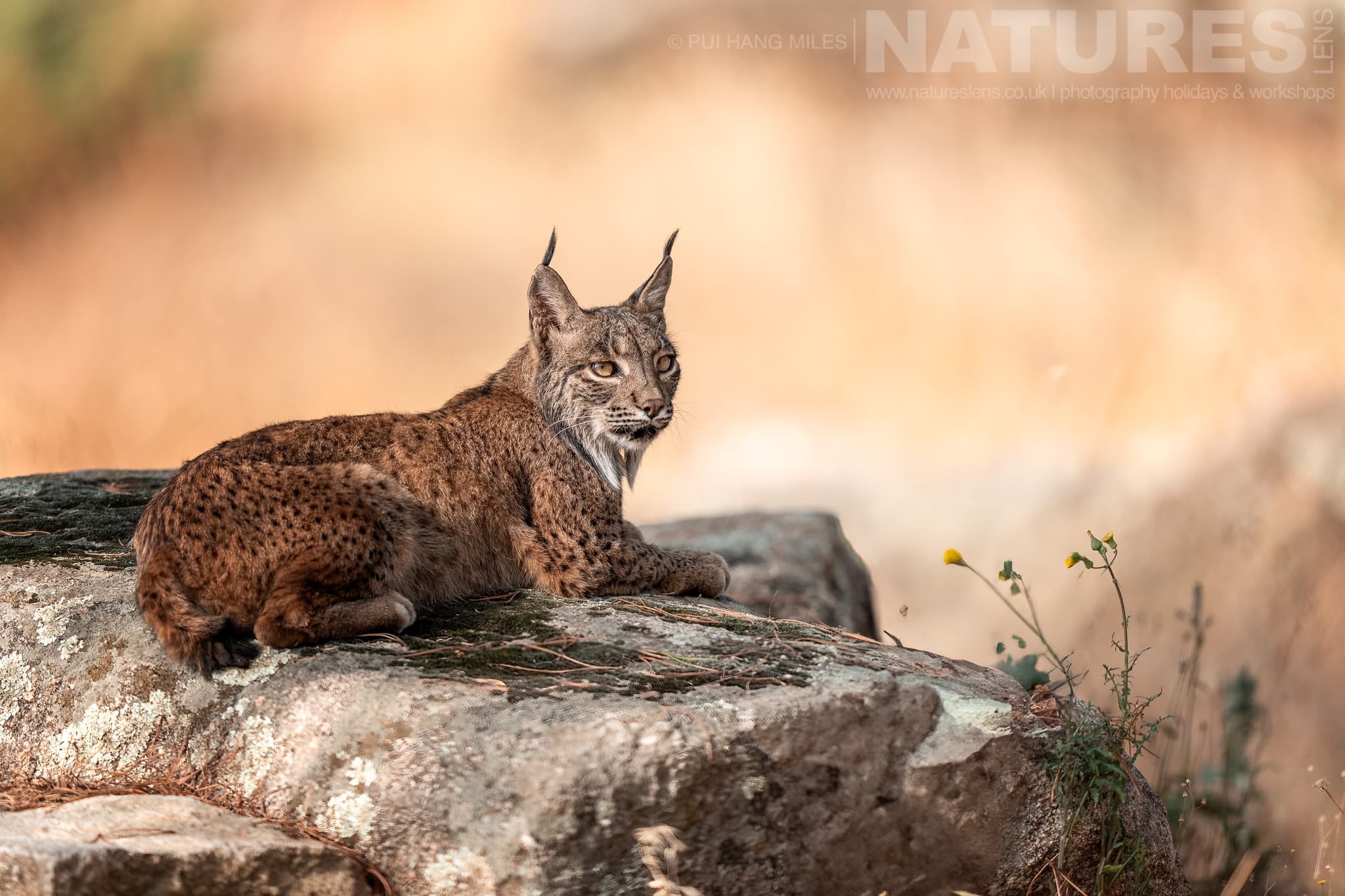
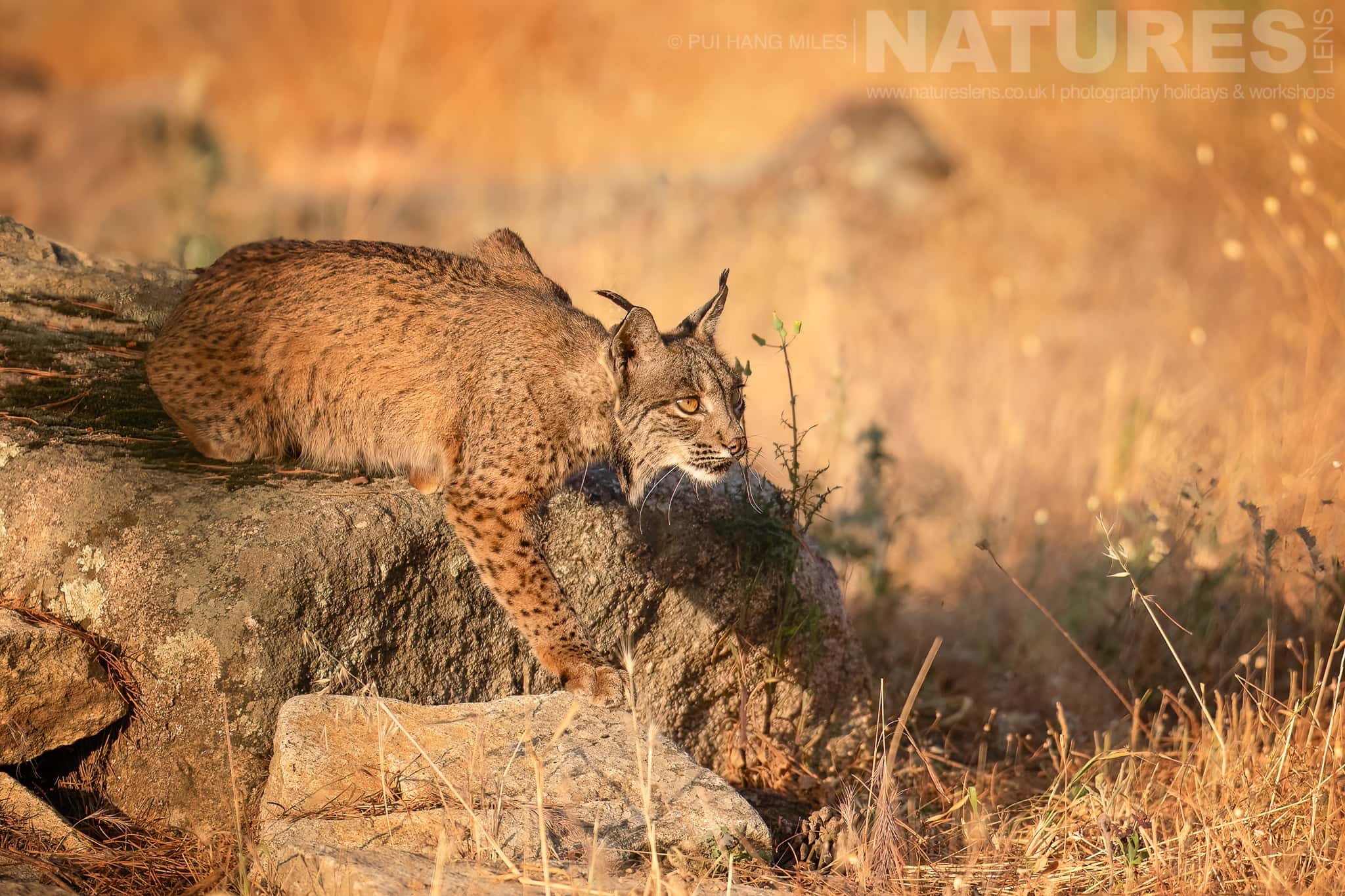
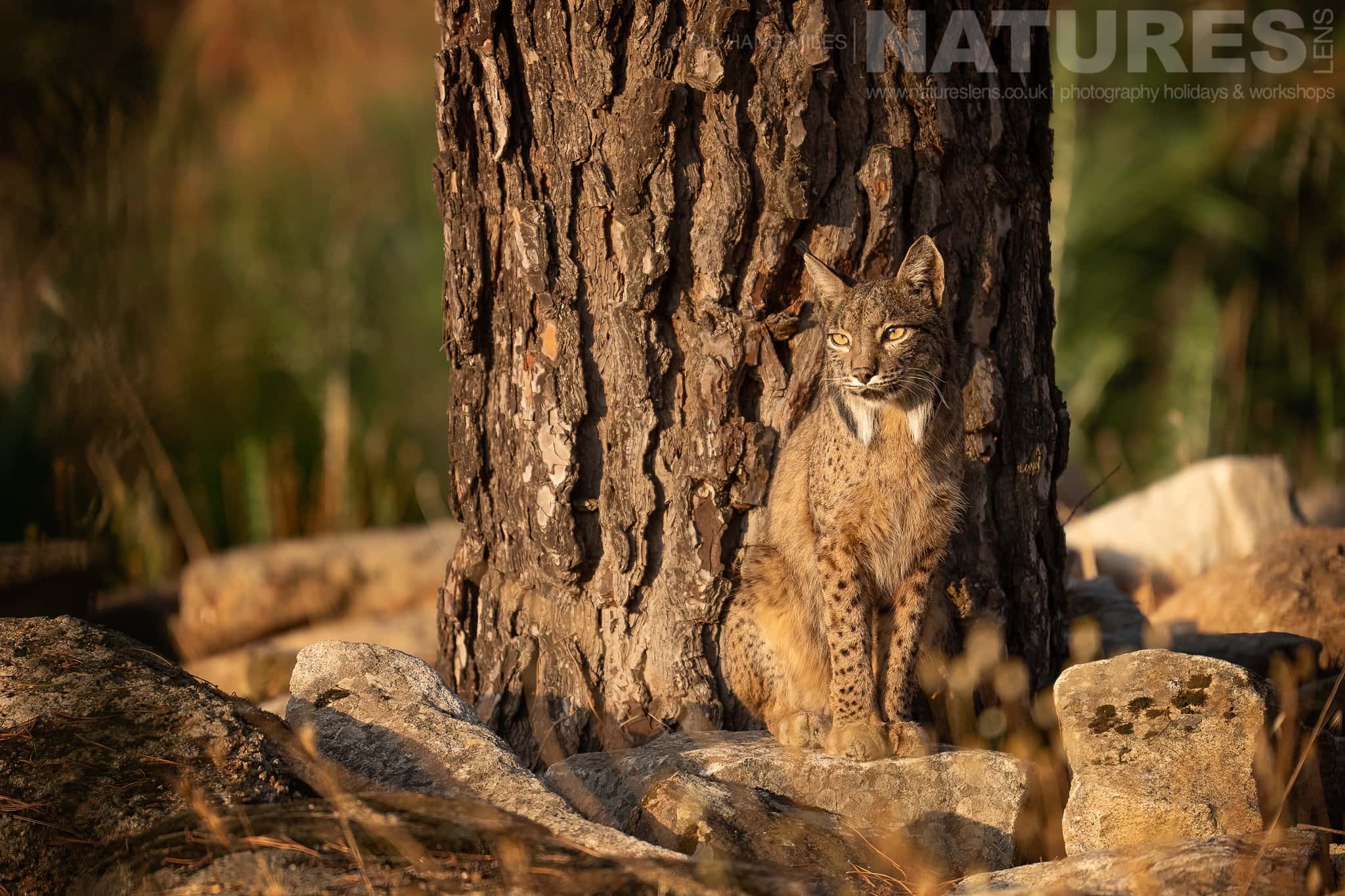
Day 2 – First Time Photographing the Iberian Lynx & The Importance of Rabbits
After an early breakfast, we settled into the hides, cameras at the ready. Though no lynx appeared that morning, we kept busy photographing azure-winged magpies, nuthatches, & even a flash of colour from bee-eaters. The real stars of the morning, however, were the wild rabbits – so numerous that some of us became fixated on capturing the perfect rabbit portrait!
Why Rabbits Matter
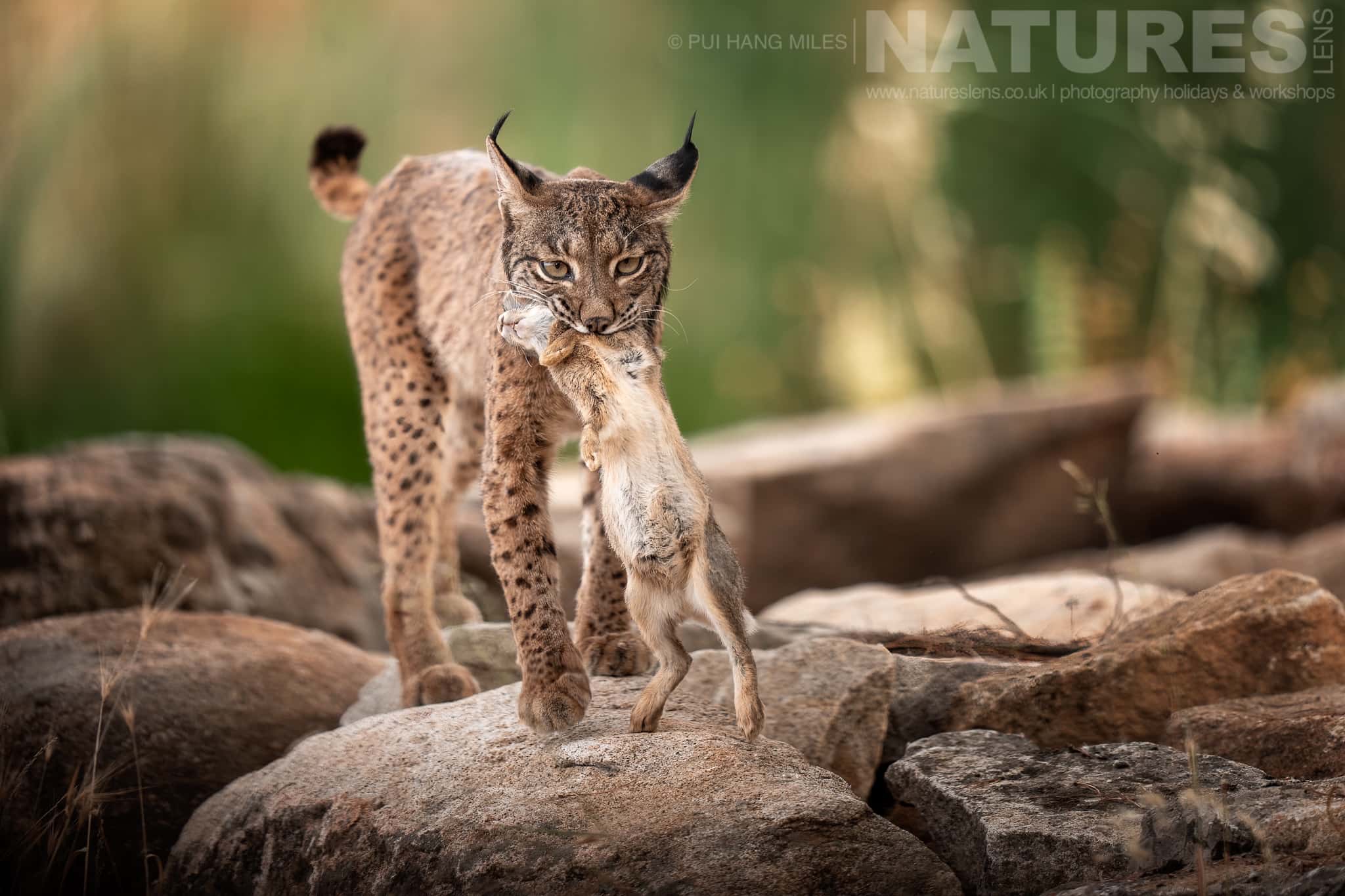
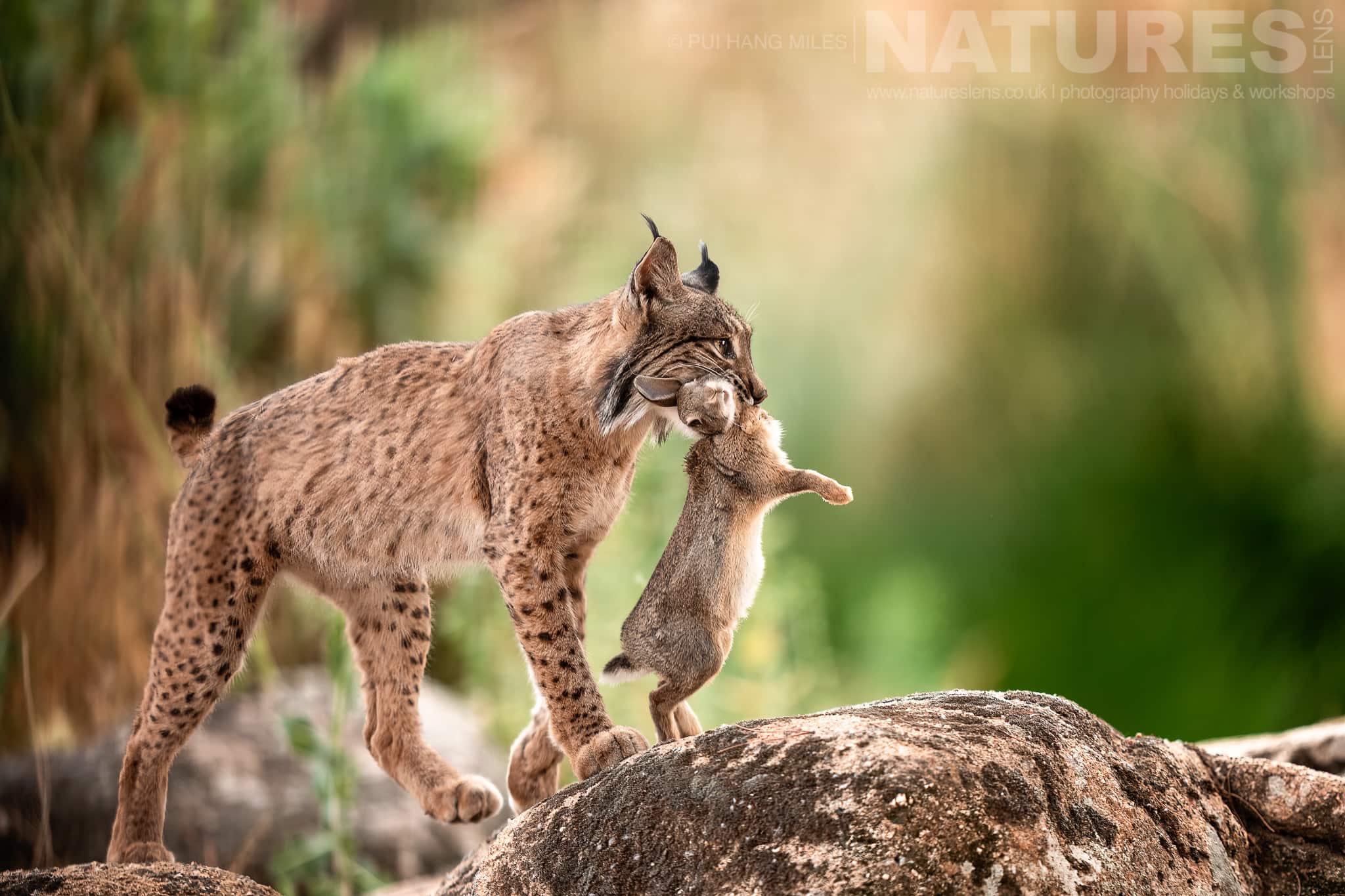
The Iberian lynx is a specialist predator, & rabbits make up 80-90% of its diet. While they will occasionally take partridge, young deer, or even duck, a healthy rabbit population is crucial for lynx survival & successful breeding. Without them, the species cannot thrive.
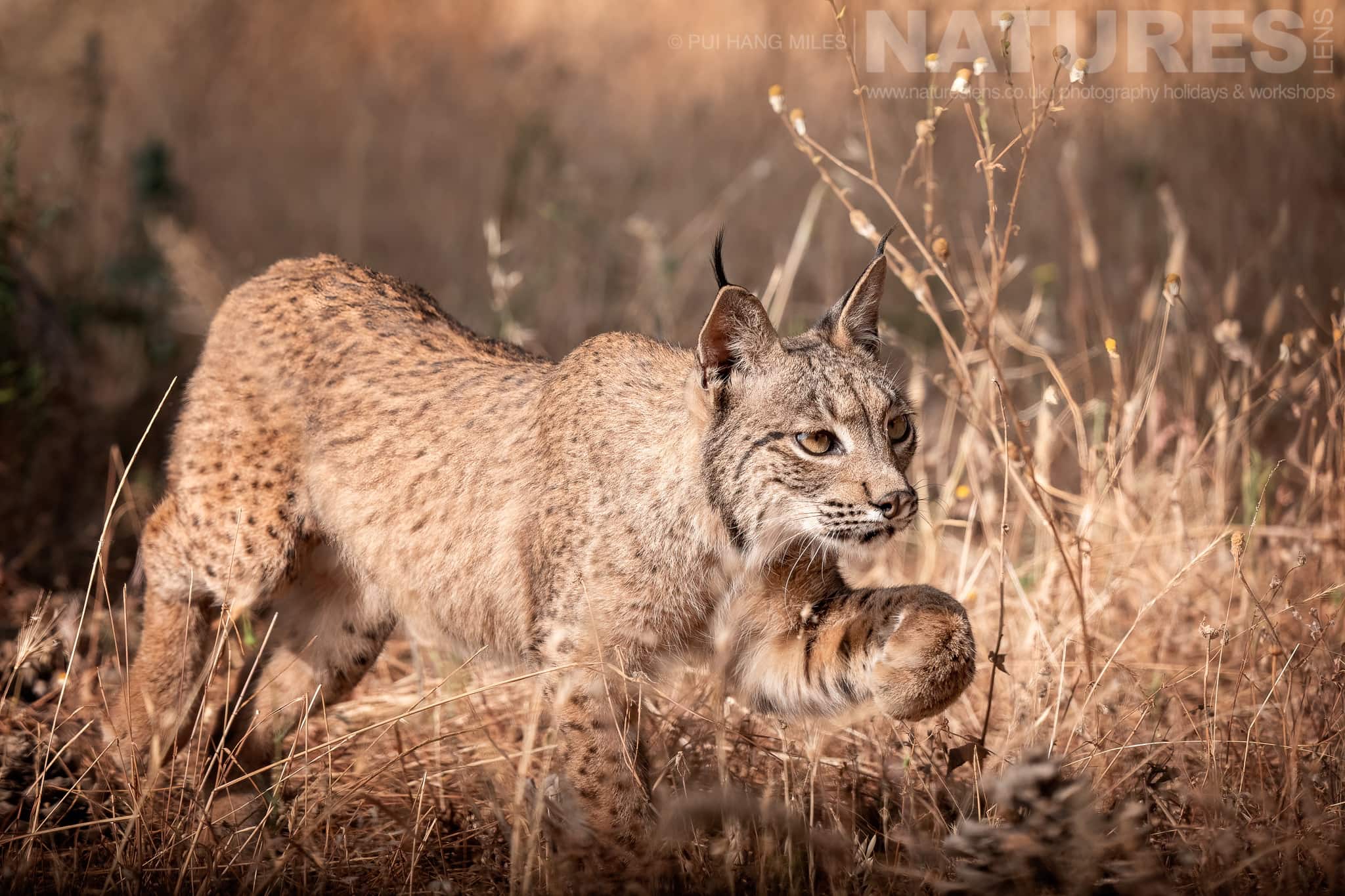
The afternoon brought our first thrilling lynx sightings. A sleek female entered the clearing &, within minutes, caught a rabbit. After carrying her prize into the bushes to eat in peace, she returned an hour later for another successful hunt – this time pausing to pose with her prey before vanishing into the undergrowth.
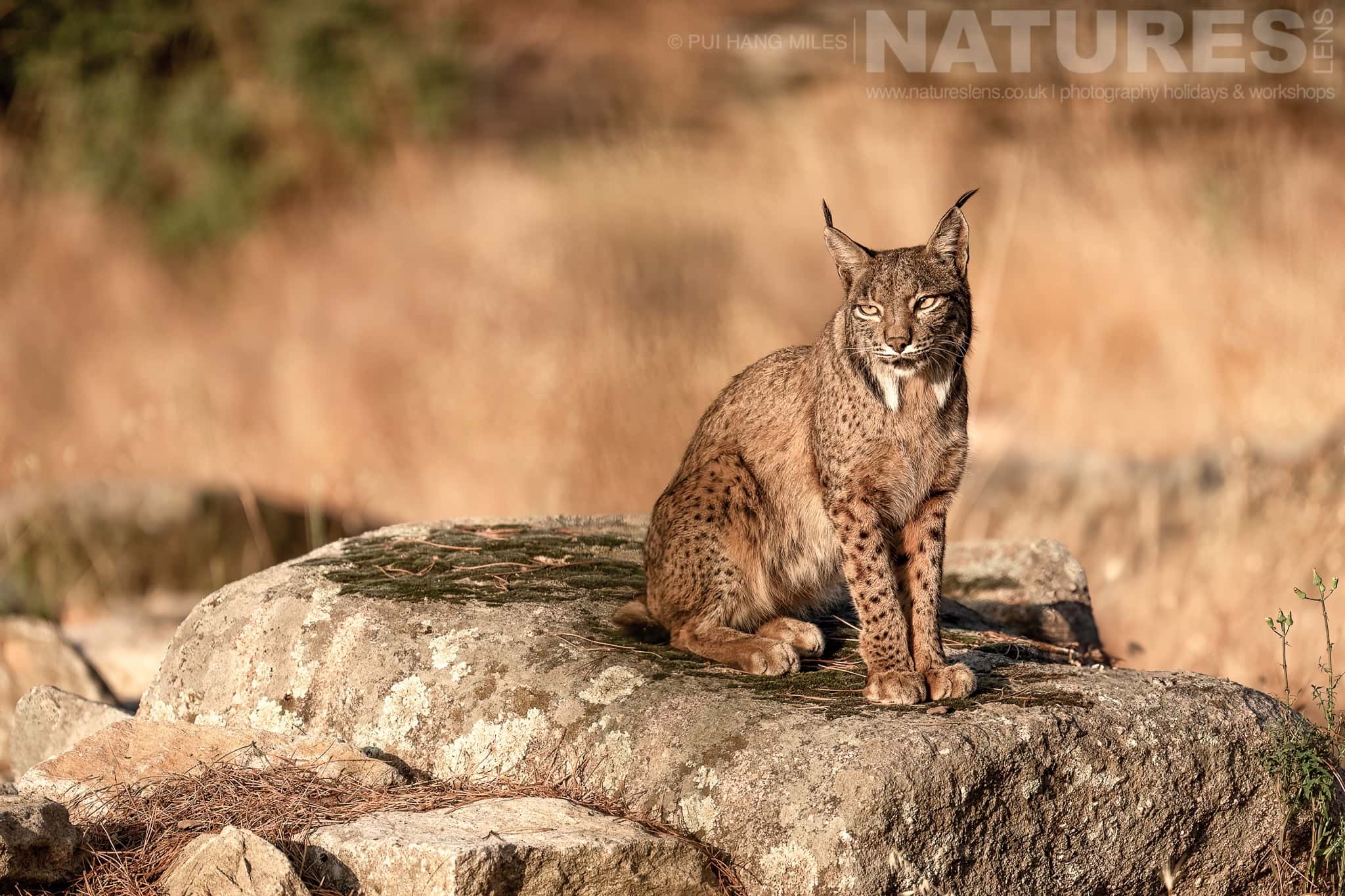
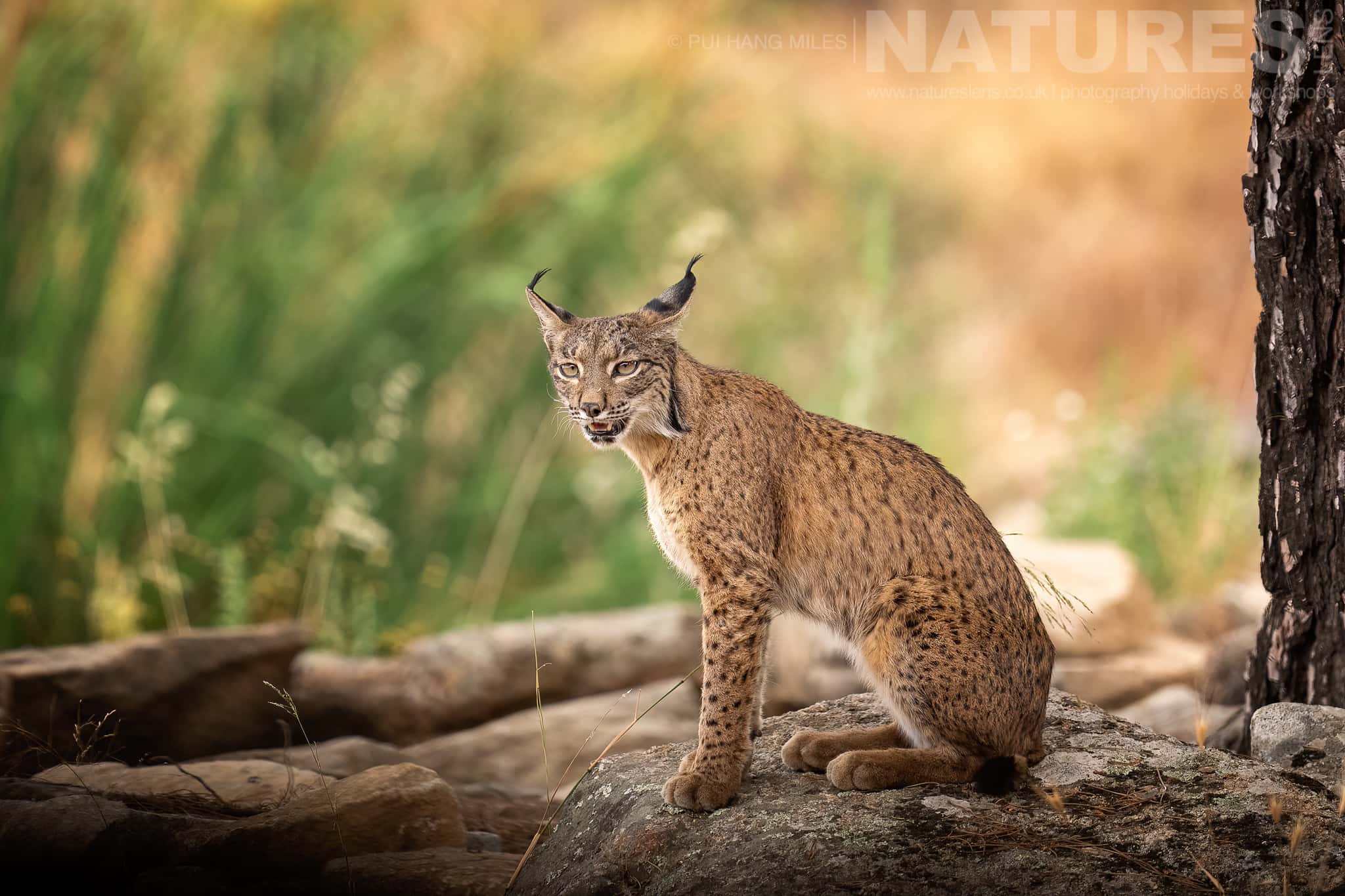
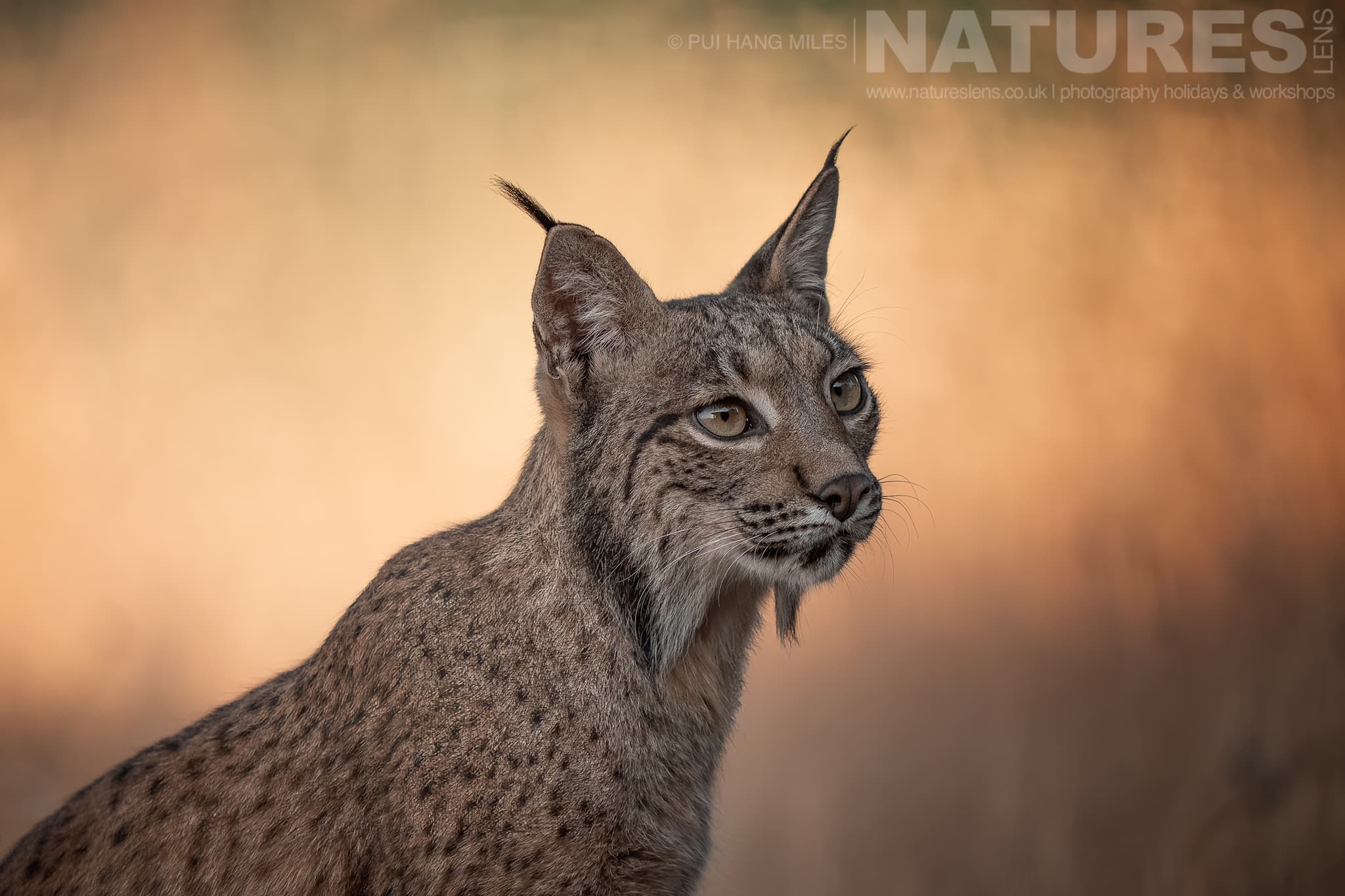
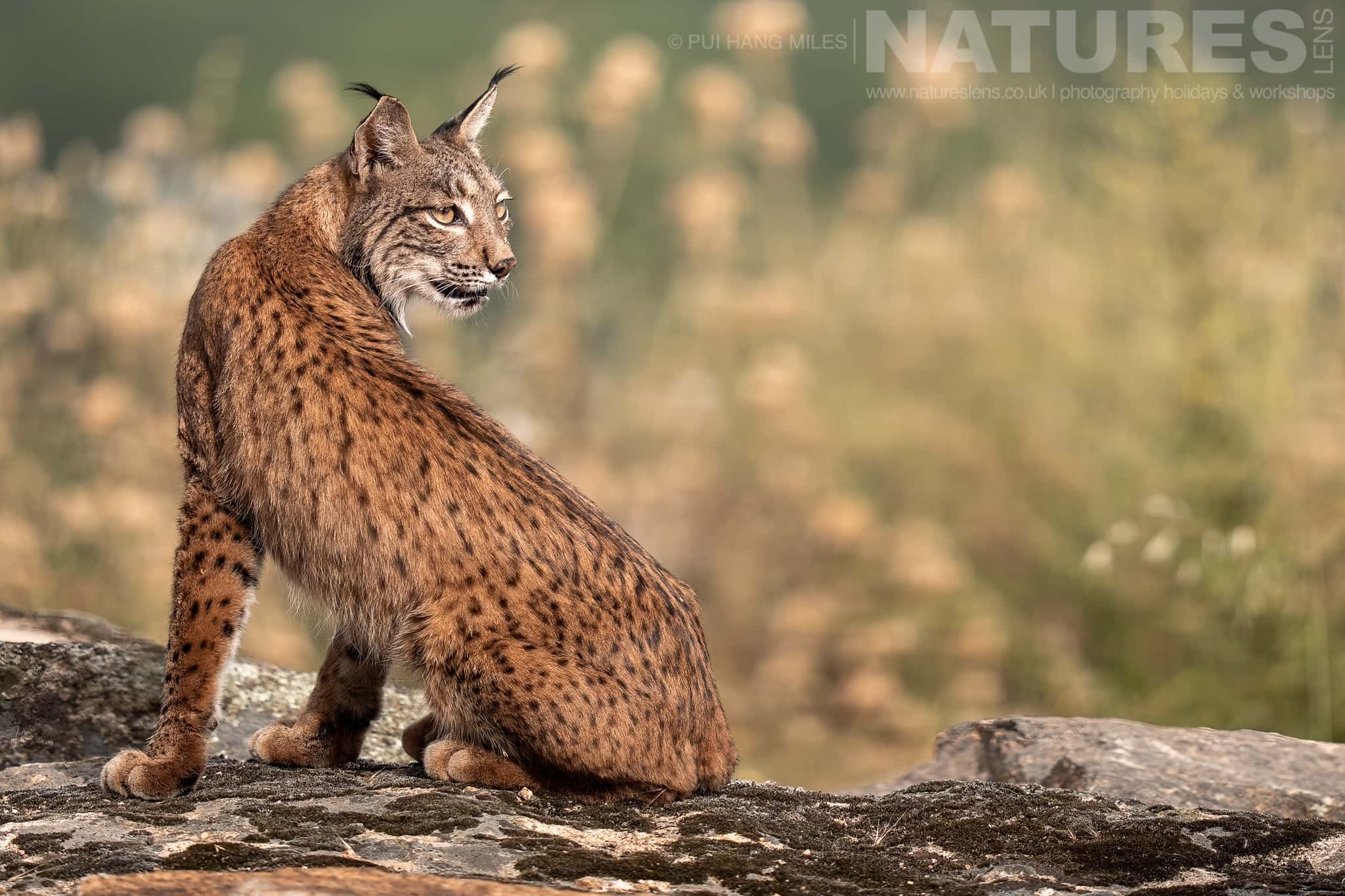
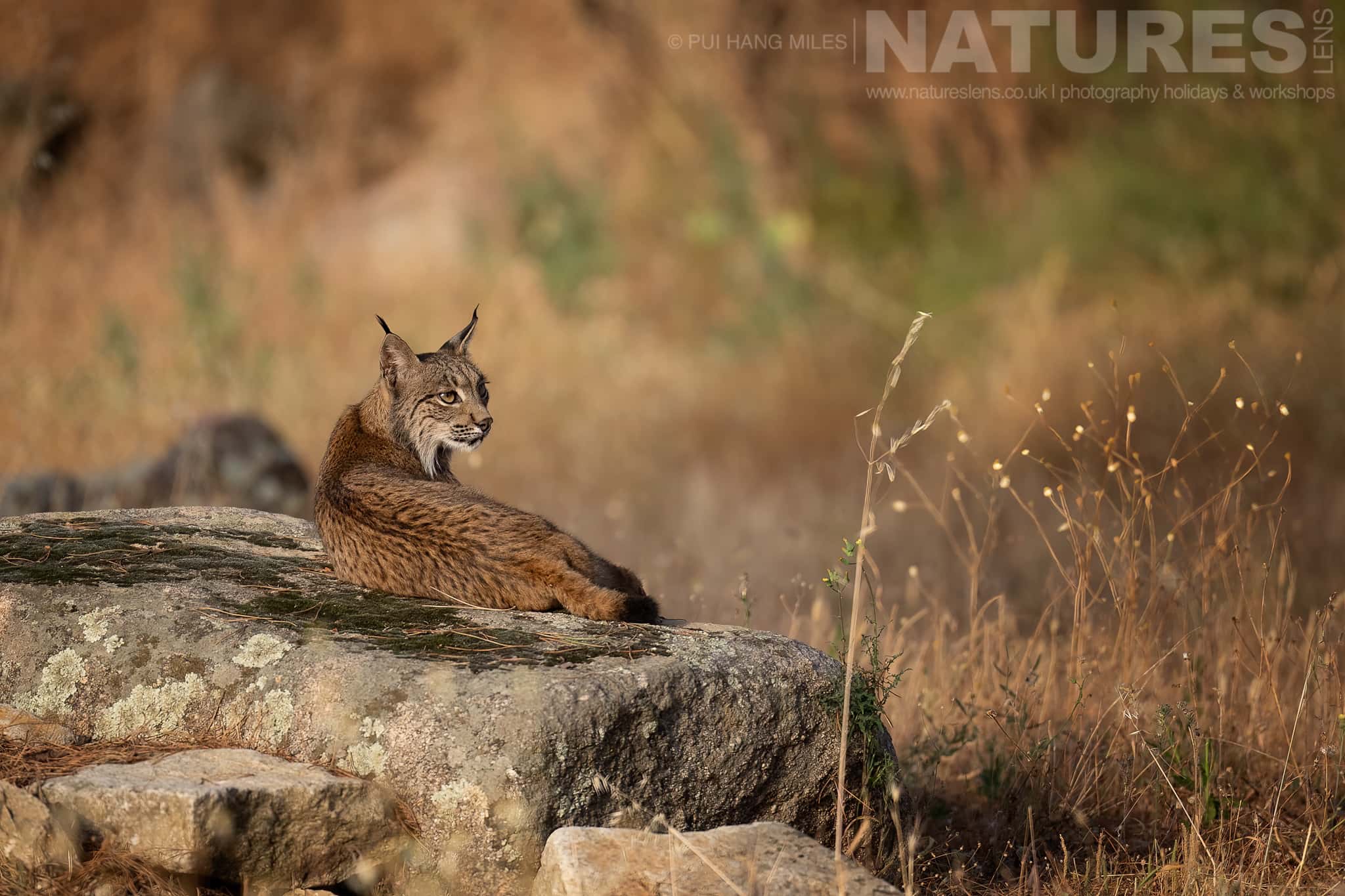
Just after sunset, a second female appeared. Her longer facial ruff (a distinctive ‘lynx beard’) confirmed she was a different individual. Though her hunt was unsuccessful, she treated us to a long drink at the waterhole & a brief perch on a rock before melting back into the twilight.
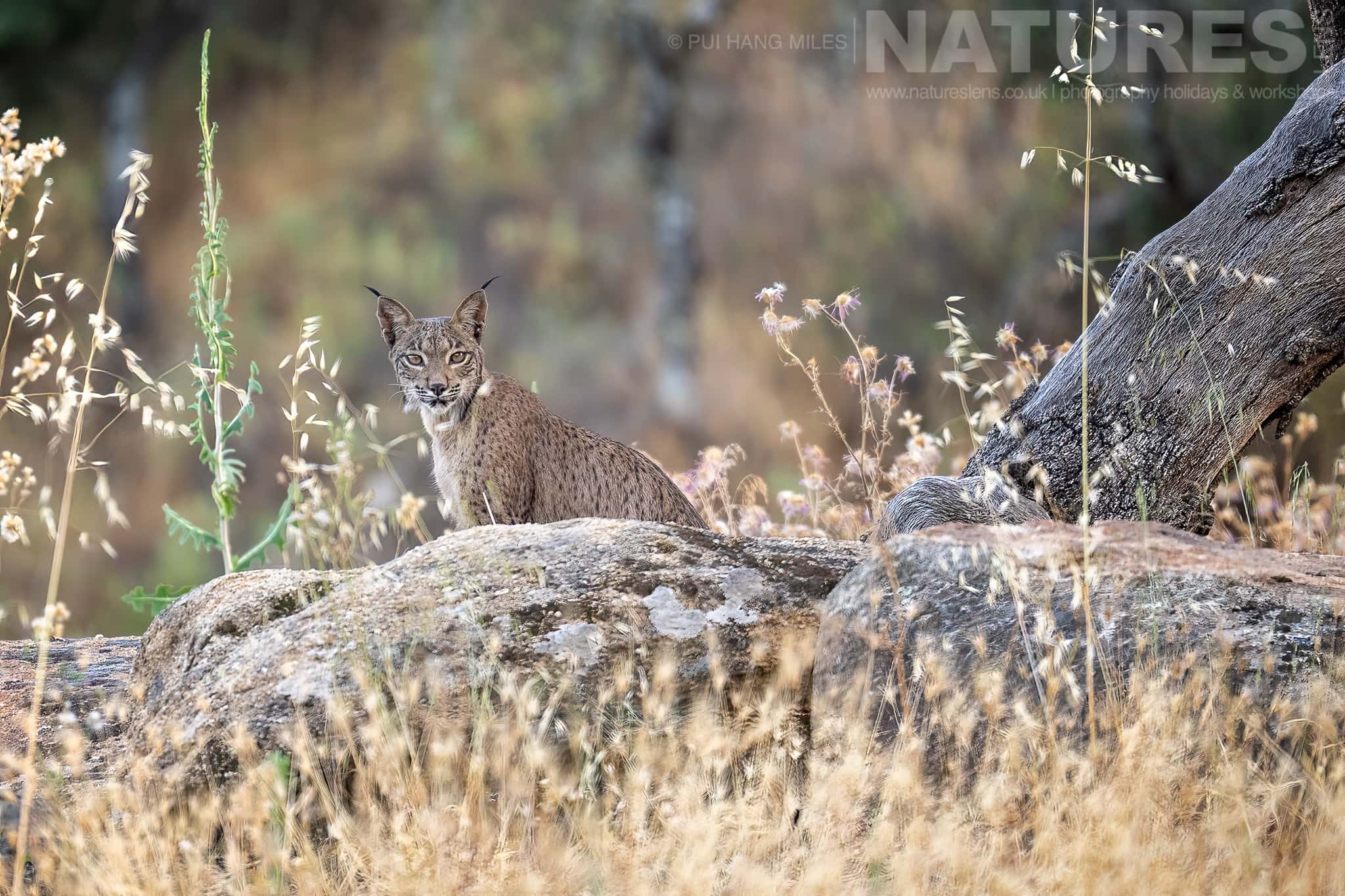
Day 3 – Thunderstorms & A Shy Male Lynx
We awoke to rolling thunder & lightning crackling over the hills. The morning was eerily quiet – no birdsong, no activity – but our spirits remained high after the previous day’s success.
In the afternoon, we arrived at the hide to find a male lynx lounging in the remains of an old hide structure. He moved cautiously along the treeline, staying low in the grass to avoid alerting the rabbits. For nearly an hour, he remained hidden, too wary to step into the open. Though we didn’t get the perfect shot, observing his stealthy behaviour was a privilege.
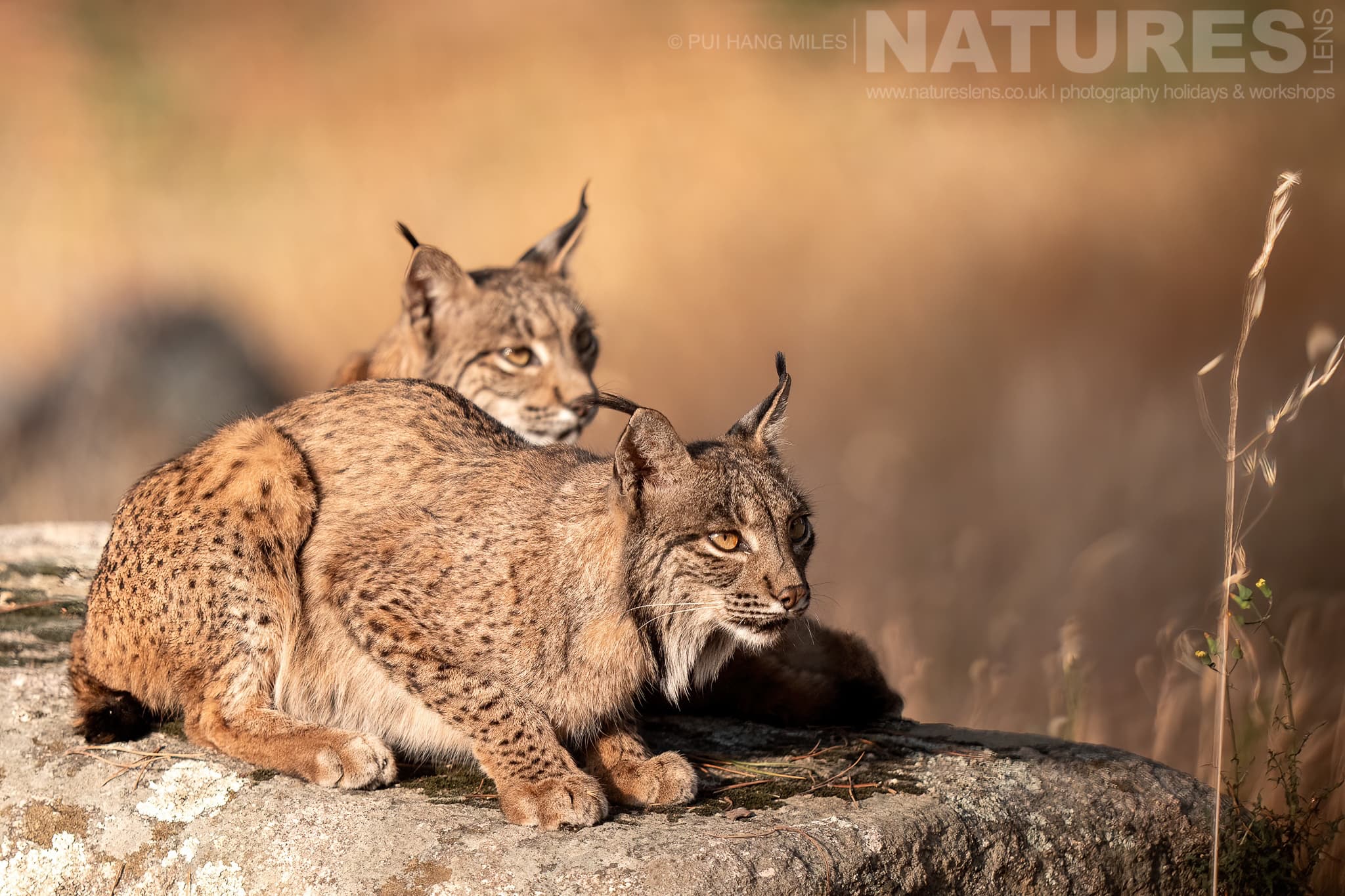
Day 4 – A Rabbit Bonanza
No lynx today, but the rabbits provided endless entertainment. Among them was one particularly bold individual with a notch in his ear, whom we affectionately named Gary. He seemed to enjoy lounging near the hides, giving us plenty of close-up opportunities.
Day 5 – A Mother & Son Duo
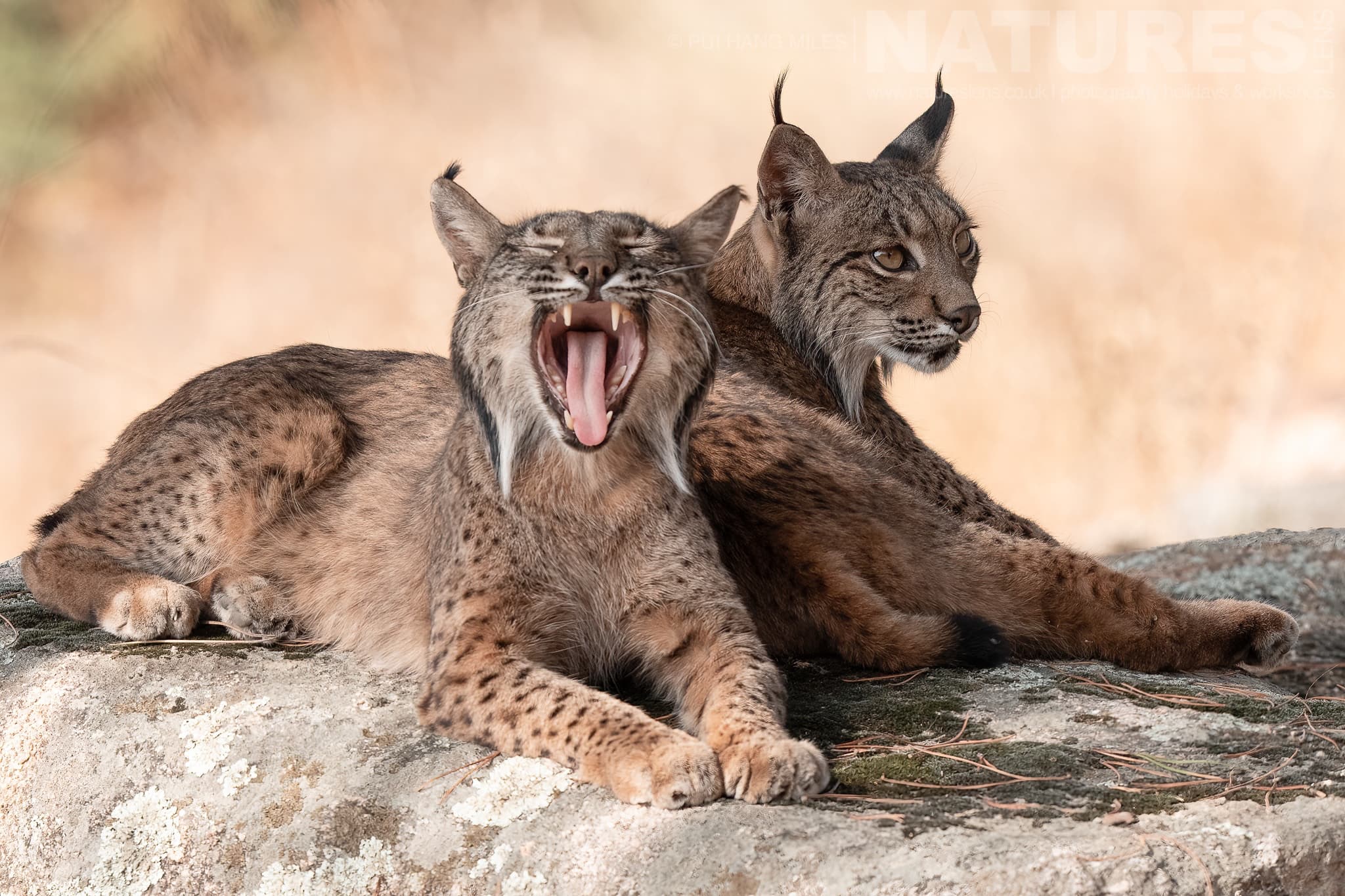
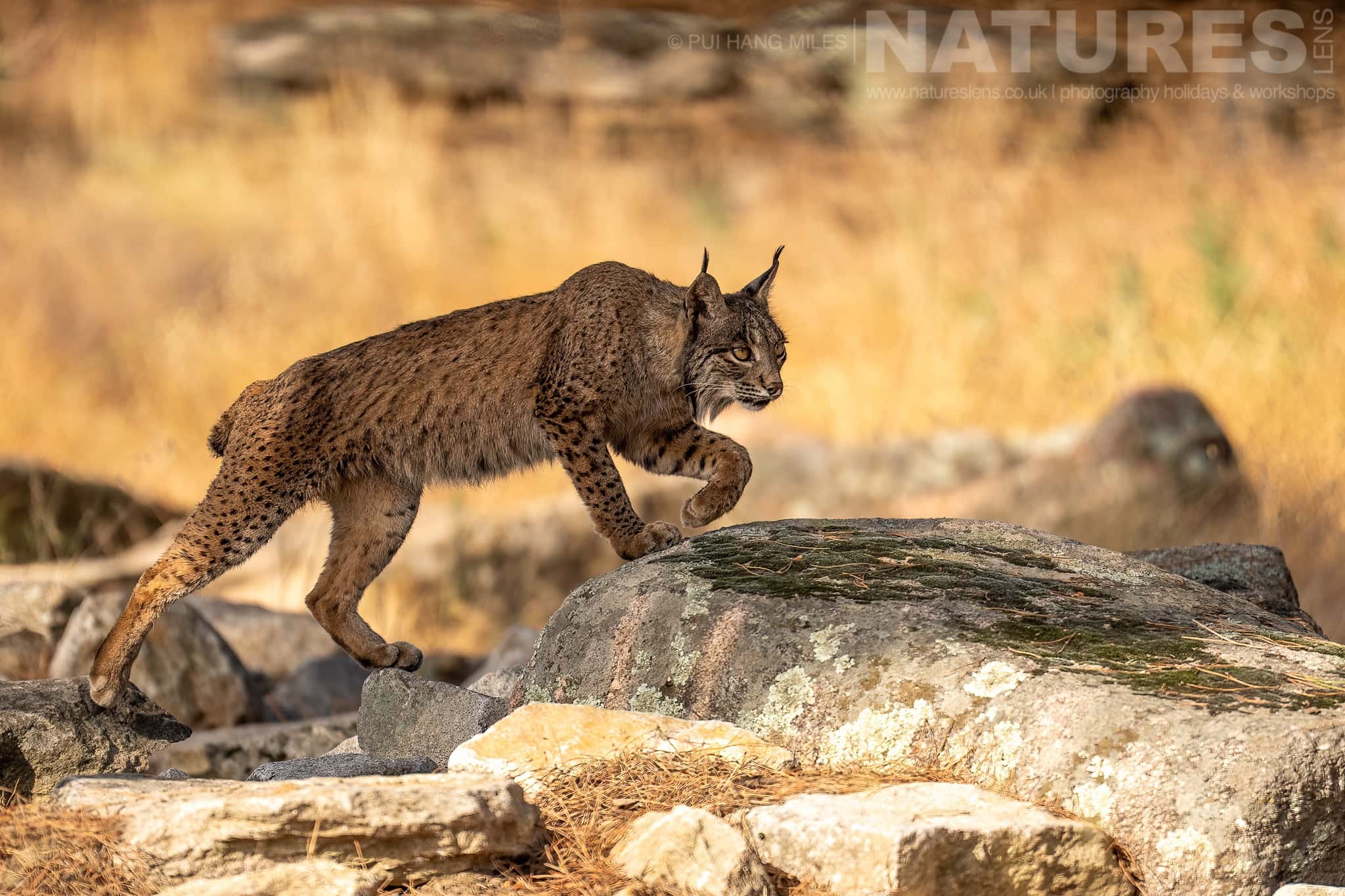
This was the best day yet. At dawn, we found a female lynx with her young male offspring (identifiable by his lack of a full facial ruff). The mother, her long beard signalling her age, demonstrated hunting techniques while the juvenile watched & learned. We spent hours photographing their interactions – stalking, resting under trees, & even successful rabbit hunts.
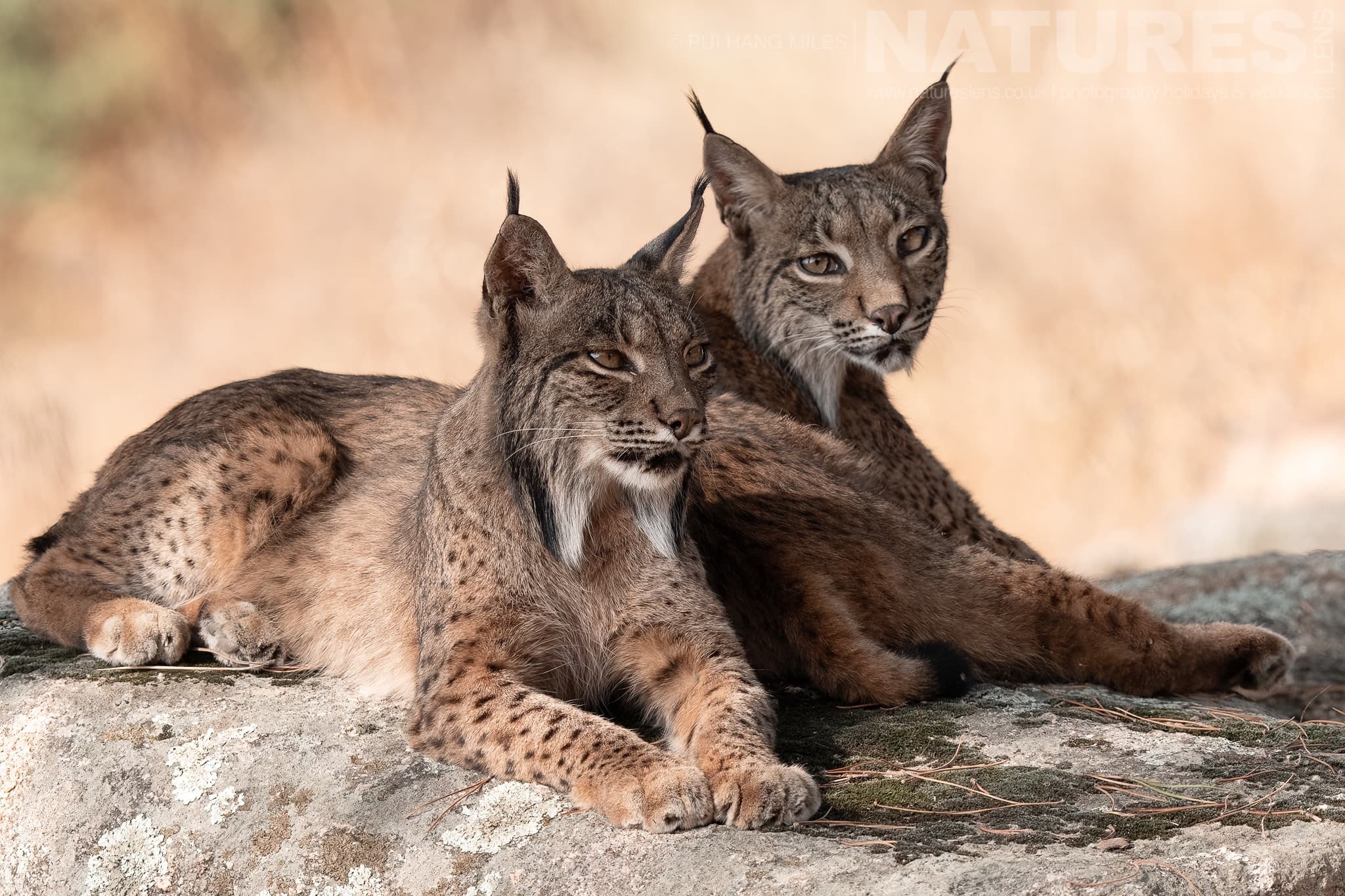
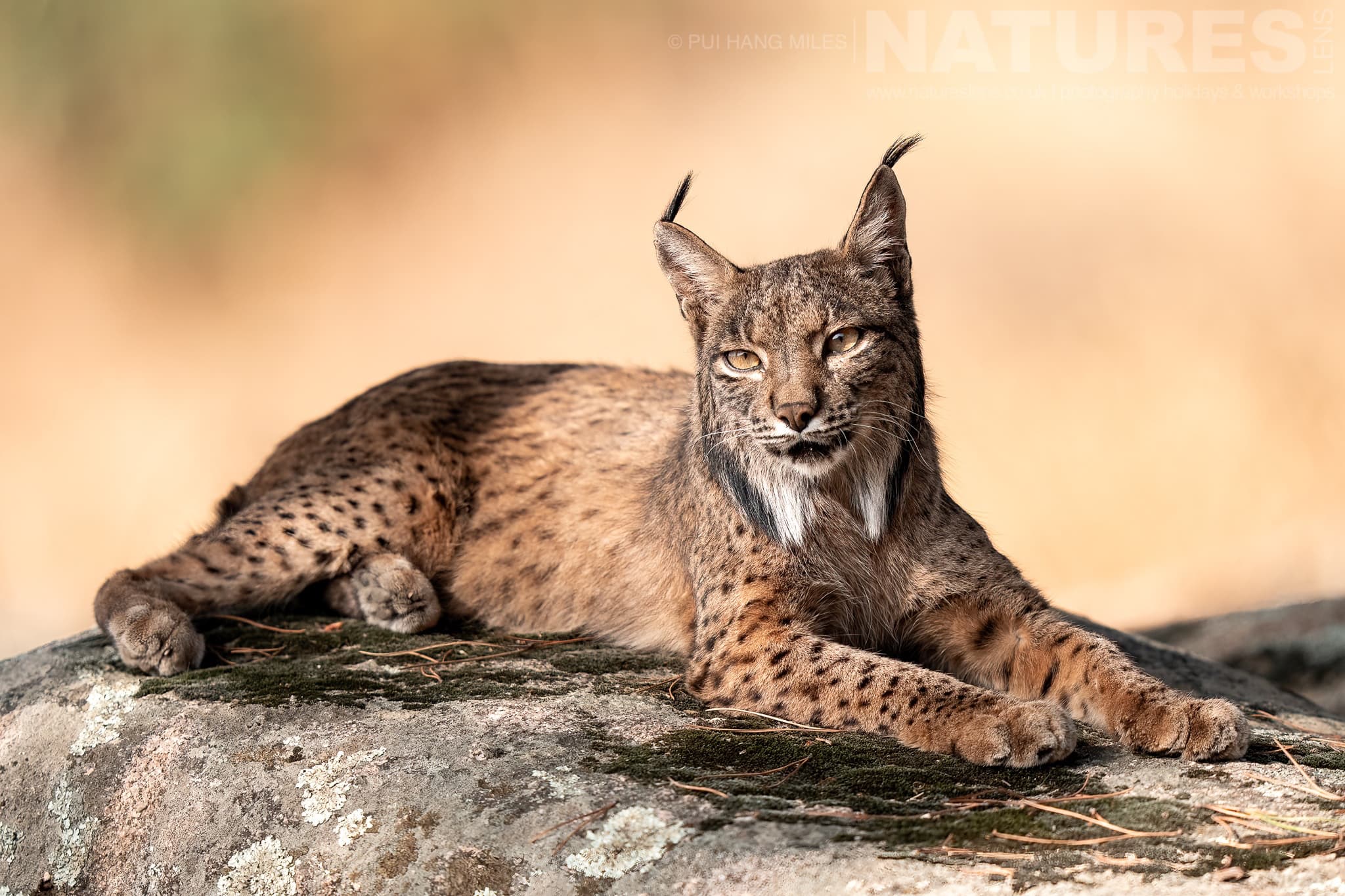
By afternoon, the heat was oppressive, distorting the air with a visible haze. Another female appeared, seeking shade inside the old hide, panting heavily before descending for a drink. Later, the shy young male from the previous day returned, making several unsuccessful hunting attempts before retreating.
Day 6 – Heat, Hoopoes & Late-Night Lynx
The morning brought sightings of hoopoes, their striking crests bobbing as they foraged. By afternoon, the heat was almost unbearable – until, at sunset, a male lynx emerged. Just as we thought the show was over, a female appeared briefly, followed by the male returning for a final, fleeting visit.
Day 7 – Farewell to Sierra Morena
Our final day passed without a lynx sighting, but with nine intense lynx encounters across the week, we had no complaints. The trip had been a huge success, offering not just photographs but intimate glimpses into the lives of these elusive cats.
Species Photographed on This Trip
Mammals
- Iberian lynx (Lynx pardinus)
- Wild rabbit (Oryctolagus cuniculus)
Birds
- Azure-winged magpie (Cyanopica cooki)
- Nuthatch (Sitta europaea)
- European bee-eater (Merops apiaster)
- Hoopoe (Upupa epops)
Final Thoughts
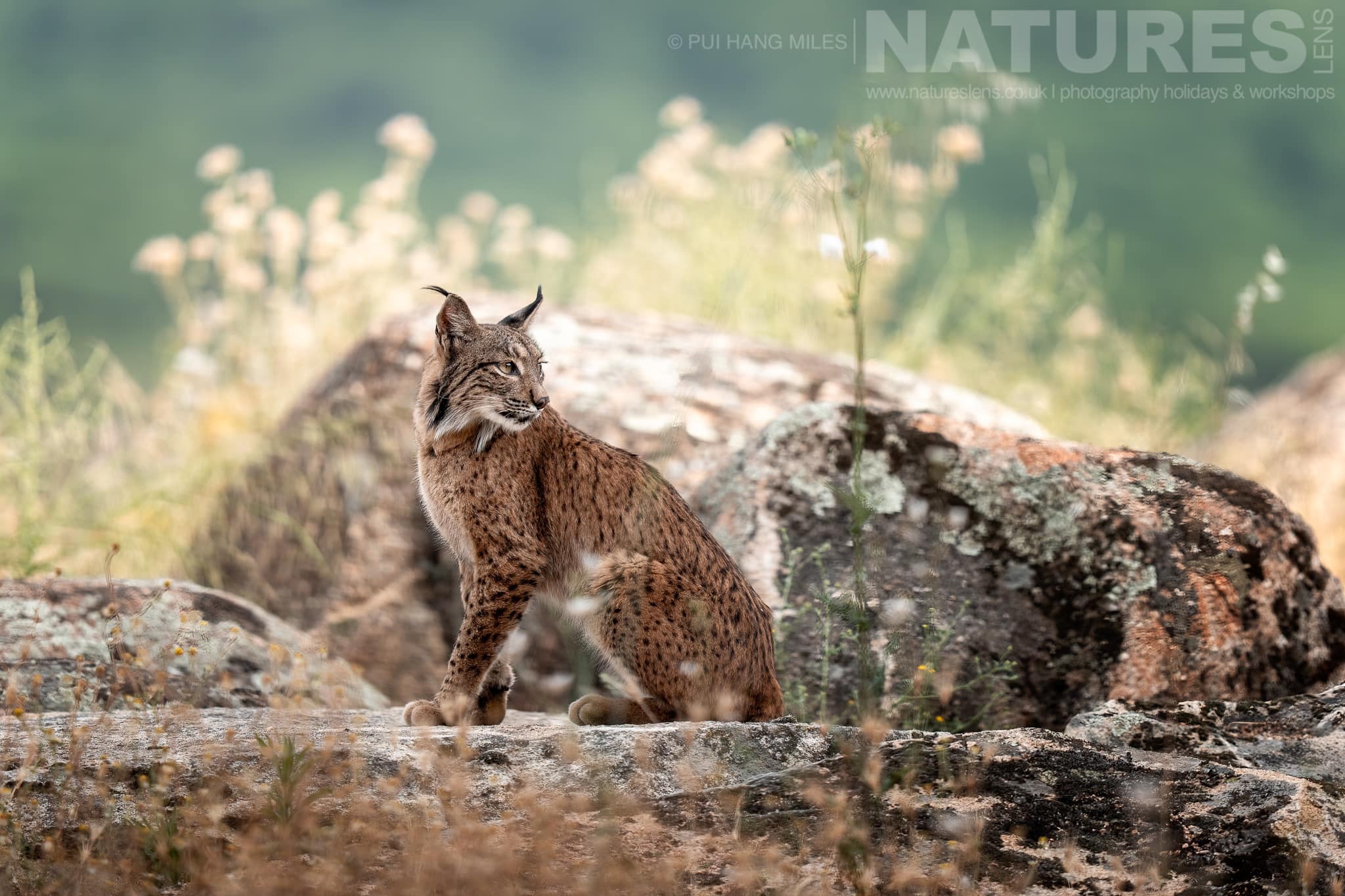
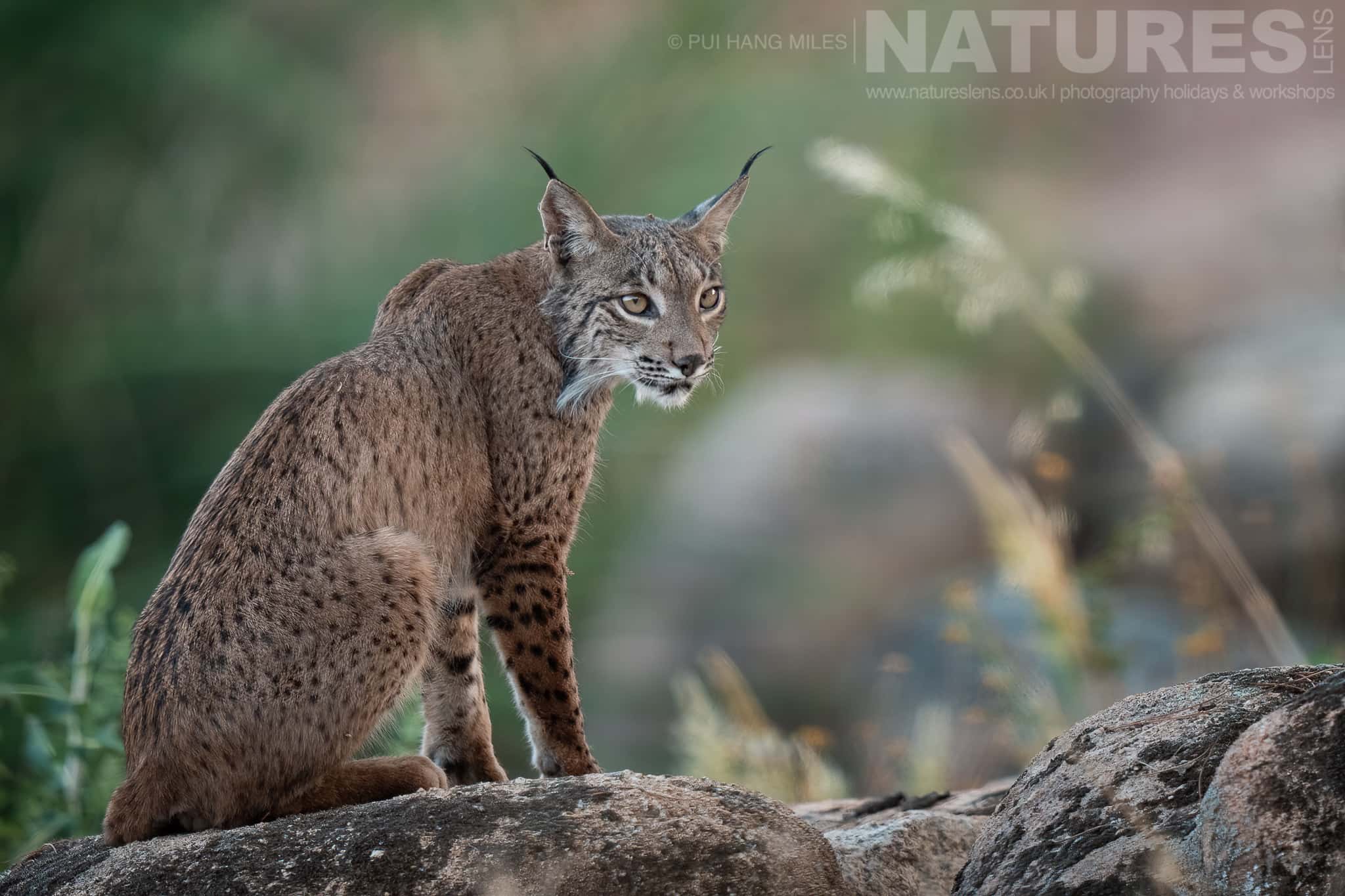
The Iberian lynx is one of the rarest cats in the world, & witnessing their behaviour in the wild was unforgettable. From mothers teaching their young to hunt to the stealthy movements of solitary males, every sighting was a gift.
I’ll be back in November again photographing the Iberian Lynx – when the cooler weather may bring even more activity. Until then, the memories (& thousands of photos) will keep me dreaming of Sierra Morena.