Extremadura, in western Spain, holds one of the highest raptor densities in Europe. The region’s ancient dehesa – open cork & holm oak pasture – supports Spanish imperial eagles, golden eagles, & Bonelli’s eagles alongside a full supporting cast of vultures, kites, & falcons. For bird photographers, Extremadura offers consistent, close-range opportunities with species that are difficult to photograph elsewhere on the continent.
Below I cover the key eagle species, where to find them, the photographic conditions, & practical advice for planning a trip. You can also find details of our NaturesLens eagle photography holidays in Spain, which give you access to licensed hides, experienced leaders, & conservation-led itineraries.
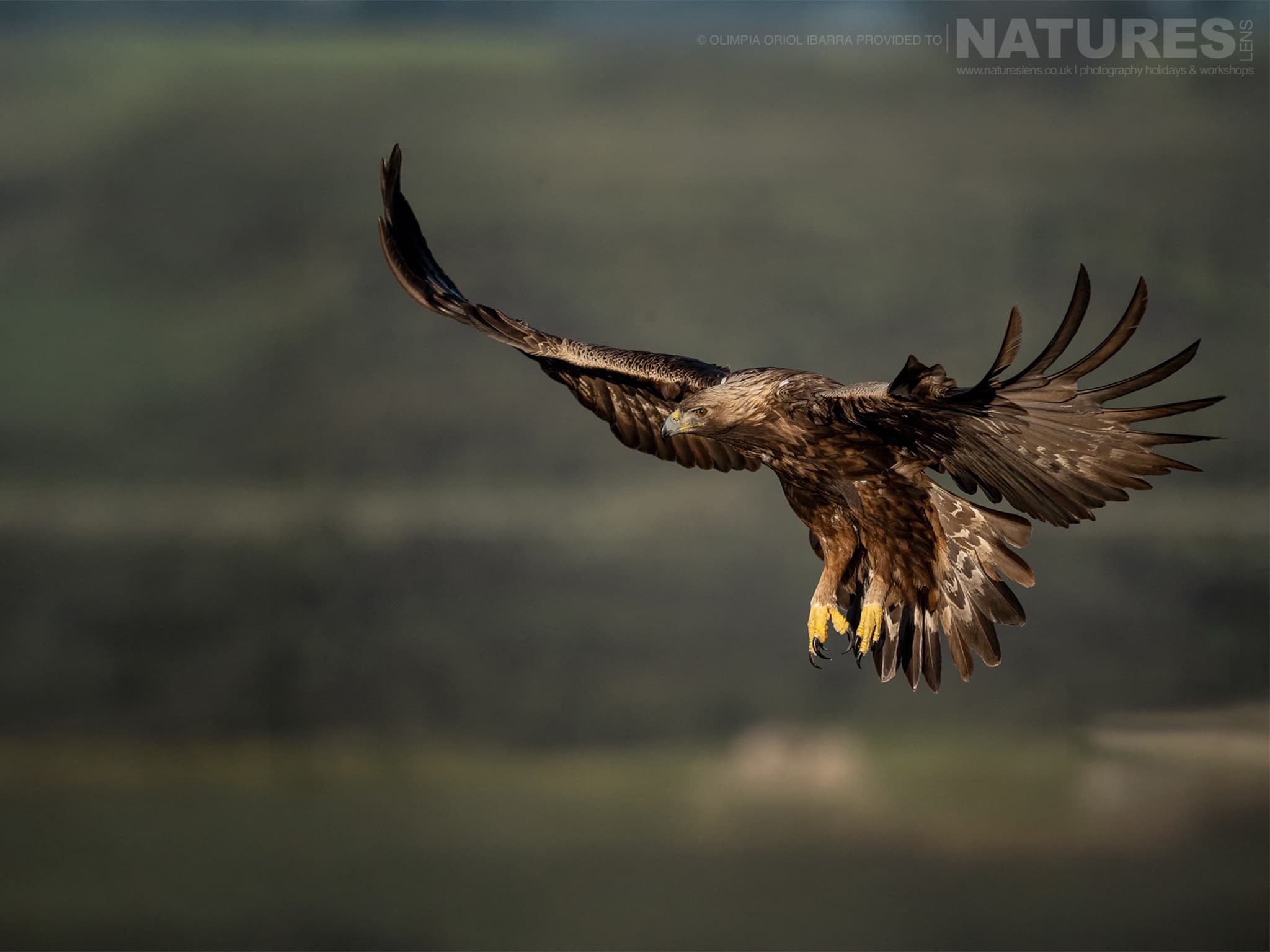
Why Extremadura Works for Eagle Photography?
- Raptor density: More than twenty raptor species are present, including three eagle species that can be photographed from hides.
- Conservation gains: Long-term habitat management & protected areas have aided the recovery of the Spanish imperial eagle, with numbers steadily increasing.
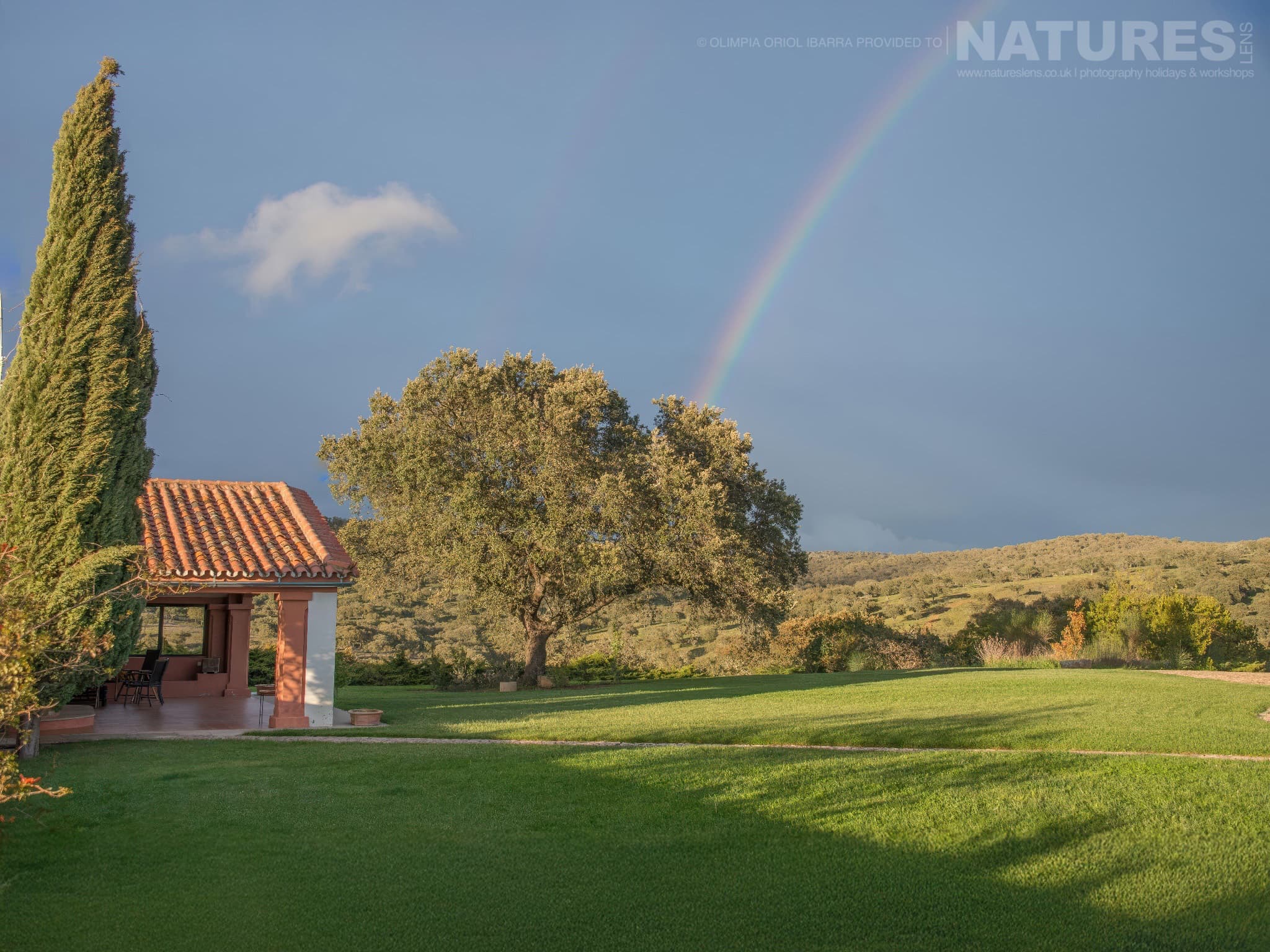
- Landscape variety: From the granite cliffs of Monfragüe to the oak-dotted plains & rugged sierras, the scenery offers distinctive backdrops.
- Accessibility: Three hours from Madrid by road. The region feels genuinely wild but is straightforward to reach.
Eagles of Extremadura
Spanish Imperial Eagle (Aquila adalberti)
The Spanish imperial eagle is an Iberian endemic & a flagship of regional conservation. Populations have recovered from critically low numbers but the species remains scarce, making every sighting from a hide photographically valuable.
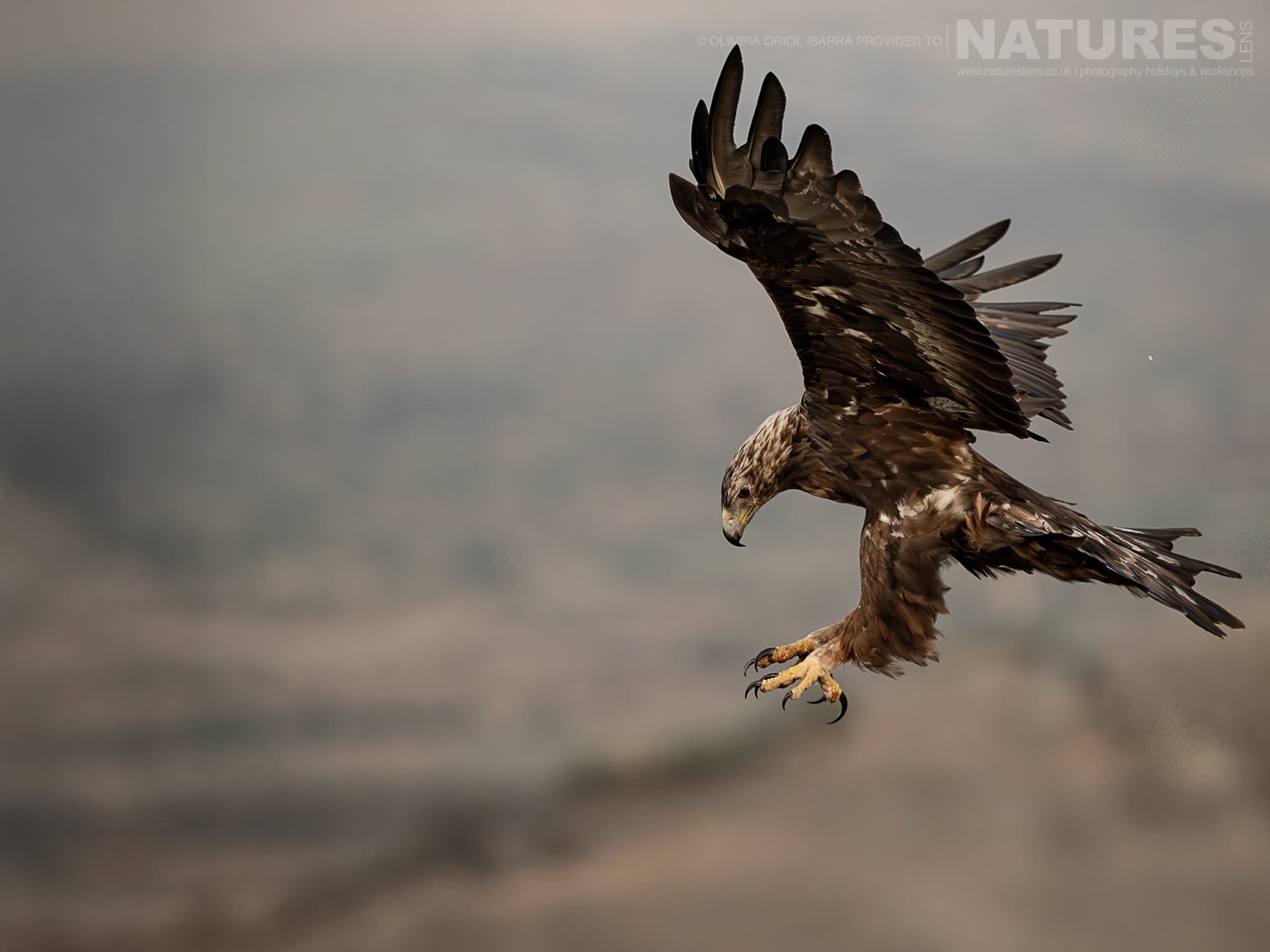
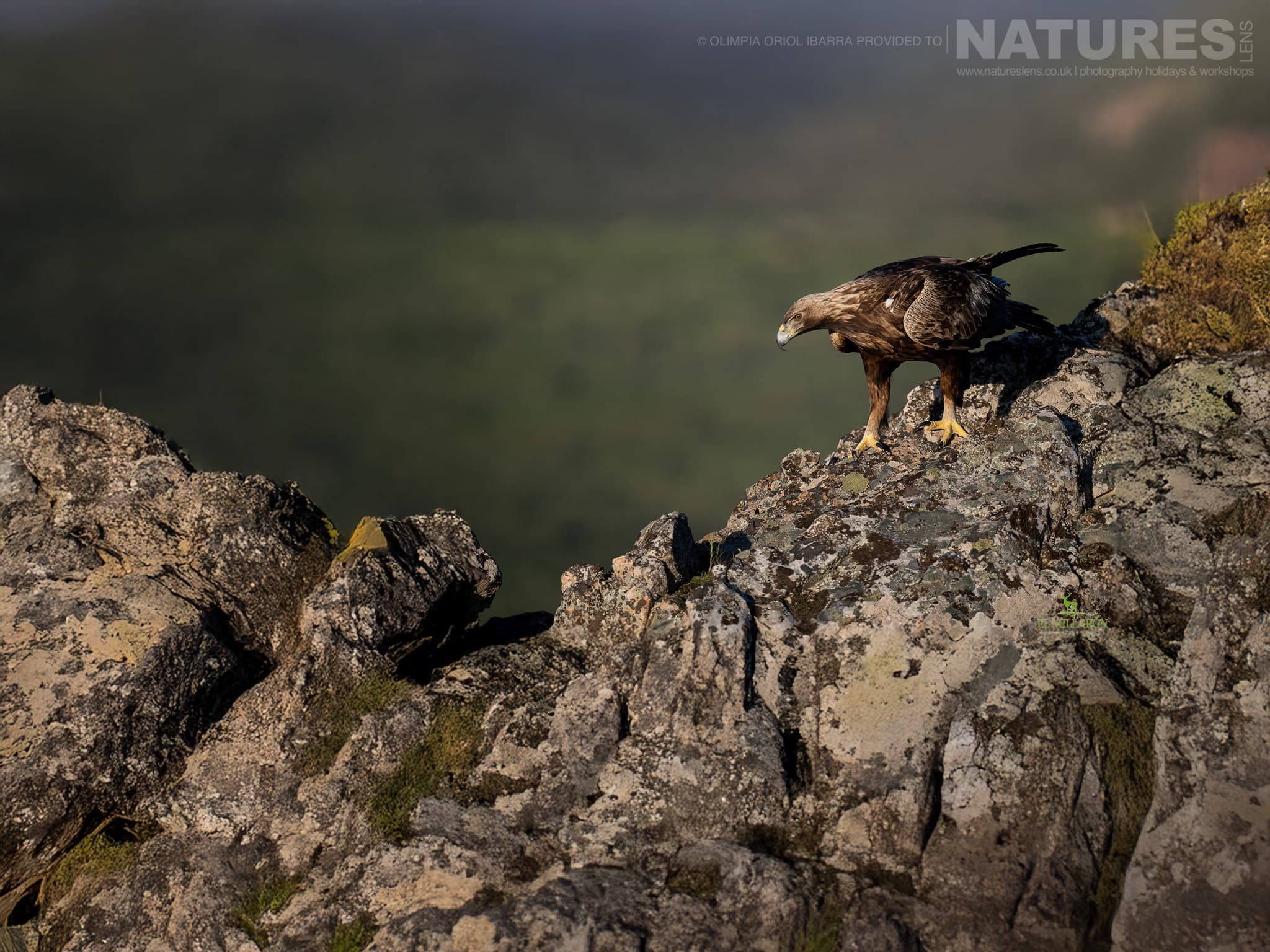
Golden Eagle (Aquila chrysaetos)
Golden eagles occupy the higher sierras. In winter they patrol more openly, & the low sun angle across the bare hillsides produces strong, directional light for flight photography.
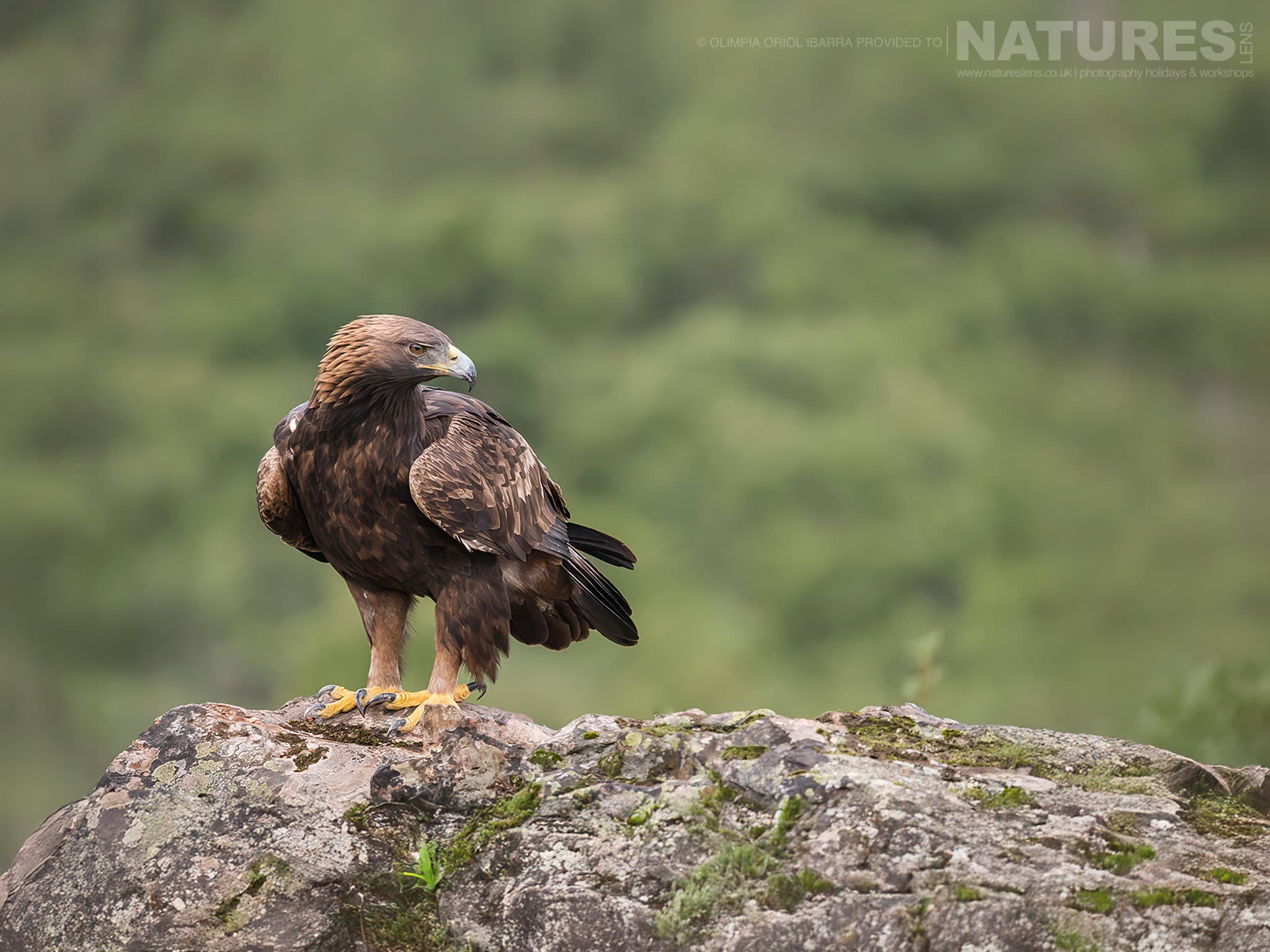
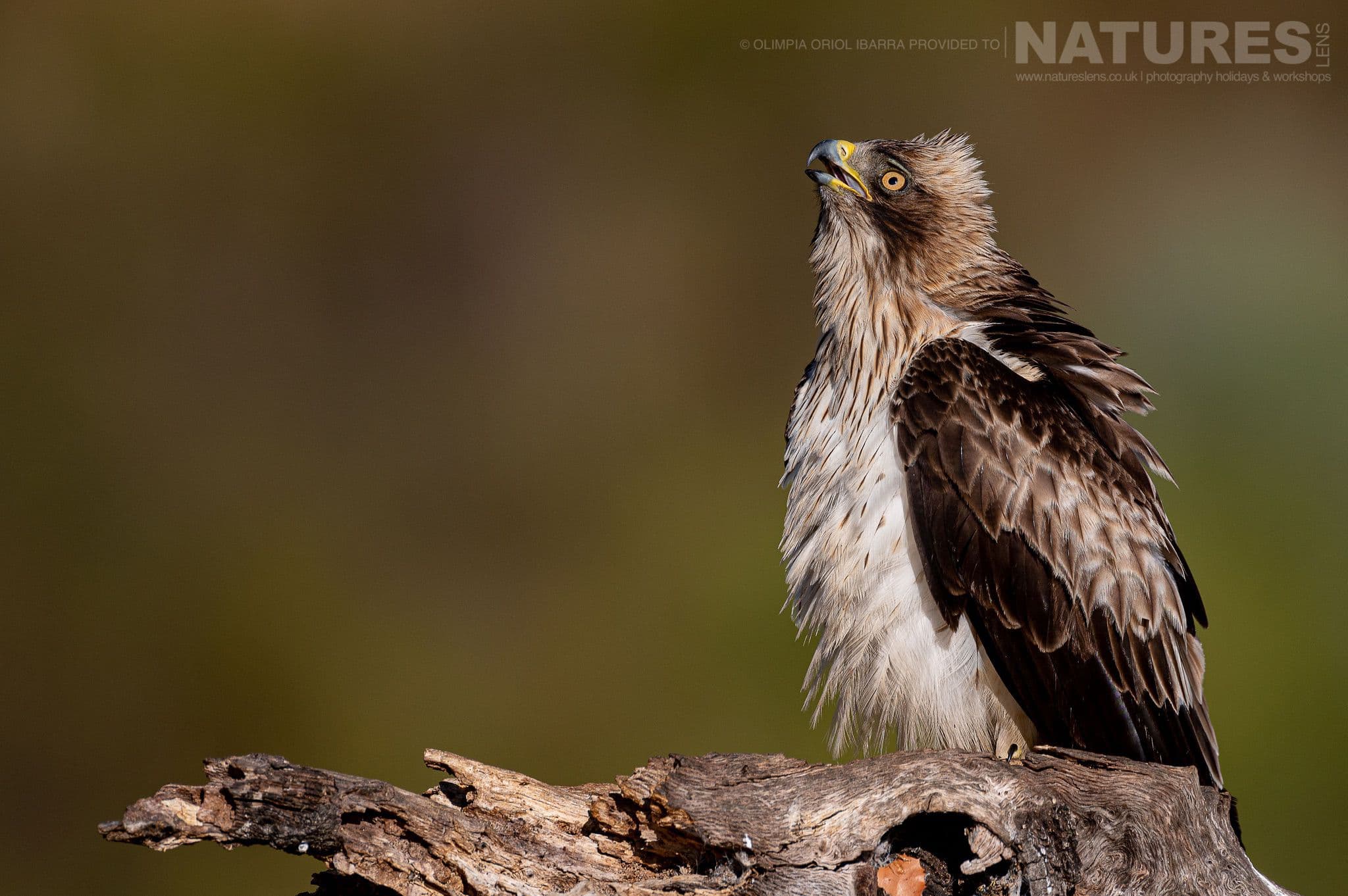
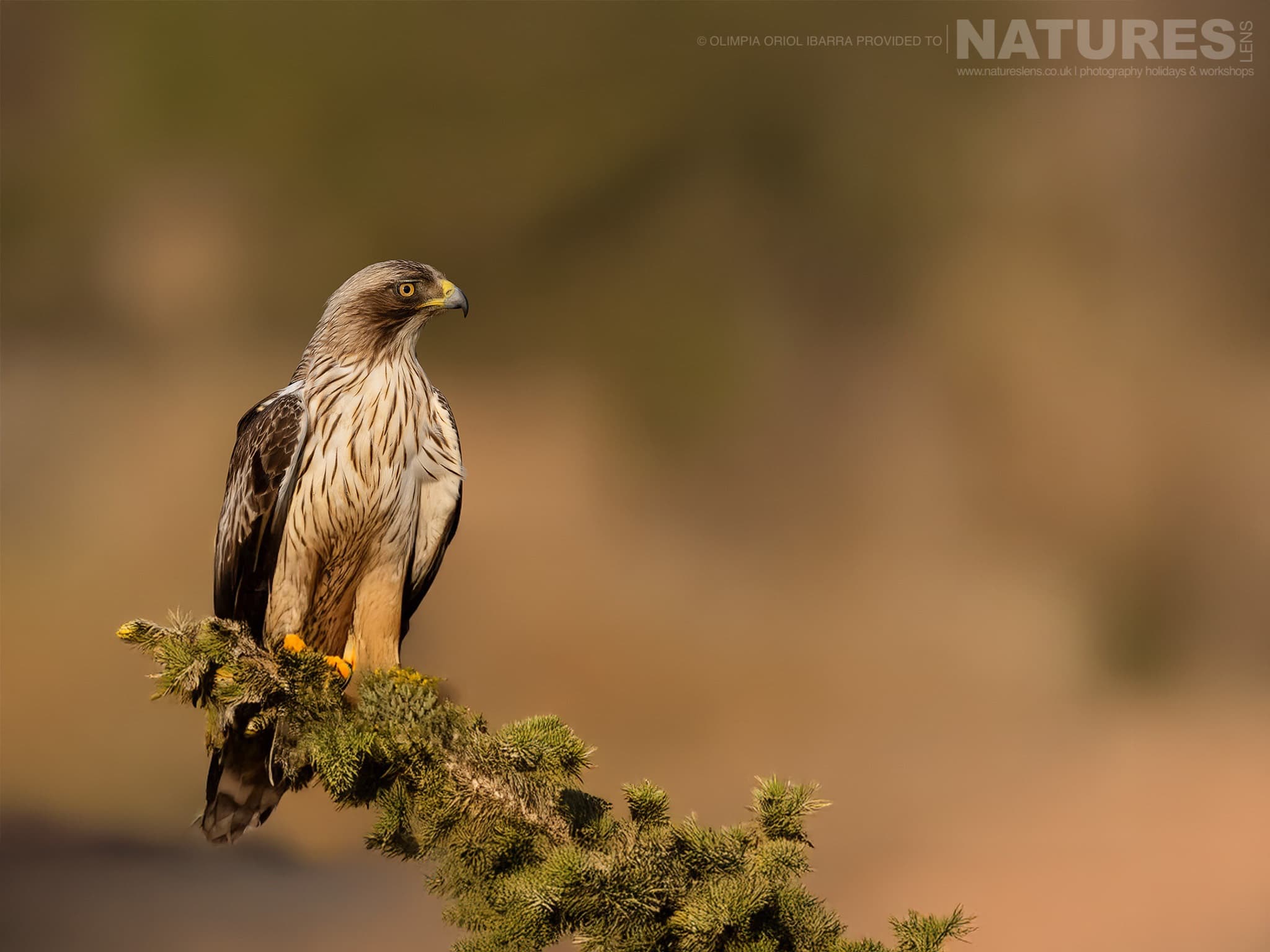
Bonelli’s Eagle (Aquila fasciata)
Bonelli’s eagle is smaller & more agile than the other two, with distinctive pale underparts & a dark wing patch. It favours rocky cliff edges & Mediterranean scrub, & tends to arrive at hides fast & low.
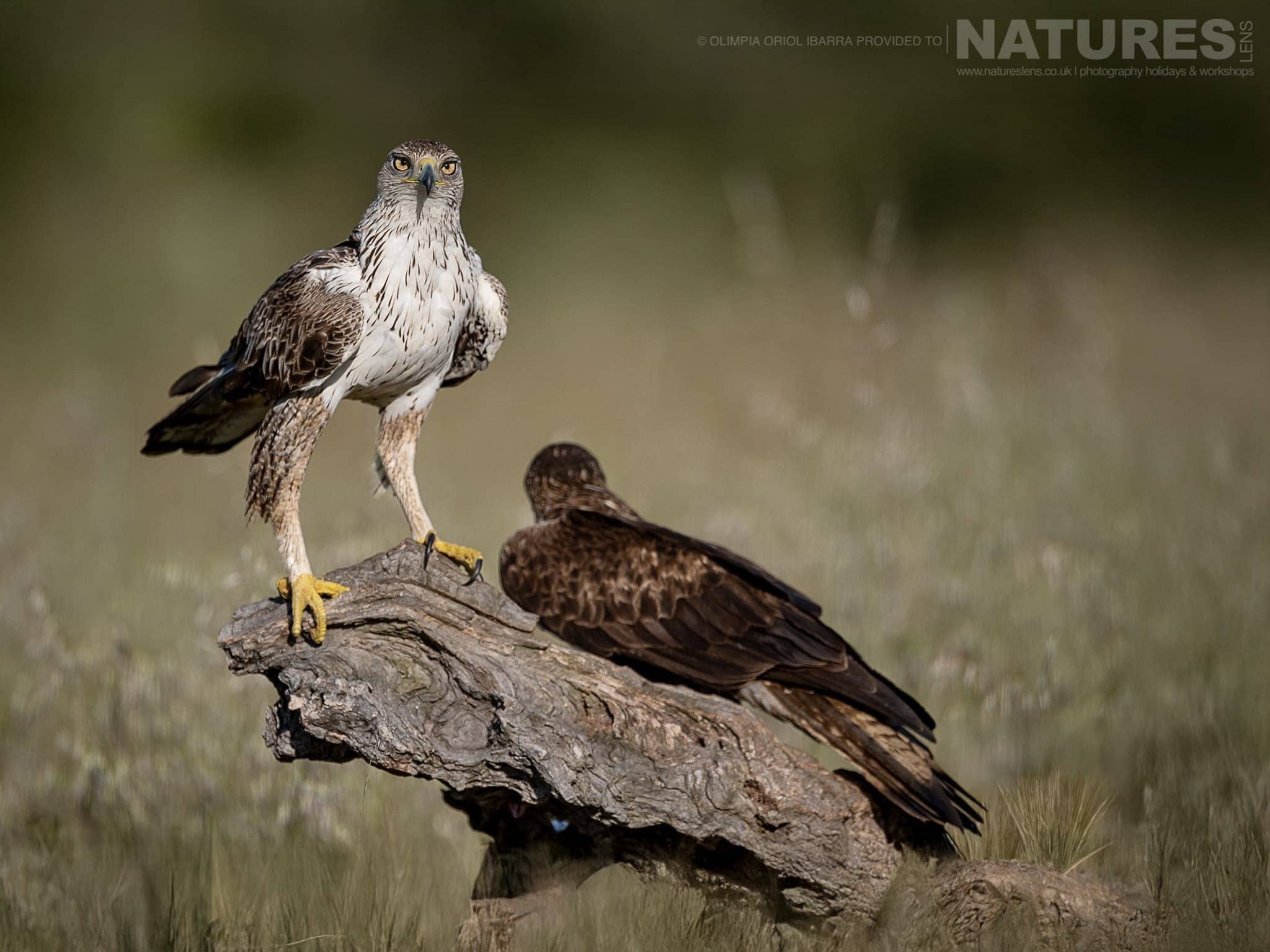
What Is Other Raptors?
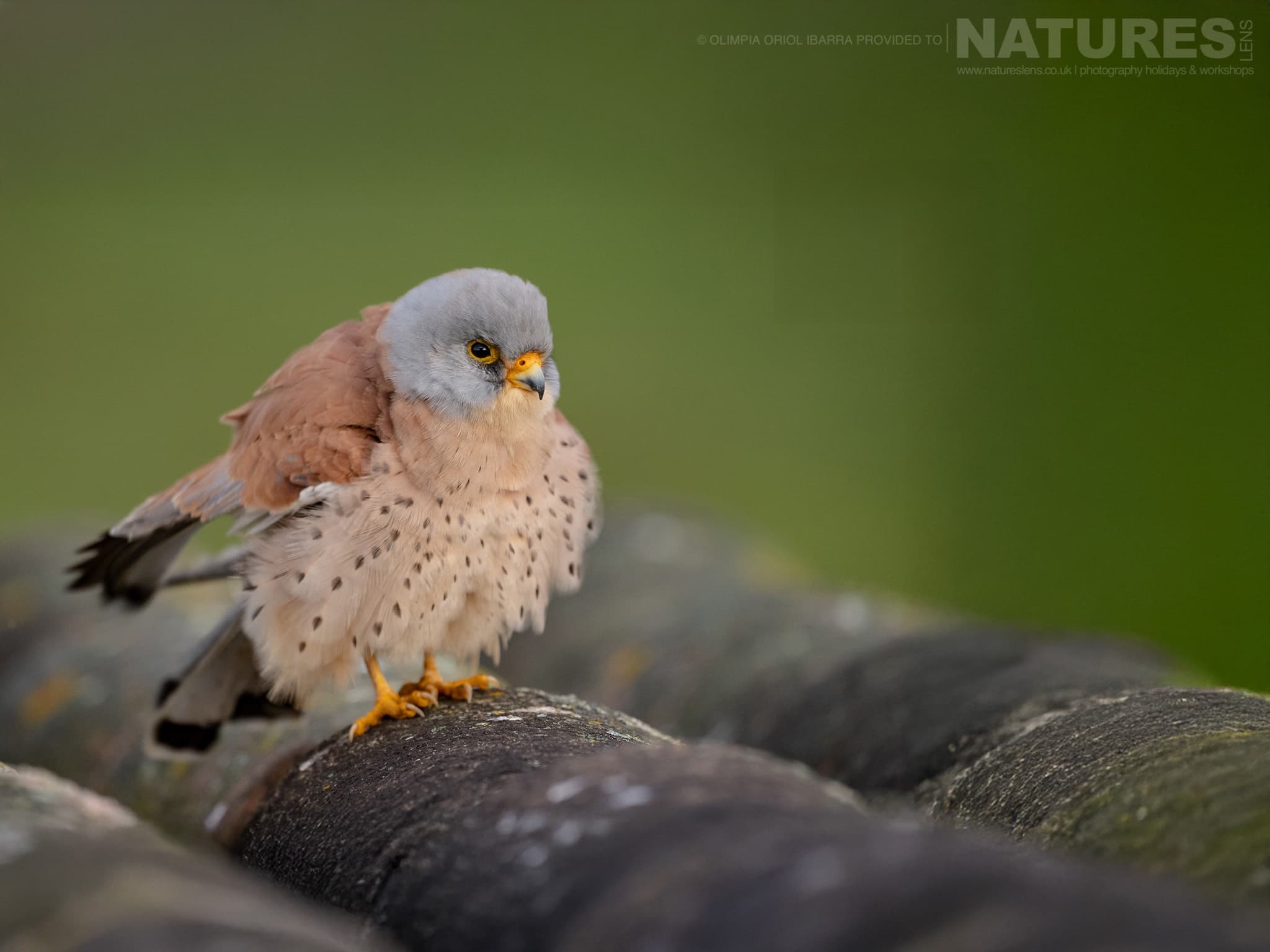
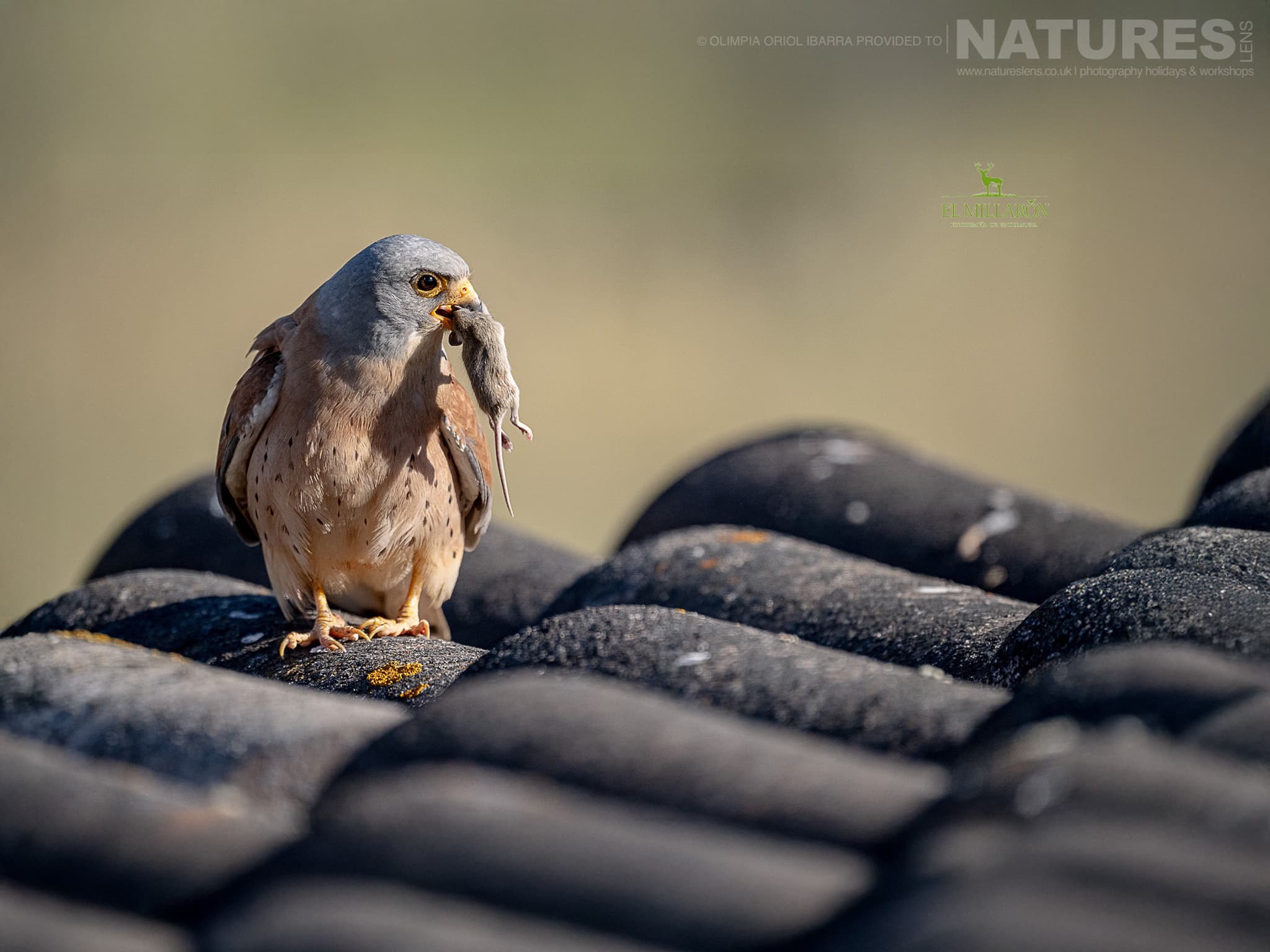
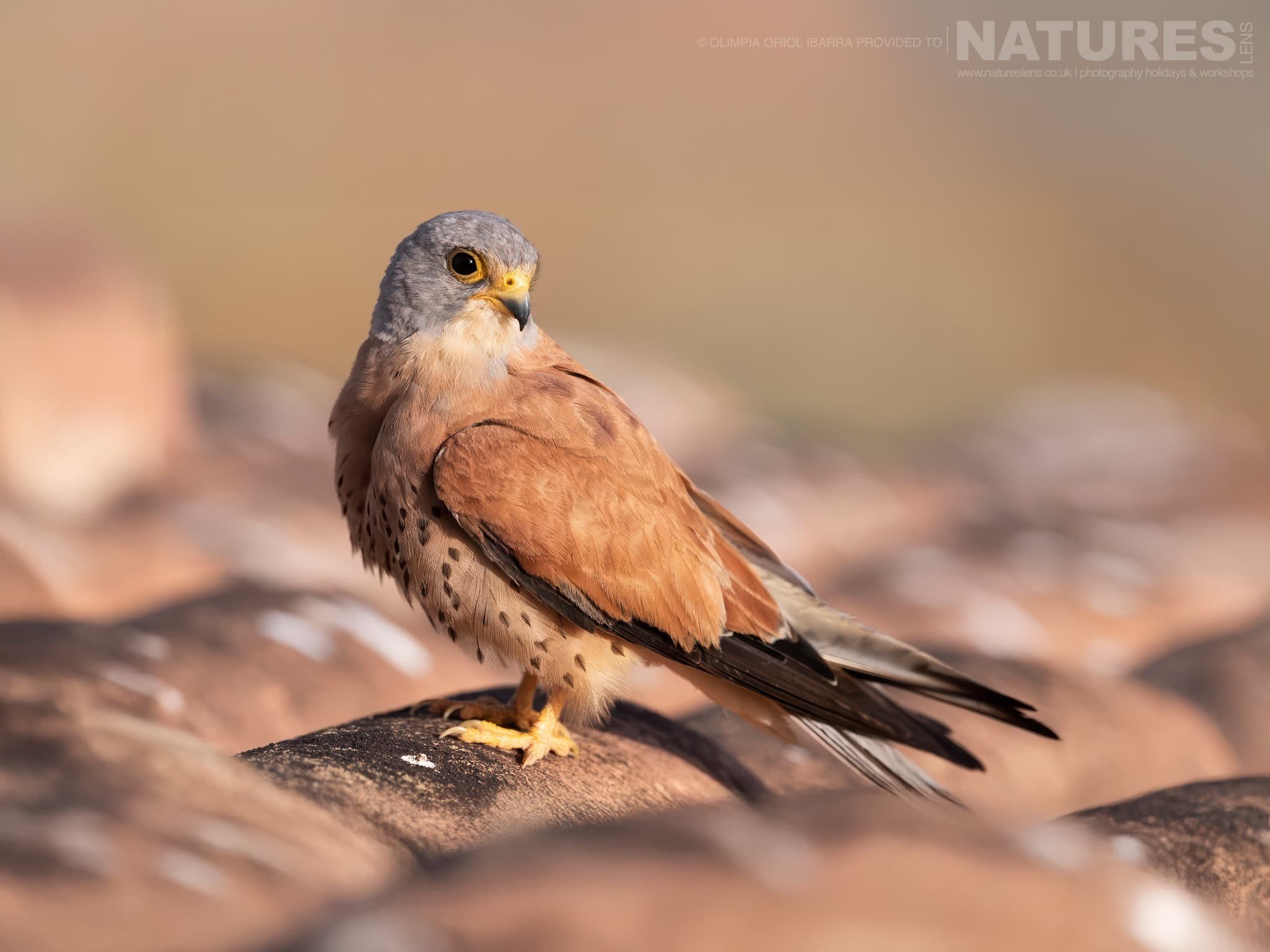
Between eagle visits, the hides produce griffon vultures, cinereous vultures, red & black kites, lesser kestrels, & peregrine falcons – all at close range.
Best Places for Eagle Photography
Monfragüe National Park: Famous for cliffs, river valleys & viewpoints. Home to imperial, golden & Bonelli’s eagles plus vultures.
Sierra de San Pedro: A key stronghold for Spanish imperial eagles. Licensed hides here are positioned at feeding stations, giving controlled, repeatable opportunities at close range.
Tagus International Nature Reserve: Quieter than Monfragxc3xbce, with good numbers of Bonelli’s & golden eagles & far fewer photographers competing for position.
The Dehesa: Open oak pasture where eagles hunt over grassland. The scattered trees & clean horizon make this ideal terrain for flight photography with uncluttered backgrounds.

NaturesLens Eagle Photography Holidays
NaturesLens runs several trips each year to Extremadura & other Spanish raptor regions. We use licensed hides operated by local conservation partners, & our leaders know the sites, the light, & the behaviour patterns that produce the best results.
- Eagles of Extremadura Photography Holiday
- Eagles & other birdlife of Northern Spain
- Spain Destinations for wildlife photography with NaturesLens
Photography Techniques
- Lenses: A 500mm or 600mm prime is ideal for perched portraits. A 100-400mm or 200-600mm zoom gives flexibility for flight & wider environmental shots.
- Support: Tripod with gimbal head inside the hide for smooth tracking. A beanbag on the hide window ledge works well too.
- Settings: 1/2000s minimum for birds in flight. For perched birds, you can drop to 1/500s or lower if the bird is settled.
- Light: The first & last two hours deliver warm, directional light. Overcast conditions are good for portraits – no harsh shadows under the brow ridge.
- Background: Discuss perch placement & distance with the hide operator. A longer gap between perch & background gives you cleaner bokeh.
When to Visit?
- Spring: Courtship displays, nest building, & prey deliveries to sitting birds. The longest & most active season.
- Summer: Fledglings making early flights & family groups around the nest sites.
- Autumn: Territorial patrols increase, & the dehesa takes on warm, golden tones that complement the plumage.
- Winter: Golden eagles are most visible, the air is typically clear, & the sun stays low all day – ideal for warm, raking light.
Practical Travel Advice
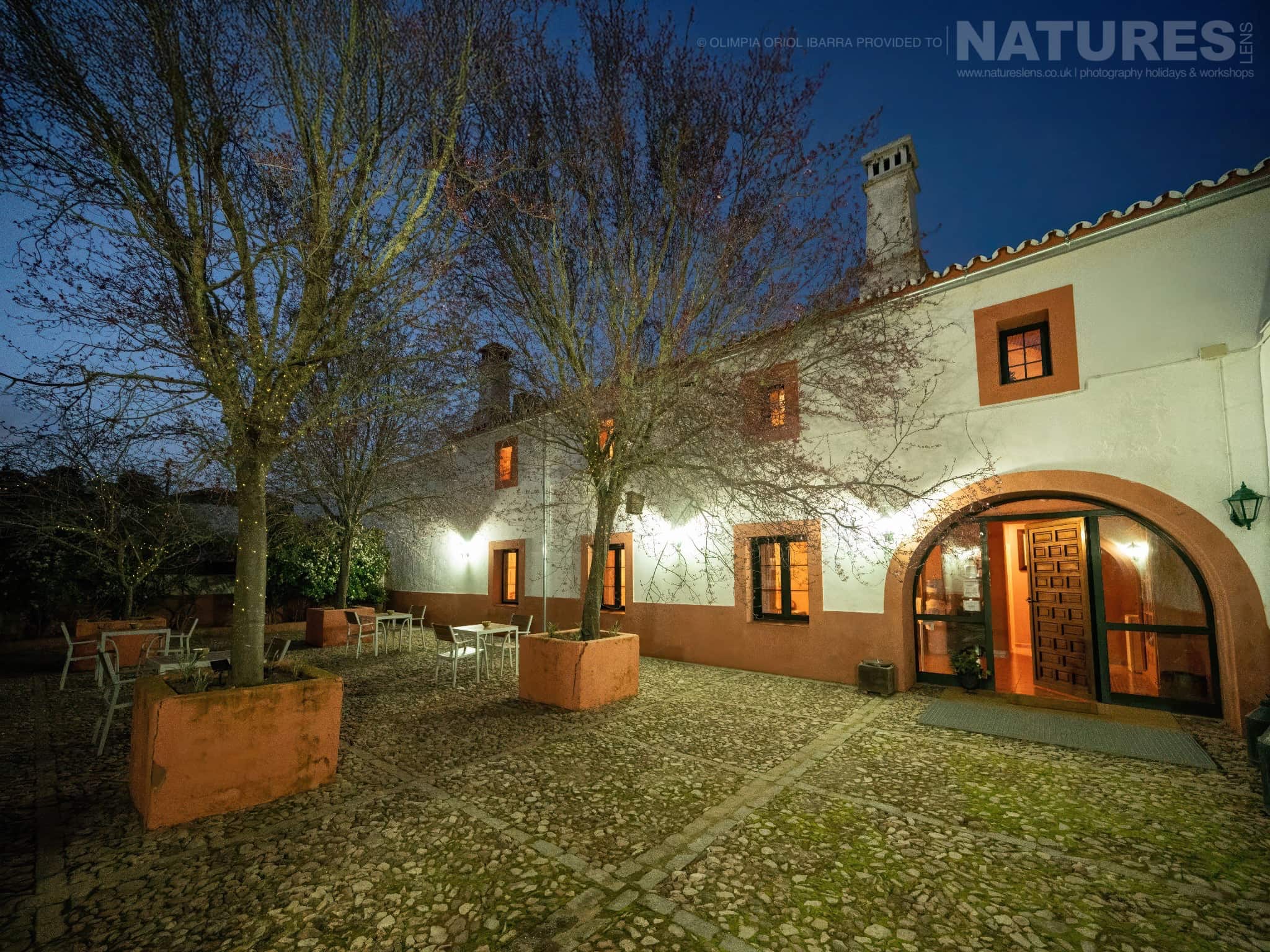
Fly into Madrid & drive three hours to Trujillo or Cáceres. Stay in rural guesthouses close to hides. Book guided trips with NaturesLens for photography in Spain or local operators for licensed hides. Reserve months ahead for spring dates. Bring spare batteries, layered clothing, & silent shutters.
Conservation & Responsible Photography
Licensed hides are essential – they exist because the operators have invested in conservation management & earned the necessary permits. Minimise noise & movement, respect buffer distances, & support operators who put revenue back into raptor protection. Our NaturesLens trips work exclusively with conservation-led hide operators.
Complementary Wildlife
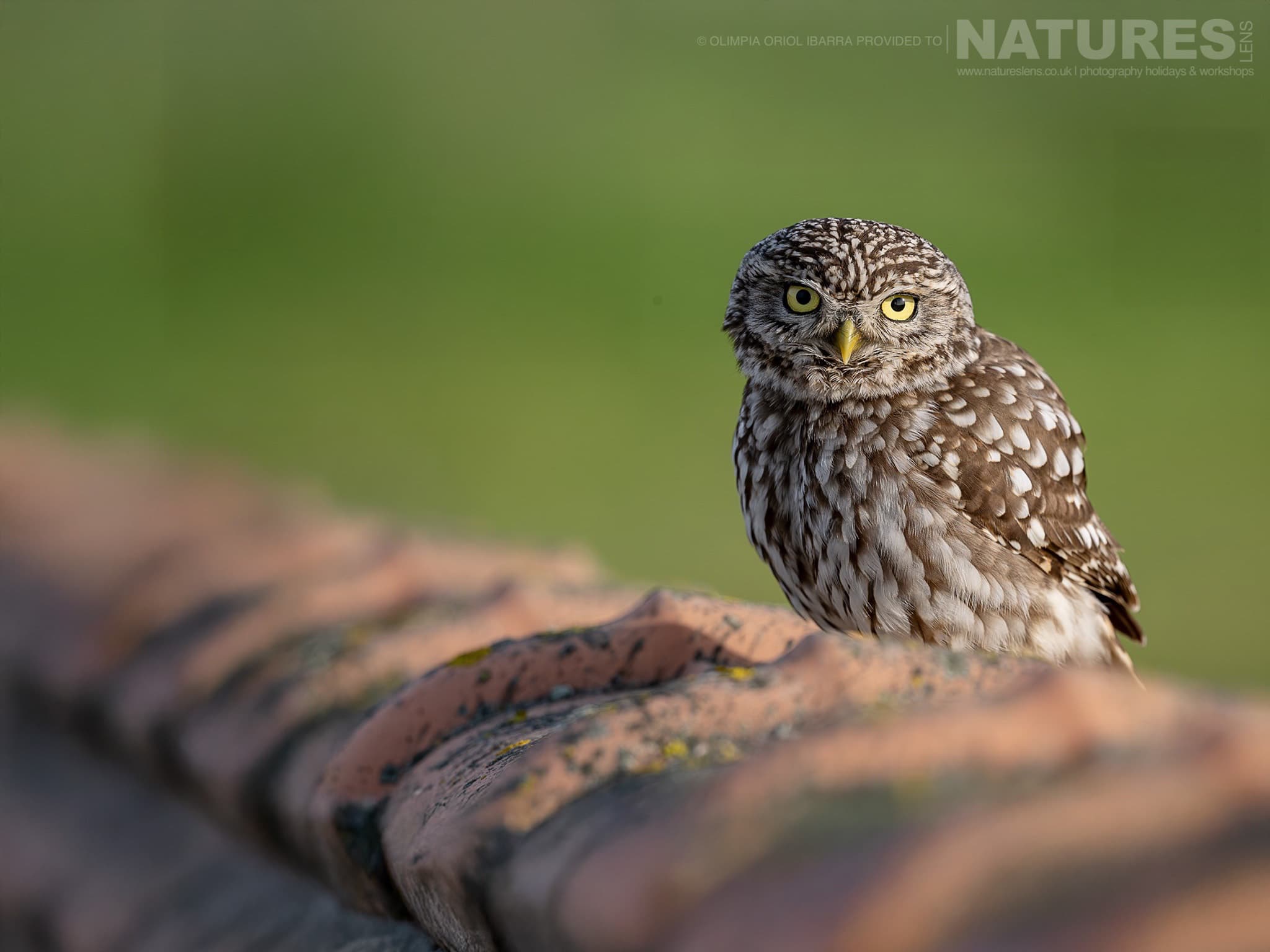
Beyond eagles, Extremadura delivers common cranes on the winter plains, great bustards displaying in spring, vultures year-round, & lesser kestrels & swifts nesting in the old towns of Trujillo & Cxc3xa1ceres.
Conclusion
Extremadura gives you consistent access to eagles that are genuinely difficult to photograph elsewhere in Europe. The combination of licensed hides, varied terrain, & year-round raptor activity makes it one of the most productive destinations I know. A NaturesLens trip puts you in the right hides at the right time, with leaders who understand both the birds & the photography.