Grímsey Island, located off the northern coast of Iceland & just within the Arctic Circle, is an extraordinary destination for Atlantic Puffin photography. With its dramatic landscapes, rich wildlife, & unique photographic opportunities, this remote island has become one of the top locations in the world for photographers looking to capture stunning images of the Atlantic Puffin (Fratercula arctica). The island’s steep cliffs, diverse wildlife, & particularly its thriving puffin population make it a dream location for both seasoned professionals & budding photographers alike.
In this article, we’ll explore why Grímsey Island is considered one of the best spots for Atlantic Puffin photography, delve into the variety of photographic opportunities that the island offers, & highlight some of the best events where you can photograph these charismatic seabirds in their natural environment.
Why Grímsey Island is the Best Location for Atlantic Puffin Photography
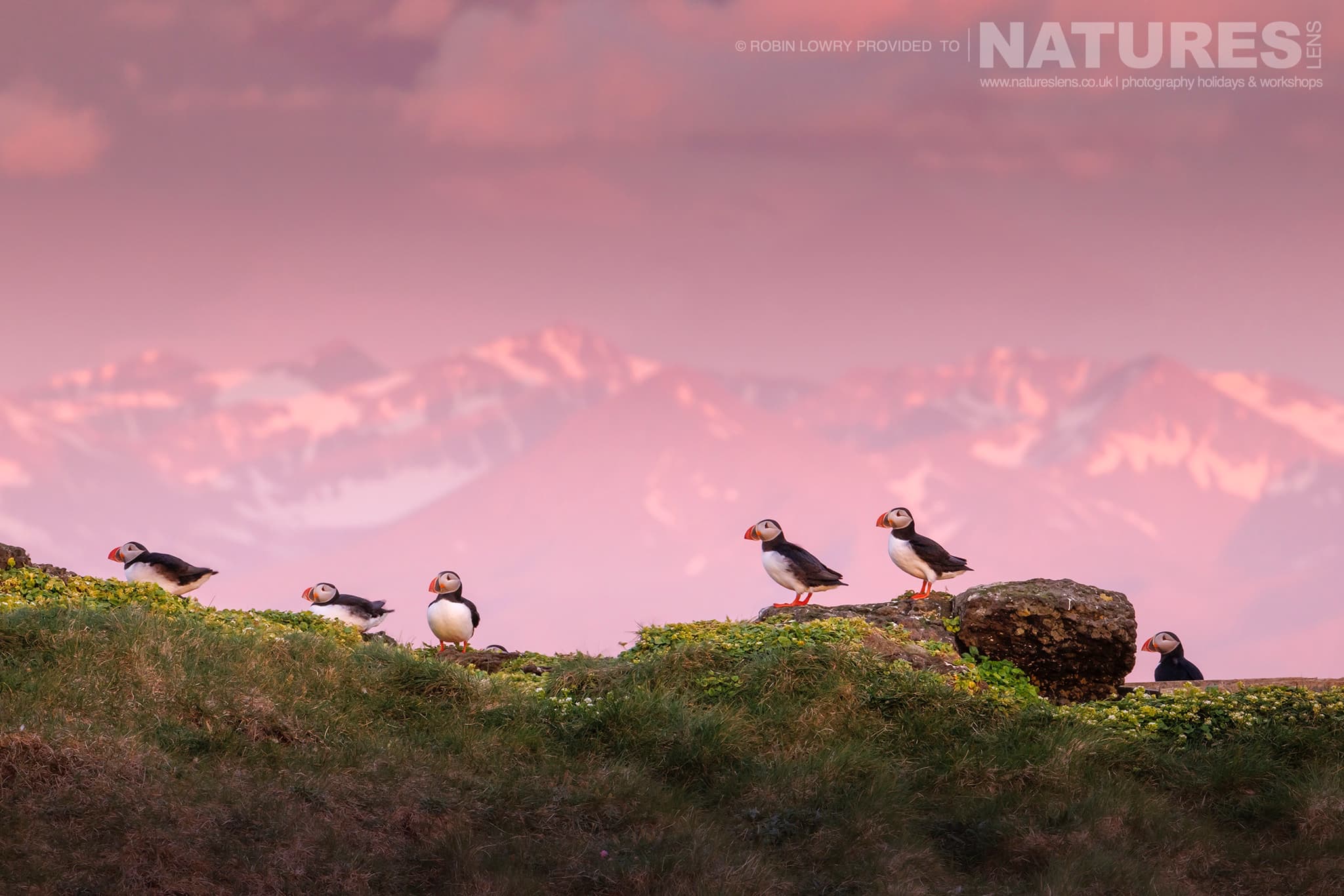
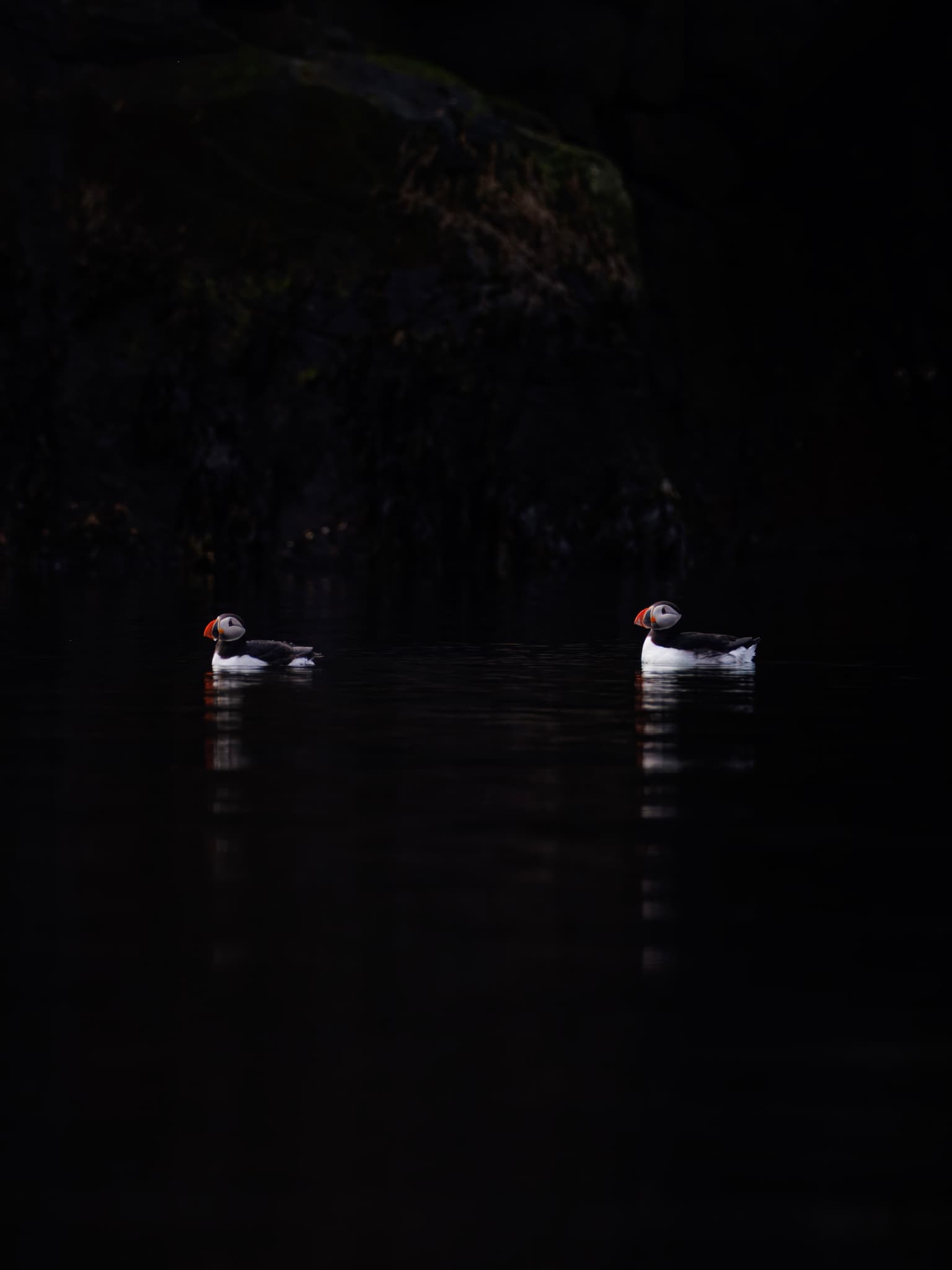
Grímsey Island’s secluded location just north of the Arctic Circle ensures that it remains an untouched paradise for nature photographers. Its landscape, with sheer cliffs & rolling hills dotted with wildflowers, provides an ideal backdrop for photographing puffins. The puffins here, known for their striking beaks, vivid plumage, & unique behaviours, are particularly photogenic.
Whether you’re capturing them mid-flight, perched on the cliffs, or interacting with their young, Atlantic Puffins offer endless opportunities for stunning wildlife shots. The midnight sun, a phenomenon unique to regions north of the Arctic Circle, ensures that photographers have extended hours of soft, golden light – perfect for those breathtaking images that every photographer dreams of.

Moreover, the puffins here are generally quite tolerant of human presence, which allows for close-up shots without the usual interference. This makes Grímsey a perfect destination for anyone looking to enhance their Atlantic Puffin photography portfolio.
The Arctic Terns & Other Species You’ll Find on Grímsey Island
While Atlantic Puffins are undoubtedly the main attraction for photographers visiting Grímsey Island, this remote haven in the Arctic Circle is also home to a diverse array of other seabirds & wildlife, making it an excellent location for nature photography. Among the many species found on Grímsey, the Arctic Tern (Sterna paradisaea) stands out for its striking beauty & remarkable migratory journey. Alongside these terns, the island hosts a variety of other bird species, marine mammals, & unique flora, all of which present fantastic photographic opportunities.
The Arctic Tern: A Photographer’s Dream
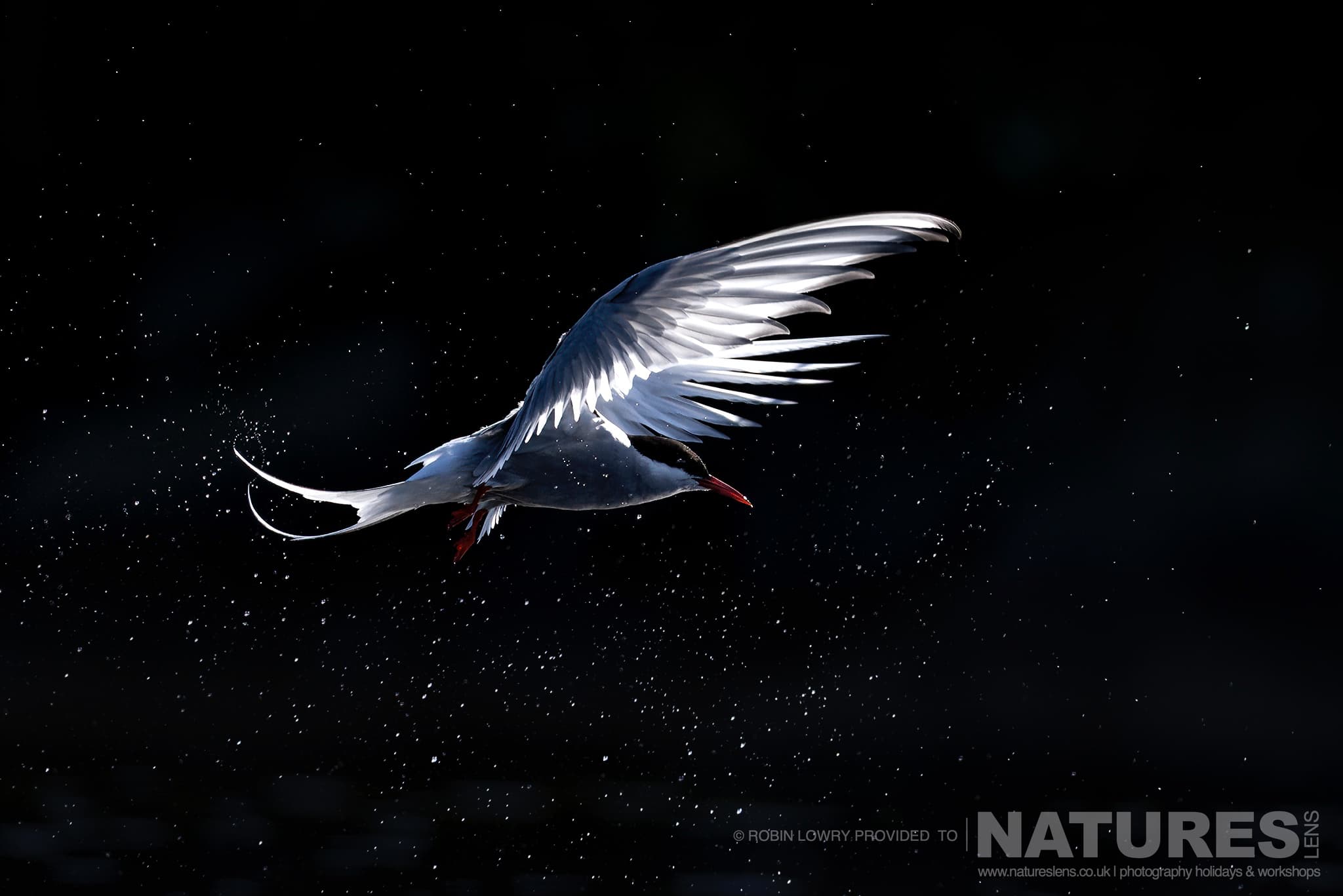
The Arctic Tern is one of the most remarkable birds to photograph on Grímsey Island. Known for its long, pointed wings, slender body, & distinct black cap, this elegant seabird is often seen swooping gracefully over the island’s cliffs & waters in search of fish. Arctic Terns are migratory birds that travel farther than any other animal on Earth, making their way from the Arctic to the Antarctic & back each year. This incredible journey spans up to 70,000 kilometres, which has earned them the title of the longest migratory animal.
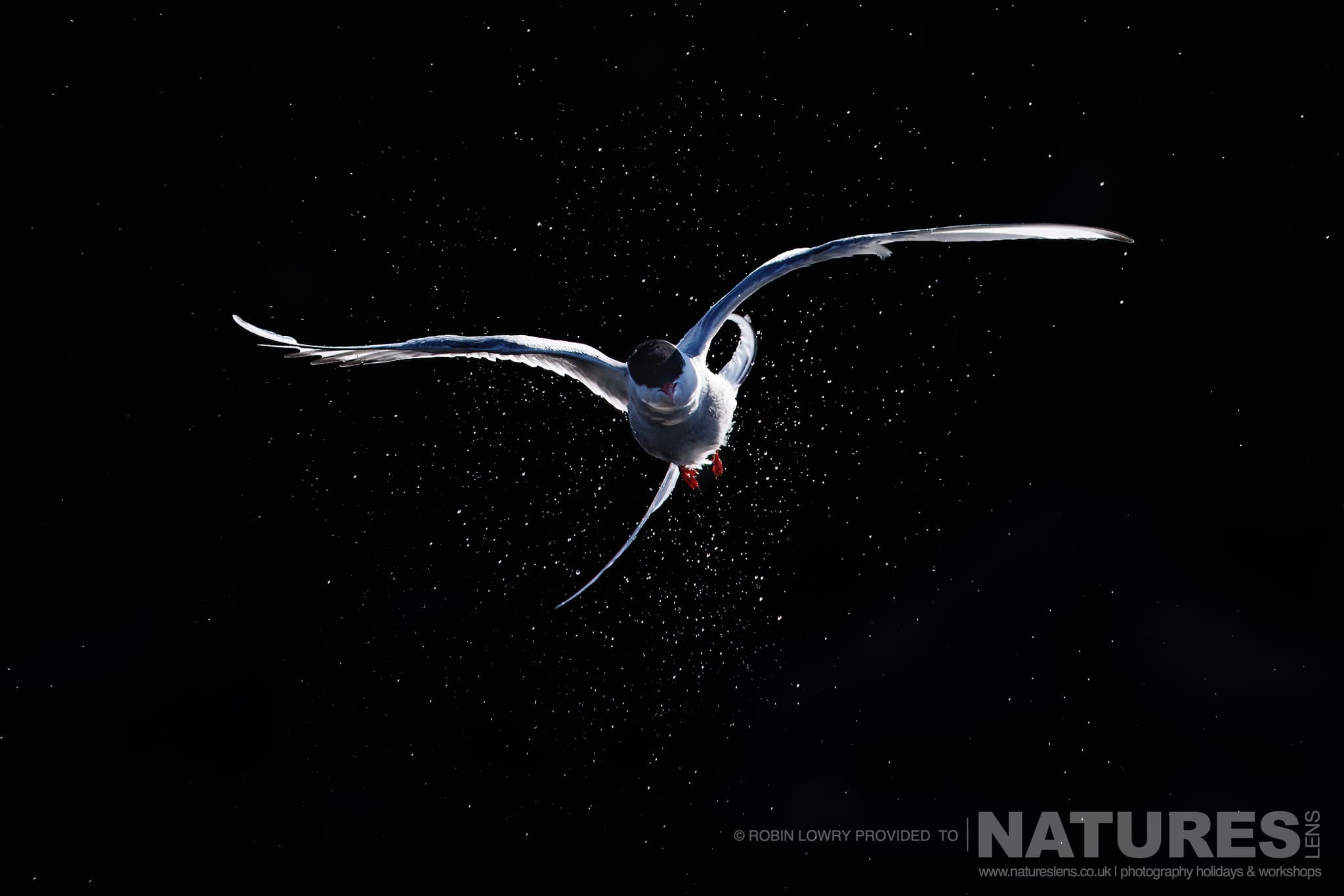
For photographers, the Arctic Tern provides a wealth of opportunities. Its striking plumage, combined with its dynamic flight patterns, makes for stunning action shots against the backdrop of Grímsey’s dramatic cliffs & the endless ocean. You can capture these terns in flight, hovering over the water, or even swooping down to catch their prey, making for truly captivating images.
Other Notable Bird Species on Grímsey Island
Grímsey Island is a sanctuary for a variety of seabird species, many of which nest on the island’s steep cliffs. Some of the most notable birds you can photograph include:
1. Northern Fulmar
The Northern Fulmar (Fulmarus glacialis) is a common sight on Grímsey’s cliffs. These seabirds, with their graceful flight & striking white & grey plumage, are often mistaken for albatrosses due to their size & wing shape. Fulmars are typically seen gliding effortlessly over the ocean or perched on the cliffs. Their behaviour makes for dramatic photographs, especially when captured mid-flight against the island’s rugged backdrop.
2. Razorbill
The Razorbill (Alca torda) is another seabird commonly found on Grímsey Island. With its distinctive black-&-white plumage & sharp, dagger-like beak, the razorbill is an excellent subject for black-&-white or monochrome photography. These birds are often seen on the cliffs or diving for fish in the surrounding waters. The contrast of their dark feathers against the white foam of the ocean makes for striking images.
3. Common Eider Duck
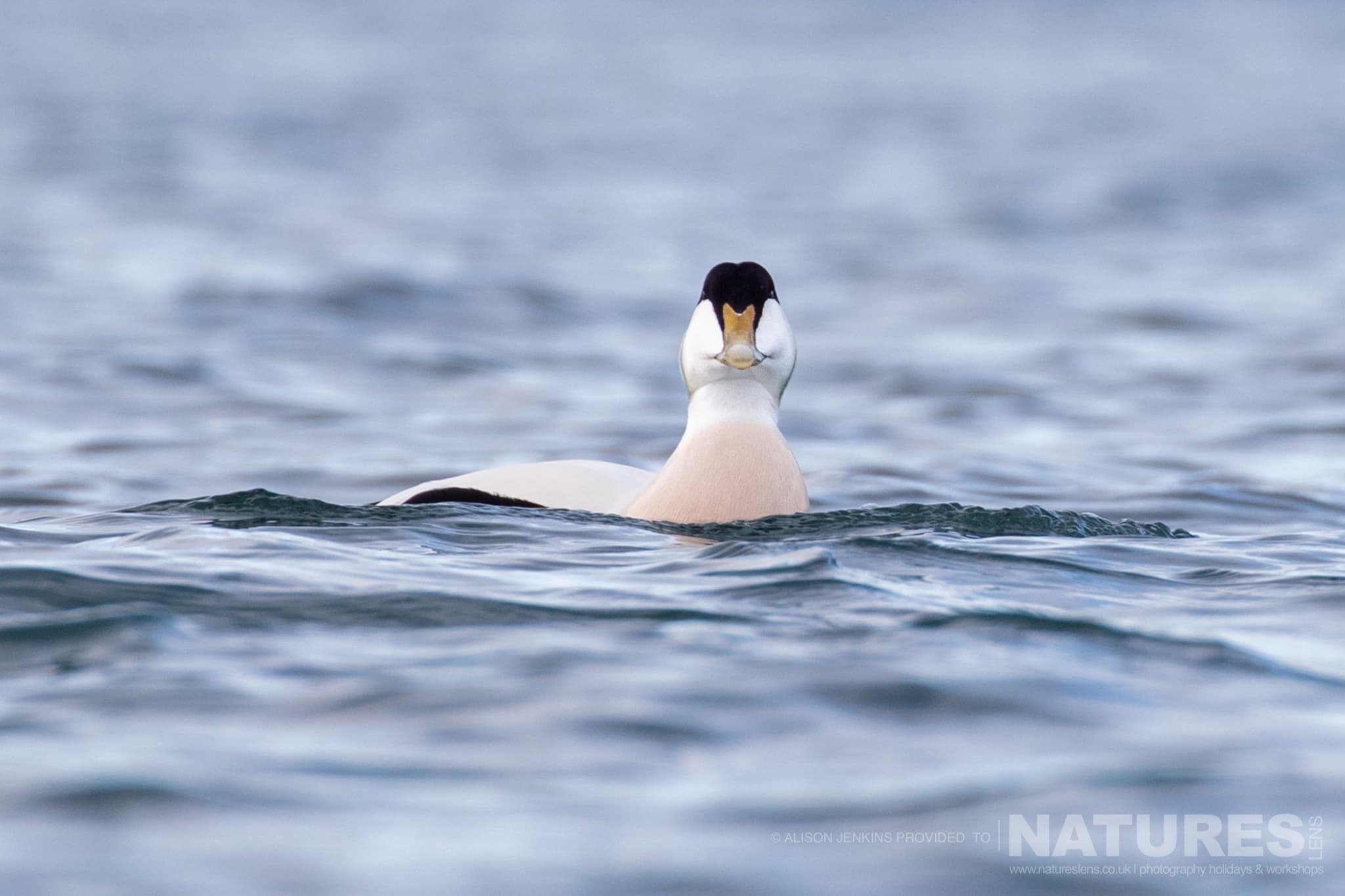
The Common Eider (Somateria mollissima) is a large sea duck found in the waters around Grímsey. Males are easily recognisable by their bold black-&-white plumage, while females are more subdued in colour but still distinctive. These ducks are often seen swimming in the waters or resting on the rocky shores of Grímsey. Photographers can capture these ducks in their natural habitat, often with the backdrop of the island’s stunning coastline.
4. Kittiwake
The Kittiwake (Rissa tridactyla) is a small, graceful gull often seen on Grímsey’s cliffs. These birds are recognisable by their white plumage & black-tipped wings, & they are typically seen nesting in colonies on the island’s cliffs. Kittiwakes’ playful interactions & aerial acrobatics provide endless opportunities for action shots.
5. Guillimot
The Guillimot (Uria aalge) is another seabird that thrives on Grímsey Island. This medium-sized bird, with its sleek black-&-white plumage & long, slender body, is often photographed diving into the ocean or perched on cliff edges. Guillimots are fascinating to capture, especially when photographing their dramatic dives or the intensity of their courtship displays.
Marine Mammals: Seals & Whales
Grímsey Island’s rich marine ecosystem also offers photographers a chance to capture marine mammals in their natural environment. Common Seals (Phoca vitulina) are frequently spotted lounging on the rocky shores of Grímsey, basking in the sun or swimming in the surrounding waters. These seals provide excellent opportunities for both close-up & environmental photography, especially when captured on the rocks or in the water, their sleek bodies glistening in the Arctic light.
While whale sightings around Grímsey are less frequent, they do occur. Humpback Whales & Orcas occasionally pass through the waters, offering a rare but spectacular chance for whale photographers to capture these majestic creatures. Boat tours around the island may provide an opportunity to photograph these incredible marine mammals in their natural habitat.
Arctic Flora: A Burst of Colour
Grímsey Island’s plant life is another hidden gem for photographers. The Arctic tundra environment is home to a variety of hardy plants & wildflowers, many of which bloom in vibrant colours during the summer months. Arctic Poppies, Moss Campion, & Labrador Tea are just a few examples of the hardy plants that thrive in this unique environment. The flowers, set against the island’s dramatic backdrop of cliffs & ocean, offer wonderful opportunities for nature photographers interested in capturing the delicate beauty of Arctic flora.
Puffin Photography in the Land of the Midnight Sun
One of the most striking features of Grímsey Island is its location within the Arctic Circle, which means that from late May to early August, the island experiences the midnight sun. This unique lighting condition allows photographers to capture images in magical golden light, even during the “nighttime.” The puffins, with their vibrant colours & quirky behaviours, come alive under this soft, surreal light, offering incredible opportunities for photographers to capture images that are not possible elsewhere in the world.
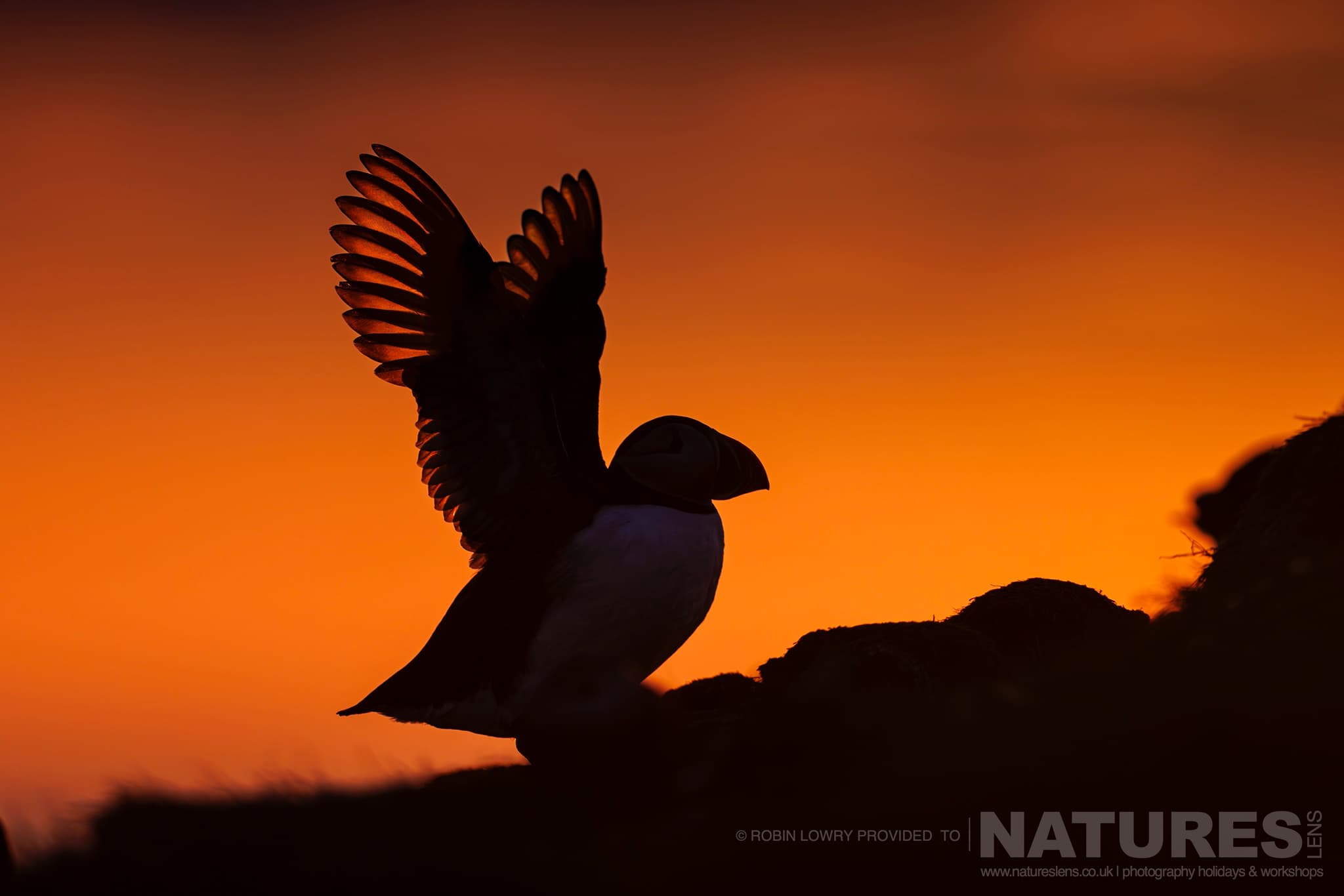
Whether you are interested in puffins in flight, detailed portraits, or capturing puffin interactions, the extended daylight hours give you the flexibility to create a variety of images, no matter the time of day. Grímsey’s stark beauty, paired with the dynamic behaviour of puffins, ensures that your photographic experience will be both diverse & rewarding.
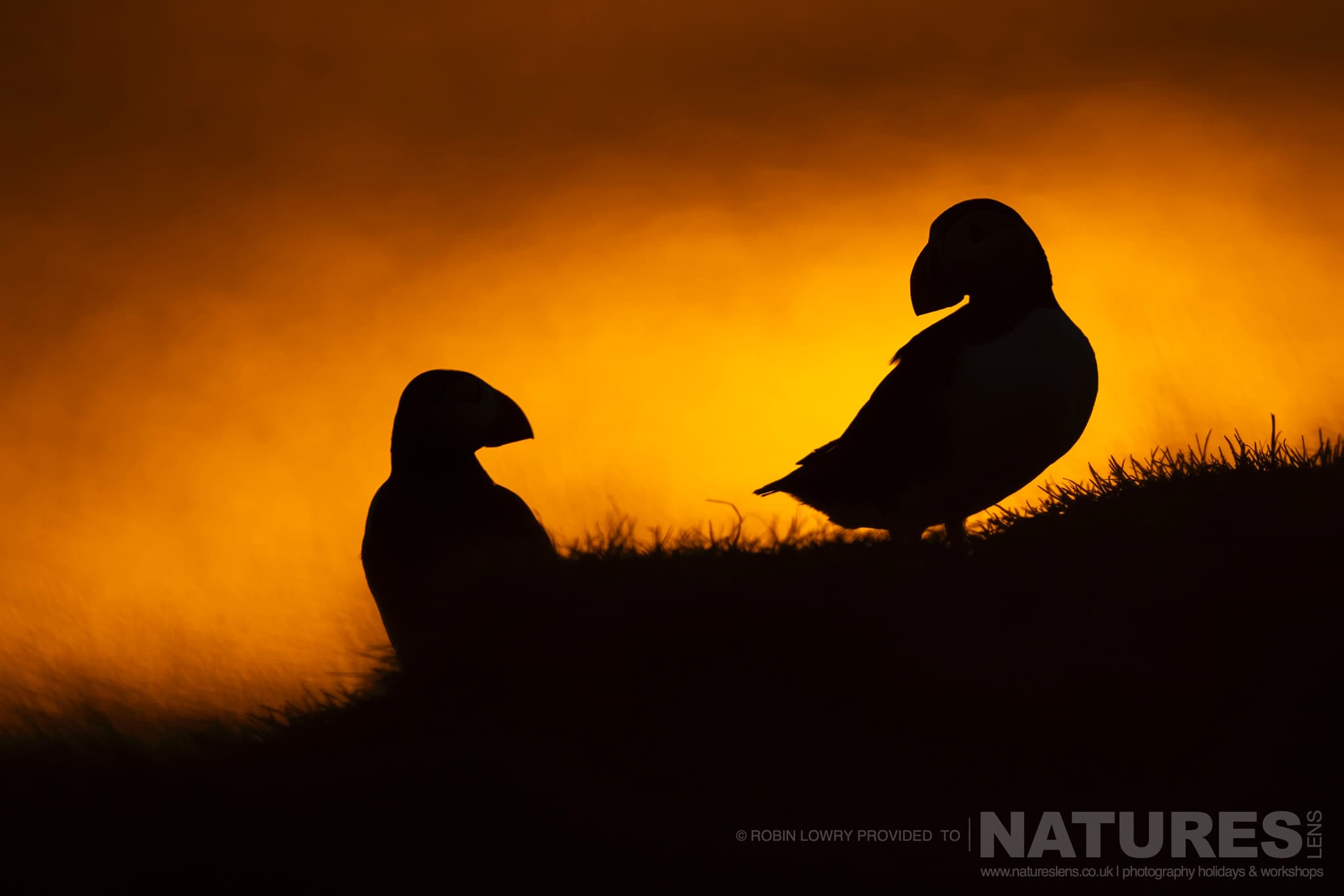
Photographic Opportunities with Atlantic Puffins on Grímsey Island
Grímsey is renowned for its variety of photographic opportunities when it comes to Atlantic Puffins. The island offers a range of environments – from cliff edges to grassy meadows – where puffins can be photographed in different behaviours & settings. Here are some of the key photography opportunities:
1. Close-up Portraits
The puffins on Grímsey are accustomed to human presence, meaning you can get closer to them for detailed, intimate portraits. Their colourful beaks, expressive eyes, & unique personalities make for engaging, high-quality shots that any photographer would be proud to capture.
2. In-flight Action Shots
Puffins are not just adorable on the ground – they are also excellent fliers. Photographing them mid-flight against a dramatic backdrop of cliffs or open ocean can result in dynamic, high-energy images. The soaring puffins, with their powerful wings & playful flight patterns, make for compelling subjects.
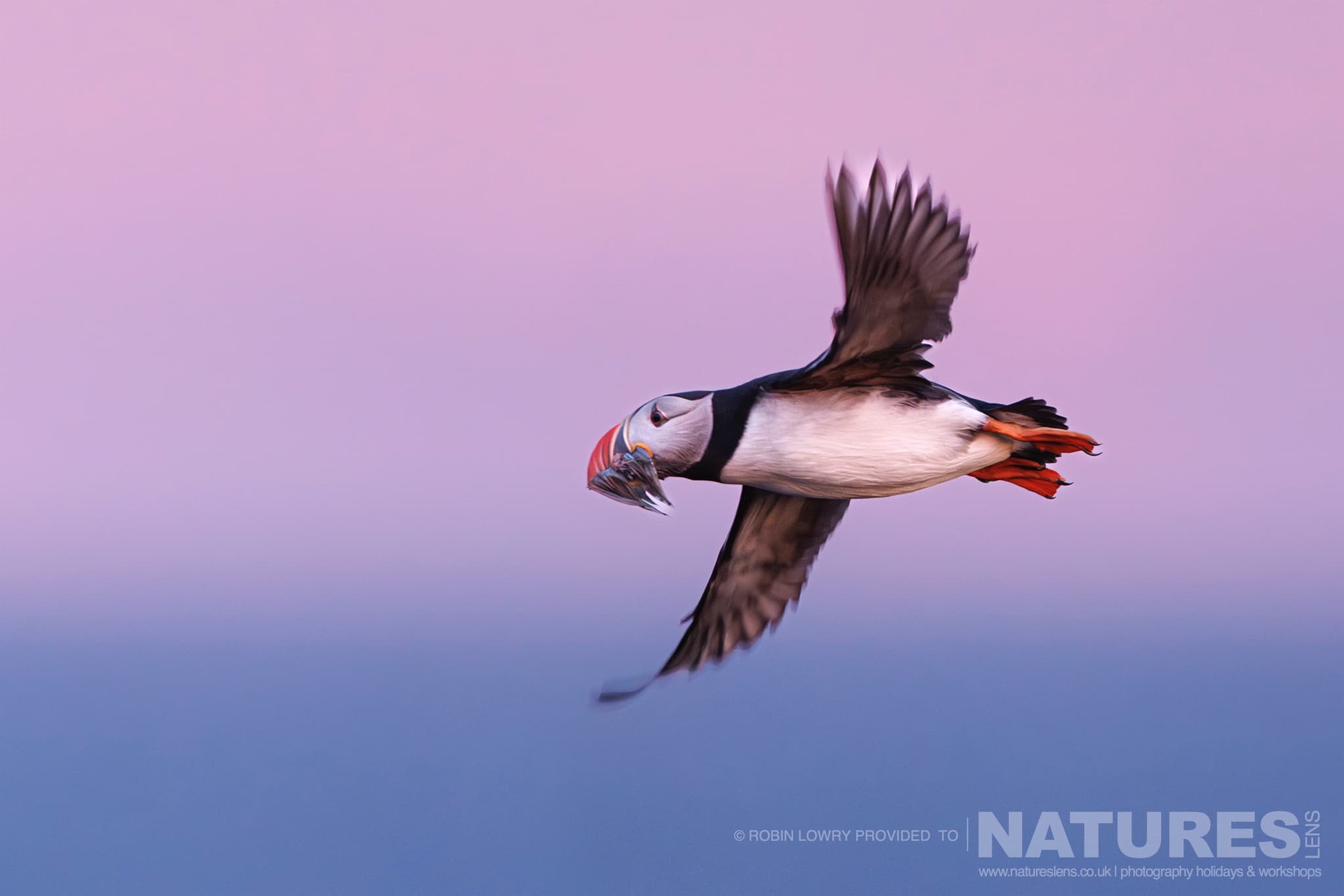
3. Nesting & Feeding Behaviour
Another key photographic opportunity on Grímsey is capturing the nesting & feeding behaviours of the puffins. From puffins bringing fish to their chicks to courtship rituals, these moments of interaction between puffins are incredibly photogenic & full of emotion.
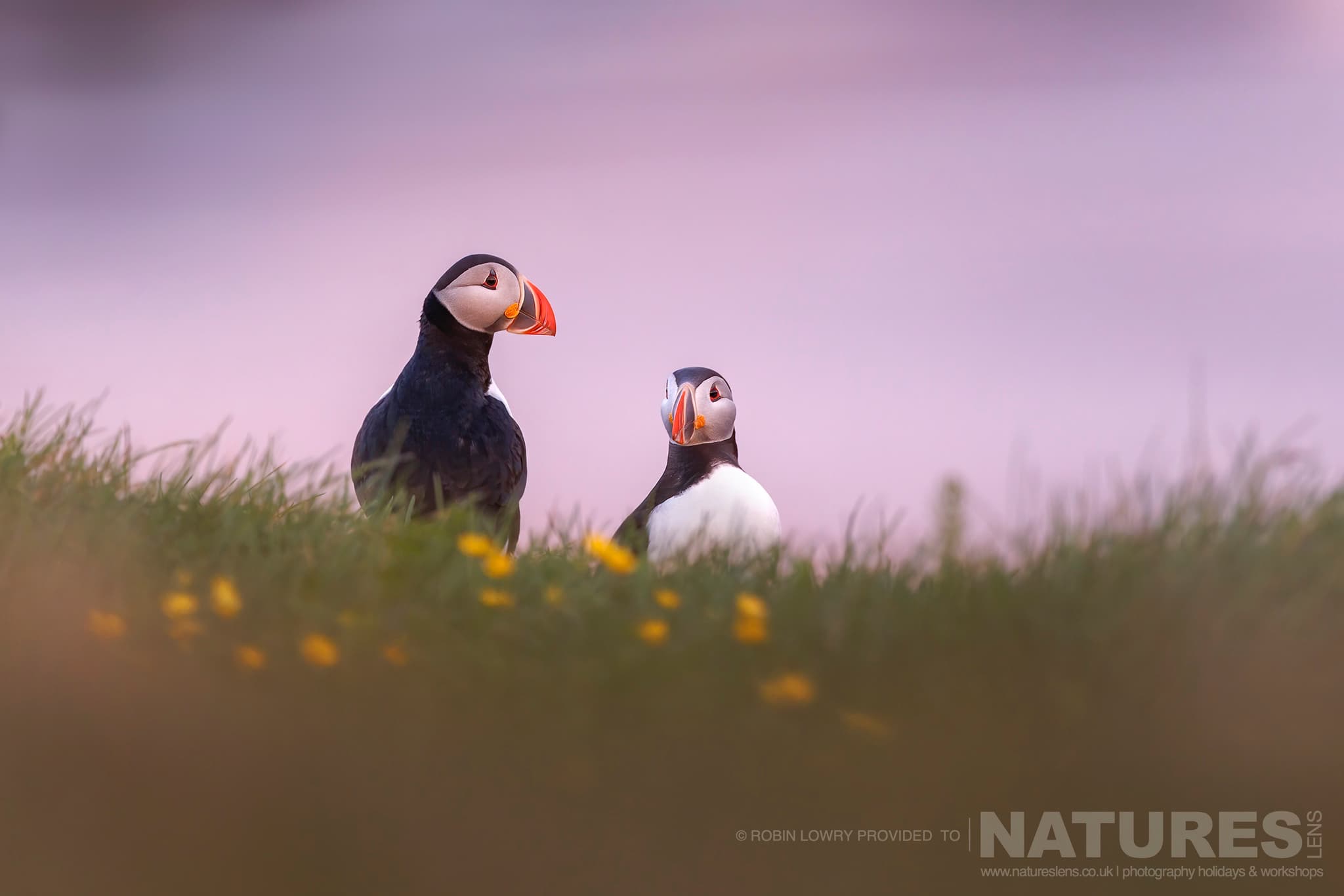
4. Puffins with the Midnight Sun
Photographing puffins under the midnight sun provides a unique & magical lighting effect, giving your photos a soft, golden glow even at the late hours of the night. The warm, diffused light adds a surreal quality to the images, creating photos that stand out in any portfolio.
Book Your Atlantic Puffin Photography Holiday to Grímsey Island
If you’re looking to explore Grímsey Island & photograph Atlantic Puffins in their natural habitat, consider booking a photography holiday with NaturesLens. Their Puffins of Iceland photography holidays offer an exceptional opportunity to not only photograph these magnificent birds but to experience the beauty of Iceland’s remote, rugged landscapes.
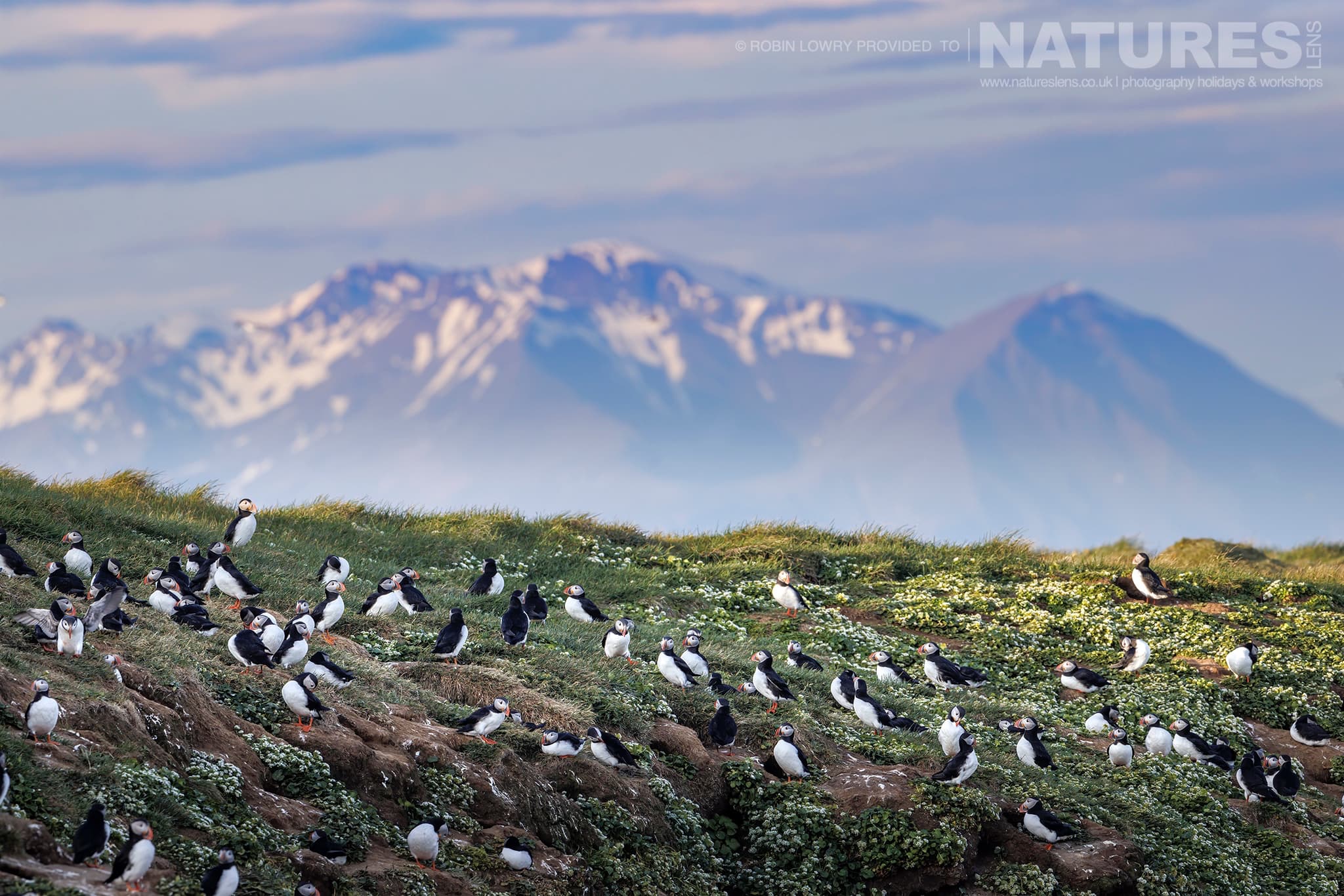
Puffins of Iceland: 29th June – 6th July 2026
Join NaturesLens for a 7-night Puffins of Iceland photography holiday on Grímsey Island. This special event, guided by Robin Lowry, will give you the chance to capture images of the puffins during the peak of their breeding season under the golden light of the midnight sun.
This tour includes shared occupancy accommodation & is priced at £2199. You can find more information & book your place on this incredible photography holiday on the event page dedicated to the Puffins of Iceland’s Grímsey Island.
Tips for Atlantic Puffin Photography
- Use a Telephoto Lens: To capture detailed shots of puffins without disturbing their behaviour, a telephoto lens (200mm or longer) is ideal.
- Capture the Golden Hour: Take advantage of the midnight sun & golden light to photograph puffins at any time of the day. The soft lighting during this period creates ethereal & dramatic images.
- Bring Extra Memory Cards & Batteries: With so many photo opportunities, you’ll want to make sure you have plenty of memory & power to capture every moment.
- Respect the Wildlife: While puffins are relatively tolerant of human presence, always respect their space. Ensure you’re not intruding on nesting areas or disturbing the birds.
Conclusion
Grímsey Island offers some of the best opportunities for Atlantic Puffin photography in the world, with its rugged cliffs, diverse wildlife, & the added benefit of the midnight sun. Whether you’re looking to photograph puffins in flight, capturing intimate moments at their nests, or simply enjoying the surreal golden light, this remote Icelandic island provides a stunning backdrop for your photographic journey.
The island is a true wildlife photographer’s paradise, offering much more than just Atlantic Puffins. From the graceful Arctic Terns to the playful Kittiwakes & the powerful razorbills, the island is home to a rich array of seabirds, marine mammals, & flora that make for exceptional photographs. Whether you’re capturing the elegance of Arctic Terns in flight or the unique behaviour of seals & other wildlife, Grímsey provides an abundance of opportunities to create diverse & captivating images.
By joining one of NaturesLens’ Puffins of Iceland photography holidays, you can immerse yourself in this magical environment & capture unforgettable images of one of nature’s most beloved seabirds. Don’t miss the opportunity to visit Grímsey Island in 2026 & elevate your Atlantic Puffin photography to new heights.
For more details on our fantastic photography holidays, visit our Puffins of Iceland page & begin planning your adventure today.