 Trustpilot

Winter transforms landscapes across the globe into pristine, icy theatres of wildlife drama. From snow-covered forests in Scandinavia to frozen lakes in Japan & North America’s steaming geysers, the colder months provide unique opportunities to capture animals against stark, atmospheric backdrops. For photographers, winter wildlife photography combines the challenge of extreme conditions with the reward of unforgettable images.
Here are some of the best destinations for winter wildlife photography around the world, many of which feature in NaturesLens wildlife photography holidays. All sessions are conducted ethically, using licensed hides or carefully managed field access to ensure minimal disturbance to wildlife.
1 – Japan – Cranes, Eagles & Snow Monkeys
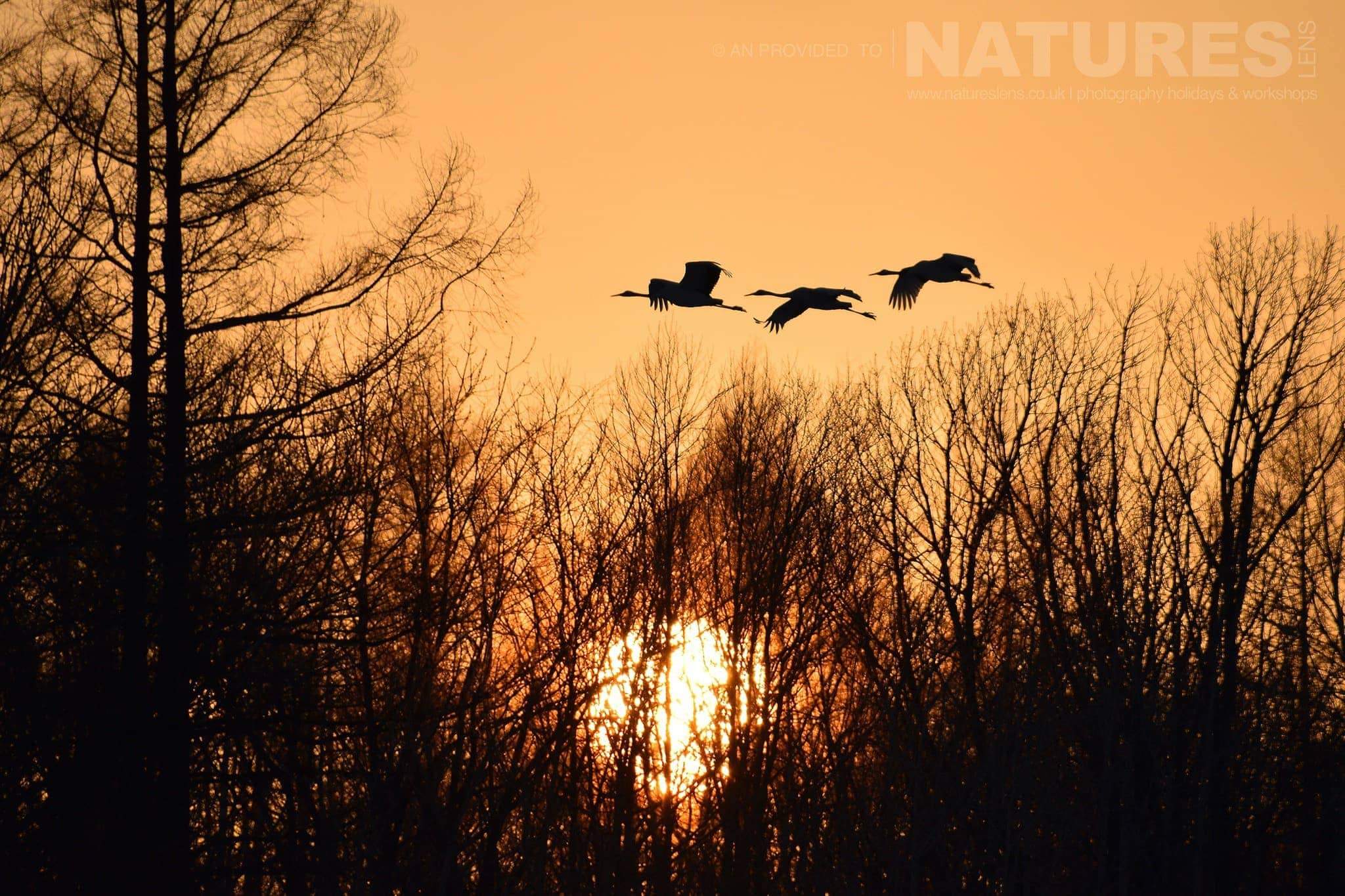
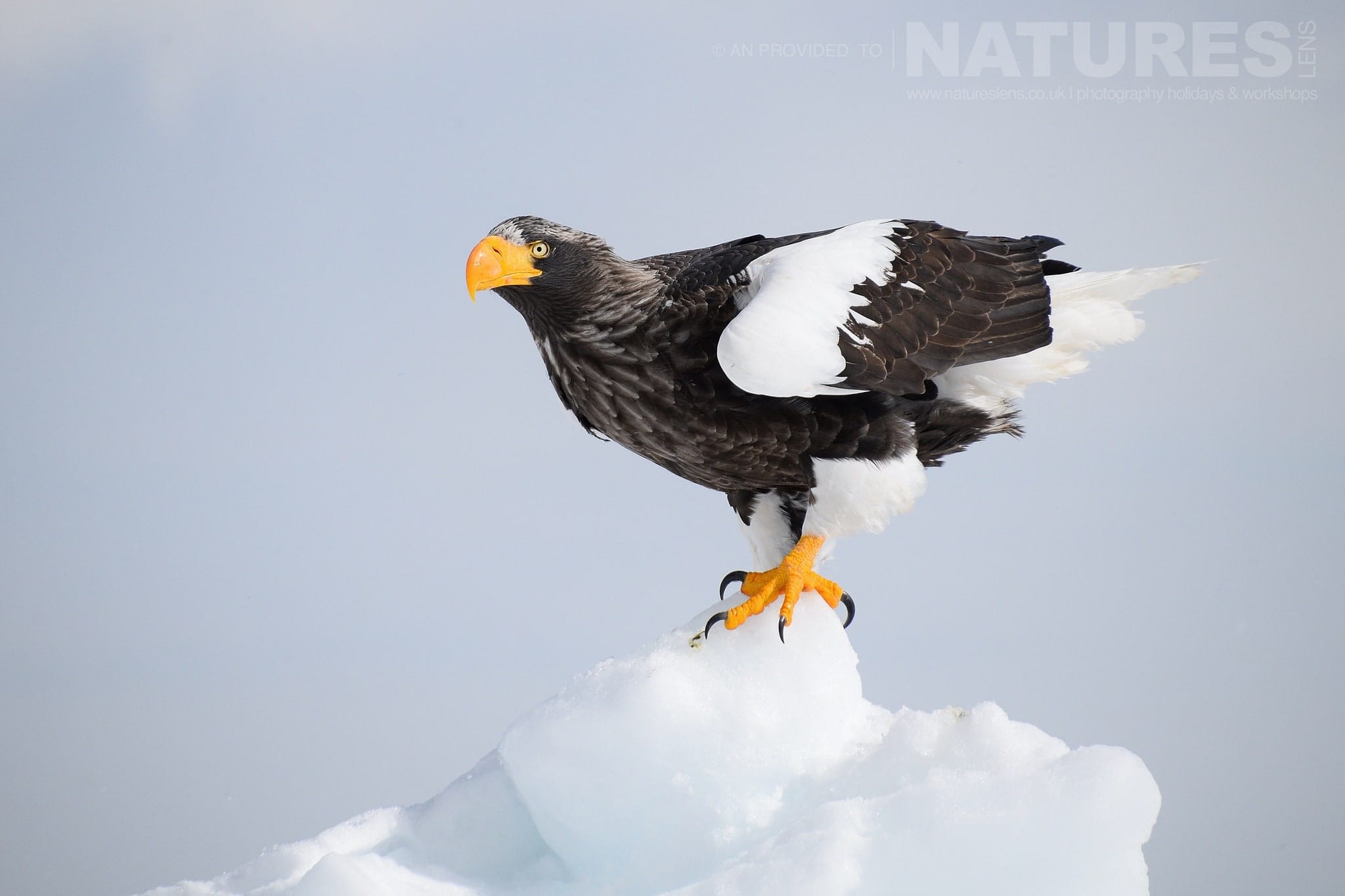
Japan is one of the world’s most celebrated winter wildlife destinations. On the northern island of Hokkaido, elegant red-crowned cranes perform courtship dances in snow-covered meadows, their breath steaming in the cold morning air. Photographers can capture their synchronised movements & displays of bonding — a truly iconic winter spectacle. Just a few hours away, the frozen drift ice of the Sea of Okhotsk draws huge congregations of Steller’s sea eagles & white-tailed eagles, their sharp eyes scanning for fish below the ice floes.
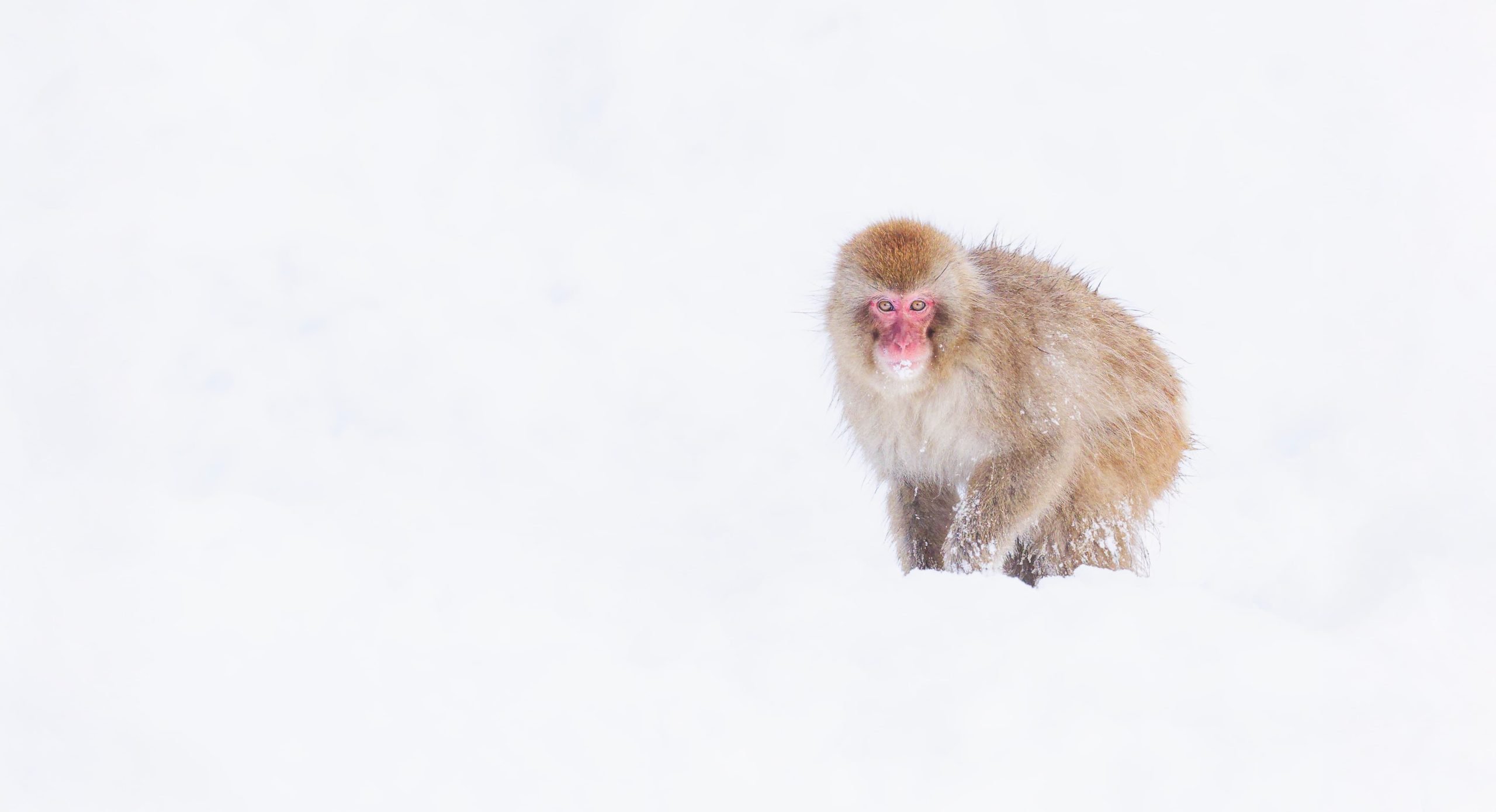
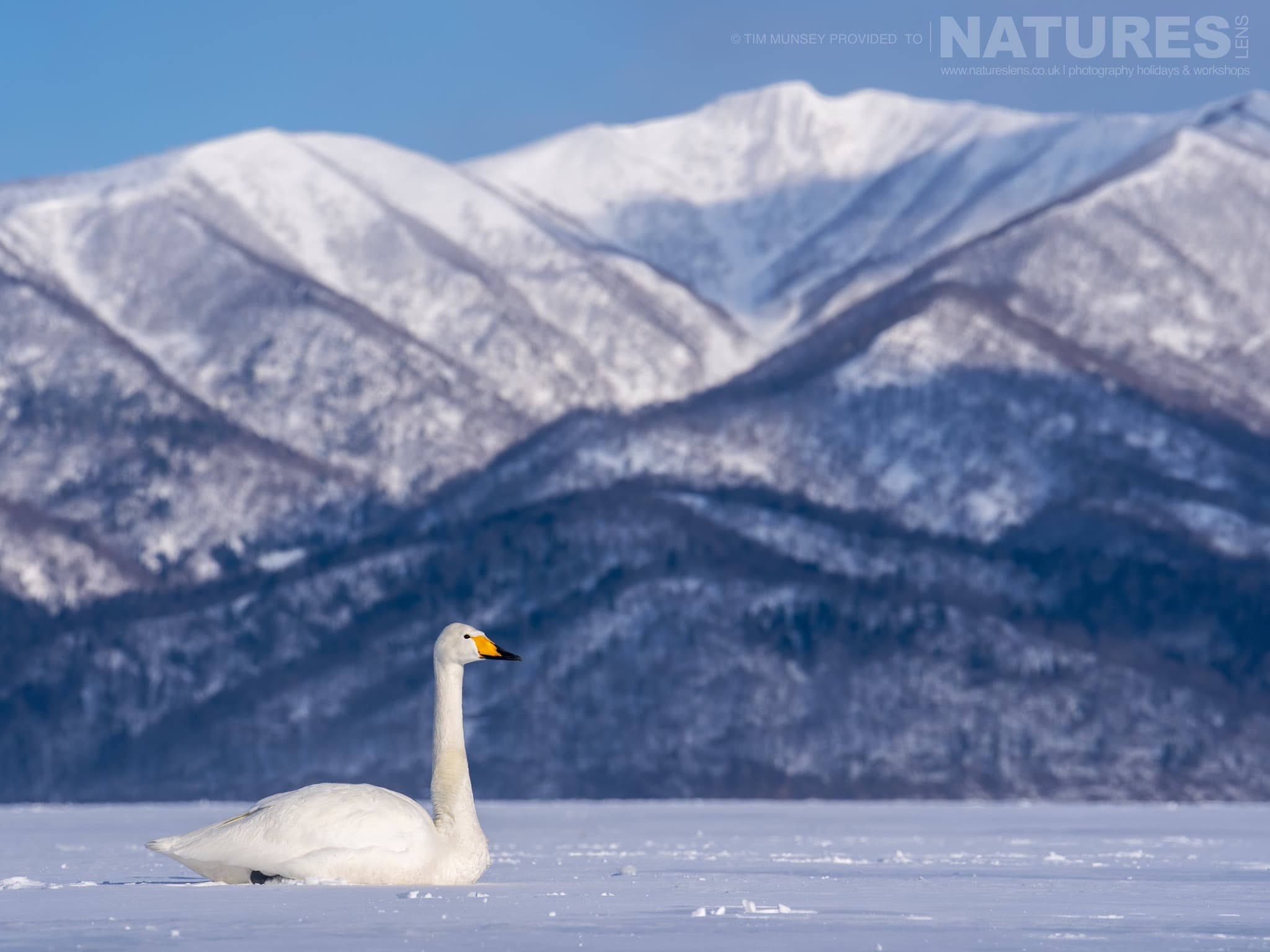
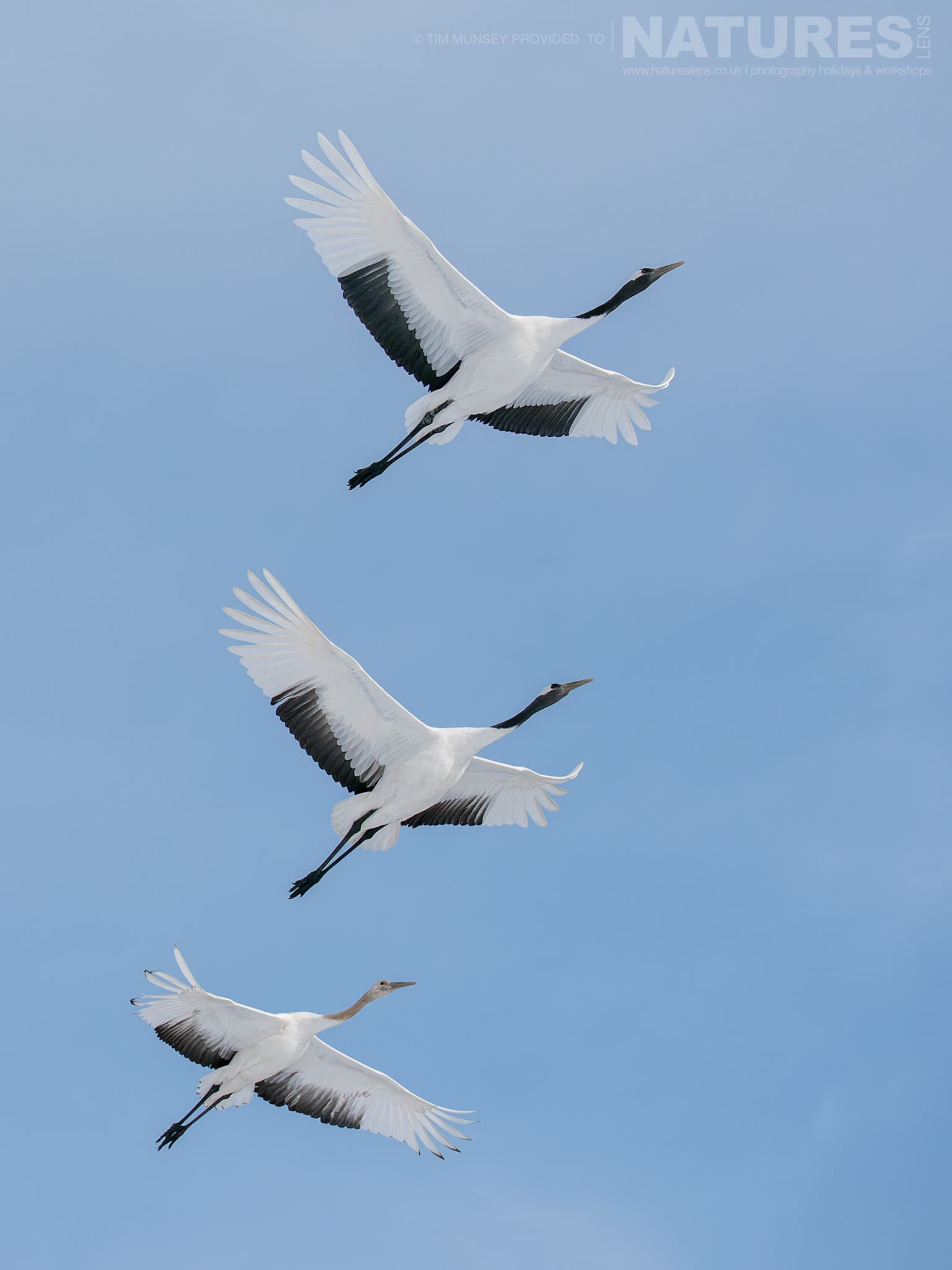
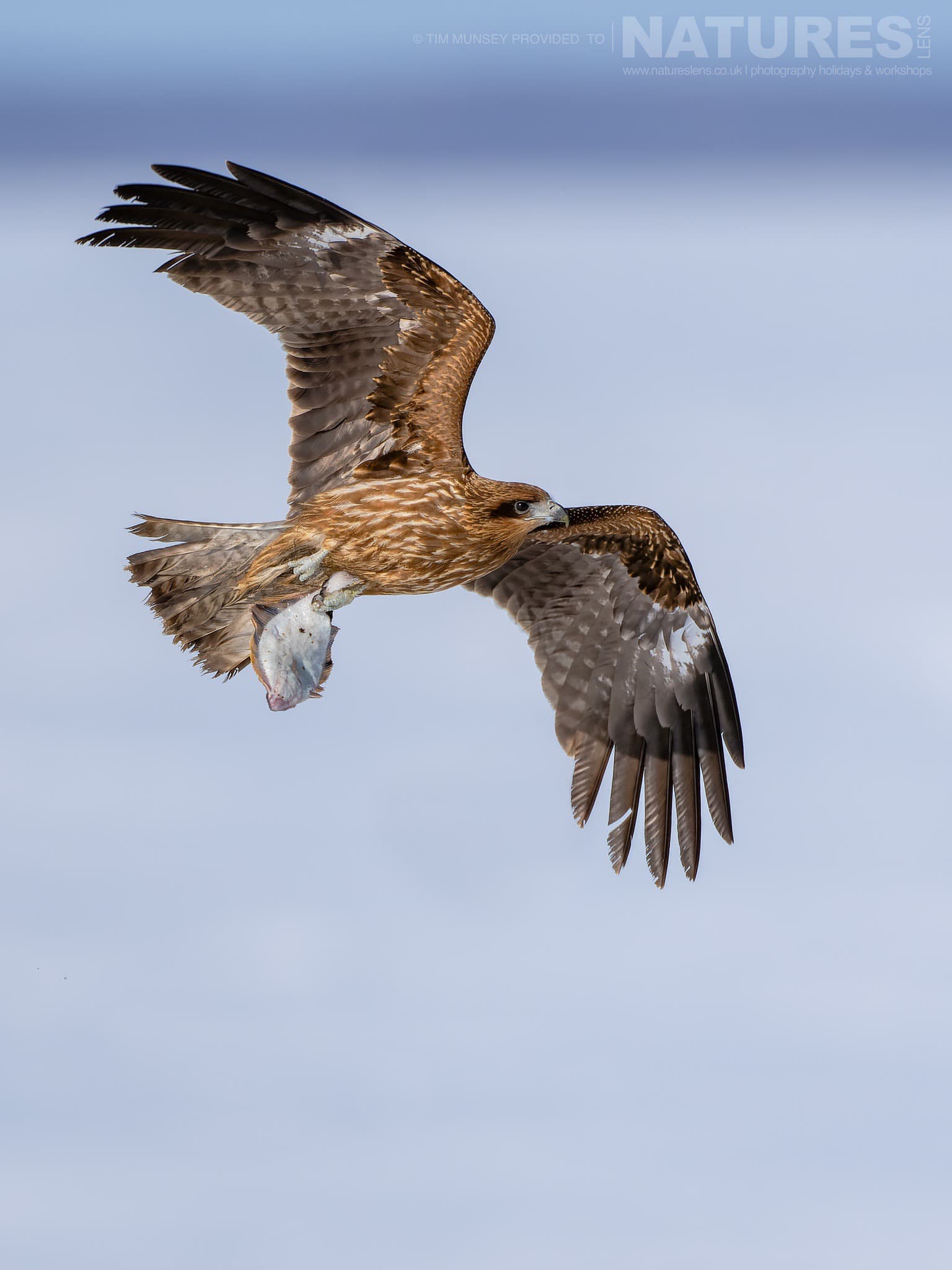
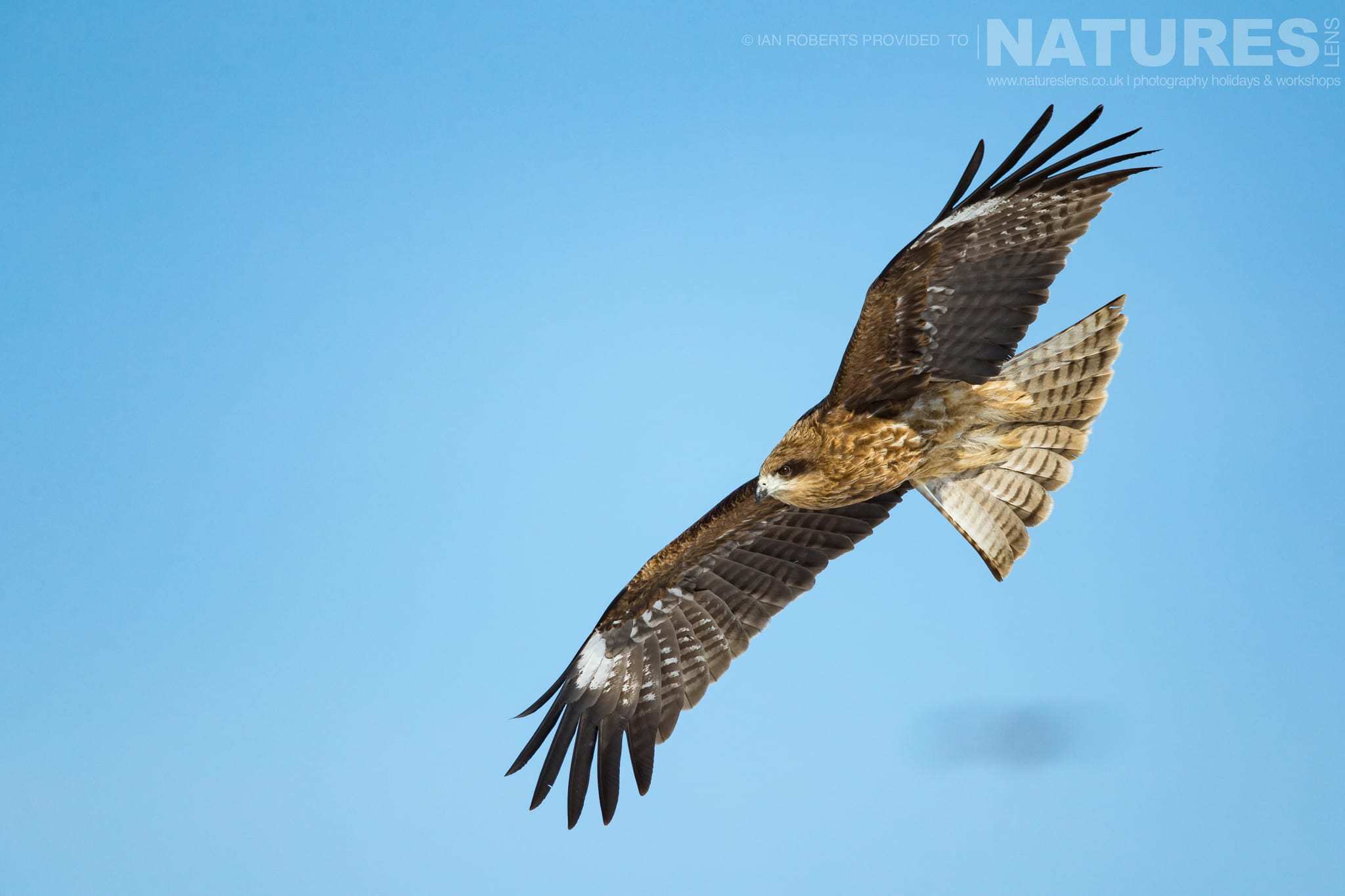
Meanwhile in Honshu, another scene draws visitors from around the globe. Japanese macaques, or snow monkeys, soak in natural hot springs surrounded by thick snow. Rising steam creates an ethereal atmosphere that makes for unique portraits, showing expressions of contentment as the primates huddle together. A NaturesLens Winter Wildlife of Japan Photography Holiday combines these highlights into a single itinerary, offering participants a diverse portfolio from one extraordinary country.
2 – Yellowstone, USA – Wolves & Bison
Yellowstone National Park in winter is a landscape of contrasts. Geysers & hot springs billow steam into icy air, bison huddle in snowdrifts, & elk roam valleys framed by jagged peaks. For photographers, the star subjects are often the park’s wolf packs. Winter is the best time to see wolves, as their dark coats stand out against snow & their movements become easier to track across open valleys.

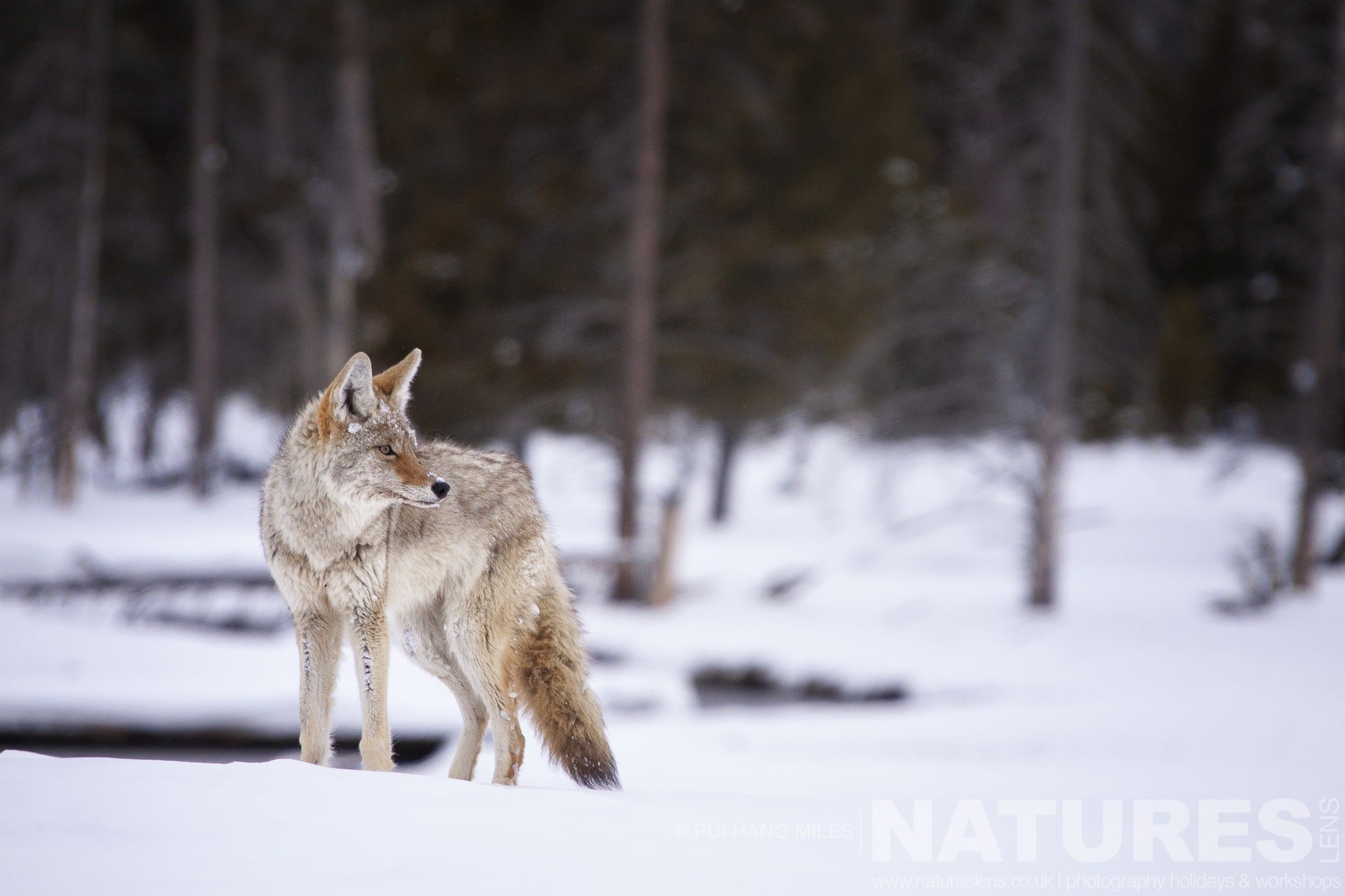

Other species abound as well: coyotes trot across frozen rivers, trumpeter swans glide along icy waters, & bald eagles perch on frosted trees. The snow muffles sound, creating a sense of solitude & timelessness that makes photography here especially rewarding. A NaturesLens USA wildlife holiday including Yellowstone offers participants unparalleled access to this unique winter ecosystem.
3 – Hungary – Eagles & Buzzards
Hungary’s winter landscapes provide ideal conditions for raptor photography. White-tailed eagles gather around frozen lakes & rivers, drawn to the promise of food. Licensed hides give photographers the chance to capture these massive birds at close range, often set against snowy backdrops that highlight their plumage & size. Buzzards & kestrels also frequent the hides, providing varied opportunities throughout the day.
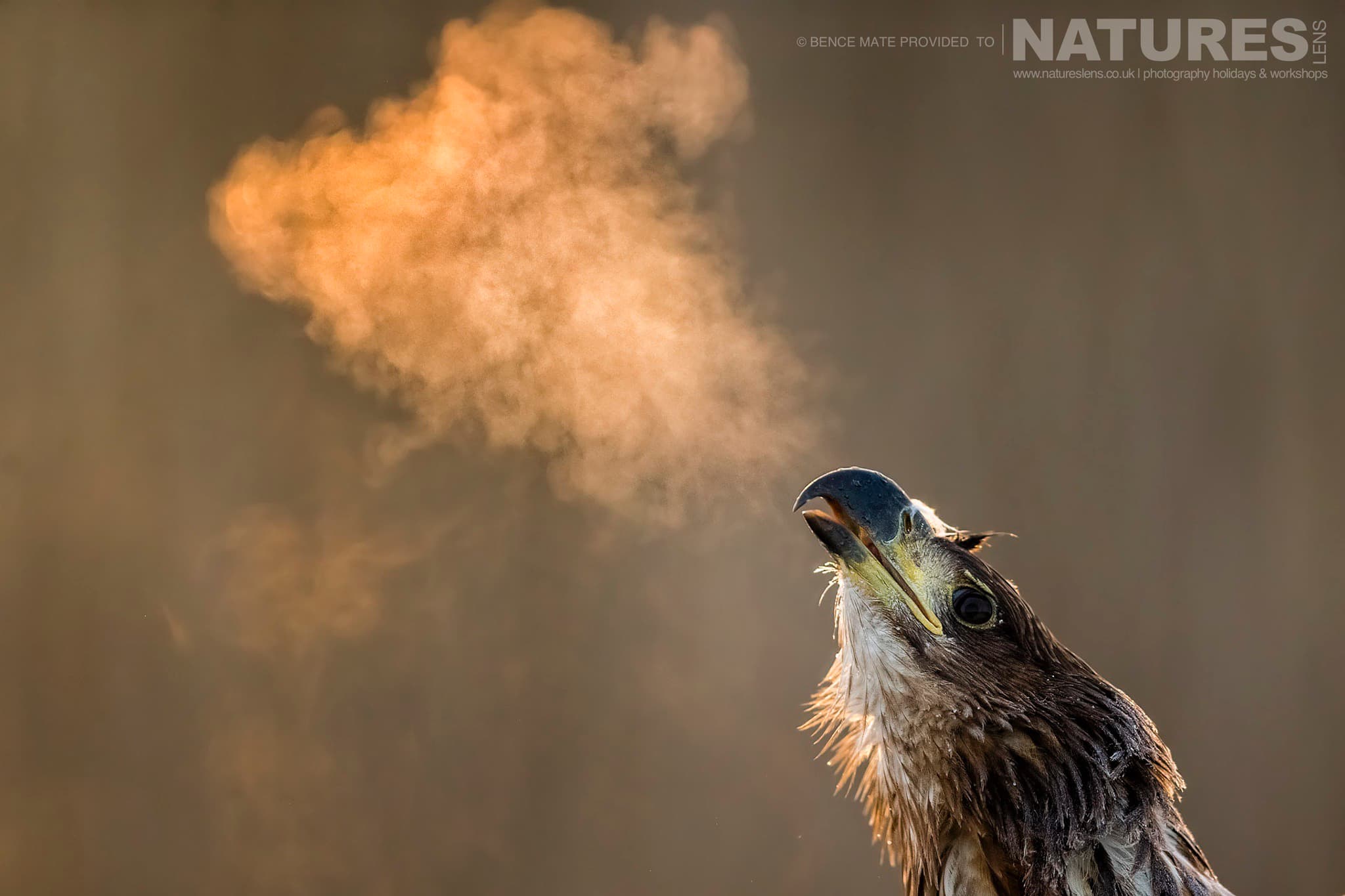
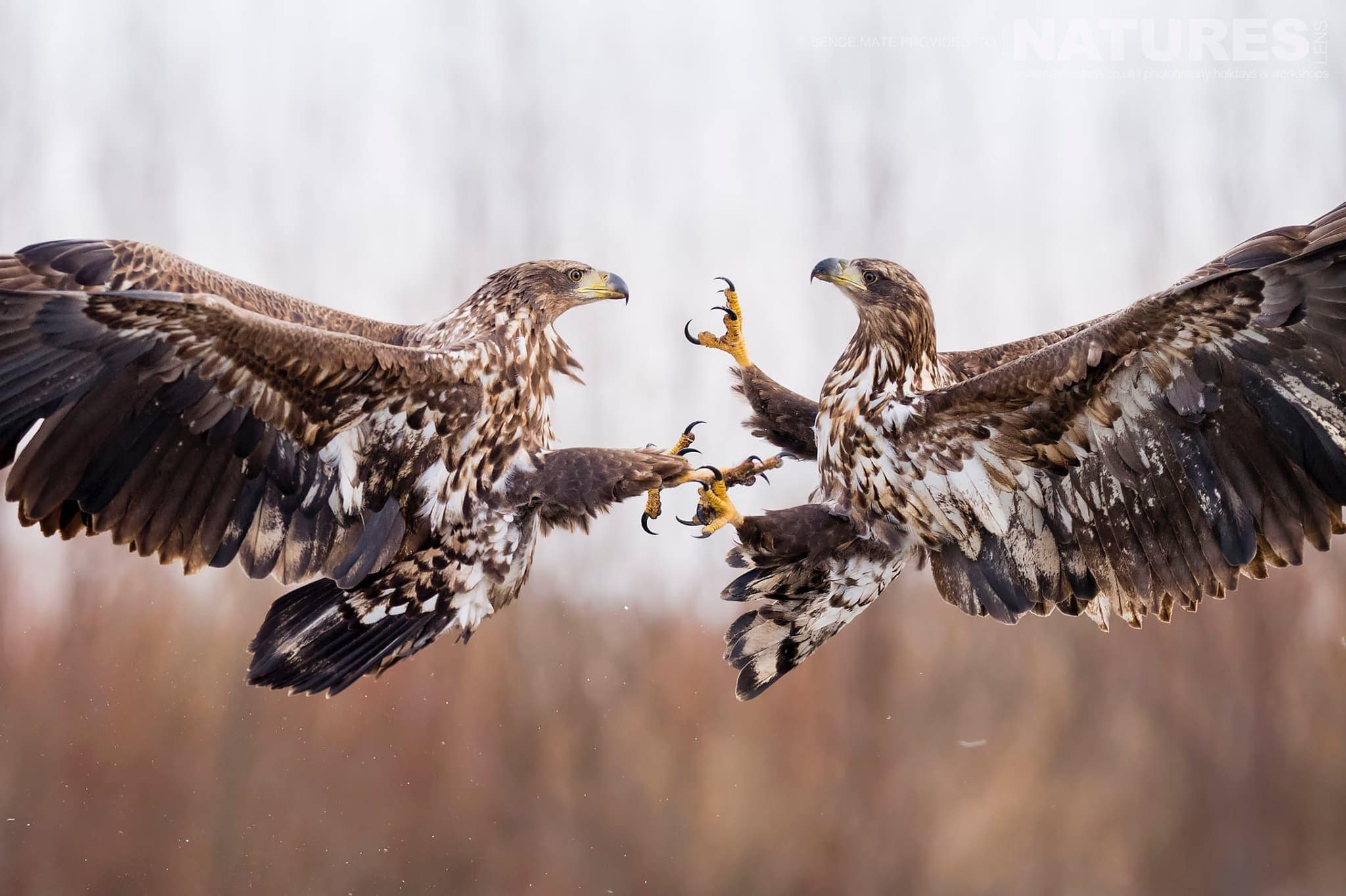
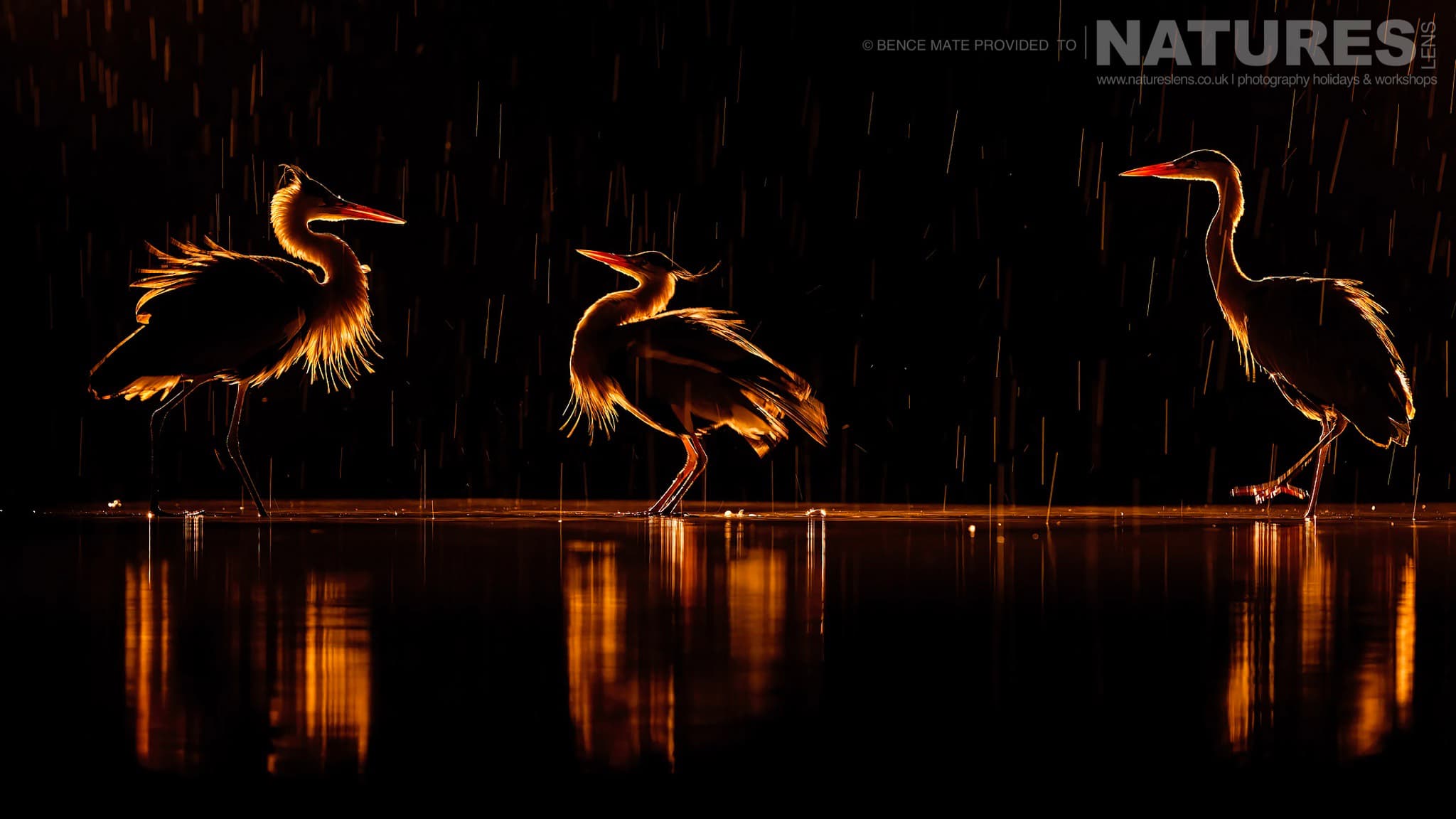
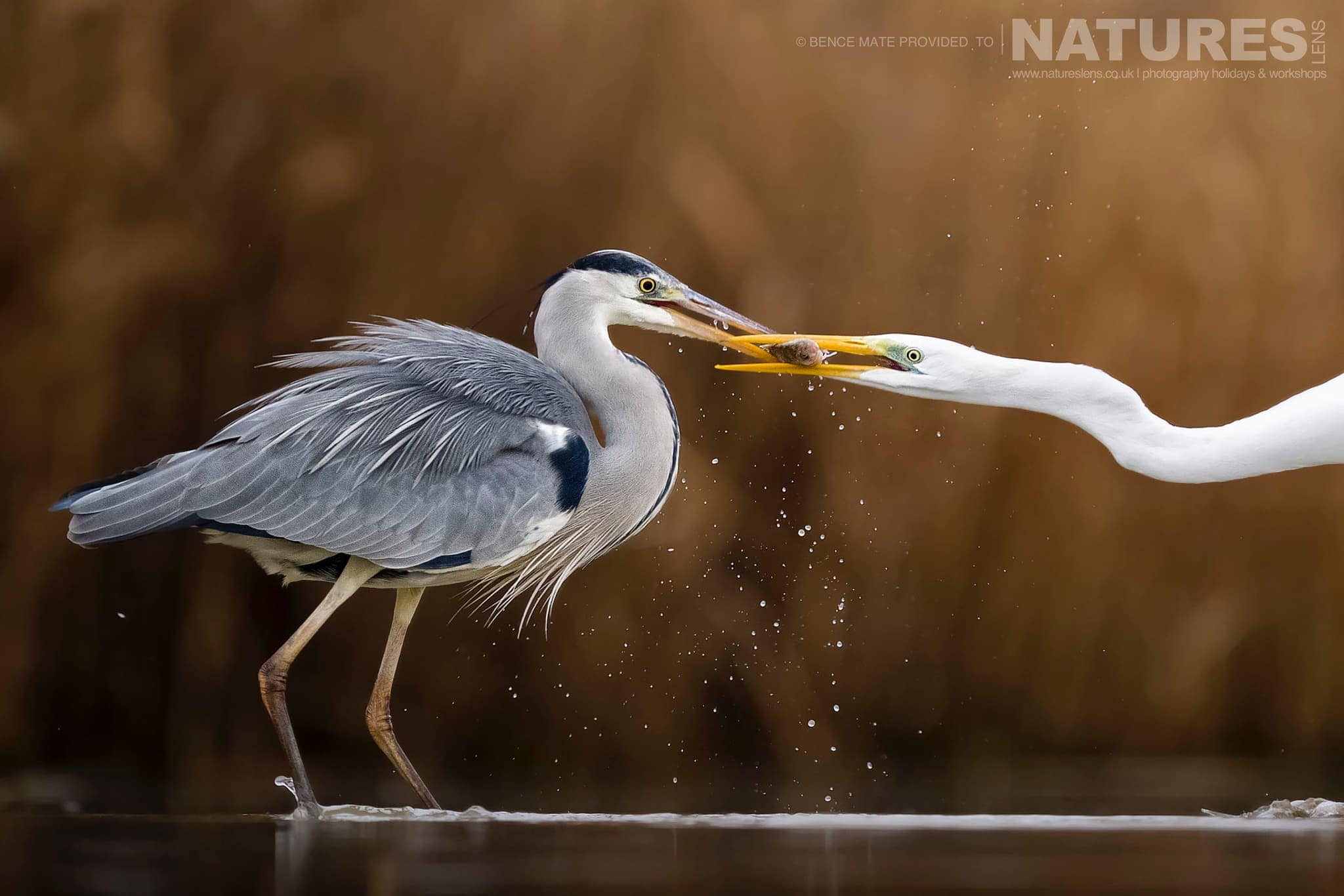
Winter in Hungary can be harsh, but the stark light & snowy fields make for striking imagery. Ravens, magpies, & foxes often appear at feeding stations too, adding variety & storytelling possibilities. Our Hungarian winter wildlife holidays feature hide-based raptor photography in some of the country’s best reserves.
4 – Danube Delta, Romania – Winter Birdlife
The Danube Delta is a UNESCO World Heritage site & one of Europe’s richest wetland ecosystems. Even in winter, the delta teems with life. White-tailed eagles patrol the waterways, while cormorants, herons, & wintering ducks feed in frost-edged channels. Mist rising from the rivers at dawn gives the entire region a dreamlike quality, perfect for atmospheric bird photography.
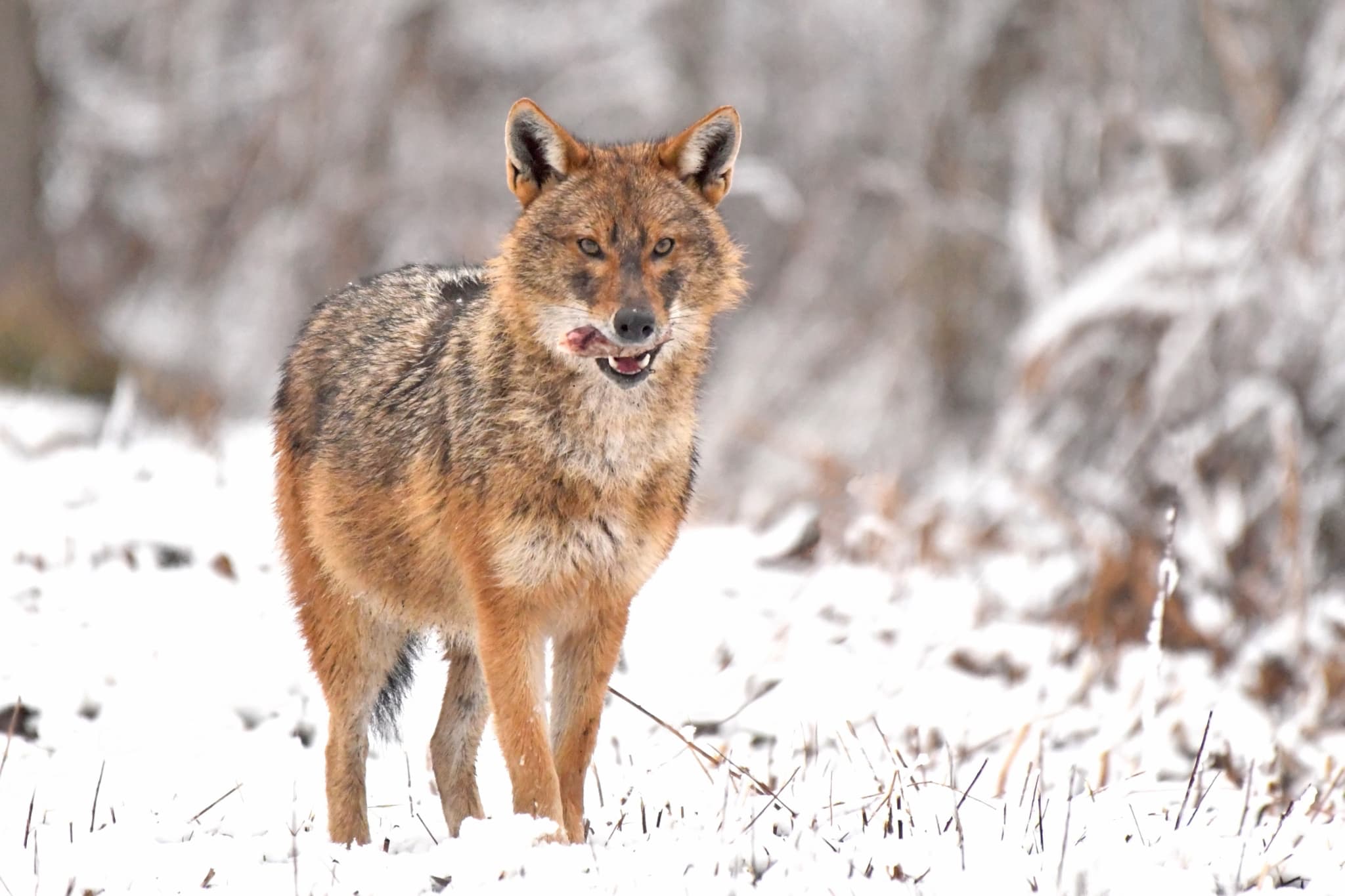
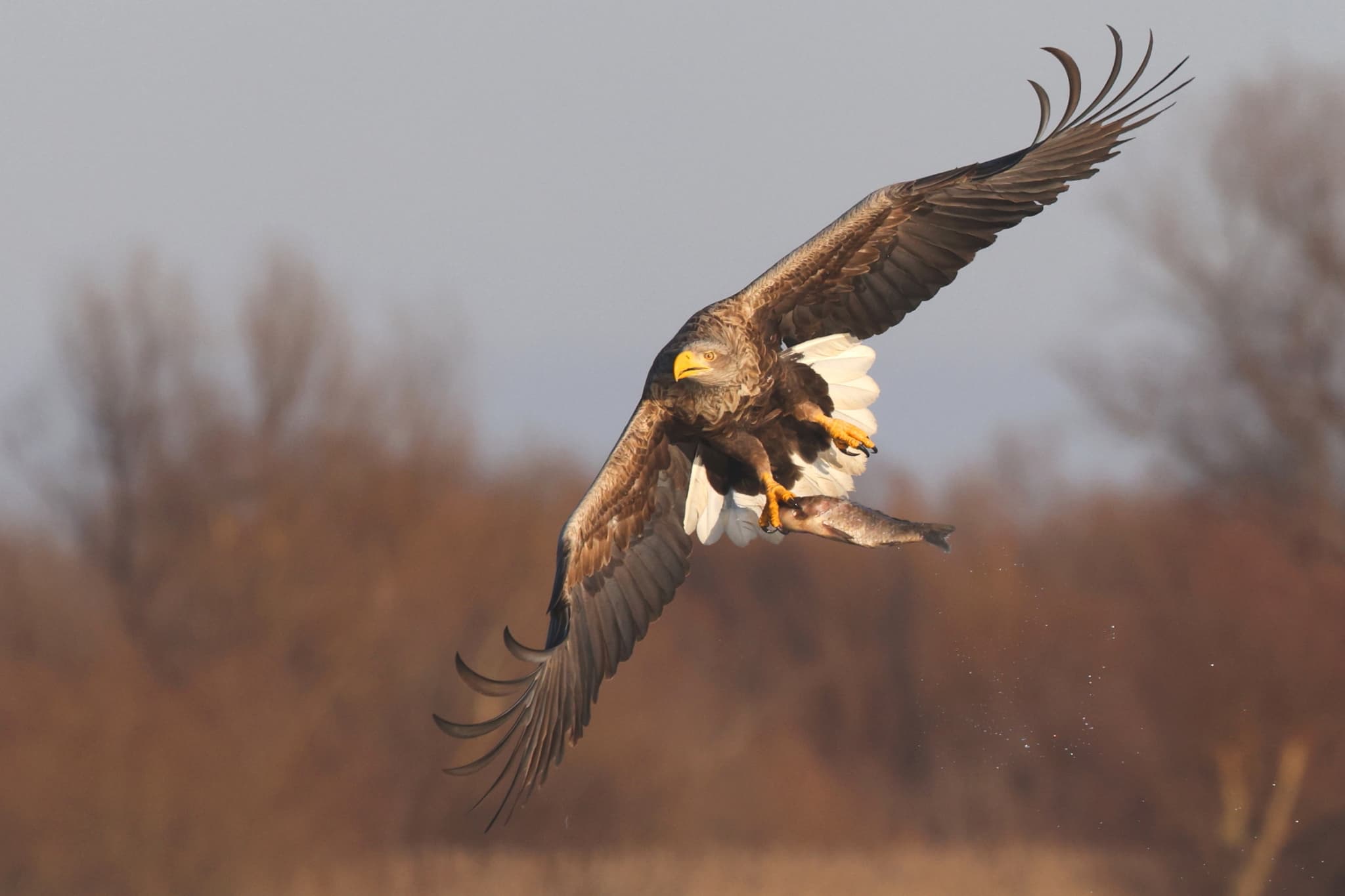
Winter brings fewer visitors, allowing photographers to enjoy the peace & stillness of this remarkable place. Licensed boat trips & hides provide access to key areas without disturbing sensitive species. NaturesLens Romanian wildlife photography holidays include opportunities to capture the Danube Delta’s wildlife in its dramatic winter state.
5 – Lake Kerkini, Greece – Dalmatian Pelicans
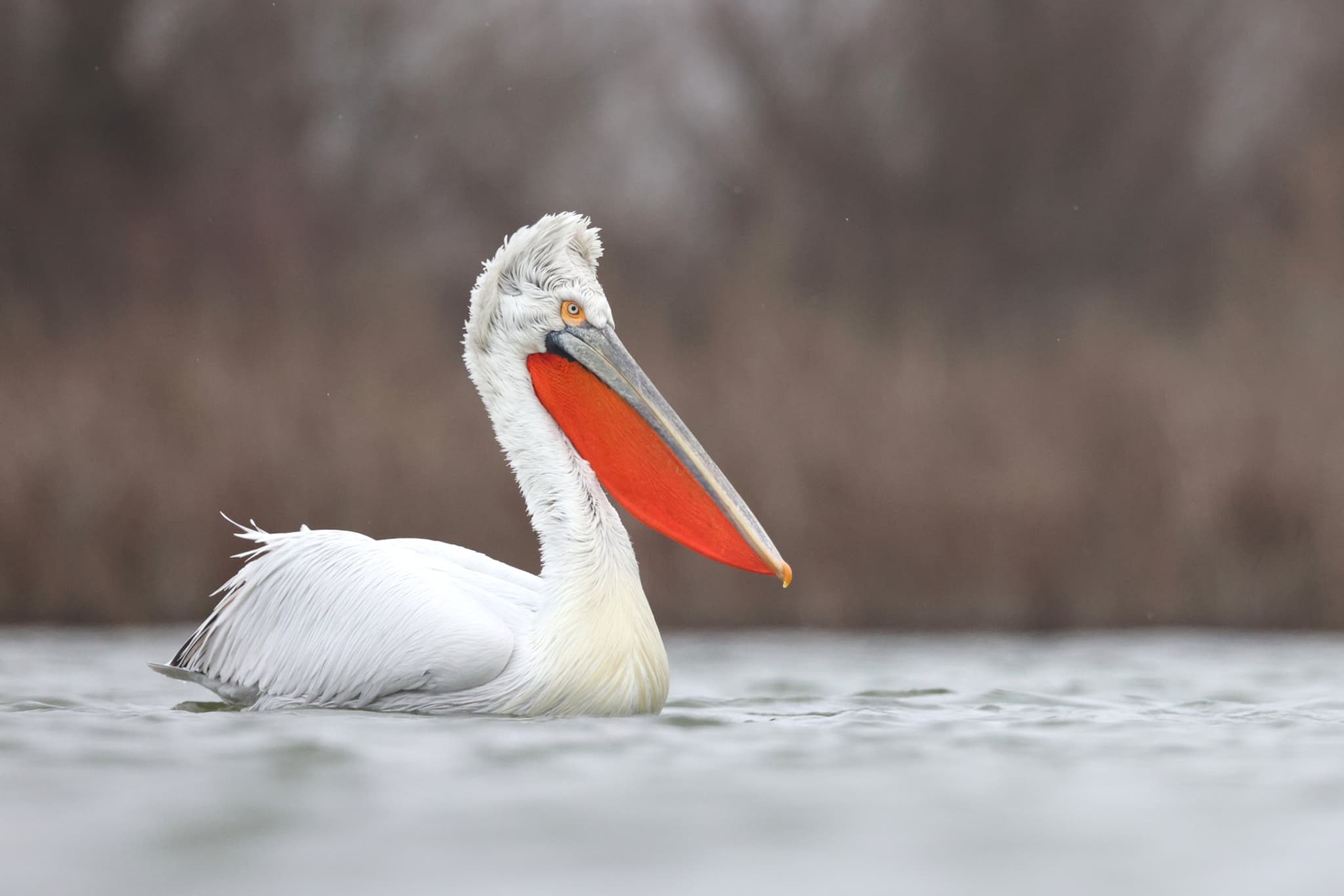
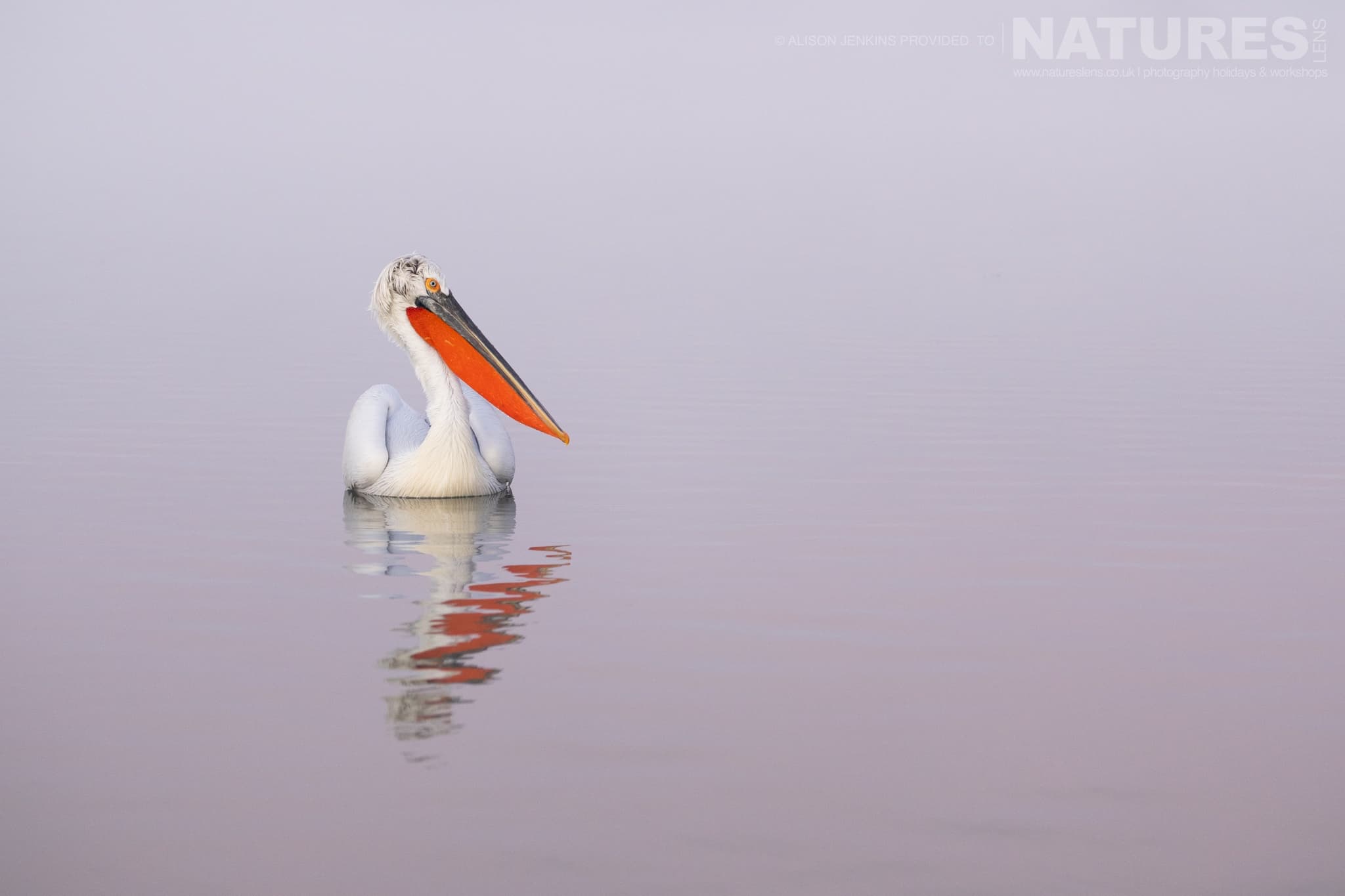
Lake Kerkini is world-renowned as the best site to photograph Dalmatian pelicans. During winter, the pelicans display vibrant red breeding pouches & gather in large numbers on the lake’s calm waters. Snow-capped mountains in the distance add to the dramatic setting, making every shot a potential portfolio piece.
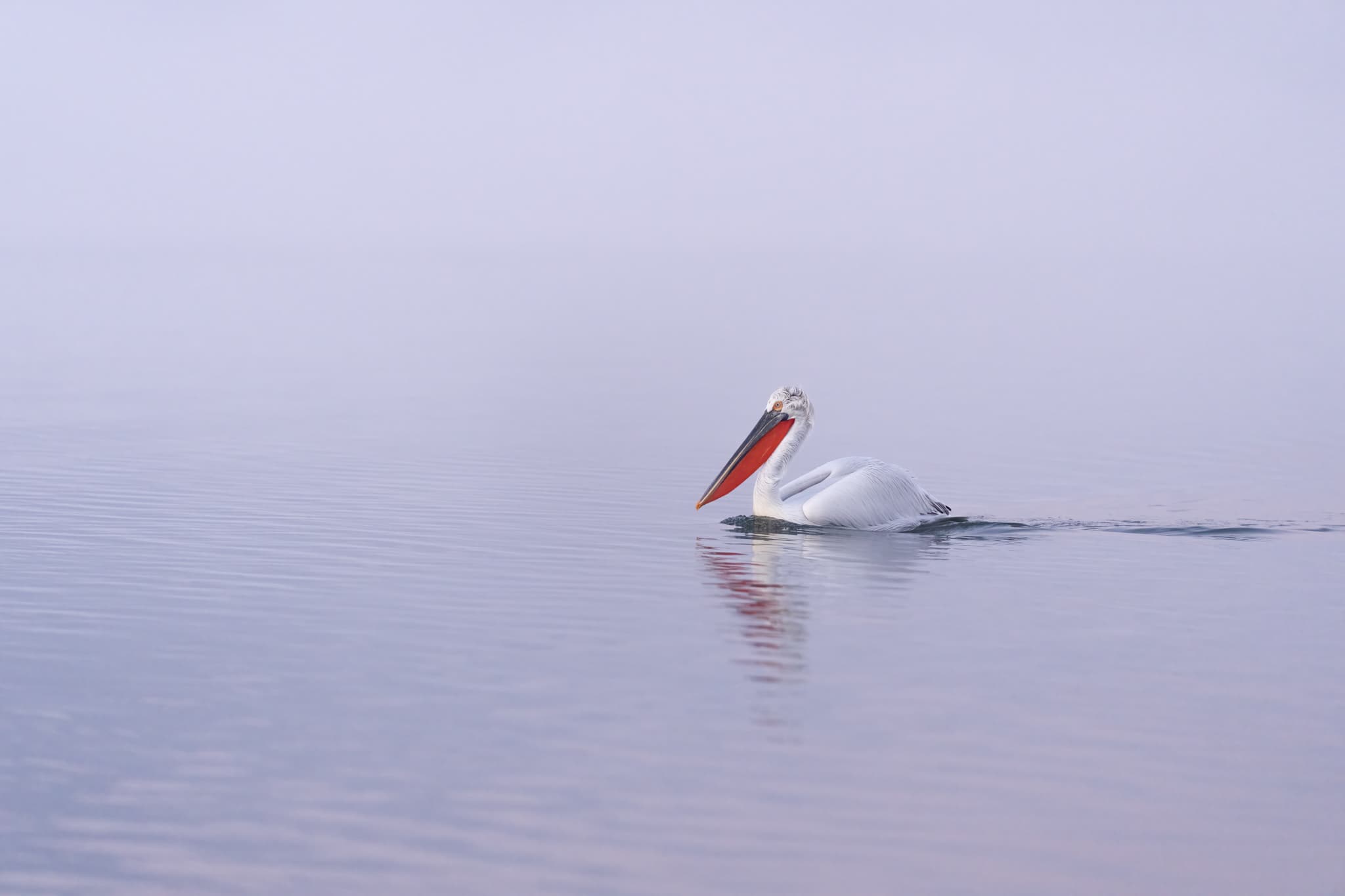

Photographers can work from both shoreline locations & small boats, capturing the birds gliding, feeding, or flying low over the lake surface. The close proximity of the pelicans, often just metres from the camera, allows for extraordinary wide-angle portraits as well as classic telephoto shots. The Pelicans of Lake Kerkini Photography Holiday offers a world-class experience for bird photographers.
6 – Alaska, USA – Bald Eagles & Sea Otters
Alaska is a frontier for winter wildlife. Along its coasts, bald eagles gather in huge numbers, particularly around feeding sites. The birds perch on snowy branches, soar above icy waters, & dive dramatically for fish. Their sheer abundance offers unparalleled opportunities for action shots & close portraits alike.


Alaska’s winter wildlife extends beyond eagles. Sea otters float in groups offshore, wrapped in their thick fur as they crack shellfish. Harbour seals, sea lions, & even humpback whales remain in some coastal areas, adding to the diversity of photographic opportunities. NaturesLens Alaska wildlife tours provide access to these rich ecosystems at their most striking time of year.
7 – Canada – Bears, Wolves & Ice-Bound Landscapes
Canada in winter is the stuff of photographers’ dreams. Vast boreal forests, frozen lakes, & sweeping tundra combine with legendary wildlife—polar bears, wolves, icebound moose, & caribou—to offer dramatic contrasts & ethereal scenery. The Winter Wildlife of Canada Photography Holiday immerses participants in this winter wonderland, focusing on key species amid snow & ice—from grizzly & polar bears to wolves roving across the frozen land.
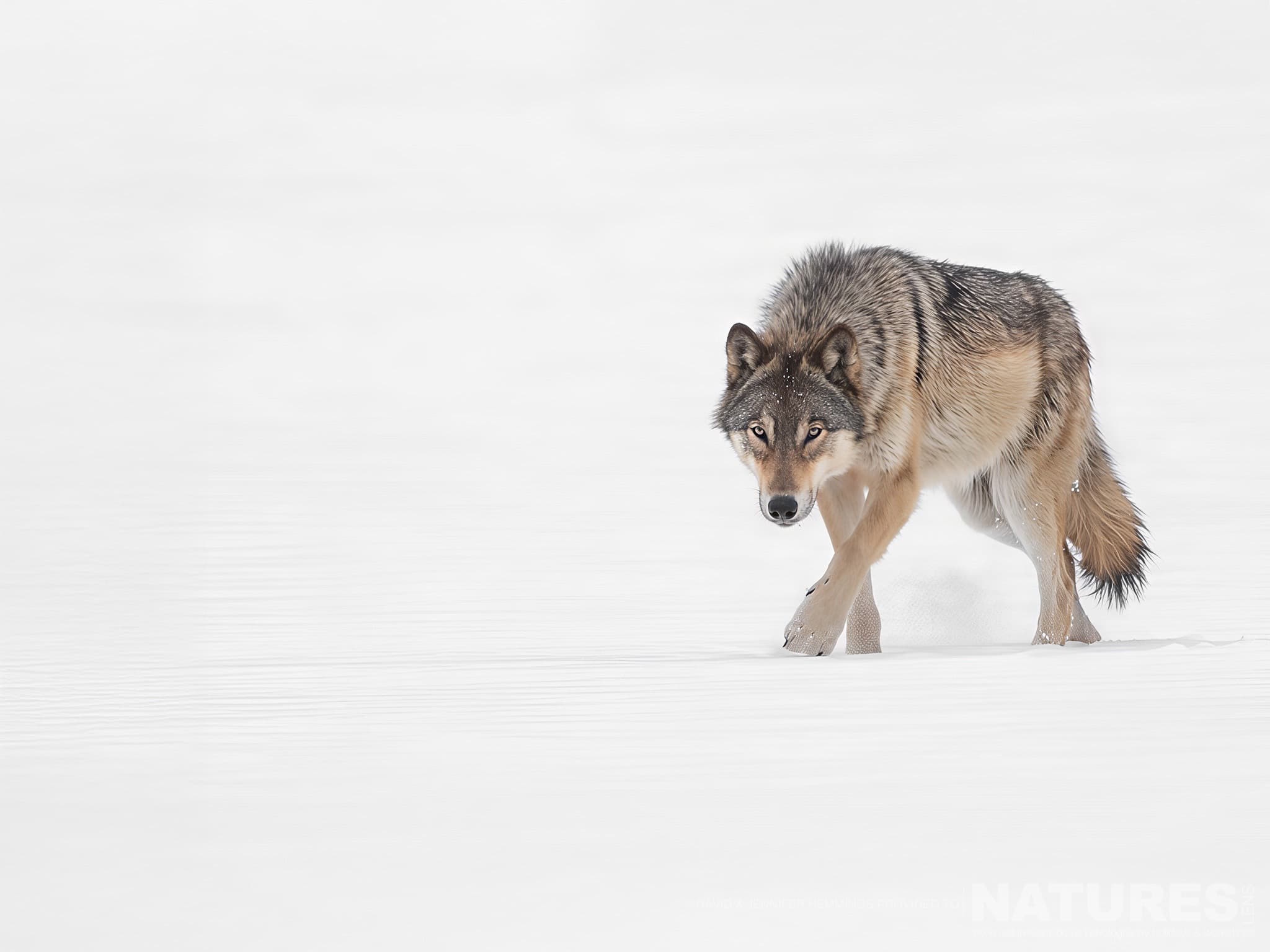
Photography is largely done from licensed hides & safe vantage points, often with guides leading you to locations where wildlife is most active in cold weather—along shorelines, ice edges, & through remote forest corridors. Mist rising from frozen lakes, low sun angles, icy breath on fur, & soft winter light make for striking compositions. Expect long sessions at dawn & dusk when animals are most active & the light is most magical.
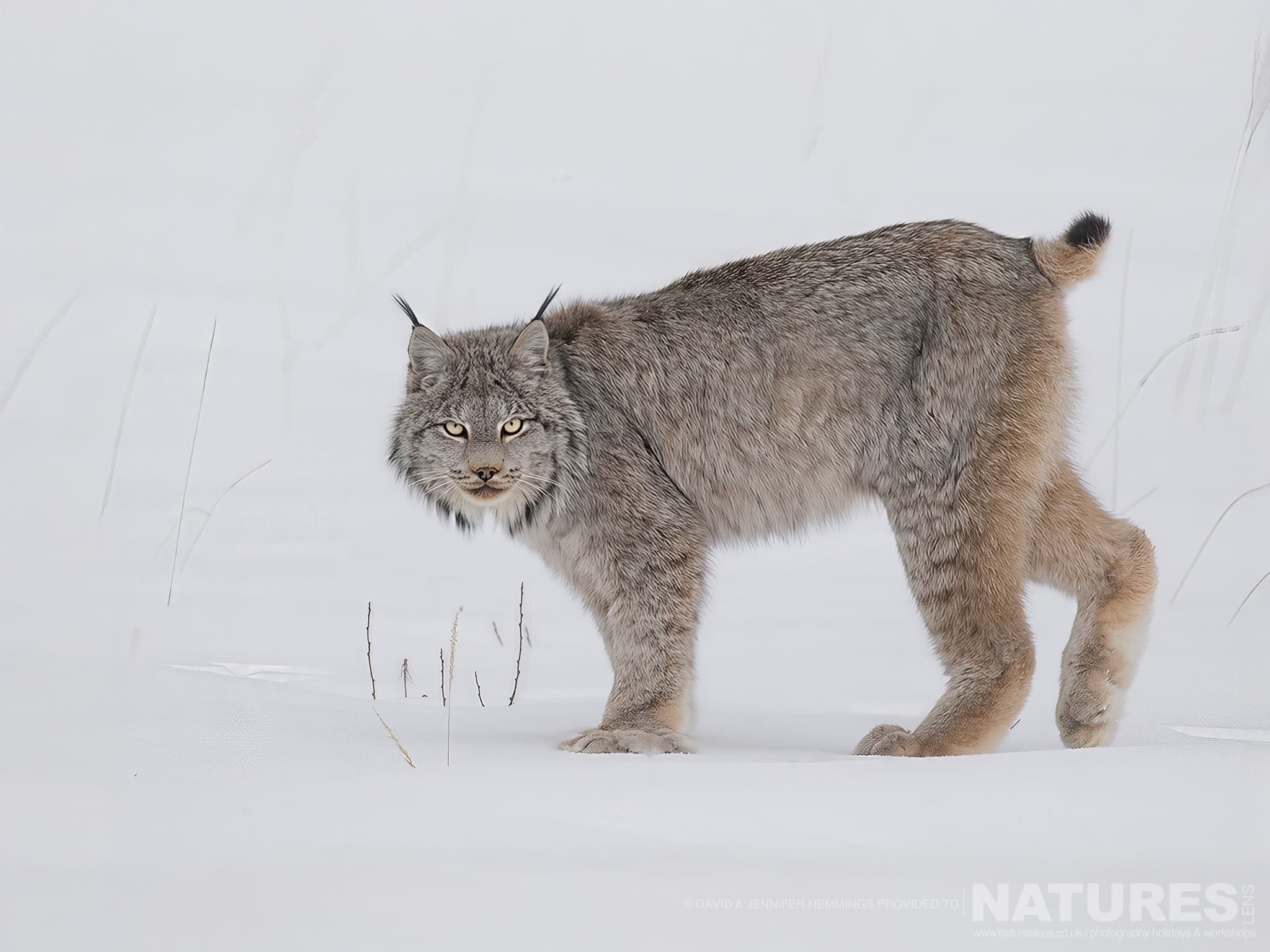
The logistical side matters: accommodation is comfortable & well-suited for cold conditions, travel into remote areas is planned carefully, & your guide works to balance wildlife welfare with photographic opportunity. The Winter Wildlife of Canada trip is perfect for those seeking images of bears traversing sea ice, wolves in snow, caribou migrations, & moose framed by winter forest scenery. For full details of itinerary, species list, access arrangements, & kit recommendations, see the official holiday page.
8 – Sweden – Golden Eagles
Sweden‘s boreal forests & remote hides provide photographers with opportunities to capture golden eagles in harsh but beautiful conditions. Professional hides overlook feeding sites, where eagles descend from the treeline to compete with ravens, jays, & foxes. Snow & frost add atmosphere, turning every scene into a study of survival.
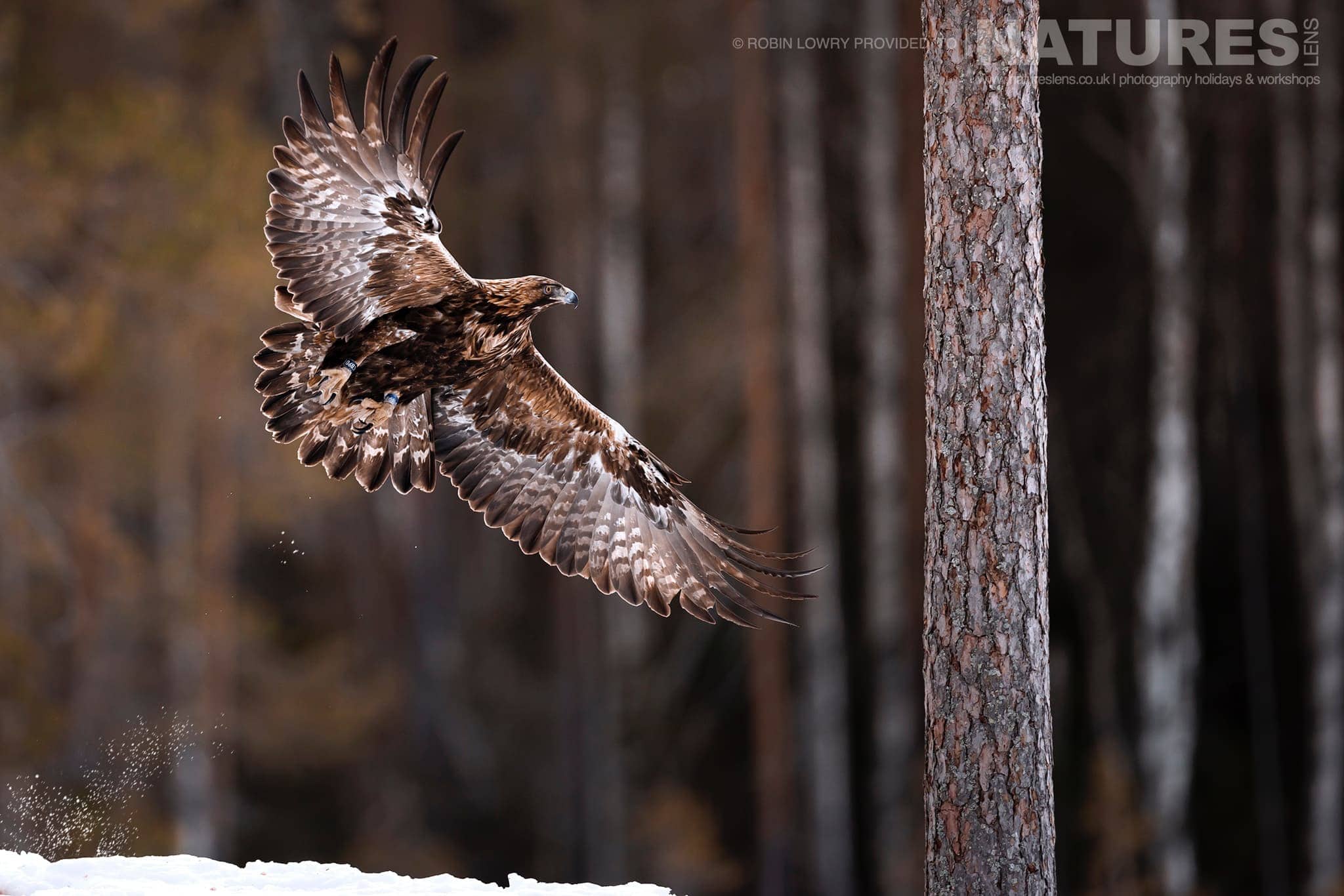
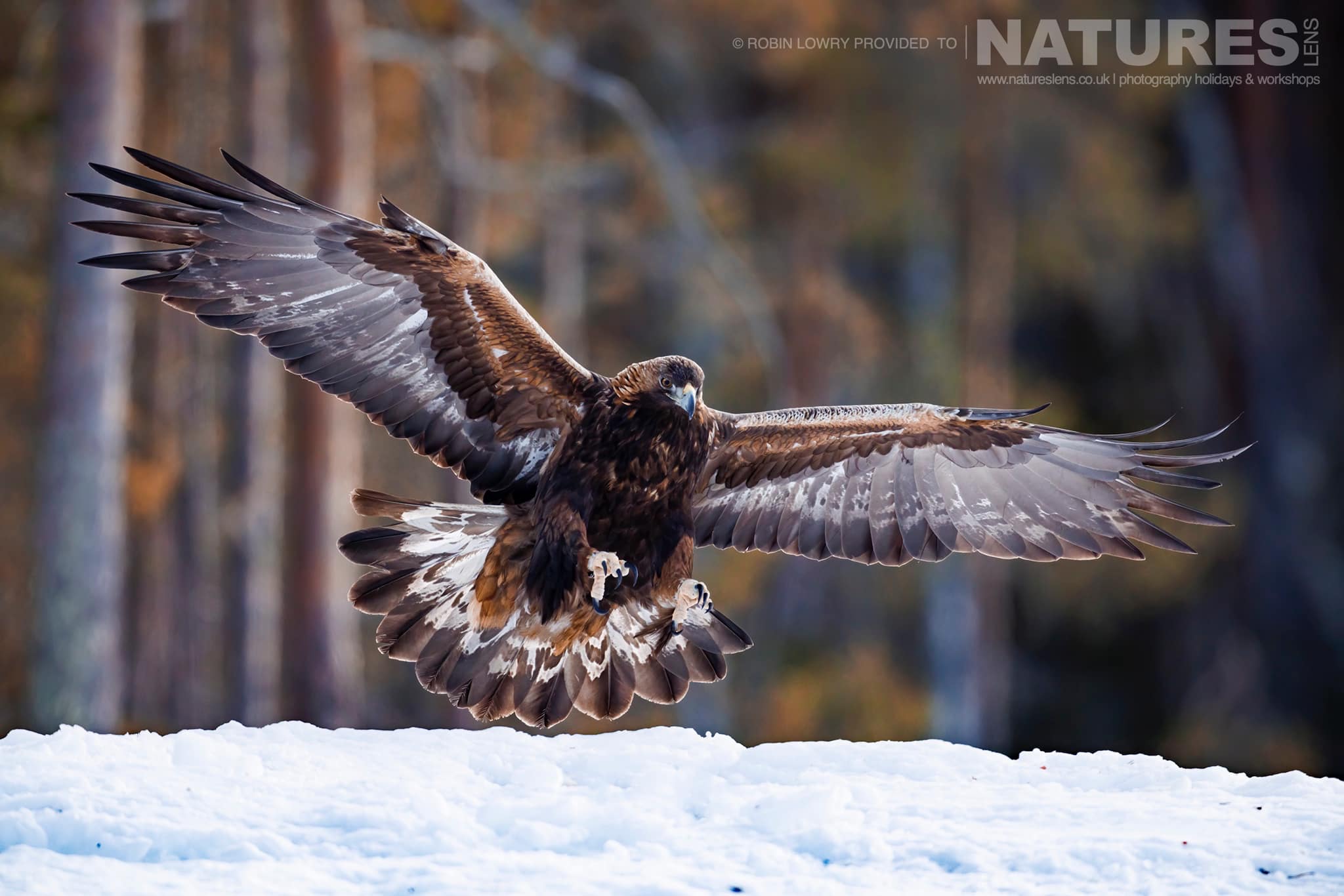

The stillness of a Swedish winter hide session is broken only by the sudden arrival of a massive eagle, its wings outstretched as it lands on a snowy perch. These encounters are intense, rewarding, & unforgettable. Our Sweden destination page includes details of golden eagle trips in this unique winter setting.
9 – Hortobágy, Hungary – Winter Cranes & Raptors
Hortobágy National Park, part of Hungary‘s Great Plain, is a UNESCO World Heritage Site known for its birdlife. In winter, flocks of cranes & geese gather, their calls echoing across the frosty steppe. White-tailed eagles patrol the skies, while harriers & buzzards quarter the fields in search of prey. Licensed hides give photographers intimate access to this spectacle.

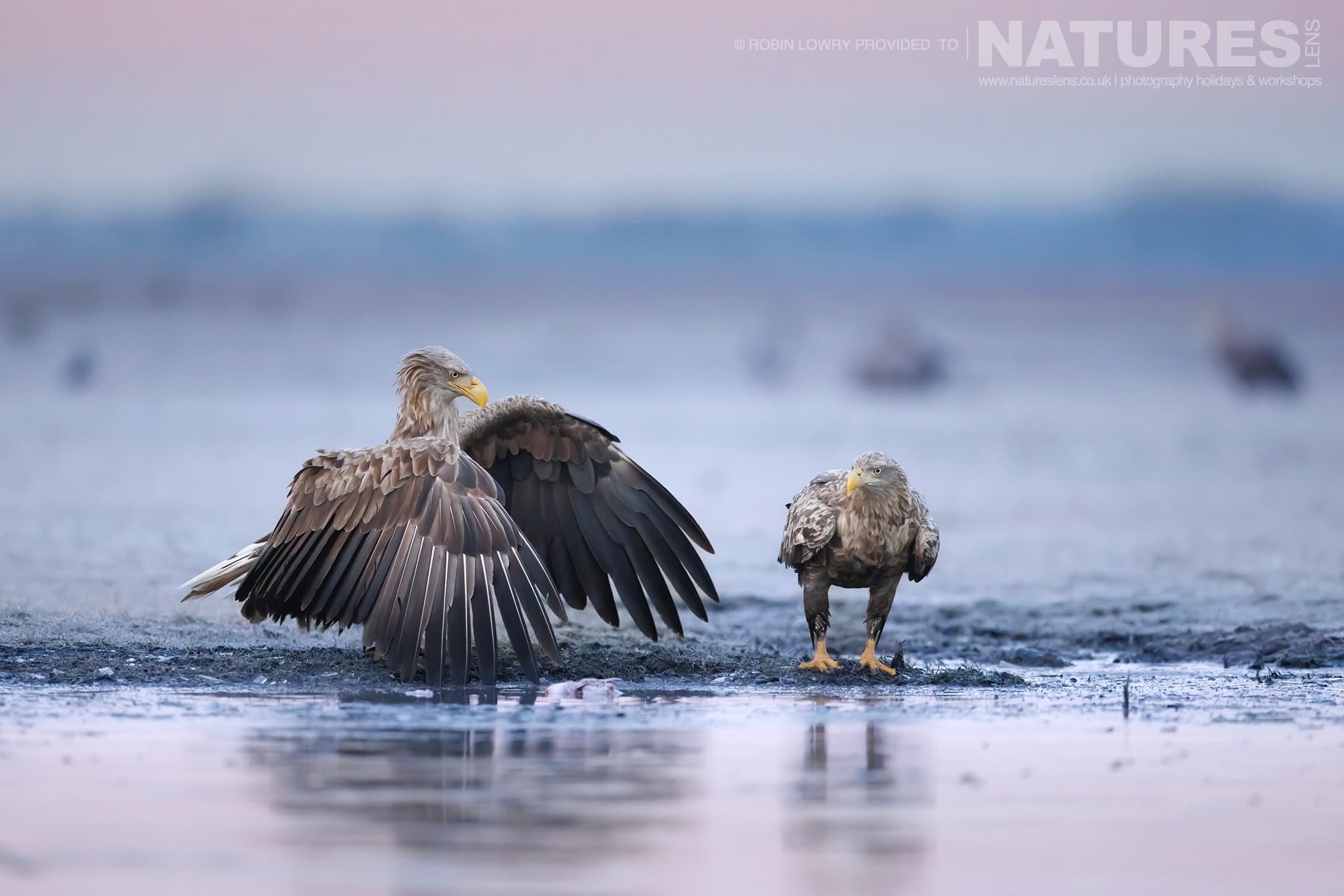
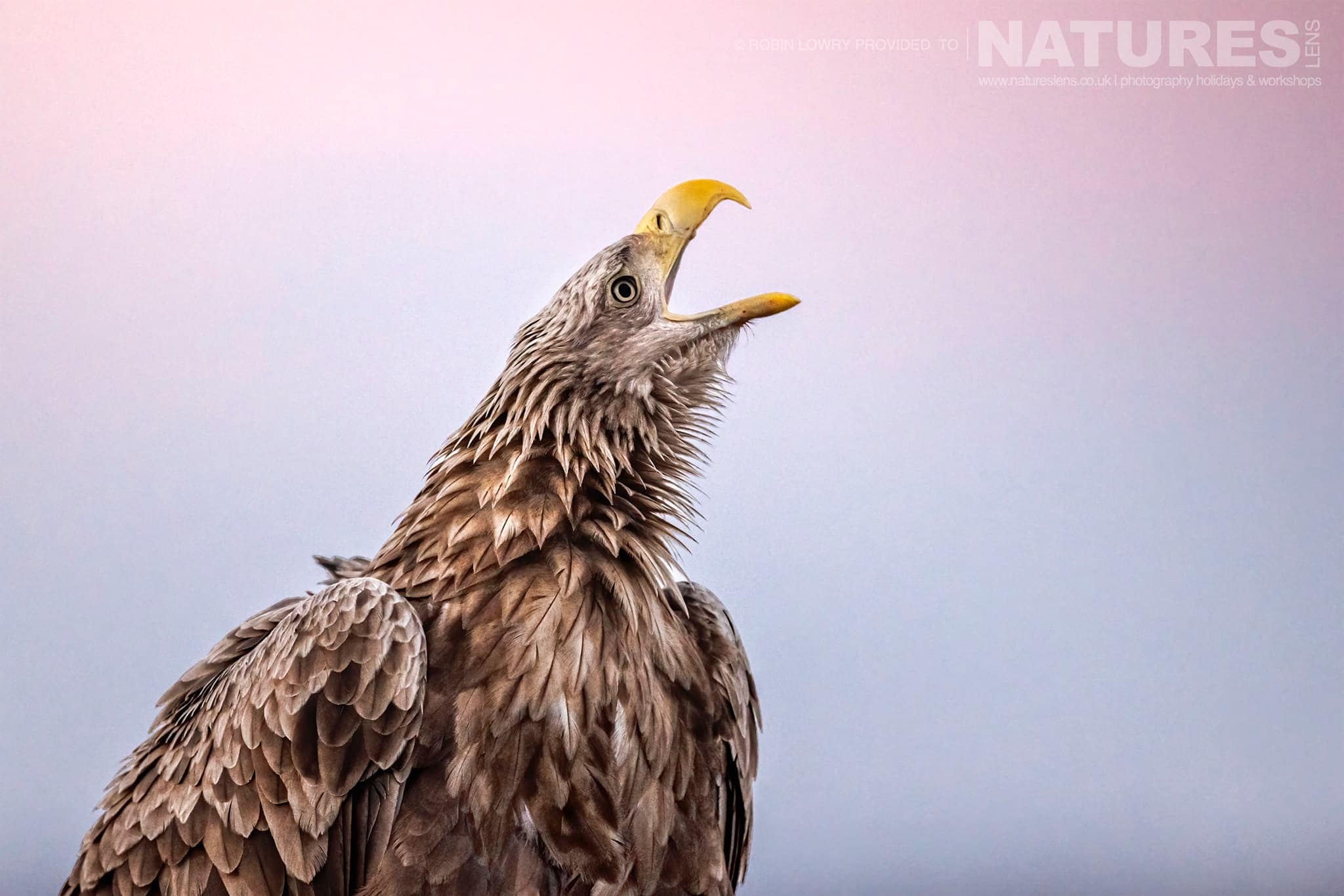
The open landscapes of Hortobágy make for dramatic compositions, especially at sunrise when mist rises from the plains. The juxtaposition of large bird flocks with solitary predators adds tension & storytelling potential to photographs. NaturesLens Hungary holidays include winter trips to capture this unique European wilderness.
10 – Finland / Arctic – Puffins, Ducks, Eagles & Northern Lights
The Arctic Wildlife & Puffins in the Snow photography holiday takes you to remote northern Norway & Finland for a magical winter experience. Beginning around Ivalo, Finland, & venturing to the Varanger coastline, this tour offers a rich mix of puffins, Arctic ducks, white-tailed sea eagles, & other wildlife—set against snow-blanketed tundra & icy fjords. While Finland provides the gateway, much of the wildlife action centres on Hornøya, Båtsfjord, Berlevåg & the icy shoreline with sea birds & coastal raptor activity.
This trip is ideal for photographers seeking clean, icy contrasts, ethereal snow scenes, & the chance to capture seasonal rarity in the high Arctic environment. Details of the holiday, including full itinerary, species list, & recommended kit are available via the Arctic Wildlife & Puffins in the Snow page.
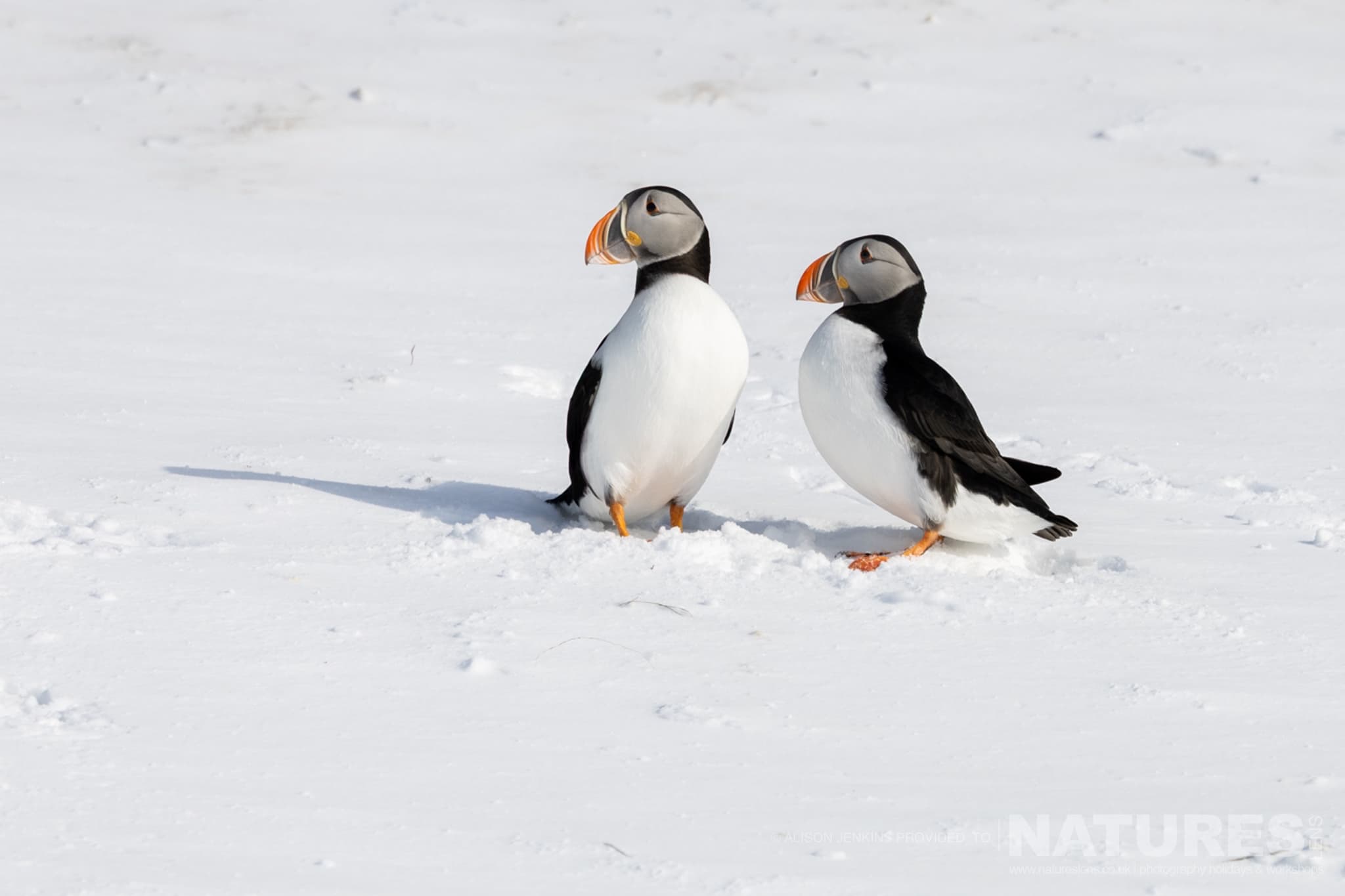
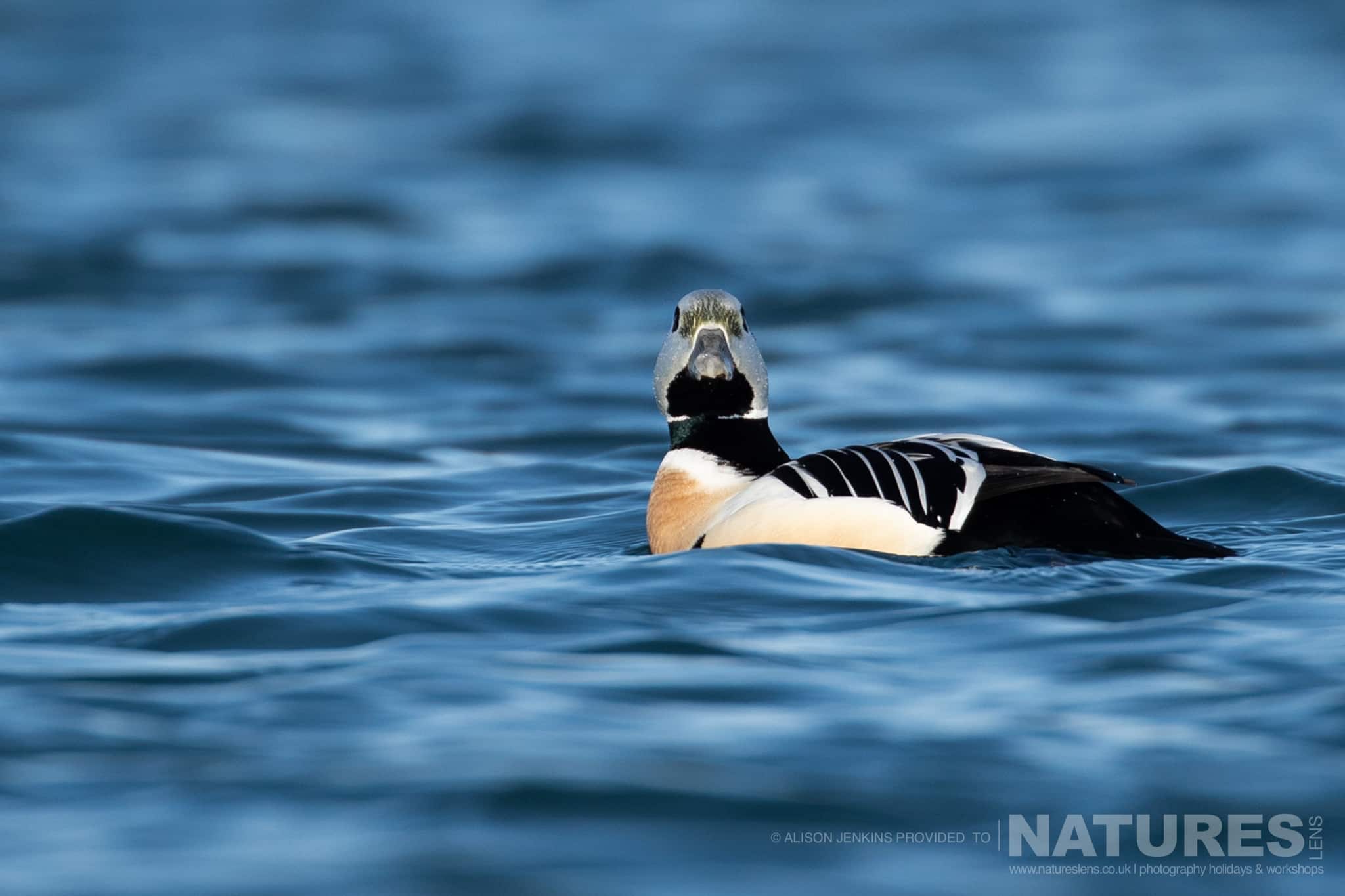
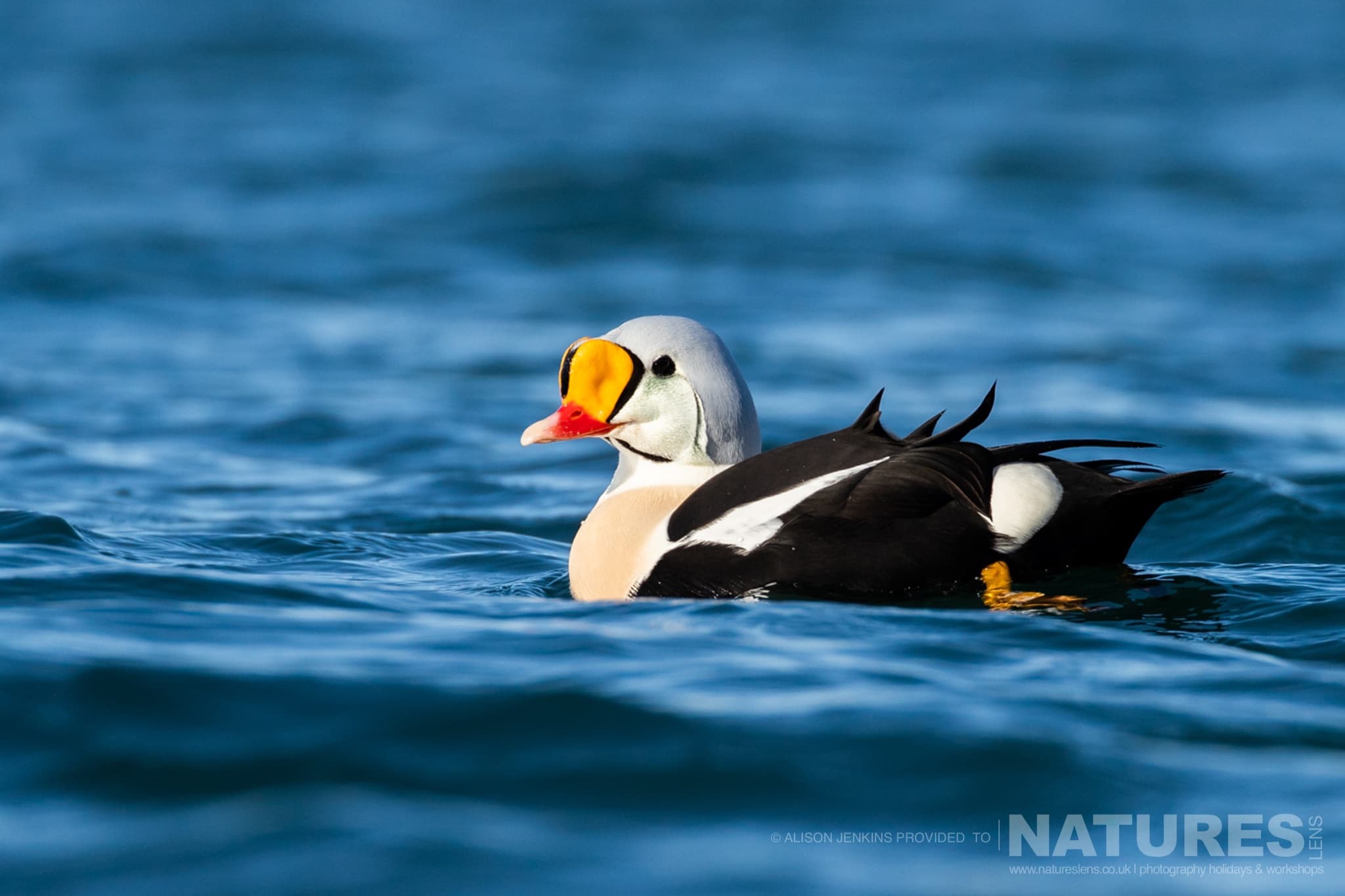
Short days mean low light, but this only adds to the atmosphere of images. Snow-laden pines, pink skies at sunrise, & the pale Arctic glow create magical conditions. A Finland winter photography holiday offers encounters with some of the north’s most elusive & iconic animals.
Conclusion
From the red-crowned cranes of Japan to the golden eagles of Sweden, the Dalmatian pelicans of Lake Kerkini, & the wolves of Yellowstone, winter wildlife photography around the world offers endless opportunities. Snow, ice, & frost transform already spectacular species into even more dramatic photographic subjects. By joining a NaturesLens photography holiday, you’ll benefit from expert guidance, licensed hides, & conservation-focused travel that ensures your images come with a positive impact for wildlife.