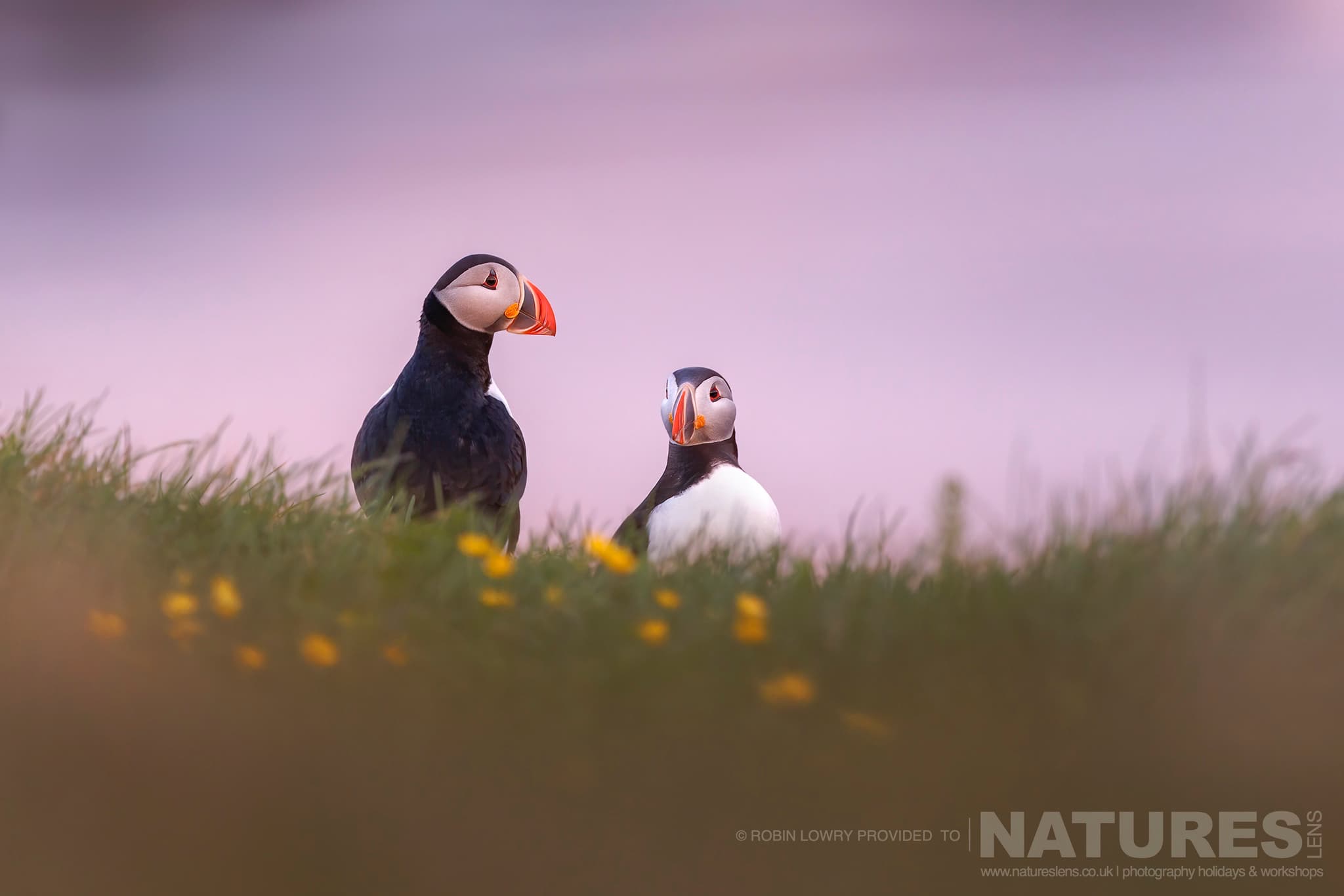
We honestly believe Iceland is simply the best place in the world to photograph Atlantic Puffins & for good reason. With its dramatic landscapes, rugged coastlines, & abundant wildlife, Iceland offers photographers a unique opportunity to capture these charismatic birds in their natural habitat. The country is home to the largest puffin colonies in the world, providing ample opportunities to observe & photograph these colourful creatures up close. Whether it’s the iconic bird cliffs of Dyrhólaey, the remote island of Grímsey, or the picturesque Westman Islands, Iceland’s diverse locations offer striking backdrops for capturing rewarding images of these adorable seabirds.
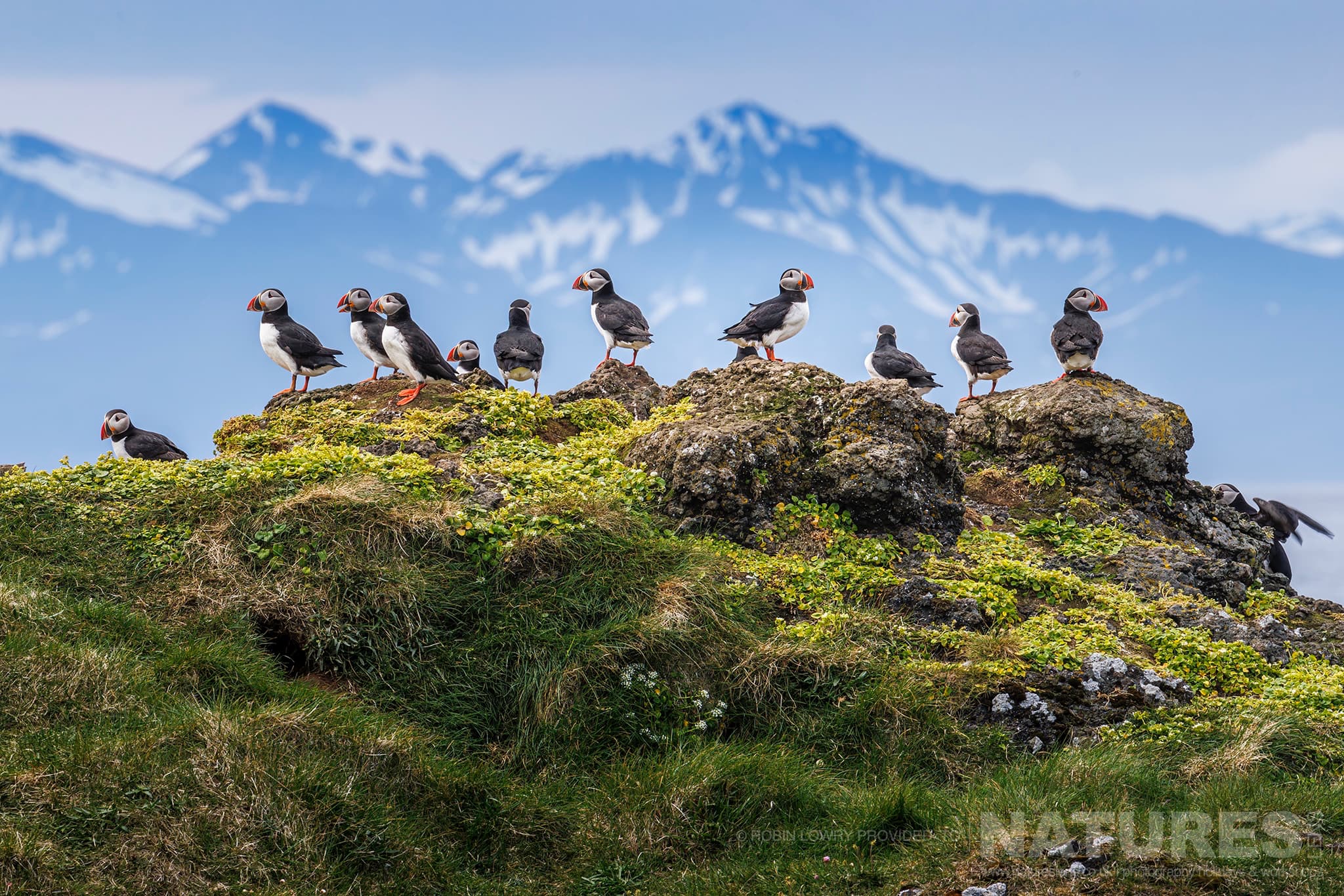
What Is Capturing Atlantic Puffins in their Natural Habitat on Grímsey Island, Iceland?
As one of the most iconic & recognizable birds in the entire world, the Atlantic Puffin has been a source of admiration from novice to experienced bird photographers alike. With their black & white plumage & flashy beaks, this charismatic seabird has become a fixture of the northern Atlantic coast – & nowhere more so than on the remote & isolated Grímsey Island, Iceland. Grímsey Island is, quite literally, a bird photographer’s haven. It’s the country’s northernmost point, between Iceland & the Arctic Circle, & home to an impressive array of avian biodiversity.

From rare species of seabirds like Black Guillemots to the common & beloved Atlantic Puffin, the island is supporting life. This article is about best observing & photographing these notable birds in their native environment.
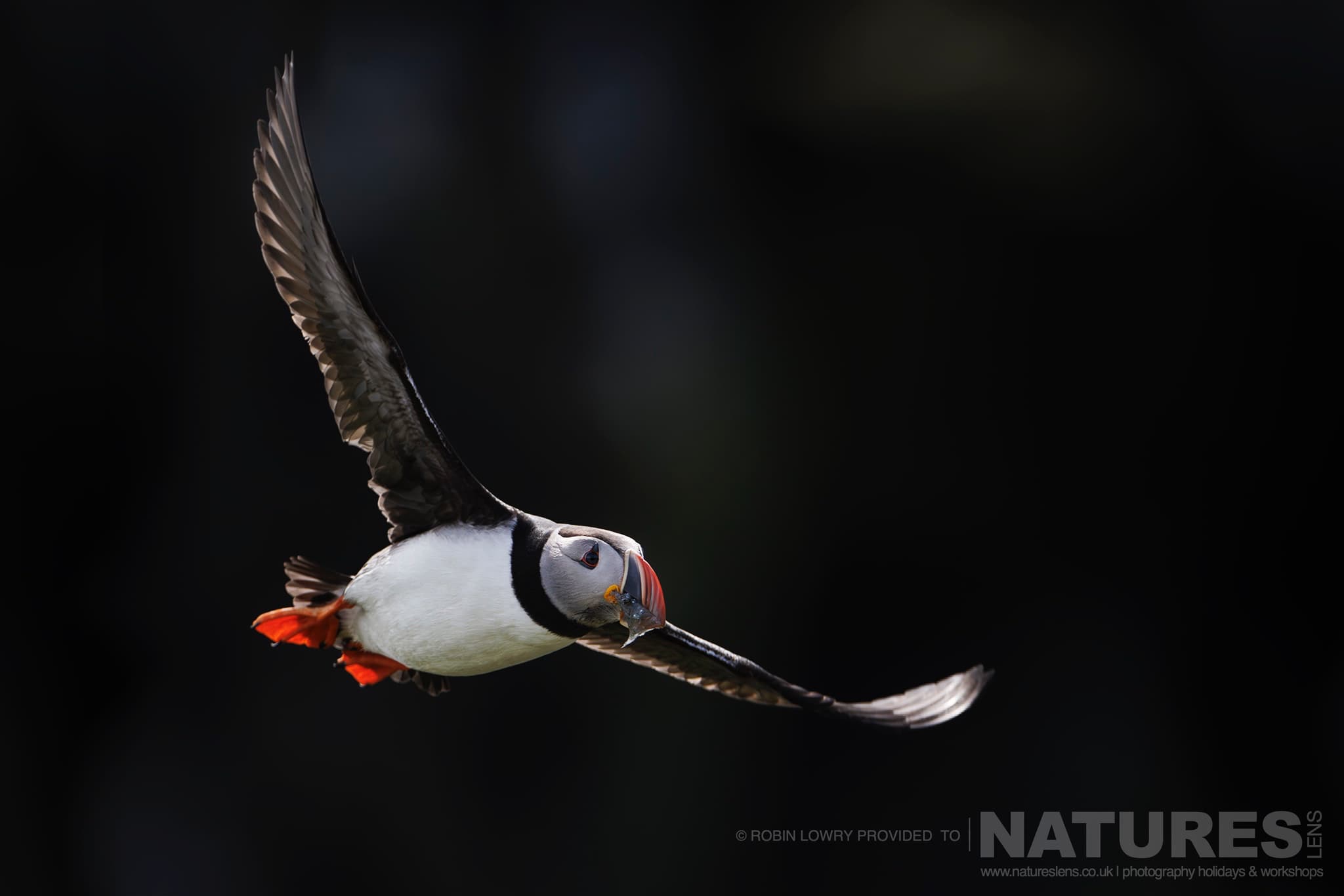
We’ll cover the best times to visit the island, the necessary equipment, & the unique behaviours to help you get the perfect shot. Whether you’re a beginner or a seasoned photographer looking for new & exciting subjects, this article will ensure that you capture strong images of the Atlantic Puffin & make any trip to Grímsey Island a success.
Why Iceland is simply the best place – in the world – to photograph Atlantic Puffins?
Without a doubt, Iceland is the best destination in the world to photograph Atlantic Puffins. With its striking coastline, rolling mountain landscapes & diverse wildlife, Iceland has some of Earth’s most strong photography opportunities.
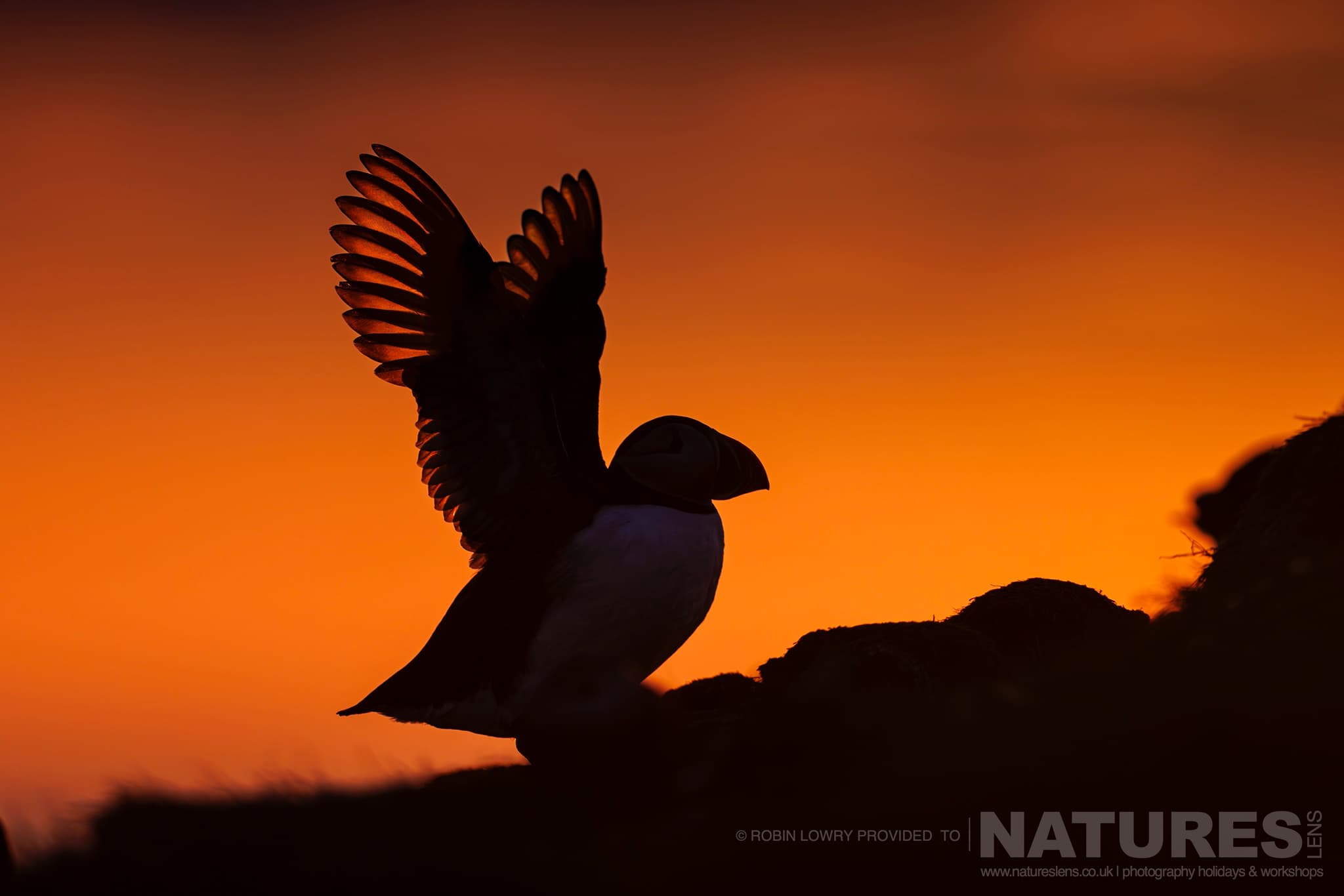
During the summer months, innumerable Atlantic Puffins flock to the region, bringing abundant opportunities to capture these engaging birds in impressive natural settings, including capturing images of the Puffins & the midnight sun.
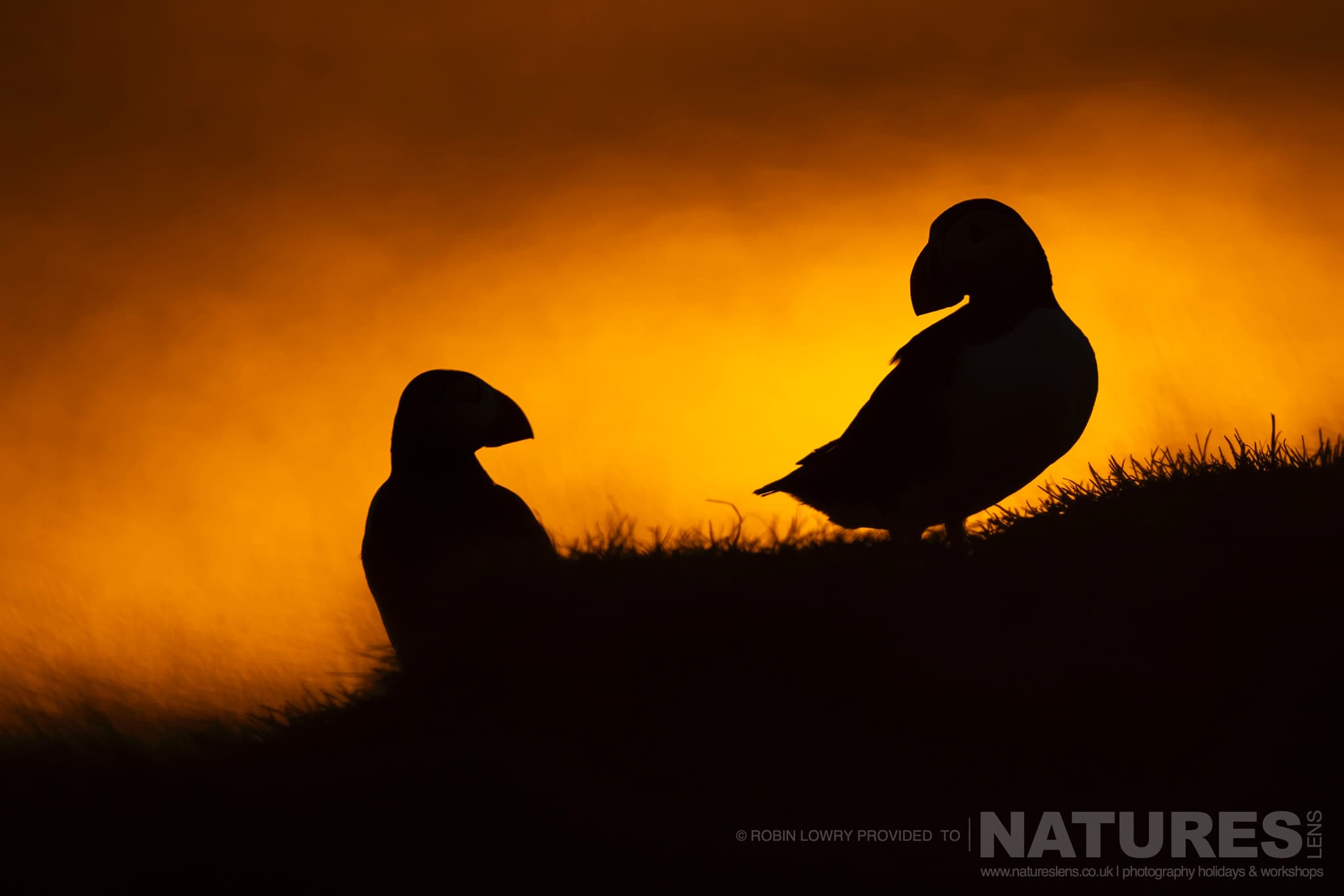
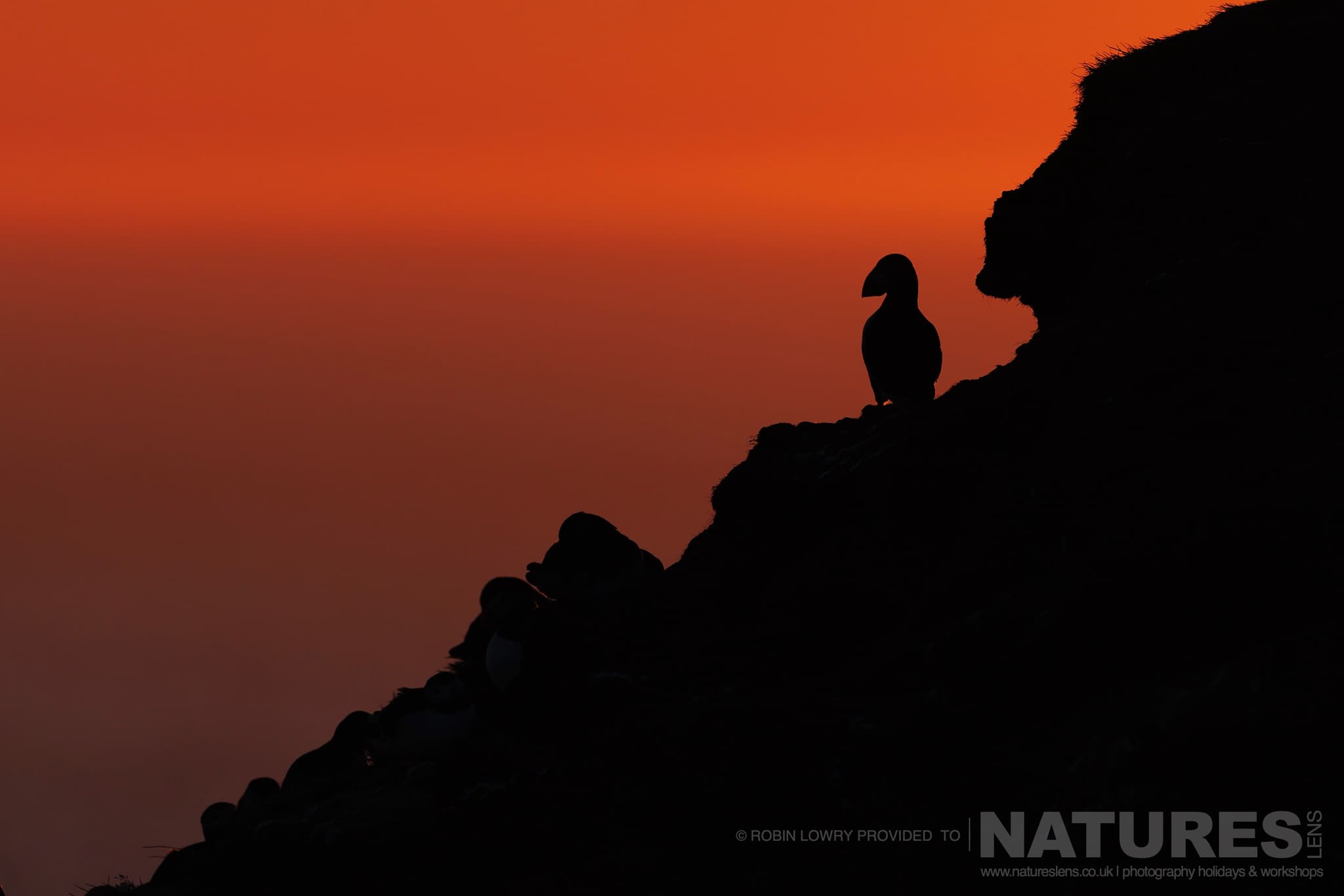
With their bright orange beaks & black & white feathers, Atlantic Puffins make for incredibly charismatic subjects & can be found in many areas easily accessible from Reykjavík & other nearby communities. What’s more, Iceland has some of the world’s most beautiful sunsets, allowing photographers to capture these iconic birds in striking, golden light.
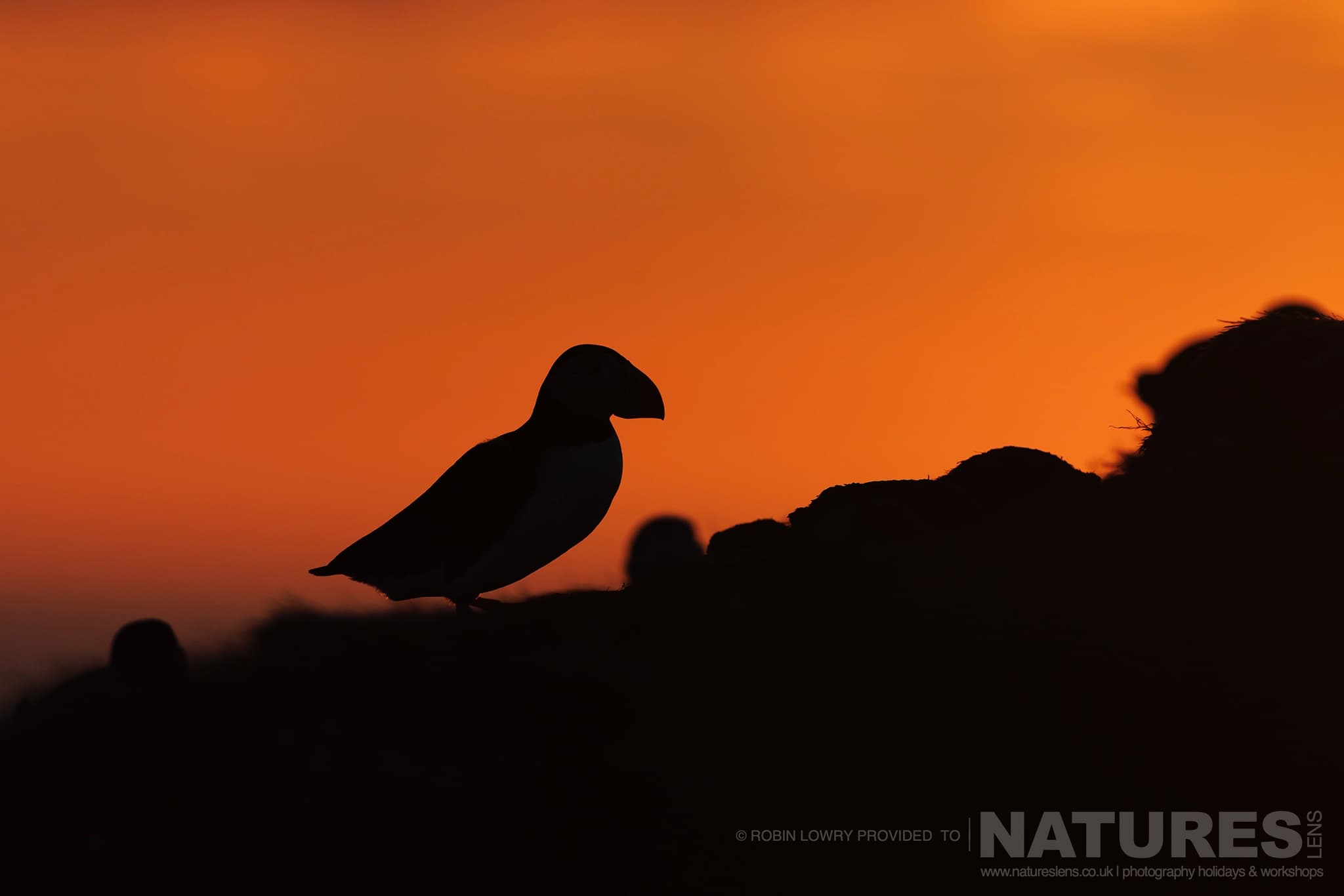
Whether you’re an experienced wildlife photographer or just an enthusiastic beginner intending to capture some fantastic images, Iceland is undoubtedly the best place in the world to photograph Atlantic Puffins & other birds!
Why visit Grímsey Island to photograph the Atlantic puffins of Iceland?
Grímsey Island is a small, uninhabited island located off the northern coast of Iceland. It lies south of the Arctic Circle & is home to various seabirds, including Atlantic Puffins. The island is just 3.2 square kilometres, & the terrain is primarily flat & barren. No trees or shrubs are found on the island, but a thick layer of grass, lichens, & other low-lying vegetation.
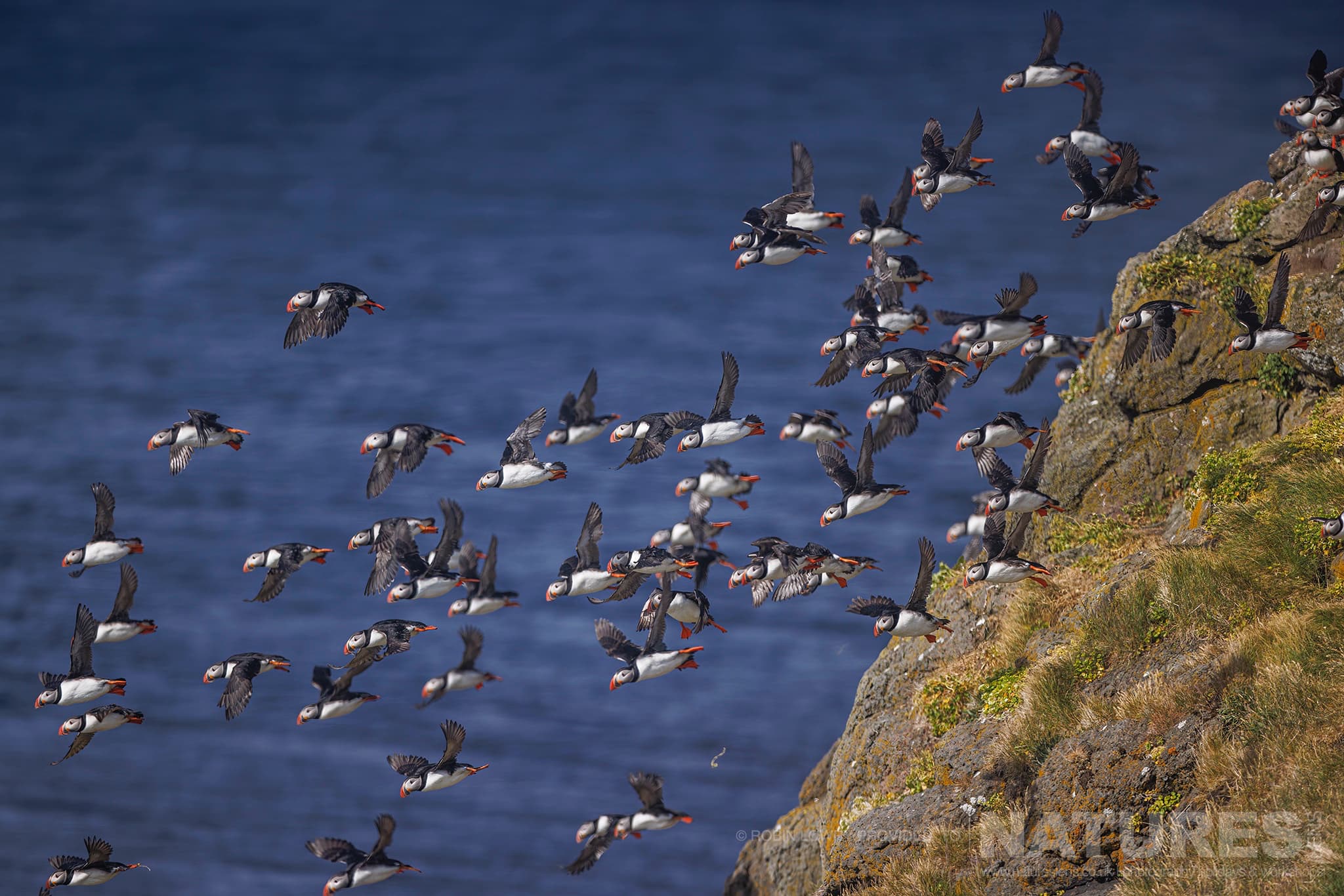
The island was declared a nature reserve in 2007, & the Icelandic government now protects it. There are only around 80 permanent residents, though the island attracts quite a few groups of tourists annually.
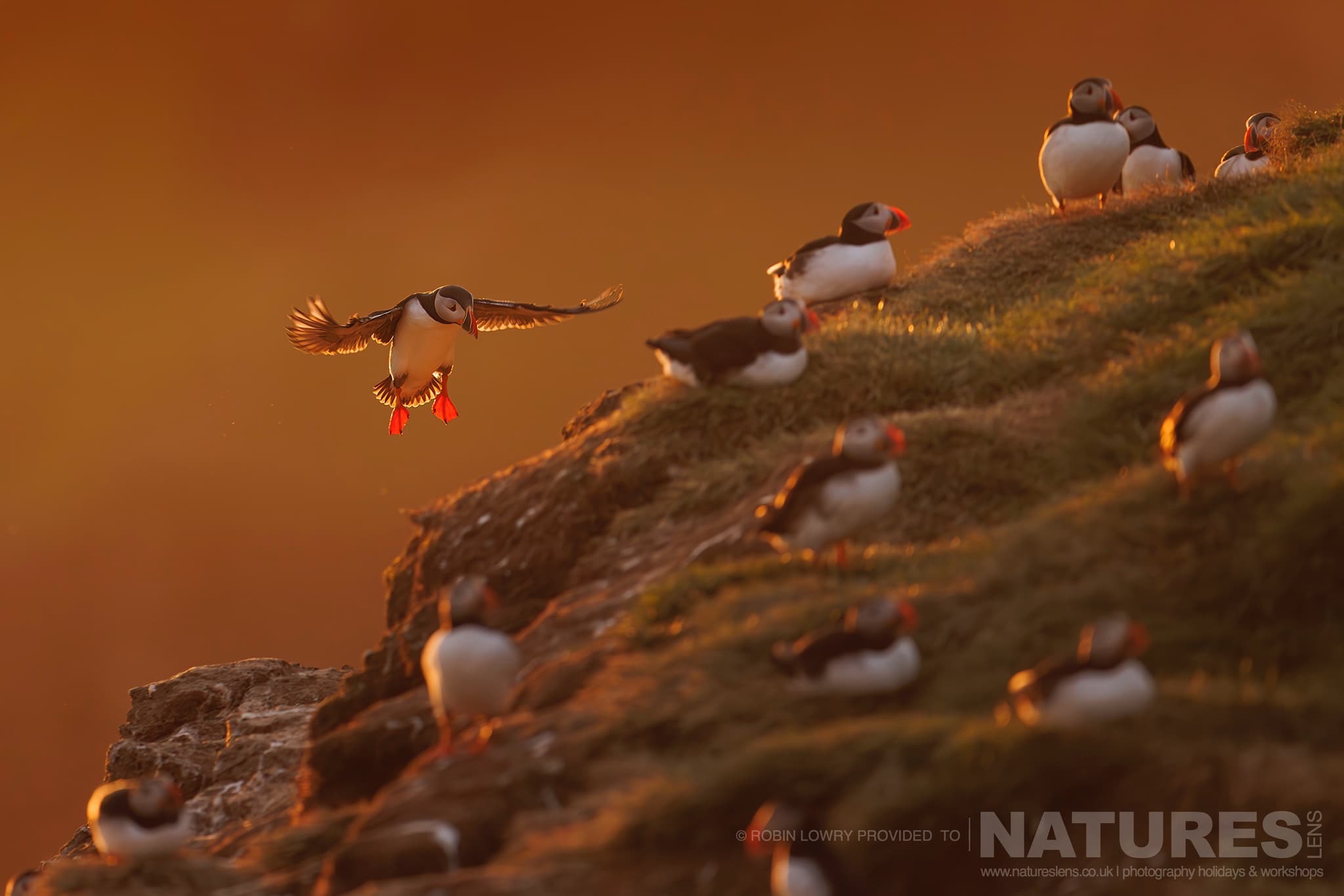
Grímsey Island is the perfect place for bird photographers to observe & photograph the island’s unique array of seabirds.
Other Wildlife Found on Grímsey Island

Grímsey Island is home to various bird species, including many rare & endangered types. The most common birds on the island are Atlantic Puffins, which can be seen in large flocks during the summer months.

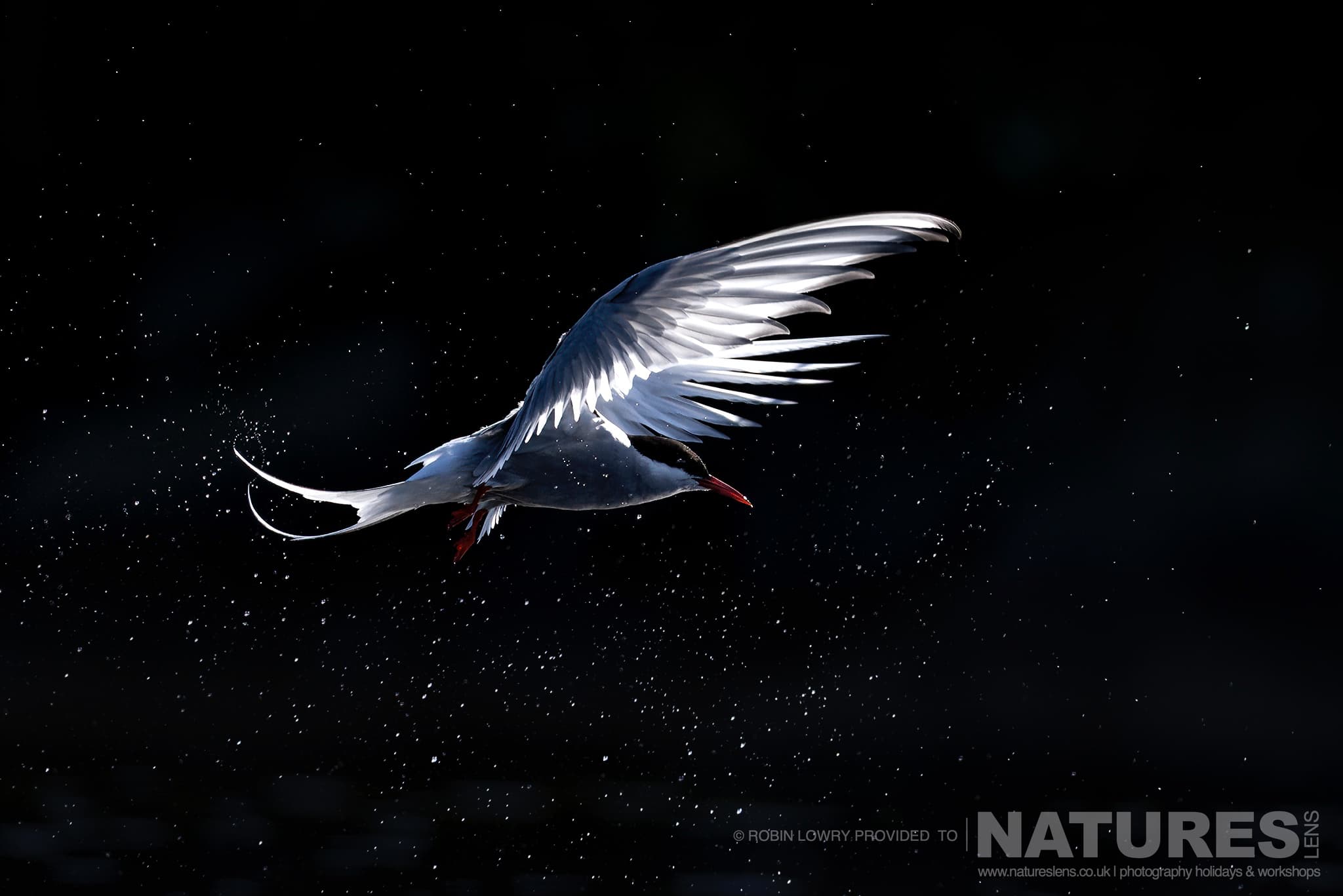
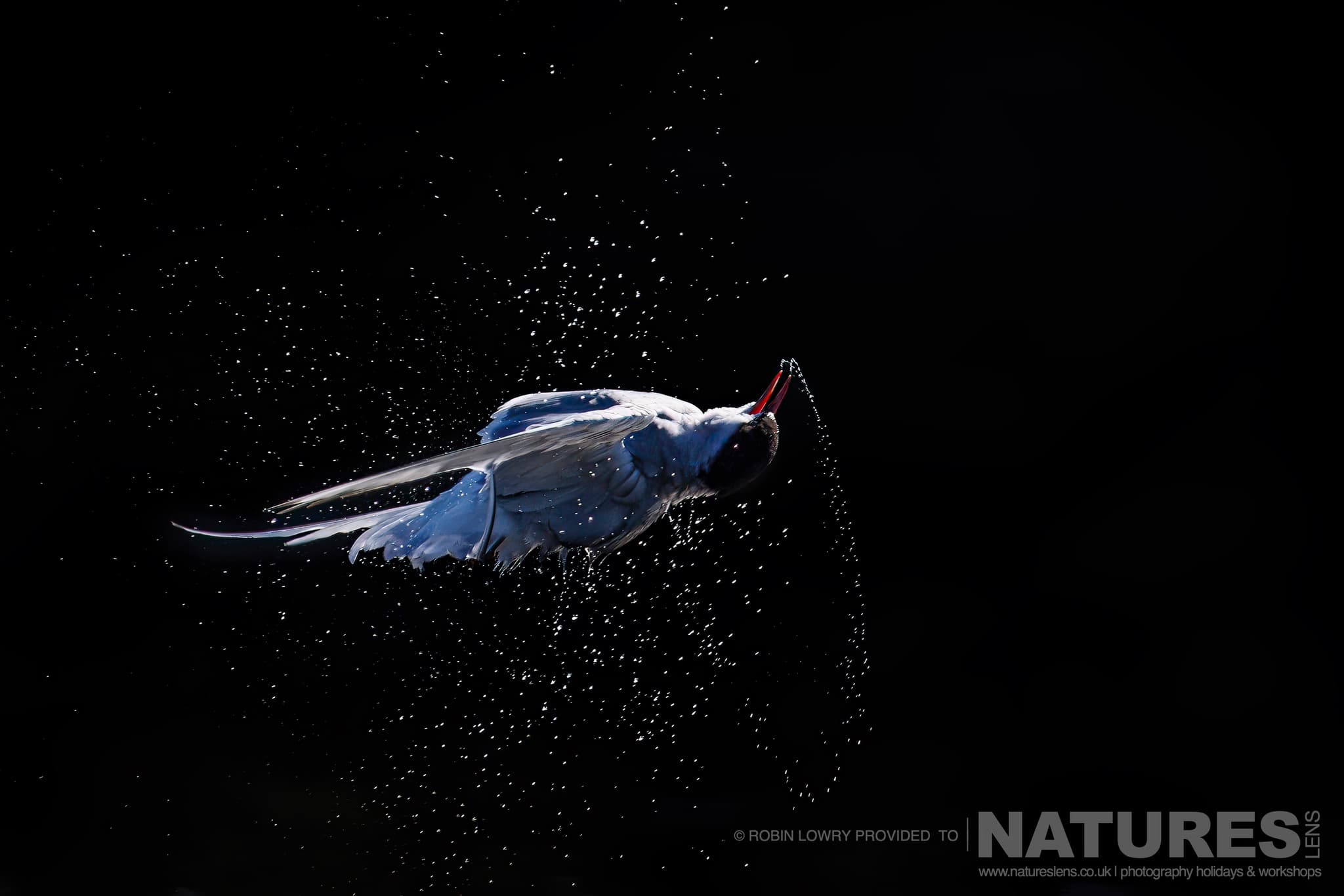
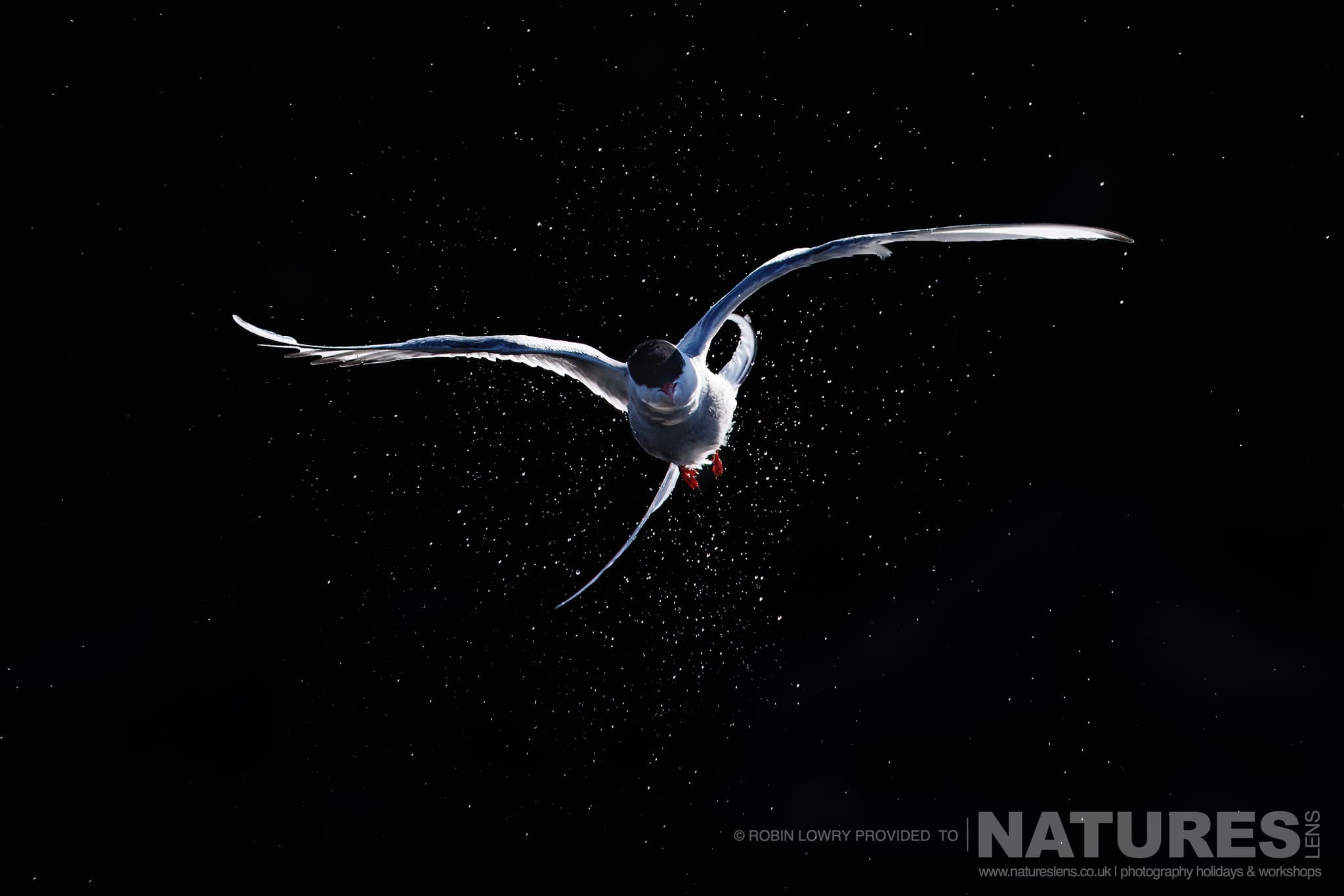
The island is also home to various other seabirds, including Brunnich’s Guillemot, Common Guillemot, & Black Guillemot. The surrounding waters are filled with sea creatures, including sharks, whales, & dolphins.
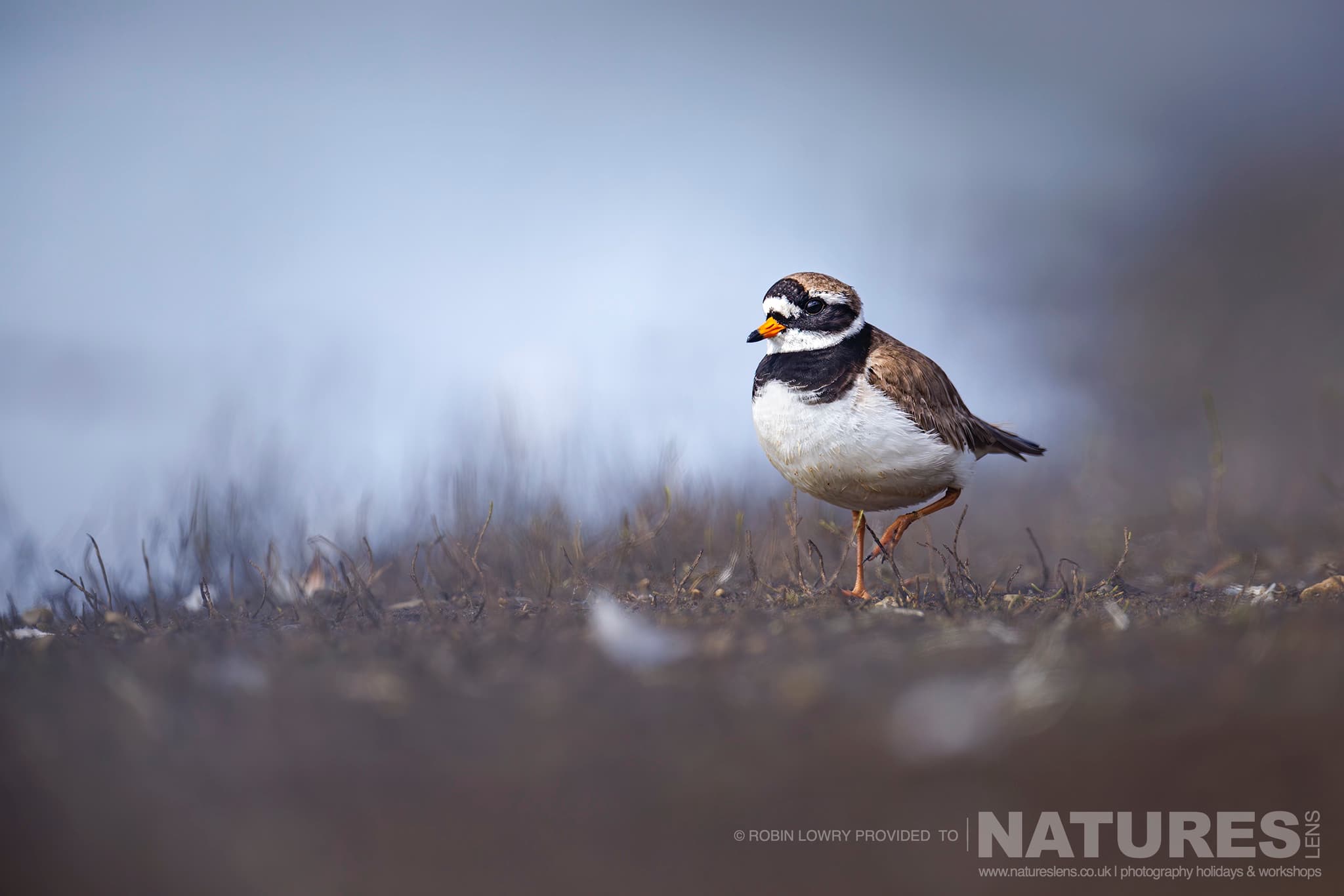
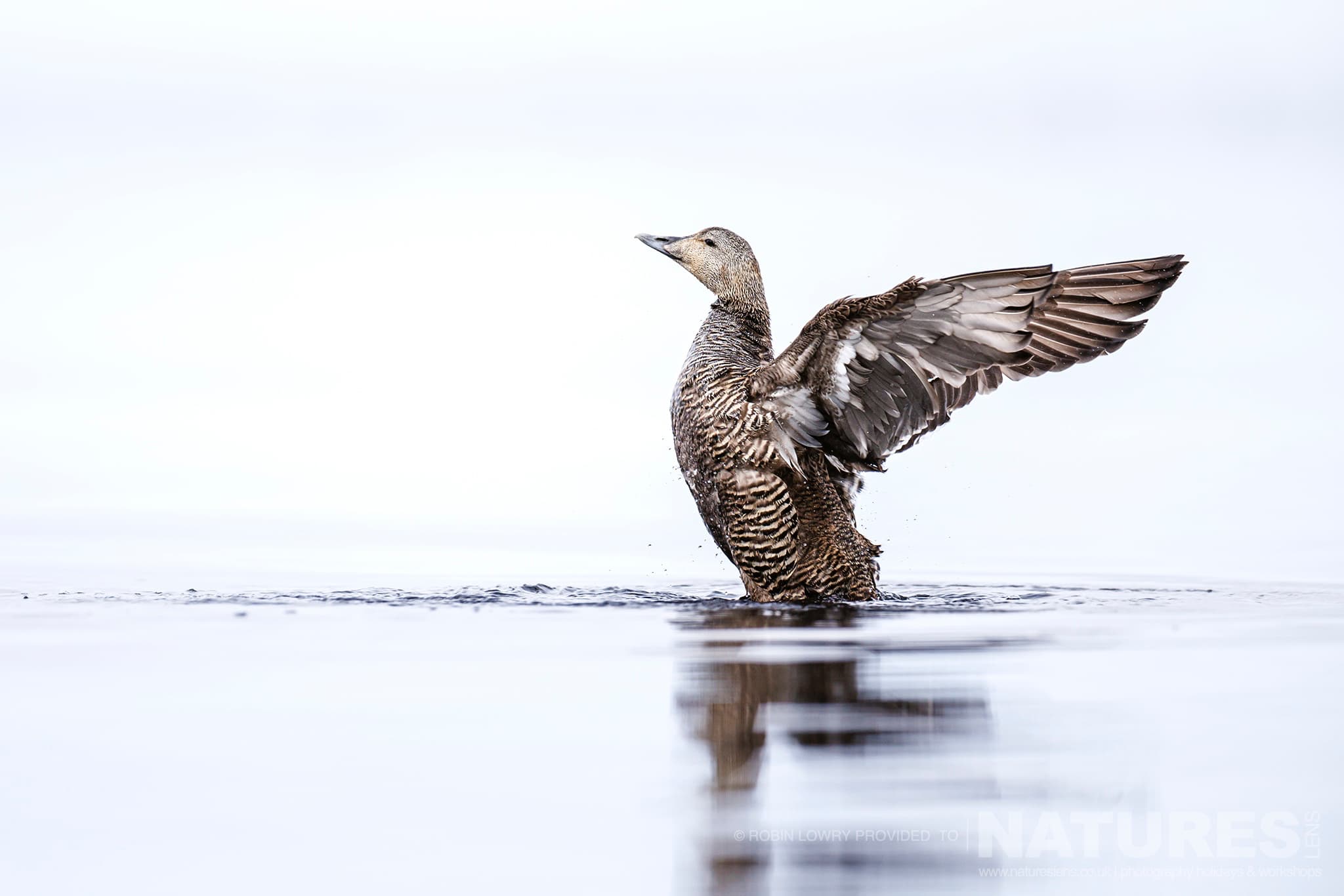
Photographing the Atlantic Puffins of Grímsey Island
Photographing Atlantic Puffins on Grímsey Island should be an enjoyable & rewarding experience. The only time to observe & photograph the birds is during the summer when the puffins are visible on land; during this time, it should be possible to add images of the puffins next to their burrows, in flight, at sea & much more to your portfolio. During this time, the birds can be seen in large flocks along the shoreline or in the air.
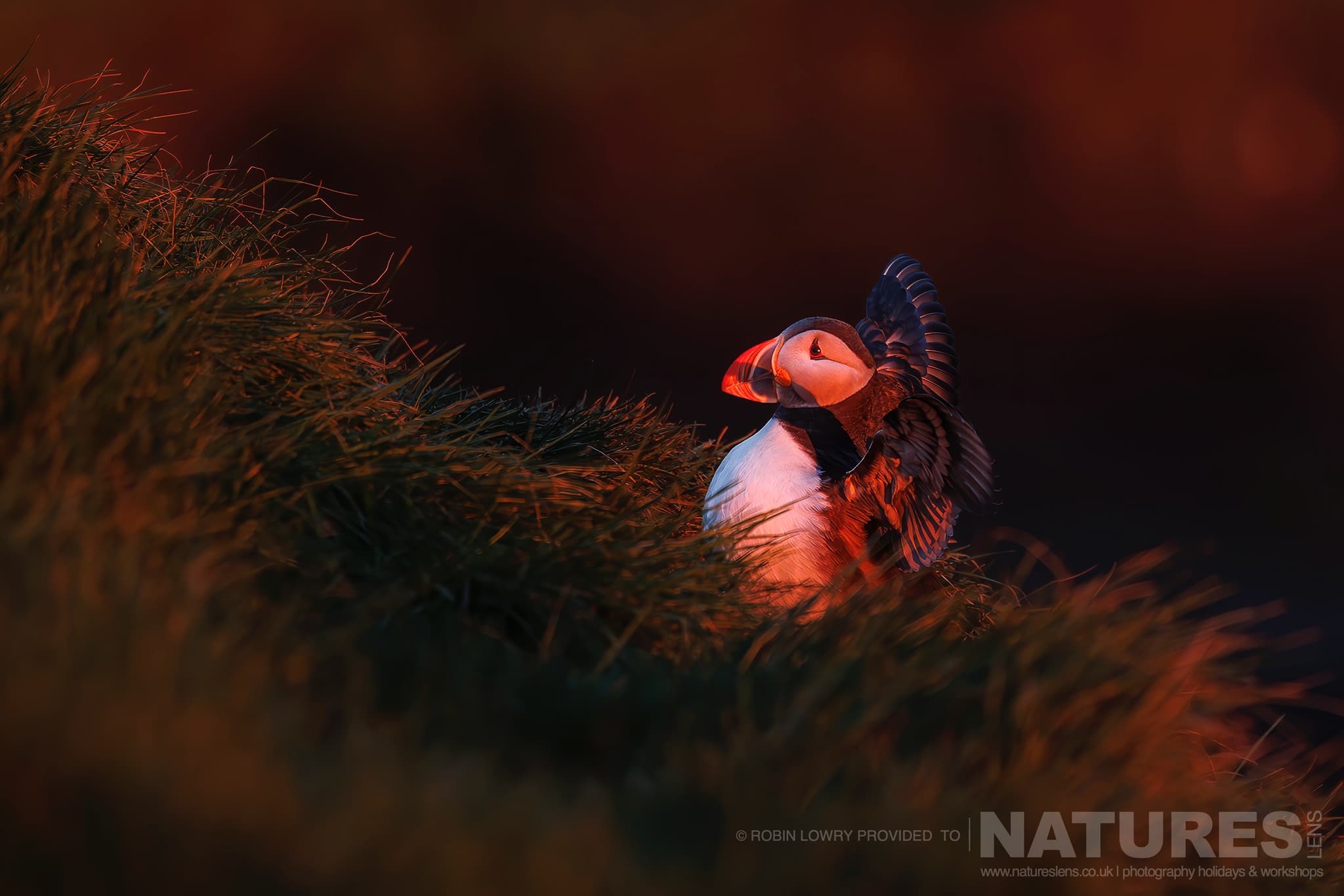
To photograph the puffins, you’ll need several recommended pieces of camera equipment. A camera body with an excellent auto-focus system & a fast frames-per-second capability married to a long telephoto lens & a tripod is essential for capturing birds from a distance.
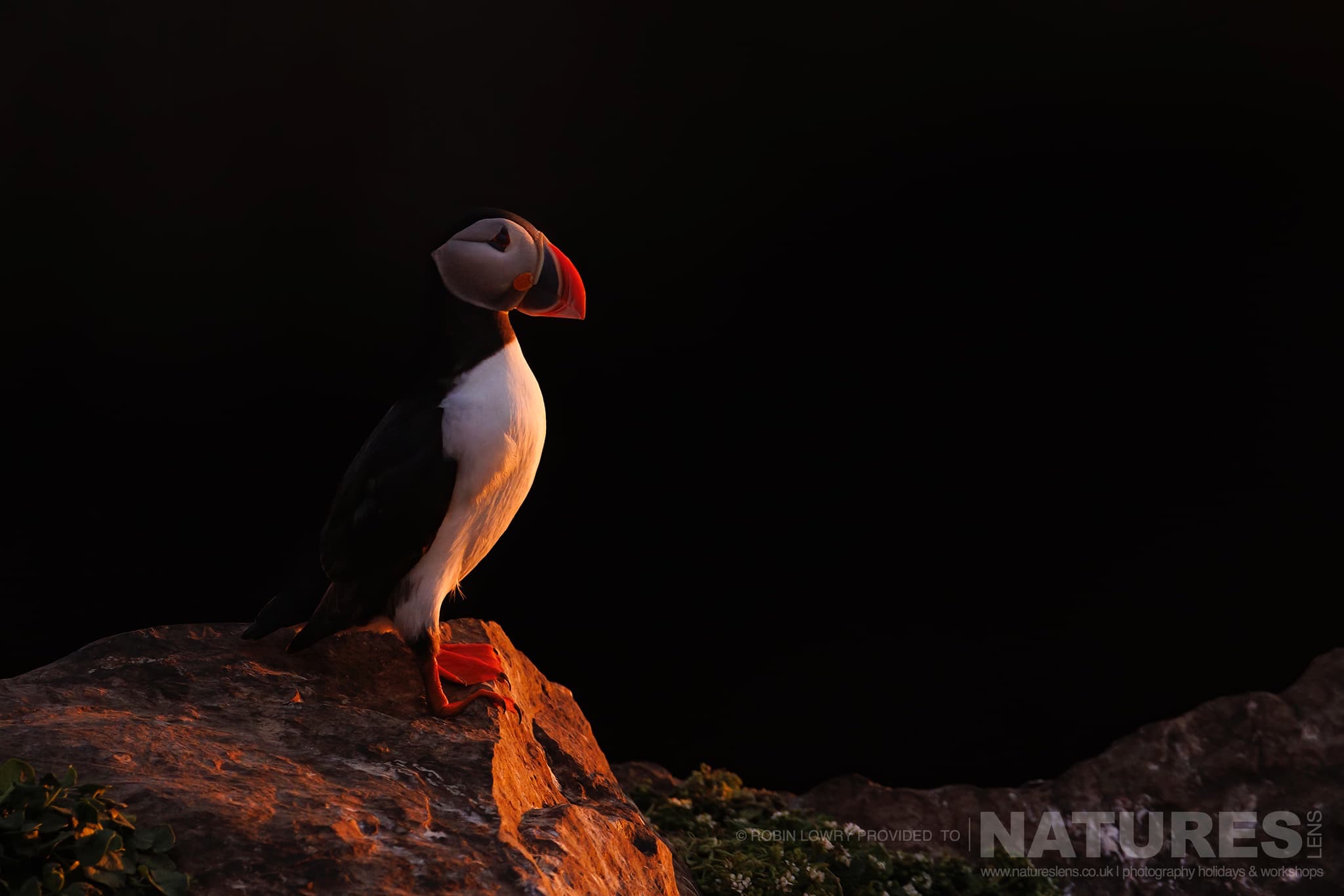
A waterproof camera cover can protect your camera & lens from the elements – you will undoubtedly encounter different weather conditions on Grímsey Island! Setting your camera body to shoot in burst mode is also recommended, as the puffins are very active & fast-moving.
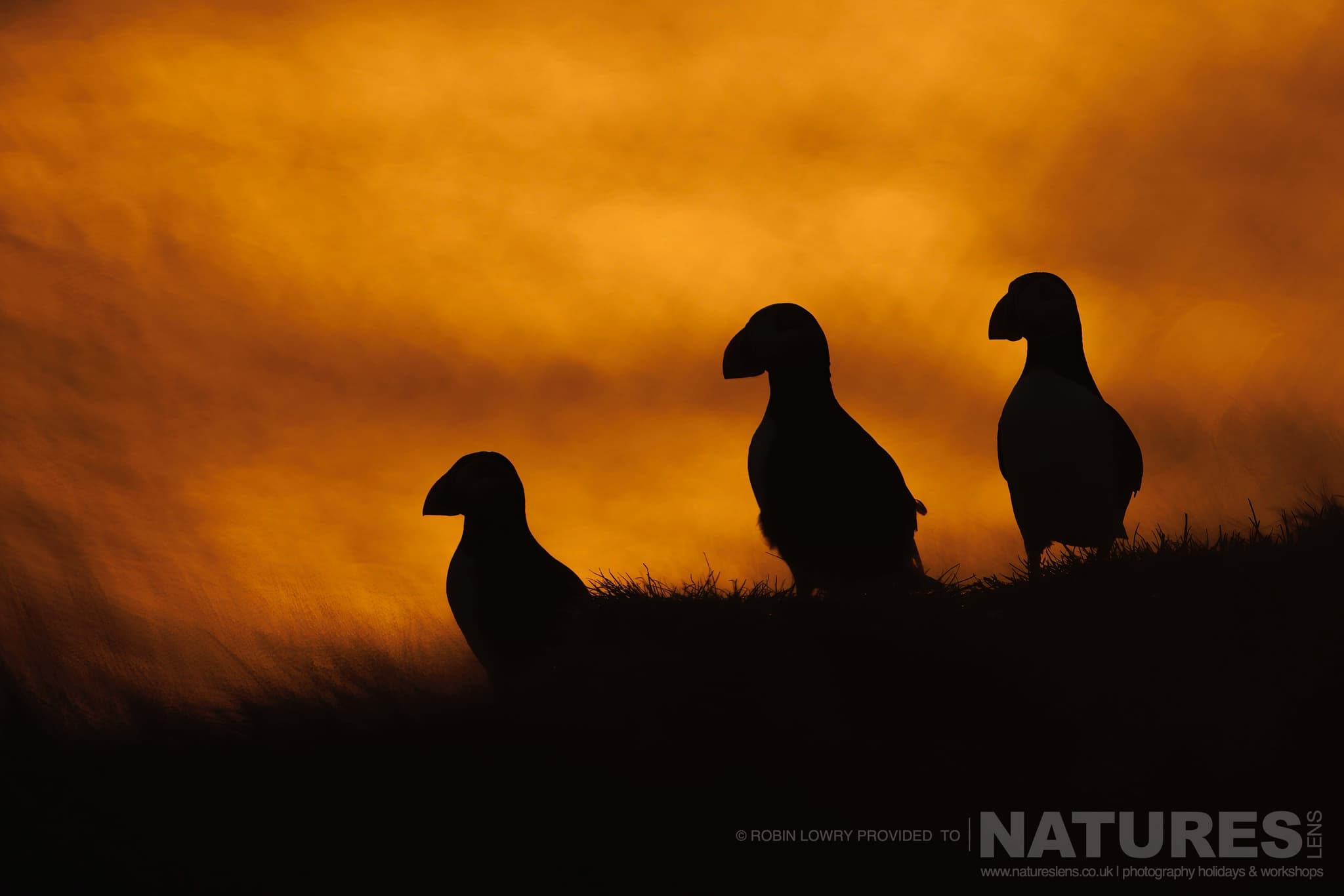
When photographing the puffins, make sure to be respectful of their environment. Be mindful of the birds’ behaviours, & observe from a safe distance. Also, avoid using flash photography, which can startle the birds & disrupt their natural behaviours.
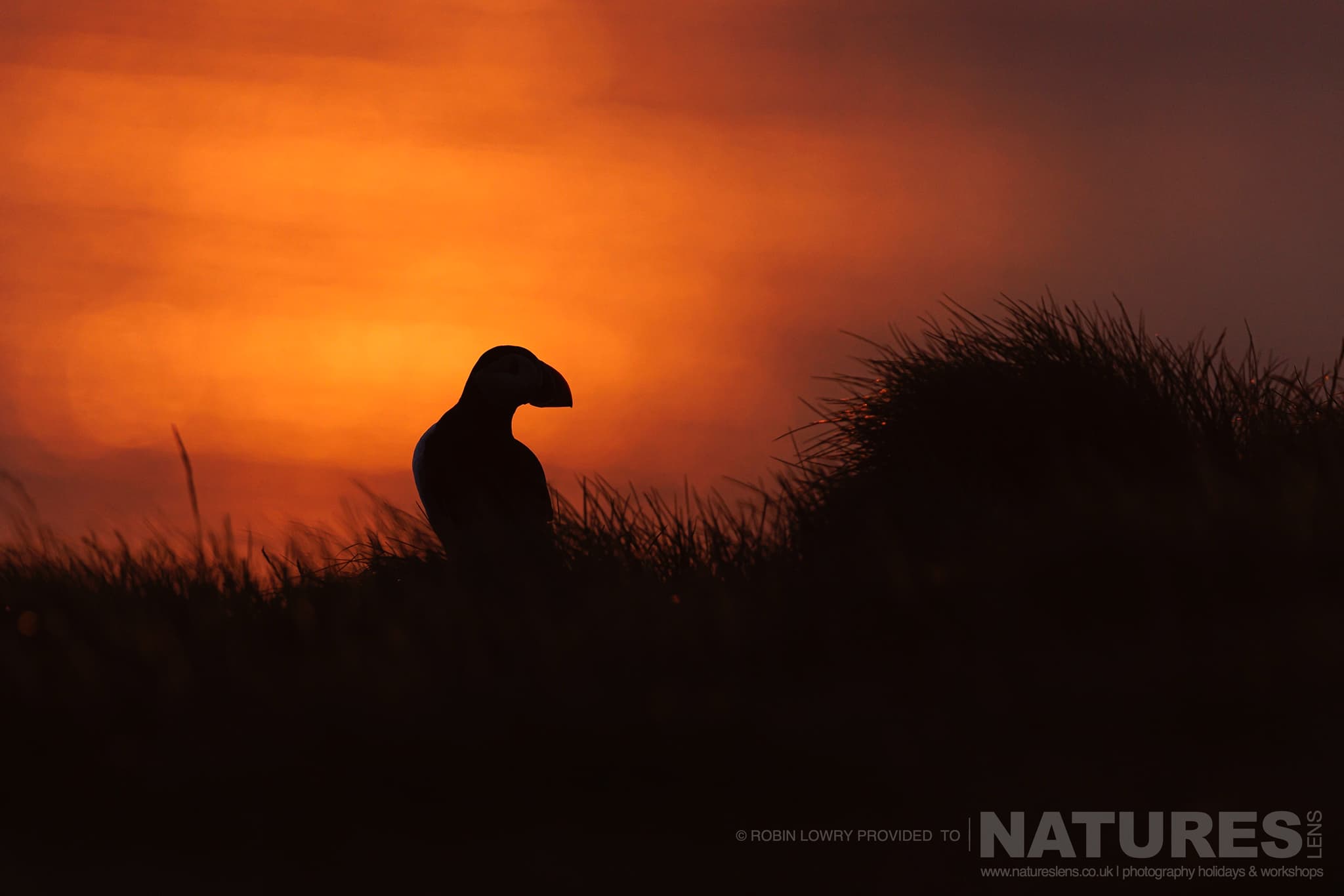
With some patience, you’ll soon have beautiful photographs of the puffins in their natural habitat.
Where do the Icelandic puffins go in the winter?
During the winter months, Icelandic puffins migrate to the warmer waters surrounding the coasts of Scotland, Norway, & Ireland. Although puffins can adapt to the colder winter temperatures & snow cover, they prefer the more temperate climates of the coastal zones of the North Atlantic.
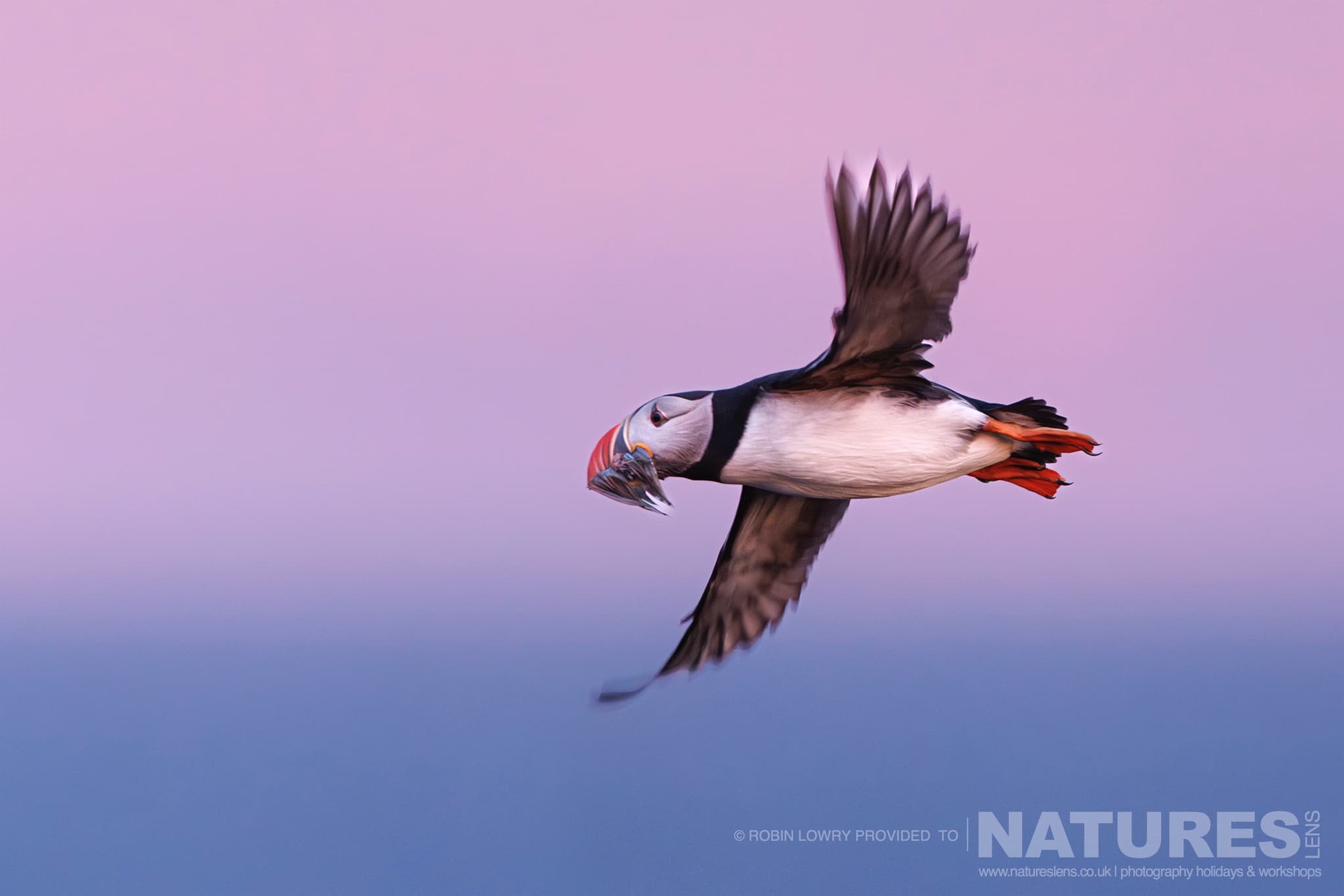
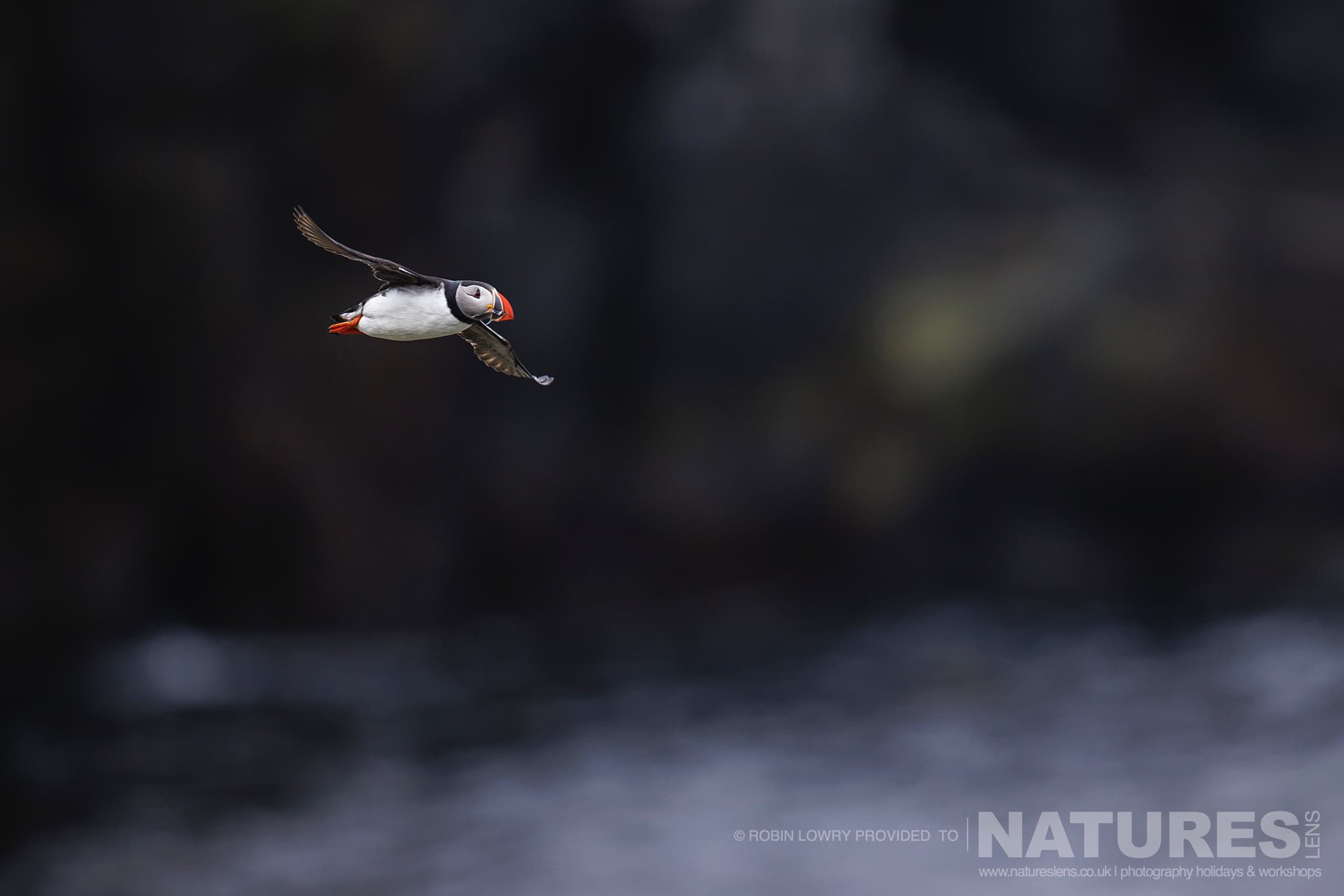
There, they can feed on plentiful shrimp & other small fish, & also take shelter from the winter storms that can leave much of Iceland covered in snow. In the Spring, puffins return to their breeding grounds along the coast of Iceland, where they can begin nesting & raising their young.
Which Photography Tours Does NaturesLens Schedule for Photographing Iceland’s Atlantic Puffins?
NaturesLens annually runs an Atlantic Puffins photography holiday within Iceland, designed to allow photographers of all levels to add images of Grímsey’s fine Atlantic Puffins to their portfolio. This trip is conducted in June or July when the wildlife of Grímsey Island is most active.

Our photography holidays allow photographers to capture strong images of the Atlantic Puffins & many other Icelandic species.
At NaturesLens, we aim to provide photographers with an rewarding experience that will leave them with beautiful, memorable images. Our trips are led by experienced wildlife photographers who are passionate about wildlife photography & are dedicated to helping photographers capture the best images possible.
- NaturesLens wildlife photography holidays are structured around photographic opportunity — every schedule decision is made around light, behaviour, & access.
- Small groups of 4–8 photographers ensure unhurried positions & individual guidance.
- Single occupancy accommodation is included as standard across the majority of our trips.