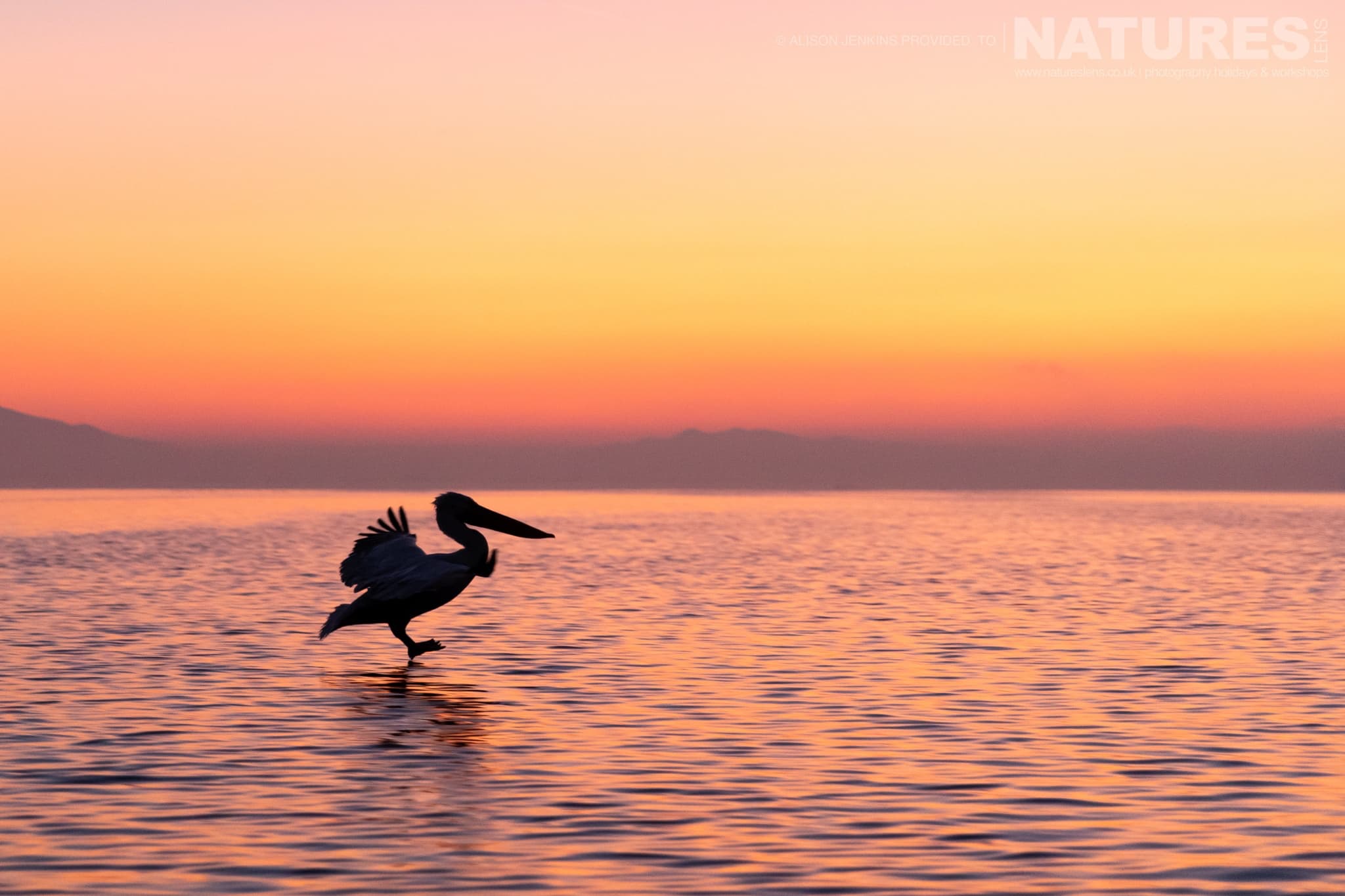
Located in the beautiful landscape of Northern Greece, Kerkini is a fine sanctuary for wildlife, particularly the impressive Pelicans of Lake Kerkini. These imposing birds have captured the hearts of nature enthusiasts & photographers worldwide. However, it is crucial to approach photographing these creatures with the utmost ethical consideration. This article covers, we will shed light on the importance of good ethics when photographing the pelicans of Lake Kerkini, highlighting the concerns surrounding using flash or torches to illuminate the birds.
Sadly, during the 2024 season, at least one major UK operator, Wildlife Worldwide, has been using high-powered torches & flash guns to illuminate the Pelicans of Lake Kerkini for the sake of photographs alone – this is against the express wishes of the majority of boat operators & the locals who call Kerkini home. The majority of the boat operators & fishermen expressed their concern to the boat operator in question but were told that Wildlife Worldwide & the guide who works for them, insisted on the use of the high-powered torches & flash guns – seemingly, even if concerns are directly raised, the attitude of Wildlife Worldwide is that it is image before welfare of the subject!
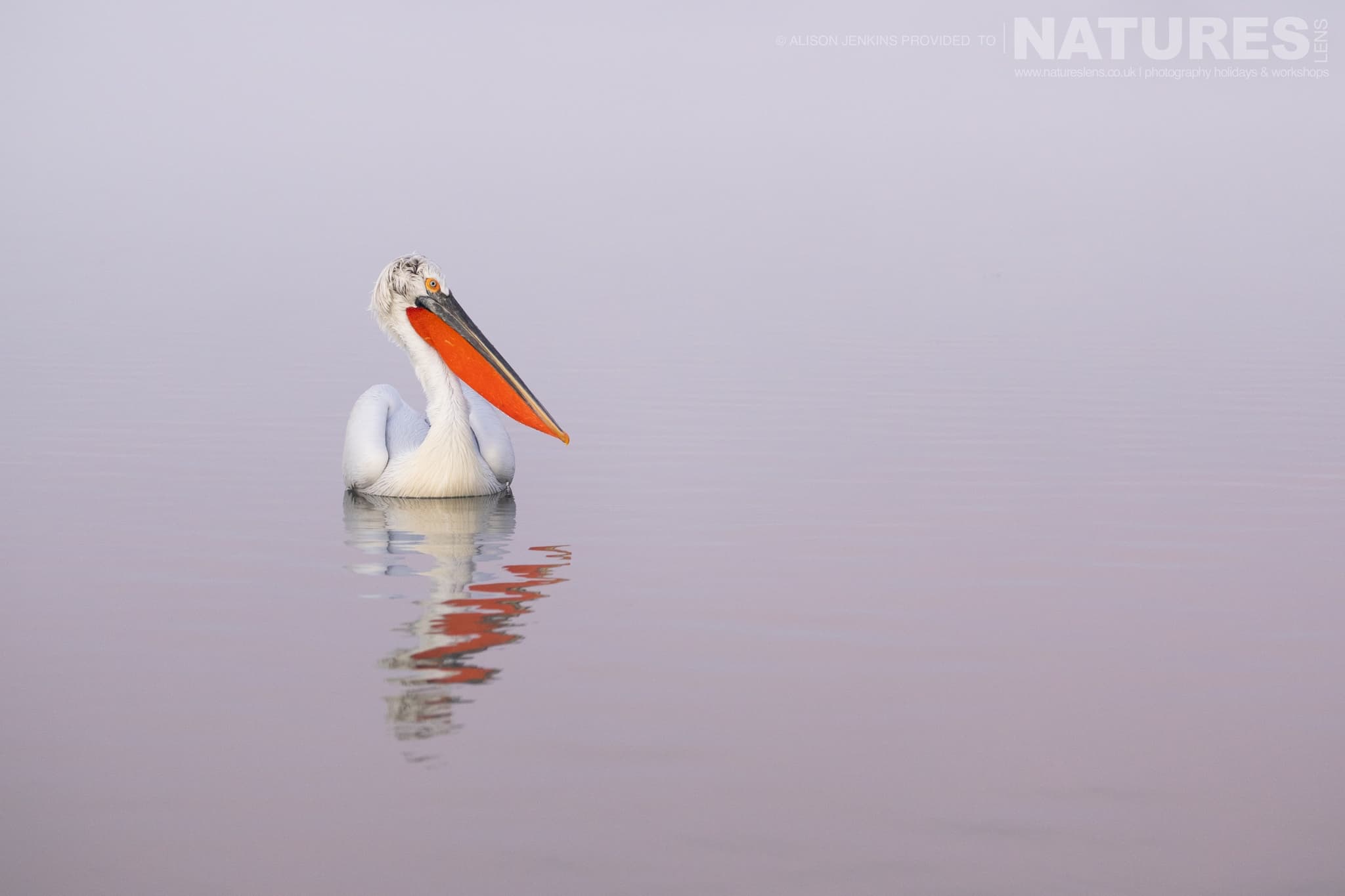
Understanding the Impact on the Pelicans of Lake Kerkini
Dalmatian pelicans are a vulnerable species, & their well-being should always take precedence over capturing the perfect shot. While some argue that using flash or torches enhances the quality of the photograph, it is essential to consider the potential harm these bright lights can cause the birds. Powerful lighting can significantly impact the pelicans’ eyesight, disorienting them & causing unnecessary distress.
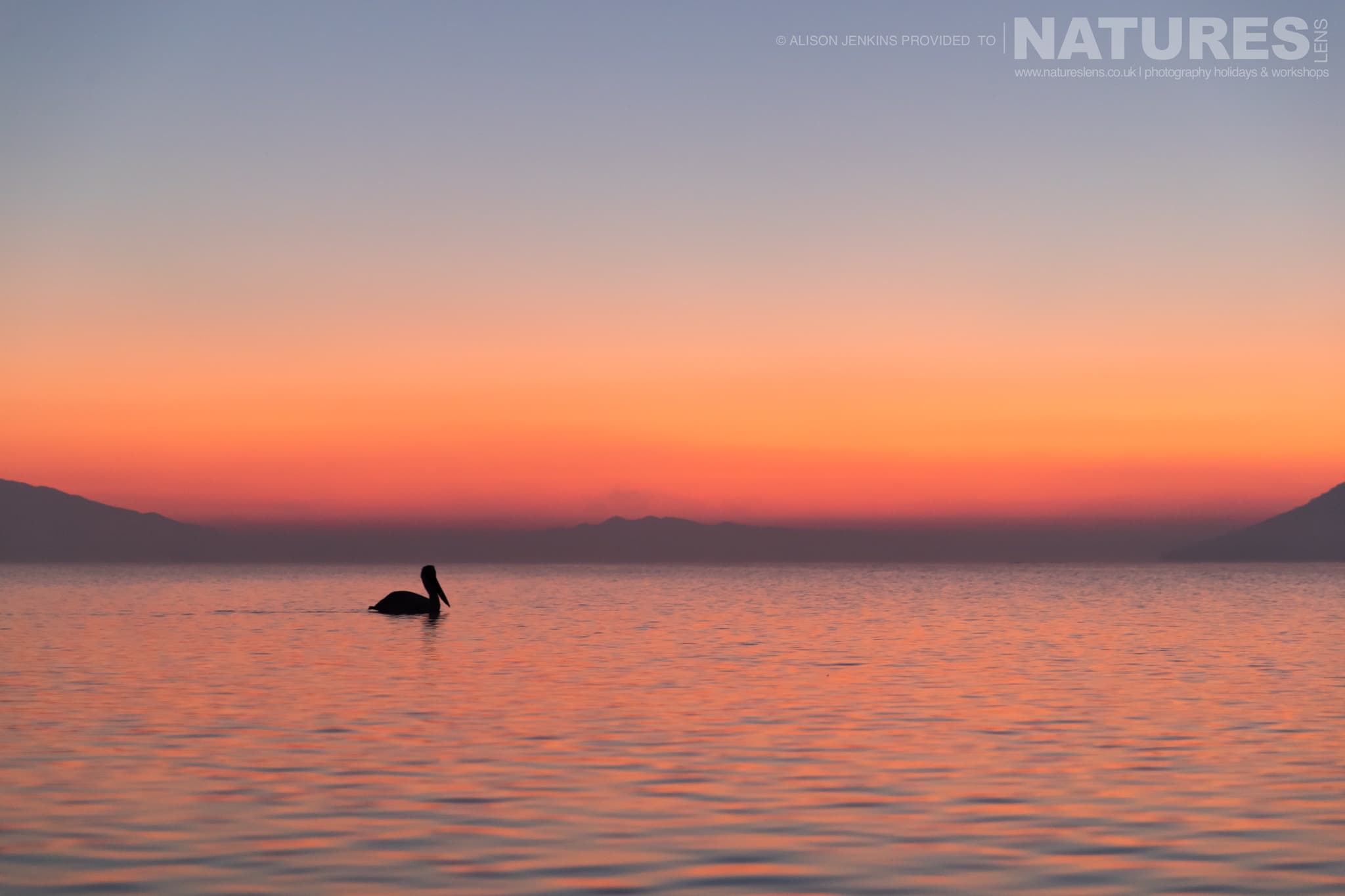
Respecting the Natural Environment
Photographers should strive to capture authentic moments in nature, respecting the environment & the wildlife they encounter. By adhering to ethical guidelines, photographers can maintain a balance between capturing strong images & ensuring the well-being of the subjects they photograph. Avoiding disruptive lighting techniques is a crucial step towards minimising the disturbance caused to the pelicans & preserving the serenity of Lake Kerkini.
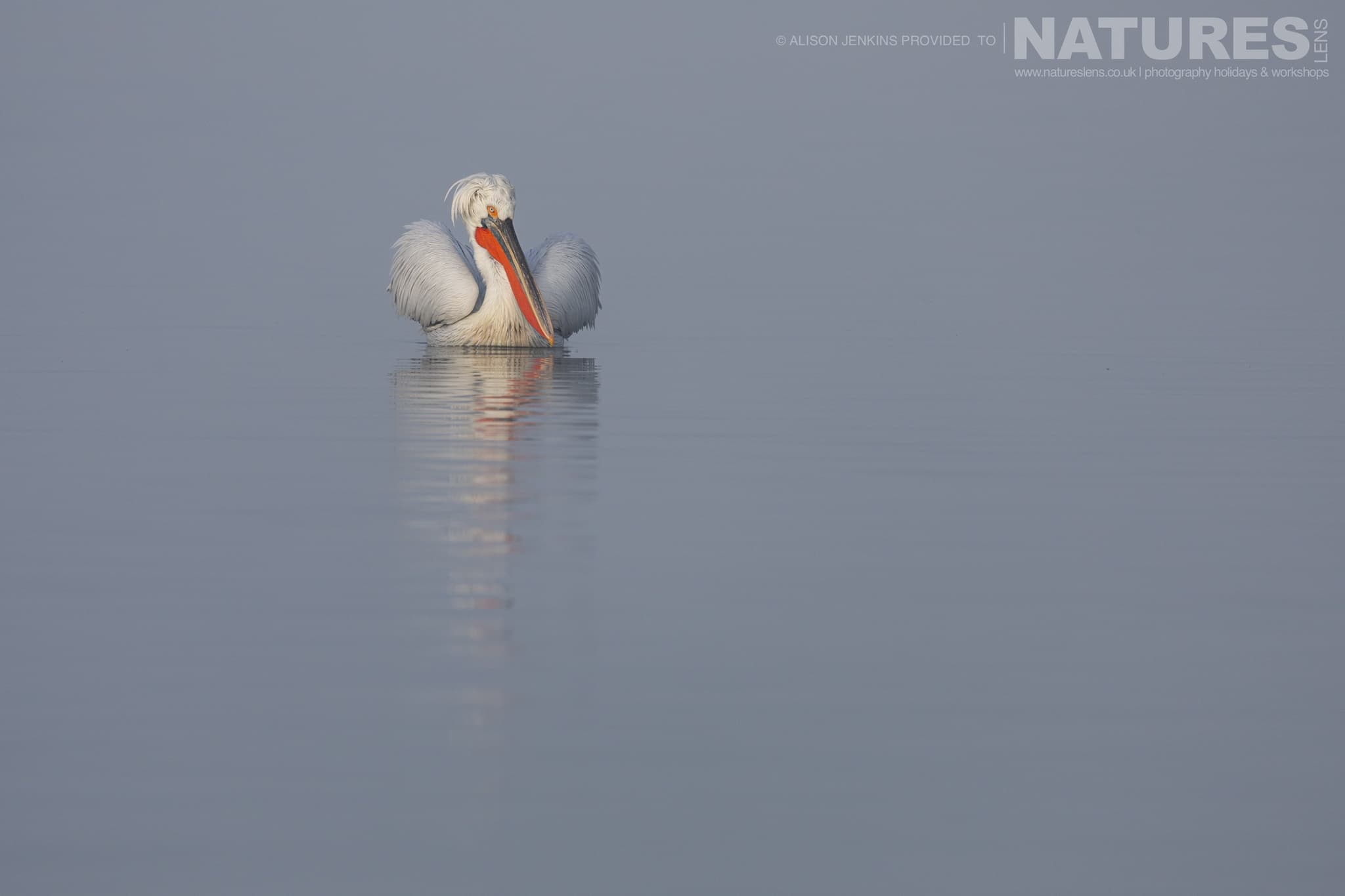
What Is The Importance of Responsible Tourism & Boat Operators?
Lake Kerkini is a bustling ecosystem, with fishermen & boat operators sharing the waters with the pelicans. Responsible boat operators play a vital role in preserving the sanctity of the habitat by understanding & respecting the pelicans’ needs. By advocating for the avoidance of bright lights, these operators contribute to a positive environment that benefits both the birds & photography enthusiasts.
Embracing Natural Light to photograph the Pelicans of Lake Kerkini
Photography is an art that thrives on creativity & resourcefulness. Instead of relying on harsh lighting techniques, photographers can embrace the beauty of natural light. By utilising the soft, warm glow of the sun, photographers can capture strong images that truly showcase the pelicans’ grace & magnificence in their natural habitat. This approach not only ensures the birds’ safety but also adds a touch of authenticity & depth to the photographs.
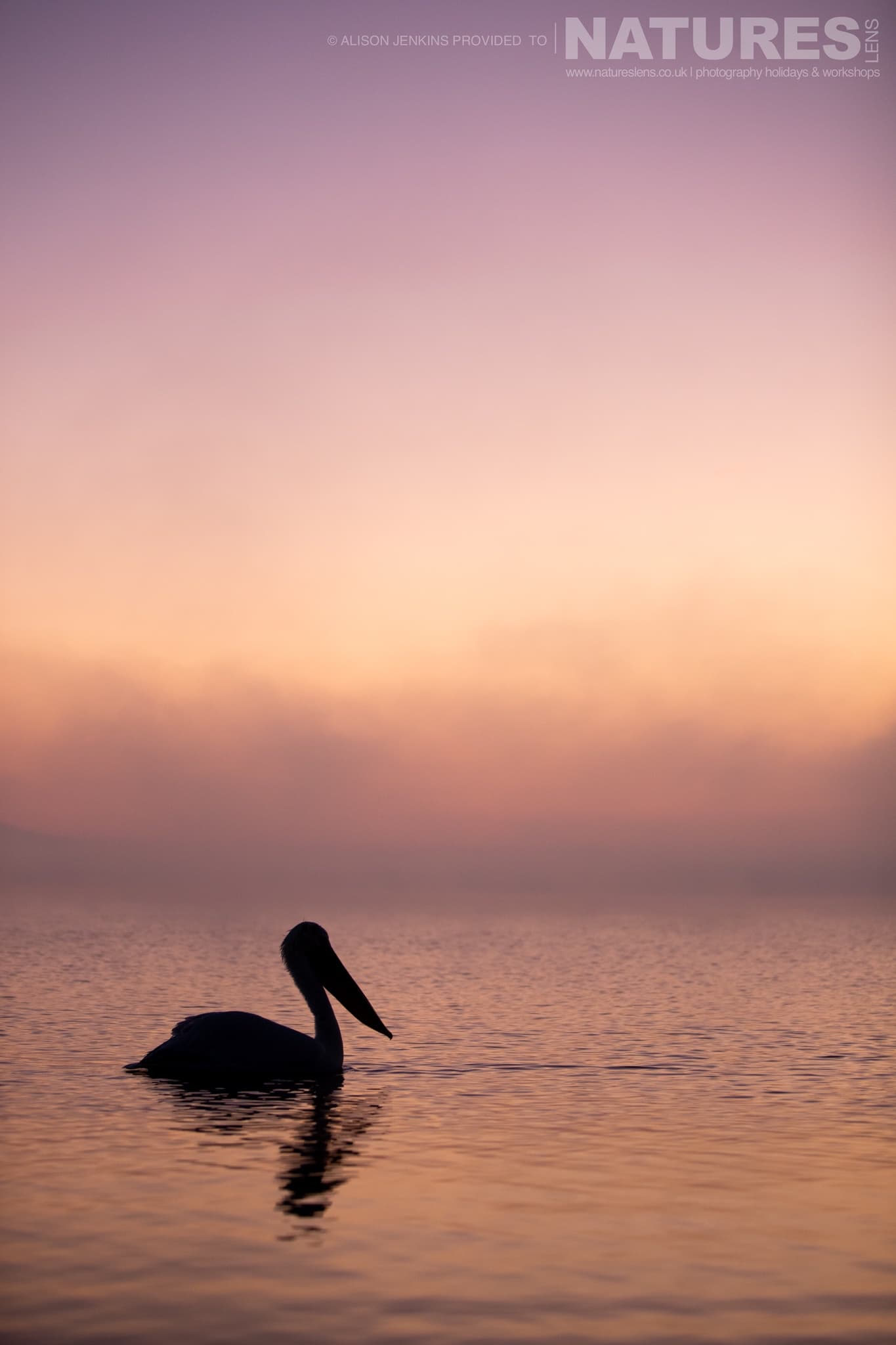
Educating Fellow Photographers
As photographers, we have a responsibility to educate & raise awareness about ethical practices within our community. By sharing our knowledge & experiences, we can encourage others to prioritise the subject’s well-being over pursuing a visually appealing shot. Engaging in discussions, organising workshops, & & promoting responsible photography practices can go a long way in protecting the pelicans of Lake Kerkini & & their habitat.
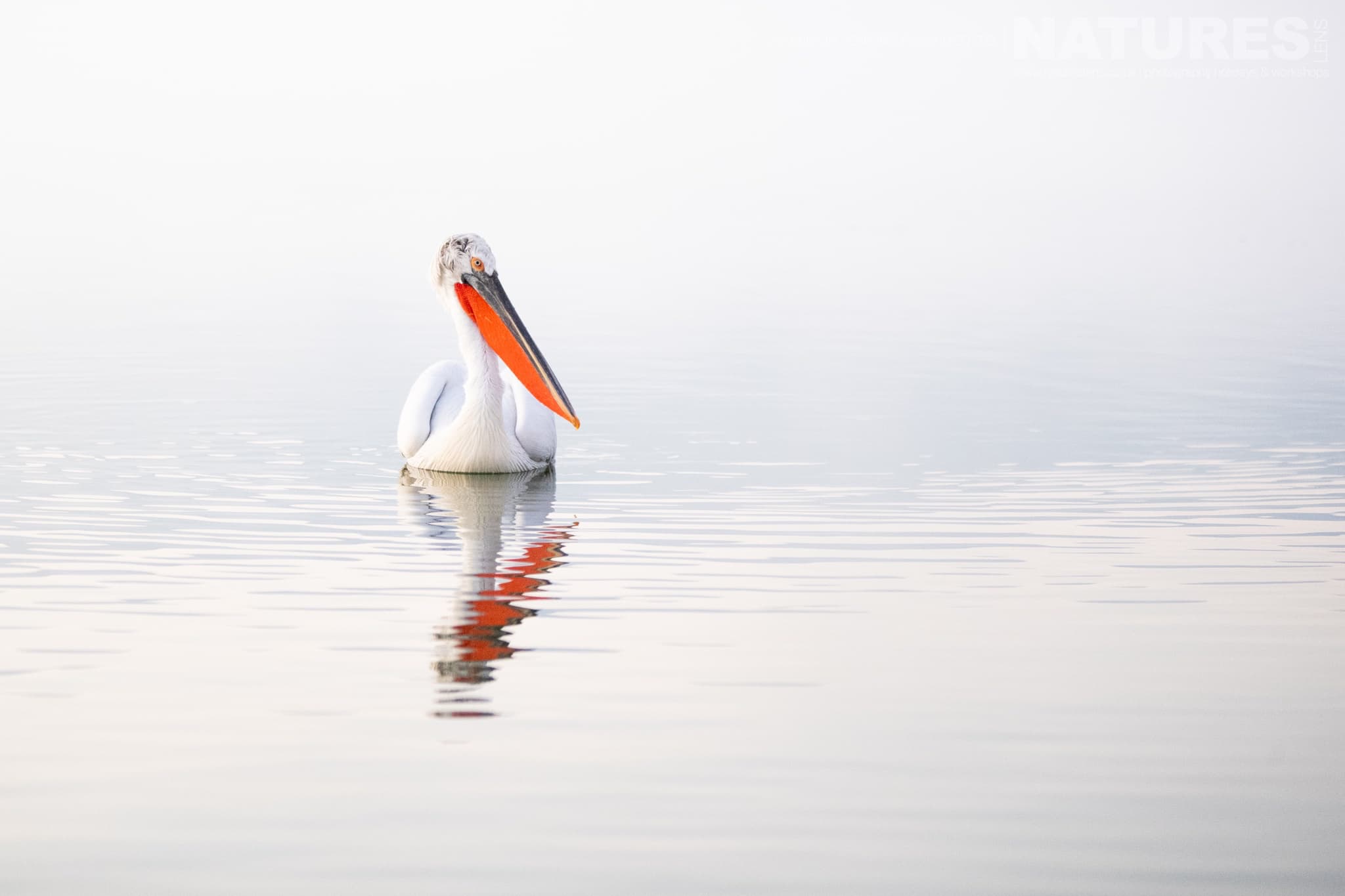
Supporting Conservation Efforts
In addition to ethical photography practices, it is crucial to support conservation initiatives that aim to protect the pelicans & their natural habitat. Contributing to research, volunteering, & & donating to organisations working towards preserving Lake Kerkini can have a lasting impact on the well-being of the avian community & & the future of wildlife photography in the region.
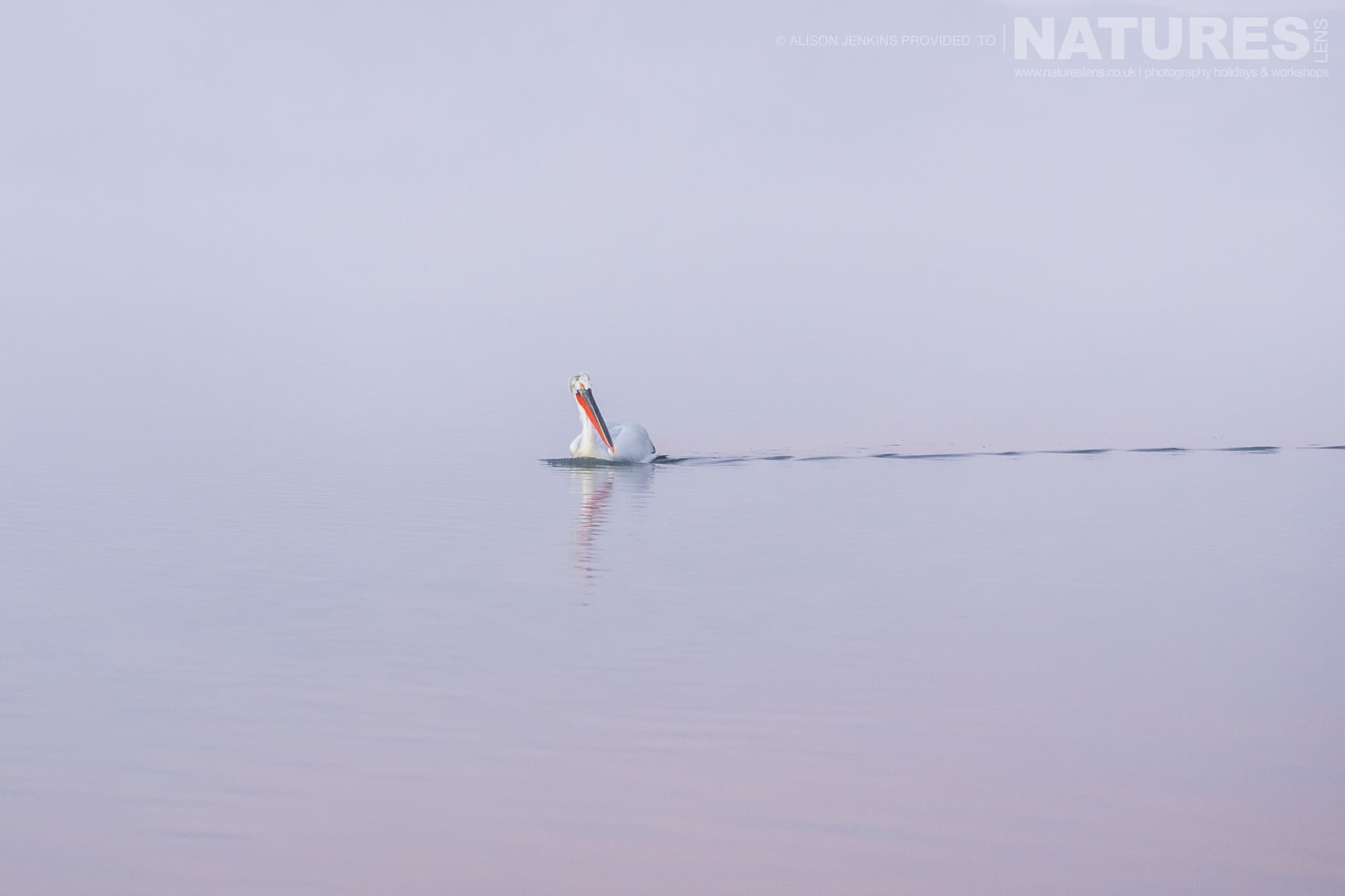
Photographing the Pelicans of Lake Kerkini is a privilege with a responsibility to put the welfare of these fine creatures first, which is sadly being ignored by this one UK tour operator, Wildlife Worldwide & their guide, who was previously investigated for using high powered torches & lighting on seals in Norfolk. By avoiding using flash or torches to illuminate the birds, photographers can ensure the safety of the pelicans & the preservation of the natural environment. Let us strive to capture the beauty of these creatures ethically, enabling future generations to appreciate their character in their natural habitat.
Remember, ethical photography benefits the subjects & allows us to foster a deeper connection with the natural world. Let’s embrace the power of our lenses while respecting the delicate balance of Lake Kerkini’s ecosystem.
- NaturesLens wildlife photography holidays are structured around photographic opportunity — every schedule decision is made around light, behaviour, & access.
- Small groups of 4–8 photographers ensure unhurried positions & individual guidance.
- Single occupancy accommodation is included as standard across the majority of our trips.
