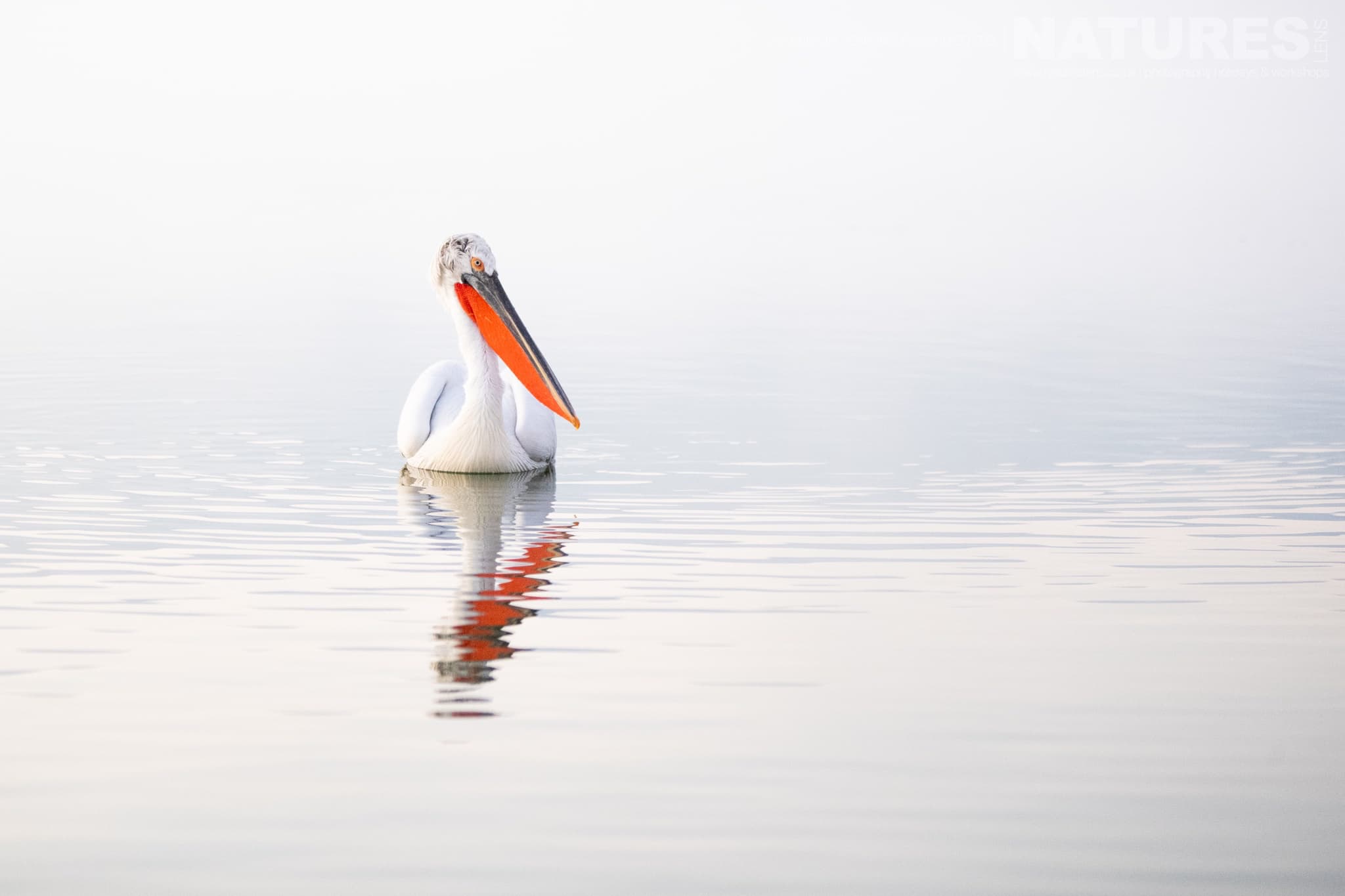
Few wildlife photography subjects combine scale, elegance, & character quite like the Dalmatian Pelican. With their immense wingspan, expressive eyes, & striking winter plumage, these birds offer extraordinary photographic opportunities – but only if you visit at the right time.
In this guide, we will explore when the best time for Dalmatian pelican photography really is, why timing matters so much, & how Lake Kerkini in northern Greece has become one of Europe’s most reliable & rewarding locations for photographing this remarkable species.
Drawing on years of field experience, behaviour-led photography, & feedback from photographers who have joined our Dalmatian Pelicans of Lake Kerkini photography holidays, this article will help you plan your trip with confidence.
Why Timing Matters in Dalmatian Pelican Photography
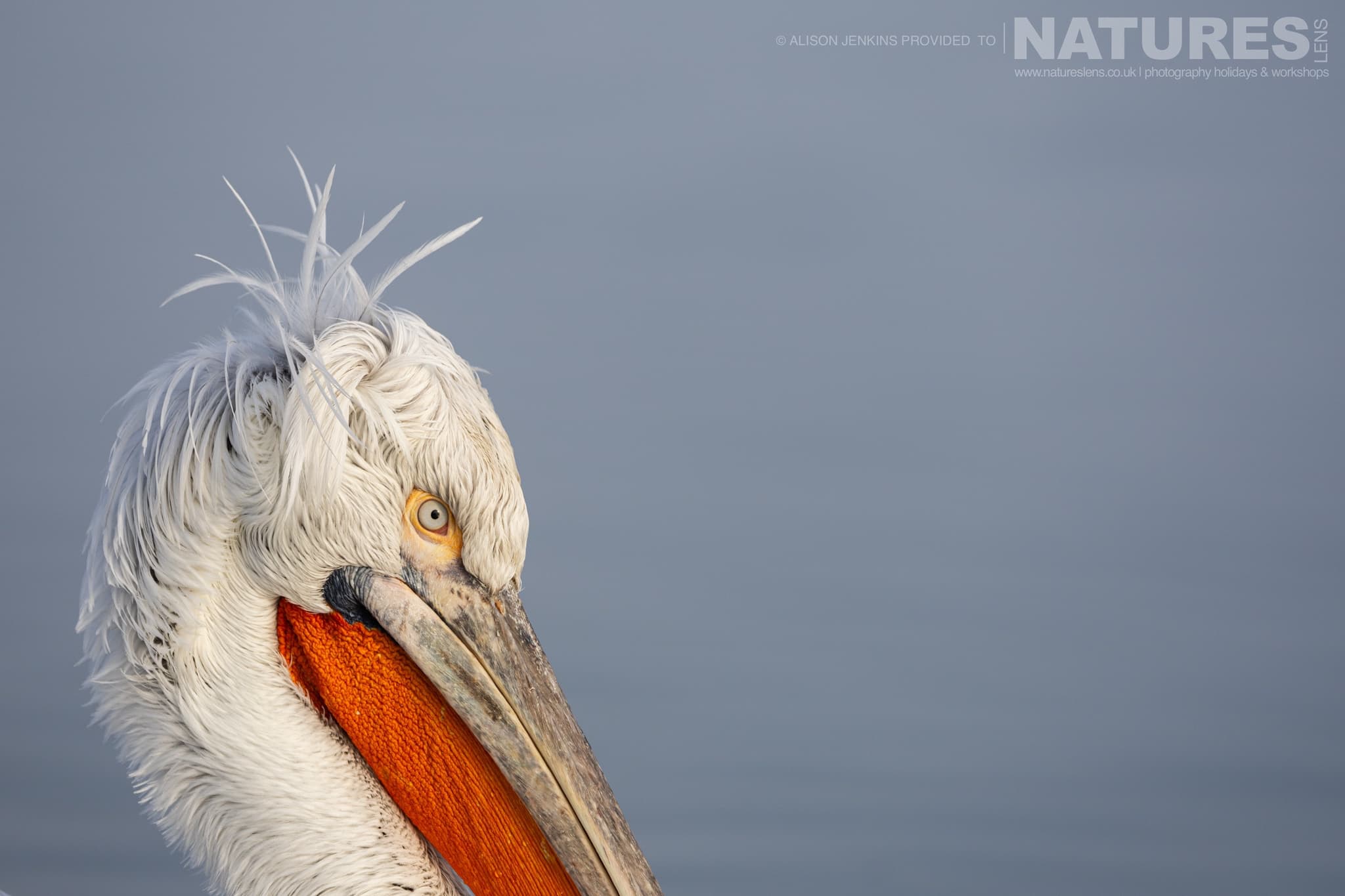
Dalmatian pelicans are not equally photogenic throughout the year. Their appearance, behaviour, & accessibility change dramatically with the seasons, meaning that visiting at the wrong time can result in fewer birds, duller plumage, & limited photographic opportunities.
For wildlife photographers, the goal is not simply to see pelicans, but to photograph them at their most expressive – when behaviour, light, & setting come together.
This is where Lake Kerkini stands apart.
Lake Kerkini – Europe’s Premier Dalmatian Pelican Photography Location
Situated in northern Greece, Lake Kerkini, has become internationally recognised as one of the finest locations for Dalmatian pelican photography.
Unlike many wetlands where pelicans remain distant or unpredictable, Kerkini offers:
- Reliable winter concentrations of Dalmatian pelicans
- Close, calm encounters from boats & shoreline
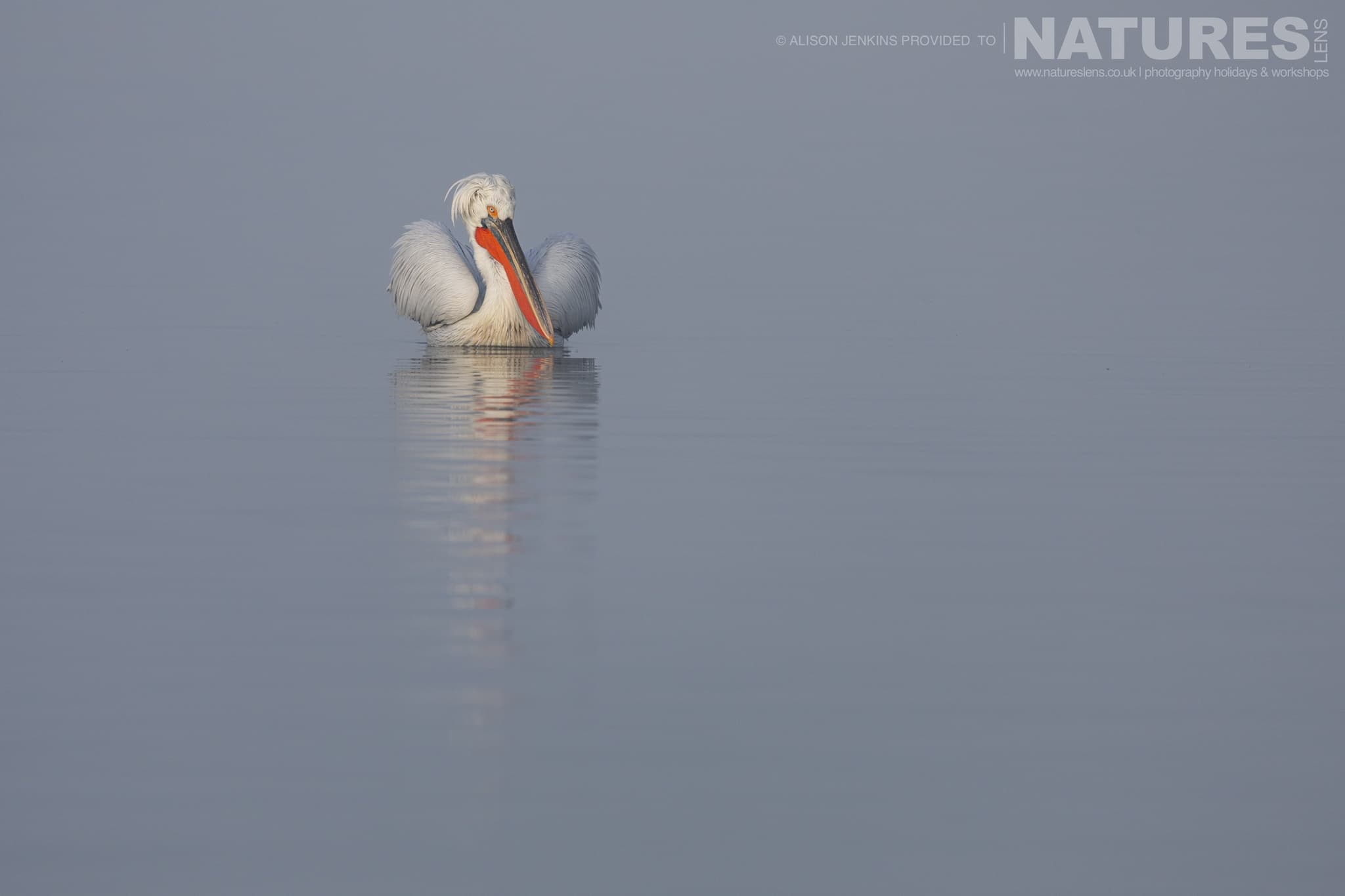
- Clean backgrounds & reflective water
- Low winter light ideal for photography
These conditions are precisely why our Greece wildlife photography holidays include dedicated winter trips focused entirely on pelicans.
The Best Months for Dalmatian Pelican Photography
January to February – The Prime Photography Window
Without question, January & February are the best time for Dalmatian pelican photography at Lake Kerkini.
During this period:
- Large numbers of pelicans congregate on the lake
- Adults display vivid breeding-season features
- Feeding behaviour is frequent & predictable
- Winter light remains soft throughout the day
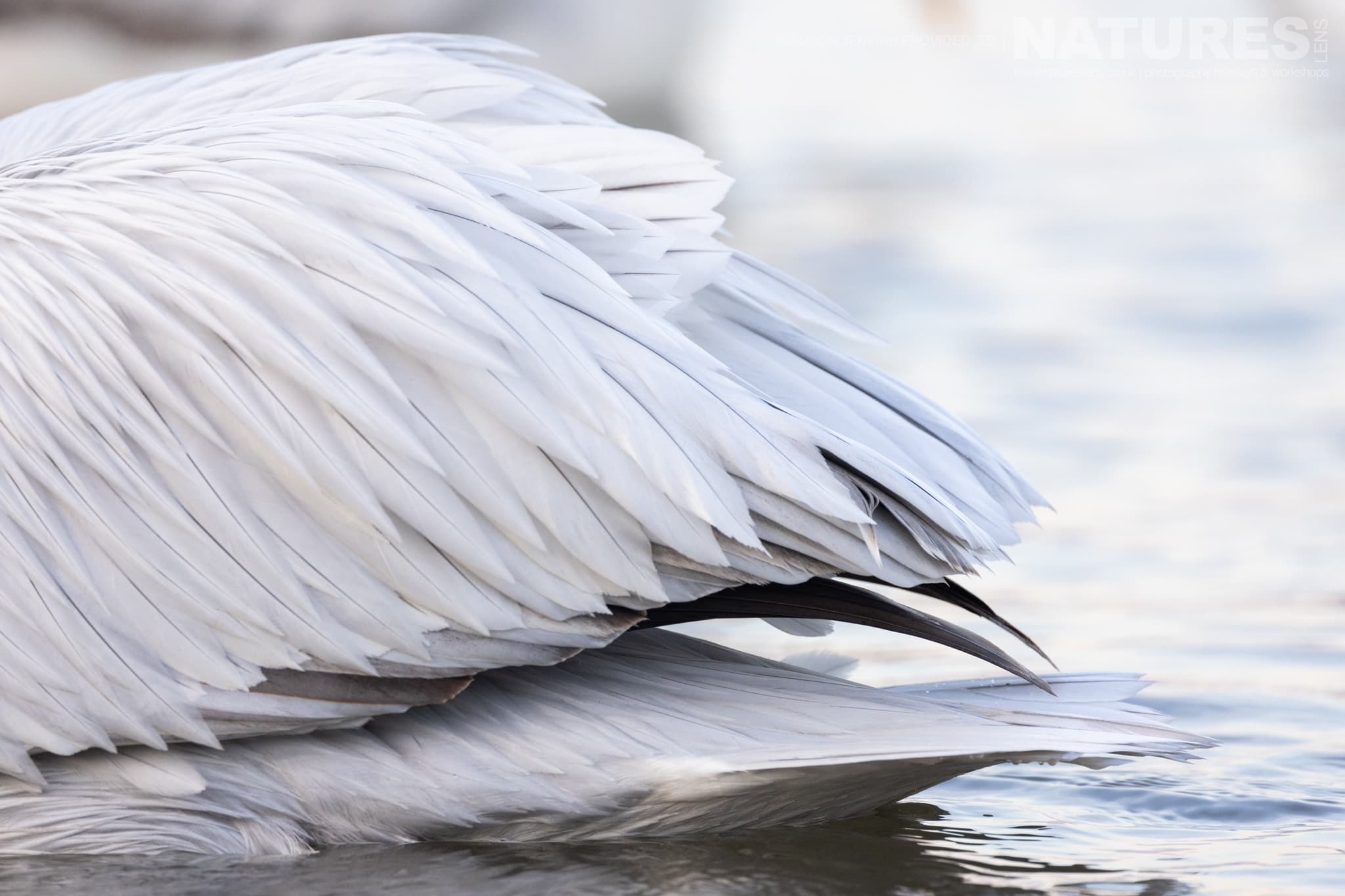
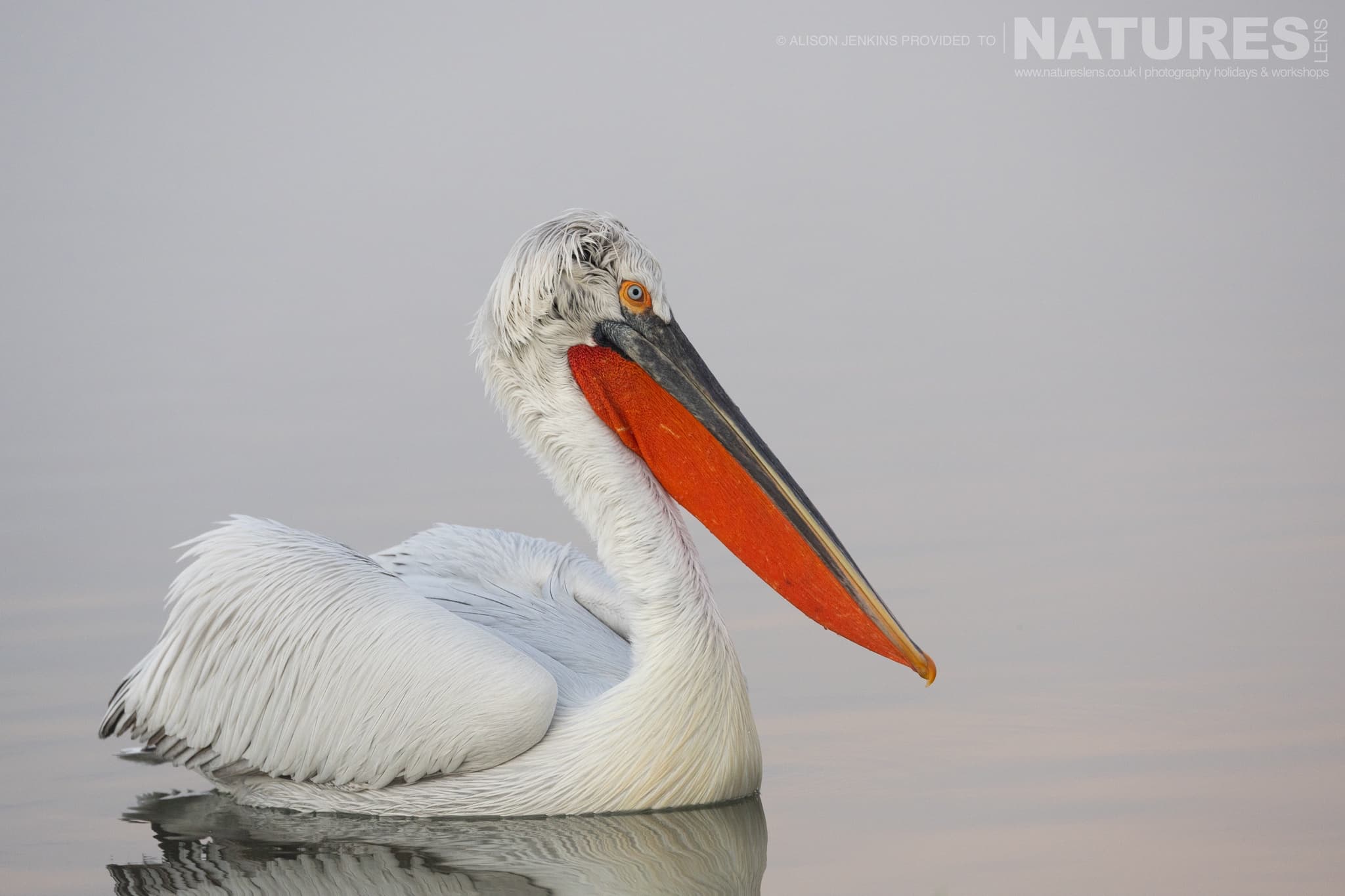
It is during these months that pelicans develop their most striking features – including the deep orange-red gular pouch & curly head feathers that add colour, texture, & drama to images.
This is why all of our dedicated pelican photography holidays are scheduled in mid-winter, rather than spring or autumn.
View upcoming Dalmatian Pelican photography holidays →
Early March – A Transitional Option
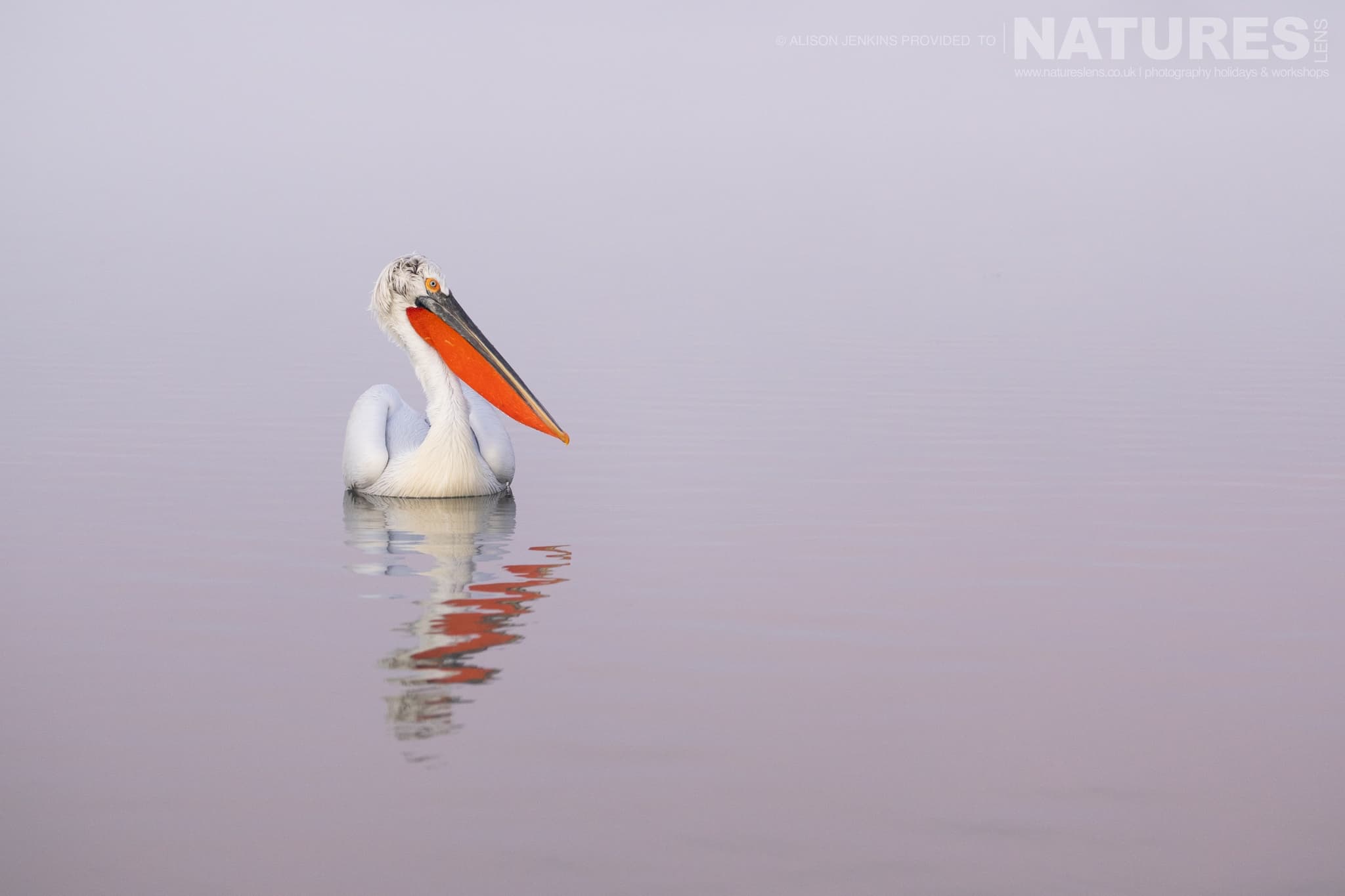
Early March can still offer good pelican photography, but conditions become more variable. Some birds begin to disperse, & the most intense breeding colours may start to fade.
While March can still deliver strong images in the right conditions, photographers seeking peak behaviour & plumage will generally find January & February more reliable.
Why Winter Light Makes Such a Difference
Winter is not just about the birds – it’s about the light.
At Lake Kerkini, the low winter sun creates:
- Long, directional shadows
- Soft contrast even late in the morning
- Warm tones at sunrise & sunset
- Excellent conditions for flight & action photography
Because the sun remains low, photographers are not forced to stop shooting mid-day. This allows far more time in the field – a core principle behind how NaturesLens designs photography holidays.
Behavioural Photography – What You’ll Capture in Winter
Winter is also when Dalmatian pelicans are most engaging to photograph from a behavioural perspective.
On our Kerkini trips, photographers regularly capture:
- Feeding interactions & cooperative fishing
- Low-level flight & water landings
- Preening, calling, & social behaviour
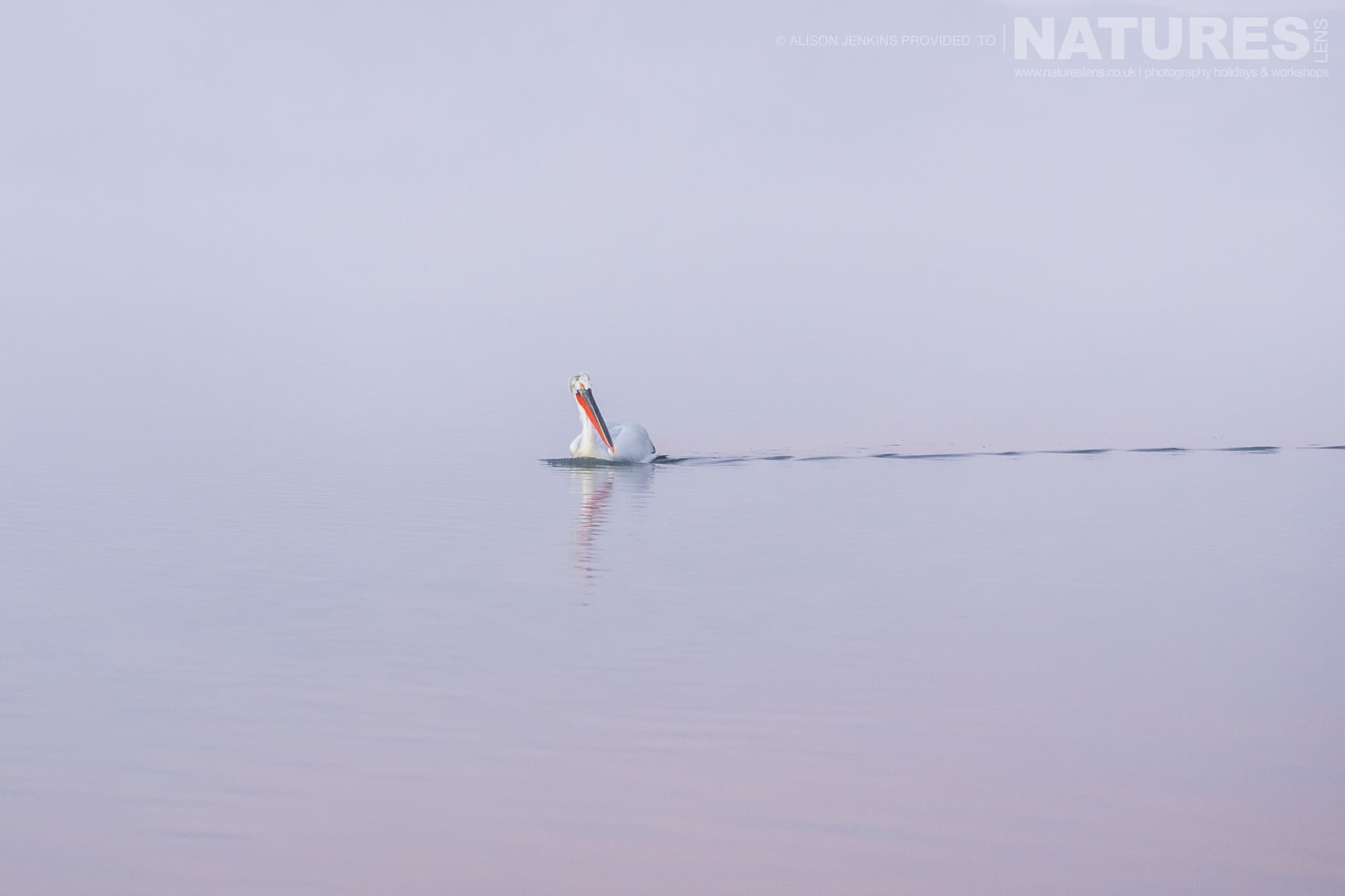
- Environmental portraits in mist & soft light
Because time in the field is prioritised over rigid schedules, we stay with behaviour as it develops – rather than moving on once a checklist has been ticked.
This flexible, photography-first approach is frequently highlighted in feedback from photographers who have joined our pelican trips.
What Photographers Say About the Kerkini Pelican Trips
Feedback from photographers who have joined our Dalmatian Pelican photography holidays consistently reinforces the importance of timing, local knowledge, & unhurried shooting time.
One Trustpilot reviewer wrote:
“Another great trip with NaturesLens, this time for the Dalmatian Pelicans at Lake Kerkini in northern Greece. Looked after very well throughout, with excellent access to the birds & superb opportunities for photography.”
Another photographer described the experience as:
“Well planned, well organised, & a very friendly atmosphere. The pelicans were incredible, & the guidance helped me come away with images I’d never managed before.”
You can read more independent reviews on our Trustpilot page, including multiple reviews specifically referencing Lake Kerkini & Dalmatian pelican photography.
Boat-Based Photography – Getting the Best Angles
One of the defining features of Dalmatian pelican photography at Lake Kerkini is the opportunity to work from small boats.
Boat-based photography allows:
- Eye-level perspectives with pelicans on the water
- Cleaner backgrounds with fewer visual distractions
- Closer proximity without disturbing the birds
This approach is a key reason why Kerkini consistently outperforms many other European pelican locations from a photographic standpoint.
Learn more about how we work in the field on our why travel with NaturesLens page.
Is Spring a Good Time for Dalmatian Pelican Photography?
Spring brings a wider variety of birdlife to Lake Kerkini, but it is generally not the best season for Dalmatian pelican photography.
As temperatures rise:
- Pelicans begin to disperse
- Breeding colours fade
- Behaviour becomes less concentrated
For photographers whose primary goal is Dalmatian pelicans, winter remains the clear choice.
Summary – When Should You Go?
If your goal is to photograph Dalmatian pelicans at their most impressive, the answer is clear.
The best time for Dalmatian pelican photography is January & February at Lake Kerkini.
These months offer the strongest combination of:
- Bird numbers
- Breeding-season plumage
- Engaging behaviour
- Soft, workable light
Combined with a photography-first itinerary, small groups, single-occupancy accommodation, & time in the field that responds to conditions rather than the clock, this timing consistently delivers exceptional results.
If you’re considering photographing Dalmatian pelicans yourself, explore our upcoming Lake Kerkini photography holidays, or browse our wider range of wildlife photography holidays worldwide.
Photography Galleries from our Dalmatian Pelican Photography Holidays
These galleries showcase imagery closely connected to the locations & experiences featured during our Dalmatian Pelican Photography Holidays.
Related Dalmatian Pelican Photography Holidays
If you're interested in Dalmatian Pelican photography, the following list of our upcoming photography holidays may be of interest.