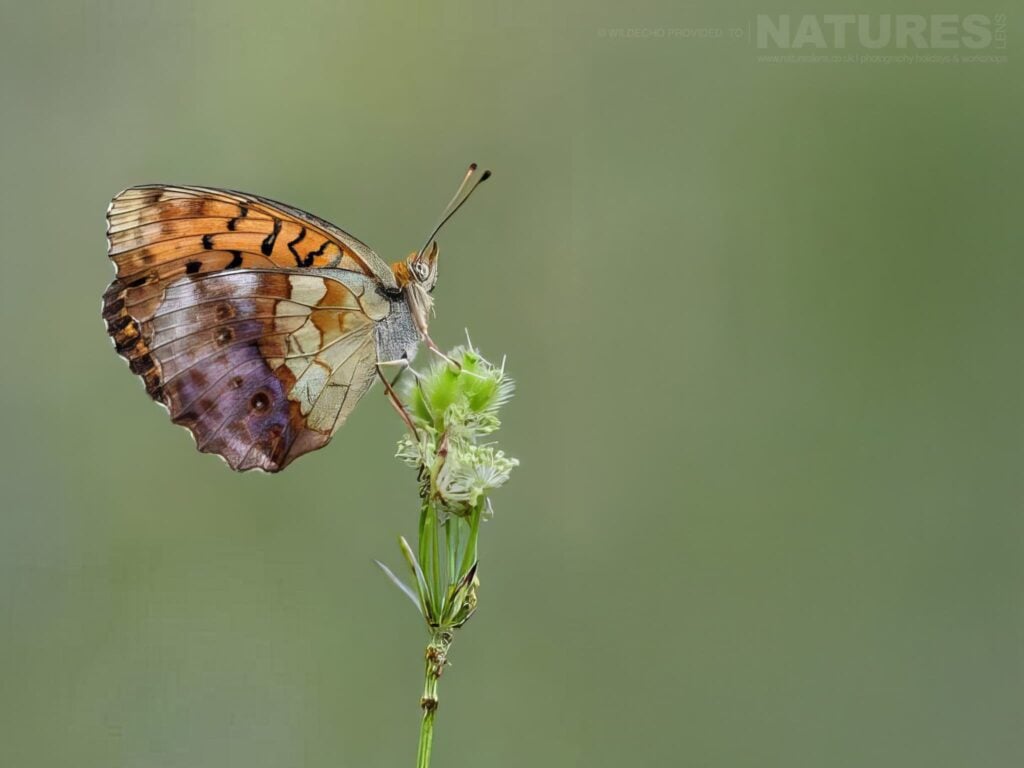
Species profile
About this species
The Apollo is a large & striking butterfly belonging to the family Papilionidae, characterised by its white wings adorned with distinctive red & black eyespots. It is found across mountainous regions of Europe & Asia, where it inhabits open, rocky slopes & meadows. The species is considered vulnerable due to habitat loss & collection pressure, and is protected by law in many European countries.
Rocky alpine & subalpine meadows, typically between 500 & 2000 metres altitude, often on limestone-rich slopes with abundant flowering plants such as stonecrop & thistles.
Where to photograph
Where our trips feature this species
You can photograph Apollo with us in Bulgaria.
These departures are part of our Europe programme.
In the field, Pui Hang Miles helps guests make the most of these encounters.
Field notes
Photography notes
The Apollo is best photographed from late June to August during warm, sunny mornings between 9am & 1pm when adults are most active. Peak flight season varies by altitude, with lower populations emerging earlier in the season.
Approach slowly & from downwind when the butterfly is feeding on flowers such as thistles or sedum, as it is relatively approachable when nectaring. Use a macro or short telephoto lens in the 100-200mm range to capture the intricate wing patterns without disturbing the subject. Shoot in bright sunshine as the Apollo is most active & likely to display its wings fully open when basking on warm rocky surfaces.
Available holidays
Trips featuring Apollo
The holidays below are pulled from the same species relationship, so the guide stays tied to live departures rather than becoming a static article.