Madagascar split from the African mainland over eighty million years ago, & the isolation that followed produced one of the most unique wildlife assemblages found anywhere on Earth — the vast majority of it found nowhere else at all.
For the current trip list, see our Madagascar wildlife photography holidays; you can also explore more Africa wildlife photography trips.
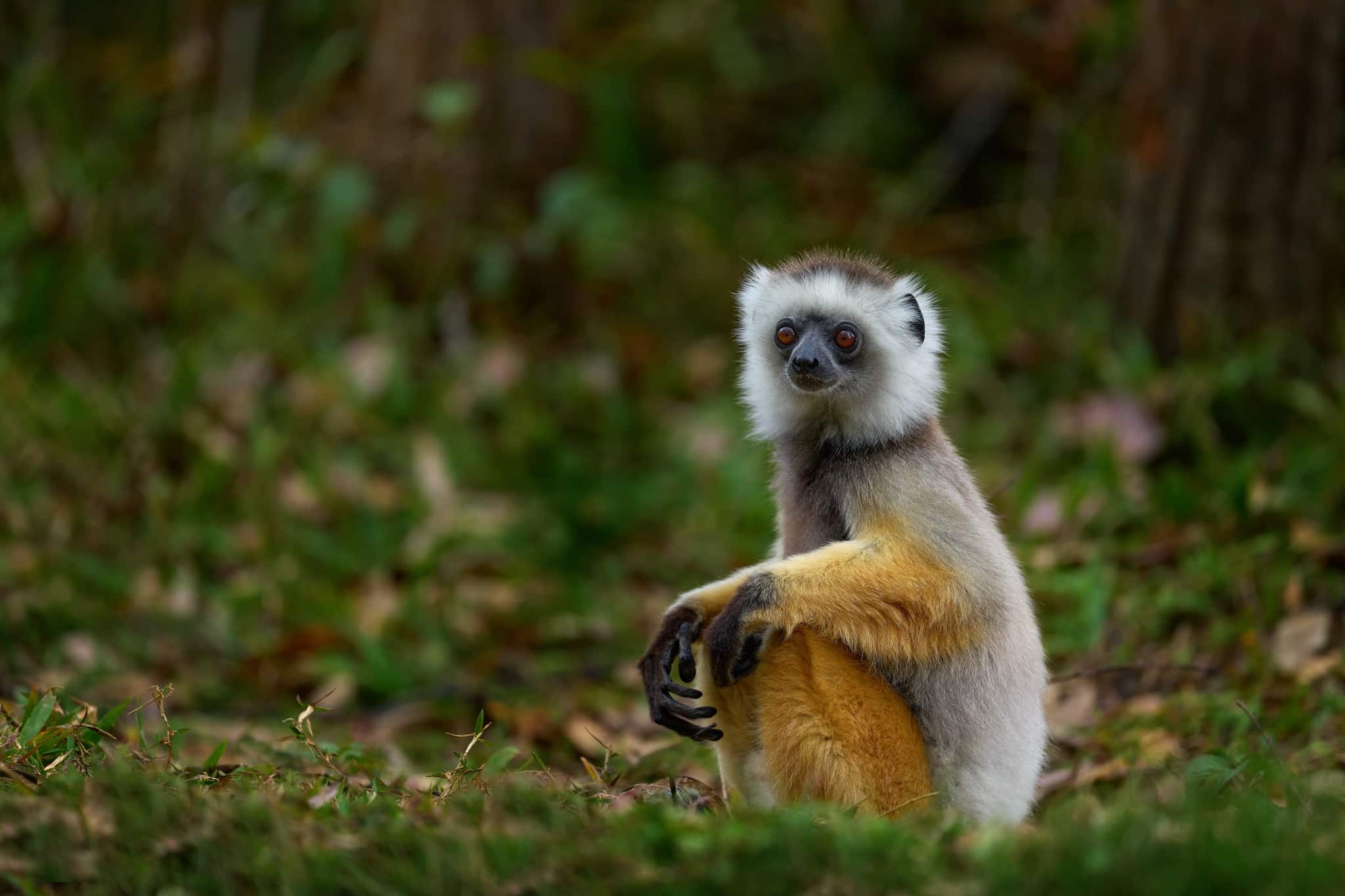
Indri, the largest living lemur & possessor of one of the animal kingdom’s most haunting calls, Aye-aye, one of the strangest primates alive, & an extraordinary variety of chameleon species including the vivid Panther Chameleon all feature on this trip. David Miles guides it, drawing on years of working Madagascar’s rainforest reserves.
What makes it work is the sheer density of endemic species packed into a handful of accessible reserves — nowhere else on the trip offers this concentration of animals that exist absolutely nowhere else in the world.
Our Madagascar Photography Holiday
We run one small-group trip to Madagascar, guided by David Miles:
4th – 19th Nov 2028 — Madagascar Wildlife & Rainforest
15 nights | from £8,749
An extended itinerary moving through several of Madagascar’s key rainforest reserves, built around Indri, Aye-aye, Helmet Vanga, Tomato Frog, & Panther Chameleon, among a huge supporting cast of endemic species.
More info on Madagascar Wildlife & Rainforest
Want to know more before booking? Get in touch & we’ll talk you through the itinerary, the rainforest conditions, & what fifteen nights across multiple reserves actually involves.
What You’ll Photograph in Madagascar
Indri & Aye-aye
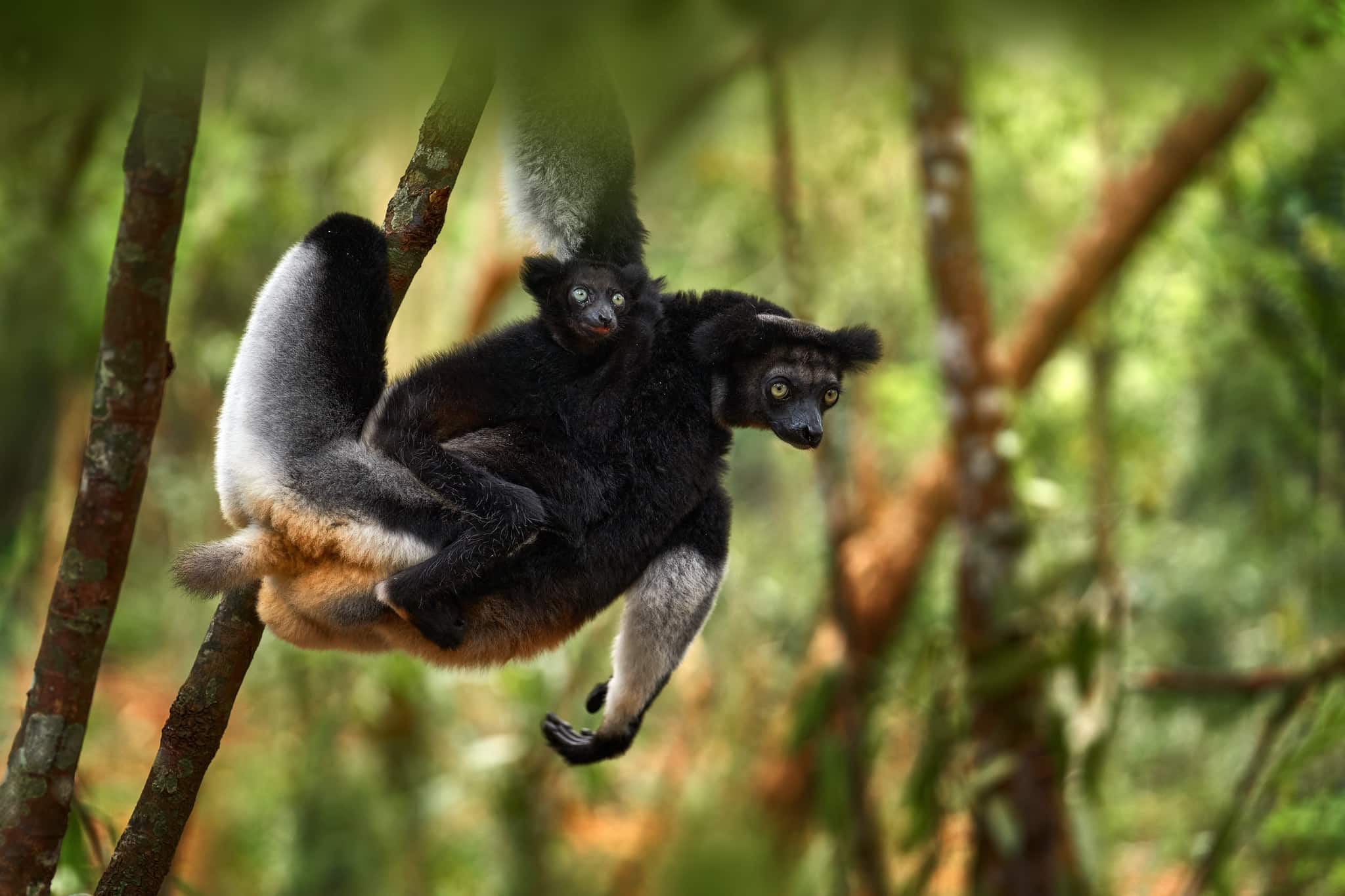
Hearing an Indri family call at dawn before ever seeing them is a genuinely memorable start to a day in the field, & tracking the sound through the canopy to the source is part of the experience itself.
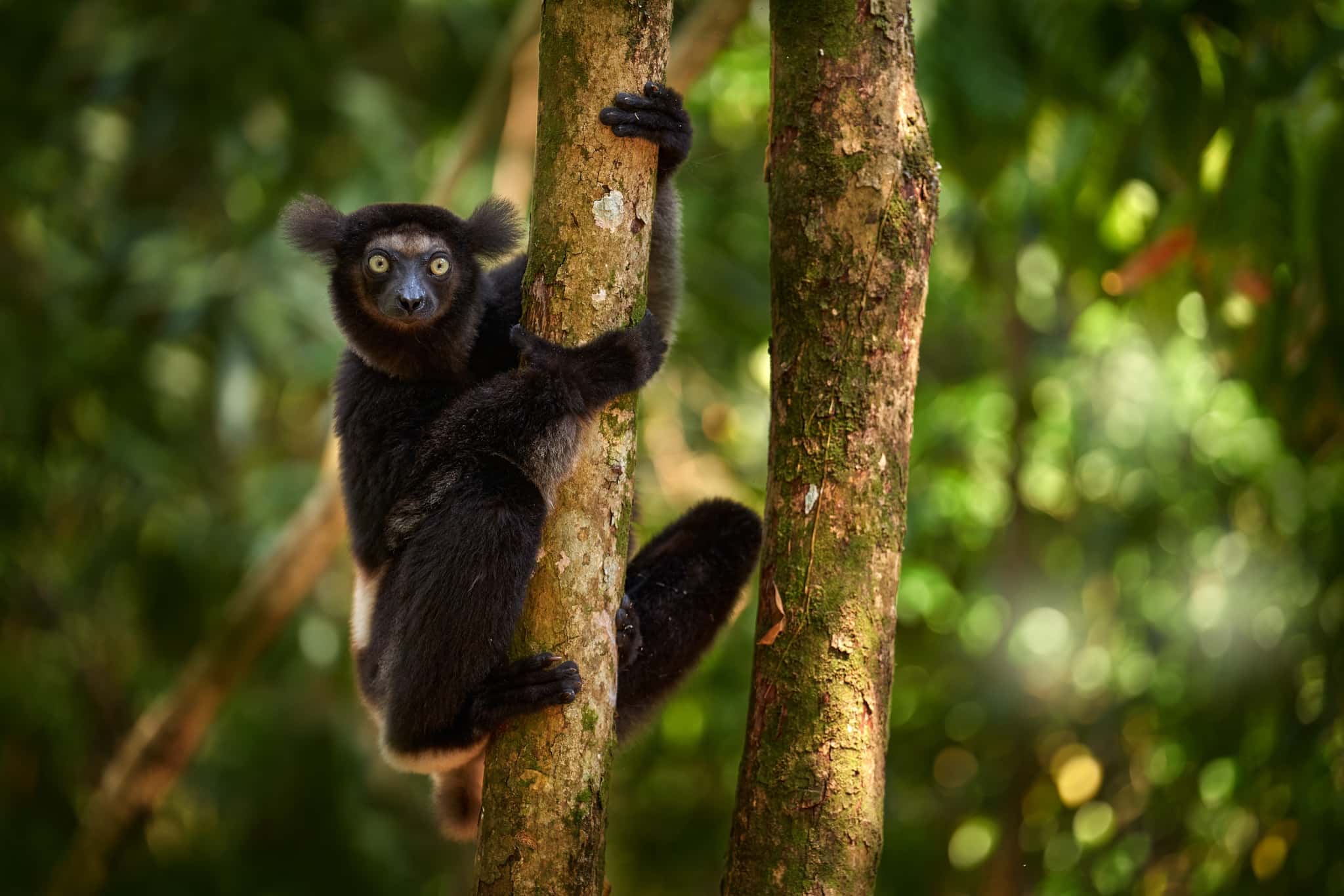
Indri is the largest of the living lemurs & one of Madagascar’s true icons, its loud, wailing call carrying for over a mile through the rainforest canopy at dawn. Aye-aye, by contrast, is nocturnal, deeply strange in appearance, & considerably harder to encounter — a genuinely special sighting rather than a guaranteed one on any single trip. See more in our Primates photo archive.
Both species are found only in Madagascar, & both are considered endangered, making a sighting here genuinely significant beyond the photograph itself.
Chameleons, Vangas & Frogs
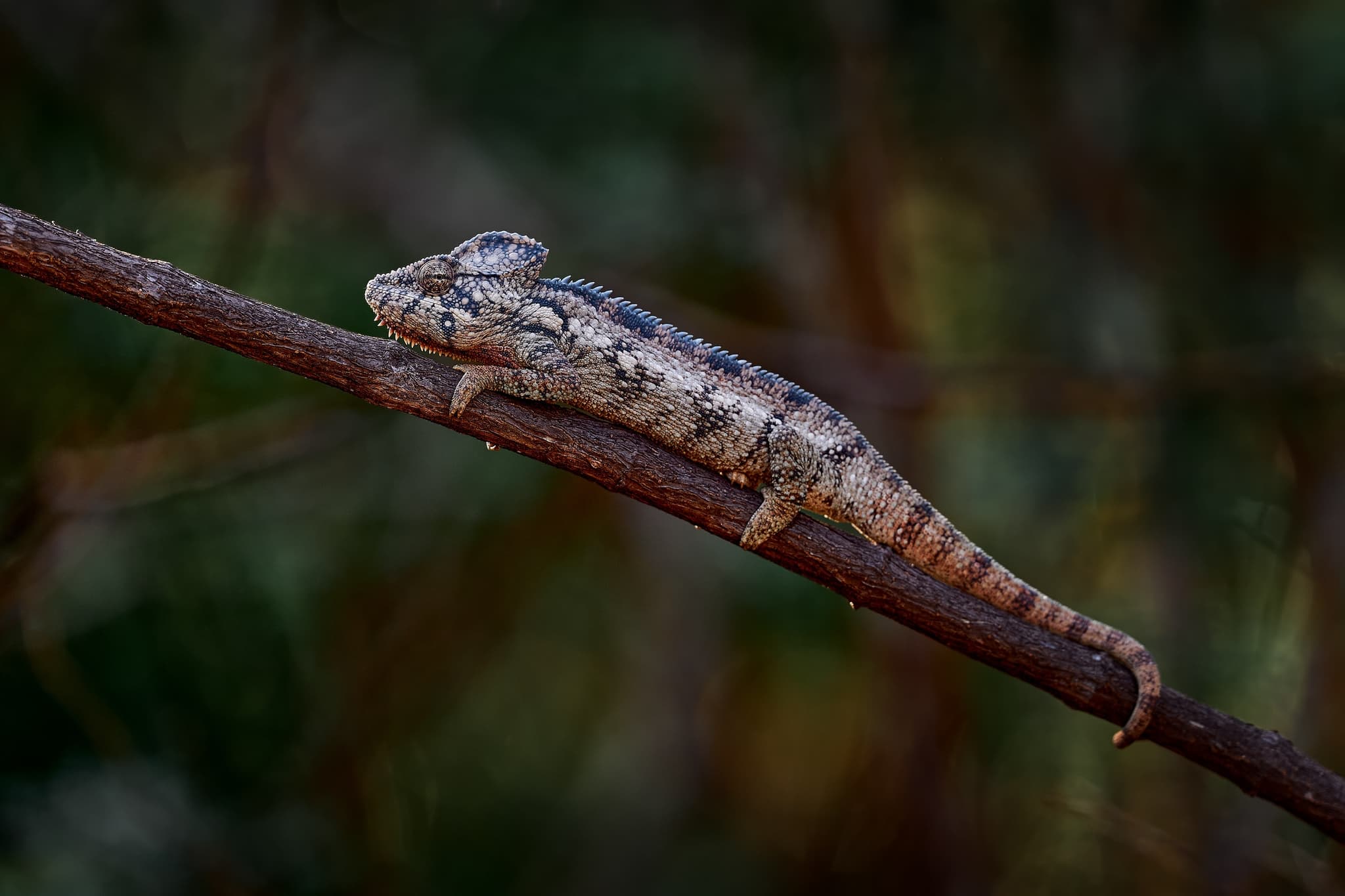
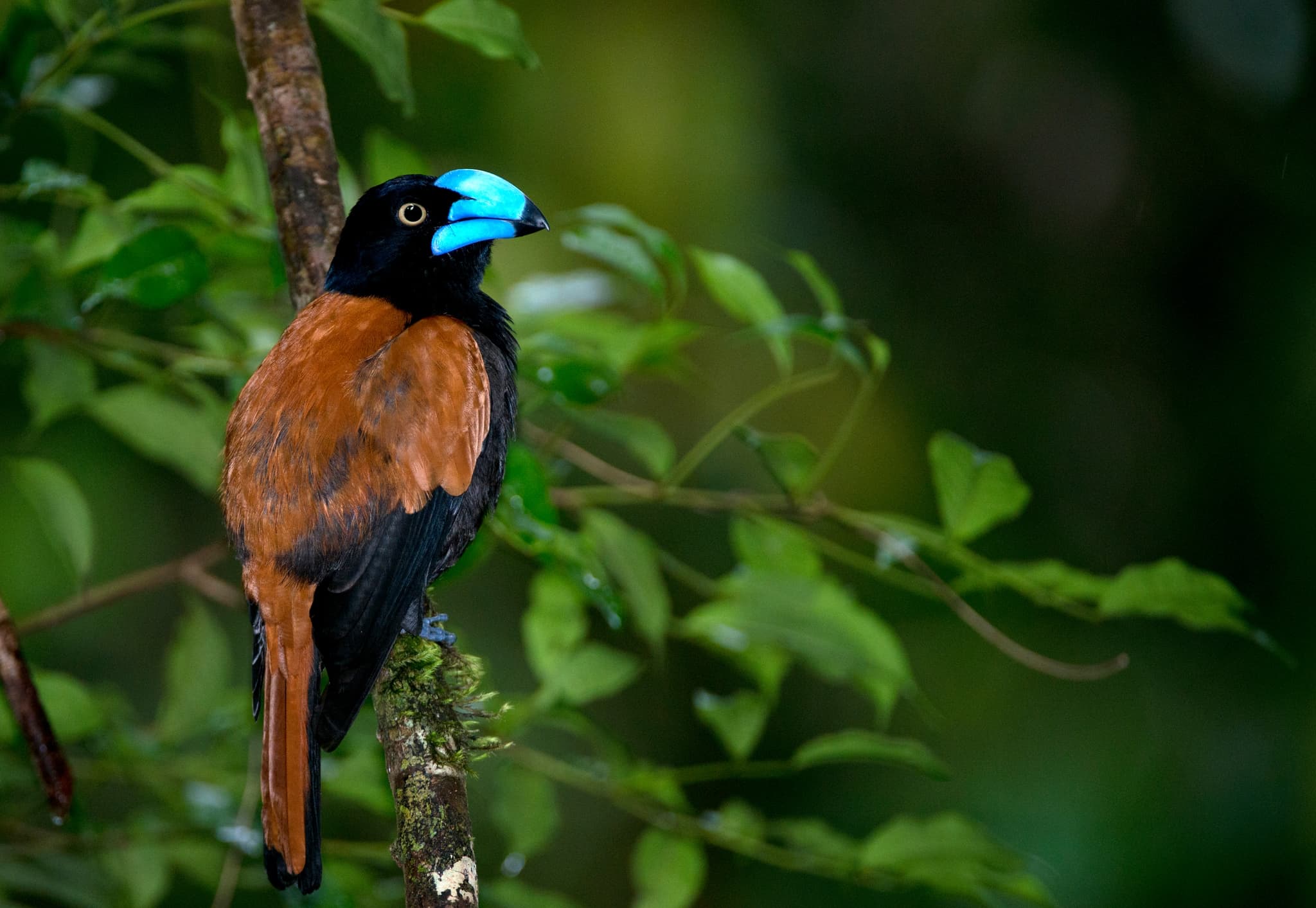
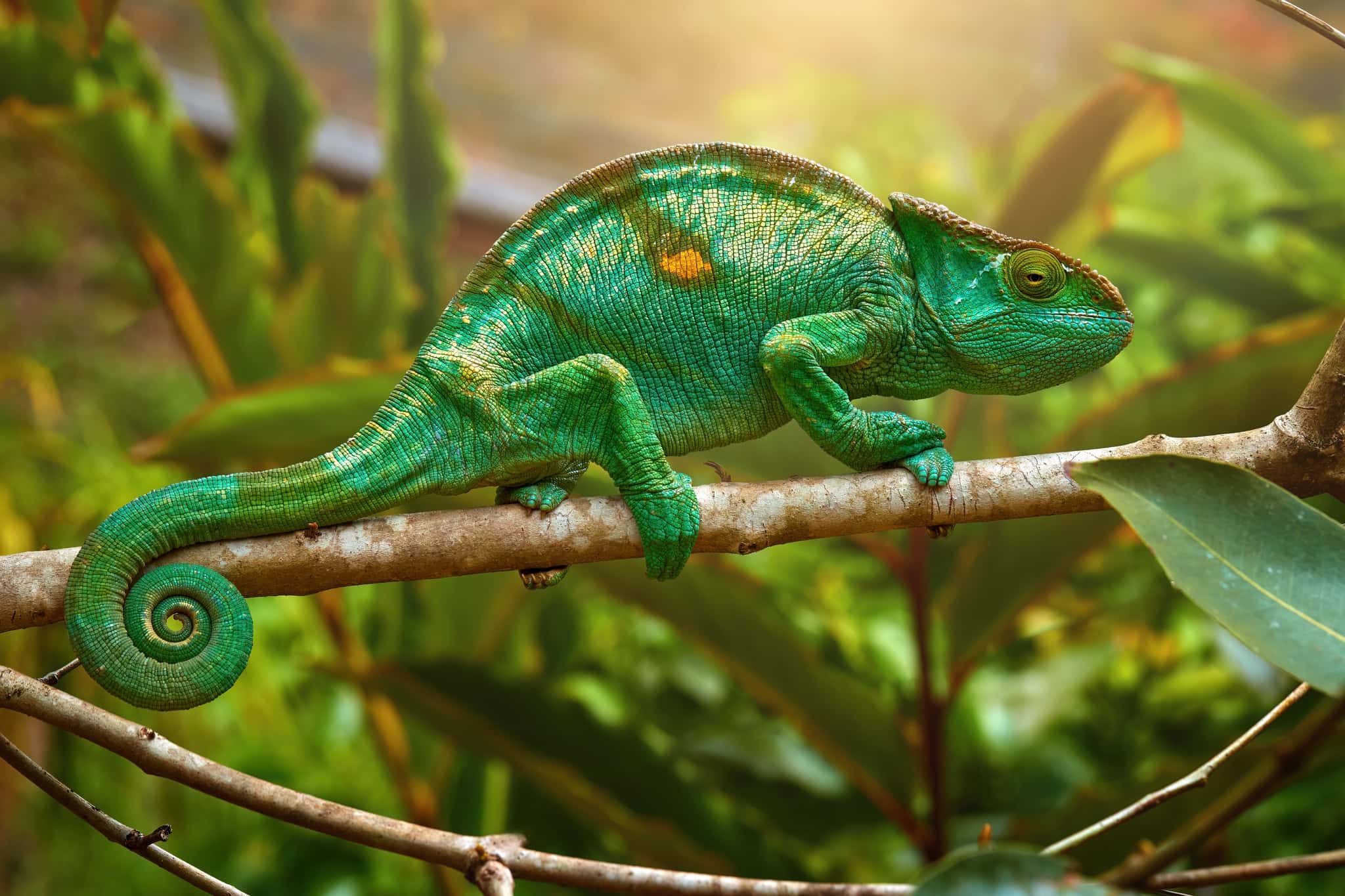
Madagascar holds roughly half of the world’s chameleon species, from the vividly coloured Panther Chameleon to smaller, more cryptic forest species, giving photographers a genuinely rich variety of colour & form within a single family of reptiles. Helmet Vanga, a striking bird with an oversized pale bill, & Tomato Frog, named for its vivid orange-red colouration, round out a trip built around genuine biological oddities.
Working at a slow, patient pace suits all three groups well — chameleons in particular reward careful, methodical searching of low branches & undergrowth rather than a hurried walk through the forest.
An Island of Endemics
Even the roadside verges & garden hedges around the reserves regularly turn up a species found nowhere else, which keeps the camera close at hand throughout the entire itinerary, not just during the dedicated forest walks.
Roughly ninety percent of Madagascar’s wildlife exists nowhere else on the planet, a consequence of tens of millions of years of isolated evolution since the island separated from mainland Africa. That statistic plays out constantly across the trip — even a common roadside sighting is often a species found in this one country alone.
Rainforest, spiny forest, & dry deciduous woodland all feature across the itinerary, each supporting a distinct set of species & giving real variety to the visual character of the trip from reserve to reserve.
Why Fifteen Nights Rather Than a Shorter Trip
Madagascar’s wildlife is spread across reserves separated by genuinely long travel times on the island’s roads, & many of the most sought-after species — Aye-aye especially — require a specific reserve & a degree of luck on any given night. A shorter trip would mean choosing between reserves rather than covering the range that this extended itinerary allows.
Fifteen nights lets the itinerary move through several distinct habitat types without rushing, giving realistic time in each location for the patient, methodical searching that this kind of small-creature & nocturnal photography rewards.
Why the Rainy Season Rather Than the Dry Months
Madagascar’s dry season is more comfortable for travel, but much of the island’s smaller wildlife — chameleons, frogs, & invertebrates especially — is considerably less active outside the wetter months. Timing the trip for the start of the rainy season trades some travel comfort for noticeably better activity levels across almost every group of species on the itinerary.
Rainfall at this point in the season also tends to arrive as short, heavy downpours rather than prolonged wet weather, leaving plenty of workable daylight between showers.
When to Visit Madagascar
Our current departure runs in November, at the start of the rainy season when the rainforest is at its most active & many species — including several chameleons & frogs — are entering their breeding period.
Planning Your Trip to Madagascar
A telephoto lens in the 100mm to 400mm range covers most subjects well, & a dedicated macro lens is genuinely worth packing given how much of the trip focuses on chameleons, frogs, & other small, close-range subjects. A flashlight or head torch is essential for the nocturnal searches that give the best chance at Aye-aye & other nocturnal species.
Madagascar’s rainy season brings genuine heat & humidity alongside the possibility of downpours, so lightweight, quick-drying clothing & good rain protection for both photographer & camera kit are worth packing. Insect repellent is essential given the extended time spent in rainforest habitat.
Antananarivo is the usual arrival point, with internal flights & road transfers connecting the reserves visited across the fifteen-night itinerary.
Working with a Local Guide Network
Each reserve visited on this trip has its own community of local spotters & guides who track chameleons, frogs, & nocturnal lemurs on a daily basis, often finding animals that would be practically impossible for a visiting photographer to locate independently. David works closely with these local networks at every stop on the itinerary.
That local knowledge is particularly valuable for Aye-aye, whose nocturnal habits & wide-ranging movements make an unguided search largely a matter of chance.
A Trip for Patient Photographers
Much of the most rewarding wildlife here — Aye-aye above all — requires genuine patience & a willingness to search slowly rather than expecting animals to present themselves readily. David structures the itinerary around this reality, building in enough time at each reserve for a proper search rather than a rushed single attempt.
What to Pack Beyond the Camera Bag
Lightweight hiking boots that can handle wet, uneven rainforest trails are essential, alongside a dry bag to protect camera gear during the sudden downpours common at this time of year. A portable battery pack is worth carrying given the remote nature of several reserves on the itinerary.
Binoculars are a worthwhile addition alongside the camera kit — many of the birds & lemurs are first located by ear or by a distant local spotter before the group closes in for photographs.
Join Us in Madagascar
Genuinely unique wildlife, a rich variety of habitat, & an itinerary built to give every species a fair chance — few trips anywhere in the world offer this concentration of biological rarity.
Few destinations anywhere in the world offer this concentration of species found nowhere else on the planet.
David’s years of experience working these specific reserves is what turns an ambitious fifteen-night itinerary into a genuinely productive trip.
Get in touch if you’d like to know more, or head straight to the Madagascar destination page to see current availability.
Related Reading
Plan your Madagascar photography holiday
Explore our Madagascar wildlife photography holidays, compare more Africa wildlife photography holidays, & meet the NaturesLens photography guides who lead our small-group trips.