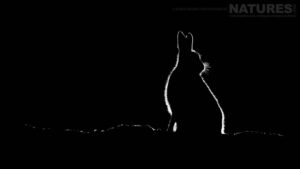

There are some places that simply seem made for wildlife photography.
Sometimes it is the wildlife itself. Sometimes it is the light, the landscape or the way a particular species behaves. Often, it is the combination of all of those things together.
Over the years, we have built NaturesLens trips around some extraordinary destinations, but there are a handful that stand out time & again for the quality of the photography they offer.
These are ten of the destinations & trips we would place at the very top of the list.
1. Japan – Winter Wildlife of Japan
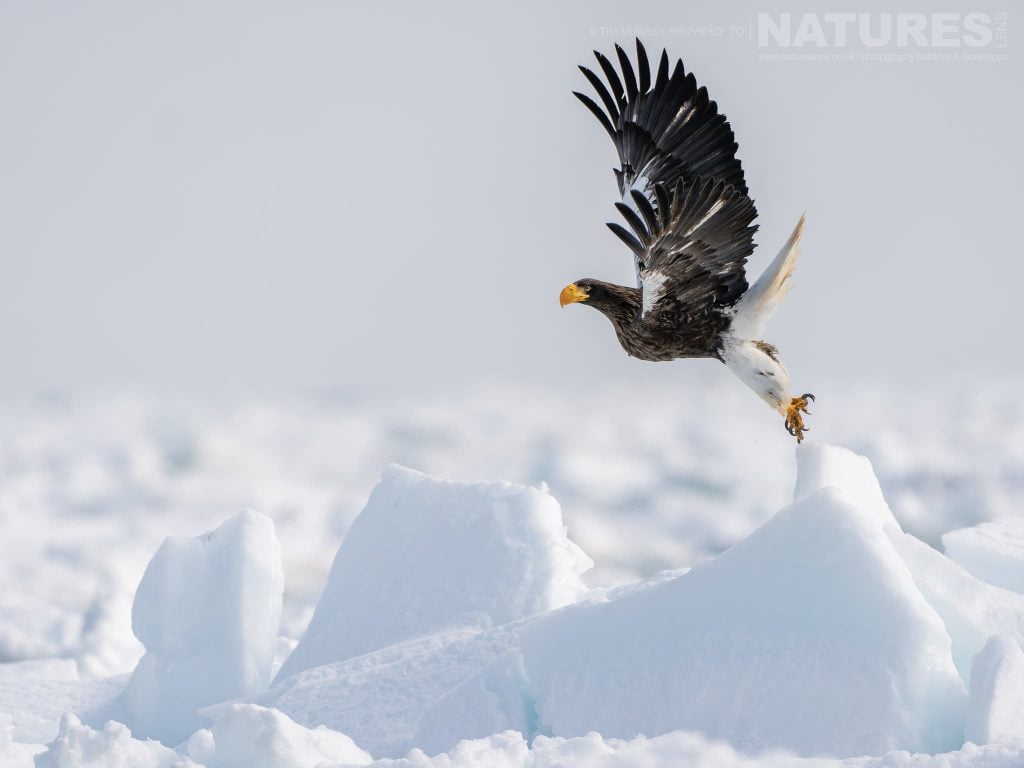
If we had to choose just one, Japan would be number one.
Winter in Japan offers an extraordinary mix of species, landscapes & photographic situations. Snow Monkeys sit in steaming pools while snow falls around them, Red-crowned Cranes display against clean winter backgrounds & Steller’s Sea Eagles gather on the frozen coast of Hokkaido alongside White-tailed Eagles.
Add Whooper Swans, sea ice, snow-covered landscapes & the distinctive light of northern Japan, & it becomes one of the most varied wildlife photography trips we offer.
It is also a destination where the photographs can look completely different from one session to the next. Portraits, behaviour, birds in flight, environmental images & wider winter landscapes all have a place.
For us, that variety is what makes Japan so special.
2. Costa Rica – Ultimate Costa Rica
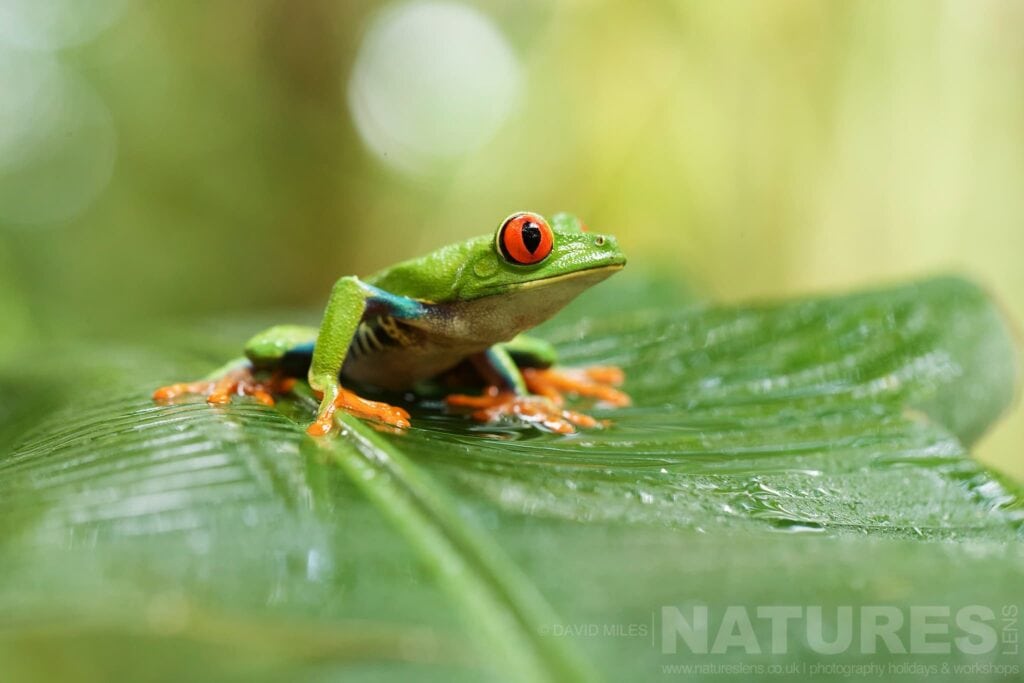
Costa Rica is one of those destinations where it feels as though there is always something to photograph.
Hummingbirds, toucans, colourful tropical birds, mammals, reptiles, amphibians & an extraordinary range of smaller rainforest species make it one of our most diverse trips.
The real strength of Costa Rica is not simply the number of species. It is the variety of photographic opportunities.
One morning might be spent photographing hummingbirds in flight, another working with frogs or reptiles at close range, while another session may be centred around toucans, mammals or birds moving through the rainforest.
It is a destination that rewards curiosity & keeps changing throughout the trip.
3. Kenya – Wildlife of Shompole
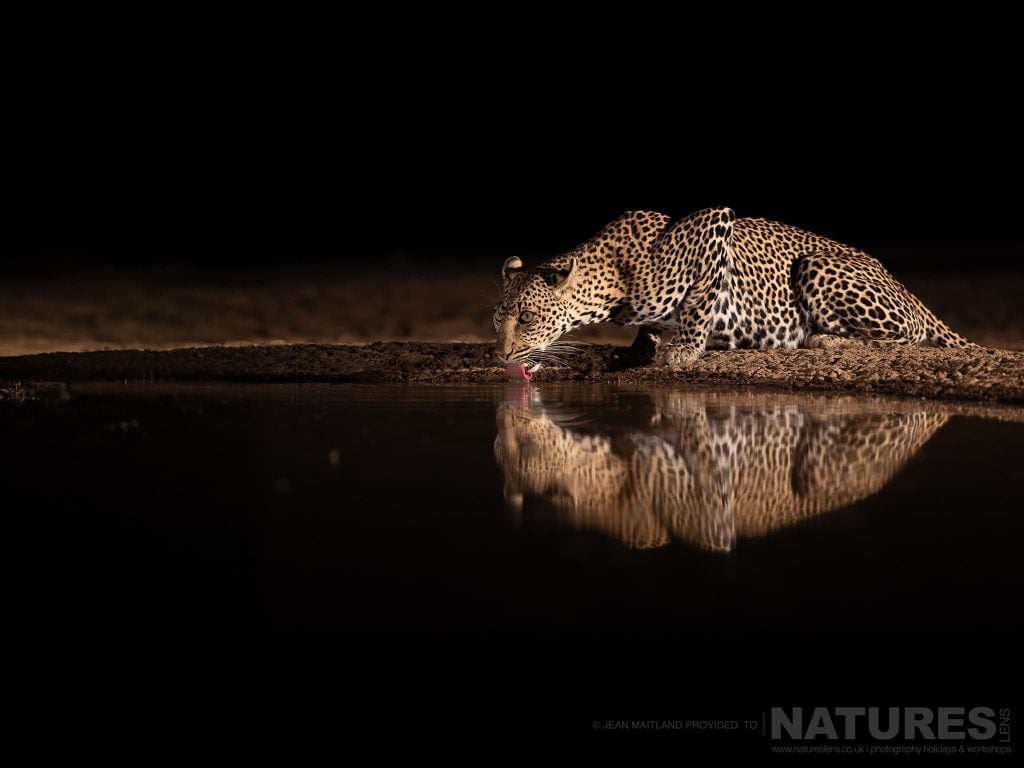
Kenya is rightly associated with some of the greatest wildlife photography in the world, but our Shompole trips offer something quite different.
The emphasis here is on specialist nocturnal photography.
Animals including African Leopard, African Lion, African Elephant, African Civet & Bat-eared Fox visit the waterholes naturally after dark, creating opportunities that are very different from a conventional daytime safari.
The photography is about behaviour, atmosphere & the feeling of the African night.
That makes Shompole one of the most distinctive experiences in the NaturesLens portfolio.
4. India – Tigers of India
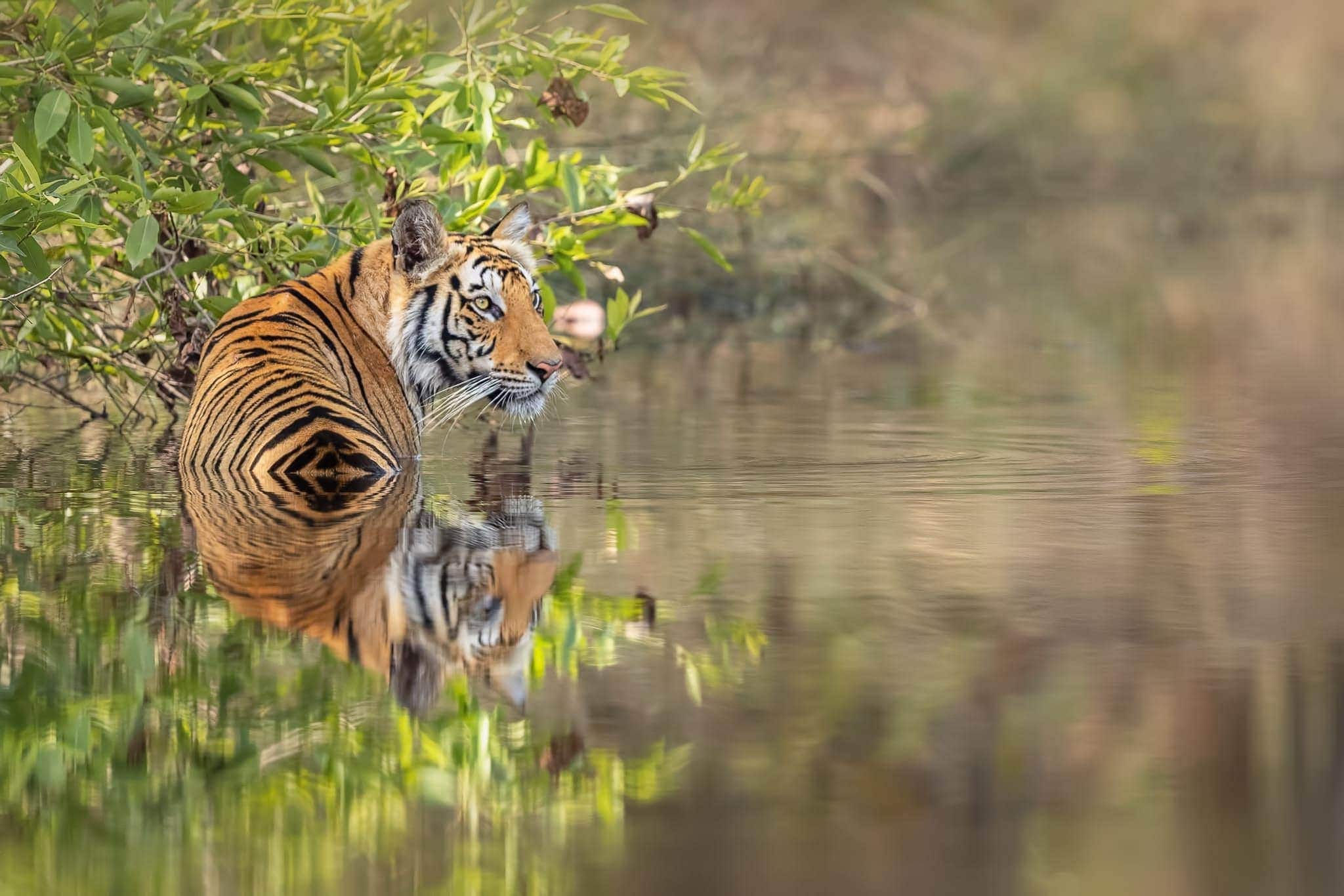
Few wildlife encounters are as memorable as seeing a Tiger emerge from the forest.
India remains one of the great destinations for mammal photography, & Tiger photography sits at the heart of the experience.
The challenge is not simply finding a Tiger. It is making the most of the encounter when it happens – watching behaviour, anticipating movement, working with changing light & making decisions quickly when the opportunity develops.
For many wildlife photographers, photographing a Tiger in its natural environment is one of those experiences that stays with them for a very long time.
5. Yellowstone – Winter Yellowstone
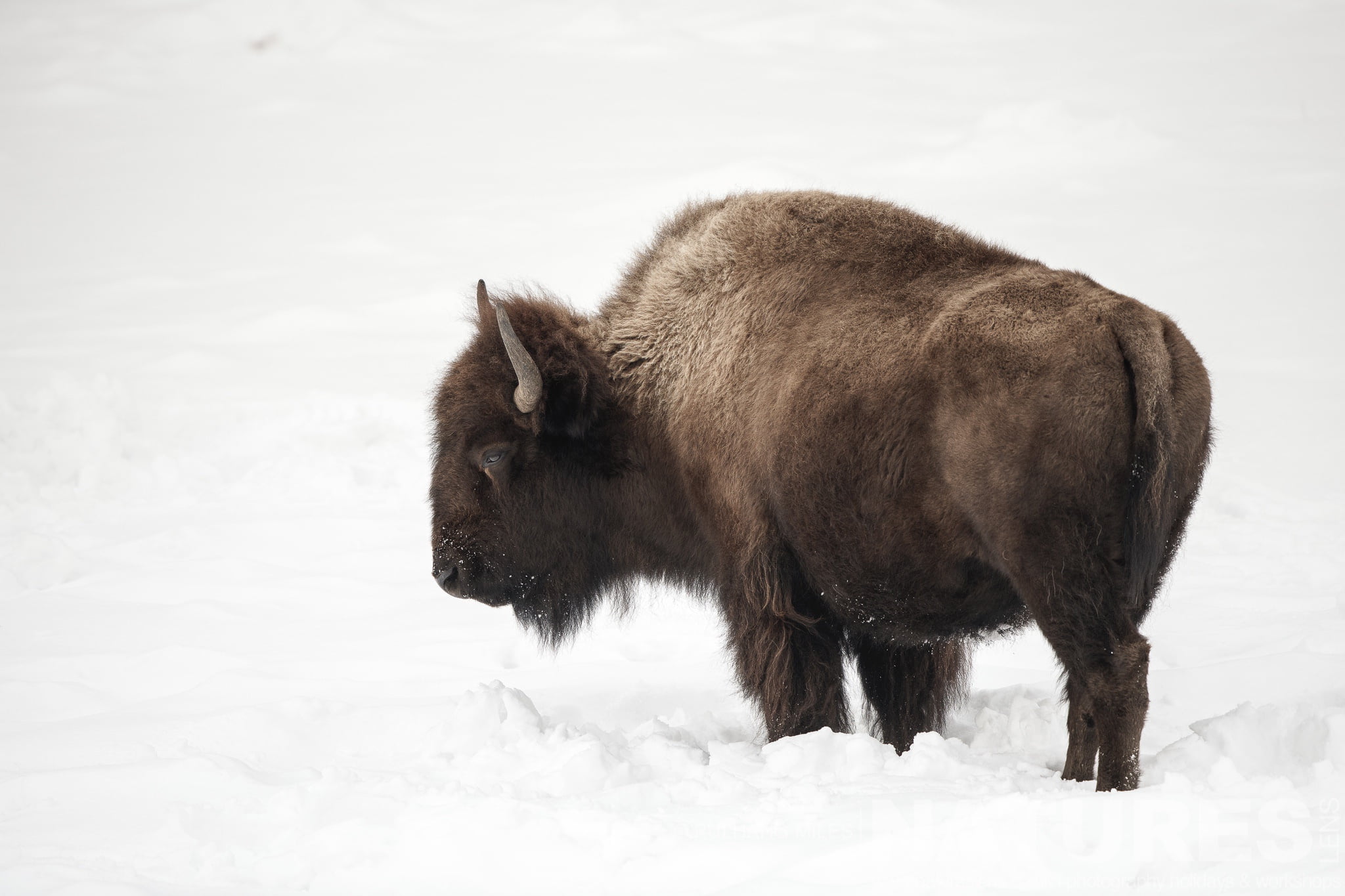
Yellowstone in winter feels like an entirely different world.
Heavy snow, frozen valleys & vast open landscapes create a setting that is almost as important photographically as the wildlife itself.
Bison moving through snow, Coyotes crossing open ground, Red Foxes hunting & other winter wildlife can all produce striking images, particularly when the weather becomes part of the photograph rather than something to avoid.
Winter Yellowstone is about much more than recording a species.
It is about photographing wildlife as part of one of the most dramatic winter environments in North America.
6. Peru – Peru’s Ultimate Hummingbirds
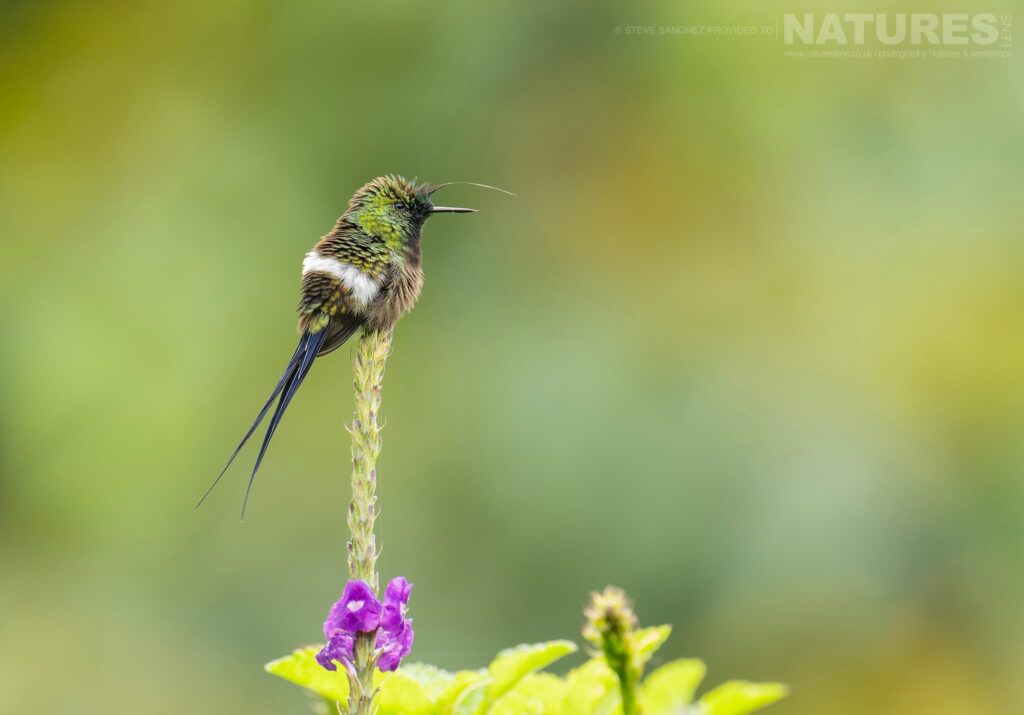
Few subjects are as addictive to photograph as Hummingbirds.
Peru’s Ultimate Hummingbirds offers an extraordinary variety of species, colours & behaviours, with opportunities to photograph them perched, feeding & in flight.
The real attraction is the combination of technical challenge & visual reward. Hummingbirds move quickly, change direction almost instantly & demand concentration.
But it is also about the setting.
Northern Peru gives photographers access to exceptional hummingbird locations, including specialist sites where iridescent feathers, tiny details, dramatic wing positions & flashes of colour can produce images that look almost impossible until you see the bird in front of you.
For photographers who enjoy refining technique & experimenting with different kinds of images, Peru is especially rewarding.
7. Brazil’s Atlantic Rainforest – Ultimate Hummingbirds
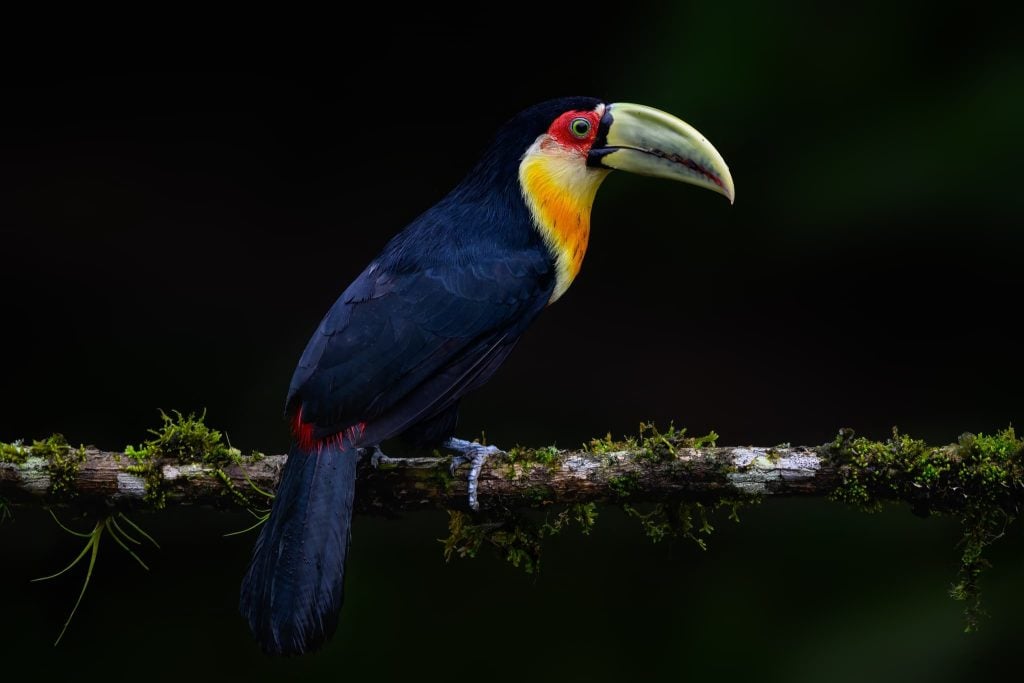
Brazil’s Atlantic Rainforest takes the Hummingbird experience even further.
With a huge diversity of species spread across very different habitats, the trip offers a constantly changing photographic challenge.
Some species are tiny & incredibly fast. Others are larger, more deliberate or particularly striking in appearance.
Locations handpicked by David add another dimension, combining specialist Hummingbird photography with some of South America’s richest bird habitats.
It is a trip built for photographers who enjoy variety, detail & the satisfaction of working with subjects that are never entirely predictable.
8. Norway – Winter in Varanger

Varanger offers a completely different kind of winter wildlife photography.
Here the emphasis is on Arctic birds, frozen landscapes & the atmosphere of Norway’s far north.
King Eiders, Steller’s Eiders & other sea ducks are among the major attractions, along with the wider range of winter birdlife found around the coast.
The landscape plays an important role too.
Snow, frozen water, low light & changing Arctic weather can transform what might otherwise be a straightforward wildlife photograph into something much more atmospheric.
Varanger is a destination for photographers who enjoy both the subject & the environment around it.
9. Iceland – Puffins of Iceland

Puffins are among the most characterful birds you can photograph, & Iceland offers some exceptional opportunities to work with them.
Close views, dramatic cliffs & long northern summer light create a combination that is difficult to beat.
The real appeal lies in behaviour.
Birds returning with fish, interactions around the colony, flight photography & quieter portraits all offer very different kinds of images.
When the light is right, the surrounding coastline & Icelandic landscape add another layer entirely.
It is easy to understand why Puffins remain one of the most popular wildlife subjects we photograph.
10. Hungary – Wildlife Photography Hides of Hungary

Hungary has become one of Europe’s great destinations for specialist hide photography.
Purpose-designed hides allow photographers to work at low angles, close to water & in positions chosen specifically with photography in mind.
That creates opportunities for reflections, birds in flight, drinking behaviour & clean backgrounds that would be very difficult to achieve by chance.
The real advantage of hide photography is time.
Instead of constantly moving on to the next subject, you can stay with one location & wait for behaviour to develop.
That often leads to stronger images.
What makes these Wildlife Photography Destinations stand out?
The wildlife is obviously important, but that is only part of the reason we return to these places.
A great wildlife photography destination needs more than a list of species.
It needs reliable photographic opportunities, enough time with the subject, suitable light, sensible access & an itinerary built around photography rather than sightseeing.
That is how we approach every NaturesLens trip.
We keep groups small, build our itineraries around the photographic opportunities & spend as much time as possible in the places where those opportunities are most likely to happen.
There are many other destinations we love too – from Grizzly Bears in British Columbia & Pumas in Patagonia to Eagles in Sweden, Pelicans at Lake Kerkini, wildlife in Madagascar & specialist macro photography in Bulgaria.
But if you are wondering where to start, these ten destinations represent some of the very best wildlife photography experiences we offer.
Which wildlife photography trip should I choose?
That depends entirely on what you most enjoy photographing.
If you love winter wildlife, start with Japan, Yellowstone or Varanger.
If birds are your main interest, Peru, Hungary or Iceland may suit you better.
For big mammals, India, Kenya & Yellowstone are particularly strong.
& if you want the widest possible variety of subjects in a single trip, Costa Rica is difficult to beat.
Whichever you choose, the important thing is finding a trip where the itinerary has been designed around the photography from the outset.
That is exactly what we do.