Varanger sits at the far northeastern tip of Norway, where the Barents Sea coastline gives way to Arctic tundra & the last of the winter ice lingers long into spring — a combination that draws a genuinely varied cast of Arctic wildlife within reach of a single small-group trip.
For the current trip list, see our Norway wildlife photography holidays; you can also explore more nature photography in Europe.
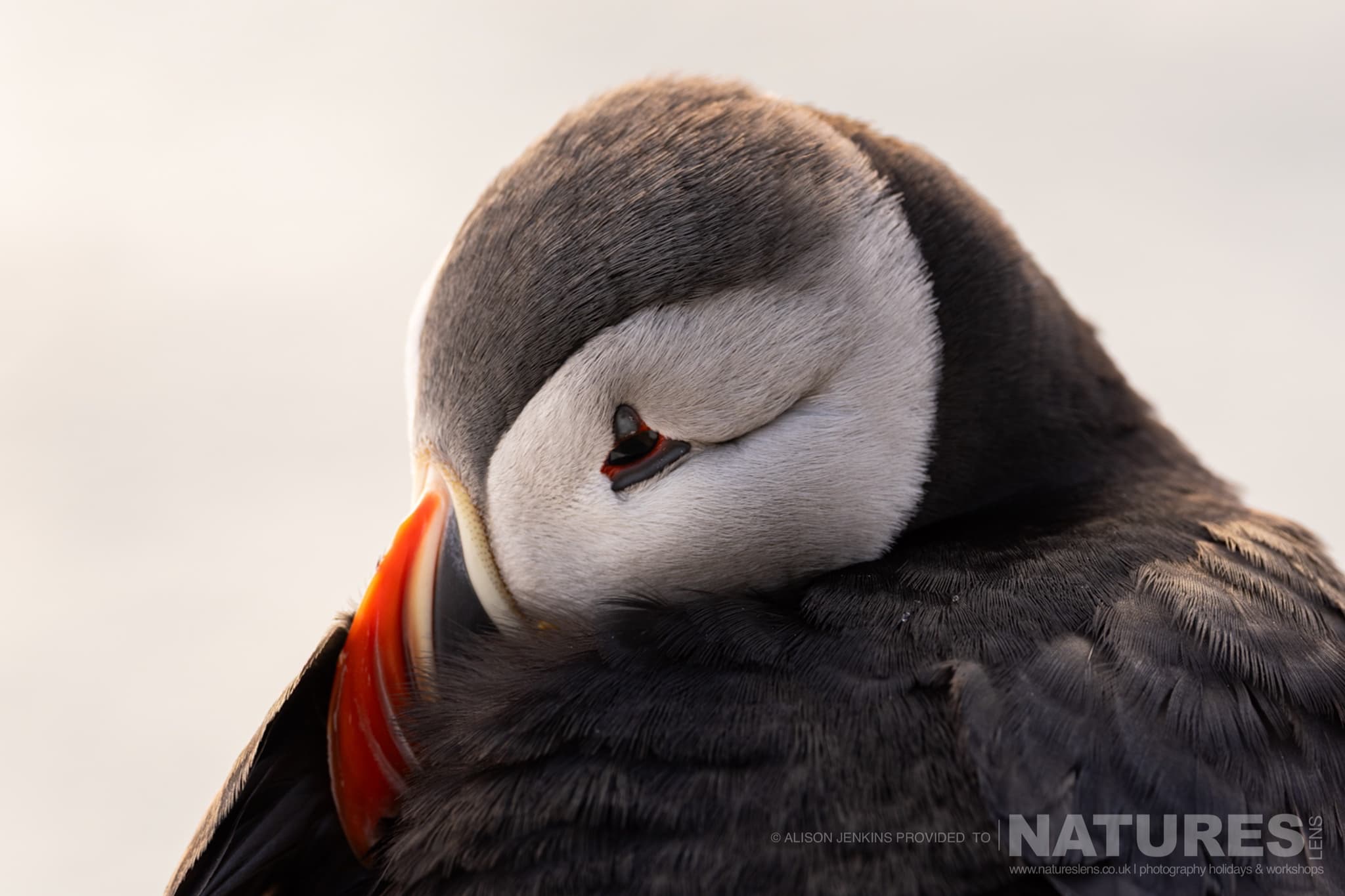
Arctic Fox in their white winter coats, Arctic Hare bounding across the snow, & king Eider & Puffin working the coastal waters all feature on this trip, & Alison Jenkins guides it with the kind of local knowledge that only comes from years spent working this specific stretch of coastline.
What makes it work is the geography — Varanger compresses tundra, coastline, & sea ice into a tight, accessible area, so a single day can move between an Arctic Fox den, a sea cliff full of Puffins, & a fjord full of wintering Eiders without a long transfer between any of them.
Our Norway Photography Holiday
We run one small-group trip to Norway, guided by Alison Jenkins:
3rd – 9th Apr 2027 — Winter Wildlife of Arctic Varanger
5 nights | from £3,999 | Medium — Balanced Days with Moderate Activity
Based in the Varanger region for the full trip, working a mix of coastal hides & vehicle-based excursions across tundra & shoreline in pursuit of Arctic Fox, Arctic Hare, & Atlantic Puffin, alongside a strong supporting cast of sea ducks.
More info on Winter Wildlife of Arctic Varanger
Want to know more before booking? Get in touch & we’ll talk you through the clothing list, the daily routine, & what late-winter conditions in Arctic Norway are really like.
Why Varanger Rather Than Svalbard
Norway’s Arctic wildlife photography is often associated with Svalbard, far out in the high Arctic & typically reached only by expedition ship. Varanger offers a genuinely different, & considerably more accessible, way to photograph many of the same Arctic specialities without the cost & logistics of a polar voyage.
Being mainland & road-accessible means the trip can move flexibly day to day, chasing wherever activity is currently strongest rather than being locked into a fixed ship itinerary. It also keeps the trip cost & duration considerably more manageable than a Svalbard expedition, while still delivering a genuinely wild, high-latitude experience.
What You’ll Photograph in Norway
Arctic Fox & Arctic Hare
Both species are still in their full white winter coats at this time of year, moving across open snow where a low sun & long shadows can turn a simple sighting into a genuinely striking image. Alison’s knowledge of den sites & regular hare-crossing routes built up over repeated seasons in the field is what turns a hopeful scan of the tundra into a realistic chance at both species. See more in our Mammals photo archive.
Because both animals rely on their white coats for camouflage against genuine predators, a respectful working distance & a patient, unhurried approach matter more here than almost anywhere else in the series — the reward for that patience is a natural, undisturbed image rather than a stressed animal fleeing the frame.
Coastal Birds: Puffin & King Eider
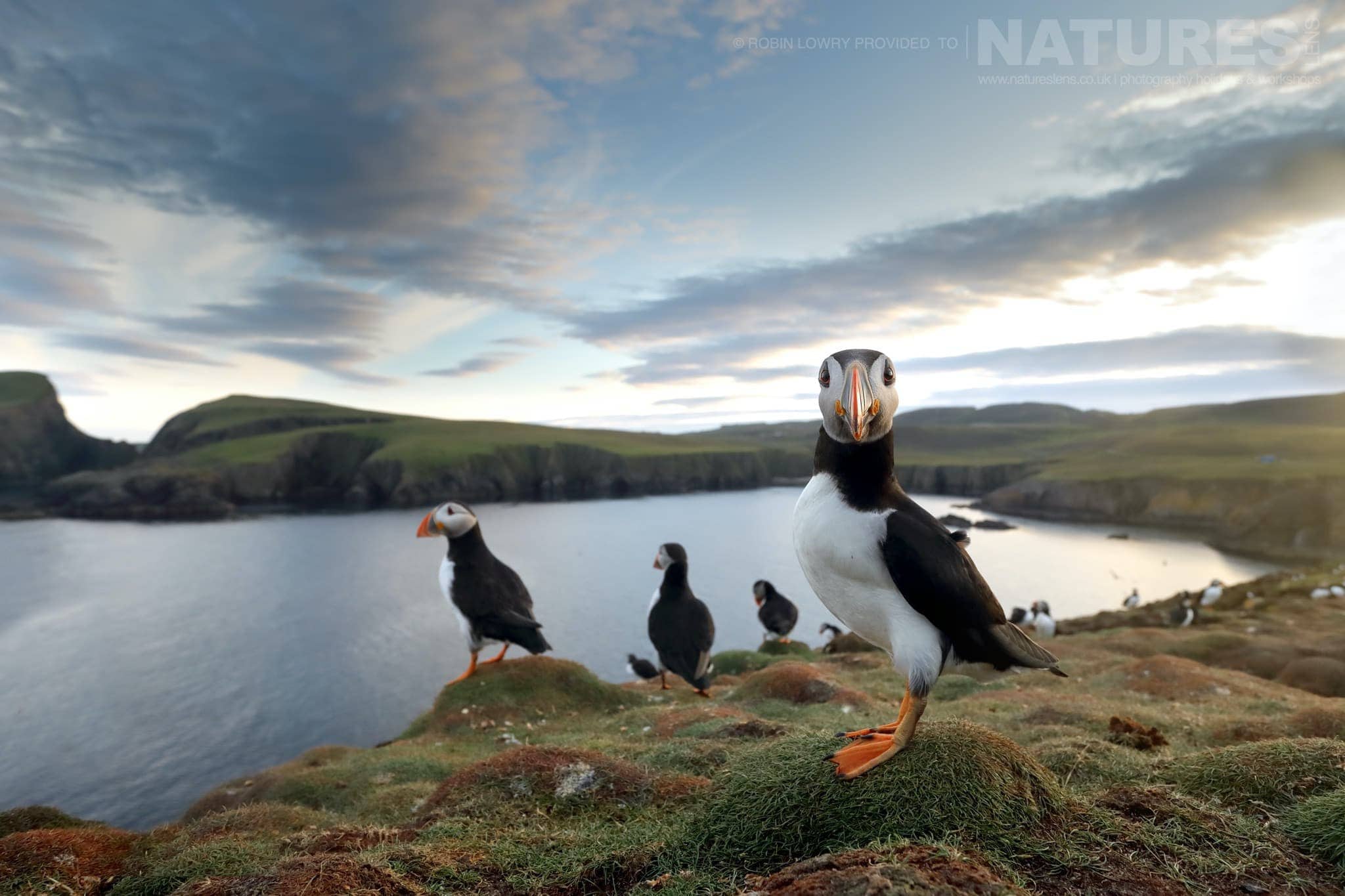
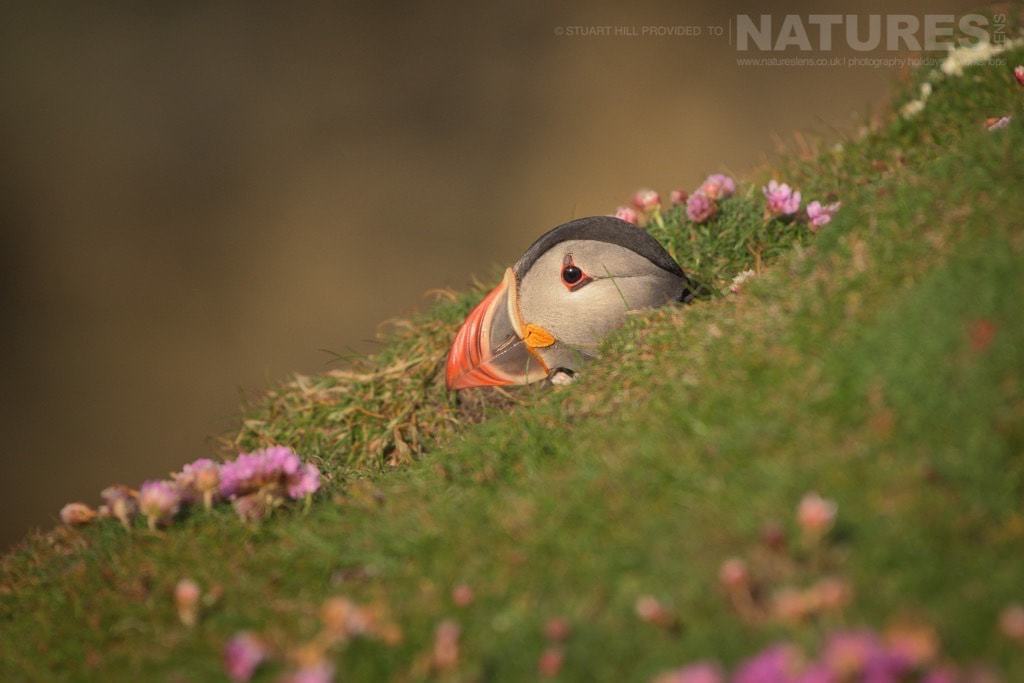
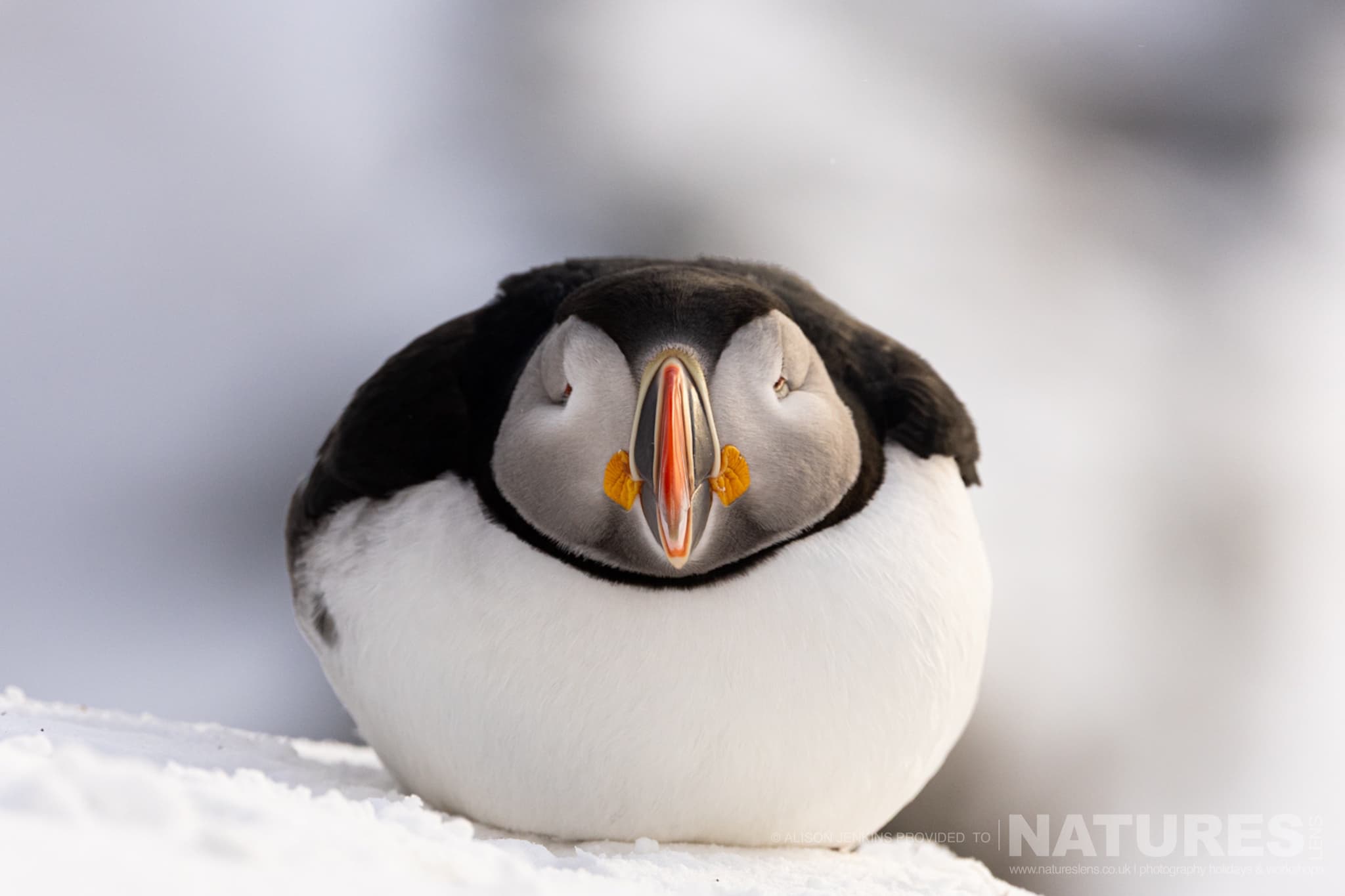
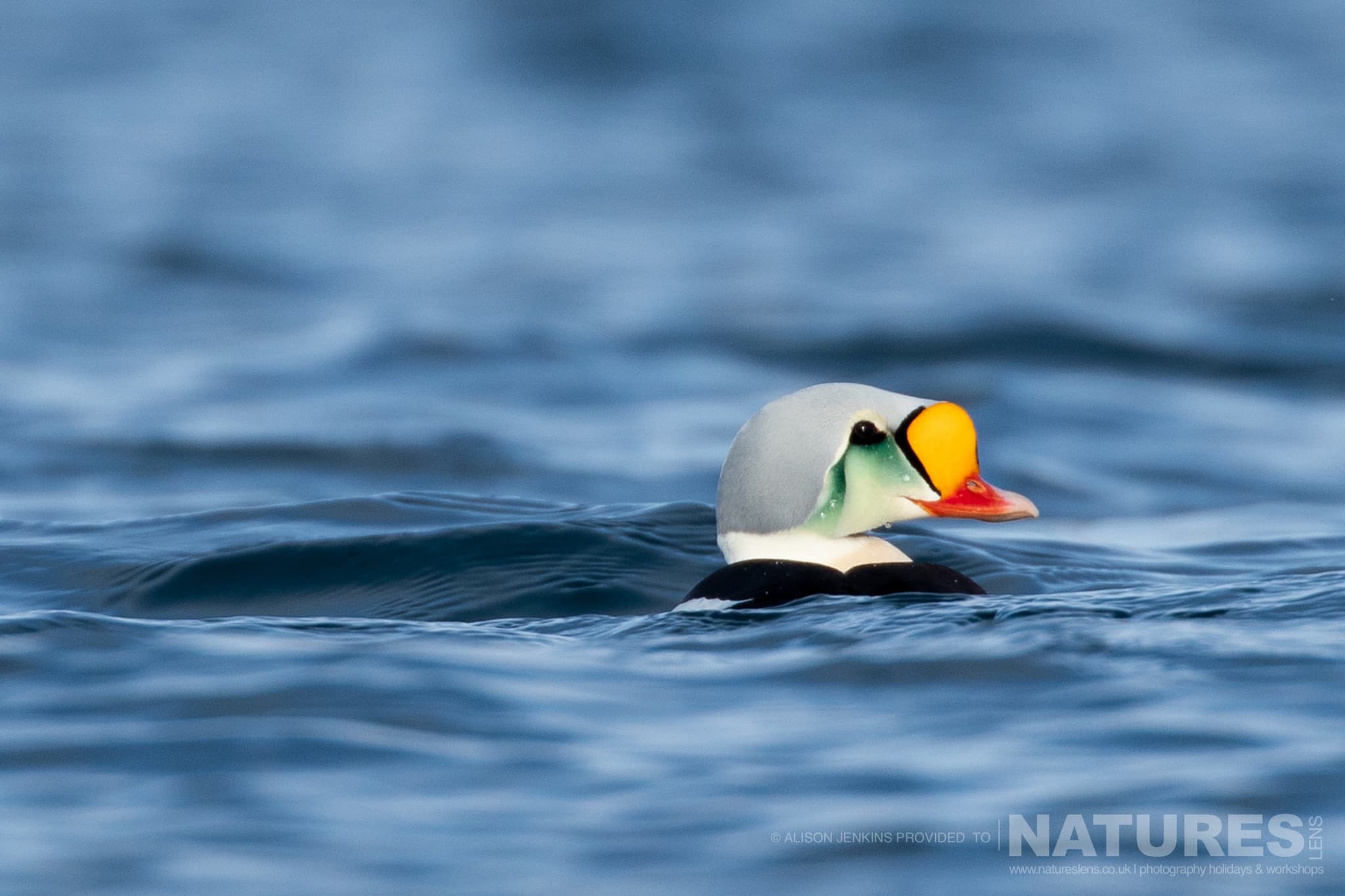
Varanger’s coastline holds a strong late-winter seabird population, with Atlantic Puffin returning to the cliffs & King Eider — among the most striking of all the world’s ducks — working the sheltered coastal waters in good numbers.
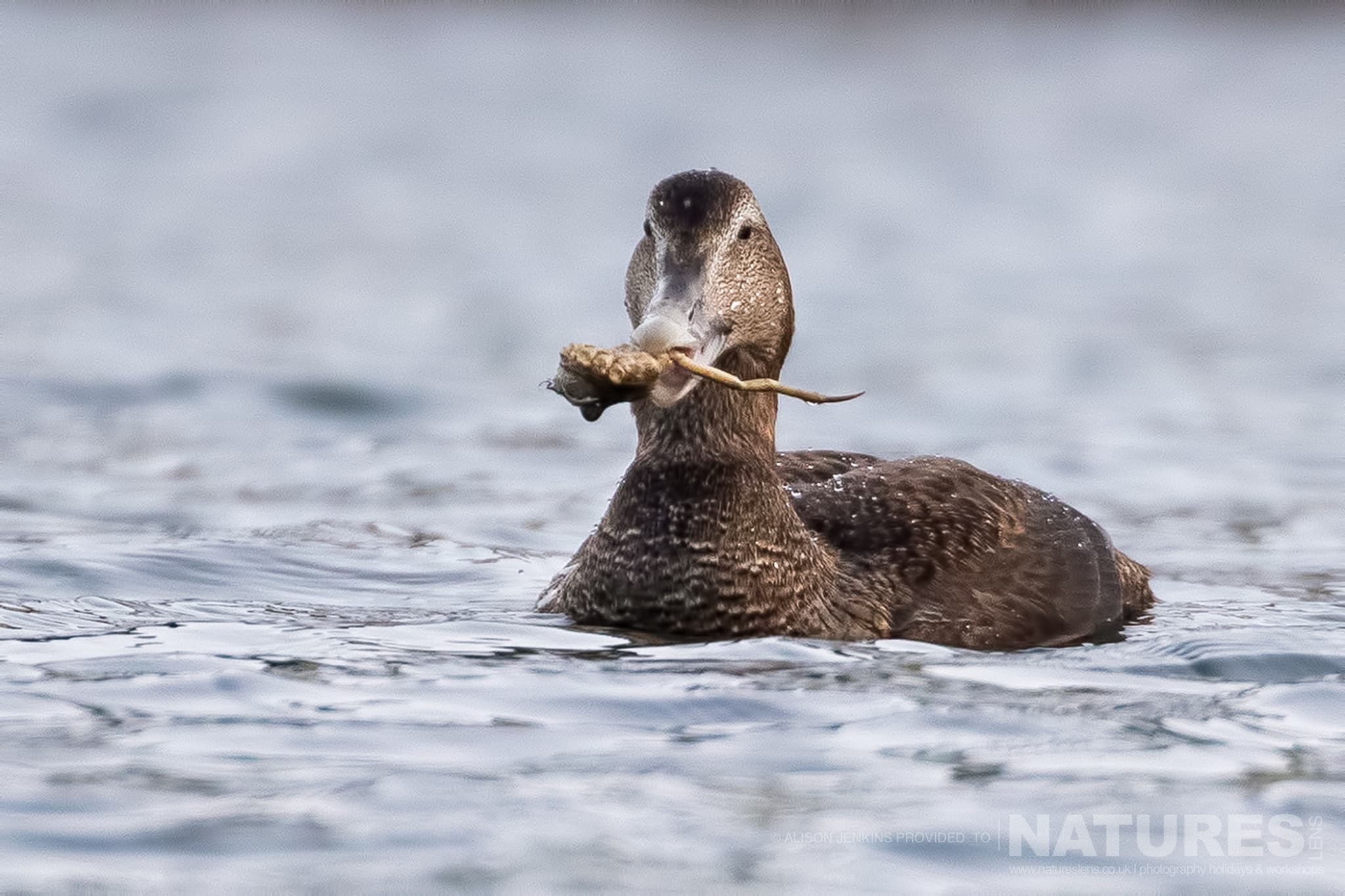
The King Eider in particular is a genuine draw for birders & photographers alike, given how few accessible locations worldwide offer a realistic chance of the species this close to shore. Common Eider are considerably more numerous & make for a reliable supporting subject alongside their rarer relative.

A Landscape Built for Arctic Light
This far north & this early in spring, the sun stays low throughout the day, giving a soft, extended golden hour that photographers further south only get for a few minutes at dawn & dusk. That low, warm light is arguably as much a reason to visit Varanger as any single species on the trip.
Sea ice, snow-covered tundra, & the deep blue of the Barents Sea combine to give every image a distinctly Arctic palette that is difficult to replicate anywhere further south in Europe.
When to Visit Norway
Our current departure runs in early April, timed to catch the tail end of the Arctic winter — snow cover is typically still extensive, both Fox & Hare remain in their white coats, & the coastal bird numbers are close to their seasonal peak before the spring thaw changes the landscape.
Life on the Road in Varanger
Much of each day is spent moving between sites by vehicle, scanning likely areas of tundra & coastline for activity, with the group working together to cover more ground than any individual photographer could alone. Alison’s local network of contacts often flags fresh activity within hours, which is part of why a guided trip out-performs an independent visit to the same region.
Planning Your Trip to Norway
A telephoto lens in the 400mm to 600mm range is the most useful single piece of kit for this trip, given the typical working distances across open tundra & coastline. A sturdy tripod or vehicle window-mount both have their place depending on the day’s plan.
Temperatures in early April can still fall well below freezing, particularly in the wind off the Barents Sea, so genuinely warm, layered clothing — & good gloves that still allow camera operation — matter more on this trip than almost anywhere else in the series. Battery life also drops noticeably in the cold, so spares kept warm in an inner pocket are essential.
Kirkenes is the usual arrival airport, with onward road transfers to the accommodation used for the trip in the Varanger region itself.
A Trip for Photographers Who Like Variety
Many of the Arctic-themed trips in this series focus tightly on a single flagship species. Varanger is different in character — the appeal here is genuine variety within one short trip, moving between mammal & bird subjects across a compact, varied landscape rather than concentrating on one hide or one den site for the whole week.
Why a Guide Matters Here
Arctic Fox den sites shift from year to year & King Eider numbers can vary sharply with ice conditions, so up-to-date local knowledge makes a genuinely significant difference to what the group sees across the week. Alison spends time before each trip scouting current activity, rather than relying on where the animals were the previous season.
What to Pack Beyond the Camera Bag
Thermal base layers, an insulated outer layer, & good waterproof boots rated for genuinely cold conditions are essential rather than optional on this trip. Hand warmers are a small addition worth packing, both for comfort & to help keep spare batteries functional through a long day in the field.
Alison also recommends a lens cloth kept somewhere warm & accessible, since moving between a heated vehicle & the cold outside air can fog a lens at exactly the moment an Arctic Fox appears.
Join Us in Norway
Few trips in the series combine this much genuine Arctic variety — mammal, seabird, & sea duck — into a single accessible mainland location, & fewer still pair it with such consistently soft, low Arctic light throughout the day.
Varanger packs a remarkable range of Arctic wildlife into one accessible corner of Norway — Fox, Hare, Puffin, & Eider, all within reach of a single small-group trip.
Alison’s years of experience reading this specific landscape is what turns a week of scanning tundra & coastline into a genuinely productive trip.
Get in touch if you’d like to know more, or head straight to the Norway destination page to see current availability.
Related Reading
Plan your Norway photography holiday
Explore our Norway wildlife photography holidays, compare more nature photography in Europe, & meet the NaturesLens photography guides who lead our small-group trips.