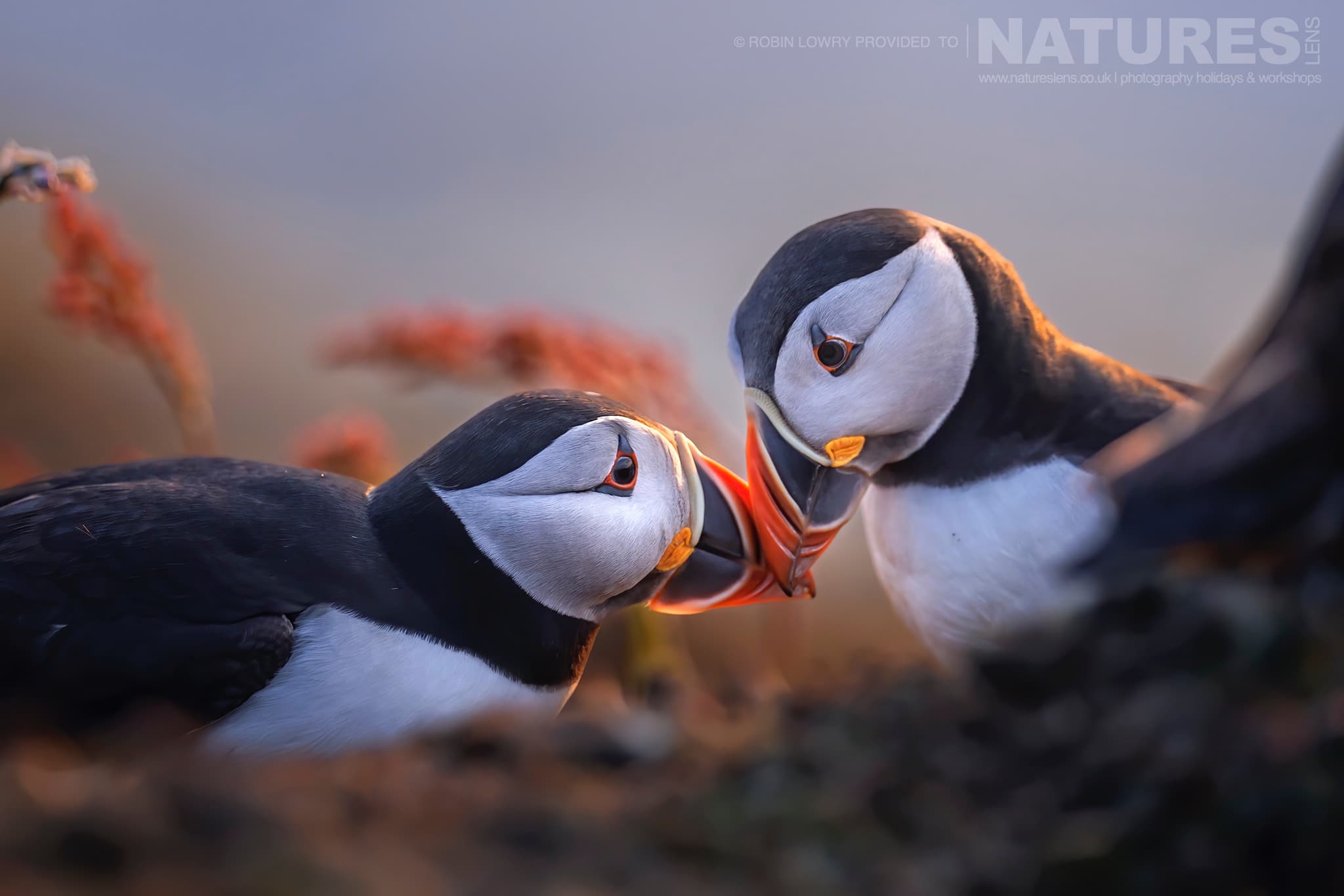
Throughout history, the Atlantic Puffin has captivated humanity with its vibrant colours, fun personality & beautiful presence. Atlantic Puffins are unique birds mainly linked to the rugged cliffs of the North Atlantic Ocean & the coasts of Scotland, Ireland & Wales. Soaring in the sky, they offer a glimpse into the distinctive wonders of nature. Speaking of these wonders, there is no better place to experience them than the notable Skomer Island in Wales. For centuries, the Atlantic Puffins of Skomer Island have been one of the island’s main attractions. Surrounded by crystal clear waters & rocky cliffs, it is no surprise that Skomer Island provides the perfect breeding ground for these colourful birds.
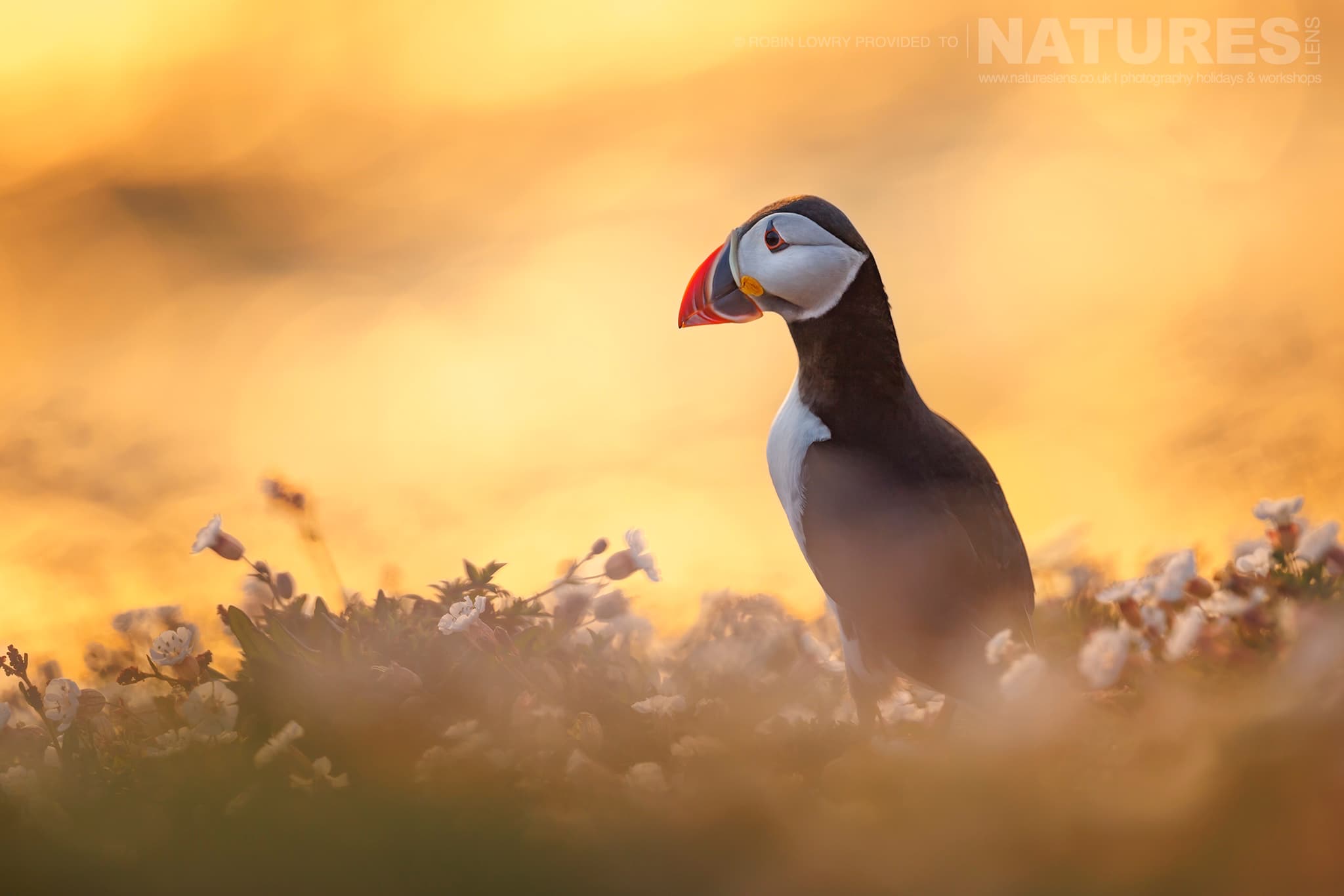
In the summertime, visitors can often observe the fluffy chicks peeking out of the island’s burrows & the absorbing courtship rituals between couples forming lasting bonds. You can also observe adults fishing for sand eels or nesting with their young. The sight of them flying in the air & swooping in & out of the water is fine. This article will explore the distinctive world of the Puffins of Skomer Island in Wales.

We will provide interesting facts about the species, such as what they eat & how they live, as well as delve into the fascinating history of this notable place. Plus, we will share some tips on how to visit Skomer Island to get at close range with the compelling birds. With us, you’ll be able to experience the wonders of the Puffins of Skomer Island first-hand & see with your own eyes why they are so beloved by people worldwide.

Overview of Skomer Island
Skomer Island is a mile-long island off the coast of Pembrokeshire, Wales. It is a National Nature Reserve & part of the Skomer Marine Conservation Zone, a protected area of outstanding natural beauty & biodiversity. The island is home to various fascinating animals, including the iconic Puffins of Skomer Island.
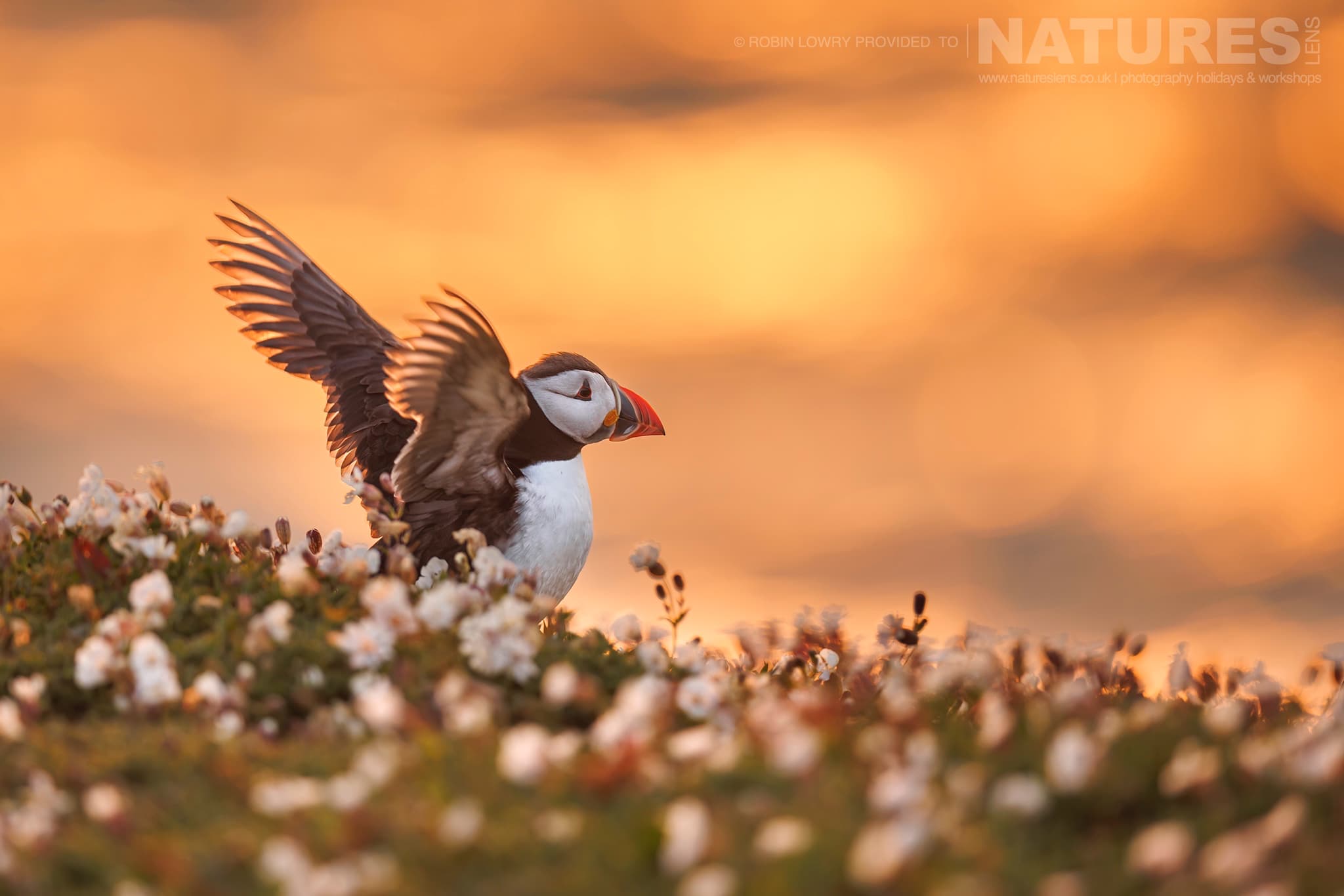
Although the island is small, it is home to an array of wildlife, including an abundance of seabirds, several species of marine mammals, & various unique plants. The island’s cliffs are a breeding ground for numerous seabirds, including the Puffins of Skomer Island. The island also has a diverse marine mammal population, including porpoises, seals, dolphins, & whales. In addition, the island is home to various unique plants, including the rare Irish moss & the eye-catching yellow flag irises.
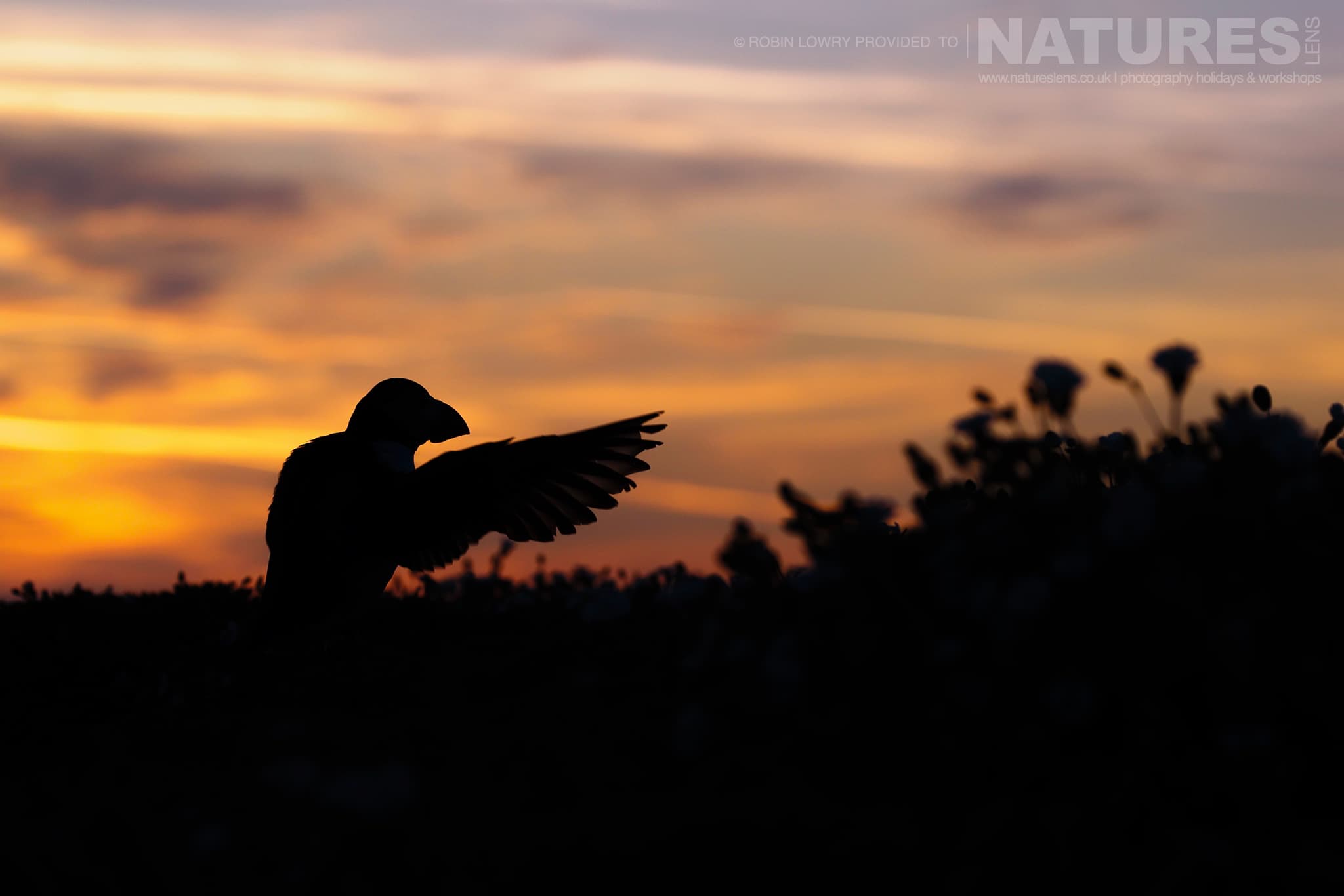
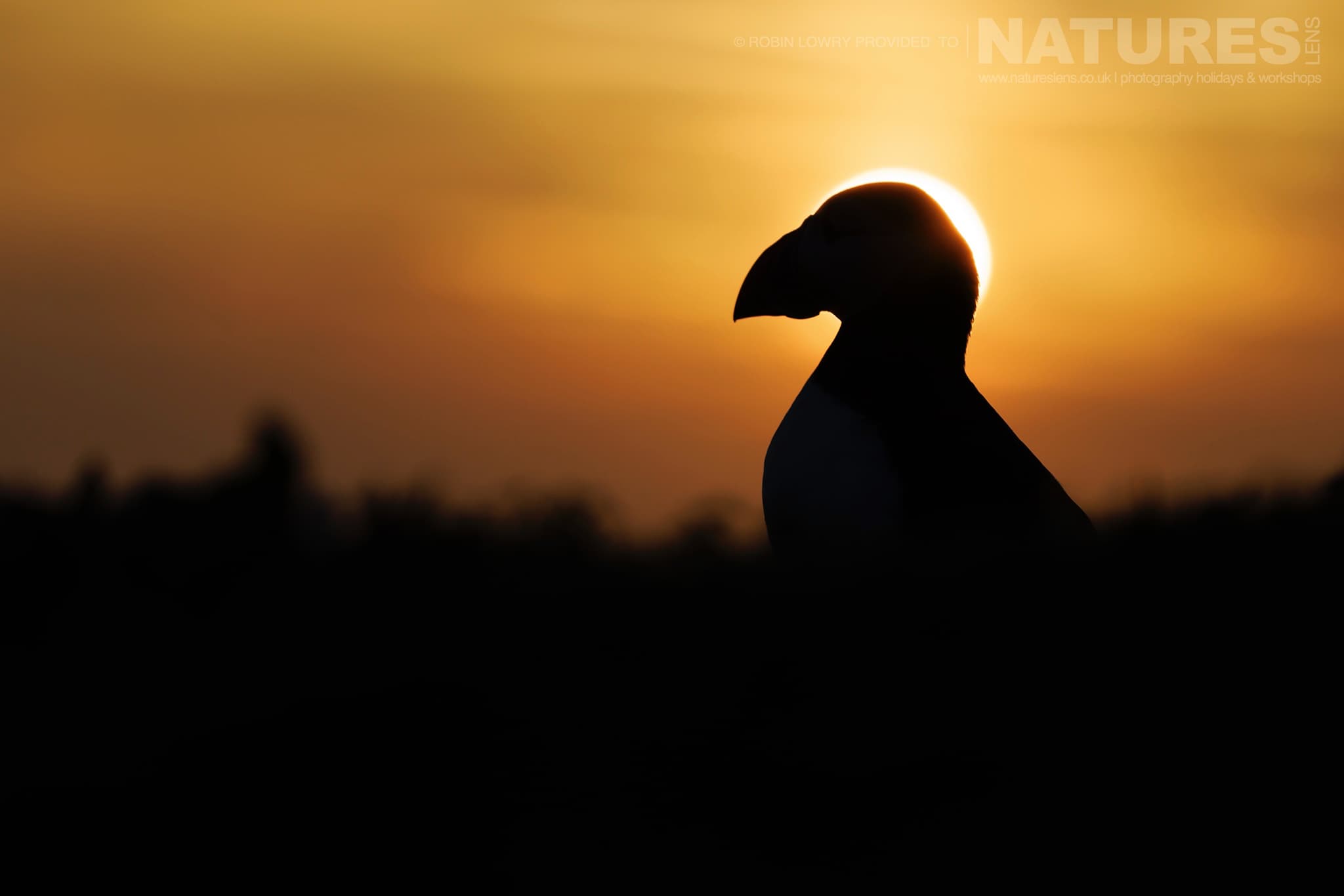
These features make Skomer Island an incredibly diverse & rewarding place to explore.
What do Atlantic Puffins eat?
The Atlantic Puffins mainly feed on small fish, such as sand eels, herring, & hake, which they catch by diving into the water. They may also feed on other small sea creatures, such as squid, molluscs, & crustaceans. They may also supplement their diet with berries & other vegetation growing on cliffsides. Atlantic Puffins are often seen with their bright beaks full of fish before returning to their underground nest.
What Is The History of Skomer Island?
Skomer Island is a small island located off the coast of Wales in the UK. It is a site of natural beauty & is of significant historical importance. Dating back to the Iron Age, humans have occupied it in various capacities for over 6000 years. Evidence suggests that it was once a trading hub for the Ancient Britons who used the island’s natural resources & was also inhabited by Vikings during the 8th century. Skomer Island was then used as an area for sheep grazing before it became a military post during WWII. After the war, the island was bequeathed to the Wildlife Trust of South & West Wales & is now a productive for many species of coastal birds. It is a popular tourist attraction & is now a UNESCO Biosphere Reserve.
Wildlife Experiences on Skomer Island
The Puffins of Skomer Island are the main attractions, drawing people worldwide to the island. From early May to late-July, the island is supporting birds, breeding, nesting, & raising their young. Visitors can observe the birds at close range as they nest in the cliffs around the island. It is a unique experience to watch them fly & burrow to find food & build nests.
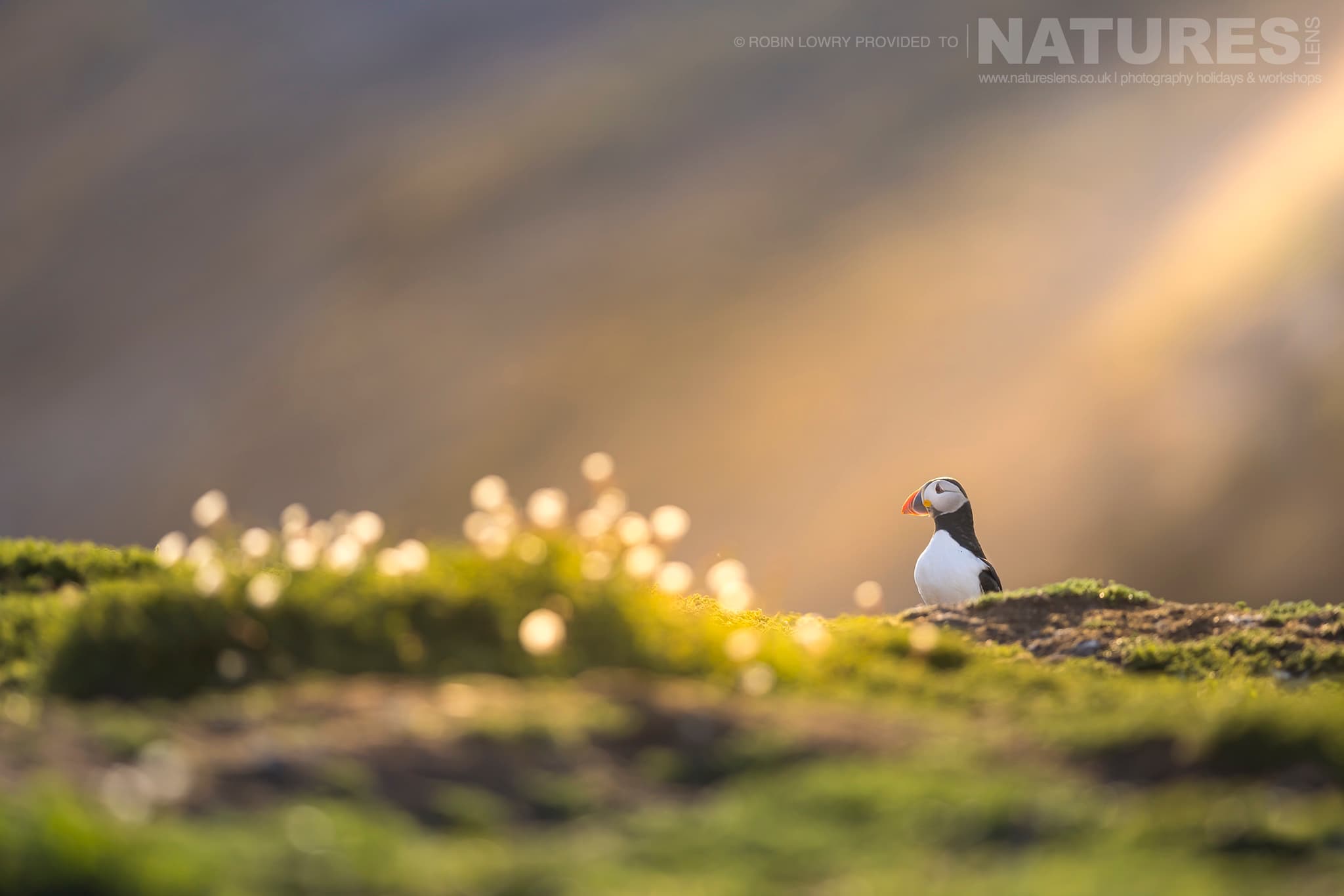
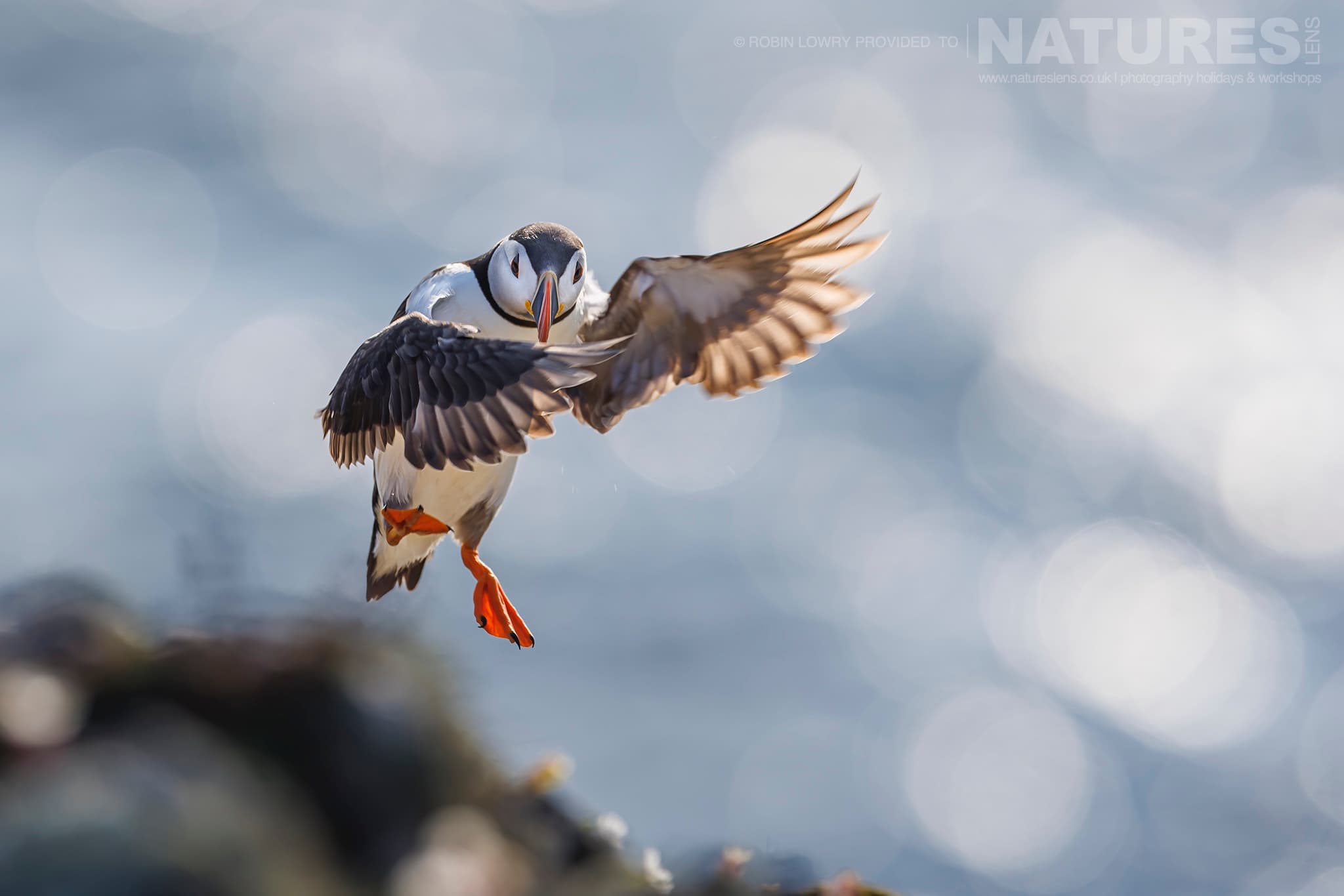
Apart from the Puffins of Skomer Island, visitors can also observe other species of seabirds, such as razorbills, guillemots, gulls, & shags. In addition, the island is home to various marine mammals, including porpoises, seals, dolphins, & whales.
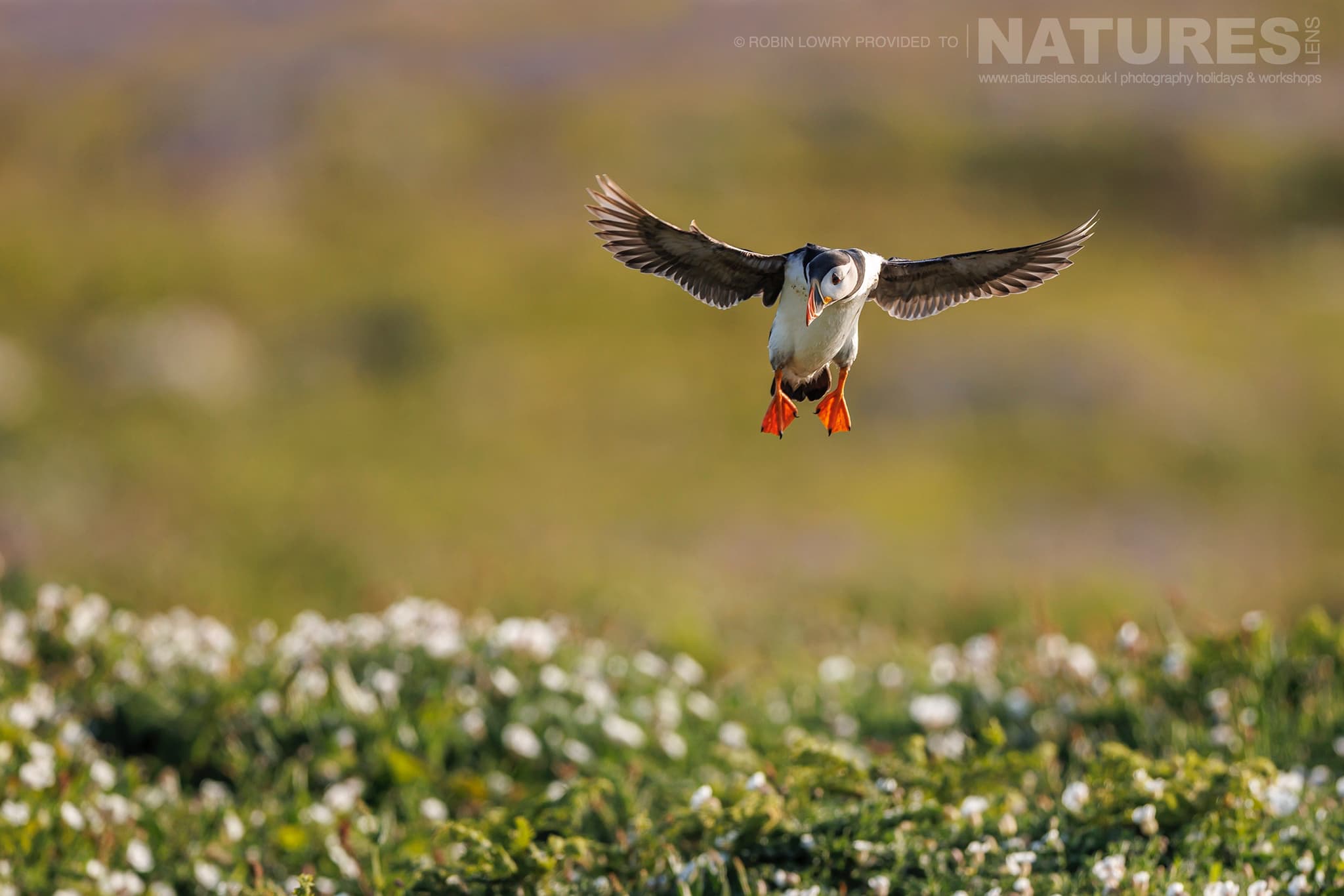
There is abundant plant life, including the rare Irish moss & striking yellow flag irises. Visitors can explore these wonders on guided walks or boat rides around the island.
Exploring the Puffin Colonies
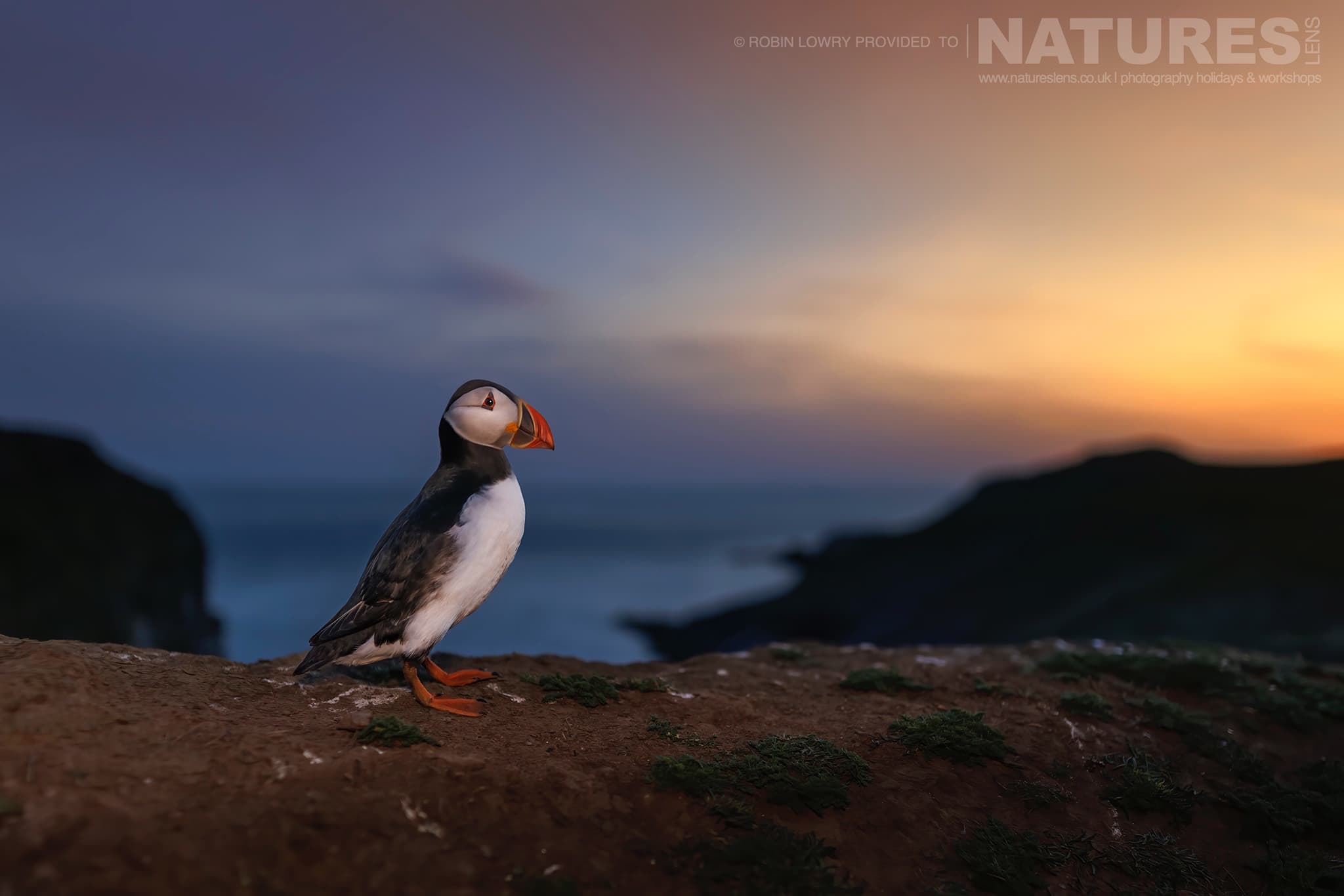
The best way to observe the Puffins of Skomer Island is by spending several nights staying on the island. Overnight stays allow our guests to observe & photograph the birds during periods of softer light, such as sunrise & sunset. Our guests can also spend a longer time exploring the many cliffs & outcroppings around the island, which are the breeding grounds for the birds. It is an notable experience to witness the birds at close range.
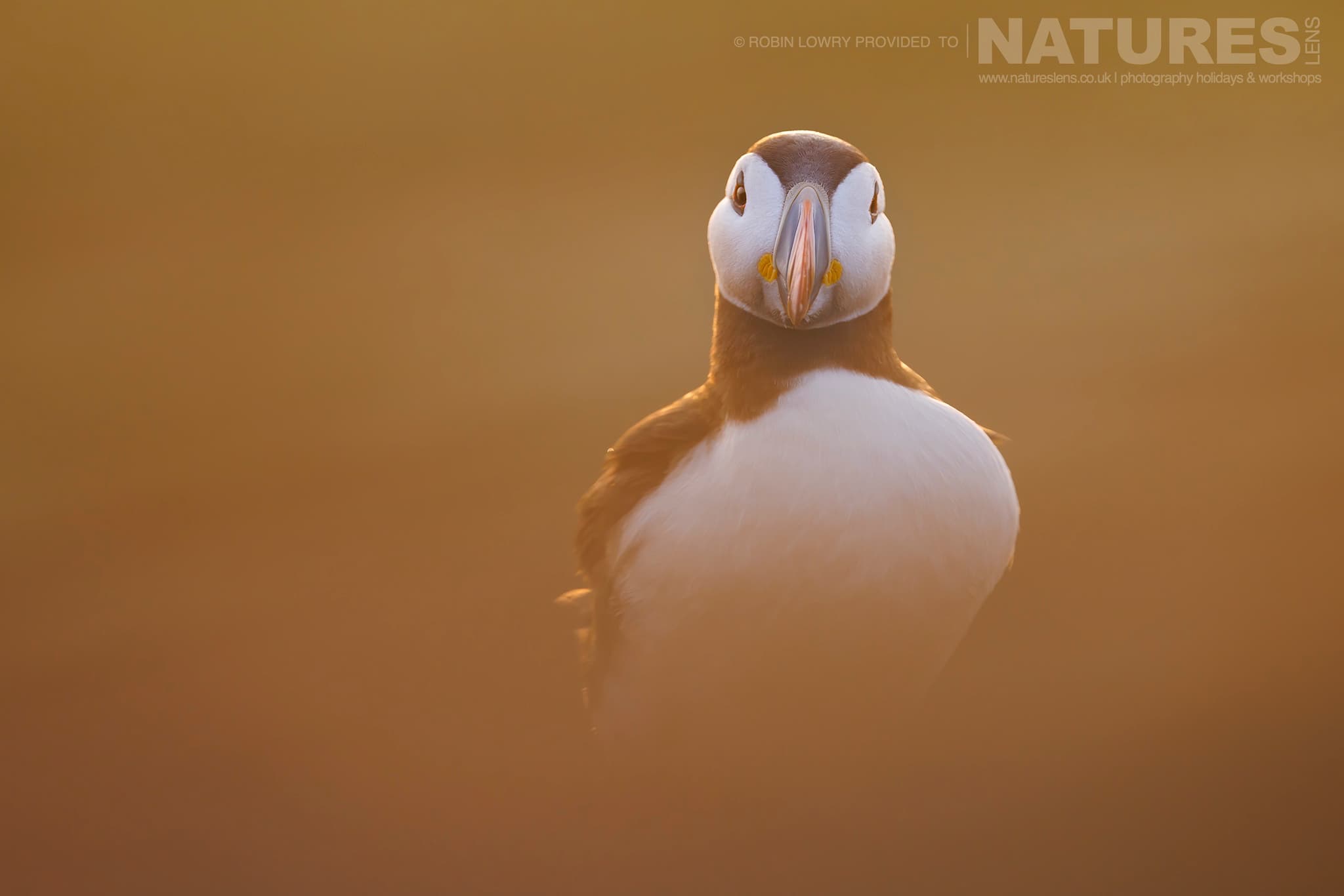
Visitors to the island can walk along the paths that skirt the cliffs for a closer view of the puffins doing their business. There are also guided walks available; these allow visitors to observe the Puffins of Skomer Island in their natural habitat. Visitors to Skomer can observe the birds nesting in their burrows & observe courtship rituals between couples.
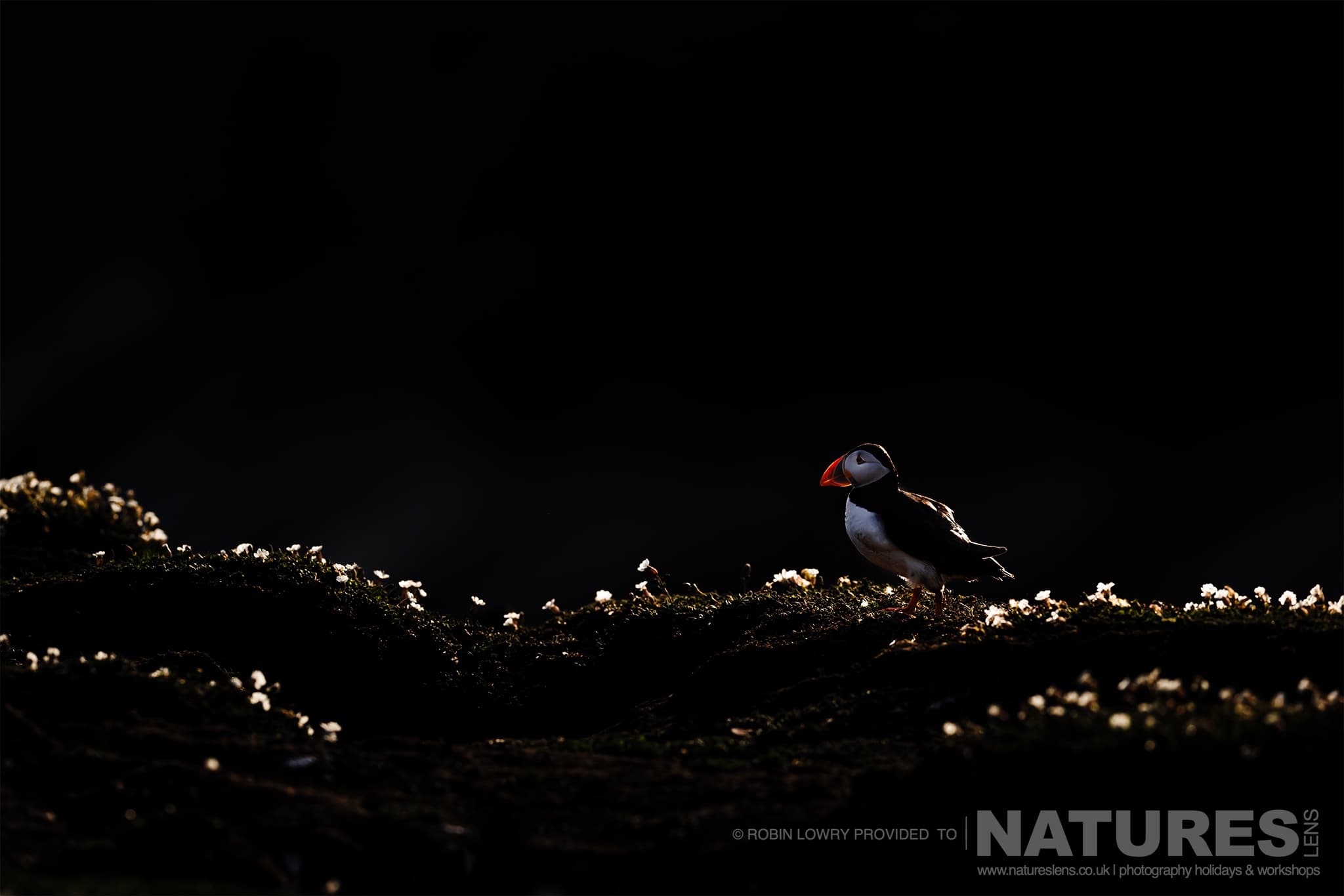
It is an notable experience to witness the birds in their natural environment & the wonders of nature.
Other Animals Found on Skomer Island
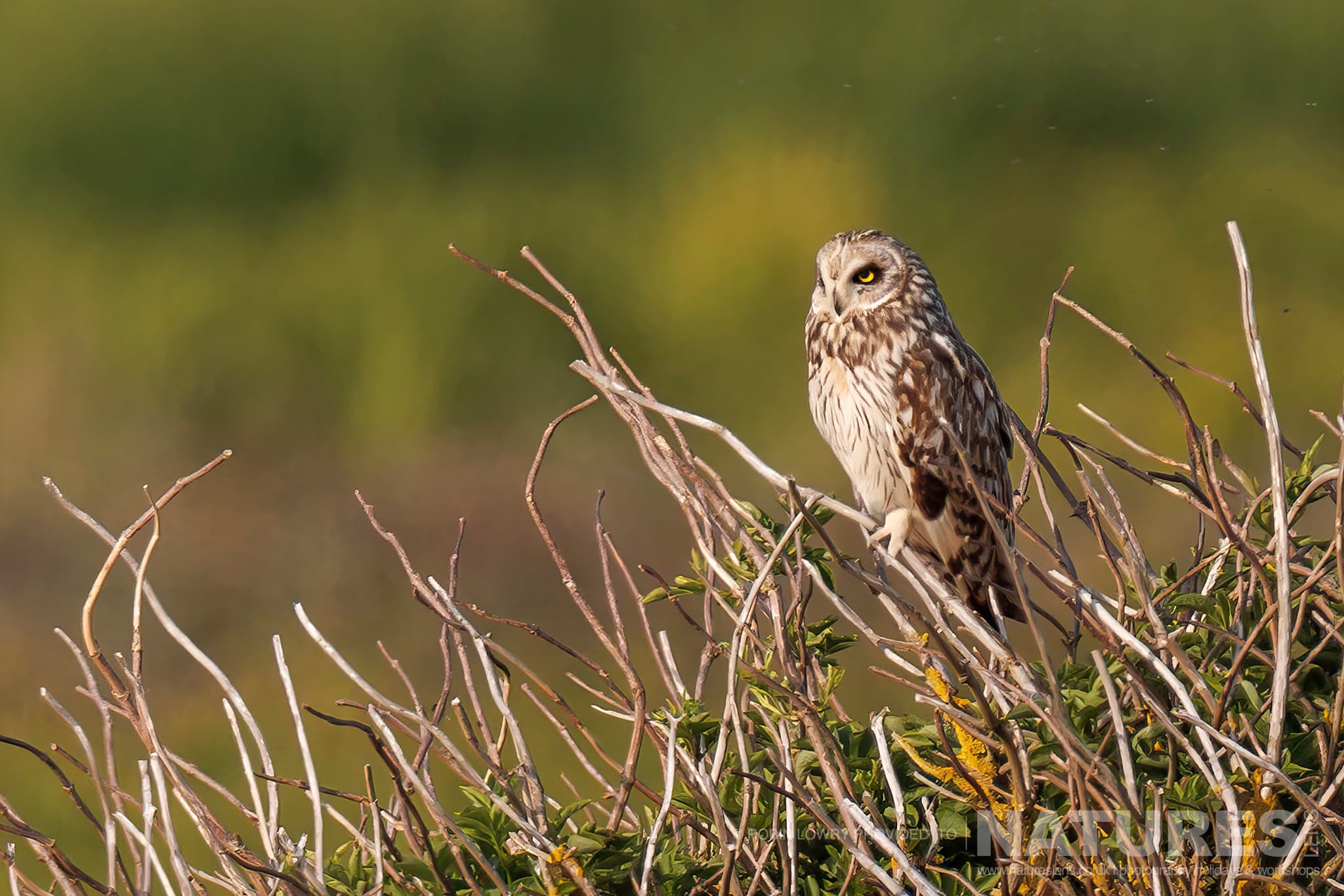
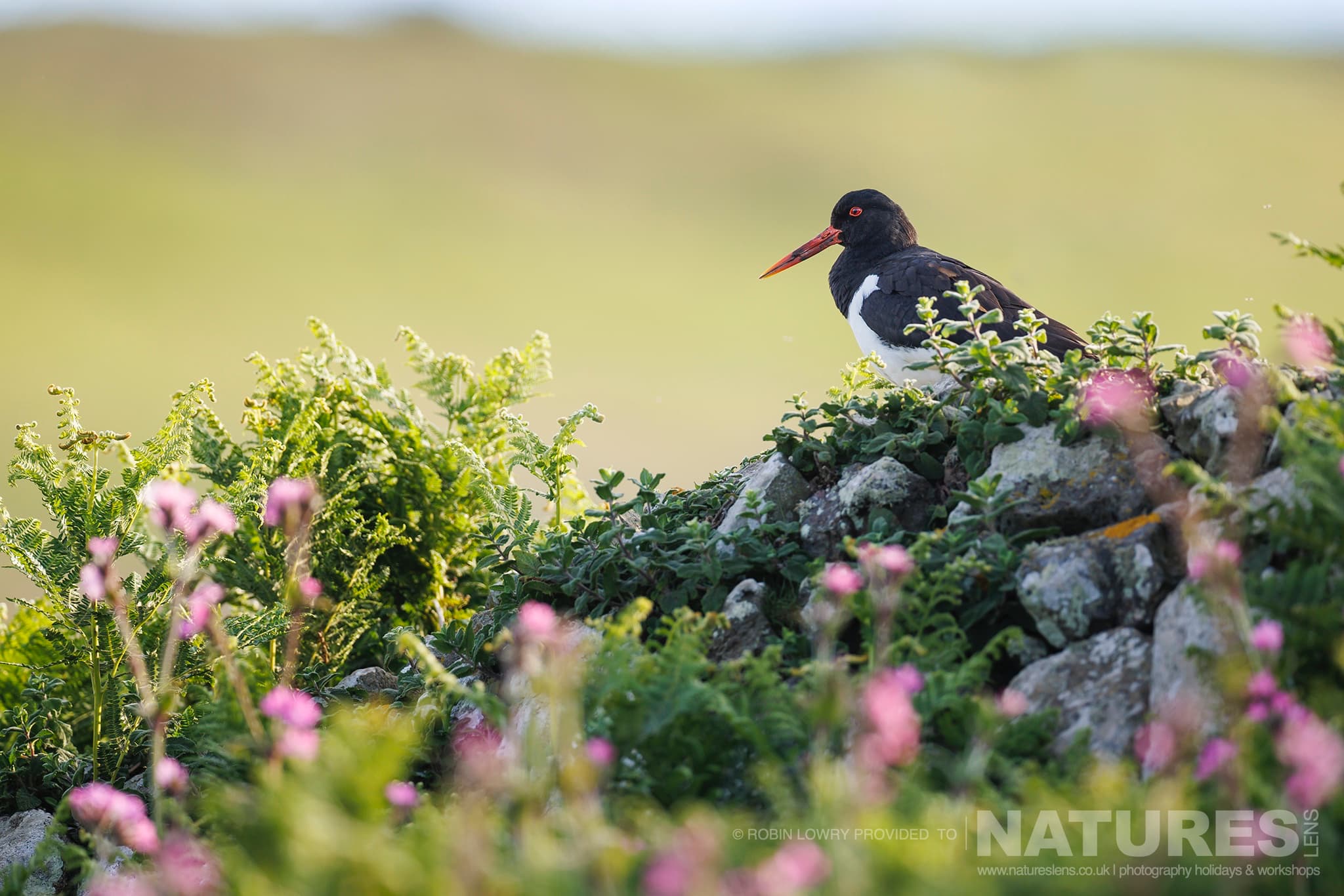
In addition to the Puffins of Skomer Island, the island is home to many other animals. Among them are a variety of seabirds, including razorbills, guillemots, gulls, shags, & cormorants. During the summer months, visitors can observe these birds nesting on the cliffs & foraging for food in the waters around the island.
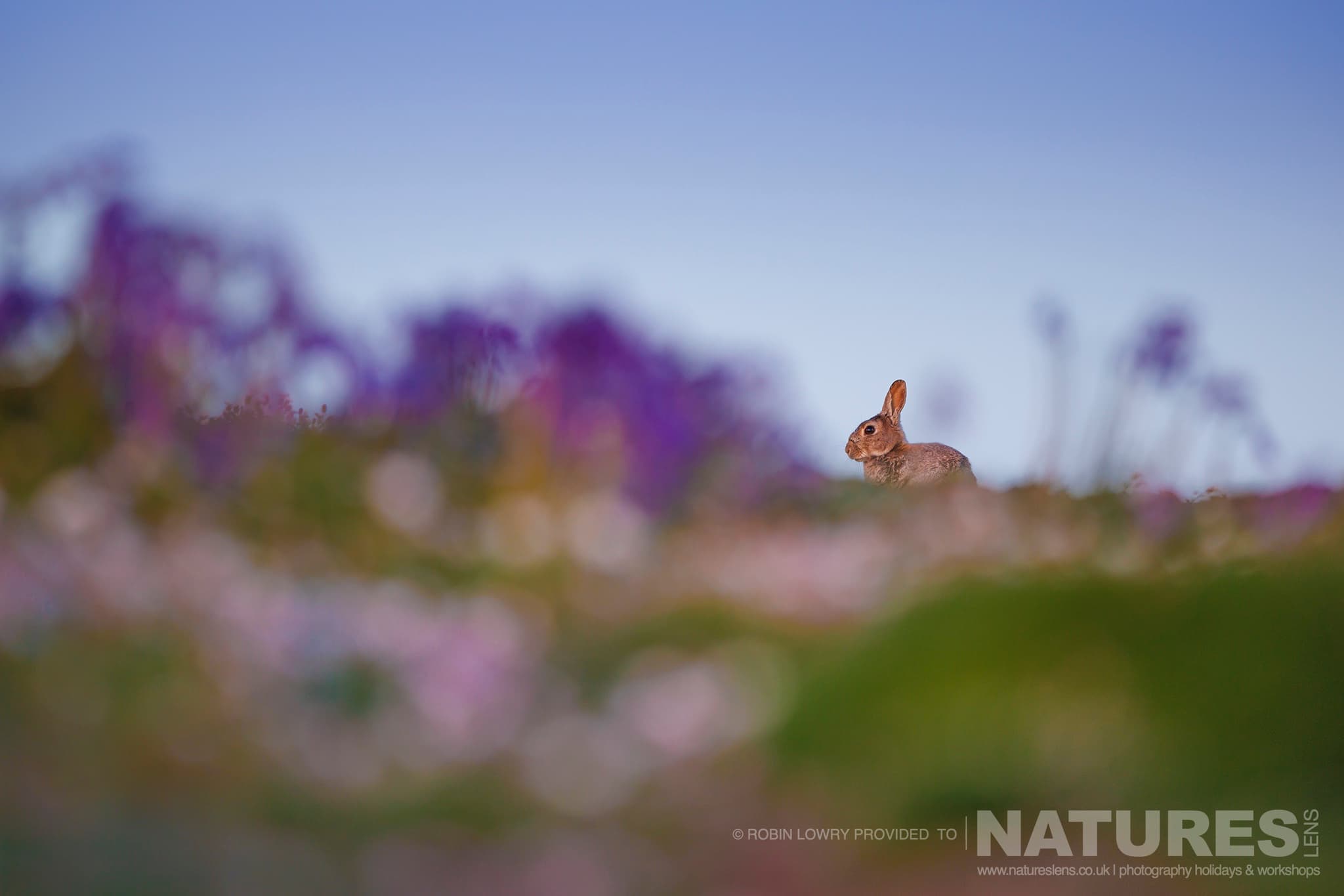
The Skomer Marine Conservation Zone also provides a home for various marine mammals, such as porpoises, seals, dolphins, & whales. Visitors can observe these animals from the boat or while walking. The island is also home to various plant species, such as Irish moss & yellow flag irises, adding to the island’s unique beauty.
Closing Thoughts on Skomer Island
Skomer Island in Wales is an notable place to experience the wonders of nature. The Puffins of Skomer Island provide visitors with an notable experience, with the opportunity to observe the birds at close range. In addition, visitors can also watch an array of other animals, such as seabirds, marine mammals, & plants.
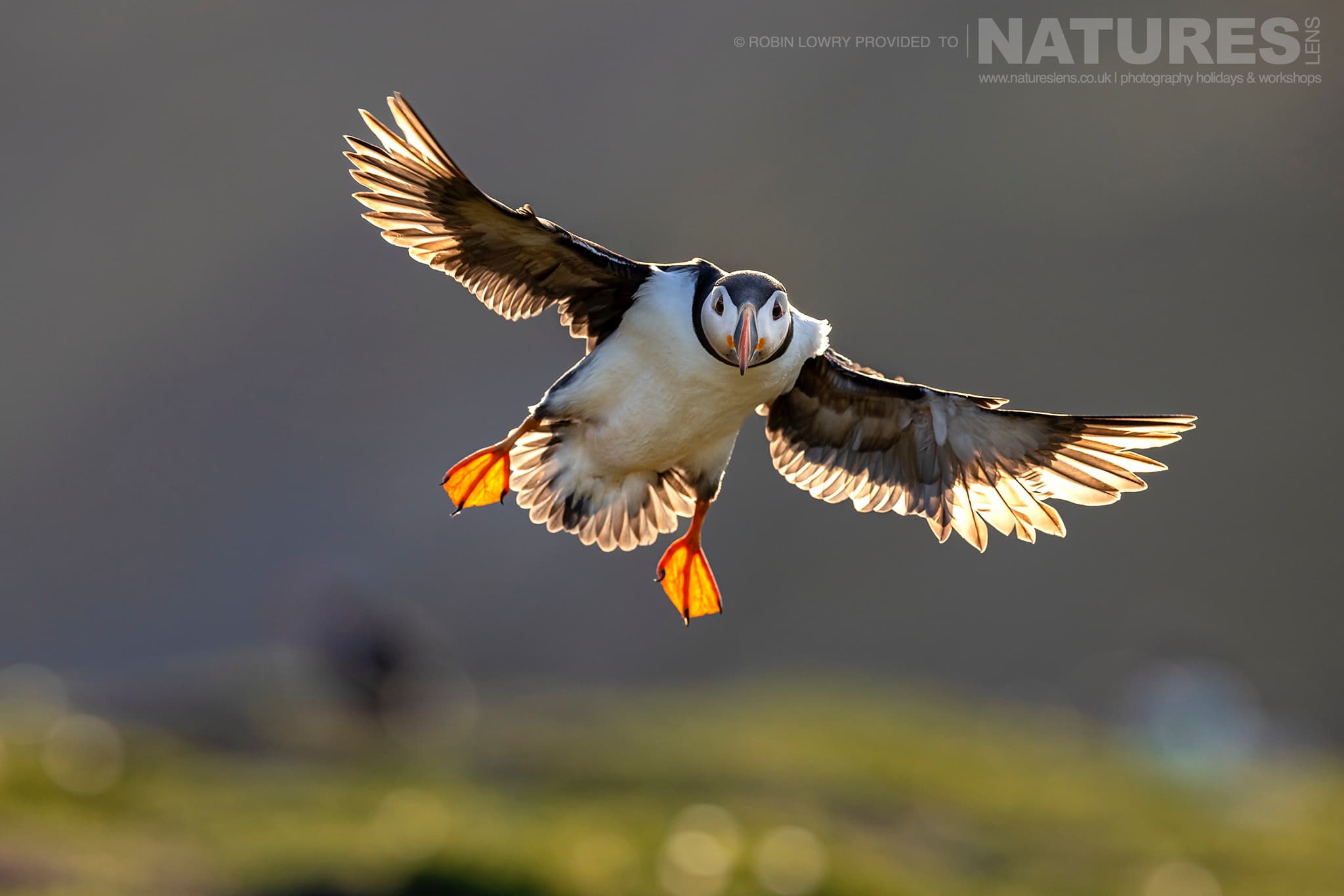
There is a range of subjects on Skomer Island, whether or not you choose to stay overnight. Day visitors can take a boat ride around the island to observe the Puffins or take a guided walk along the cliffs for a closer view; one thing is certain & that is that visitors will be left with an rewarding experience. So, if you’re looking for a unique way to experience nature, Skomer Island in Wales is the place to be.

When Does NaturesLens Schedule Tours for Photographing the Atlantic Puffins of Skomer Island?
NaturesLens offers a range of Skomer Island photography holidays designed to allow photographers of all levels to add images of the fine Atlantic Puffins to their portfolio. These trips generally are conducted in May, June & July when the Skomer Island wildlife is most active.
Our photography holidays allow photographers to capture strong images of the Atlantic Puffins & other Skomer Island species. During our trips, photographers will also have the opportunity to photograph an array of other seabirds, marine mammals, & plants.
At NaturesLens, we aim to provide photographers with an rewarding experience that will leave them with beautiful, memorable images. Our trips are led by experienced wildlife photographers who are passionate about wildlife photography & are dedicated to helping photographers capture the best images possible.
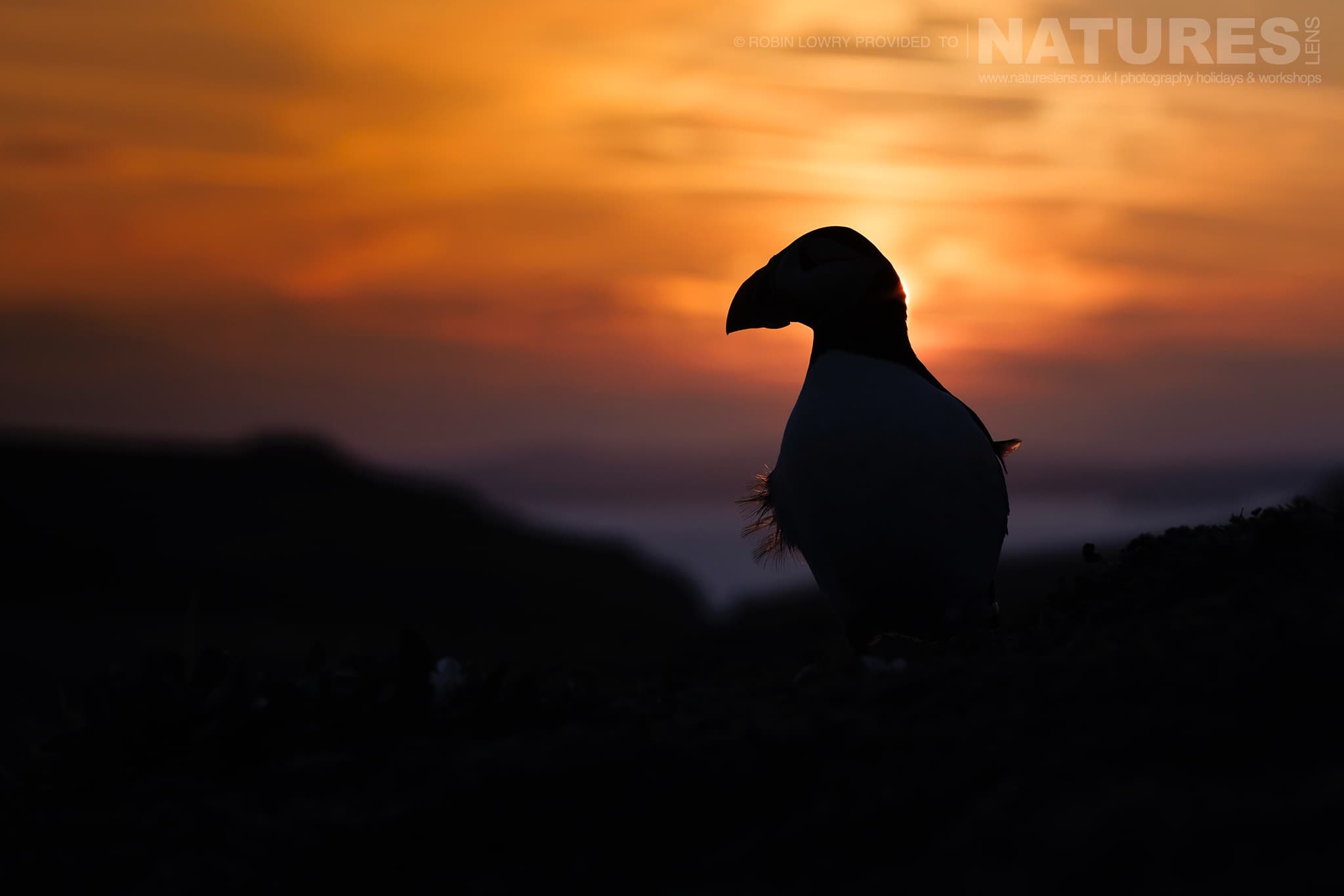
- NaturesLens wildlife photography holidays are structured around photographic opportunity — every schedule decision is made around light, behaviour, & access.
- Small groups of 4–8 photographers ensure unhurried positions & individual guidance.
- Single occupancy accommodation is included as standard across the majority of our trips.