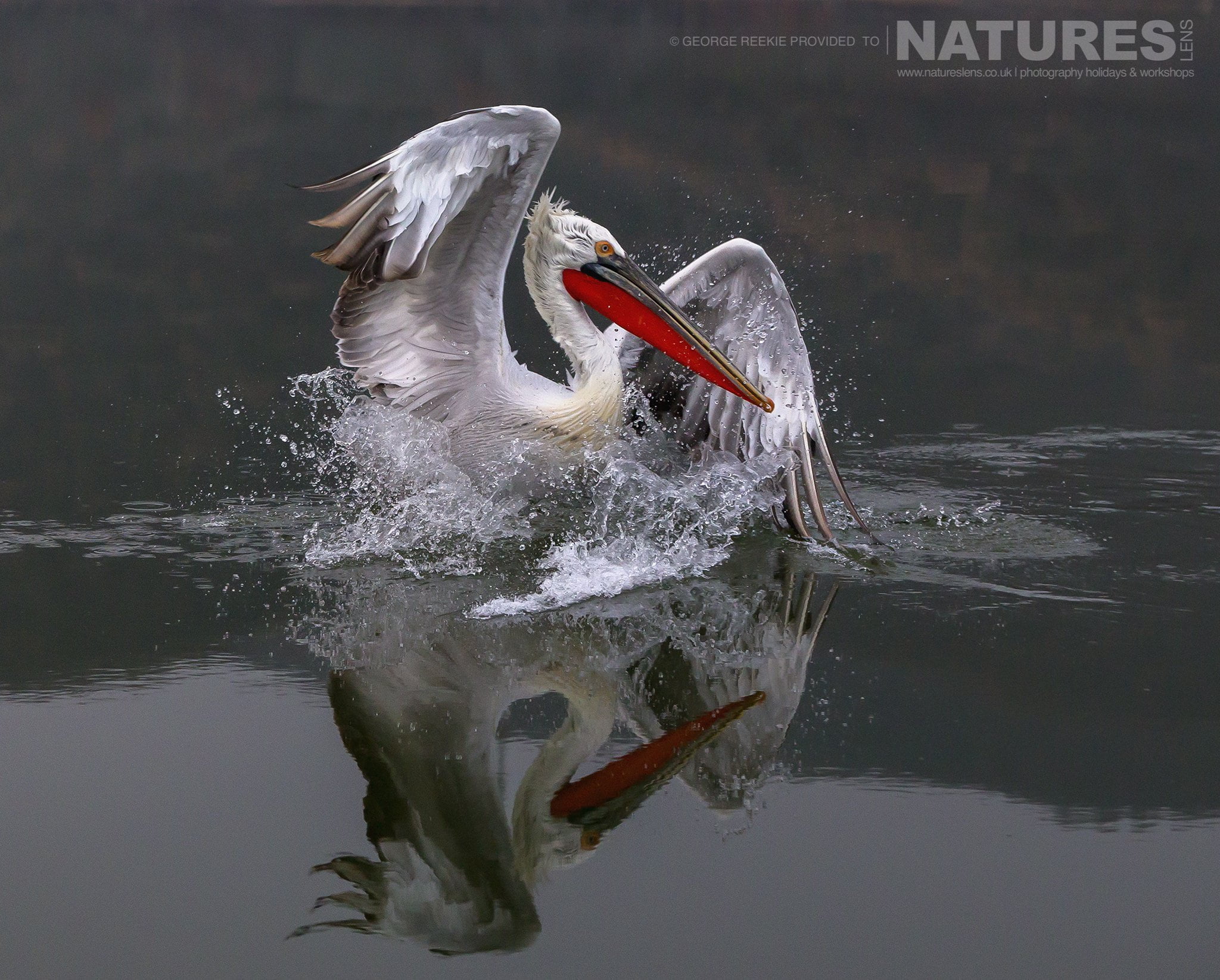
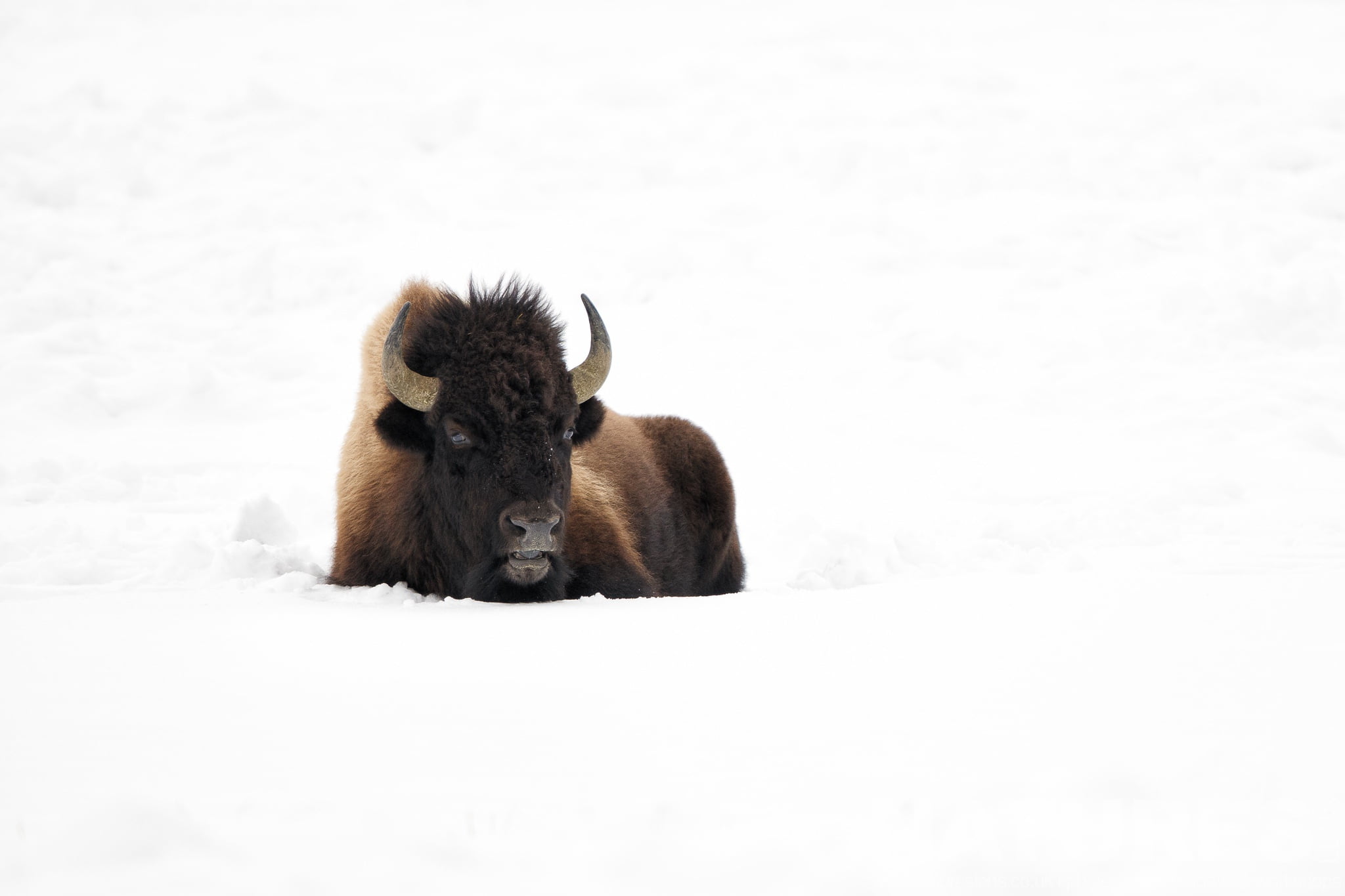
Hungary doesn’t get talked about as a wildlife photography destination the way Africa or the Americas do, but it should. The country’s network of purpose-built hides — most famously the Bence Máté hides — puts you at eye level & close range with subjects that would otherwise take weeks of fieldcraft to approach, in every season of the year.
For the current trip list, see our Hungary wildlife photography holidays; you can also explore more nature photography in Europe.
What makes Hungary work is the precision of the setup. These aren’t chance encounters; the hides are positioned & baited specifically so that otters, eagles & songbirds behave naturally within a few metres of your lens, in soft, predictable light. Winter & summer produce completely different subjects from the same network of hides, & the Hortobágy plain adds a third, wilder dimension entirely its own.
The Bence Máté hides in particular have been developed over years, with individual structures built & refined for specific species & specific behaviour — a low, water-level hide for otters, an elevated position for eagles coming in to a feeding platform, a concealed blind at a songbird perch. That level of purpose-built infrastructure is genuinely unusual in European wildlife photography, & it is the reason a relatively short trip here can produce results that would take far longer to achieve through general fieldcraft alone.
Our Hungary Photography Holidays
We run three distinct itineraries in Hungary. Here are the next departures for each:
20th – 26th Feb 2027 — Hungarian Winter Wildlife
6 nights | from £4,499 | Medium — Balanced Days with Moderate Activity
Working the Bence Máté hides through the winter months, when Eurasian Otters hunt at night under lights, White-tailed Eagles come in for fish, & Great Bittern & other wading birds work the reedbeds. A second departure runs in February 2028, guided by David Miles rather than Pui Hang Miles who typically leads the earlier winter date.
More info on Hungarian Winter Wildlife
5th – 11th Jun 2027 — Wildlife Photography Hides of Hungary
6 nights | from £4,499 | Medium — Balanced Days with Moderate Activity
The same hide network transformed by the breeding season, with European Bee-eaters, Hoopoe & Little Owl replacing winter’s otters & eagles as the summer’s signature subjects. Warmer, longer days extend the usable shooting window at each hide compared to the winter trip.
More info on Wildlife Photography Hides of Hungary
24th – 28th Jan 2027 — Eagles of the Hortobágy
4 nights | from £2,499 | Easy — Gentle Adventures, Accessible to Most
Our shortest & most accessible Hungary trip, built entirely around White-tailed Eagles on the open Hortobágy plain — a wilder, more expansive counterpoint to the fixed-hide precision of the other two itineraries, & a good option if your time is limited.
More info on Eagles of the Hortobágy
Still deciding which trip fits? Get in touch & we’ll help you match the season & itinerary to what you want to come home with.
What You’ll Photograph in Hungary
Winter at the Bence Máté Hides
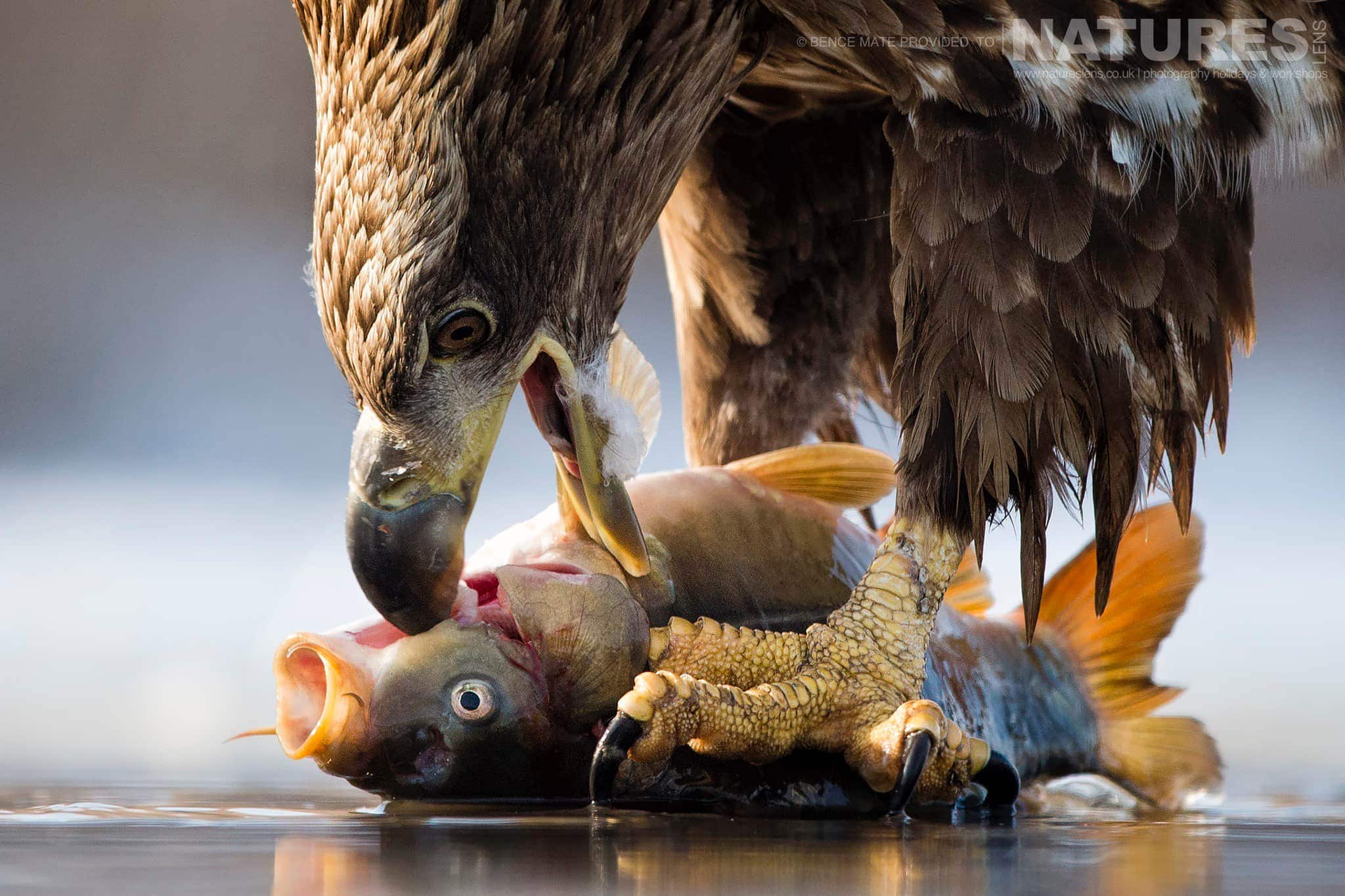
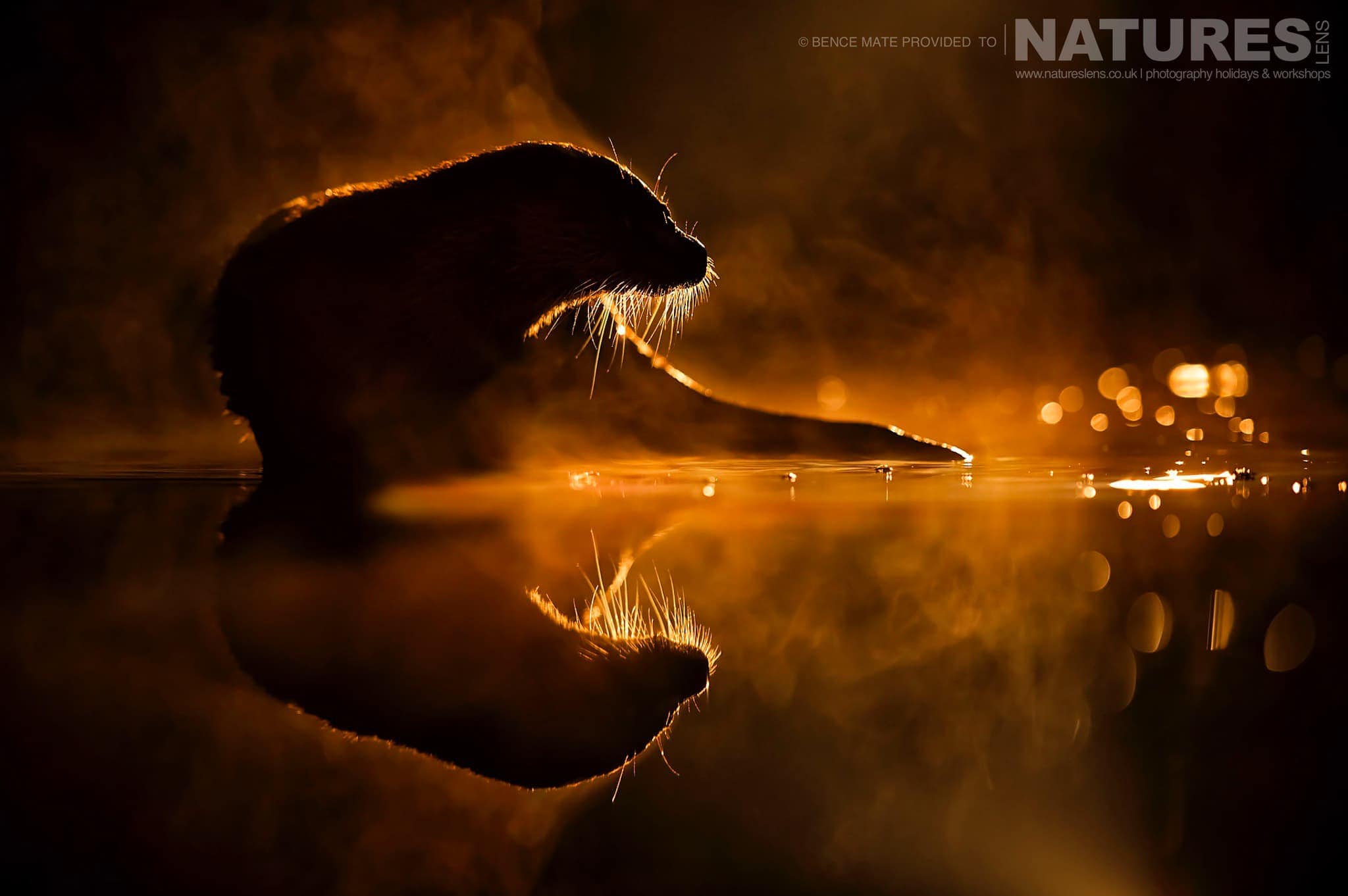
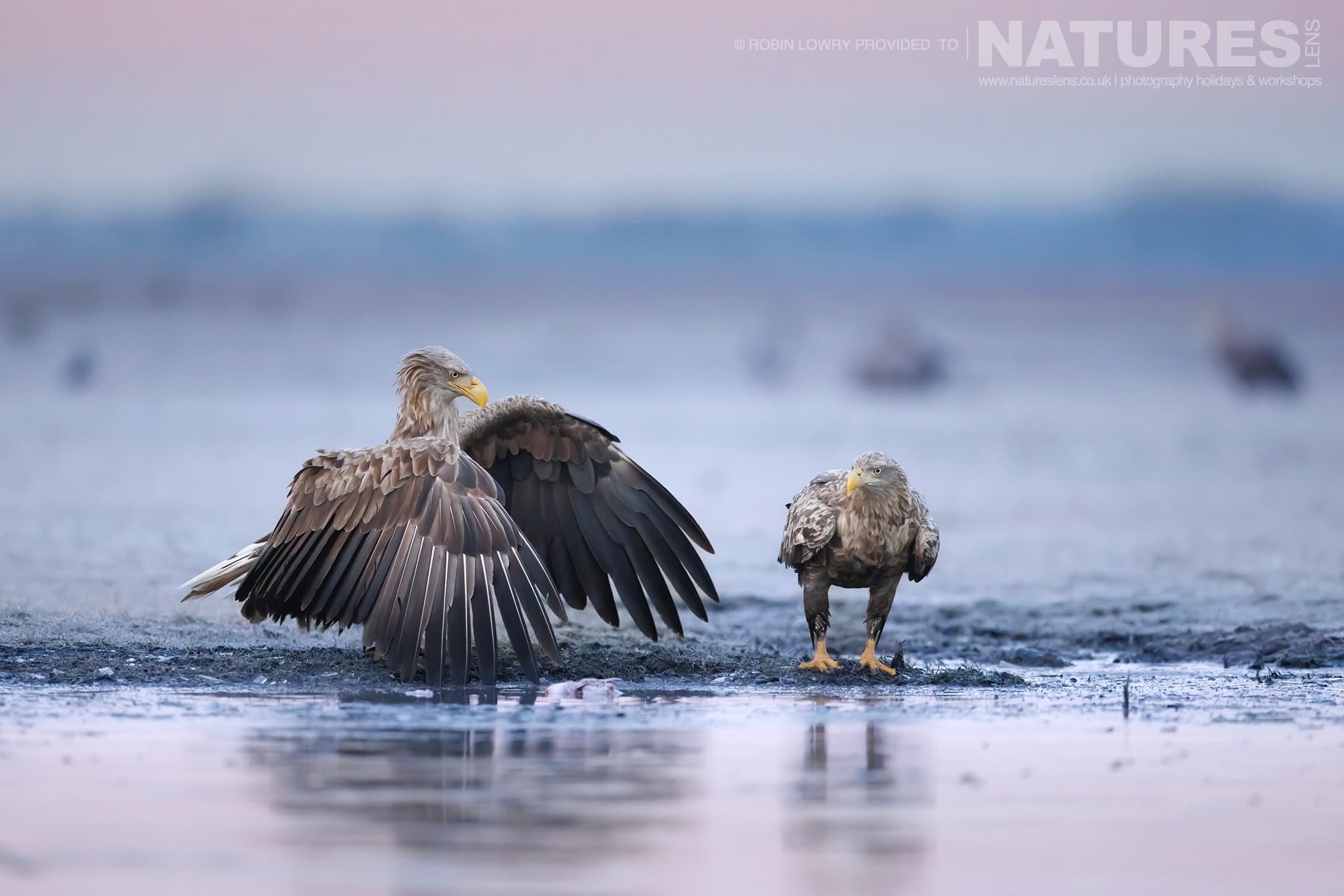
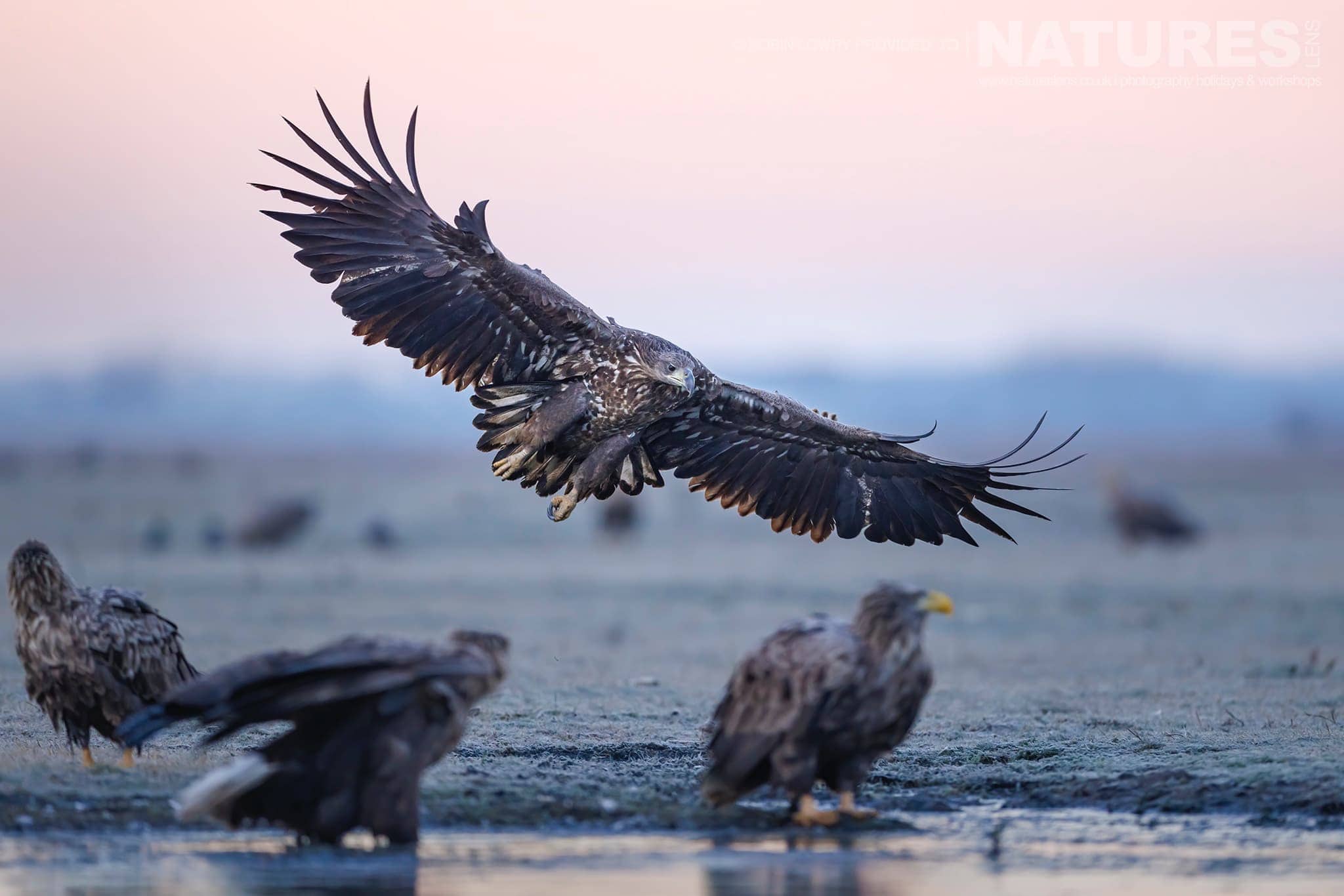
Winter turns the hides over to Eurasian Otters hunting at night under controlled lighting, White-tailed Eagles dropping in for fish against open water, & wading birds working the reedbeds at the water’s edge. See more in our Eagles & Raptors archive.
Night photography of the otters uses carefully controlled artificial lighting set up specifically for this purpose, which means you’re working with predictable, repeatable conditions rather than the unpredictability of natural light after dark — a genuinely different discipline from the daylight eagle sessions at the same hides.
Summer at the Bence Máté Hides
The same hides in the breeding season turn up an entirely different cast — European Bee-eaters working the sandbanks, Hoopoe feeding young at the nest, & Little Owl standing guard around old farm buildings. It’s a complete change of pace & subject from the winter trip, using the same infrastructure.
Bee-eaters nesting in sandbank burrows give a genuinely different composition challenge to the winter subjects — fast, colourful, & often photographed in flight rather than static, which rewards a faster shutter speed & more anticipation of flight paths than the winter otter & eagle work demands.
Eagles of the Hortobágy
The open plains of the Hortobágy National Park give White-tailed Eagles room to work — mantling over food, coming in to land against golden winter light, & silhouetted against open sky. It’s a wilder, more expansive setting than the fixed hides used on the other two trips. See more in our Eagles & Raptors archive.
Because this trip works open ground rather than a fixed hide, positioning relative to the light & the bird’s approach path matters far more than at the more controlled Bence Máté sites — a genuinely different, more reactive style of photography within the same country.
Combining the Hides with the Open Plain
Because the fixed-hide trips & the Hortobágy itinerary work such different terrain, several past guests have combined a winter Bence Máté departure with the shorter Hortobágy trip in the same visit, using the gap between them to travel between sites. It is a genuinely efficient way to see both faces of Hungarian wildlife photography without needing two separate trips to the country in different years.
David & Pui Hang split guiding duties across the winter departures, so which of the two leads your specific date is worth checking when you book if you have a preference — both bring the same intimate knowledge of the hide network, built up over repeated seasons working with the same hide operators. Budapest is the usual arrival point, with a manageable road transfer out to the hide network & the Hortobágy plain beyond. Direct flights from the UK keep travel time to a minimum on either side of the trip.
Planning Your Trip to Hungary
Because two of the three trips are built entirely around fixed hides, group sizes are kept small & sessions are carefully scheduled so that every guest gets proper time in the best positions rather than everyone crowding into one hide at once.
This is quite different from a vehicle-based safari, where the group typically shares a single vantage point — here, you may rotate between two or three hide positions over the course of a session to make sure everyone gets a genuine chance at the best light & behaviour.
Winter temperatures in Hungary can drop well below freezing, particularly overnight when the otter sessions run, so warm layers are essential even though the hides themselves offer some shelter from wind. A monopod or beanbag is worth bringing for the hide sessions, since space inside can be tight & a full tripod setup is not always practical. The summer trip is a much gentler proposition temperature-wise, though early starts are still the norm to catch the bee-eaters & hoopoes at their most active before the day heats up.
Join Us in Hungary
Hungary rewards photographers who want precision & reliability from their subjects — the hides are built to deliver, whatever the season — & that’s exactly what these three trips offer. Whether you’re drawn to the controlled intimacy of the Bence Máté hides or the wilder, open-plain eagle work at Hortobágy, the infrastructure & local knowledge behind each itinerary is what makes Hungary punch so far above its reputation as a wildlife photography destination. Get in touch if you’d like help choosing between the winter, summer, & Hortobágy itineraries, or head straight to the Hungary destination page to see current availability across all departures.
Plan your Hungary photography holiday
Explore our Hungary wildlife photography holidays, compare more nature photography in Europe, & meet the NaturesLens photography guides who lead our small-group trips.