Canada’s wilderness spans a genuinely vast range of habitat, from the temperate rainforest & salmon rivers of coastal British Columbia to the deep snow & boreal forest of the winter interior — & this series covers both, across two distinct small-group trips built around some of North America’s most iconic mammals.
For the current trip list, see our Canada wildlife photography holidays; you can also explore more North America wildlife photography trips.
Grizzly Bear on the coast, & Canada Lynx, Fisher, & Timber Wolf through the winter interior, give photographers a genuinely different Canada depending on which trip — or both — they choose. David Miles & Pui Hang Miles guide both trips, drawing on years spent working these specific regions.
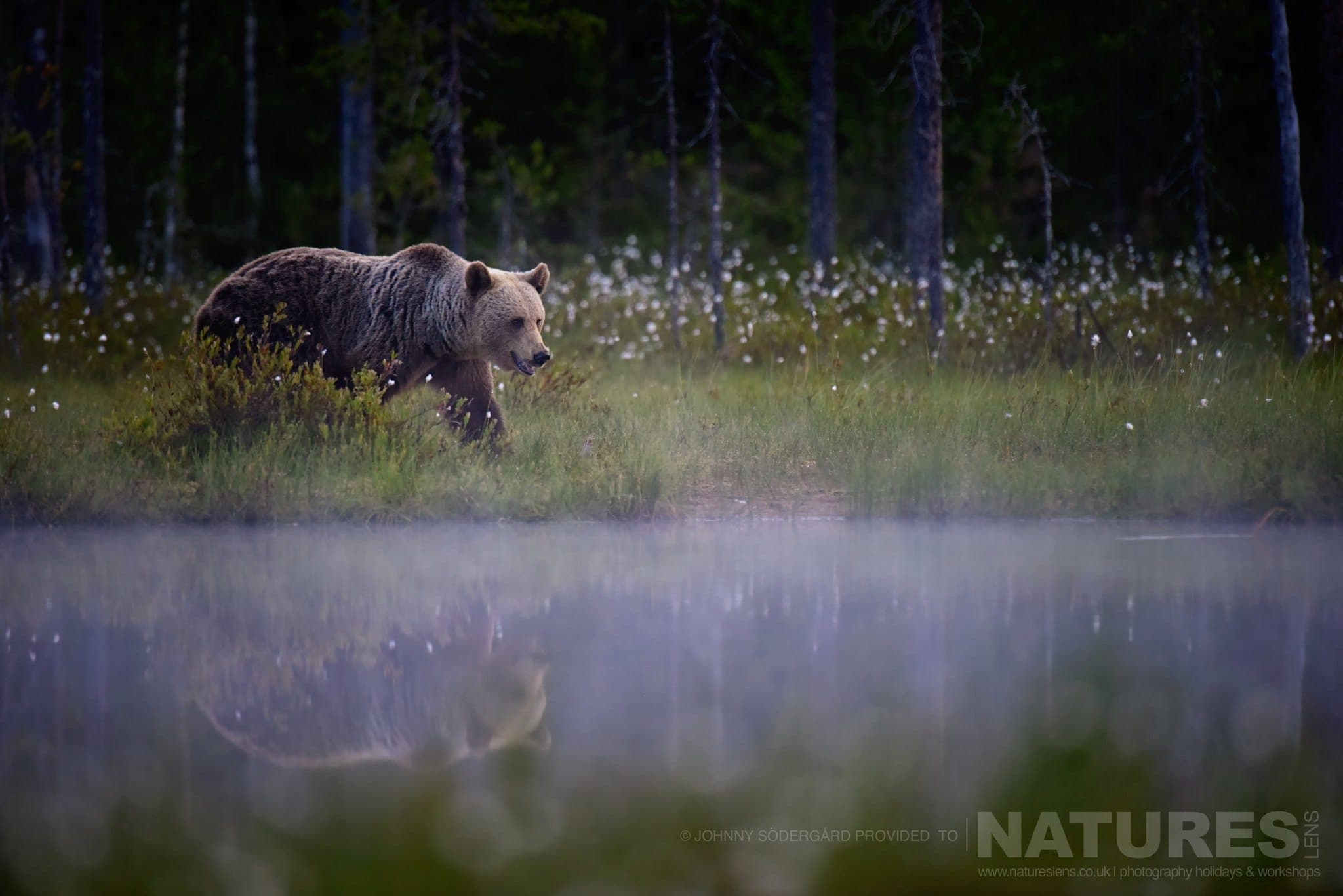
What makes Canada work as a photography destination is scale & genuine wildness — these are free-ranging animals across enormous, largely undeveloped landscapes, giving encounters a rawness that’s increasingly hard to find elsewhere in North America.
Our Canada Photography Holidays
We run two small-group trips to Canada, both guided by David Miles & Pui Hang Miles:
31st Jul – 6th Aug 2028 — Grizzly Bears of British Columbia
5 nights | from £8,999 | Easy — Gentle Adventures, Accessible to Most
Boat-based access to coastal river estuaries where Grizzly Bears gather to fish for salmon, working from a stable platform that keeps the group close without disturbing natural feeding behaviour.
More info on Grizzly Bears of British Columbia
5th – 12th Mar 2027 — Wolves, Lynx & Winter Wildlife of Canada
6 nights | from £7,999 | Medium — Balanced Days with Moderate Activity
A winter tracking trip through boreal forest, built around Timber Wolf, Canada Lynx, & the genuinely elusive Fisher, working a mix of vehicle-based routes & short tracking walks through deep snow.
More info on Wolves, Lynx & Winter Wildlife of Canada
Want to know more before booking? Get in touch & we’ll talk you through which trip — or both — best suits what you’re hoping to photograph.
What You’ll Photograph in Canada
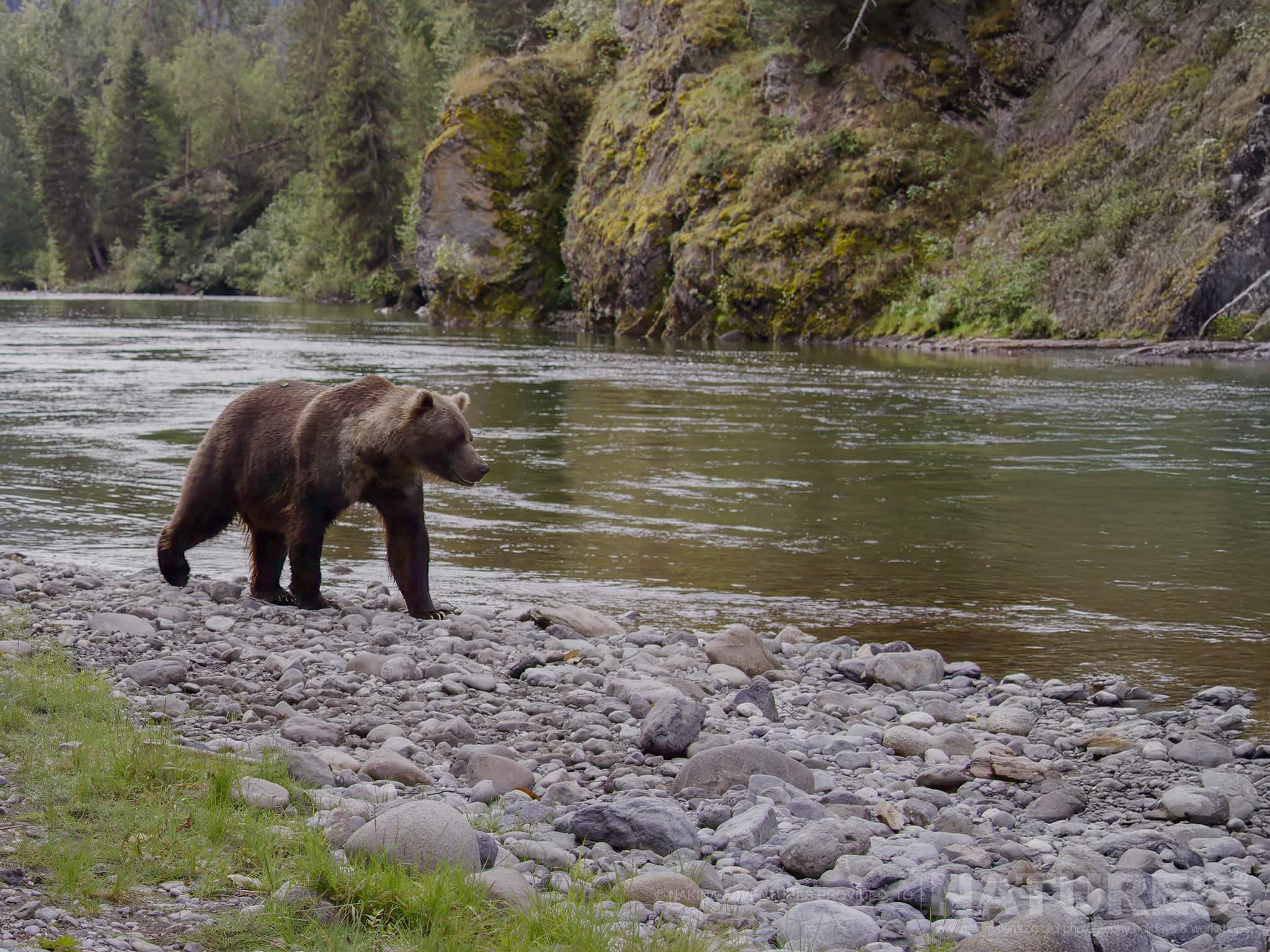
Grizzly Bear
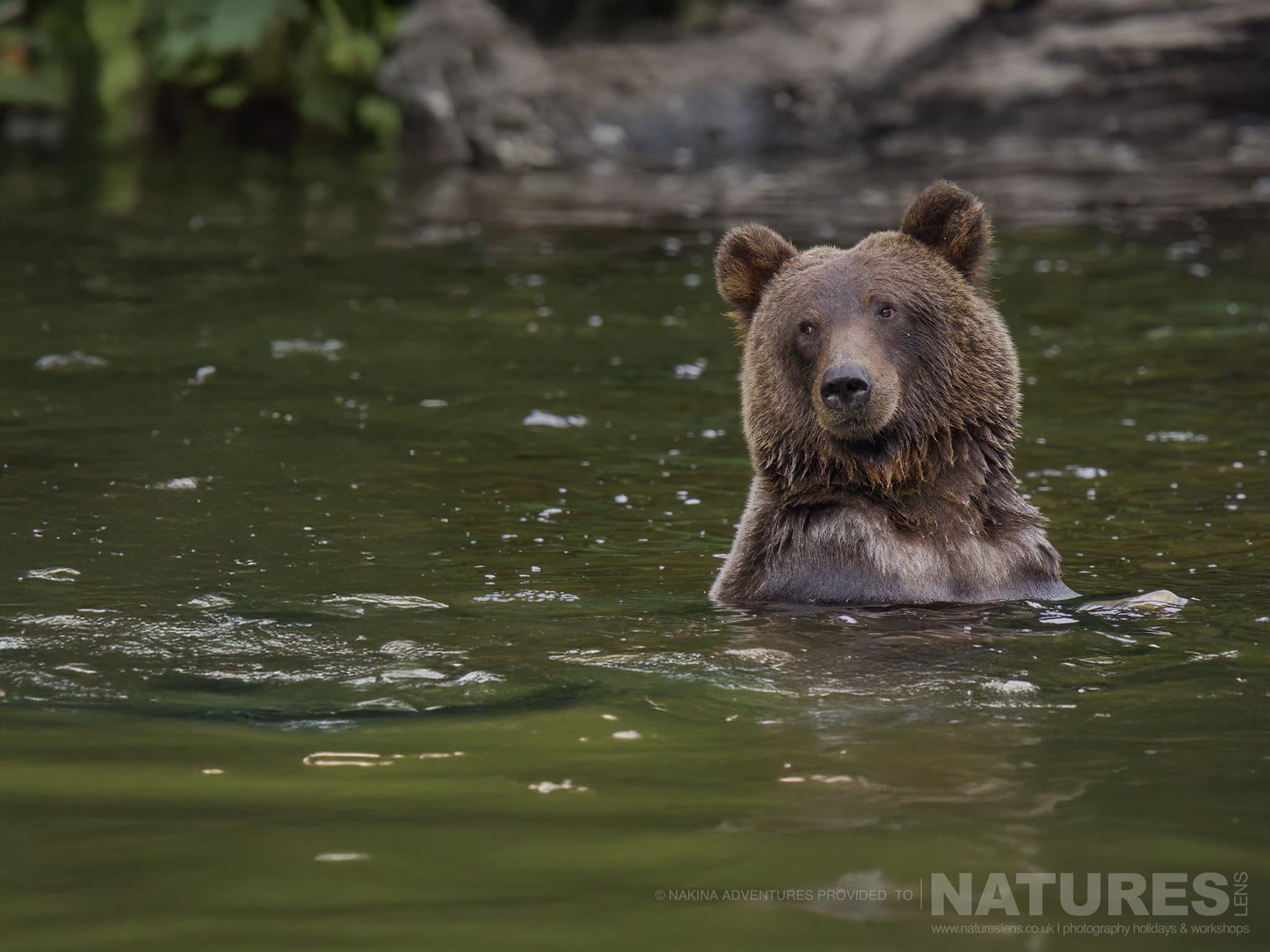
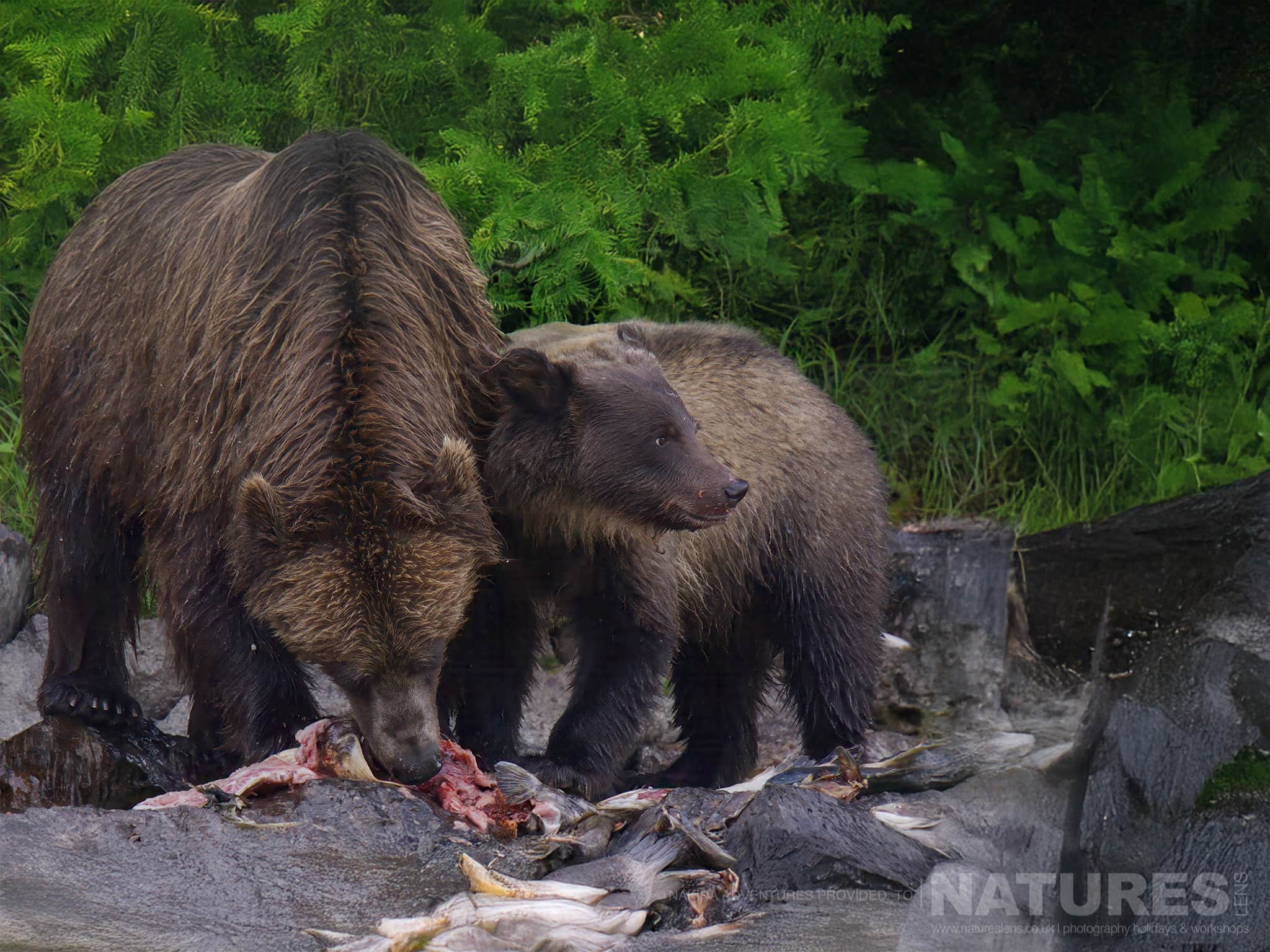
Watching several bears work the same stretch of river, each with its own fishing technique & temperament, is a genuinely absorbing way to spend a full day of photography.
Coastal Grizzly Bears gather at river estuaries during the salmon run, offering some of the most reliable close-range bear photography anywhere in North America. Working from a boat gives a stable, low vantage point right at the water’s edge, where bears fish, wrestle over prime spots, & occasionally pass remarkably close to the group. See more in our Bears & Wolves photo archive.
Because the bears are focused entirely on fishing rather than on the boat itself, sightings tend to be calm & sustained rather than fleeting, giving genuine time to work compositions & wait for the right moment of action.
Timber Wolf, Canada Lynx & Fisher
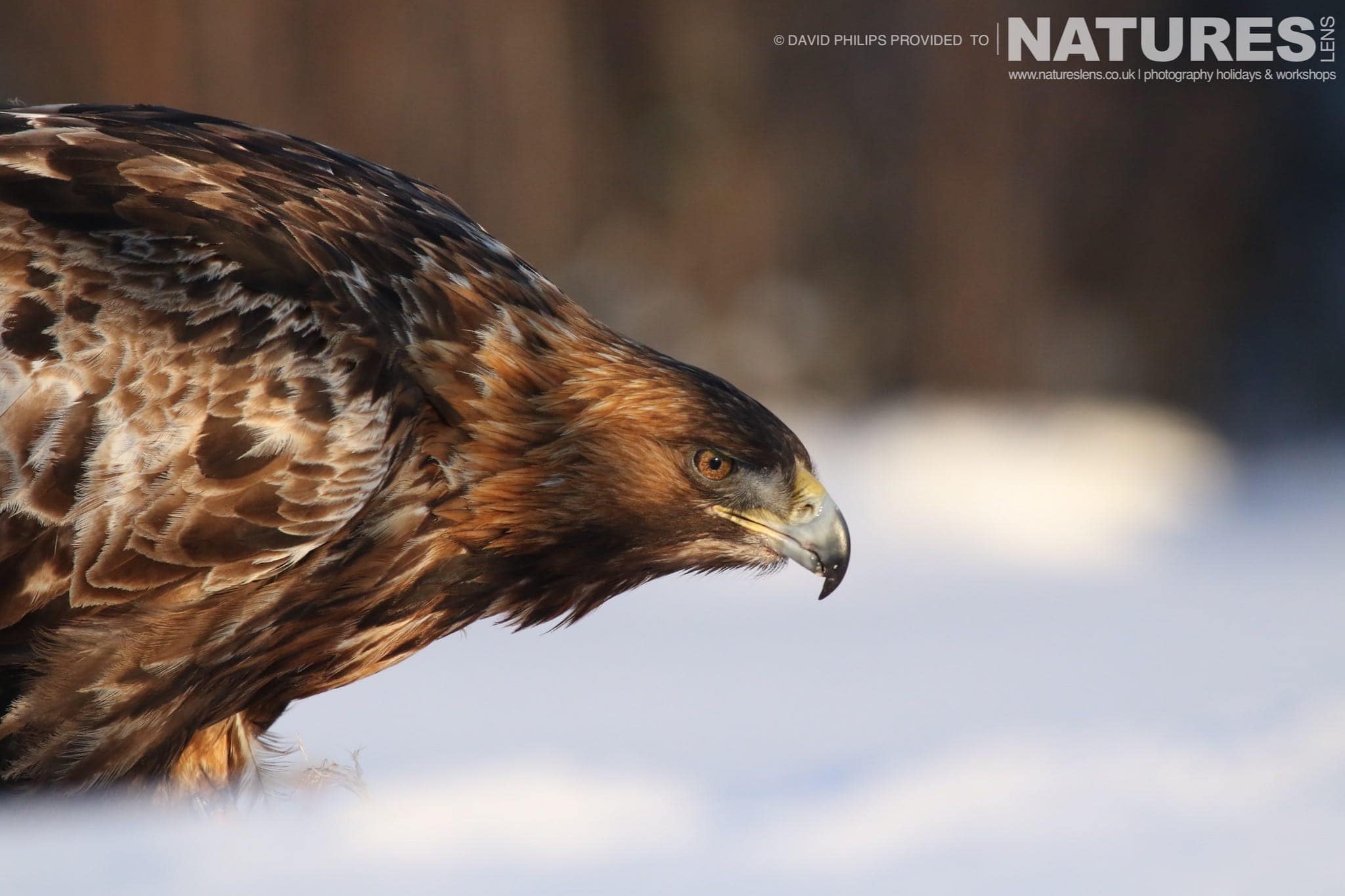
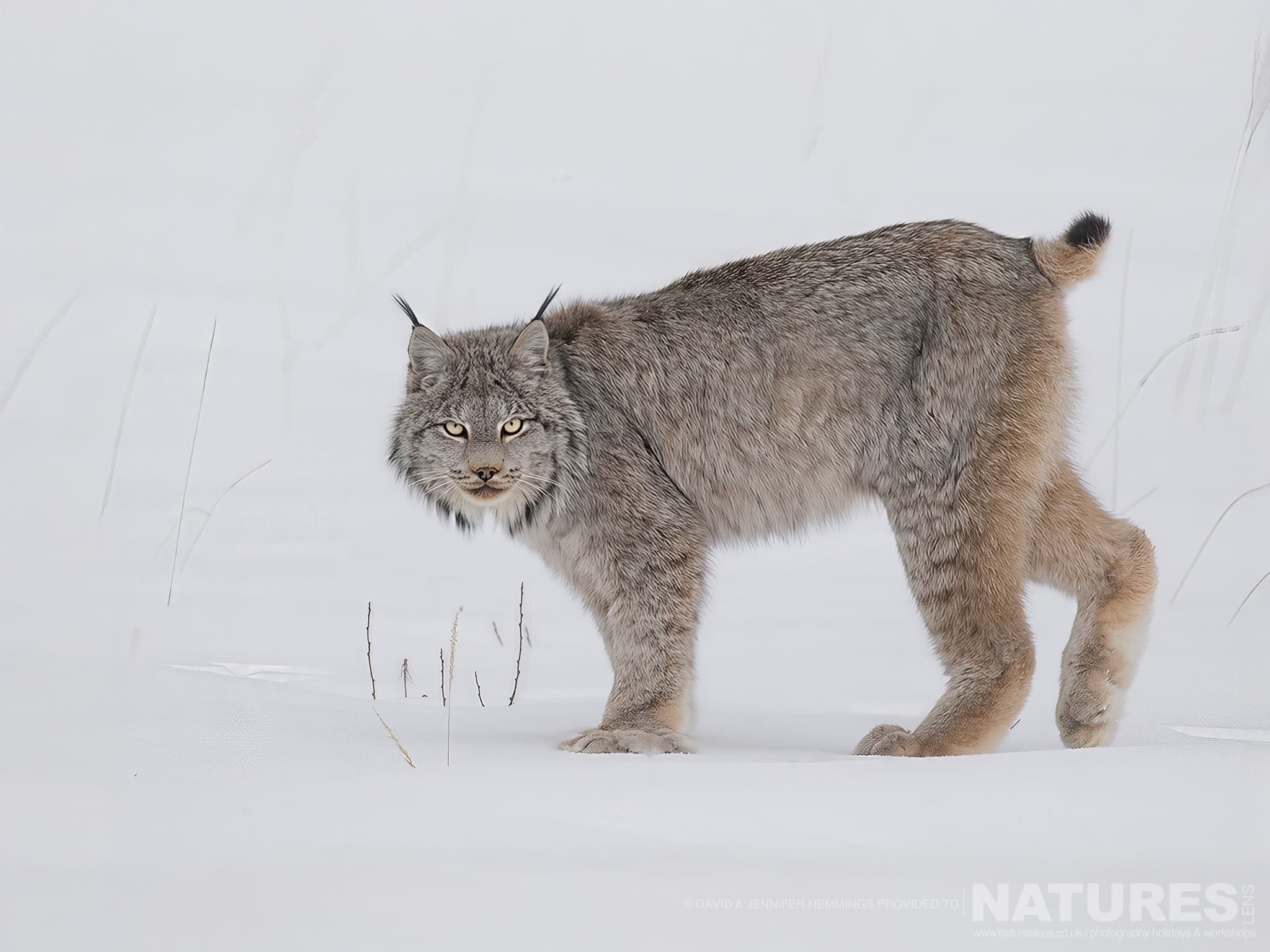
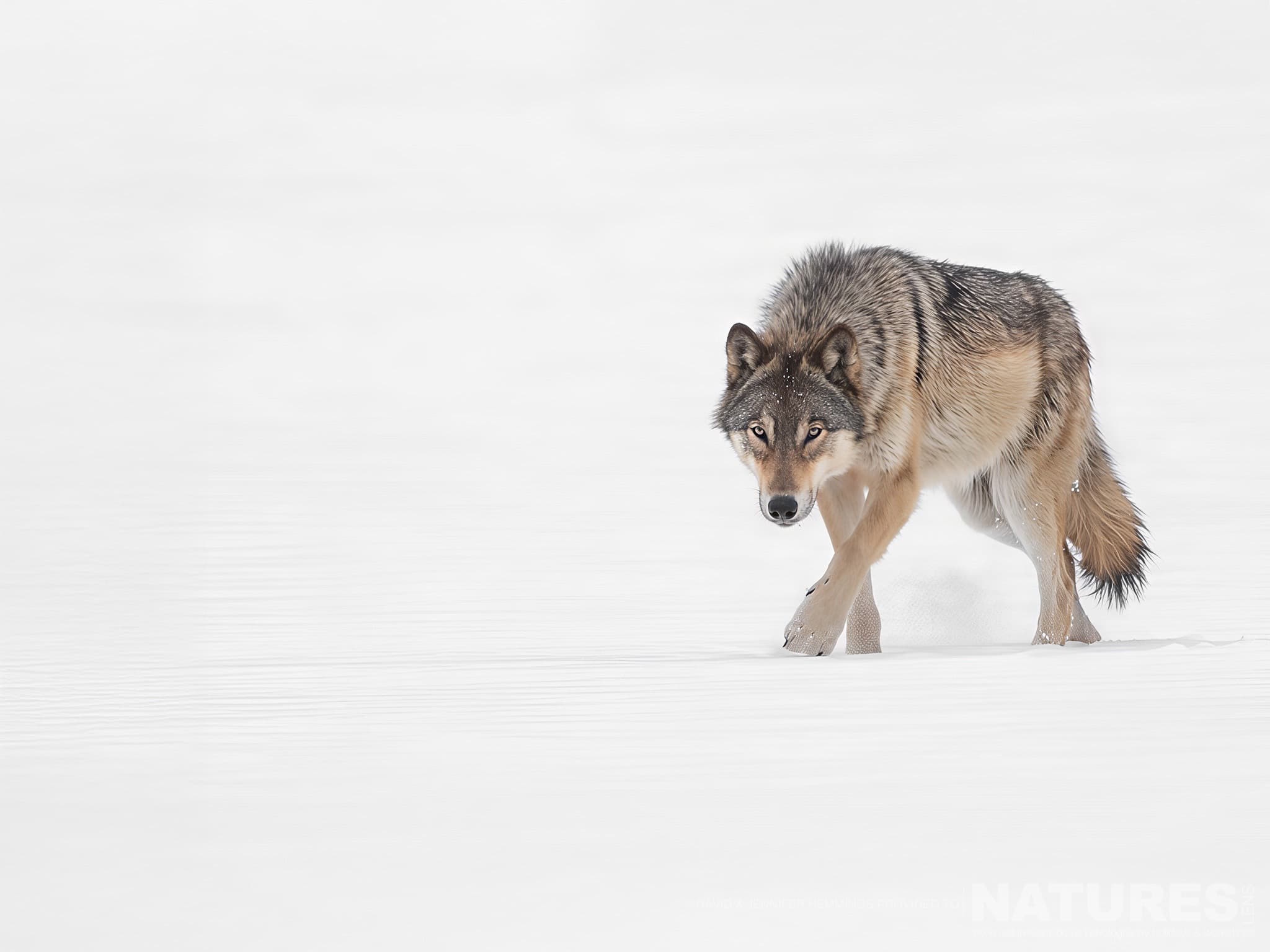
The winter trip covers a genuinely different side of Canada — Timber Wolf tracks & sightings across snow-covered boreal forest, Canada Lynx moving silently between the trees on their oversized snowshoe-like paws, & Fisher, one of the hardest mustelids in North America to photograph in the wild.
All three species demand patience & careful, quiet fieldcraft, & David & Pui Hang’s knowledge of current territory & movement patterns makes a genuine difference to the group’s odds across the week.
Fisher: A Genuine, Rare Sighting
Even a brief, distant glimpse counts as a real success on this trip.
Of the three winter mammals on this trip, Fisher is by far the hardest to photograph — a secretive, fast-moving mustelid that spends much of its time in dense cover & rarely sits still long enough for more than a fleeting frame. A confirmed Fisher sighting is treated as a genuine bonus rather than an expectation, even by guides with years of experience in this specific forest.
Two Very Different Landscapes
Choosing between them — or booking both — genuinely depends on what kind of wilderness experience appeals most, rather than one trip simply being better than the other.
British Columbia’s coastal rainforest — dense, green, & fed by near-constant moisture off the Pacific — is a world apart from the stark, snow-covered boreal forest of the winter trip. Photographers who join both trips often describe them as feeling like two entirely different countries rather than two trips to the same one.
Why a Boat for the Bear Trip
Estuary banks can be soft, overgrown, & difficult to move along quietly on foot, whereas a boat gives silent, stable access right up to the water’s edge where the bears are actively fishing. It also allows the group to reposition quickly between different active fishing spots along the estuary without disturbing any bear already settled into a feeding rhythm.
When to Visit Canada
The Grizzly Bear trip runs in late July & early August, timed to the peak of the salmon run when bear activity at the estuaries is at its most reliable. The winter wolf & lynx trip runs in March, late enough in winter for snow cover to remain deep & tracking conditions favourable, while daylight hours are lengthening again after midwinter.
Planning Your Trip to Canada
A telephoto lens in the 300mm to 500mm range suits the boat-based bear photography well, while the winter tracking trip benefits from a slightly longer 400mm to 600mm range given the more cautious working distances typical of wolf & lynx sightings.
The bear trip calls for waterproof, layered clothing suited to coastal rain & cool water-level conditions, while the winter trip demands genuinely serious cold-weather gear — boreal Canada in March remains firmly in deep winter. Spare batteries, kept warm, are essential on the winter trip in particular.
Vancouver is the usual arrival airport for the Grizzly Bear trip, with a further flight or boat transfer to the coastal region used. The winter trip is typically reached via a regional airport closer to the tracking area itself.
A Trip That Suits Every Experience Level
The Grizzly Bear trip’s boat-based approach makes it genuinely accessible to photographers newer to wildlife photography, while the winter tracking trip asks a little more in terms of fitness & patience given the active searching involved. Both are guided closely enough that photographers of any experience level get the support they need to come away with strong images.
Choosing Between the Two Trips
Photographers drawn to big, powerful mammal encounters in a lush, green setting tend to gravitate toward the Grizzly Bear trip, while those who enjoy the discipline of quiet winter tracking & the challenge of genuinely elusive species tend to prefer the wolf & lynx itinerary. Both are guided by the same pair, so either choice comes with the same depth of local knowledge.
Beyond the Headline Species
Bald Eagle, harbour seal, & the occasional pod of orca are common sightings alongside the bears on the coastal trip, while the winter trip regularly turns up moose, red fox, & a wide range of forest birds between the headline mammal sightings.
Join Us in Canada
Photographers who complete both trips often say each gave them a completely different photographic vocabulary for the same country.
Whether it’s coastal bears at the height of the salmon run or wolves & lynx moving through deep midwinter snow, Canada delivers a genuinely raw, uncrowded version of North American wildlife photography.
Few countries in this series offer two such genuinely different wildlife experiences under one destination — coastal bears fishing for salmon, & winter wolves & lynx moving through snow-bound forest.
David & Pui Hang’s years of experience across both these regions is what turns either trip into a genuinely productive one.
Get in touch if you’d like to know more, or head straight to the Canada destination page to see current availability.
Plan your Canada photography holiday
Explore our Canada wildlife photography holidays, compare more North America wildlife photography trips, & meet the NaturesLens photography guides who lead our small-group trips.