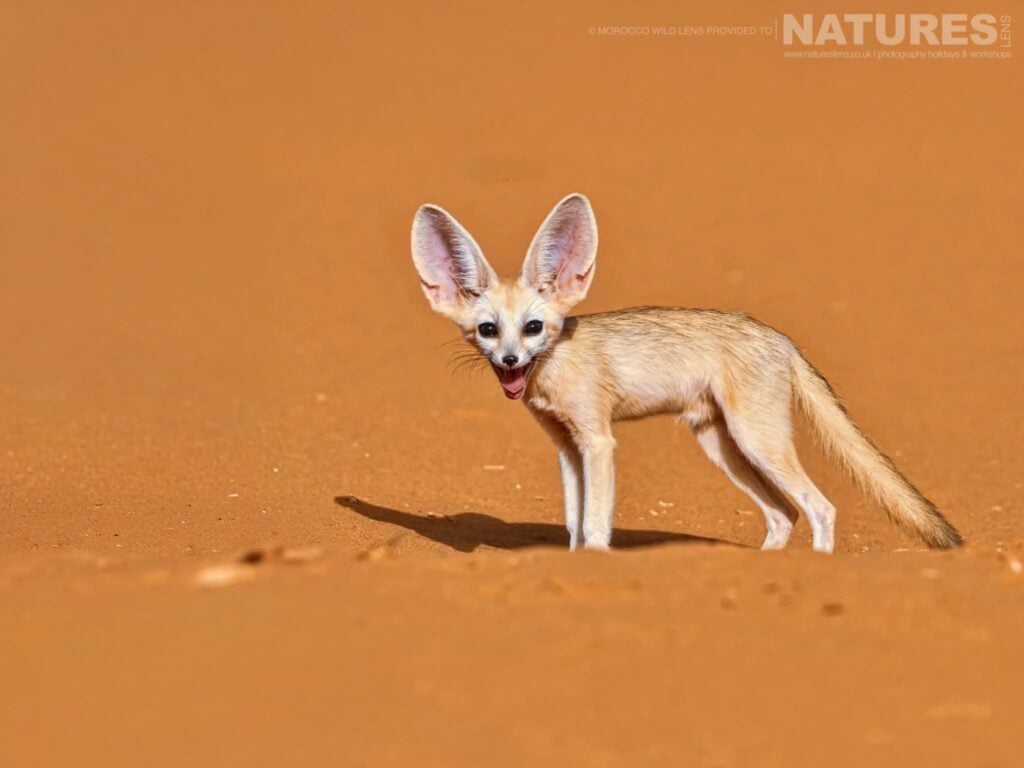
Species profile
About this species
The African Houbara Bustard is a medium-to-large ground-dwelling bird found across North Africa & the Canary Islands, characterised by its sandy-brown plumage with intricate black & white patterning that provides excellent camouflage in arid landscapes. It has a distinctive crest & a long neck adorned with black & white ornamental feathers that are displayed during courtship. The species is considered vulnerable due to habitat loss & hunting pressure, particularly as a traditional quarry bird in the Middle East.
Arid & semi-arid desert plains, stony plateaus, scrubland & sandy desert areas with sparse vegetation across North Africa & the Canary Islands
Where to photograph
Where our trips feature this species
You can photograph African Houbara Bustard with us in Morocco.
These departures are part of our Africa programme.
In the field, David Miles helps guests make the most of these encounters.
Field notes
Photography notes
Early morning during the cooler months of October to March is optimal, as birds are most active during these periods & the low-angle light enhances the subtle patterning of the plumage. The breeding season from January to March offers opportunities to photograph elaborate courtship displays.
Use a long telephoto lens of at least 500mm as these birds are extremely wary & will flush at long distances, requiring a cautious & patient approach from a vehicle used as a hide. Study the terrain beforehand & position yourself low to the ground to achieve a pleasing background blur & to appear less threatening to the bird. Early morning light is ideal for capturing the warm tones of the plumage against the desert substrate, & pre-focusing on known feeding routes can improve your chances of sharp action shots.
Available holidays
Trips featuring African Houbara Bustard
The holidays below are pulled from the same species relationship, so the guide stays tied to live departures rather than becoming a static article.