The Maasai Mara is among the most productive areas in East Africa for wildlife photographers. The reserve supports large populations of lions, leopards, cheetahs, elephants, & buffalo — all in open savannah grassland where sightlines are long & vehicle access is good. This article covers the key species, the best time of year to visit, & what our photography holidays in the Mara involve.
The Mara also supports over 450 bird species, from raptors soaring above the plains to colourful bee-eaters & rollers in the riverside woodland.

The Mara ecosystem covers roughly 1,510 square kilometres of savannah grassland, acacia woodland, & riverine forest. The open terrain means subjects are visible at distance — you spend less time searching & more time working.
From photographing African elephants up close to spotting lions, cheetahs, & gazelles, the Mara keeps you busy throughout.
What Is The wildlife you can typically see in Maasai Mara, Kenya?
The Maasai Mara National Reserve in Kenya is one of the most established safari reserves in East Africa. It’s home to a notable diversity of wildlife, including lions, leopards, buffaloes, giraffes, baboons, & many other species. One of the most popular attractions in the Mara is the annual wildebeest migration, which sees hundreds of thousands of wildebeest & zebra traverse the reserve to search for food & new grazing grounds.

The Mara’s plains are home to one of the densest populations of large predators in the world, & visitors will have the chance to spot lions & cheetahs as they roam through the grasslands. The area also hosts a variety of antelope species, such as Grant’s gazelle & Thomson’s gazelle, which are both common sightings. Herds of elephants can also be seen, particularly during the wet season when the vegetation is more abundant.


Birdlife is abundant in the Mara, with a wide range of species from raptors to smaller passerines. Vultures, eagles & hawks often soar above the plains, while pink-backed pelicans are usually spotted along the Talek River. The Mara is also home to more unusual species, such as the Lesser Kestrel, the Abyssinian Ground Hornbill & the White-belied Bustard.

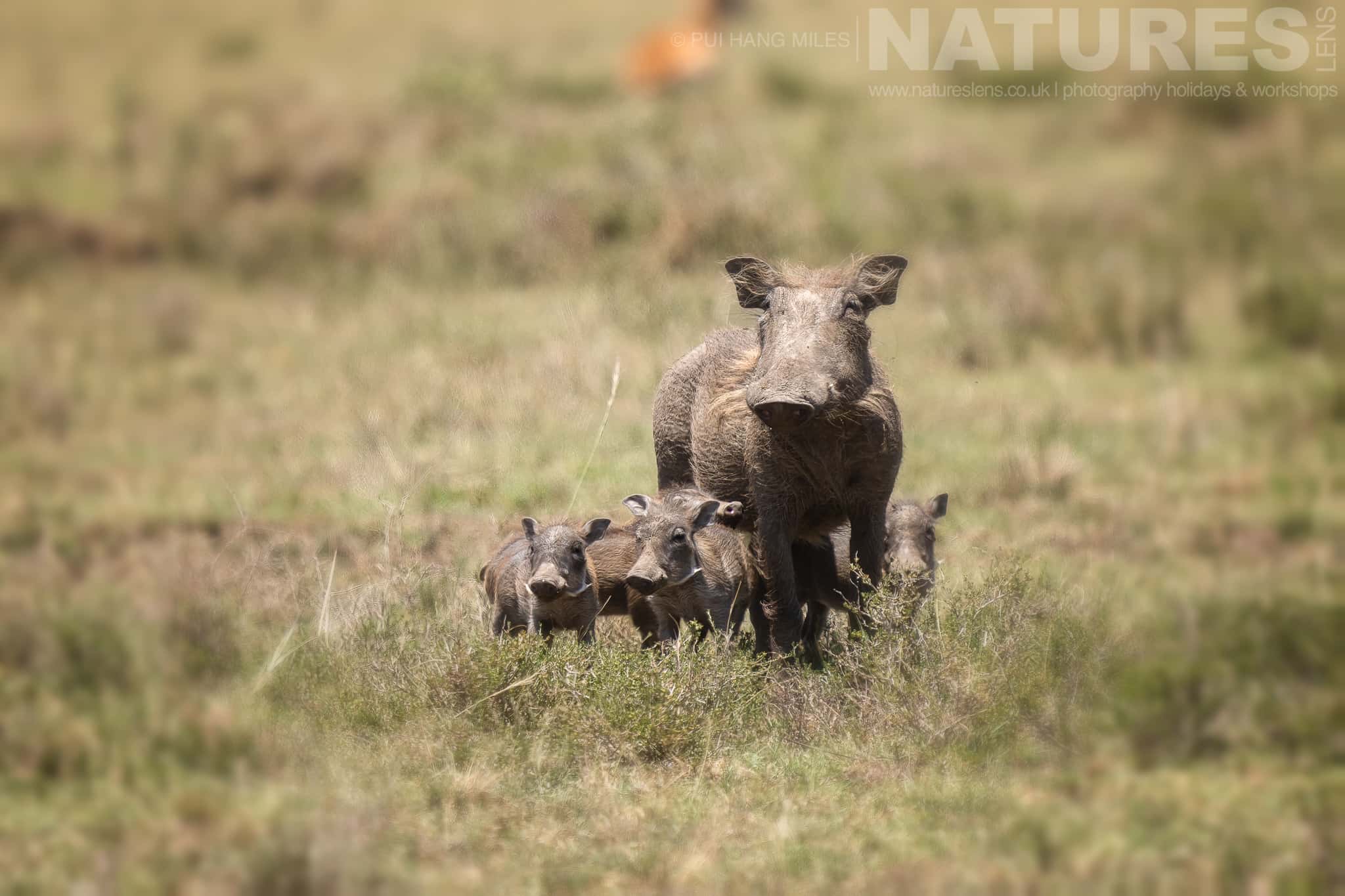
Other animals found in the Mara include hippos, crocodiles, hyenas, jackals, warthogs, ostriches, baboons, monkeys & genet cats. Nocturnal species are harder to spot; however, if you venture out on a late afternoon or early evening game drive, you may be lucky & see servals, African civets, mongooses & aardvarks. The Mara is truly a notable destination for witnessing the notable diversity of African wildlife.

Which is the best month to visit the Maasai Mara?
The best time to visit Maasai Mara & other parks in Kenya for optimal wildlife viewing is during the dry season from July to October. During this period, the Mara is quite dry, & the concentration of animals is higher as they are restricted to waterholes & areas near rivers & lakes. This makes spotting wildlife easier & more rewarding as the game is concentrated in fewer areas.
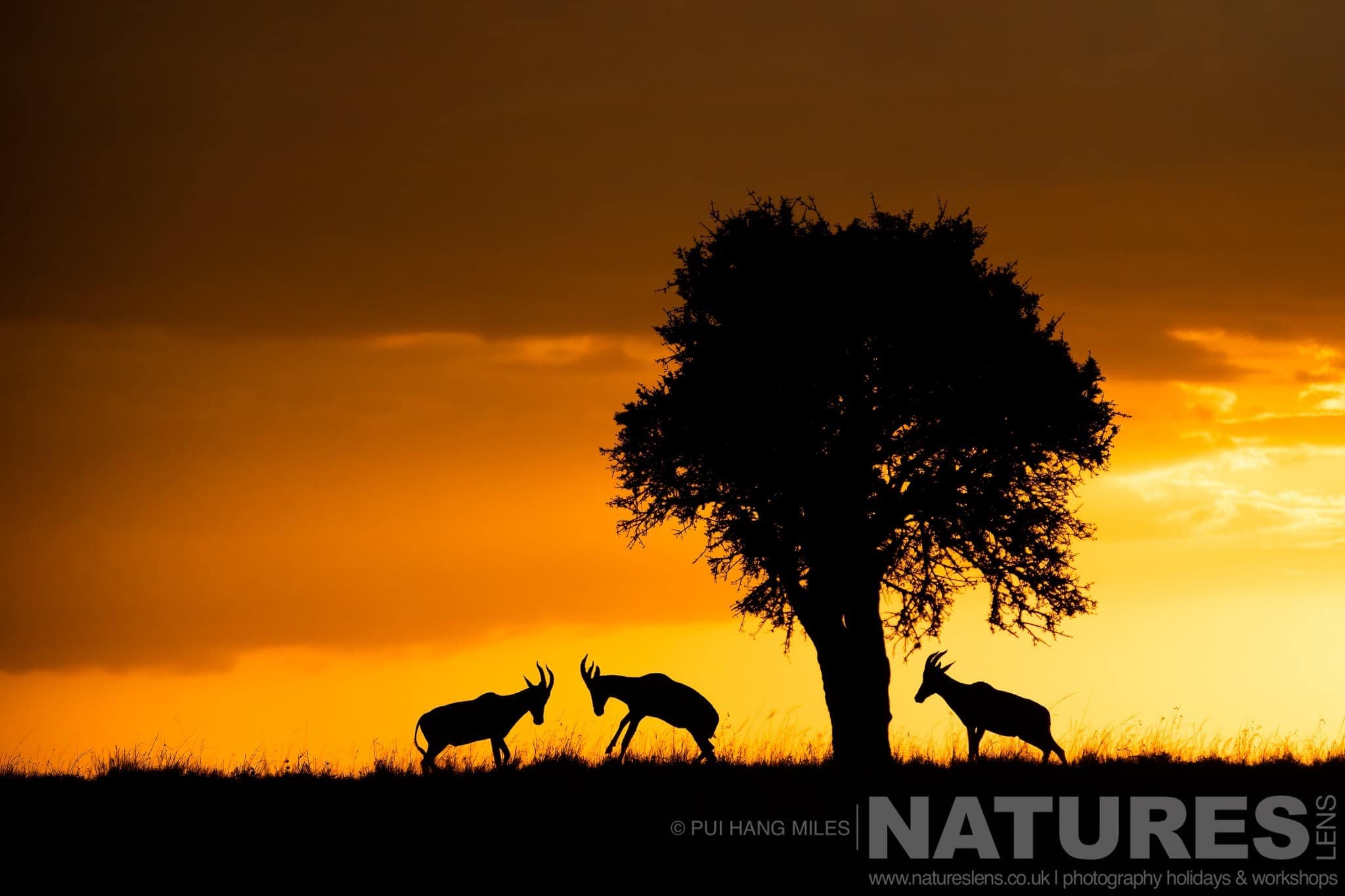
The months of July & August are particularly great for wildlife viewing in the Maasai Mara. Wildebeests & antelopes can be found grazing in the plains, & predators, including lions, cheetahs, leopards & hyenas, are out hunting. It is also a great time to witness the Great Migration, with millions of creatures going through the Mara Triangle in search of greener pastures.
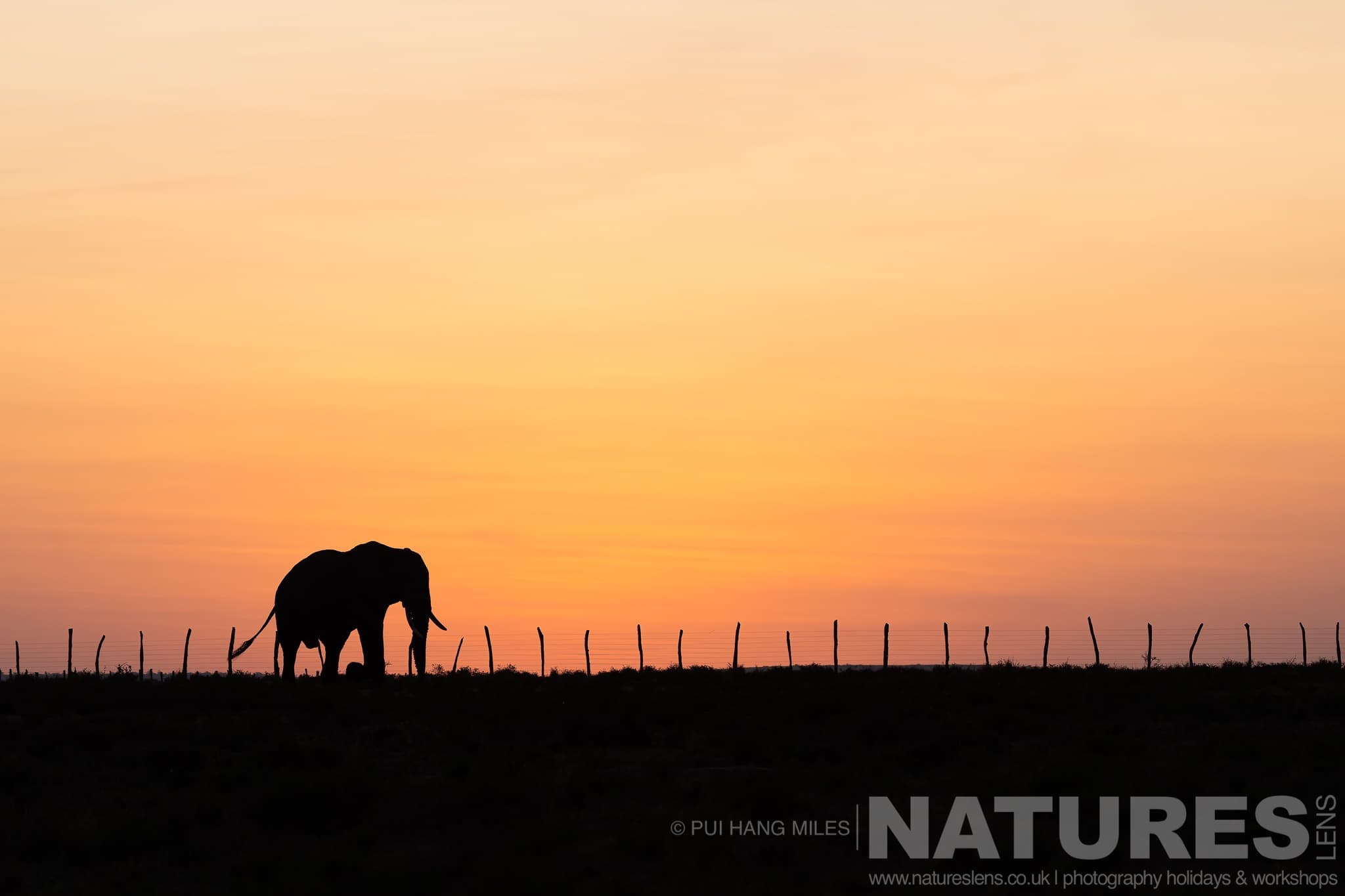
November to June is generally the wet season in the Maasai Mara, & while wildlife is still easy to spot, it is not as rich or easy as during the dry season. However, if visiting during the wet season, there are many advantages. The green vegetation makes for better backgrounds, & newborn calves, foals, & cubs provide strong subject matter. Migratory birds also arrive during this period, adding variety for bird photographers.
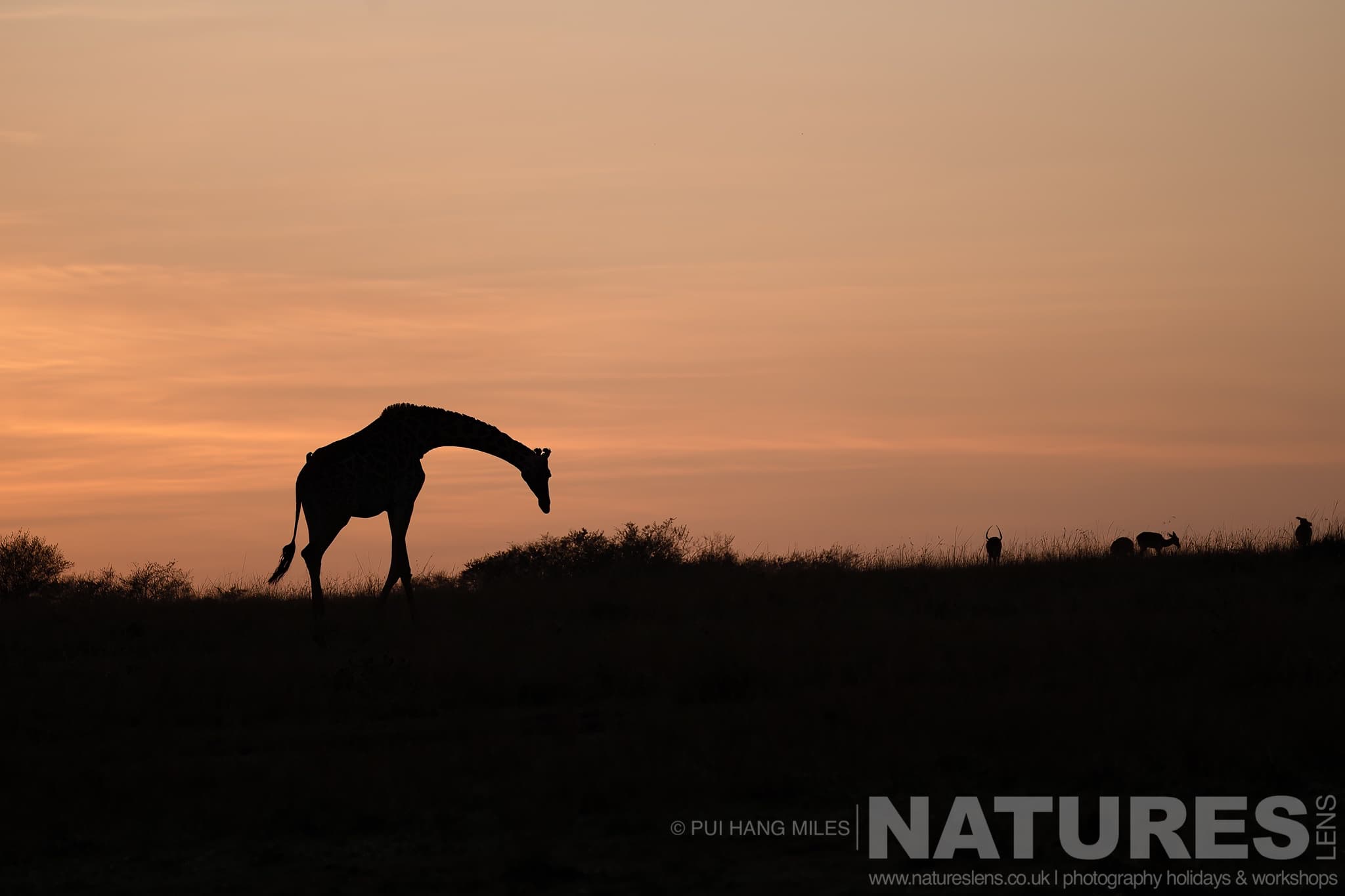
Wildlife is present year-round, but July to October offers the highest concentrations & the best conditions for photography.
What Is The Maasai Mara great migration?
The Maasai Mara animal migration, also known as the Great Migration, is one of the most impressive natural phenomena in the world. Every year, millions of wildebeest, zebra, & other herbivores make the perilous journey across the Serengeti plains of Tanzania to the grassy savannas of the Maasai Mara National Reserve in Kenya in search of food & water. This is an ambitious struggle of life & death as predators lurk, waiting to pick off stragglers.

The Migration begins in the late-summer months of July & August when the wildebeest & zebra start to gather & migrate northward out of the southern Serengeti plains in search of greener pastures. They eventually reach the Maasai Mara by October, where they stay until July, when the short rains arrive & the herd moves south again, following the rain cycle.

The migration columns can stretch for kilometres across the plains. River crossings are the most dramatic phase — the herds pile into the water while crocodiles & lions wait at either bank.

Beyond the migration herds, the Mara supports resident populations of elephants, giraffes, hyenas, cheetahs, leopards, & hippos year-round. The concentration of predators & prey in one accessible area is what makes it so productive for photography.
Where is the the Maasai Mara?
The Maasai Mara is a beautiful landscape along the Tanzanian border in southwest Kenya. It houses one of the largest & most diverse wildlife populations, making it one of the premier safari destinations in the world. Spanning over 1,510 square kilometres, the Mara comprises rolling plains, open woodland, lush grasslands, & seasonal swamplands. In this area, visitors can find many animals that depend on the changing environment, including lions, elephants, cheetahs, giraffes, zebras, gazelles, & more.


The Mara River runs through the park’s centre, providing an important water source for wildlife. From June to October, the Mara is filled with abundant wildebeests, zebras, & other grazing animals during their annual Migration from the Serengeti. The park is divided into blocks managed by local Maasai people, who also use the land for livestock grazing.


This area is considered a biodiversity hotspot, & is home to various wildlife species, rare plants & trees. The Mara is also an important habitat for over 550 bird species. The area is also famous for its large prides of lions & its impressive landscapes, which have been featured in documentaries & films like the BBC’s “Big Cat Diary” & Disney’s “The Lion King.”
An Introduction to the Wildlife of the Maasai Mara
The Mara supports one of the highest densities of large mammals anywhere in Africa. Elephants, lions, cheetahs, wildebeest, & buffalo are all present in numbers that make regular close-range photography realistic rather than a matter of luck.


The Mara’s landscape comprises savanna grassland & acacia trees, which provide the perfect habitat for many wildlife species. Elephants are some of the most iconic animals in the Mara, & there’s a chance to spot them in large herds as they travel across the plains in search of food & water. There’s also a variety of antelope, such as impalas, gazelles, & Grant’s gazelles, that can be seen grazing on the grasslands.
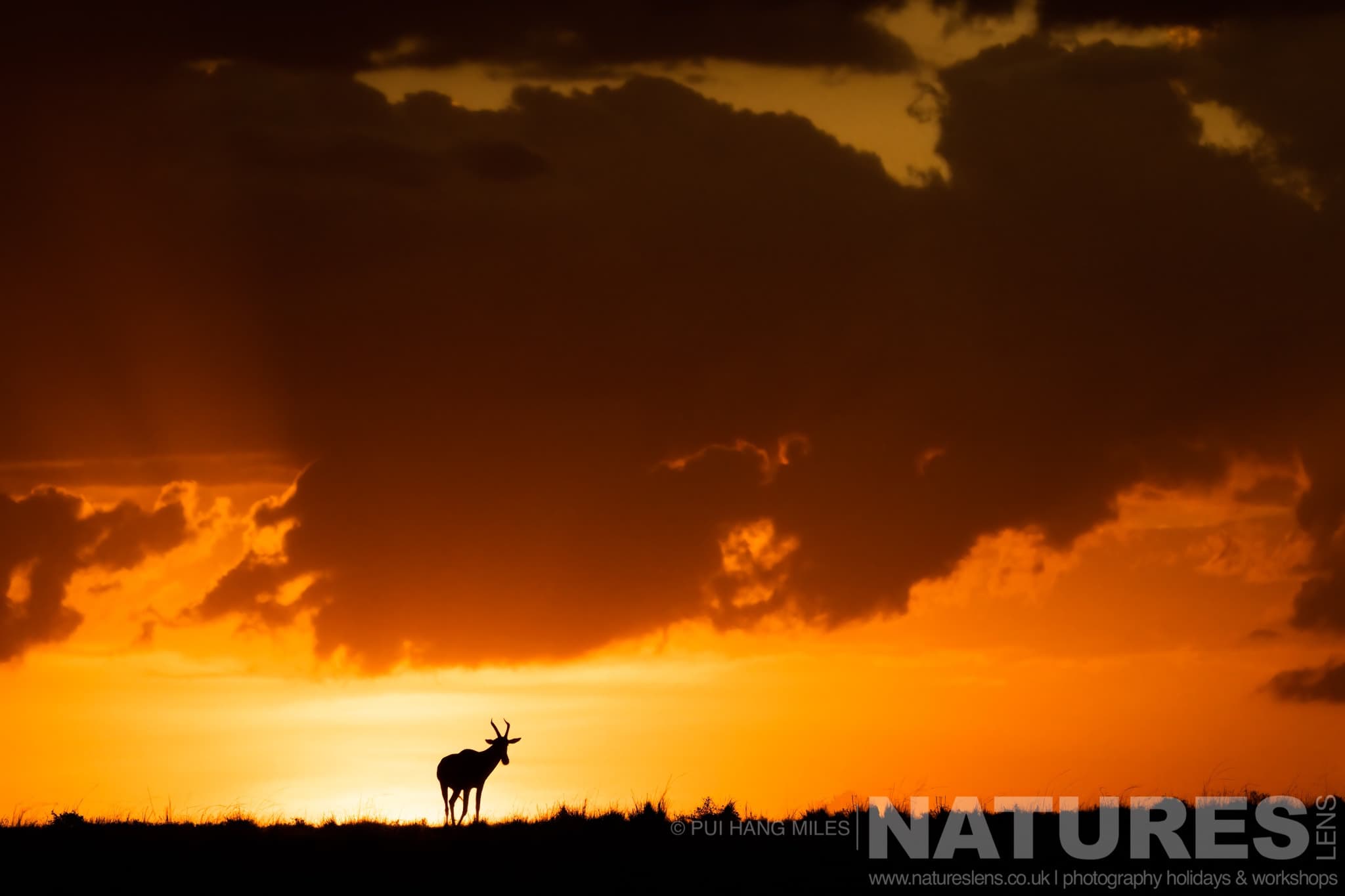
The Mara is also home to the Big Five – a term used to refer to Africa’s five most dangerous animals: lions, leopards, rhinos, & elephants, & cape buffalo. Spotting these animals in their natural habitat is a notable experience, & you’re likely to see plenty of imposing lion prides roaming around the region. Cheetahs & wildebeest are also familiar sights in the area, & it’s not unusual to catch a glimpse of hippos wallowing in the waterholes.



Birdlife is also abundant in the Mara, with yellow-billed storks, hamerkops, & secretary birds often seen. Many of the Mara’s rivers are also home to various fish & reptiles. You may even spot the elusive Nile crocodile basking in the waning sun if you’re lucky.

Between the large mammals, the varied birdlife, & the reptiles along the Mara River, there is enough variety here to fill a portfolio across several visits.
Bird photography in the Mara
The Mara’s mix of grassland, riverine forest, & wetland supports over 450 bird species. For photographers, the variety of habitats means you can work raptors on the open plains in the morning & switch to kingfishers & bee-eaters along the Talek River in the afternoon.
Bird photographers can hope to capture images of the near-endemic Jackson’s Francolin & the strong Abyssinian Ground-Hornbill in the grasslands. At the same time, the open bush & riverine forests of the Mara are excellent places to spot birds like Augur Buzzard & Carruthers Cisticola. Other popular species include the Grey-headed Kingfisher, Grey-capped Warbler, African Harrier-Hawk, & the elusive Bustard.

The Mara also offers many opportunities for bird photographers to photograph birds in their natural environment. The vast wetlands are an oasis for many waterbirds, such as the Gray Crowned Crane & the White Stork. The dense woodlands of the area provide an ideal home to the African Pitta & the African Open-billed Stork. Meanwhile, the rocky hills of the Mara harbour species like Hartlaub’s Turaco & White-headed Barbet.
The Big Cats of the Mara
The Mara’s three big cat species — lion, cheetah, & African leopard — are what most photographers come for. Each behaves differently & rewards a different approach.
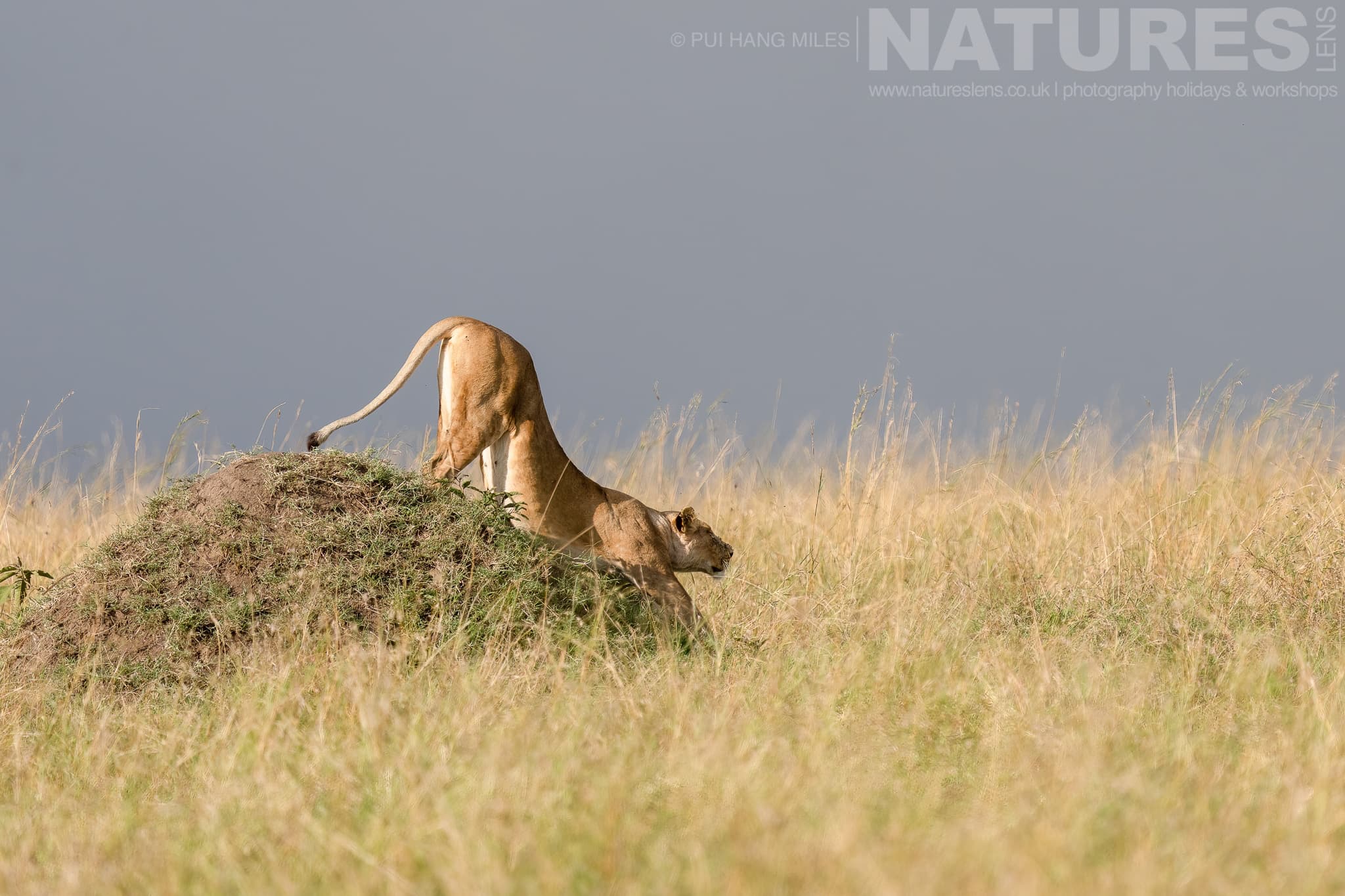


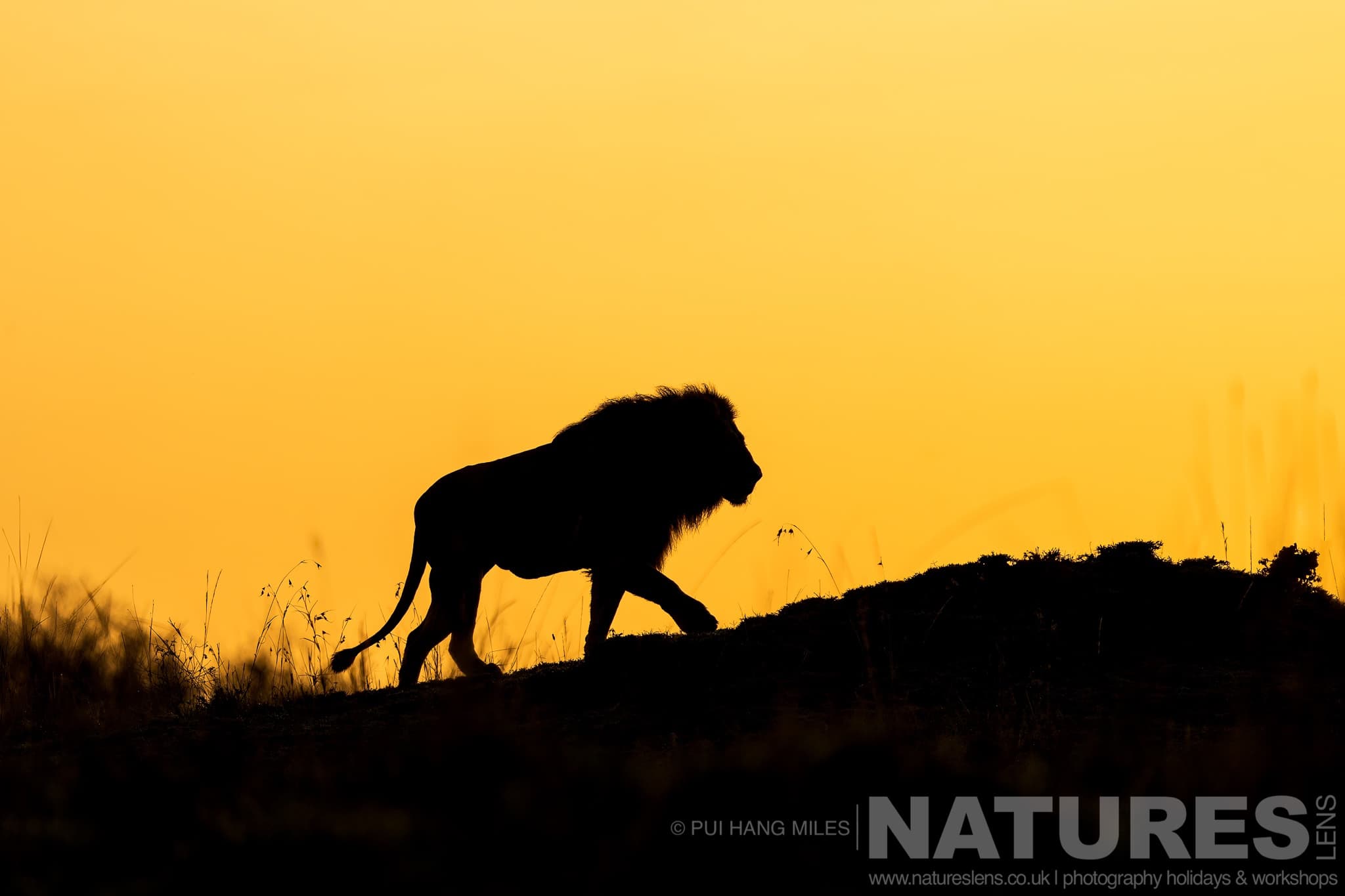
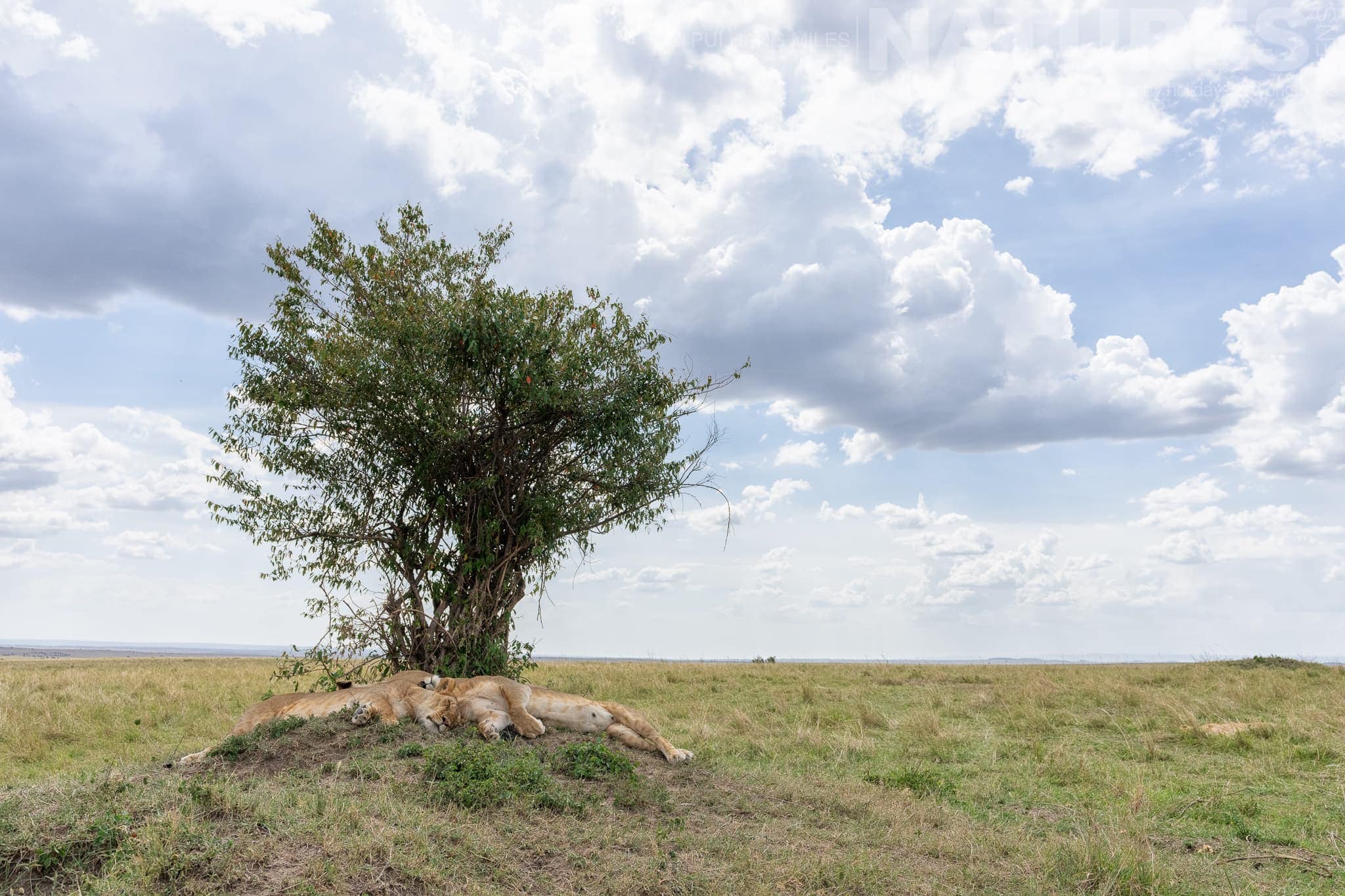
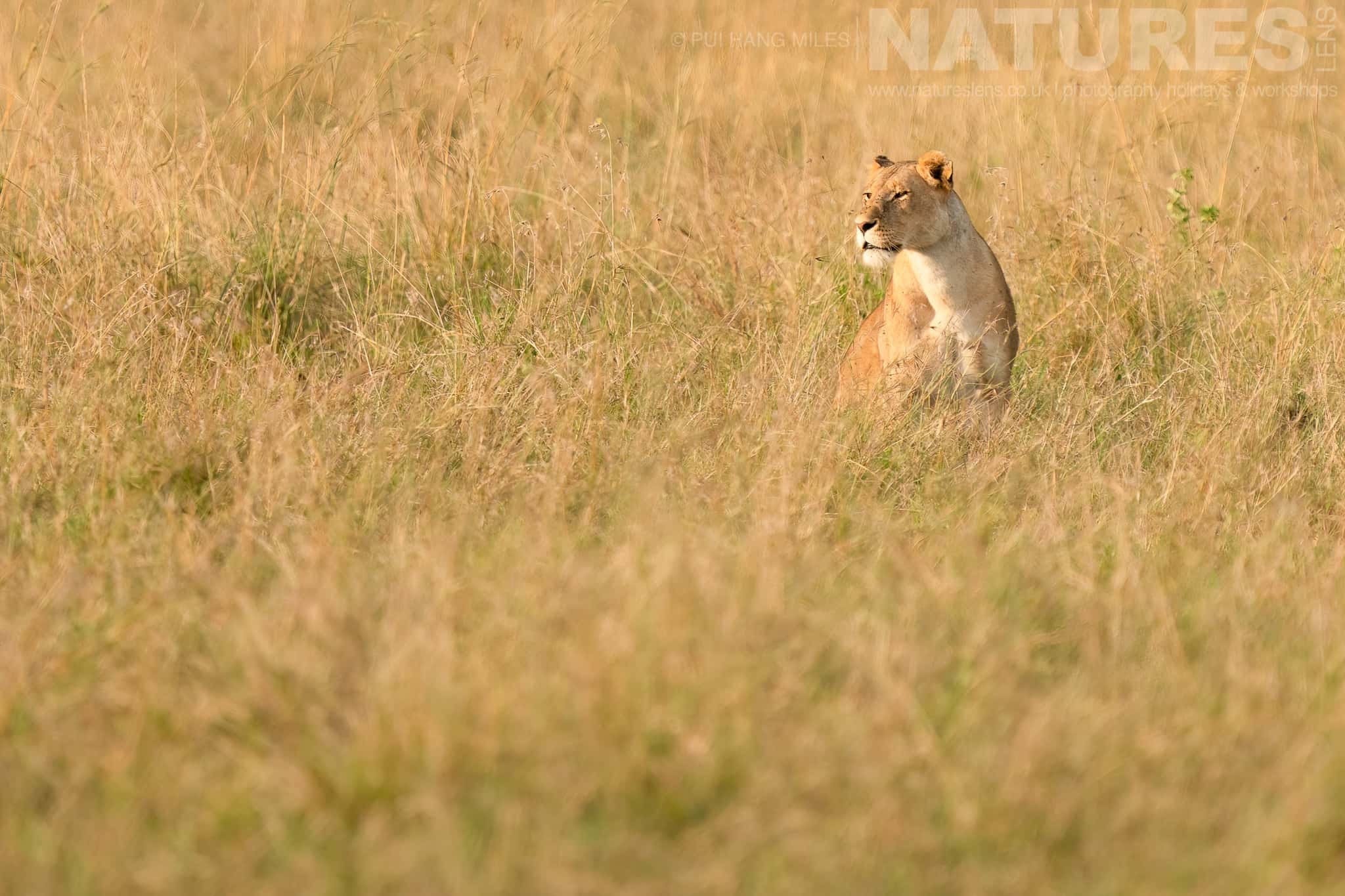
Lions are the most popular & recognizable of the big cats in the Mara. They hunt, sleep, & raise their cubs in the region, & they can often be spotted in groups anywhere from two to thirty-five. While they may appear lazy since they spend a good part of their day lounging, they are quite fierce hunters, & they can bring down prey such as zebra, buffalo, warthog, & wildebeest.
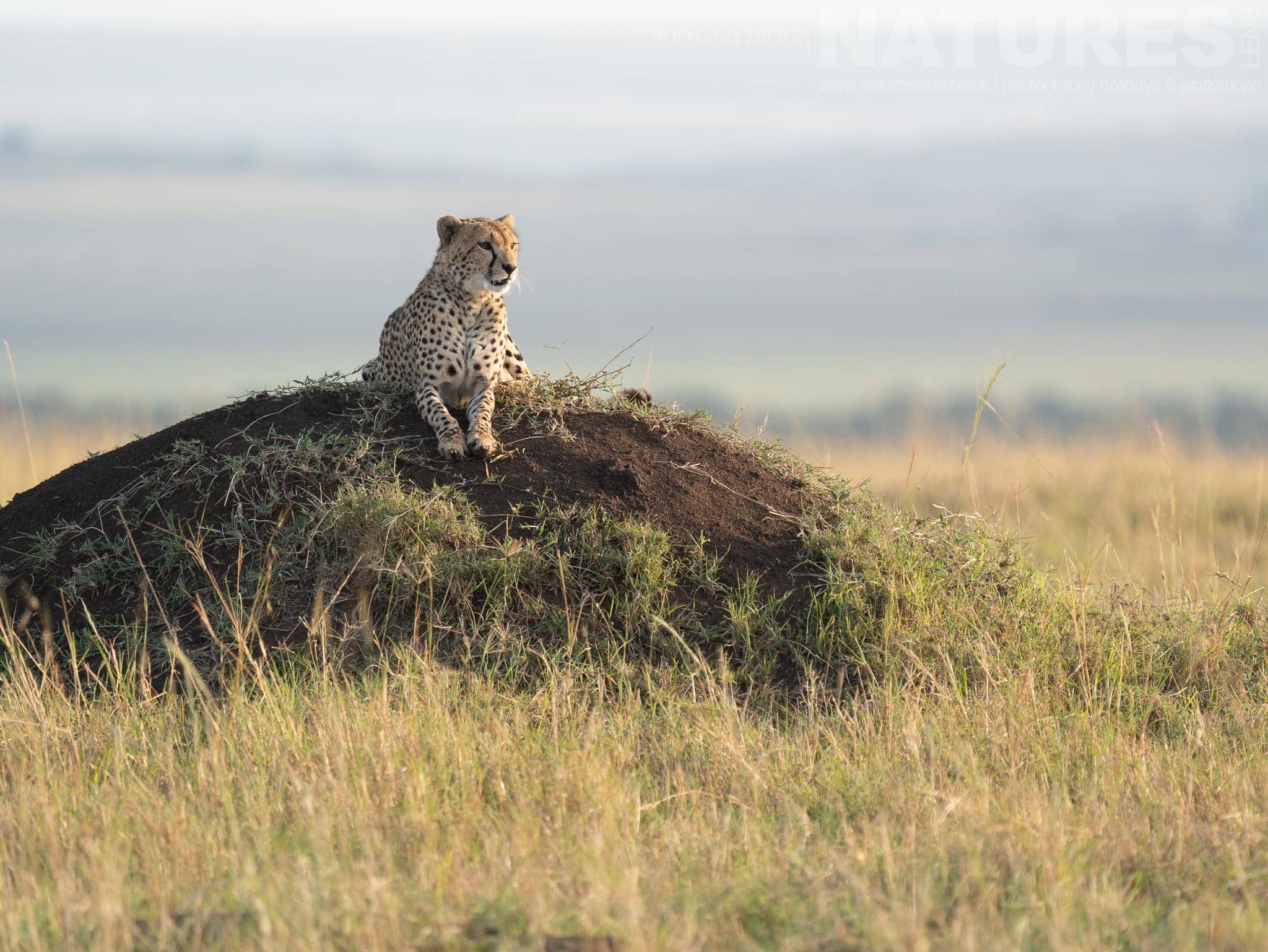
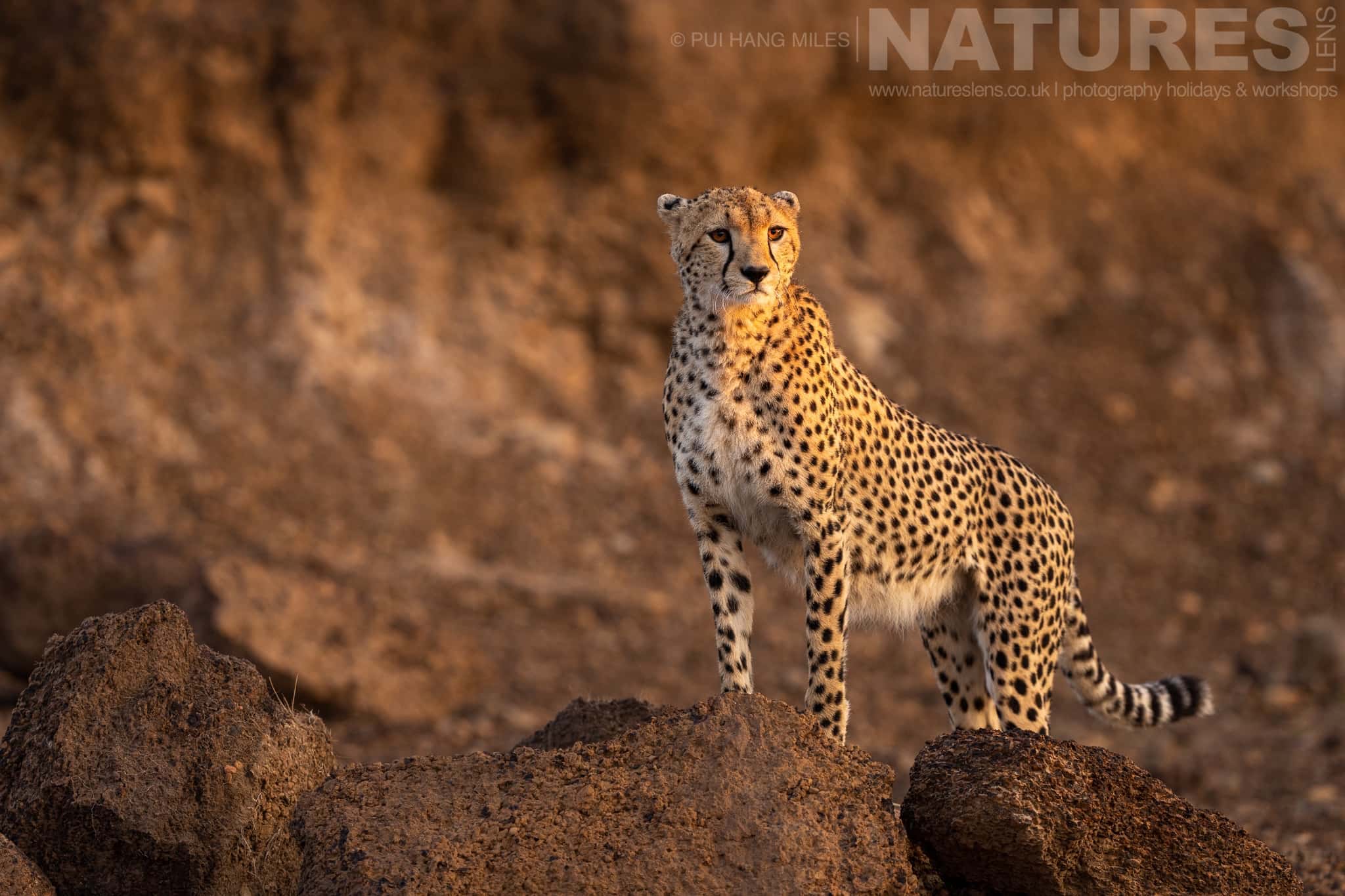
Cheetahs are unique among the big cats in the Mara, as they are the fastest land animal alive. They use their immense speed for hunting by outrunning their prey. Cheetahs are solitary creatures & hunt mainly during the day. They have an impressive repertoire of tricks for taking down their prey, including stalking, chasing, & tripping.

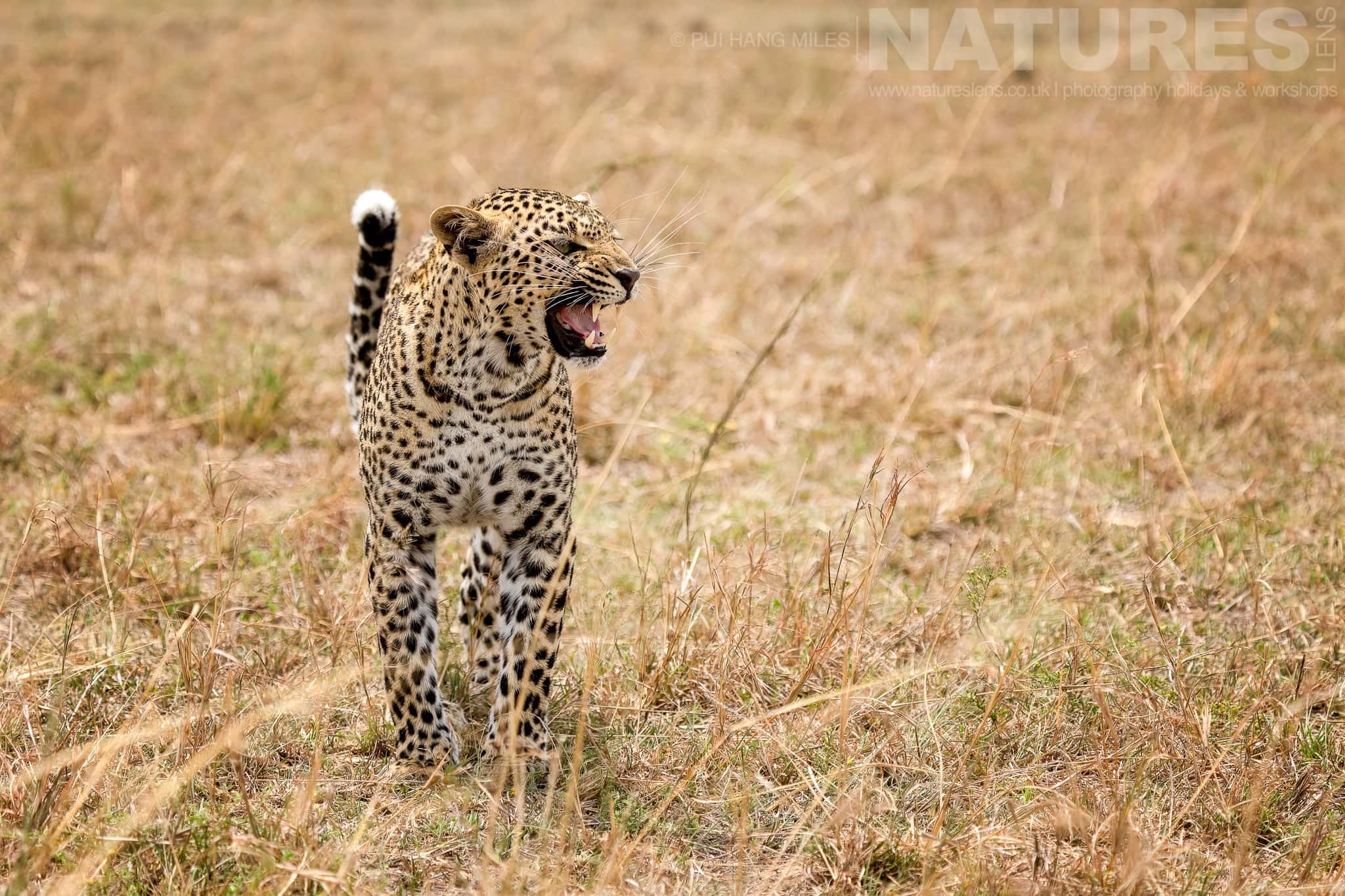
African leopards are another beautiful creature that inhabits the Mara. They differ from lions & cheetahs in that they are primarily nocturnal & much more solitary, preferring to scavenge on carcasses or hunt small prey such as gazelle, dik-diks, & vervet monkeys. Leopards also possess distinctive agility & can climb trees to avoid predators or store their kills.

With three big cat species active across the reserve, there are opportunities for behaviour, portrait, & environmental work in a single trip.
What are the rarest animals in Maasai Mara?
The notable wildlife of Kenya’s Maasai Mara is both diverse & abundant. Animals from some of the rarest species in the world can be found here, along with other common animals like zebras & giraffes. One of the rarest animals in this area is the black rhinoceros. The number of these animals has declined dramatically in recent years due to poaching, making them very difficult to spot in the wild. Other rare animals in the Maasai Mara include the African wild dog & the Grevy’s zebra.
The African wild dog is a highly endangered species that can live up to 15 years in the wild. They are known for their unique spotted coats & can reach speeds of up to 44 mph while running. Unfortunately, their numbers have declined significantly due to the degradation of their habitats & the rise in human-wildlife conflict.
The Grevy’s zebra is another rare species found in Maasai Mara, & it is distinguishable from a regular zebra due to its larger size & narrow stripes. It is also listed as an endangered species as its population has declined significantly due to hunting & habitat loss.
Other rare animals in the Maasai Mara include the cheetah, serval, gazelle, & antelope. The area is also home to rare bird species, such as the white-headed vulture & Verreaux’s eagle owl. These animals make Maasai Mara one of the best places to view many of the world’s rare creatures in the wild.
Which photography safaris do NaturesLens schedule for photographing the wildlife of the Mara?
NaturesLens runs wildlife photography holidays in the Mara, typically in September when predator activity is high & the migration herds are still in the area.
Our photography holidays allow photographers to capture strong images of the wildlife of the Mara; during our trips, photographers will also have the opportunity to photograph an array of African wildlife.
Our trips are led by experienced wildlife photographers who know the Mara well — where the prides are denning, which river crossings are active, & how to position vehicles for clean backgrounds & good light.

- NaturesLens wildlife photography holidays are structured around photographic opportunity — every schedule decision is made around light, behaviour, & access.
- Small groups of 4–8 photographers ensure unhurried positions & individual guidance.
- Single occupancy accommodation is included as standard across the majority of our trips.