Species profile
About this species
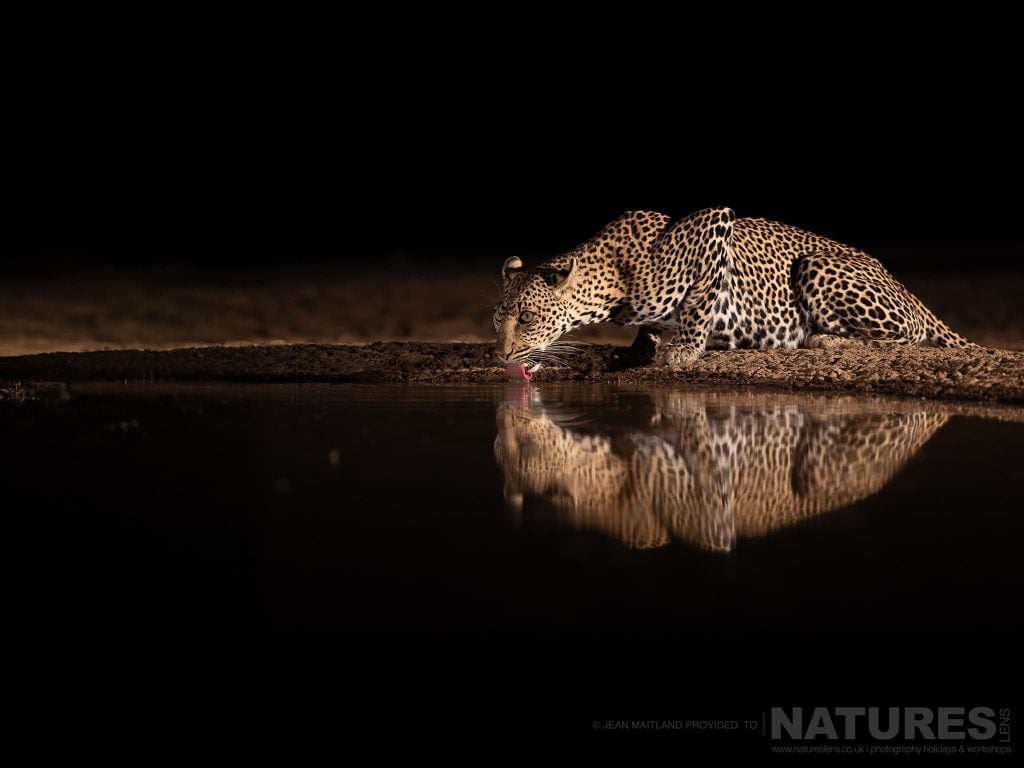
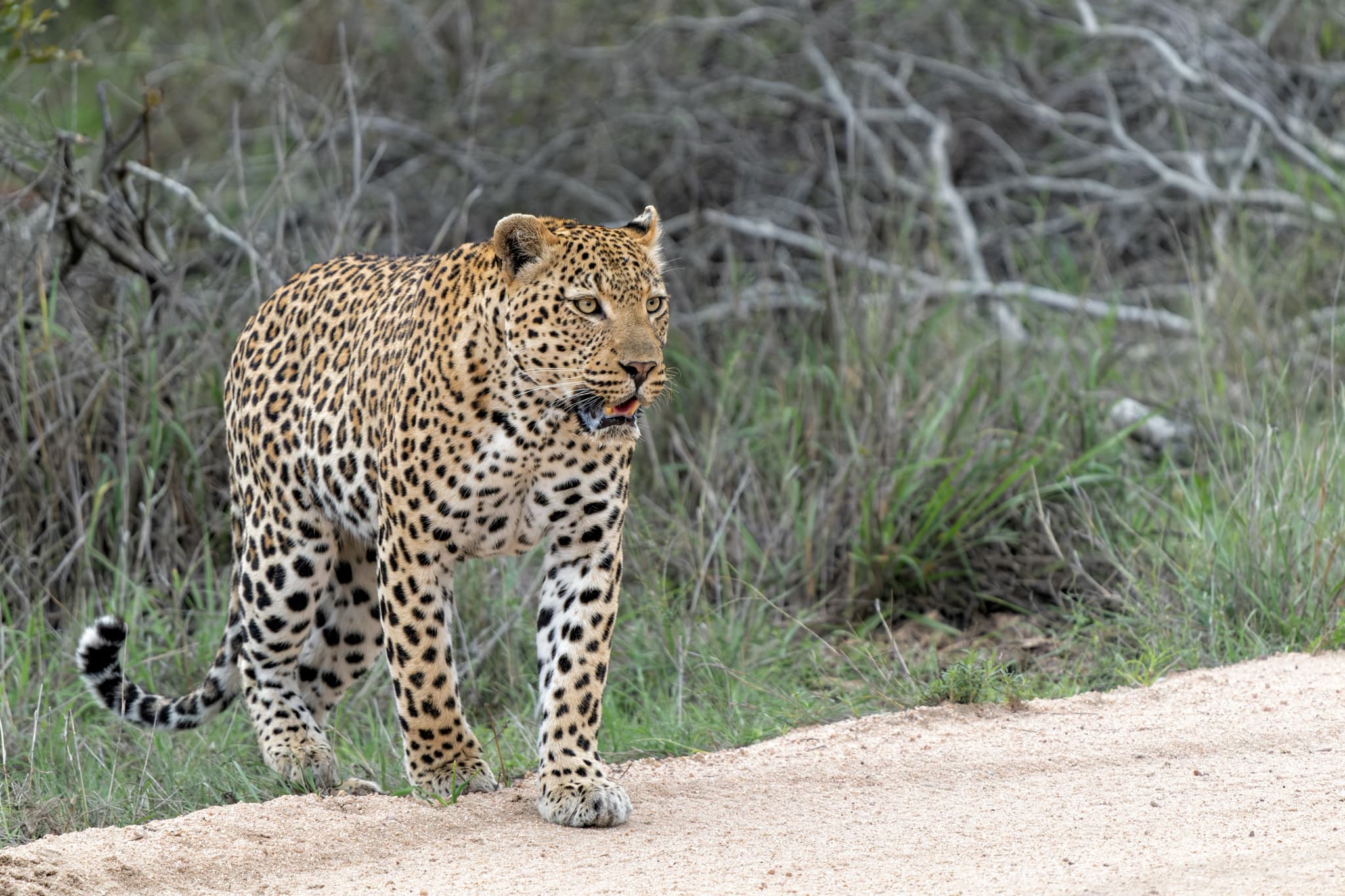
The African Leopard is the most widespread of all leopard subspecies, found across sub-Saharan Africa in a variety of habitats. It is a powerfully built, solitary cat recognisable by its distinctive rosette-patterned coat, which provides excellent camouflage in dense vegetation & dappled light. Known for its strength & adaptability, it is capable of hauling prey twice its own body weight up into trees to avoid scavengers.
African Leopards occupy a wide range of habitats including savanna grasslands, dense woodland, rocky hillsides, riverine forests & semi-arid scrubland across sub-Saharan Africa.
Where to photograph
Where our trips feature this species
You can photograph African Leopard with us in Kenya, South Africa & Tanzania.
These departures are part of our Africa programme.
In the field, David Miles & Pui Hang Miles helps guests make the most of these encounters.
Field notes
Photography notes
Early morning & late afternoon during the golden hours offer the best light & coincide with peak leopard activity. The dry season - roughly June to October in southern Africa - is ideal as reduced vegetation makes sightings far more likely & animals concentrate around water sources.
Position yourself low to the ground to achieve eye-level shots that create a more intimate & compelling perspective with the subject. Use a fast shutter speed of at least 1/1000s to freeze motion, particularly when the leopard is active or moving through undergrowth. Scout rocky outcrops & large trees in advance, as leopards frequently rest in these locations & can provide excellent opportunities for portrait & behavioural shots.
Available holidays
Trips featuring African Leopard
The holidays below are pulled from the same species relationship, so the guide stays tied to live departures rather than becoming a static article.