The Danube Delta is Europe’s largest & least disturbed wetland, a maze of reed beds, lagoons, & channels where the river finally gives up its sediment before reaching the Black Sea — & it holds one of the continent’s richest concentrations of waterbirds anywhere within reach of a small-group trip.
For the current trip list, see our Romania wildlife photography holidays; you can also explore more nature photography in Europe.
Great Egret, Squacco Heron, & White-tailed Eagle all feature prominently, working the shallow lagoons & reed-fringed channels from small boats that let photographers get genuinely close without disturbing the birds. Our NaturesLens team guides the trip, drawing on years of running boat-based bird photography here.
What makes it work is the sheer scale of the wetland & the boat-based access — rather than working from a fixed hide, each day moves through a changing patchwork of lagoons & channels, following wherever bird activity is currently strongest.
Our Romania Photography Holiday
We run one small-group trip to Romania, guided by our NaturesLens team:
22nd – 29th May 2027 — Birds of the Danube Delta
6 nights | from £2,999 | Easy — Gentle Adventures, Accessible to Most
Based aboard small, quiet boats moving through the Delta’s lagoons & channels, with Great Egret, Squacco Heron, & White-tailed Eagle all realistic subjects across the week, alongside a strong supporting cast of herons & waterfowl.
More info on Birds of the Danube Delta
Want to know more before booking? Get in touch & we’ll talk you through the boats, the accommodation, & what a typical day on the water looks like.
What You’ll Photograph in Romania
Herons & Egrets
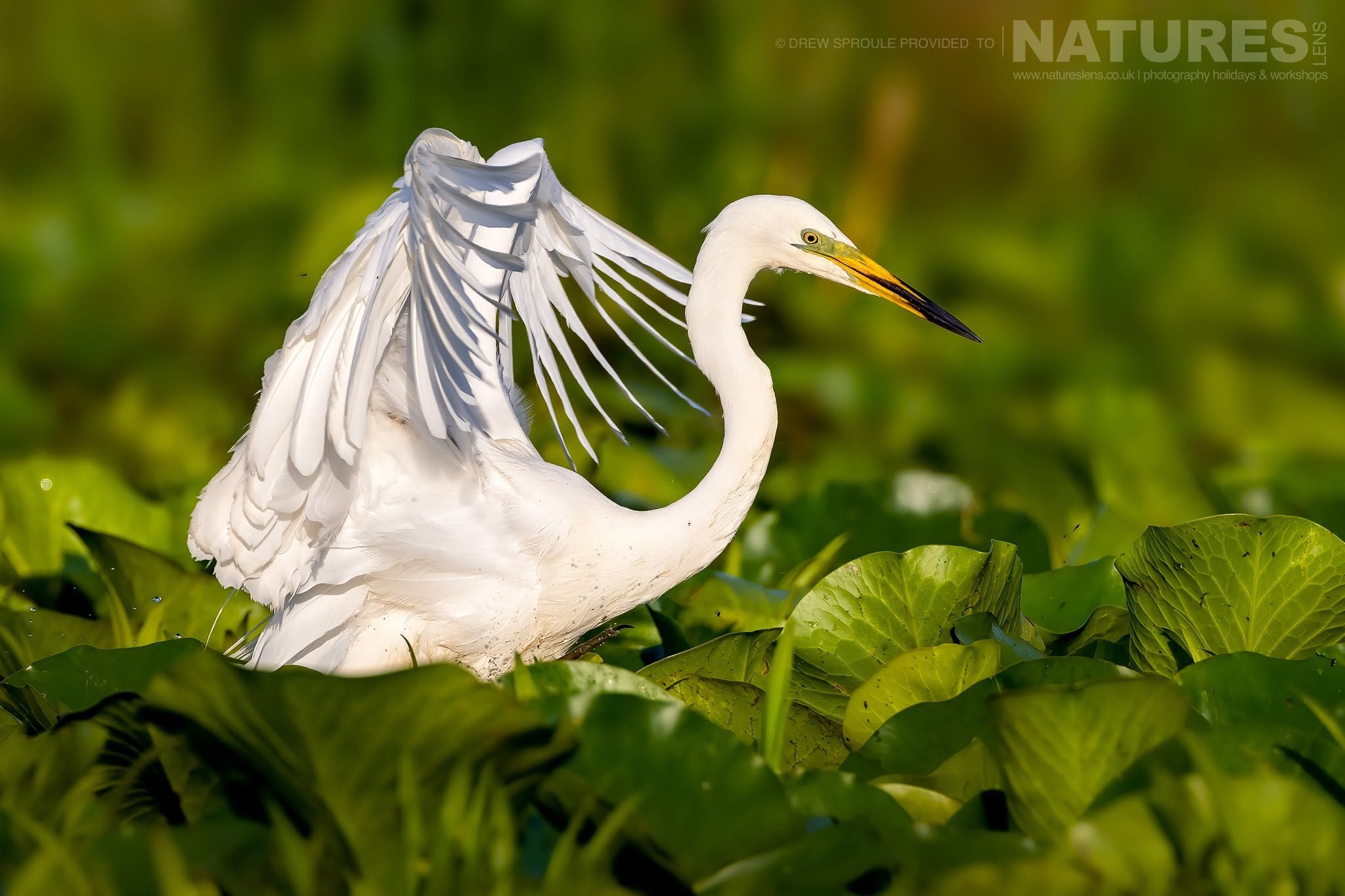
Both species are numerous enough here that a single morning’s boat trip can realistically produce usable images of each.
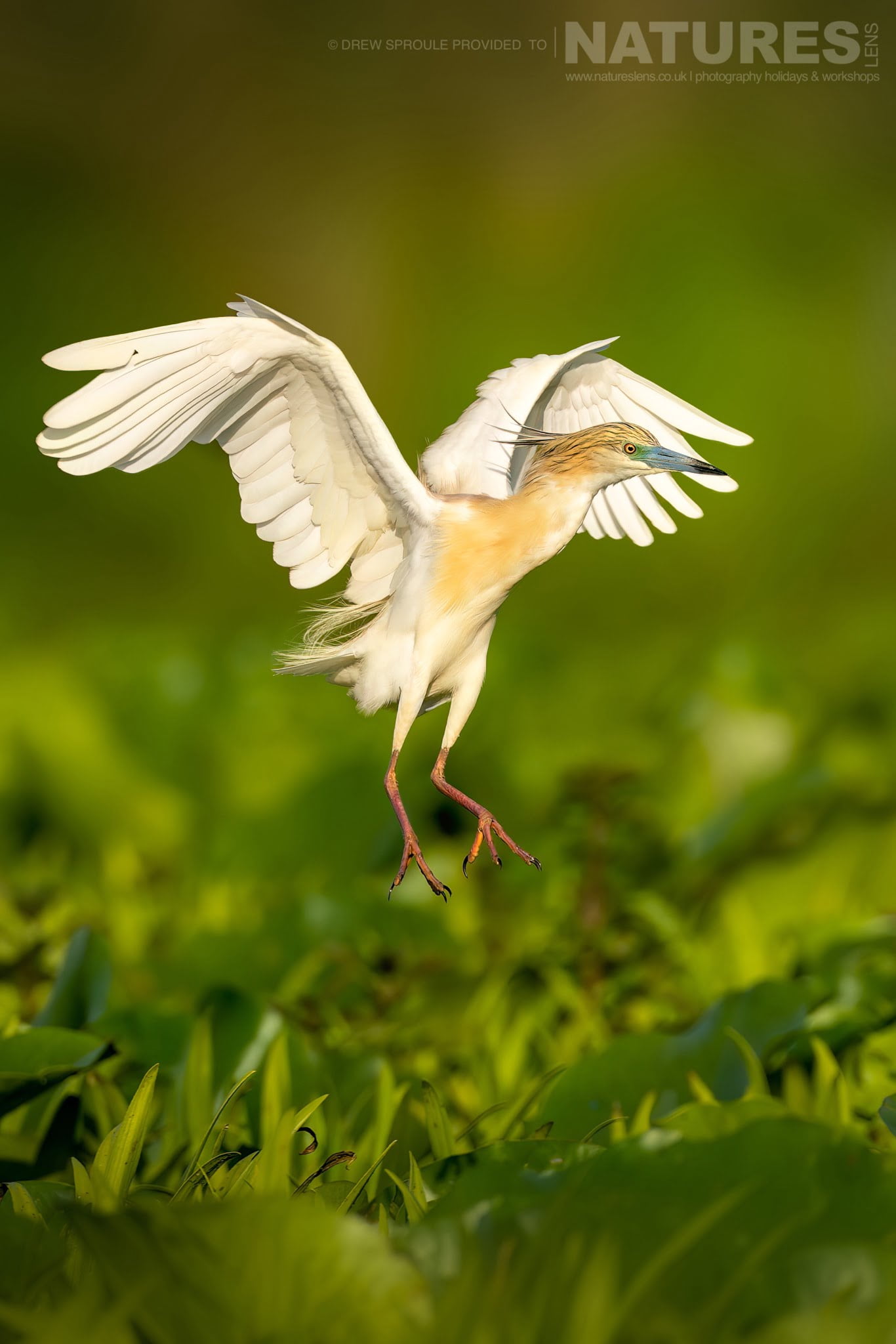
Squacco Heron & Great Egret both feature heavily here, working the shallow margins of the lagoons in search of fish & amphibians. Squacco Heron in particular rewards patience, its cryptic plumage making it easy to overlook until it takes flight & reveals the bright white wings that make for one of the trip’s signature images. See more in our Birds photo archive.
Working from a low, quiet boat means approaches can be made gradually & at the bird’s own pace, rather than forcing a sudden close encounter that would send it into flight before a shot is composed.
White-tailed Eagle
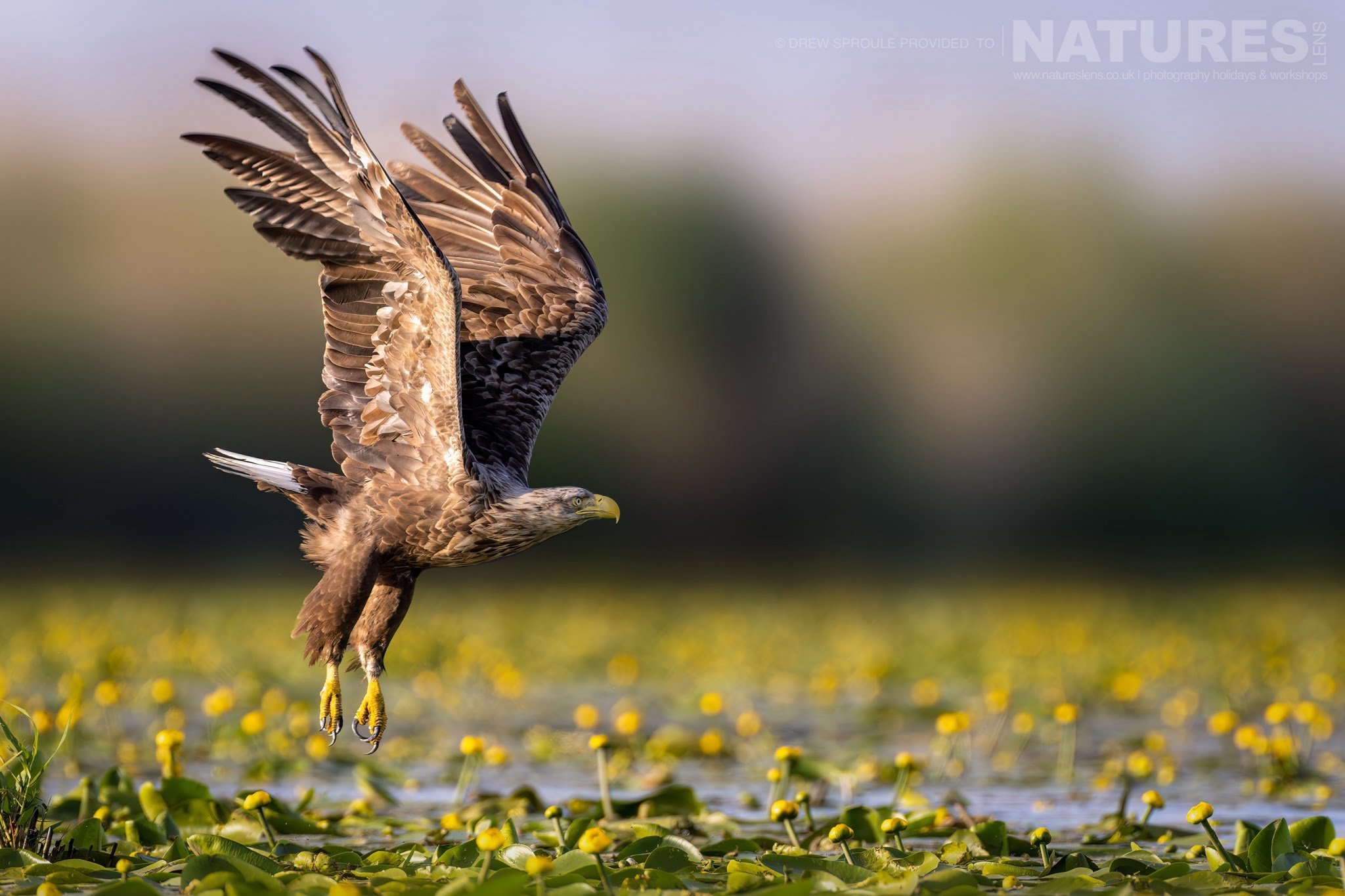
Spotting one against the open sky, wings held in a shallow V as it scans the water below, is a moment most photographers on this trip specifically hope for.
Europe’s largest bird of prey patrols the Delta’s open water & reed beds, & a low pass overhead or a distant perched bird scanning for fish is a realistic highlight of most trips. Sightings tend to be more opportunistic than the herons & egrets, rewarding photographers who keep scanning the skies between closer subjects.
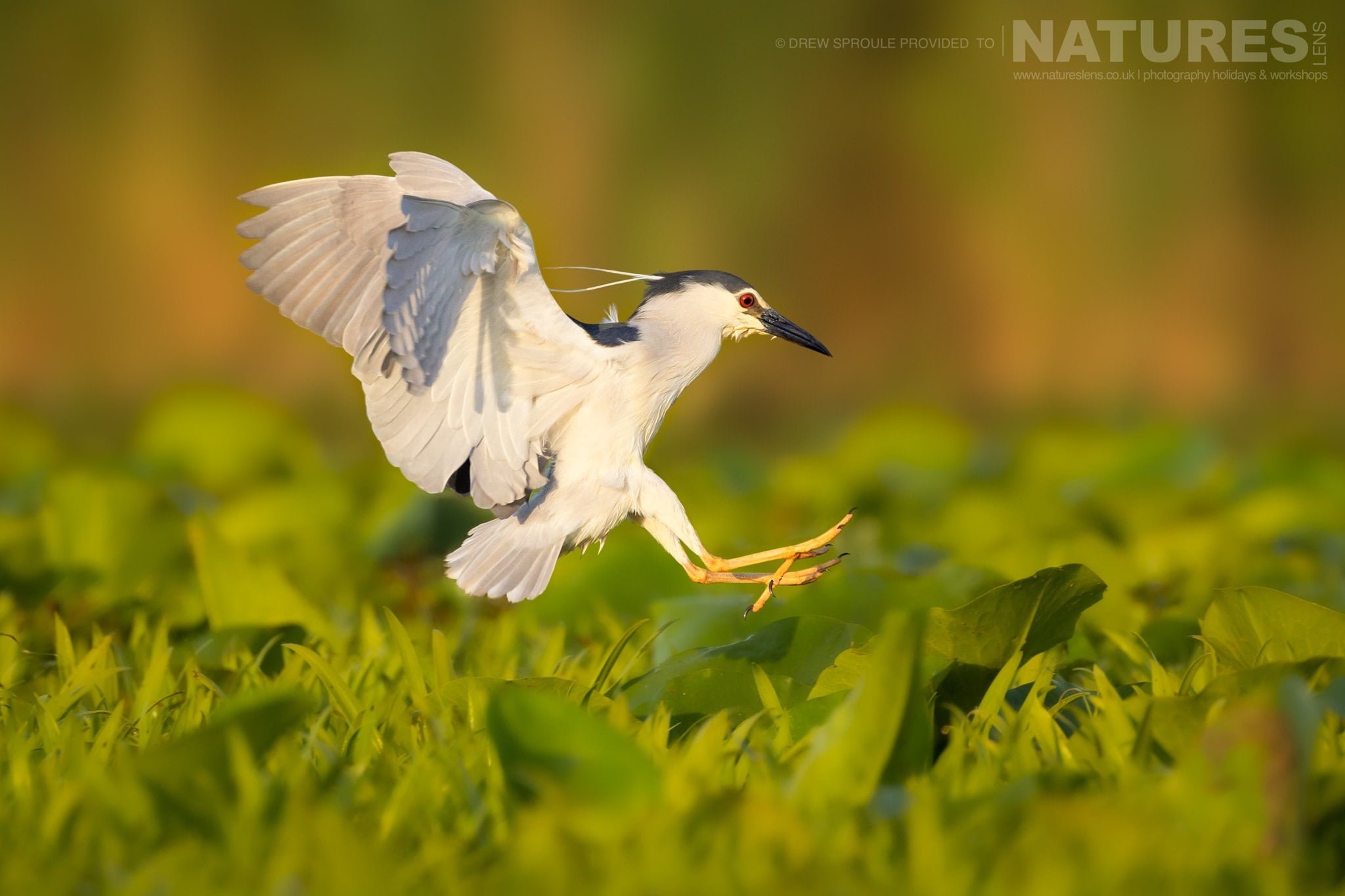
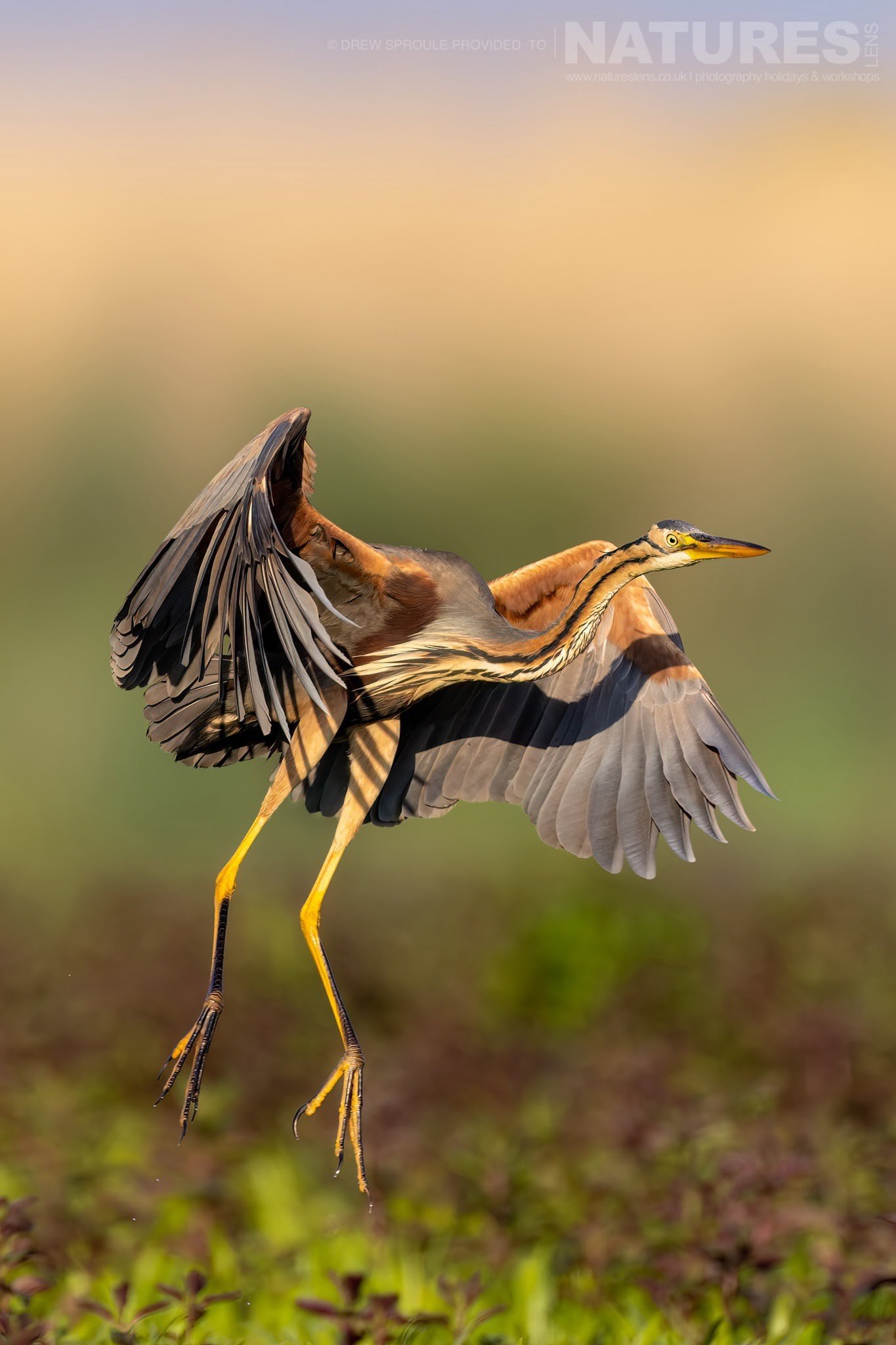
A supporting cast of Night Heron, Pygmy Cormorant, & a wide range of waterfowl rounds out what is one of the most species-rich trips in the whole series.
A Wetland Built on Scale
The Delta covers well over two thousand square miles, & the sheer scale of open water, reed bed, & floating forest gives the trip a sense of genuine wilderness rarely found this close to the rest of Europe. Days spent moving slowly through the channels by boat give plenty of time to take in the landscape between bird sightings.
Sunrise & sunset over the open lagoons add a soft, reflective quality to the water that suits both wildlife & wider landscape images from the same vantage point.
Why the Delta Rather Than a Fixed Hide
Many of the bird photography trips in this series work from a single fixed hide, trading mobility for reliability at one specific spot. The Danube Delta works differently — because the wetland is so vast & bird activity shifts daily with water levels & feeding conditions, a boat-based approach that can relocate through the day generally out-performs any single fixed vantage point.
That mobility also means a much broader range of species & habitats across the week than a hide-based trip could offer, from open lagoon to reed-fringed channel to floating willow forest, each with its own typical birdlife.
A UNESCO Biosphere Reserve
The Danube Delta holds UNESCO Biosphere Reserve status, reflecting both the scale of the wetland & the importance of the breeding & migratory bird populations it supports. That protected status has kept much of the Delta free from the development pressure seen on many other European wetlands, which is a large part of why the birdlife here remains so abundant.
Local fishing communities still work parts of the Delta much as they have for generations, adding a lived-in, working landscape quality to the wider trip beyond the wildlife itself.
When to Visit Romania
Our current departure runs in late May, timed for the height of the breeding season when herons & egrets are most active around their nesting colonies & migratory waterfowl numbers are still strong before the summer heat sets in.
Planning Your Trip to Romania
A telephoto lens in the 300mm to 500mm range covers most shots from the boat, with a monopod or beanbag more practical than a full tripod given the limited, moving deck space. A polarising filter helps manage glare off the open water through the middle of the day.
Insect repellent is worth packing for the warmer evenings around the reed beds, & a wide-brimmed hat & sun protection matter more here than on many of the trip’s European counterparts, given the long days spent on open water under a late-spring sun.
Bucharest is the usual arrival point, with a road transfer onward to the Delta region used for the trip.
Life Aboard the Boats
The boats used on this trip are small enough to slip quietly into narrow channels that a larger vessel couldn’t reach, but stable enough to shoot comfortably from for a full day. Engines are cut & paddles used whenever the group closes in on a promising subject, keeping disturbance to an absolute minimum.
Packed lunches are typically taken aboard so the group can stay out on the water through the most productive hours of the day, rather than breaking the momentum with a return to base for a midday meal.
A Trip That Suits Every Experience Level
Because the boats provide a stable, comfortable platform & the birdlife here is genuinely abundant rather than a matter of luck, this is one of the more accessible trips in the series for photographers newer to bird photography, while still offering excellent opportunities for anyone with a long species list already behind them.
Beyond the Headline Species
The Delta’s reputation rests on its herons & eagles, but a week spent moving through its channels regularly turns up unexpected extras — European Pond Turtles basking on fallen logs, otters slipping into the water at the sound of an approaching boat, & the occasional glimpse of a Golden Jackal along the reed-fringed banks. None of these are guaranteed, but they are common enough that most groups see at least one across a full week.
Join Us in Romania
A vast, protected wetland, boat-based access, & a genuinely long species list combine to make this one of the richest short trips anywhere in the series for bird photographers.
Few trips in the series match the Danube Delta for sheer variety of waterbirds within a single, accessible boat-based itinerary.
Years of running this specific route through the wetland is what turns a week on the water into a genuinely productive trip.
Get in touch if you’d like to know more, or head straight to the Romania destination page to see current availability.
Plan your Romania photography holiday
Explore our Romania wildlife photography holidays, compare more nature photography in Europe, & meet the NaturesLens photography guides who lead our small-group trips.