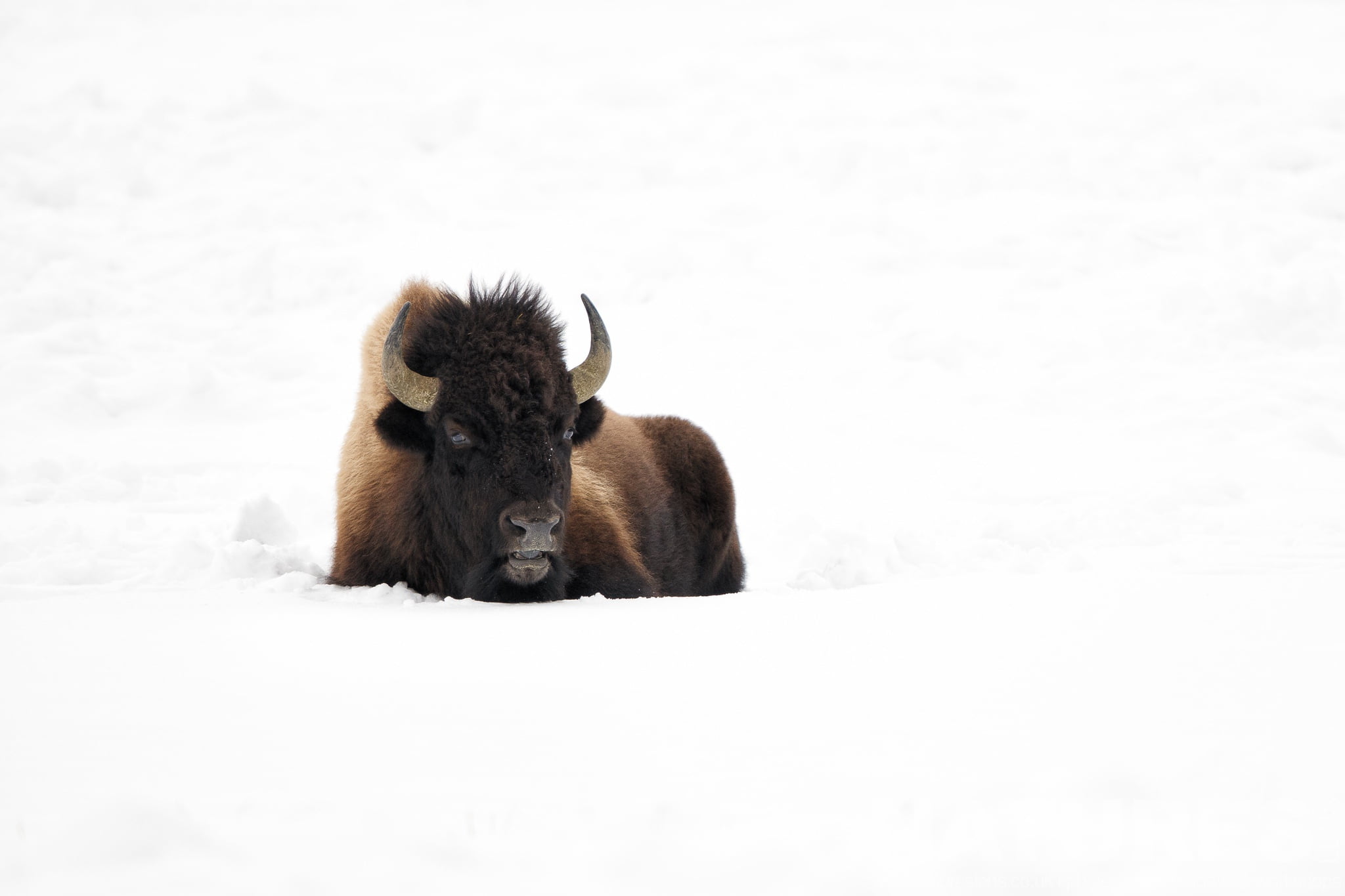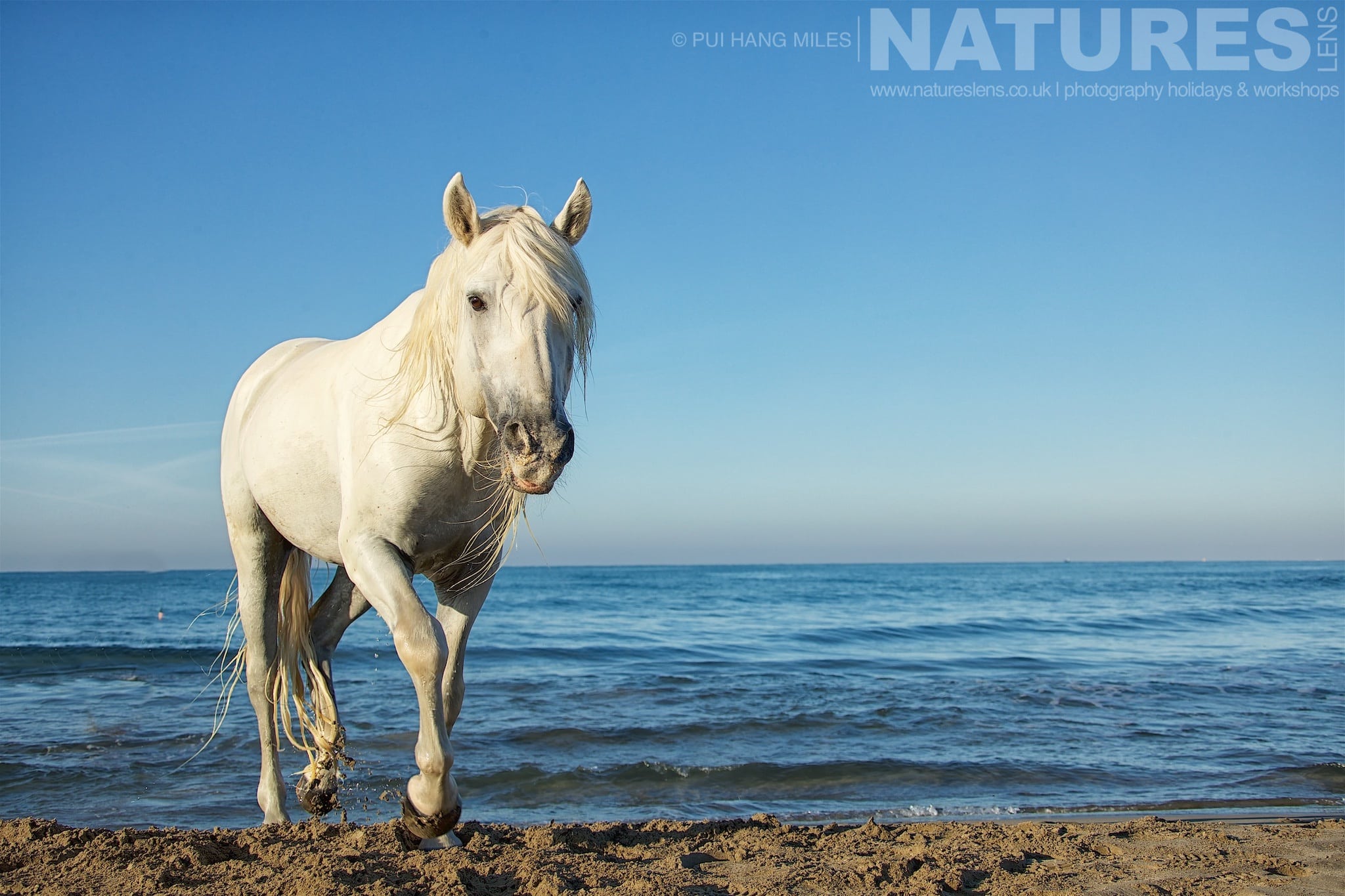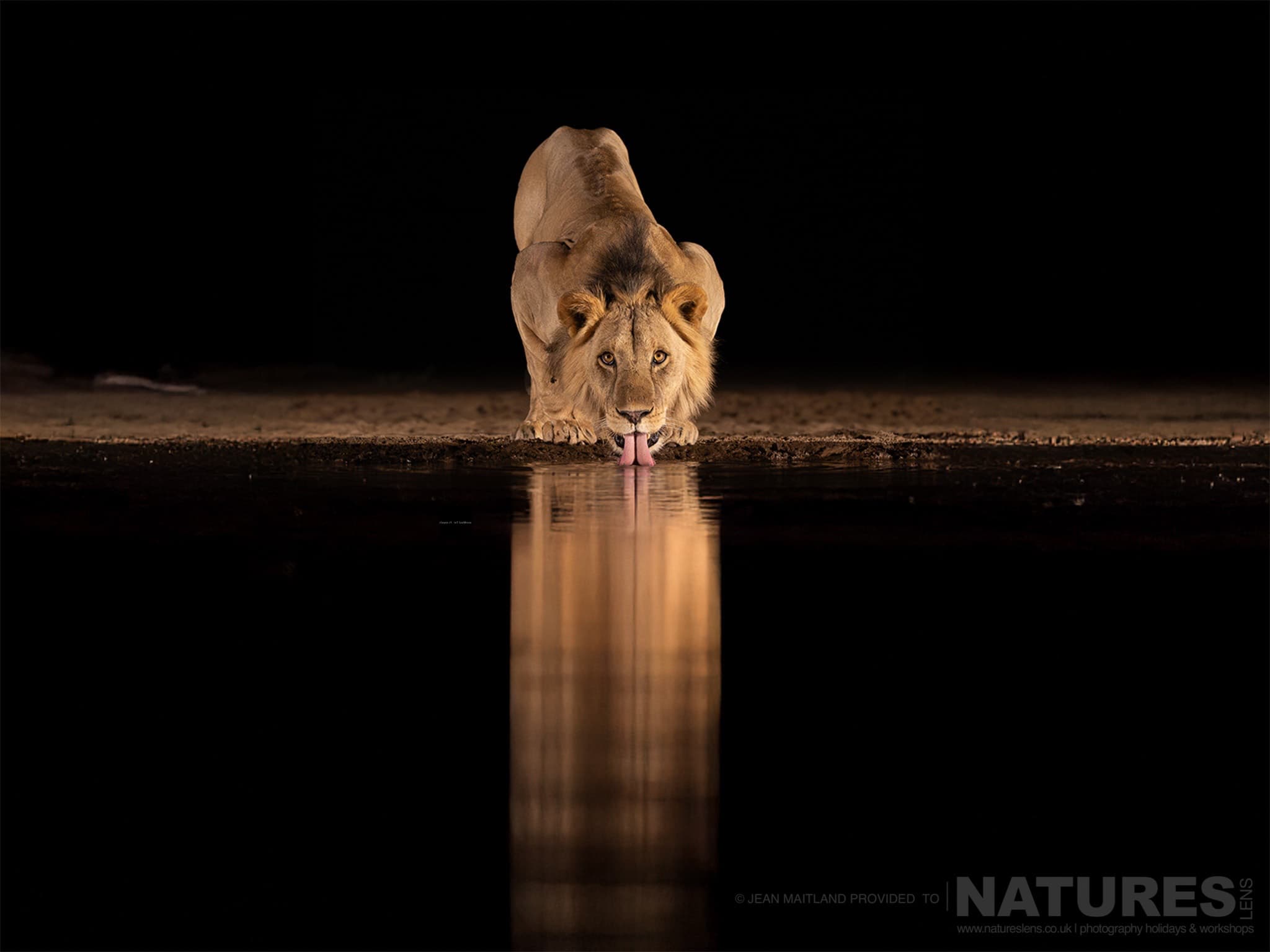
At NaturesLens, the term image-first holiday is not a marketing phrase or a special category of trip – it is the foundation on which every itinerary is built.
On most wildlife tours, photography fits around the schedule. On ours, the schedule fits around photography. If the light isn’t right at 6am, we wait. If a subject is active & the group is producing strong work, we stay. The itinerary serves the images, not the other way around.
This isn’t something we bolted on later. Every trip we run – from immersive hide-based experiences in Europe to remote wilderness expeditions in Africa, Asia & the Americas – is designed from the ground up around one question: what will give photographers the best chance of coming home with images they are genuinely proud of?
That philosophy is most clearly expressed in our signature wildlife photography holidays – a curated set of destinations defined not by geography, but by the distinctiveness of the photographic style each one produces.
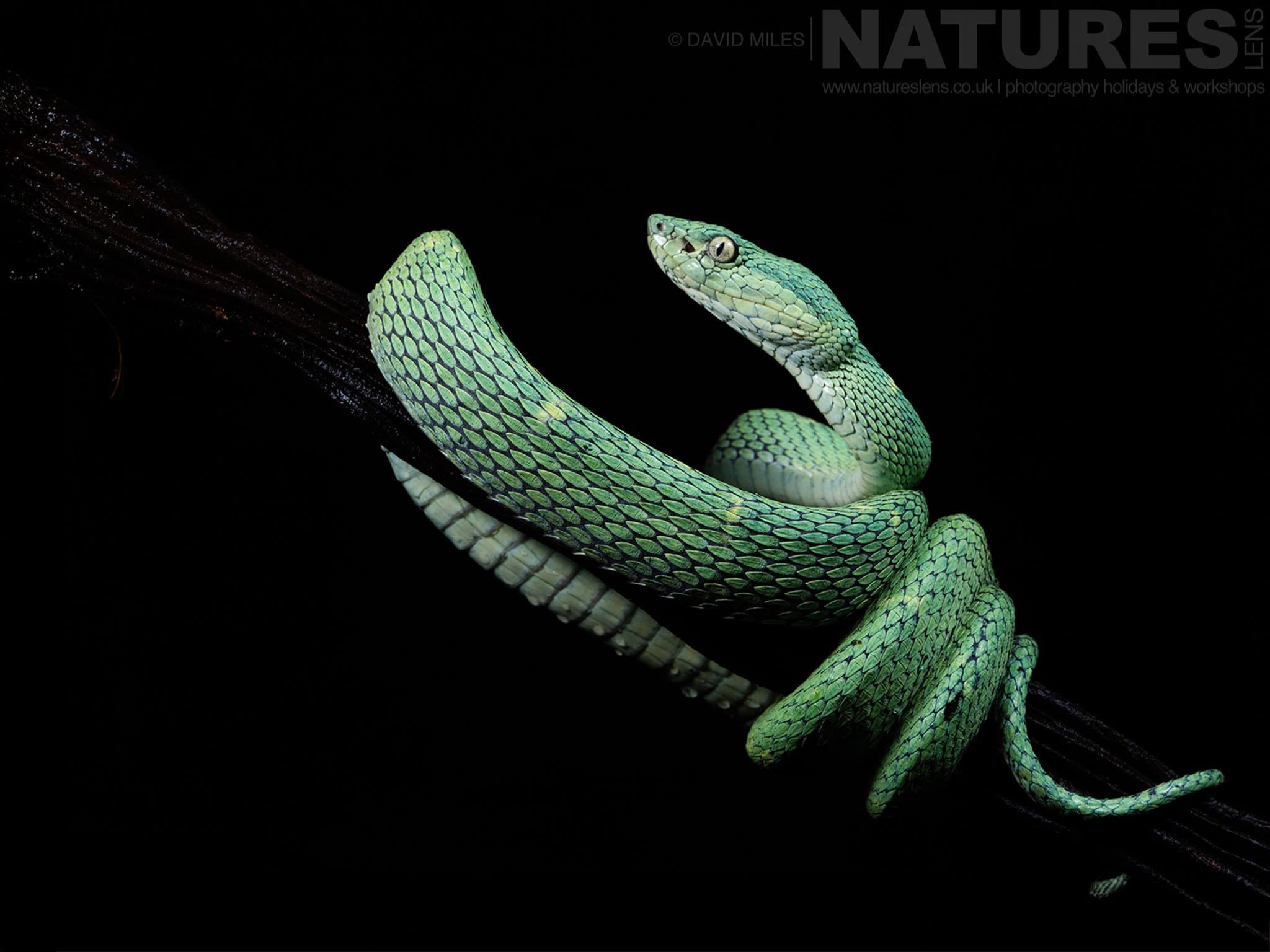
- Photography-first itinerary design – every schedule decision is made around light, behaviour & access, not around convenience.
- Small groups – typically four to eight photographers, keeping positions uncrowded & guidance genuinely personal.
- Single occupancy as standard – your own room, your own routine, no supplement charge.
- Experienced photographic guidance – leaders who understand both wildlife behaviour & camera technique.
- Quality over volume – fewer locations, more time, stronger results.
- Flexible schedules – sessions extended when conditions are good, no rigid tourist timetables.
How Is Photography at the Heart of Every Decision?
On many wildlife tours, photography is welcomed but rarely drives the itinerary. Timings may prioritise sightseeing, locations may be chosen for convenience, & encounters may be brief.
An image-first holiday operates differently. Early starts & late finishes are aligned with the best light. Daily plans stay flexible, guided by conditions & wildlife activity rather than a fixed timetable. We return to productive locations rather than rushing through a checklist, & positioning decisions are made based on background, light angle, & animal behaviour. Most importantly, time is built in for patience – often the single most important ingredient in wildlife photography.
On our Amazing Japanese Wildlife in Winter photography holiday last year, we delayed the morning departure by forty minutes because the light on the cranes wasn’t worth working until the cloud thinned. Nobody complained – everyone understood that strong images are worth waiting for. That’s typical of how these trips run. The schedule adapts to photography, not the other way around.
This approach is equally evident on trips such as our Shompole Wilderness photography holiday, where daily structure remains intentionally flexible to respond to light, behaviour & opportunity.
How Is Each Trip Designed Around Photographic Opportunity?
Every wildlife photography holiday is developed with a detailed understanding of seasonal timing, wildlife behaviour, access logistics, & photographic potential.
In practice, that means specialist hides & purpose-built setups where they make a difference, boats, vehicles, or platforms configured specifically for photographers, & locations selected not just because wildlife can be seen there, but because clean backgrounds & predictable behaviour make strong images realistically achievable. Group sizes are kept small enough to allow movement & creative flexibility, & local expertise is focused squarely on enabling strong photographic outcomes.
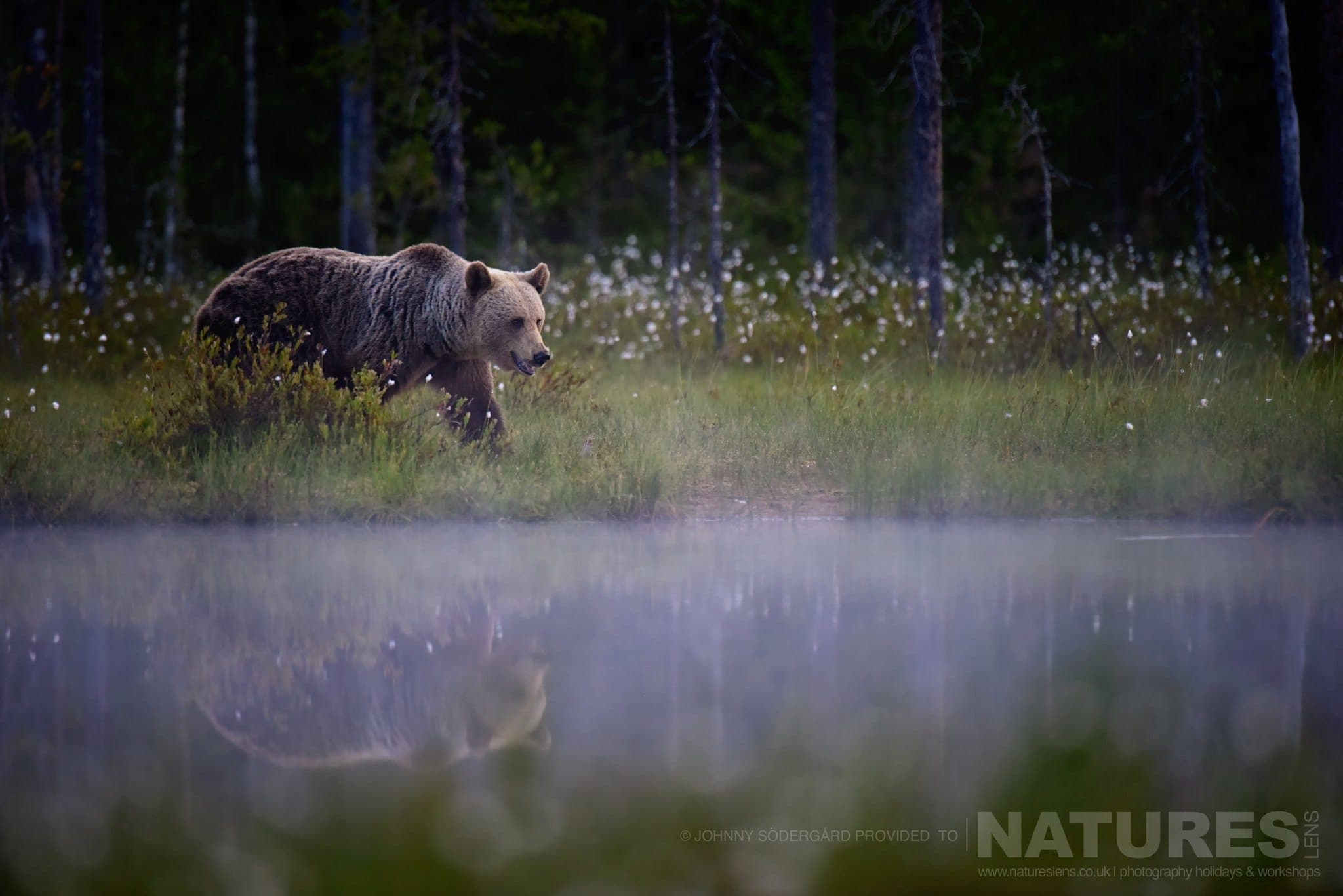
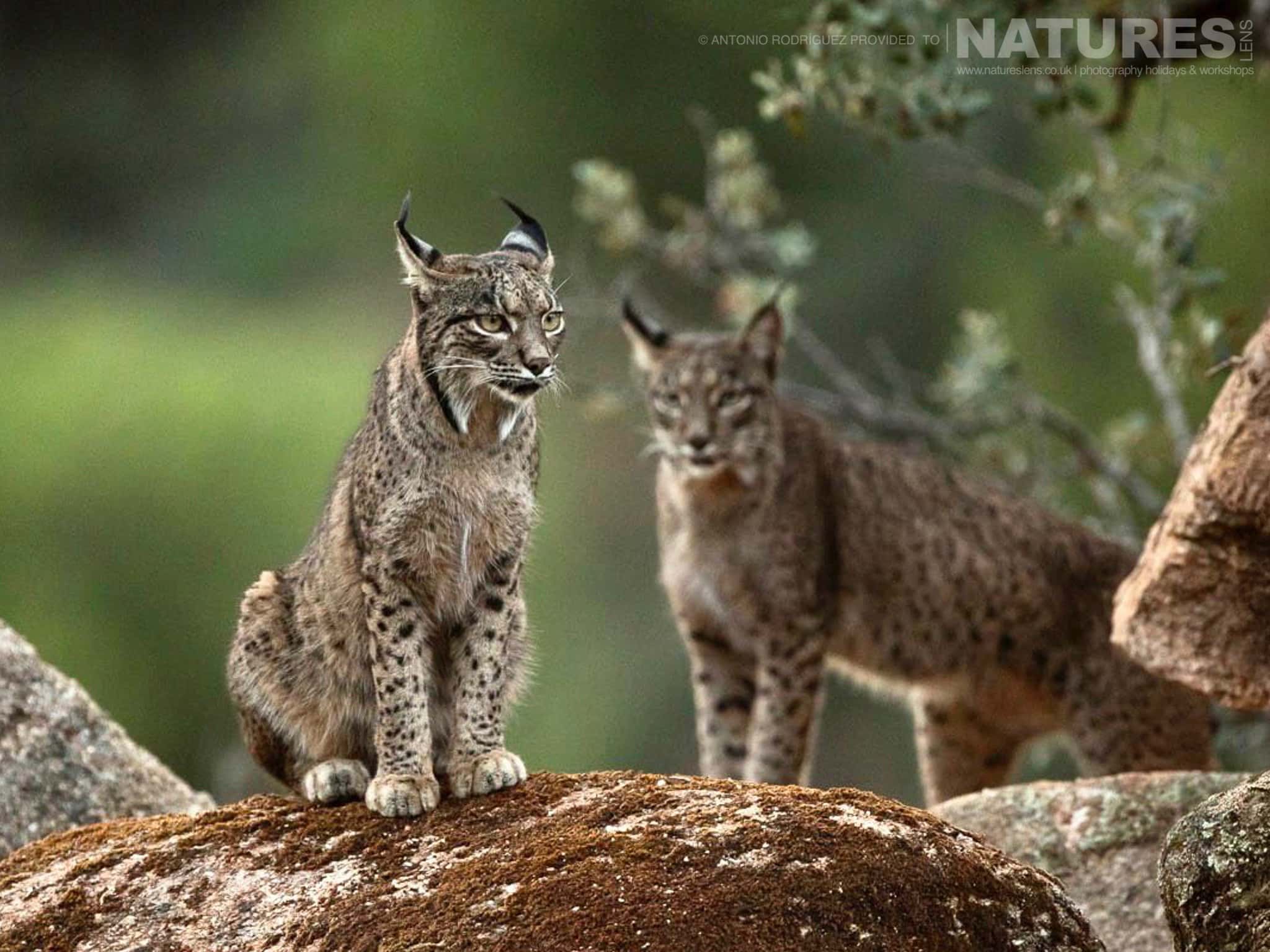
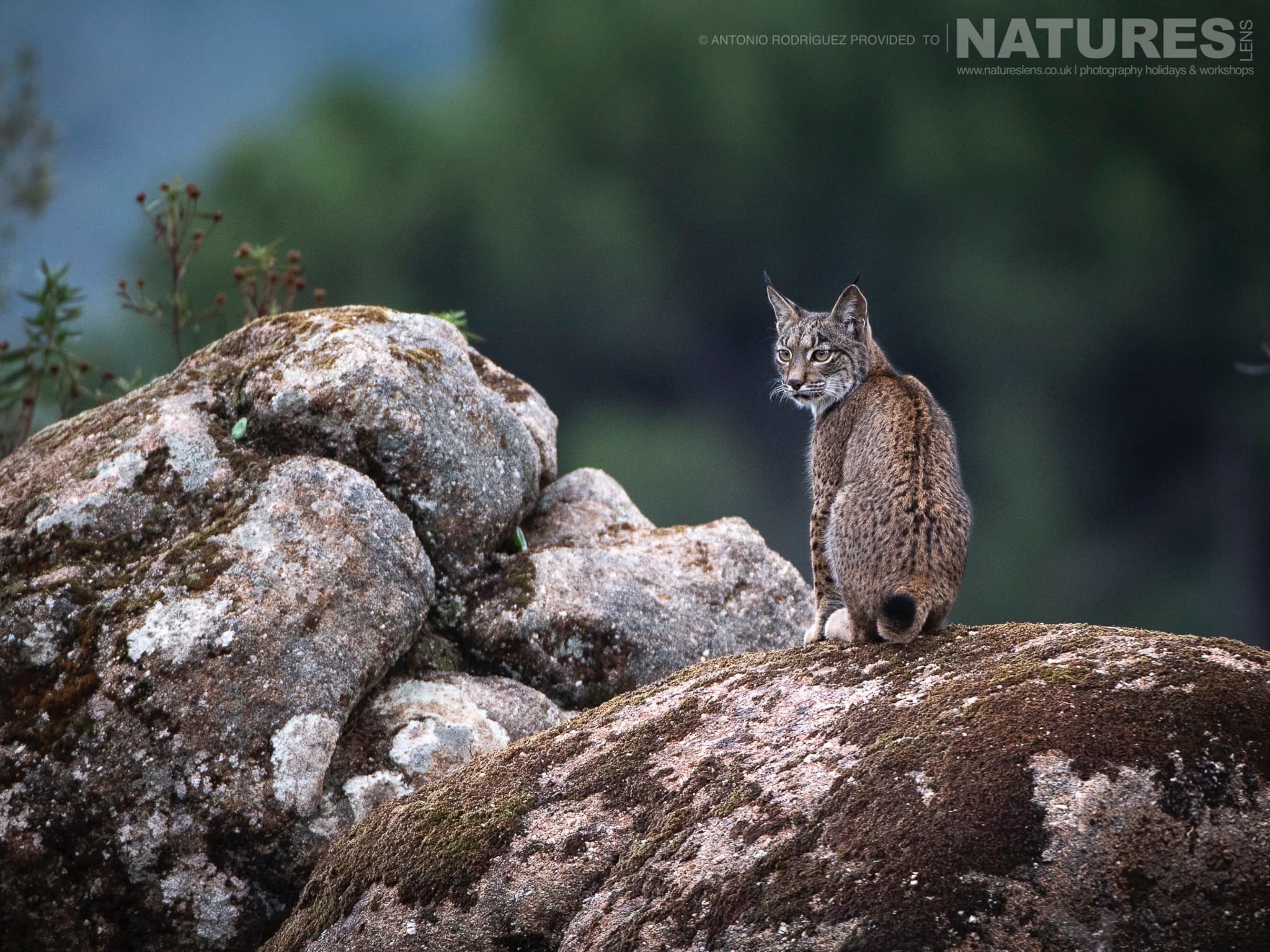
Hide-based experiences such as our Iberian Lynx in Summer photography holiday, the Brown Bears of Finland, or specialist bird photography trips across Europe illustrate how access, positioning & behaviour prediction combine to create repeatable photographic opportunities that would be difficult to achieve independently.
Why Do Small Groups Give You More Creative Freedom?
Group size has a direct influence on photographic success. Larger groups restrict angles, create competition for space, & reduce time on subject.
Image-first holidays therefore operate with intentionally small groups. That means greater freedom of positioning, reduced disturbance to wildlife, easier access to specialist locations, & personalised guidance from experienced leaders. The result is a calmer, more immersive photographic atmosphere where participants can concentrate on creativity rather than logistics.
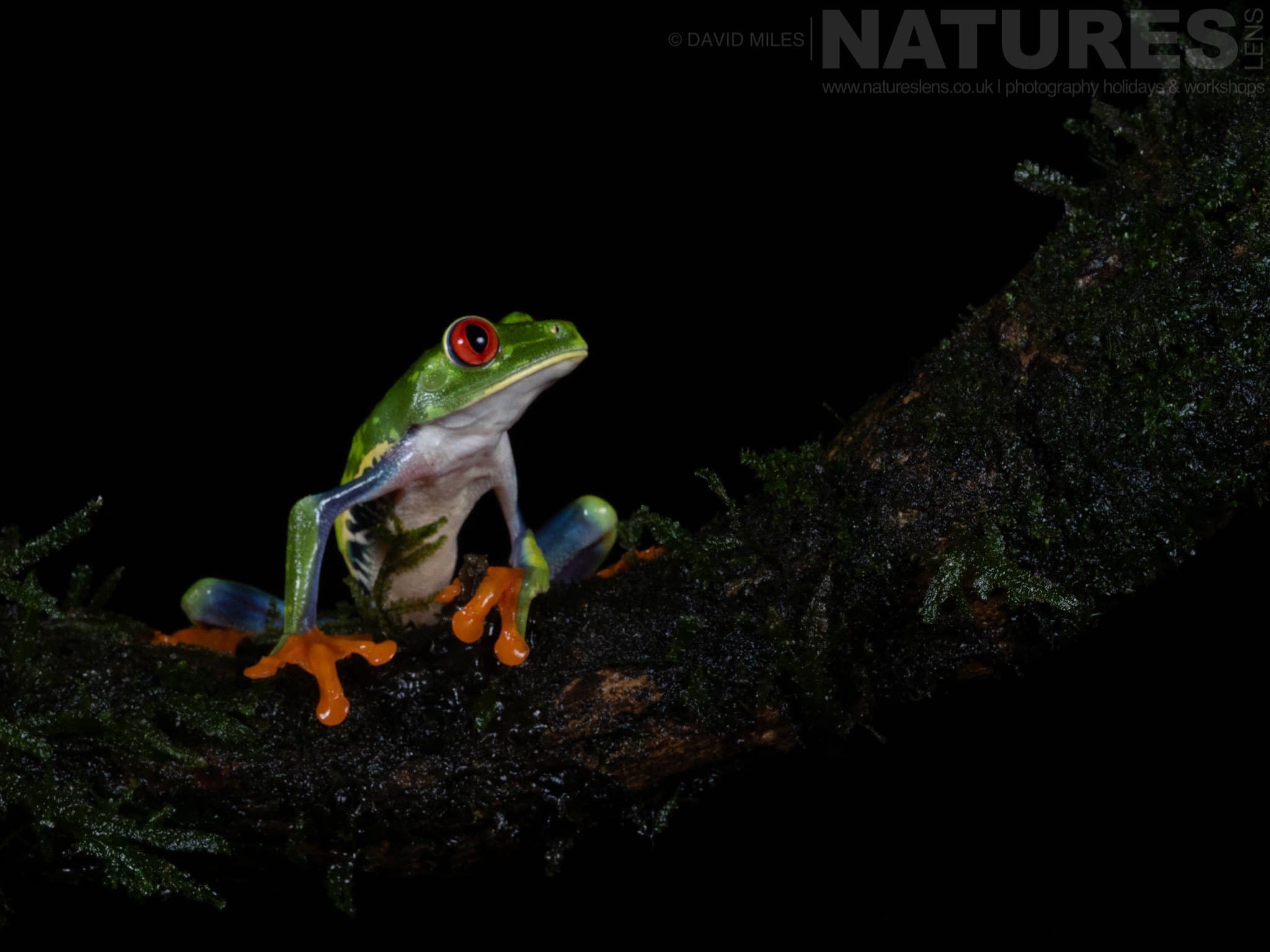
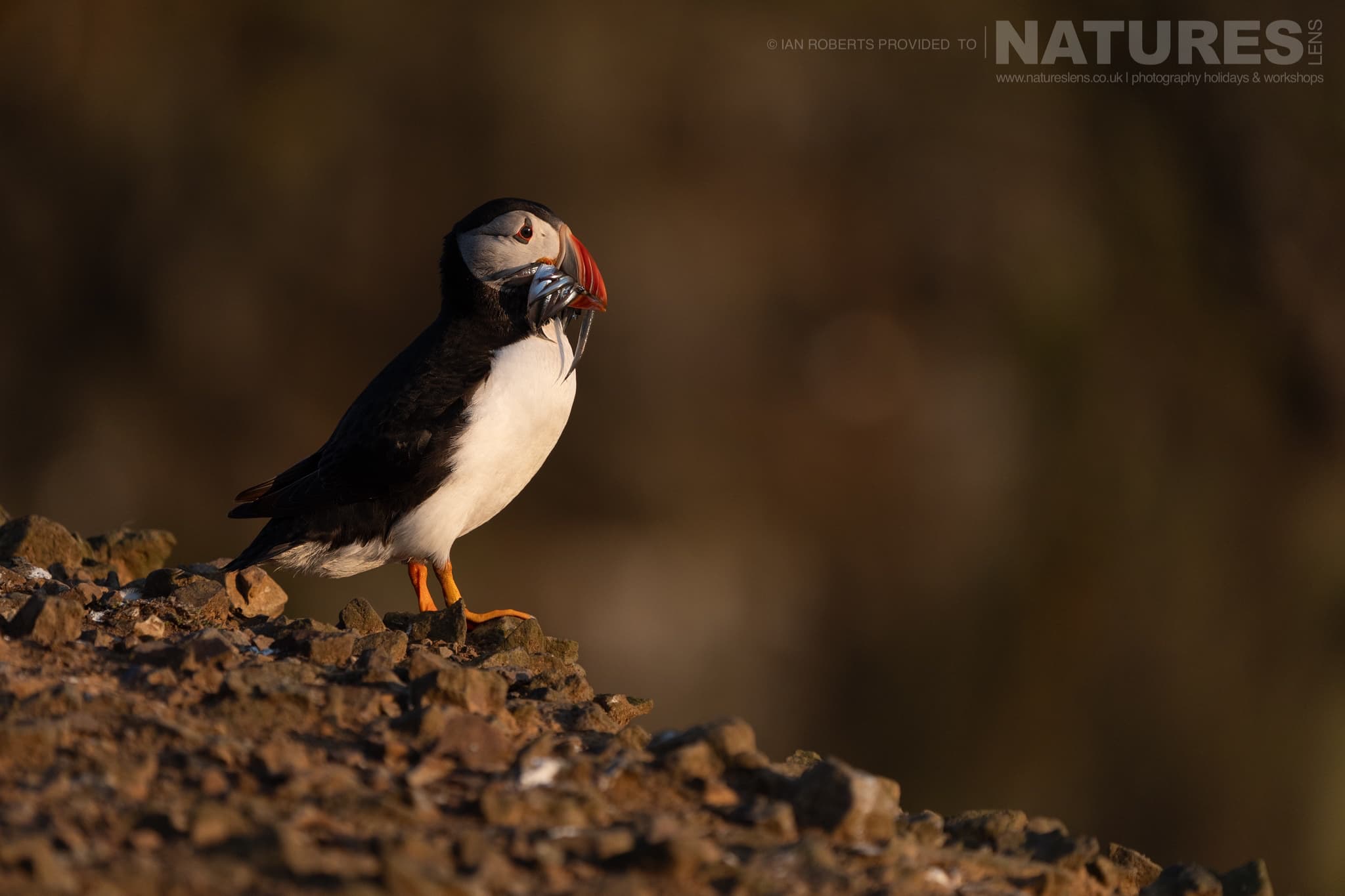
This small-group structure is a defining characteristic across destinations ranging from Costa Rica wildlife photography holidays to remote island experiences focused on Atlantic puffin photography.
Why Is Single Occupancy Included as Standard?
A distinctive aspect of the NaturesLens approach is that the majority of trips incorporate single occupancy accommodation as standard.
For photographers, this makes a real difference. You have space to organise equipment, freedom around early departures & late returns, & flexible rest schedules that don’t depend on someone else’s routine. Charging, packing, & editing workflows are entirely your own. It sounds like a small thing, but after a week of 5am starts & full days in the field, having your own space to decompress changes the quality of the entire experience.
Single occupancy is not a luxury add-on – it is part of creating an environment where photographers can focus entirely on photography.
This accommodation model also supports the growing demand for solo travel wildlife photo holidays, where independence & shared experience combine naturally within a photography-led environment.
What Does Experienced Guidance Focused on Images Look Like?
Guidance on an image-first holiday extends well beyond identifying species or managing logistics. The emphasis is on helping participants translate encounters into photographs – camera settings, composition & background awareness, behaviour prediction & timing, positioning strategies within hides or vehicles, & informal image review throughout the trip.
This collaborative approach accelerates learning while maintaining a supportive & enjoyable atmosphere. It’s the kind of guidance that comes from leaders who are active photographers themselves – people who understand what you’re trying to achieve because they’re working the same conditions alongside you.
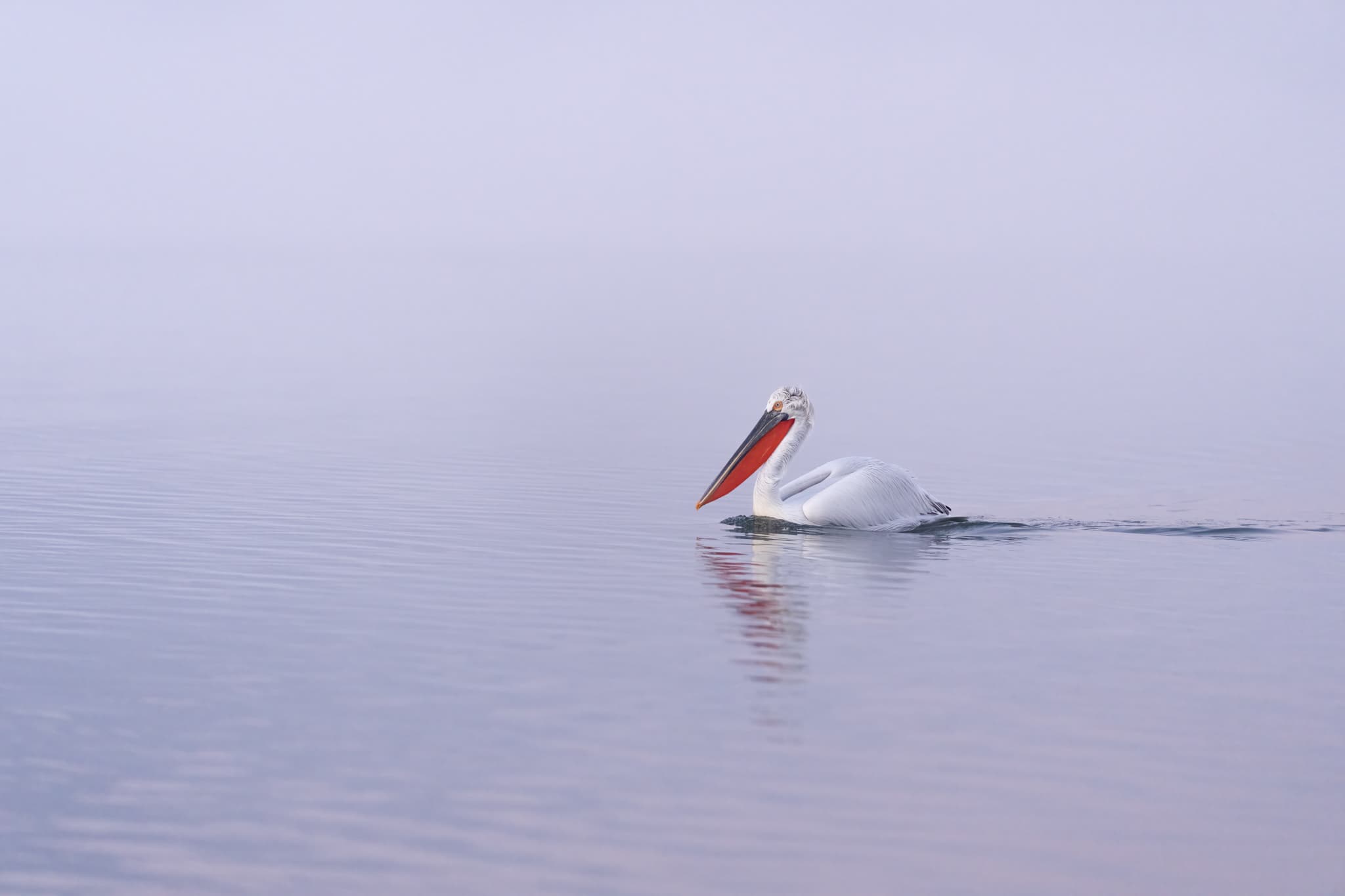
Across the NaturesLens programme, this combination of local expertise & experienced photographic leadership underpins trips spanning African wildlife photography destinations such as the African Wildlife of the Maasai Mara, our European photography holidays including the Dalmatian Pelicans of Lake Kerkini & beyond.
Why Does NaturesLens Prioritise Quality Over Quantity?
The defining philosophy of an image-first holiday is the prioritisation of image quality over species counts or location checklists.
Participants may spend extended time with a single subject, revisiting locations multiple times to refine compositions or capture behaviour. The outcome is often a smaller but far stronger collection of images – photographs that reflect intention, patience, & opportunity rather than a rushed attempt to photograph everything that moves.
Who are image-first holidays for?
Image-first holidays appeal to photographers who want consistent, repeatable photographic opportunities & value light, behaviour, & positioning over rapid itineraries. They suit people who prefer small groups & focused experiences, appreciate single occupancy accommodation, & want to improve their photography in real-world conditions. Many of our guests travel solo but enjoy the shared photographic environment that a small group provides.
Experience level matters less than mindset – a shared desire to prioritise photography is what brings the group together.
What Is The Essence of the Image-First Philosophy?
An image-first holiday represents a simple but powerful shift in how a photography trip is designed.
Rather than hoping good photographs happen during a trip, the entire experience is structured so that strong images become the natural outcome. From itinerary planning & group structure to accommodation & guidance, every decision serves that goal.
For NaturesLens travellers, this is not a special type of trip – it is simply how wildlife photography holidays should be.
- NaturesLens trips are designed around photographic opportunity – schedules, positions, & access are all structured to give you the best light.
- Small groups, normally four to six photographers, ensure unhurried access & individual guidance, with the exact maximum shown on the trip page.
- Single occupancy is included as standard on the majority of our wildlife photography holidays.